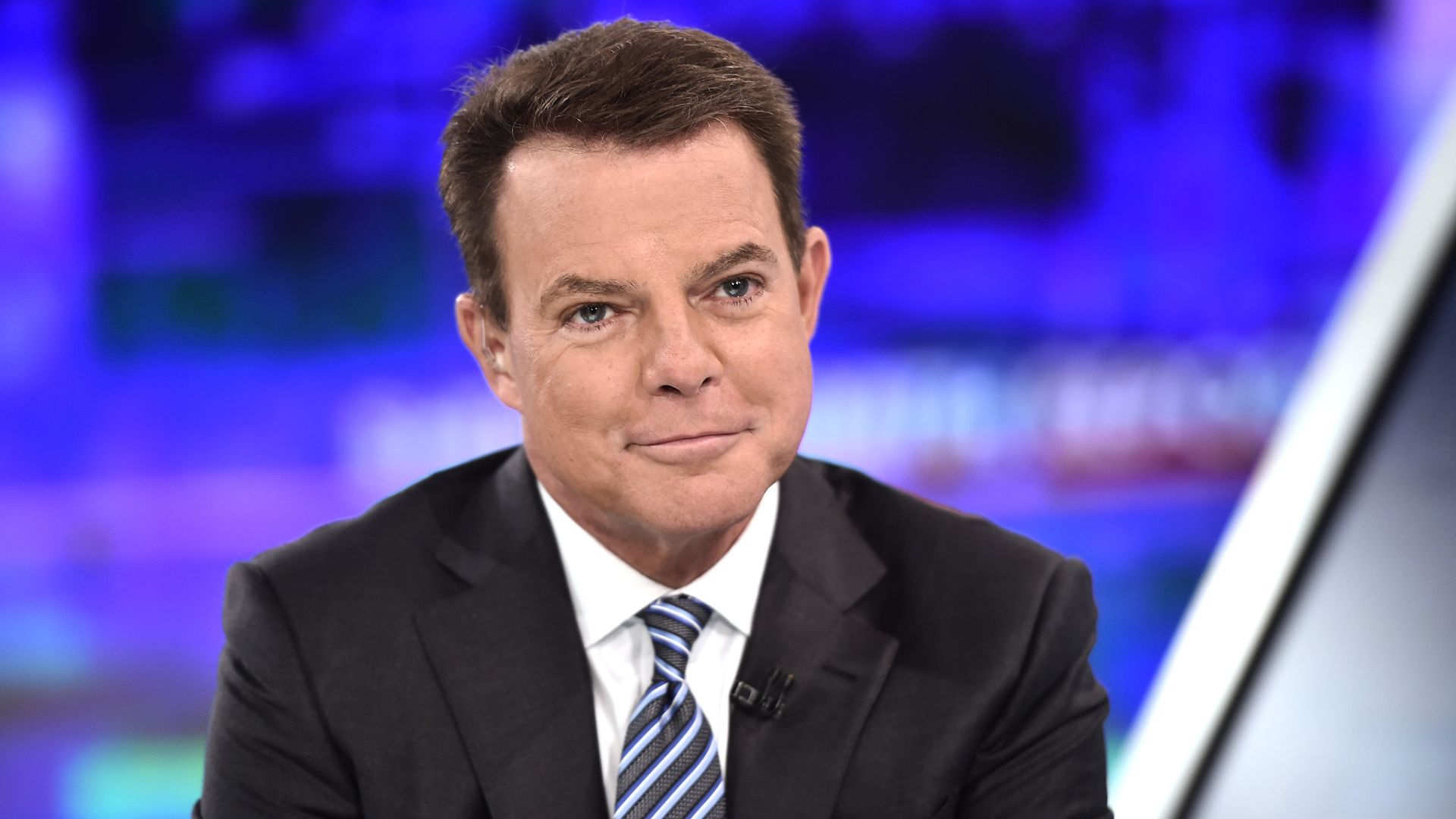
Longtime Fox News anchor Shep Smith announced on Friday that he is stepping down from his position as Fox News' chief news anchor, managing editor of the network’s breaking news unit and anchor of his weekday news show, Shepard Smith Reporting. Smith has been with the network for 23 years.
Why it matters: His departure comes as a rift grows wider between daytime news anchors and primetime opinion hosts at Fox.
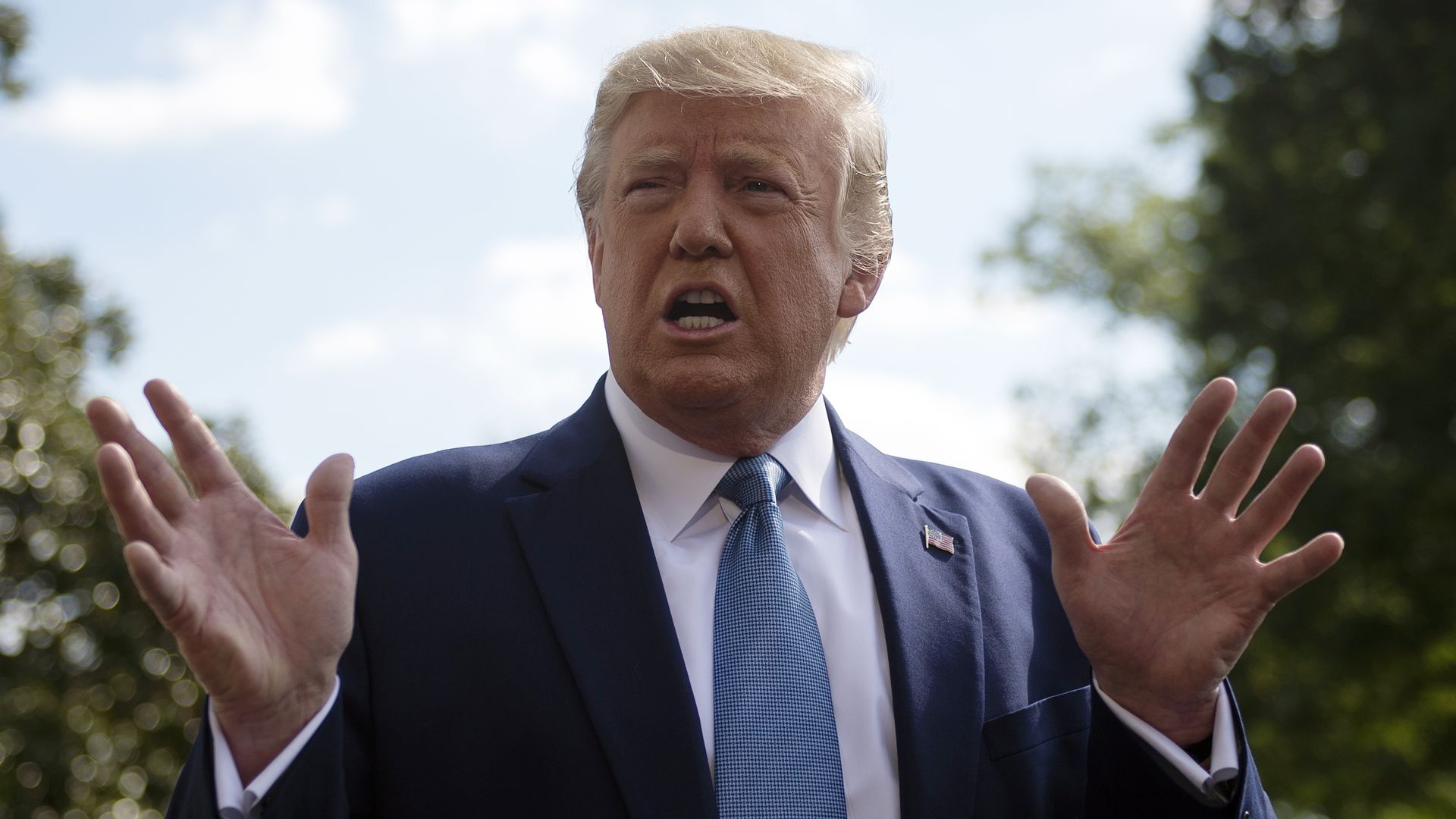
President Trump said the U.S. and China reached a partial trade deal on Friday that included an agreement from the U.S. to suspend a planned 30% tariff spike on Oct. 15, while China will buy $40-50 billion worth of U.S. agricultural goods.
Why it matters: The ceasefire comes as the U.S. economy is showing signs of weakness as a result of the trade war — threatening the economic gains Trump has counted on to carry him to re-election in 2020.
$8.3 million has been spent nationwide on ads talking about President Trump's impeachment, according to Advertising Analytics, a firm that specializes in media ad spending.
Why it matters: About 75% of that spend ($6.23 million) has come from Trump's 2020 campaign and the Republican National Committee. The Republican establishment wants to turn the impeachment crisis into a political tool, doubling down on the issue in an effort to curry favor 2020 voters — rather than hiding from it.
In Silicon Valley, Paul Martino is known as a serial entrepreneur who later founded Bullpen Capital to invest in such startups as FanDuel, Ipsy, and SpotHero.
The other side: In Hollywood, he's the guy making a movie about his cousin Tommy, who served time for his key role in the NBA's game-fixing scandal.
Investors moved an additional $20.2 billion into money market funds last week, while pulling $13.8 billion out of equity funds, data from the Investment Company Institute shows.
Why it matters: The increased desire for money market funds, which are ostensibly savings accounts, has come as yields on the 10-year Treasury note fell from 2.51% on April 3 to 1.59% on Oct. 2, showing it's fear rather than greed driving fund flows.
As global growth continues to fall, the world’s top economists and financial authorities are signaling an openness to experimenting with previously fringe economic ideas that just a few years ago would have been considered extreme or even laughable.
What’s happening: Central bank policies, which now include negative interest rates in Japan and the eurozone, have yielded negligible improvement.
Sen. Bernie Sanders told CNN on Thursday that he felt symptoms weeks ahead of his heart attack that he "should have paid more attention" to, and he will release his medical records "at the appropriate time."
A handful of new, individual state regulations has resulted in mandatory sexual harassment training for 20% of the workers in the U.S., Bloomberg reports.
Context: That means 1 in 5 workers are now offered such education, as opposed to 1 in 100 as of 2 years ago, Bloomberg adds.
Online media outlet Splinter is shutting down after nearly 2 years as a result of low readership, reports The Daily Beast.
Why it matters: Splinter, which is operated by G/O Media, took the place of media gossip blog Gawker after it was also forced to shut down following a legal battle with former wrestler Hulk Hogan. The left-leaning Splinter focused on politics and media and was often critical of mainstream media outlets.
The U.S. job market remains strong, with more job openings than unemployed people seeking a job, but companies are starting to put some hiring plans on hold.
The big picture: The U.S. had 7.05 million job openings at the end of August, the Labor Department reported on Wednesday, but after torrid increases over the past 2 years, the number of jobs businesses have to offer is beginning to turn lower, but not because firms are filling the positions.
The New York Times has hired former Times product veteran Alex Hardiman as the company's head of product, reporting to chief operating officer Meredith Kopit Levien.
Why it matters: Hardiman's return comes at an inflection point for the business of The Times. The company has lots of users, but not enough that pay for its journalism. To change that, it's making product the central business engine of the company.
Ahead of expected tariff increases on consumer goods from China, imports at the nation’s major retail container ports are expected to hit their highest level of the year in November.
Why it matters: The report is the latest data point to show that President Trump's trade war is spurring an increase, rather than a decrease, in buying from China and other foreign exporters. The pace of imports at retail container ports has consistently risen during Trump's time in office.
Normally the health of business drives a country's asset prices, but that's not what's happening at the moment, according to Deutsche Bank Securities chief economist Torsten Slok.
What's happening: The S&P 500 has risen by around 20% so far this year, despite weakening U.S. economic data and a slowing labor market. Earnings growth, typically the bread and butter of equity market returns, was negative in the second quarter and is expected to be negative in the third and fourth quarters as well.
While the U.S. reckons with the fact that China's market power can stymie free speech after the NBA's firestorm, Hollywood — America's premier cultural exporter — has long willingly bent to Chinese censorship to rake in profits.
Why it matters: China is set to become the world's biggest movie market in 2020, and with its 1.4 billion citizens, it won't relinquish that title anytime soon. That means it's key for Hollywood studios to do all they can to ensure that their tentpoles can pass the standards of the country's strict censors.
Scores of American small businesses are losing profits and wasting inventory in the U.S.-China trade fight. But the biggest and richest are coasting — in every sector.
What's happening: "Bigger guys, just by virtue of their size, can weather the storm better," says Tom Duesterberg, a trade expert at the Hudson Institute.
















/2019/10/10/1570707296362.gif?w=3840)