A slew of Chinese-inspired smartphone apps and products are flourishing in the U.S., adding new Chinese influences to American culture and business just as the trade conflict between the two countries intensifies.
Why it matters: U.S. tech giants that once inspired Chinese products in the era of PCs and the web are now borrowing moves from East Asian counterparts, mimicking their smartphone apps and innovations, as a recent in-depth China Internet Report by the South China Morning Post documents.
Turmoil in the U.K. and Hong Kong could influence where Saudi Aramco's massive international IPO listing happens, reports the Wall Street Journal.
Why it matters: The reporting shows how geopolitical upheaval is spilling into the high-stakes competition for what's likely to be — if it happens — the largest IPO ever.
Corn farmers in Nebraska are "outraged by the Trump administration's lack of support for the American farmer," according to a Thursday press release by the Nebraska Corn Board and the Nebraska Corn Growers Association.
The U.S. unemployment rate is so low that some cities and states have turned into "worker deserts" — places where companies can't find people to hire.
Why it matters: The "good news" story of the strong labor market has a big downside that is playing out in places like Iowa, New Hampshire and Florida, where companies say they can't keep up with business demand — hampering growth — unless they find more workers.
Uber, Lyft and DoorDash are prepared to spend a collective $90 million on a ballot measure, vowing on Thursday to fight a California bill that would force their workers in the state to be treated as employees, rather than independent contractors, the AP reports.
What's happening: The companies are offering $30 million each to counter the state bill with a yet-to-be drafted ballot initiative that would give drivers health benefits, collective bargaining rights and earnings guarantees. Per the New York Times, the tech firms argue that "changing the legal status of their drivers poses a fundamental threat to their businesses."
The Walt Disney Company says it's sold its 80% stake in the YES (Yankee Entertainment and Sports) Network for a deal valued at $3.47 billion.
Why it matters: The YES Network is considered one of the most valuable and most-watched regional sports networks. Its sale will boost Sinclair's growing foothold in regional sports and will give Amazon an entryway into local sports broadcast.
The Long-Term Stock Exchange has raised $50 million in Series B funding led by Founders Fund, with new investors joining existing ones like Andreessen Horowitz, Obvious Ventures, and Initialized Capital.
Why it matters: Silicon Valley's big tech "startups" have increasingly delayed going public, in part because of the pressures of quarterly performance they must explain to stockholders. The LTSE, a brainchild of "Lean Startup" author Eric Ries, seeks to build a stock exchange without these traditional short-term pressures.
Uber stock spent part of this week at all-time lows as it's dealing with continued driver strife, and well-funded rivals are nipping at its heels. Dan digs into the past, present and future of Uber with New York Times reporter Mike Isaac, whose new book on the company comes out on Tuesday.
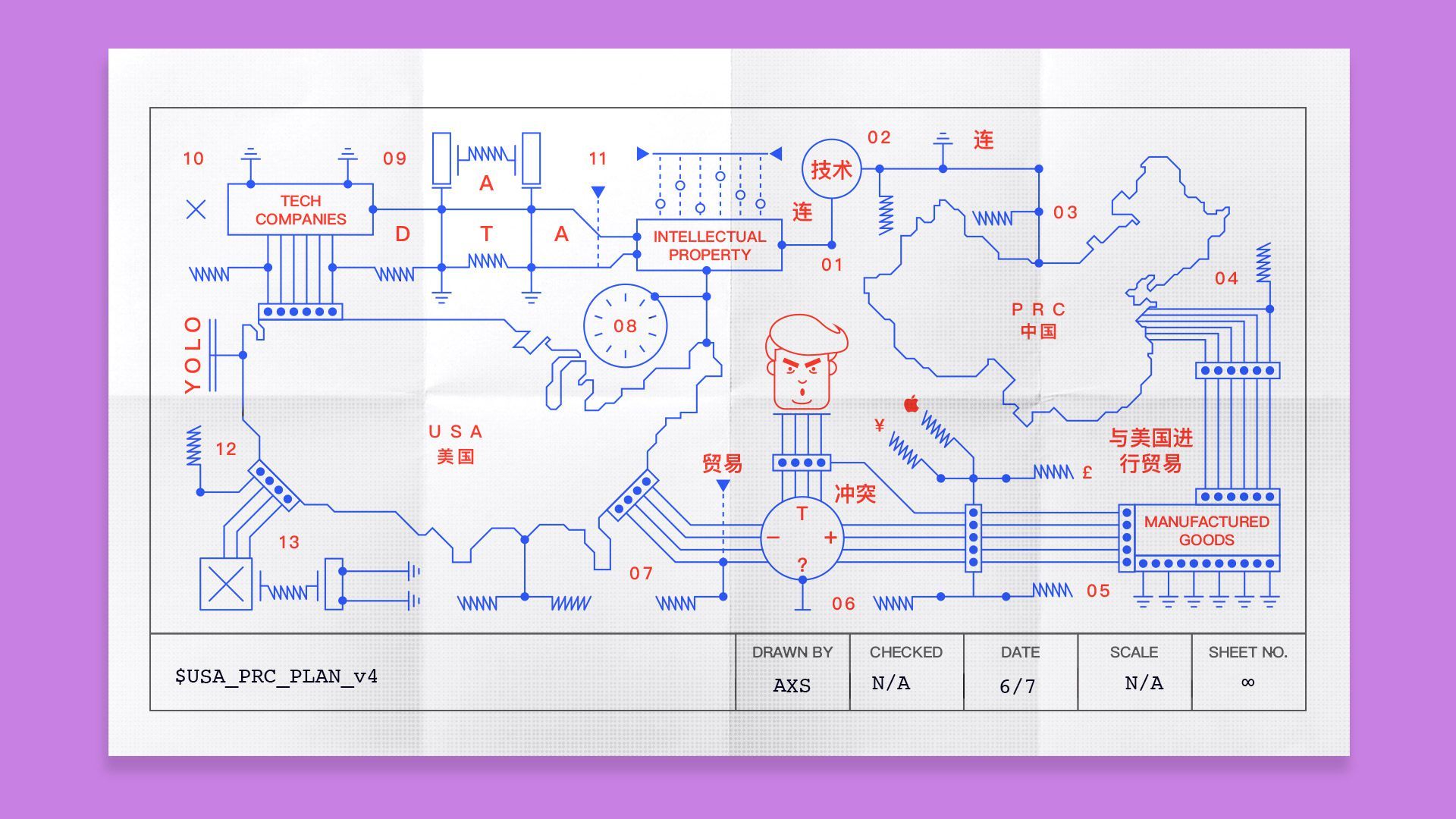
Even as businesses continue to protest the growing U.S.-China trade war, the tariffs are already causing companies in both countries to rethink how and where they do business.
Why it matters: For all their differences, the U.S. and Chinese tech industries remain very interdependent — each country contributes a great deal of business to the other's economy.
Stocks may be the safe asset now. With U.S. Treasury yields in a free fall and the corresponding decrease in U.S. bank savings and money market rates, the S&P 500 dividend yield now pays more than both the 30-year U.S. Treasury bond and the average online savings account, data show.
The result: Investors get a better automatic return holding stocks than they do putting money into historically less risky assets.
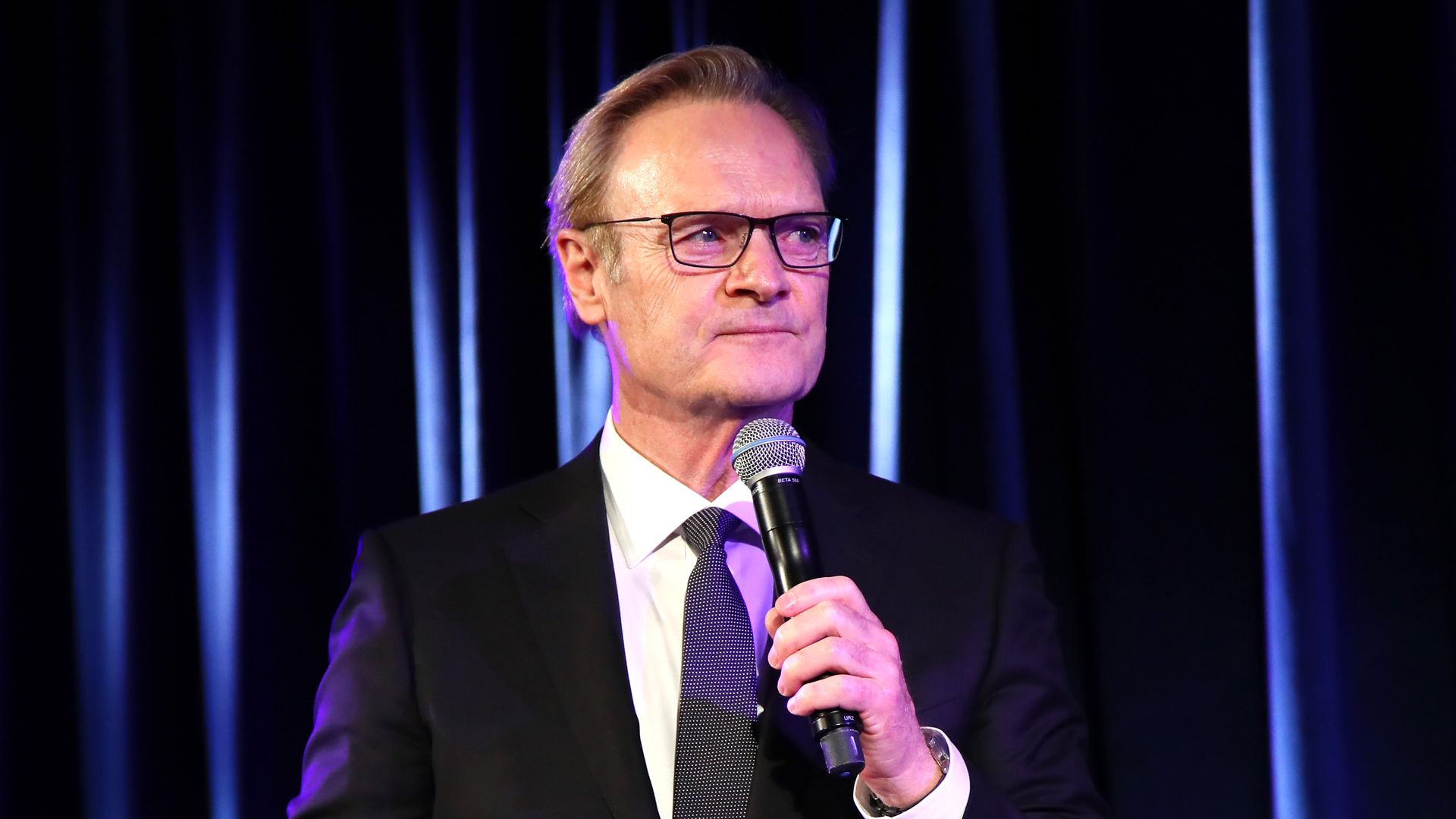
MSNBC host Lawrence O'Donnell apologized on his "Last Word" show Wednesday night as he retracted an unverified report that directly tied President Trump's finances to Russia, which aired the previous night.