The country's heightening polarization extends even to the television we watch, severing another thread of America's collective consciousness as it gears up for the 2020 presidential election.
Why it matters: Americans used to have only a few TV options, leading to moments of mass culture like The Beatles' appearance on "The Ed Sullivan Show" or the "M*A*S*H" finale. But just as the spread of social media jumpstarted political tribalization, the rise of cable and streaming services has necessitated a need for a wealth of content — increasingly targeted and niche — that has hastened a cultural splintering.
A slew of Chinese-inspired smartphone apps and products are flourishing in the U.S., adding new Chinese influences to American culture and business just as the trade conflict between the two countries intensifies.
Why it matters: U.S. tech giants that once inspired Chinese products in the era of PCs and the web are now borrowing moves from East Asian counterparts, mimicking their smartphone apps and innovations, as a recent in-depth China Internet Report by the South China Morning Post documents.
Turmoil in the U.K. and Hong Kong could influence where Saudi Aramco's massive international IPO listing happens, reports the Wall Street Journal.
Why it matters: The reporting shows how geopolitical upheaval is spilling into the high-stakes competition for what's likely to be — if it happens — the largest IPO ever.
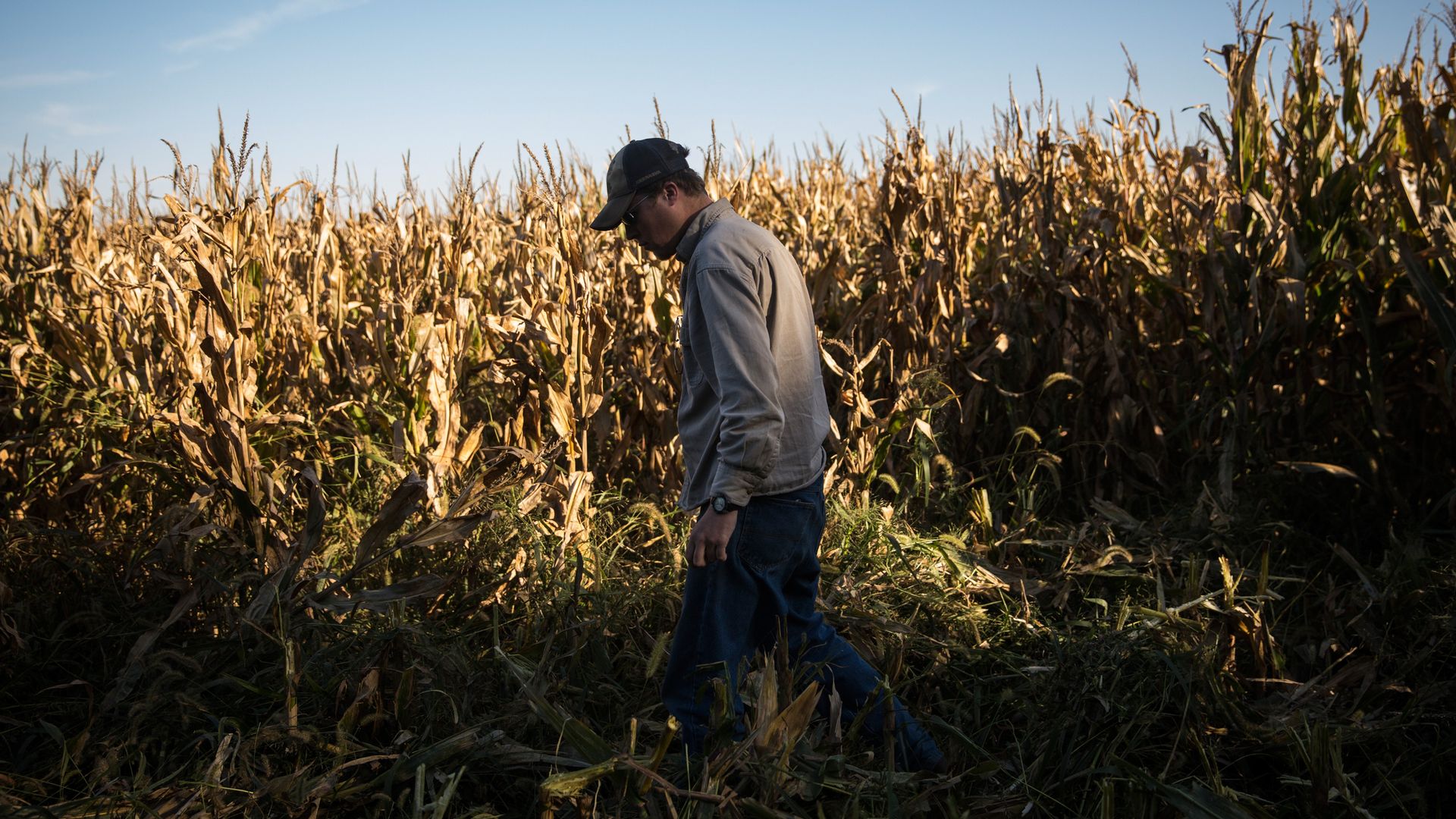
Corn farmers in Nebraska are "outraged by the Trump administration's lack of support for the American farmer," according to a Thursday press release by the Nebraska Corn Board and the Nebraska Corn Growers Association.
The U.S. unemployment rate is so low that some cities and states have turned into "worker deserts" — places where companies can't find people to hire.
Why it matters: The "good news" story of the strong labor market has a big downside that is playing out in places like Iowa, New Hampshire and Florida, where companies say they can't keep up with business demand — hampering growth — unless they find more workers.
Uber, Lyft and DoorDash are prepared to spend a collective $90 million on a ballot measure, vowing on Thursday to fight a California bill that would force their workers in the state to be treated as employees, rather than independent contractors, the AP reports.
What's happening: The companies are offering $30 million each to counter the state bill with a yet-to-be drafted ballot initiative that would give drivers health benefits, collective bargaining rights and earnings guarantees. Per the New York Times, the tech firms argue that "changing the legal status of their drivers poses a fundamental threat to their businesses."