Peloton, the New York-based company best known for its stationary exercise bike and accompanying exercise videos, has filed to go public on the Nasdaq stock exchange under the symbol "PTON."
Why it matters: Peloton is both a hardware and software subscription company (and a content streamer), whose CEO boldly compares it to Apple.
By the numbers: Millennial homeownership is 8 percentage points lower than previous generations at this age. Student debt is at $1.5 trillion, with defaults rising. Just 37% of Americans under 35 owned stocks last year, vs. 55% in 2001.
The Athletic, a subscription-based digital sports media company, will begin experimenting with putting some of its audio content in front of its paywall in an effort to expand its audience, a source familiar with the plans tells Axios.
What's new: The company will start by offering one episode a week to non-subscribers in front of the paywall and one behind. The goal is to offer people who might be less likely subscribe to The Athletic the ability to sample some of company's content.
Local newspapers still heavily rely on obituary placements for revenue, according to data from local obituary and advertising placement firm Adpay, which is owned by Ancestry.com.
Why it matters: Obits, alongside public notice ads, are one of the last remaining consistent revenue streams that local newspapers rely on, although both are being challenged by the digital age.
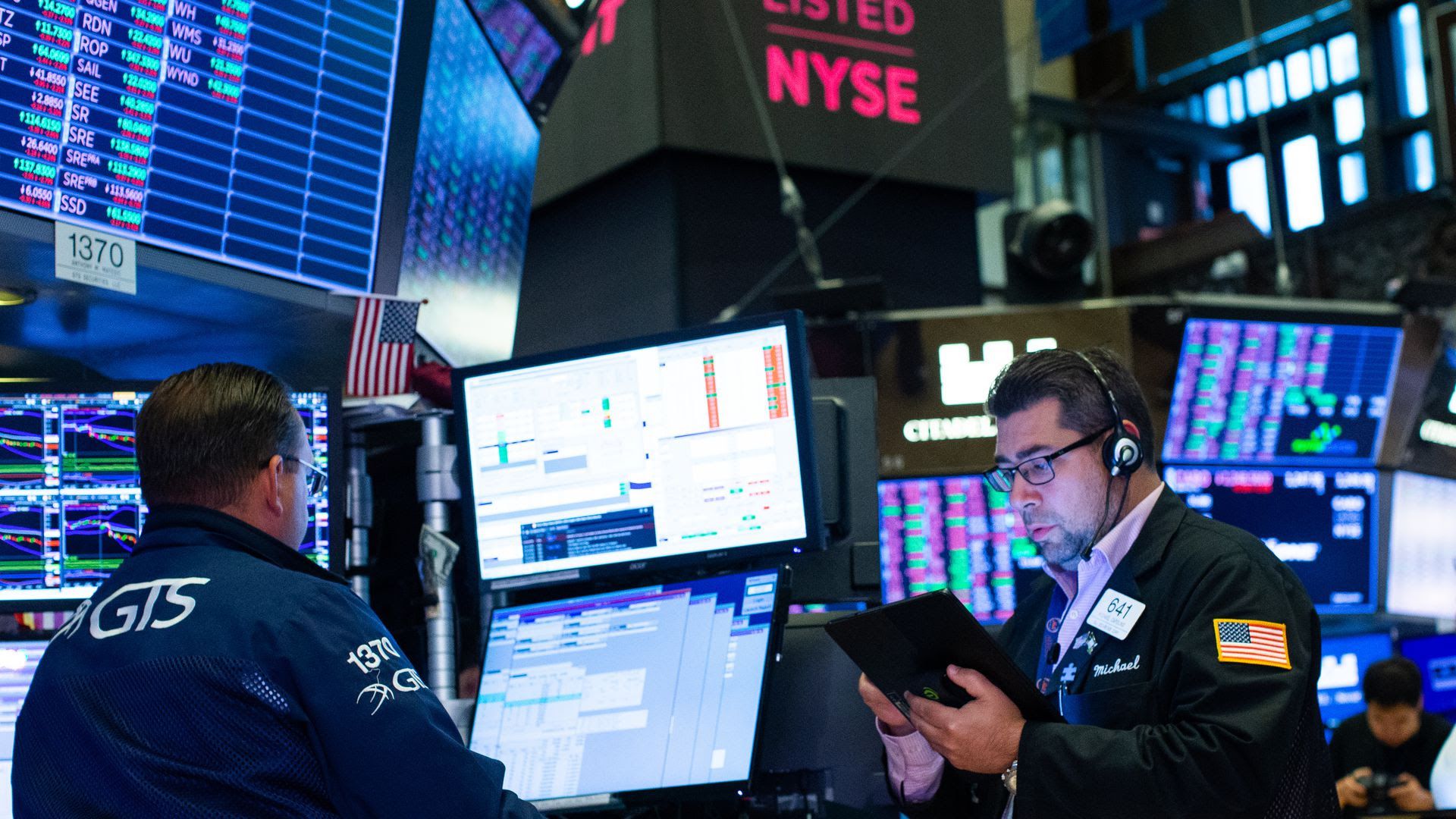
Stocks jumped on Monday as investors bought optimism that a U.S.-China trade deal could be salvaged, despite a lack of tangible evidence that progress is being made.
The state of play: The market will need the animal spirits of trade-war hope, because many of the fundamental catalysts that have buoyed stock prices in years past are starting to unravel.
Mike Bloomberg and his advisers are embracing the forthcoming '"The Many Lives of Michael Bloomberg," by N.Y. Times veteran Eleanor Randolph, out Sept. 10 from Simon & Schuster.
The state of play: Bloomberg is so pleased with the book that he has told friends he'll send them a copy when it's out. Aides tell me they granted Randolph extraordinary access over several years.
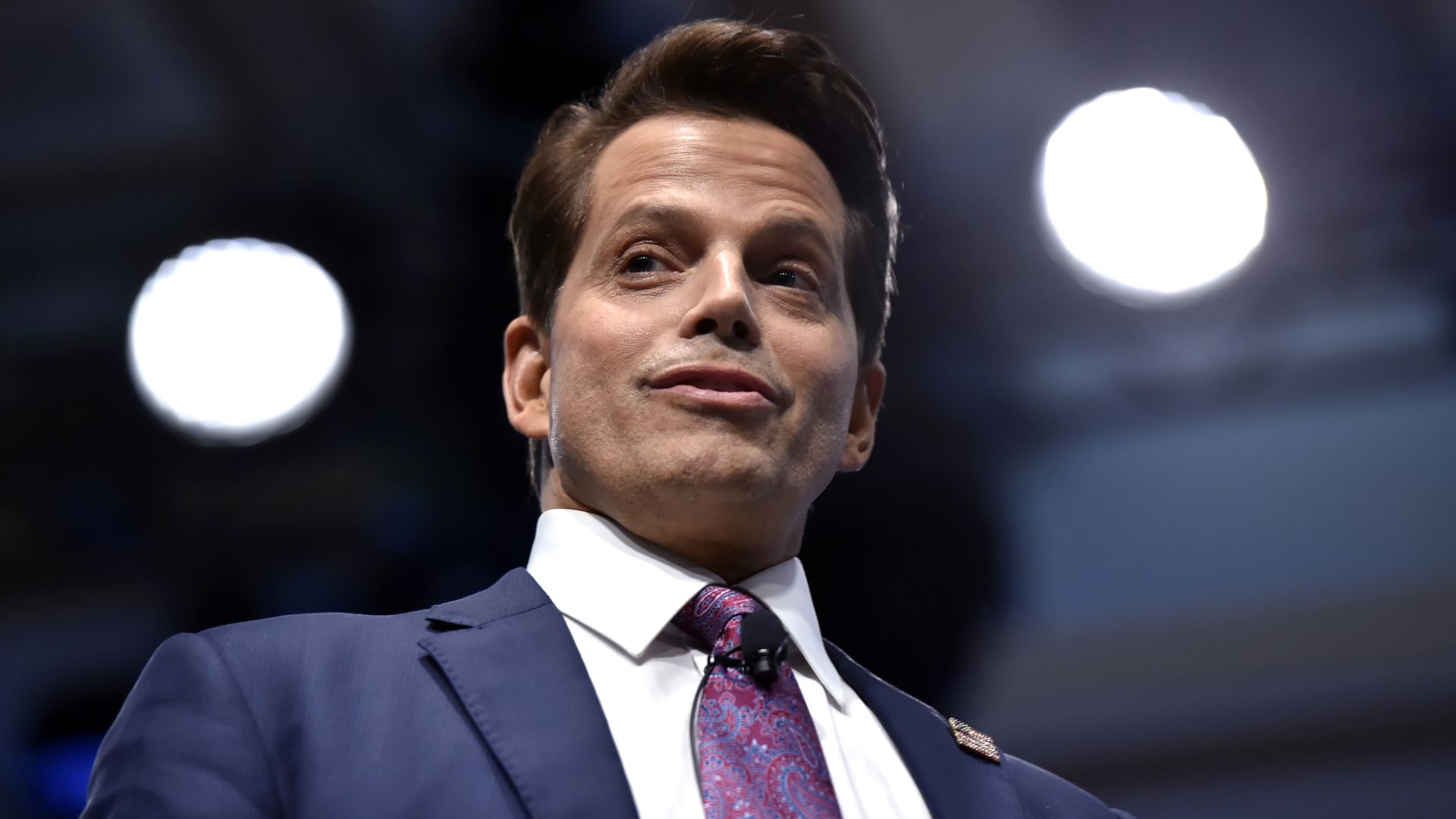
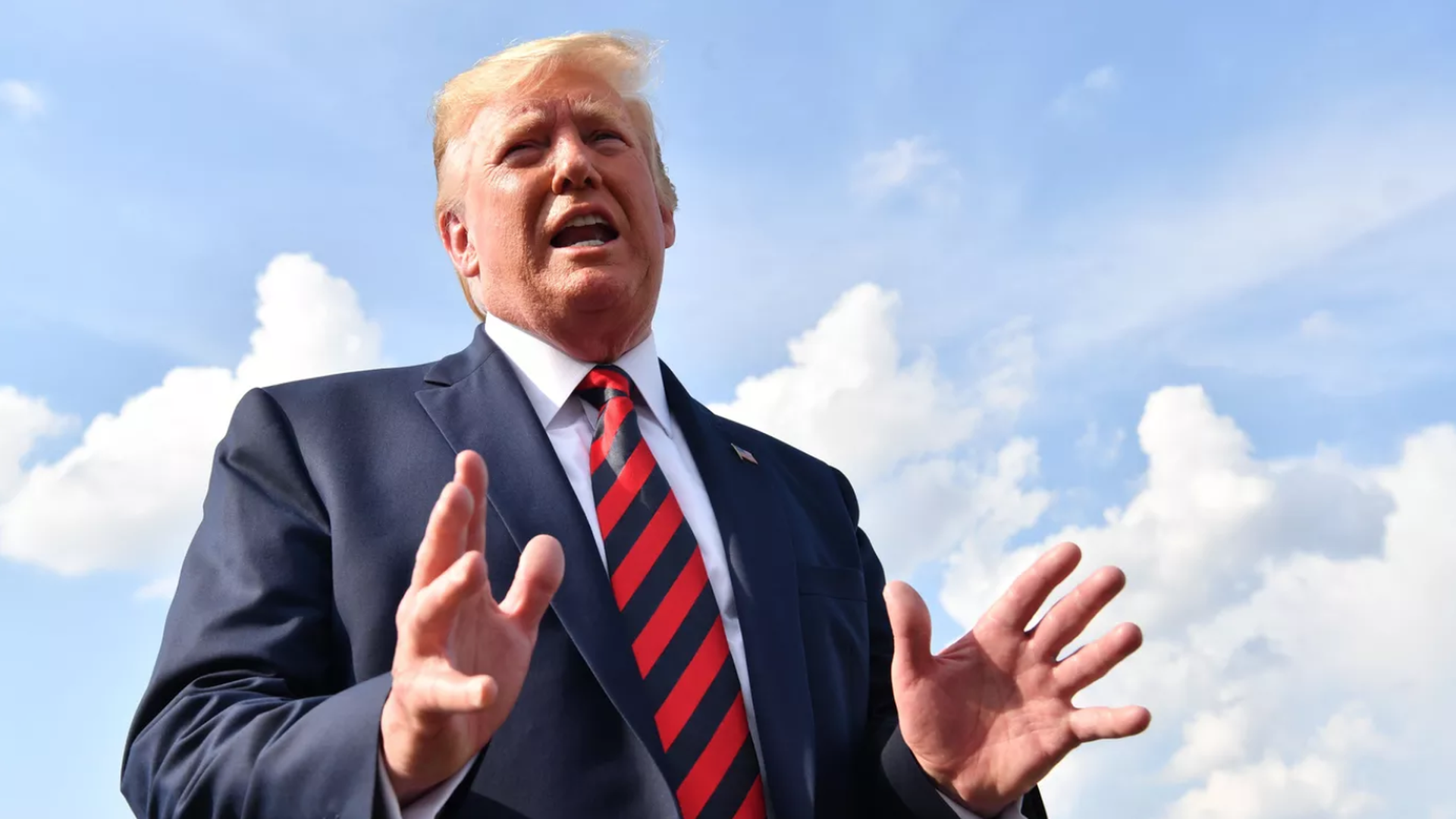
Former Trump aide-turned-critic Anthony Scaramucci told Axios' Dan Primack in the Pro Rata Podcast on Monday that President Trump's "America First" strategy could result in the U.S. losing the trade war with China.
The big picture: Scaramucci, who was a short-lived White House communications director, had always supported Trump's decision to take on the Chinese and use tariffs as a negotiation tool. What Trump has failed to do, he said, was get European allies on board. Scaramucci told Axios earlier this month that if Trump "doesn't reform his behavior, it will not just be me, but many others will be considering helping to find a replacement in 2020."
President Trump may be serious about trying to push U.S. companies out of China, but businesses have already seen that getting out is easier said than done.
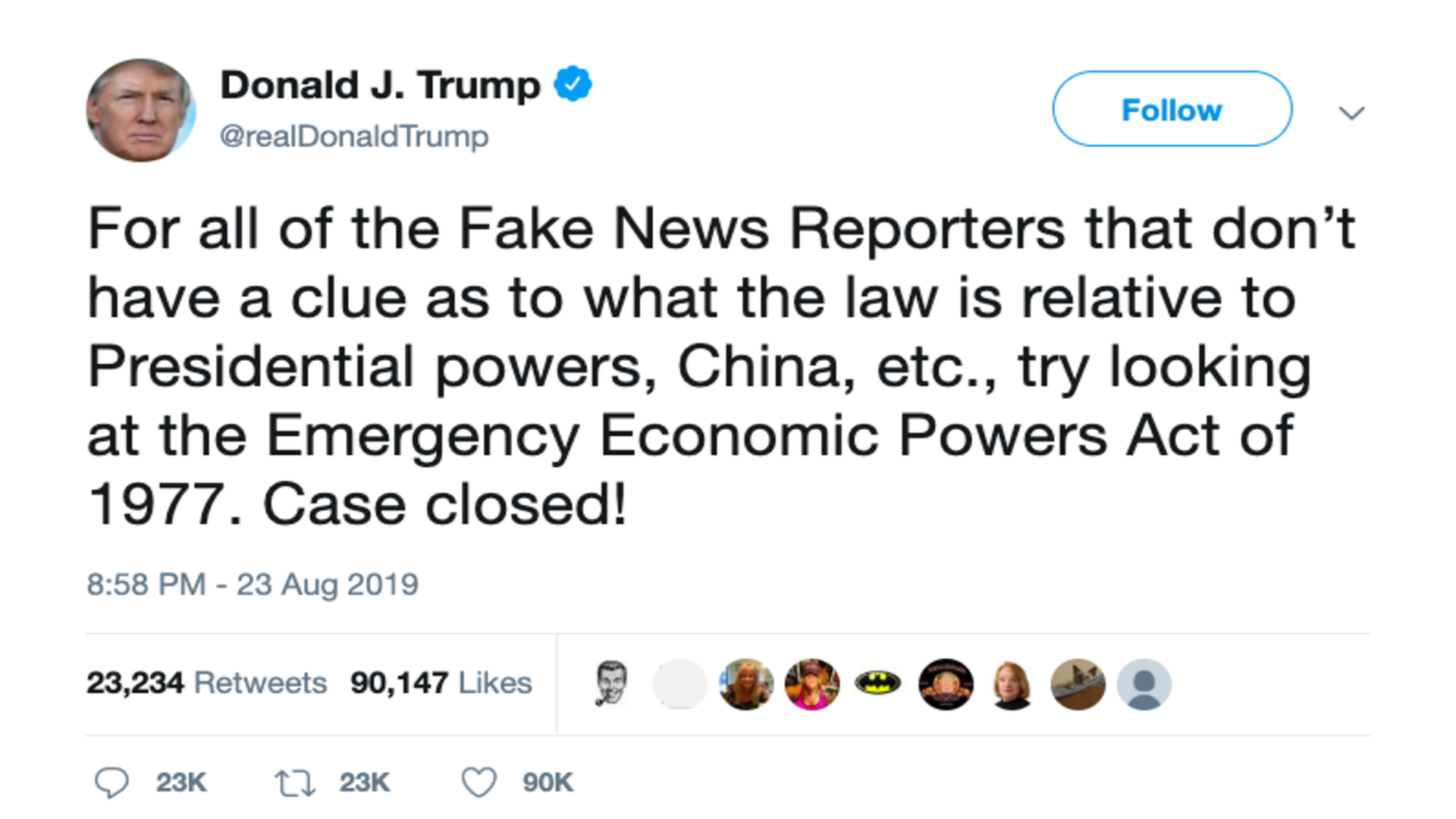
Driving the news: In renewing his call for companies to leave China in recent tweets, Trump cited the International Emergency Economic Powers Act of 1977, a law that was passed to allow a president to isolate rogue or criminal regimes.
In his speech at Jackson Hole on Friday Fed Chair Jerome Powell effectively acknowledged that the world has reached the end of monetary policy as we know it.
What's happening: While central banks could rest assured they had the tools to rein in inflation and unemployment in the old days, that's now uncertain in this new world.
Major conservative media outlets are still growing in the U.S., even in the Trump era, by broadening their coverage areas and audiences to reach as many people as possible.
Why it matters: It's a reversal of the more typical pattern in which ideological media outlets take off when a president from the other side is in power.
President Trump said on the sidelines of the G7 summit in Biarritz, France, Monday that China has contacted his administration to request for trade talks to resume.