Hong Kong's flagship airline Cathay Pacific threatened to fire staff members who participate in "illegal" demonstrations in the city, the Wall Street Journal reports.
Why it matters: The move seems designed to placate Beijing, which has required that any employees involved in the protests be removed from flights to the Chinese mainland. A fifth of the airline's flights are routed through China, meaning that a government crackdown could significantly hamper its operations.
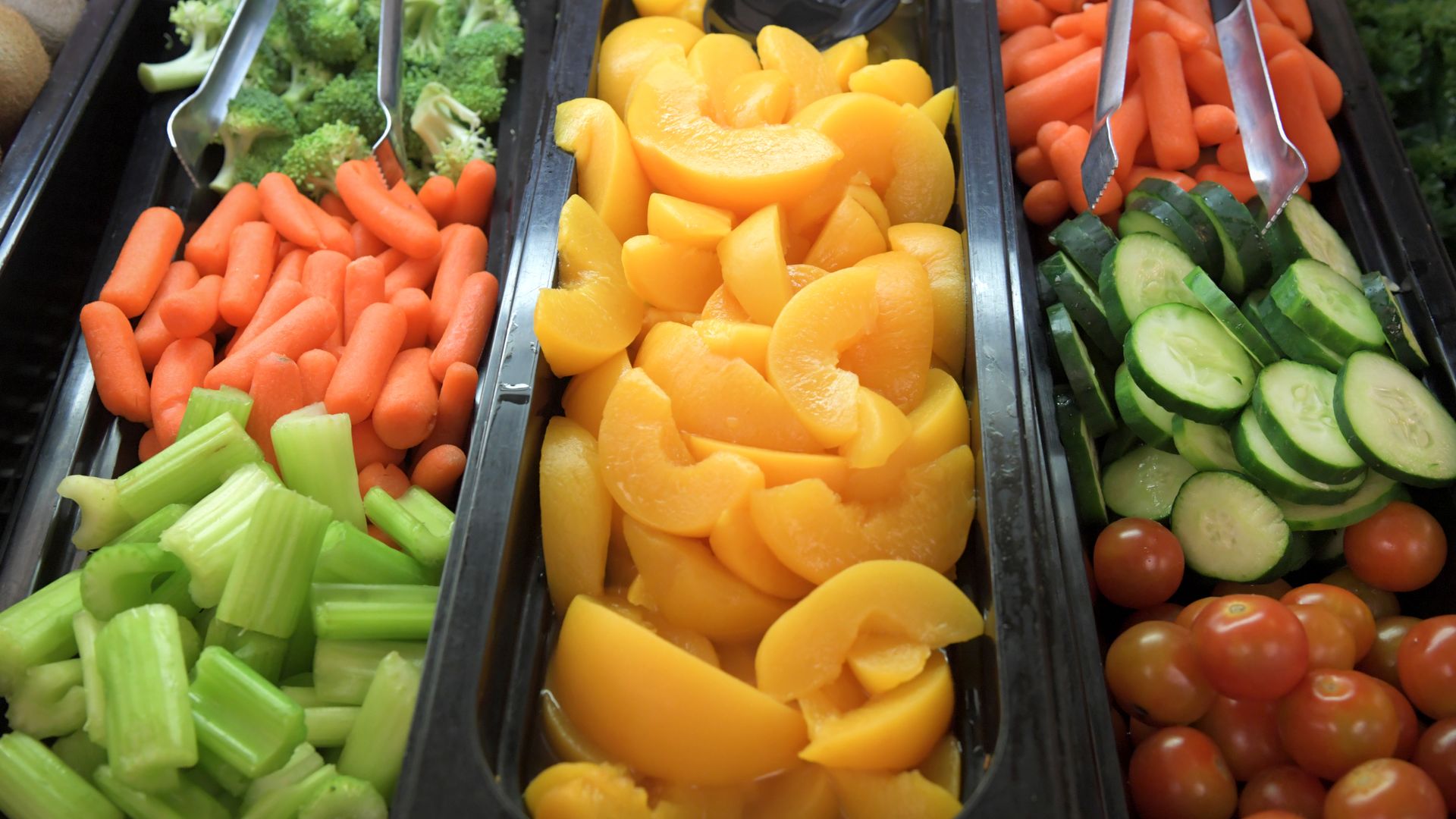
School cafeterias are set to receive free food purchased by the Department of Agriculture to relieve farmers hurt by the U.S-China trade war, the AP reports.
The big picture: The USDA has spent $1.2 billion to buy up food to redistribute to nutrition programs through "trade mitigation" — long part of its practices to help farmers, though usually on a far smaller scale — as part of the $16 billion aid package for farmers hit hard by retaliatory tariffs.
After a rocket rise over the past five years during which it jumped from $17.81 a share in August 2015 to more than $75 a share in April, Planet Fitness' stock has been unimpressive in recent months. It sold off after the company beat earnings expectations Tuesday but missed on expected growth.
What's happening: Concern is beginning to grow about the sustainability of the company's business model, which relies on consistently bringing in members who don't actually use the gym and churning out increasing revenue from franchisees, the Wall Street Journal's Spencer Jakab writes.
A merger deal between CBS and its former sister company Viacom is imminent and might be announced as soon as this week, according to multiple reports.
Why it matters: It could be the first part of a much bigger plan for Shari Redstone, the majority shareholder of both companies. Reports suggest that Redstone is looking to acquire other entities to give the combined company more scale.
The Chinese government had put plans in place to reduce the high levels of debt in the country's economy this year, but the negative economic effects of the trade war have put those plans on the back burner and companies are again levering up, in large part with dollar-denominated debt.
Why it matters: As the yuan weakens, debts held in dollars get more expensive. That could pose a major problem for China should the economy continue to slow. It would also mean problems for the rest of the world, as China is the planet's No. 1 trading nation.
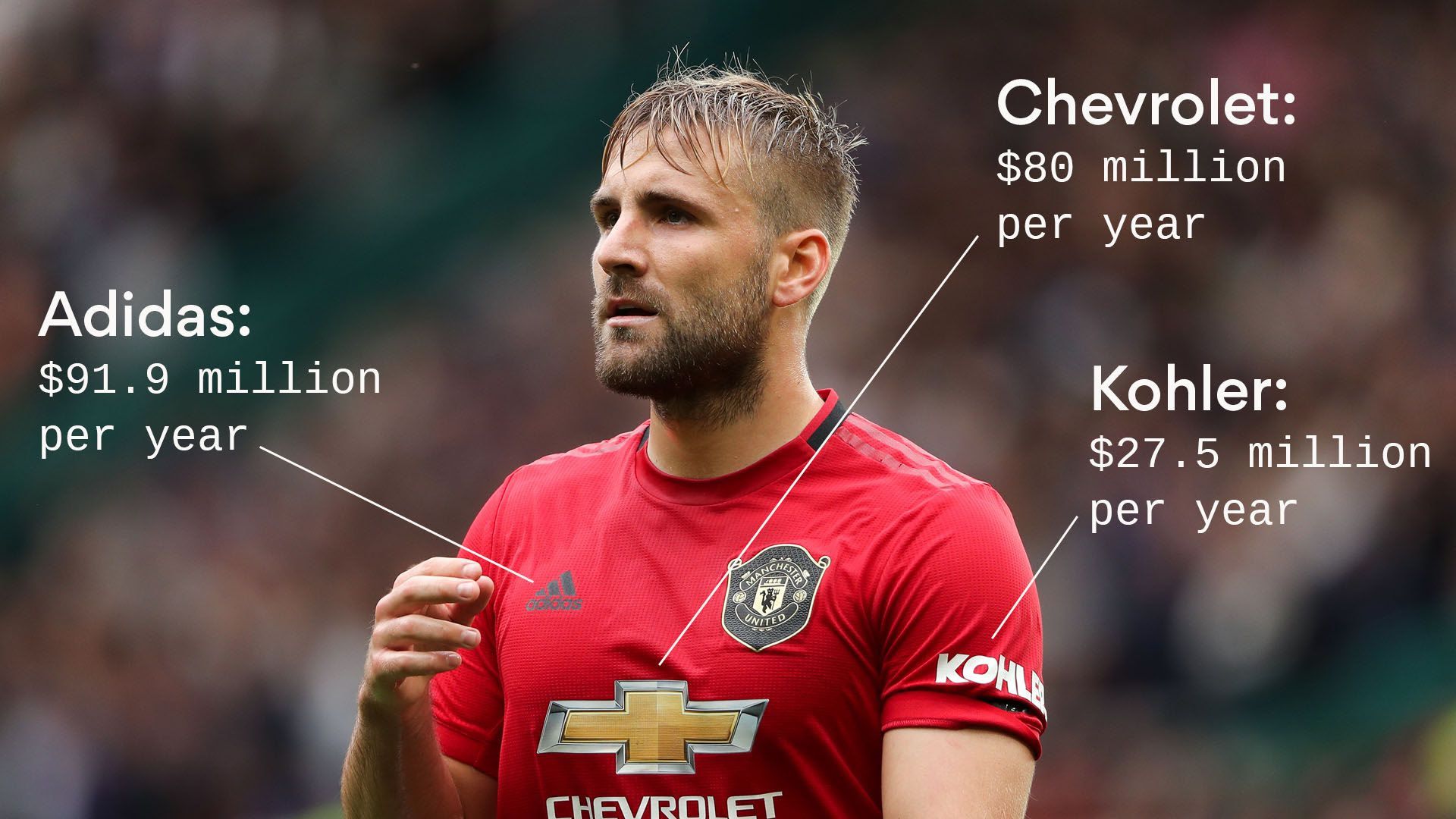
The Premier League is home to some of the world's most valuable sports teams. So, naturally, it's also home to some of the world's most valuable sports real estate: the uniforms those teams wear.
How it works: Premier League teams make money from their uniforms, or "kits," in two ways: apparel deals and sponsorship deals.
The U.S.-China trade war looks set to continue and likely escalate, bringing more tariffs to imports of Chinese goods, with the latest round adding a 10% charge to consumer products like clothing, toys and electronics.
Between the lines: Large retailers like Walmart and Target have said they will have no choice but to pass the cost of tariffs on to customers, but it's very likely the cost of the tariffs and many other increased charges won't be fully disclosed on price tags.
Many of the nation's current pathologies are taking a heavy toll on the majority-white population living in rural America, which was severely impacted by the opioid crisis and has dealt with falling populations, job losses and rising suicide rates.
Why it matters: The malaise and discontent that President Trump has tapped into goes beyond the racism we've seen over the past few weeks and includes anger at a changing world and frustration at dwindling opportunities close to home. These trends are further entrenching the rural-urban schism that came to light in the 2016 election.
Wall Street is hunkering down for a longer, more intense trade war, according to Goldman Sachs' monthly poll of more than 1,000 of the bank’s institutional and corporate trading clients, which found that most expect tariffs to hold steady as talks continue.
The backdrop: The survey, which gauges the sentiment of sophisticated investors about market-related topics, was conducted on Aug. 1-2, as President Trump said he would tax the remaining $300 billion worth of Chinese imports next month.