CrowdStrike, a Sunnyvale, Calif.-based cybersecurity company, raised $612 million in its IPO. It priced 18 million shares at $34, well above its $23-$30 offering range (let alone its original $19-$23 range), for an initial market cap of $6.69 billion.
Why it matters: This is the latest indication that Wall Street has a voracious appetite for money-losing tech unicorns, so long as they don't focus on ride-hail.
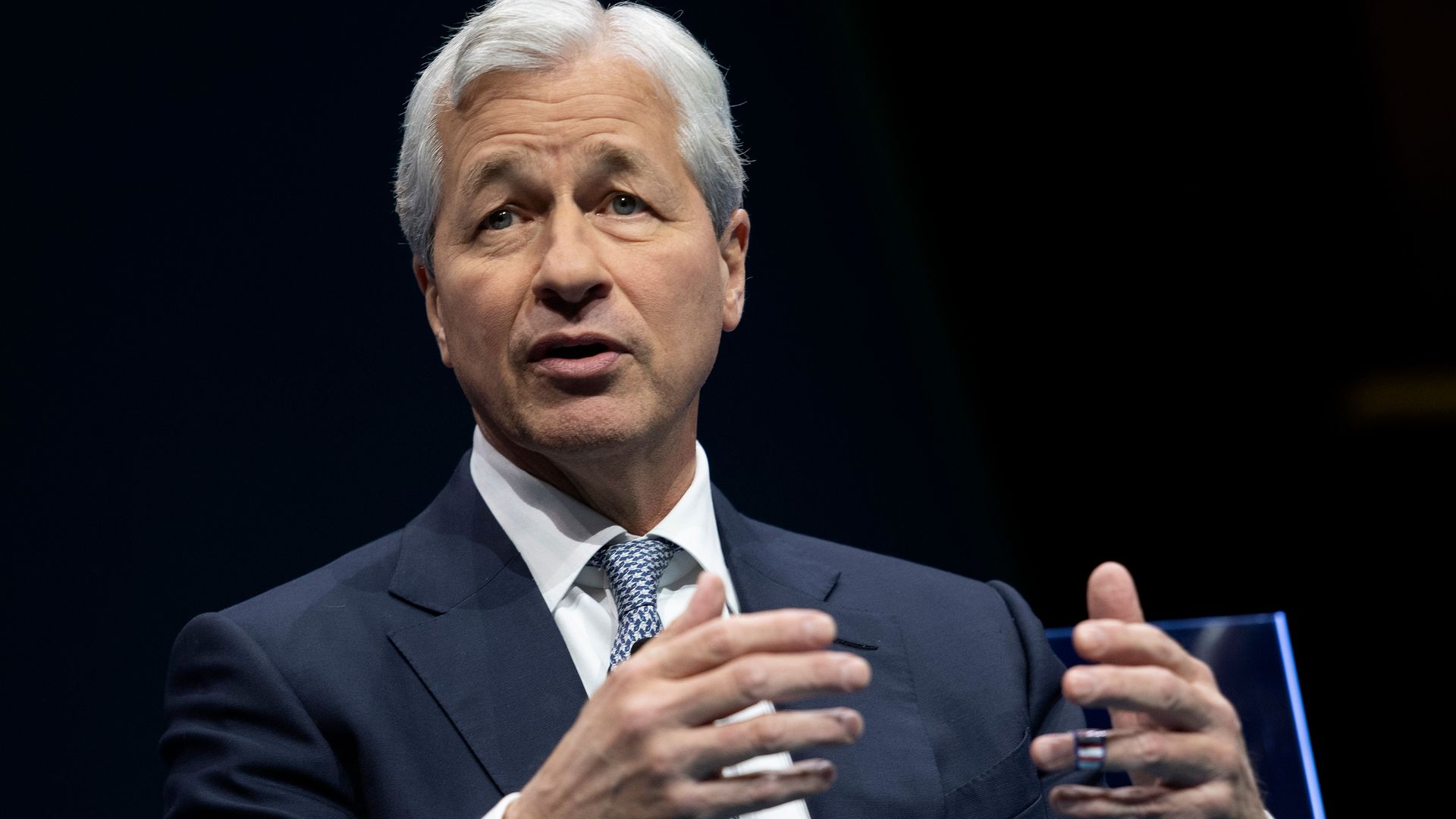
Overall economic confidence of the CEOs of some of the country's top companies has dipped another leg lower, according to the latest survey by the Business Roundtable of 127 chief executives. This barometer of CEO optimism hasn't seen a quarter-over-quarter increase since it hit a record high over a year ago.
Why it matters: The trade group that represents the biggest companies in the U.S. attributed the slump in confidence to "unease about the direction of U.S. trade policy and uncertain prospects for global growth." If the concerns reflected in the survey do result in reined in spending and hiring, it could be bad news for an economy that's already feared to have seen its best days.
News publishers told Congress Tuesday that they need an exemption from antitrust laws to shore up their revenue in the digital age, in the first hearing of a series on "Online Platforms and Market Power" by a House Judiciary subcommittee.
Why it matters: Everyone agrees that trustworthy journalism is essential to democracy, but that's where the consensus ends.
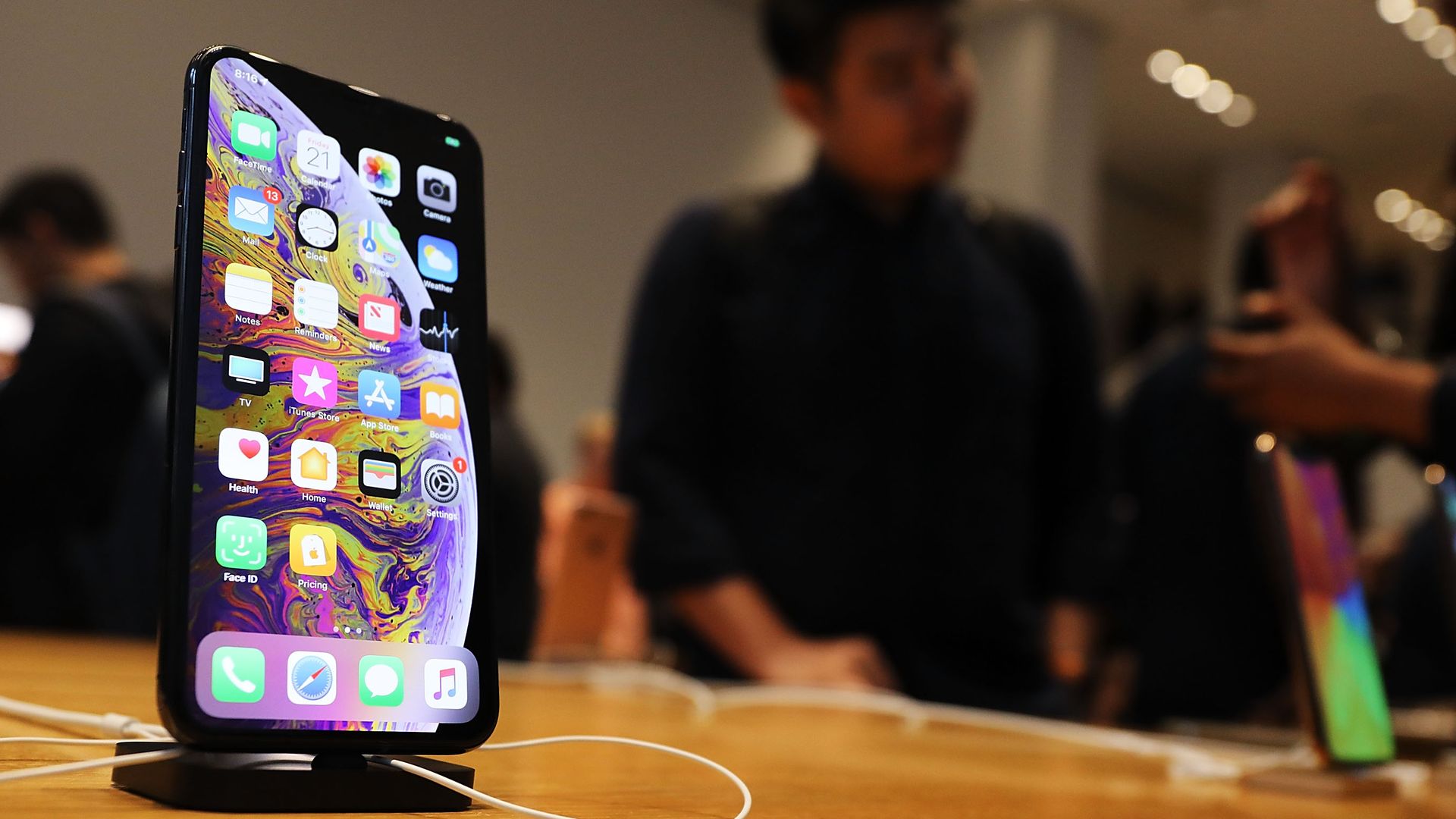
iPhone assembler Foxconn says it has the capacity to manufacture Apple products outside of China if U.S.-China trade relations escalate, Bloomberg reports.
Why it matters, per Axios' Ina Fried: Nearly all iPhones are currently made in China, presenting a huge risk for Apple. Having a solid plan B is a good thing given the unpredictability of U.S.-China trade relations.
What he's saying: "I think the cold, hard reality is, even though almost none of my members were enthusiastic about the prospect of tariffs, you have to give the president credit — it worked," he said, Politico reports.
Private equity is again under fire for bankrupting a longtime retailer and stiffing its employees.
What's new: At issue this time is Shopko, a Wisconsin-based discount chain that was acquired by Sun Capital Partners in 2005 for around $1.1 billion. It filed for Chapter 11 bankruptcy protection in January and later opted to liquidate after failing to find a buyer.
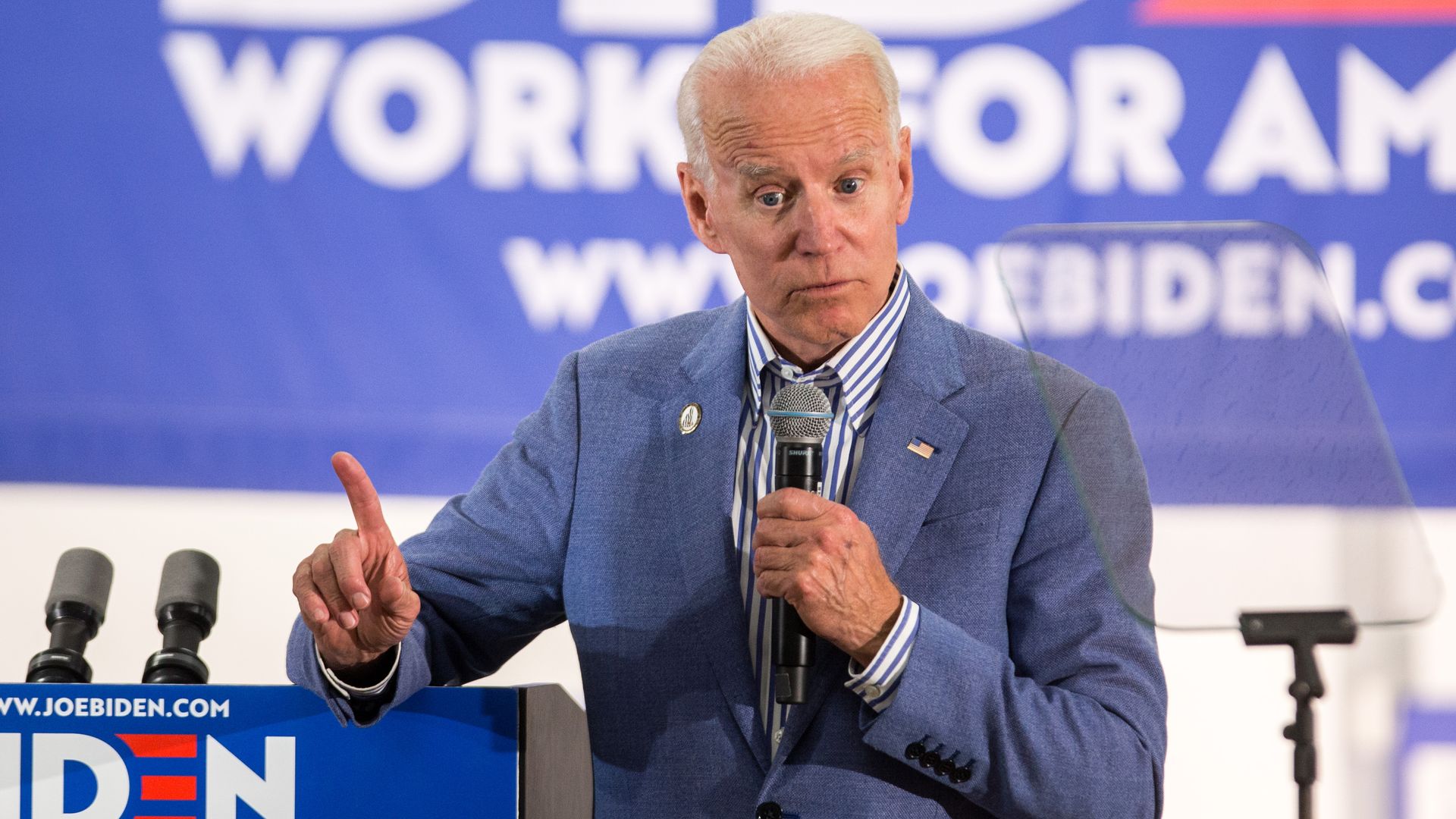
Weeks after downplaying the threat that China poses to the U.S. on the global stage, 2020 presidential candidate Joe Biden is calling for action to combat China's outpacing of the U.S. in emerging technologies, infrastructure and global influence.
Flashback: On May 1, Biden said in a speech, "China is going to eat our lunch? Come on, man — They can't even figure out how to deal with the fact that they have this great division between the China Sea and the mountains in the West. They can't figure out how they're going to deal with the corruption that exists within the system. They're not bad folks, folks … They're not competition for us."
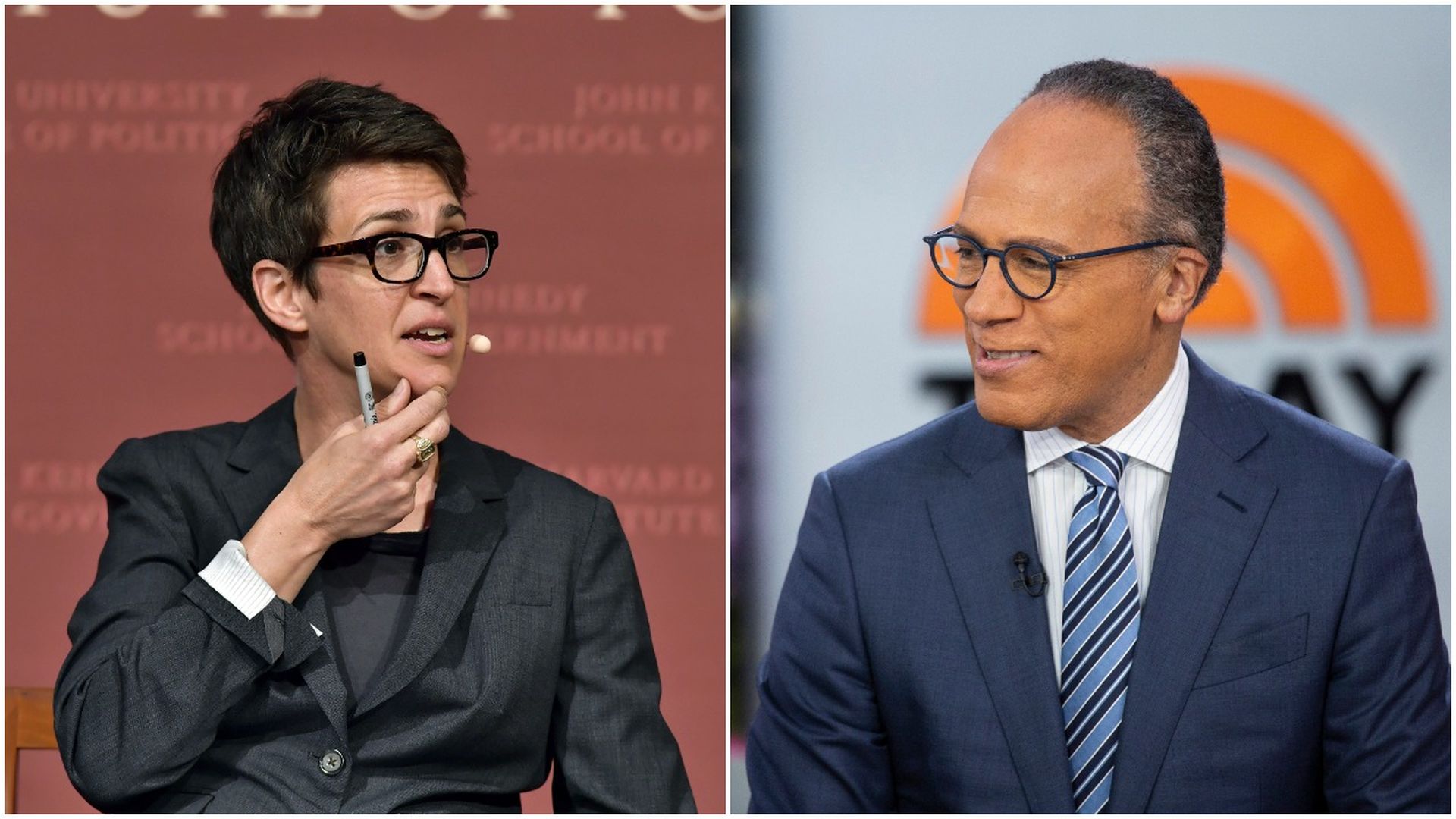
NBC announced Tuesday the group of moderators for the first round of the 2020 Democratic presidential primary debates, which will feature 10 candidates each night on June 26 and 27 in Miami.
Details: The list includes MSNBC's Rachel Maddow, "NBC Nightly News" anchor Lester Holt, "Meet the Press" moderator Chuck Todd, "Today" co-anchor Savannah Guthrie and "Noticias Telemundo" anchor José Diaz-Balart.
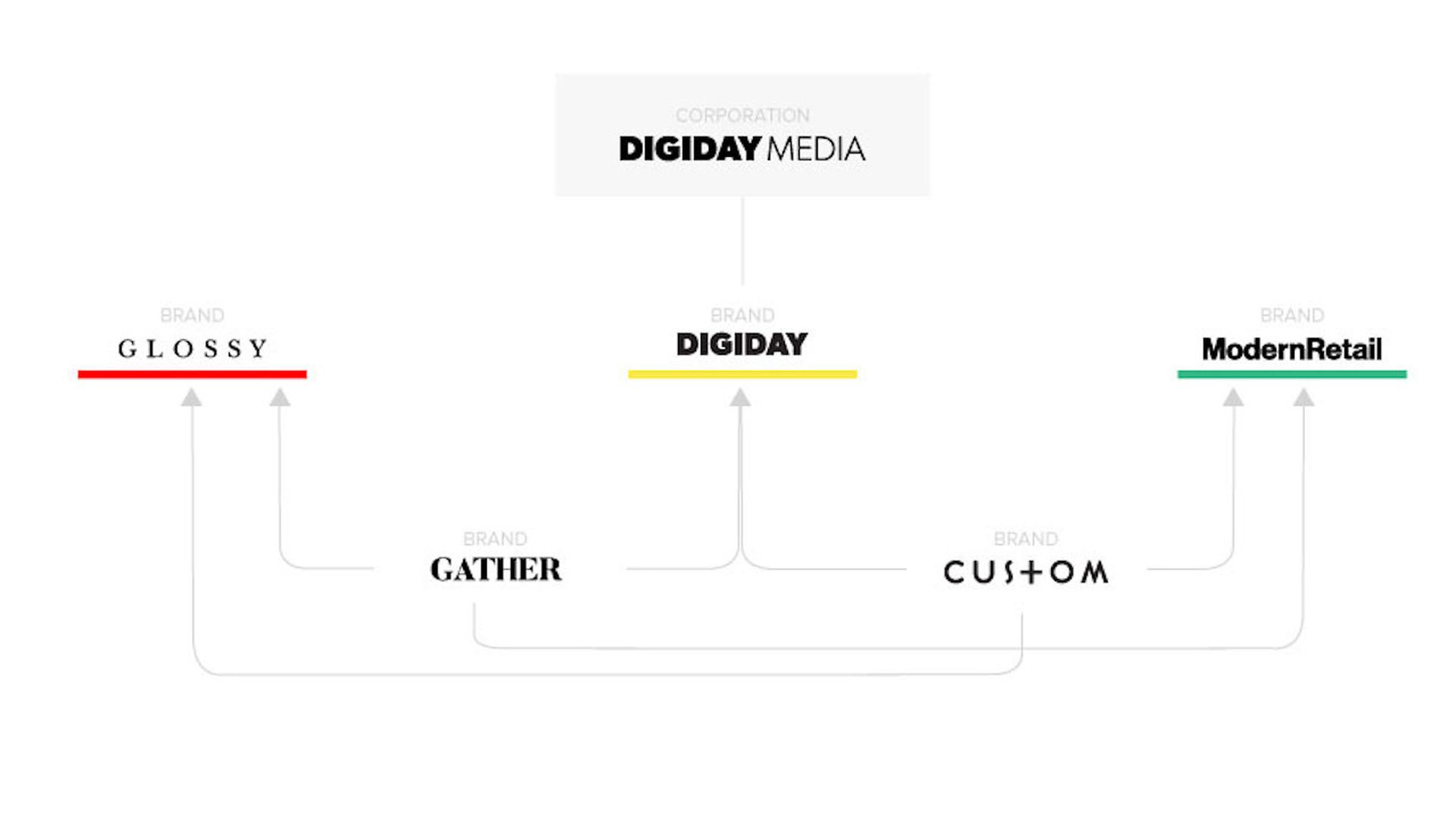
Digiday Media, the eleven-year old digital media trade publication, is adding a third brand called "Modern Retail," which will exist across all revenue streams, including advertising, events, newsletters, digital and subscriptions.
Why it matters: Digiday Media is good example of how a digital media company can scale while remaining niche. "You can be small but be big by staying focused," says founder and CEO Nick Friese. "We've been a profitable media company over the last seven years," says Friese.
The news and information that U.S. adults actually read doesn't always match up with the topics they claim they want covered more, according to data from traffic analytics company Parse.ly and an Axios/SurveyMonkey poll.
Data: Axios/SurveyMonkey poll, Parse.ly; Note: Media, celebrity, local news and transportation topics were not tracked by both data sets and were omitted from analysis; Chart: Andrew Witherspoon/Axios
The big picture: Entertainment and emotionally charged topics over-index on how much they are read vs. readers' stated coverage preferences. More academic, less personality-driven issues end up getting read less.