Hollywood heavyweights like Netflix, Disney, NBC and WarnerMedia are all considering film production boycotts if Georgia upholds its "fetal heartbeat" abortion ban.
Why it matters: Tax incentives for major film companies have made Georgia an East-Coast haven for major movie studios and production companies over the past decade.
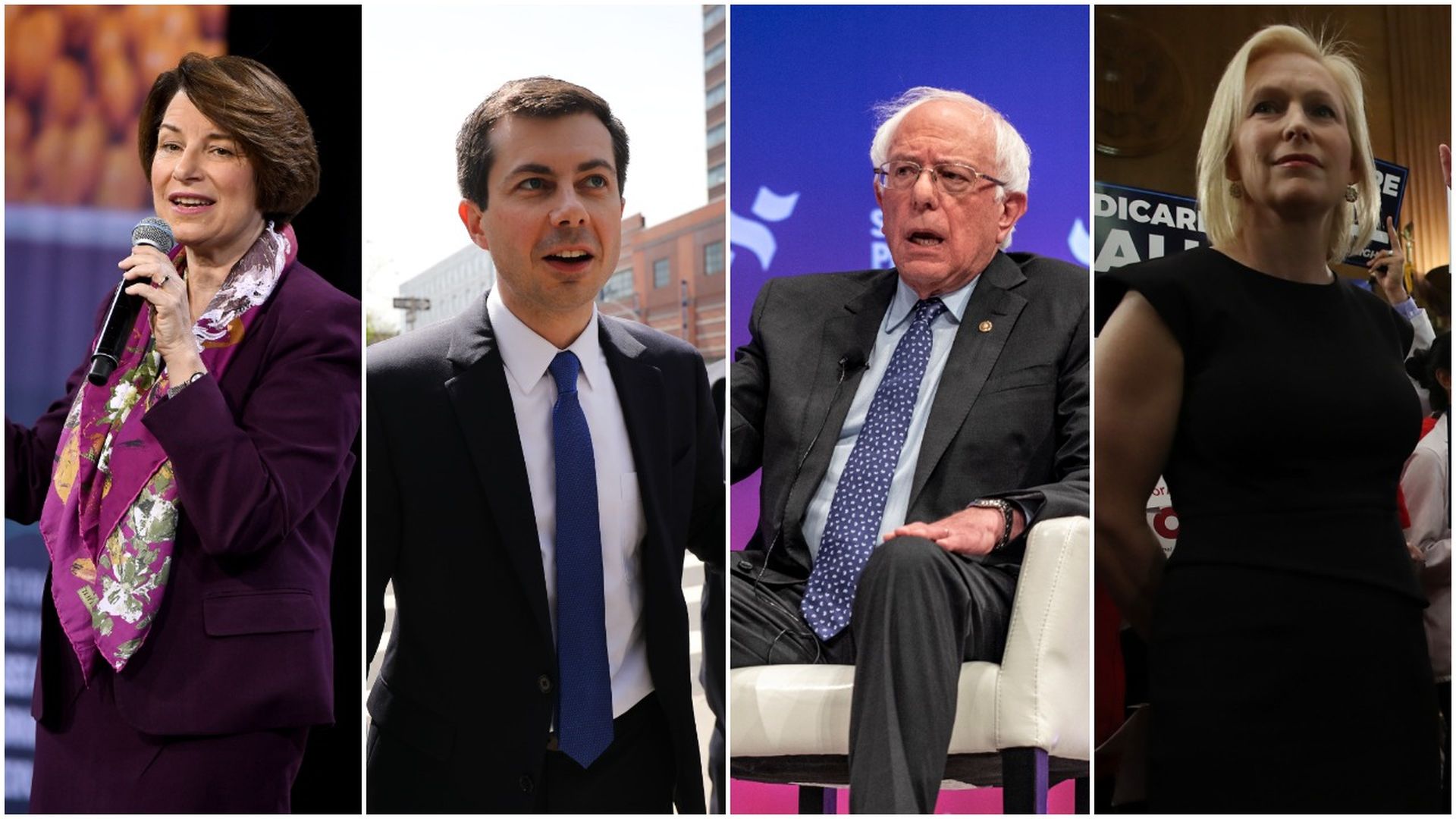
Several Democratic 2020 hopefuls are signing on to attend town halls hosted by Fox News, despite the Democratic National Committee barring the network from hosting a presidential debate this election cycle.
Driving the news: Breaking from several vocal Democrats who have denied the invitation to appear on the network, Beto O'Rourke on Monday said he would "absolutely" do a Fox News town hall, per Politico, saying: 'This campaign is about going where the people are ... That also includes Fox."
There was more blood on Wall Street Wednesday. Stocks and other risky assets fell while traders piled into safe-haven bonds.
The state of play: The S&P 500 fell to its lowest since March 11 with the Dow hitting its lowest since Feb. 11 and the Russell 2000 closing at its lowest since Jan. 30.
The Trust Project, a technology-backed news initiative made up of dozens of global news companies, announced Thursday that it raised an additional $2.25 million from Craig Newmark Philanthropies, Facebook and the Democracy Fund.
Why it matters: With the funding, the The Trust Project can establish itself as an independent nonprofit, which will help it scale its news partnerships globally.
What's new: Walt Disney CEO Bob Iger told Reuters that it would be "very difficult" to continue filming in Georgia if the ban goes into effect, and he doubts Disney would seek to film in the state. "I think many people who work for us will not want to work there, and we will have to heed their wishes in that regard. Right now we are watching it very carefully."
China has put purchases of American soybean supplies on hold amid escalating trade tensions with the U.S., Bloomberg reports, citing people familiar with the matter.
Why it matters: China is the world's biggest soybean buyer. This is a devastating blow to U.S. farmers, who are already feeling the impact of the trade war. China has no plans to cancel previous soybean purchases, but state grain buyers have received no new orders and they don't expect to while the trade war rages, according to Bloomberg.
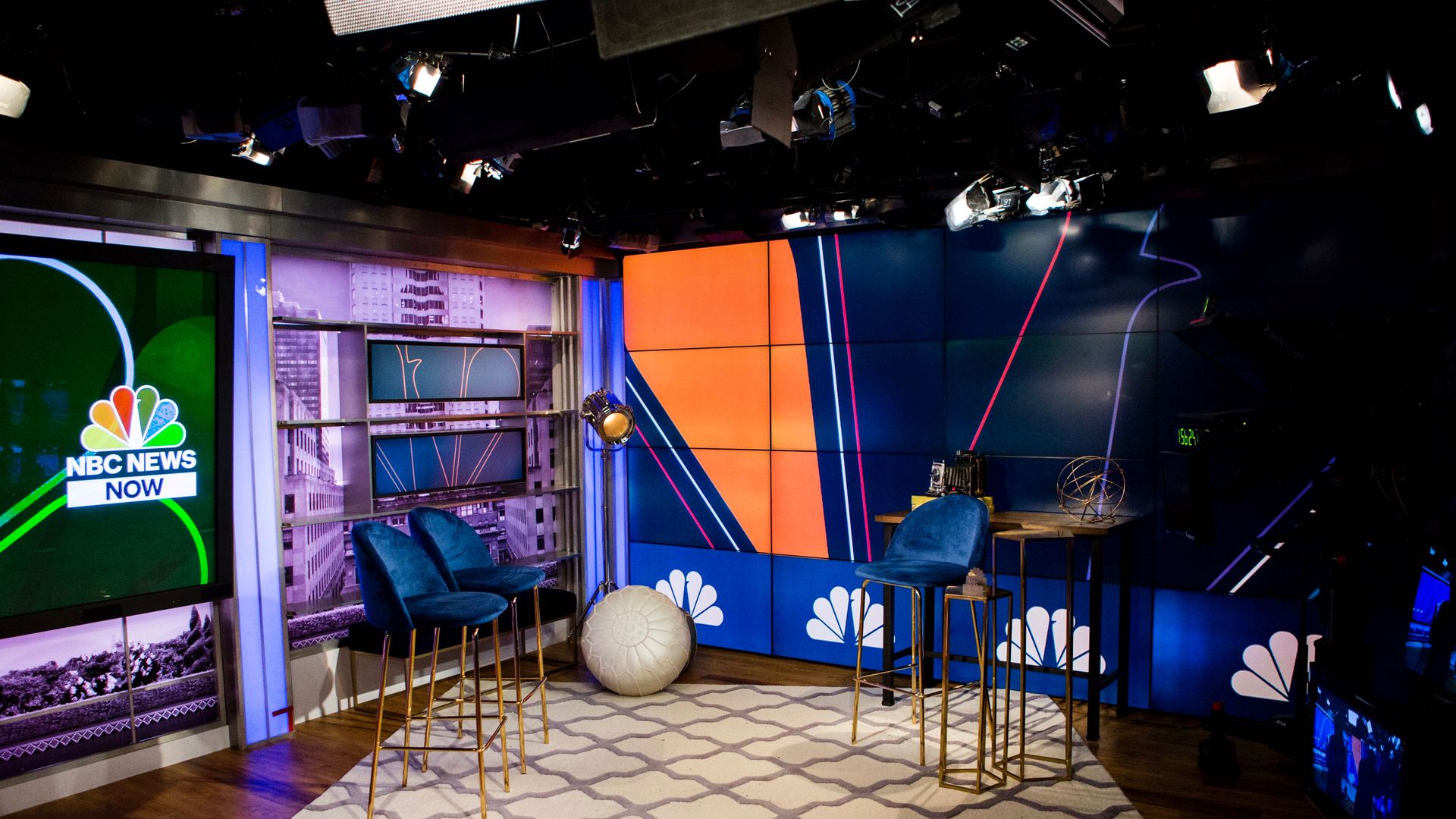
NBC News launched "NBC News NOW" on Wednesday, a streaming service with 8 hours of live programming daily that's designed to capture the attention of younger generations of news consumers.
Why it matters: It's the latest TV network to dive into the news streaming wars. CBS, ABC and CNN have all debuted streaming news products in recent years.
It's been bonds, not stocks, that have drawn major investment this year and municipal bonds have attracted particularly large and consistent inflows.
What's happening: Thought of as a slow and sleepy asset class preferred by retirees and risk-intolerant savers, muni bonds saw record inflows during the first quarter.
Hospitals are being accused of violating federal laws designed to keep financial considerations from influencing doctors' decisions, Kaiser Health News reports with The Daily Beast.
What's happening: Various lawsuits allege that hospitals are overpaying doctors or offering incentives like free office space in exchange for the downstream revenue that doctors create through referrals.
The Fed is mandated to worry about inflation. But the risk of runaway prices seems so remote that, at least for now, some Fed officials and leading economists are embracing what for decades has been rejected as heretical — allowing wages to keep rising without stomping on them with higher interest rates.
Between the lines: A question, however, is whether — given decades of largely flat wages — the Fed should go further to encourage companies to more aggressively raise their employees’ pay.
For a period in 2018, tuition inflation was lower than the rate at which consumer prices were rising for the first time since the early 1980s, according to research from S&P Global Ratings.
The big picture:Baumol's cost disease, which says that tuition fees are always going to rise faster than inflation, might not be an iron law after all.











/2019/05/29/1559129758476.gif?w=3840)