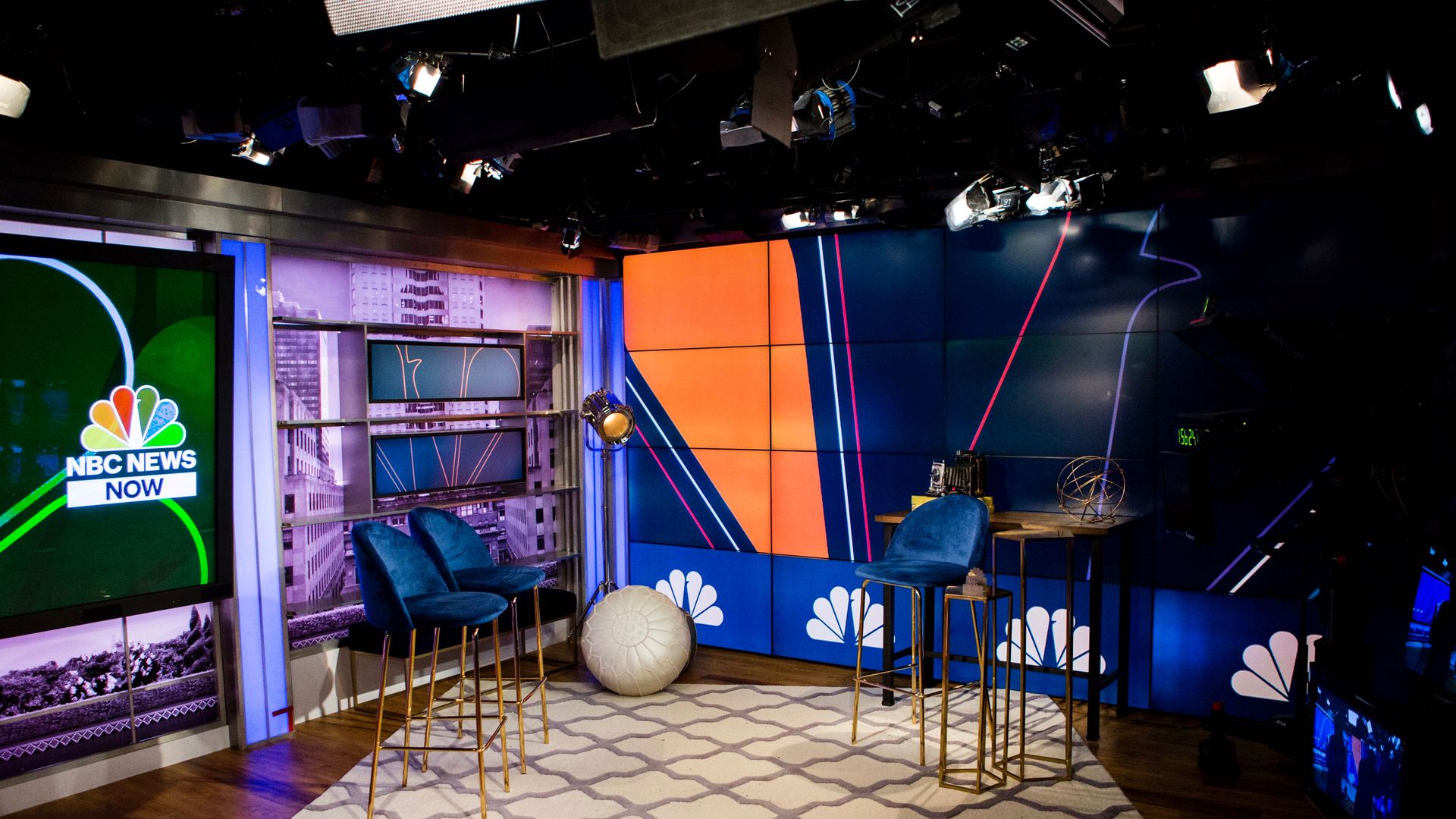
NBC News launched "NBC News NOW" on Wednesday, a streaming service with 8 hours of live programming daily that's designed to capture the attention of younger generations of news consumers.
Why it matters: It's the latest TV network to dive into the news streaming wars. CBS, ABC and CNN have all debuted streaming news products in recent years.
It's been bonds, not stocks, that have drawn major investment this year and municipal bonds have attracted particularly large and consistent inflows.
What's happening: Thought of as a slow and sleepy asset class preferred by retirees and risk-intolerant savers, muni bonds saw record inflows during the first quarter.
Hospitals are being accused of violating federal laws designed to keep financial considerations from influencing doctors' decisions, Kaiser Health News reports with The Daily Beast.
What's happening: Various lawsuits allege that hospitals are overpaying doctors or offering incentives like free office space in exchange for the downstream revenue that doctors create through referrals.
The Fed is mandated to worry about inflation. But the risk of runaway prices seems so remote that, at least for now, some Fed officials and leading economists are embracing what for decades has been rejected as heretical — allowing wages to keep rising without stomping on them with higher interest rates.
Between the lines: A question, however, is whether — given decades of largely flat wages — the Fed should go further to encourage companies to more aggressively raise their employees’ pay.
For a period in 2018, tuition inflation was lower than the rate at which consumer prices were rising for the first time since the early 1980s, according to research from S&P Global Ratings.
The big picture:Baumol's cost disease, which says that tuition fees are always going to rise faster than inflation, might not be an iron law after all.
Netflix's Chief Content Officer Ted Sarandos suggested that the streaming service is considering boycotting Georgia in light of the state's "fetal heartbeat" abortion ban, the NYT reports.
Why it matters: Netflix isn't making a concrete promise, but it is the first major Hollywood studio to make a public statement as other film industry figures pledge to boycott the state following its restrictive abortion ban.
Alibaba is considering a $20 billion secondary offering in Hong Kong, five years after raising $25 billion via an IPO in New York, according to Bloomberg.
What to watch: First, this may be as much about rising trade tensions between the U.S. and China as it is about raising capital. Floating in Hong Kong could further strengthen ties between Alibaba and Beijing, while also providing some regulatory risk mitigation in the U.S.
The Media Rating Council (MRC), the de facto watchdog for media measurement, is inching closer towards implementing a single standard for measuring video across all platforms.
Why it matters: Media, marketing and entertainment companies have been trying for years to come up with a universally-accepted standard that would allow advertisers to compare video metrics across social media, TV and everything in between.
Investors have been flummoxed by the latest development out of Argentina, that former President Cristina Fernandez de Kirchner will run for vice president rather than president, as most had expected.
What's happening: While investors worried aloud that a Kirchner presidential victory in October's election would cause the country's bonds to default, torpedo its stock market and further sink its depreciating currency (already worth about one-third of what it was just a few years ago), the curve ball of a Kirchner vice presidency has so far gotten market approval.
Rare earth minerals and elements are necessary components of tech and defense tools, including smartphones, LED lights, wind turbines and nuclear rods. And their critical role in modern manufacturing has turned them into the latest lightning rod in the trade war between China and the U.S.
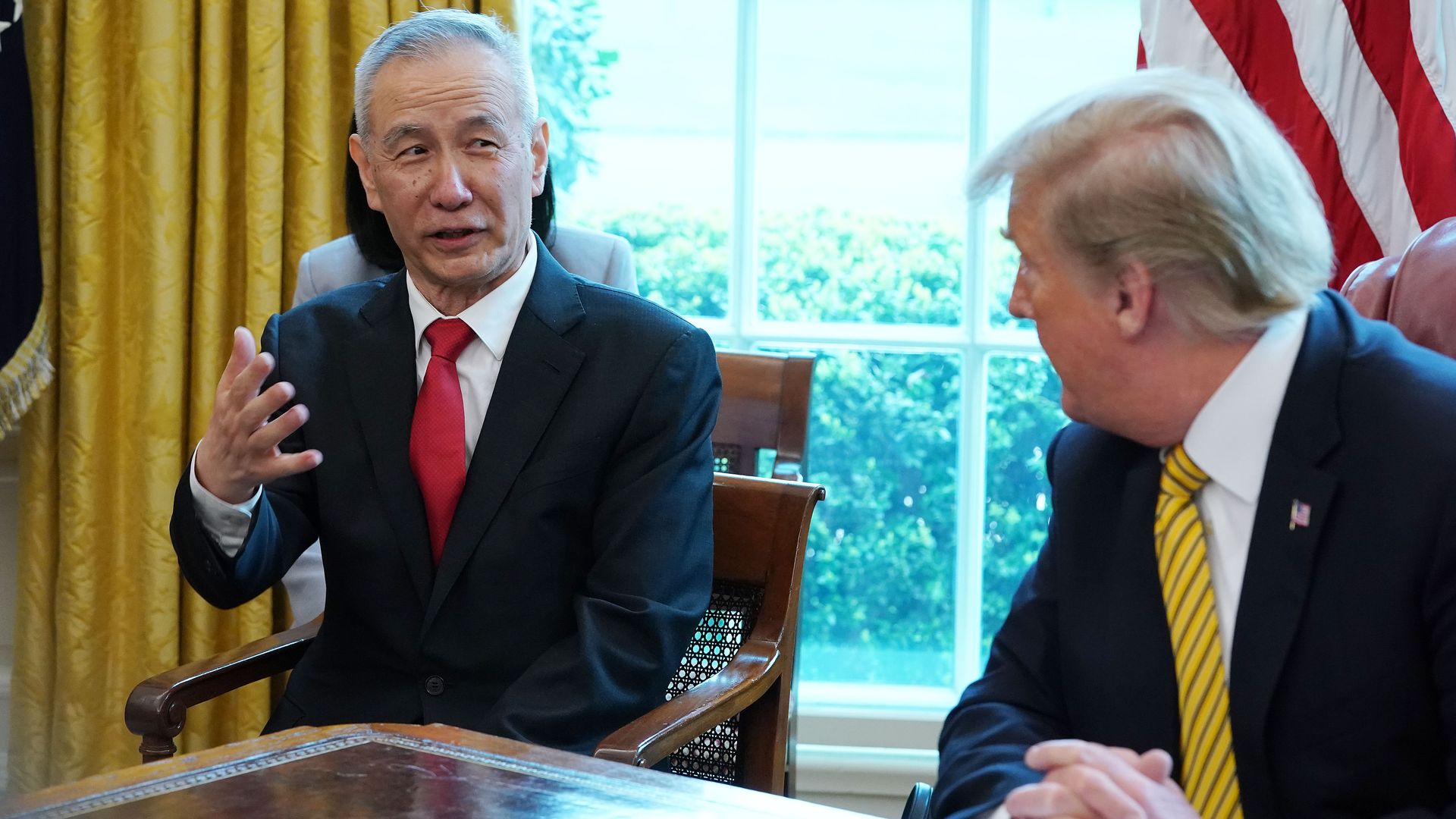
Driving the news: After President Trump blacklisted Chinese tech company Huawei and threatened to target other Chinese tech firms by disallowing American companies to do business with them, China signaled it could target rare earth minerals.
Chinese tourism to the U.S. fell last year for the first time in 15 years, dropping 5.7% in 2018 to 2.9 million visitors, the AP reports.
Driving the news: Alongside the U.S.-China trade war, China issued a travel warning for the U.S. last summer, warning its citizens to be cautious of robberies, shootings and high medical costs. China's economic uncertainty has also encouraged potential vacationers to stay closer to home.


/2019/05/29/1559129758476.gif?w=3840)