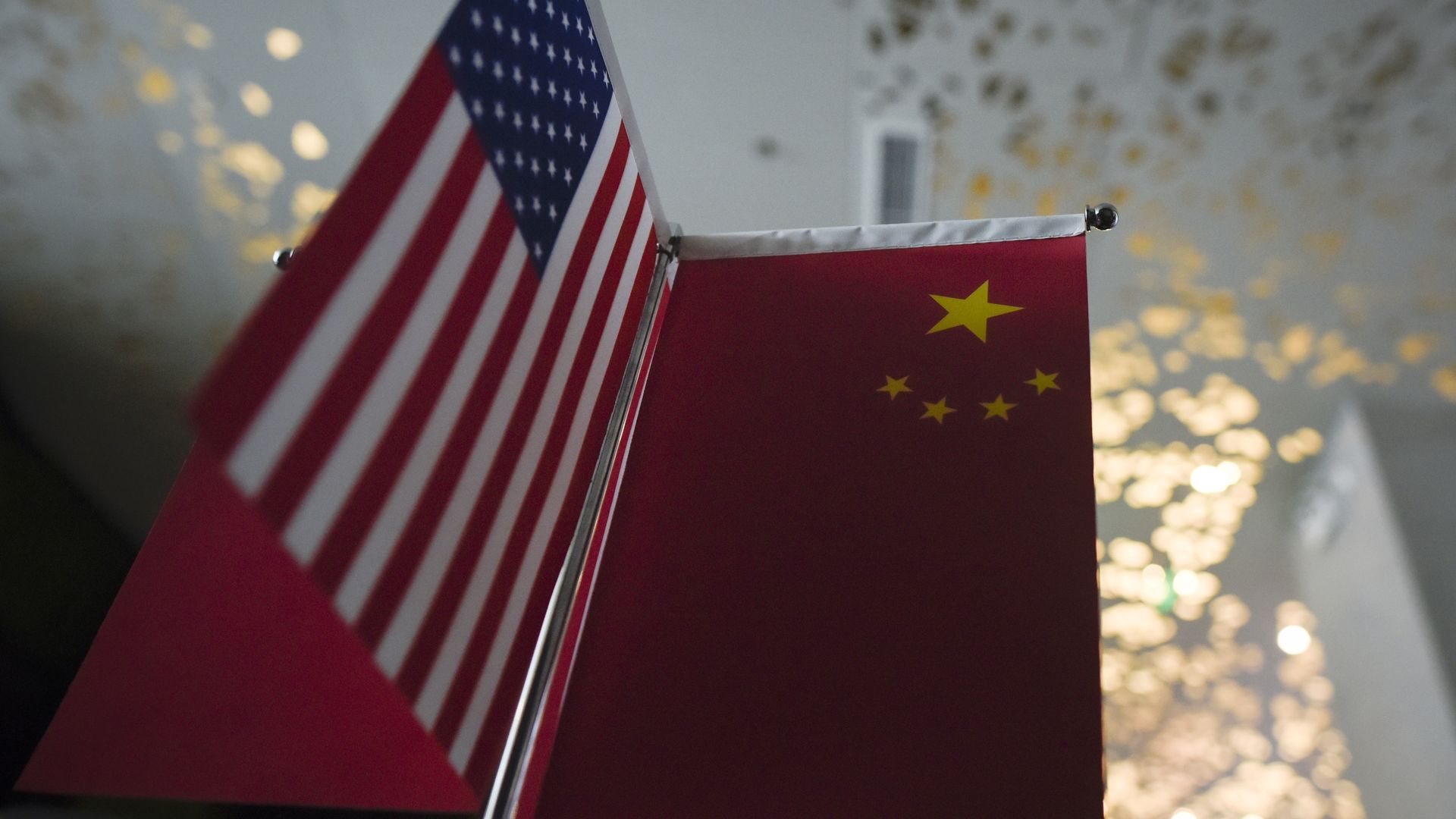
The breakdown in trade negotiations came during a week that saw the 100th anniversary of the May 4th Movement and the 20th anniversary of the U.S. bombing of the PRC embassy in Belgrade, an incident that set off a wave of protests in China against the U.S.
Why it matters: The trade war is just one component of a rapidly deteriorating U.S.-China relationship. Even if there is a deal, the deeper tensions will only intensify, and the risk of a surge in anti-American sentiment is real.
Mandi Damman, chief engineer of autonomous vehicles at GM, fought off comparisons to Tesla while sharing an update on the company's AV progress with investors Thursday at Citi's 2019 Car of the Future Symposium.
Why it matters: Damman was peppered with investor questions trying to gauge GM's progress against Tesla, which last month claimed a huge technological advantage from its newly introduced AV computer chip and data collected from 425,000 AutoPilot-equipped vehicles already on the road.
Bank of America-Merrill Lynch's global research team predicted that "a trade war could cause a global recession" should "across-the-board tariffs on US-China trade" come to pass, analysts said in a note to clients Friday morning.
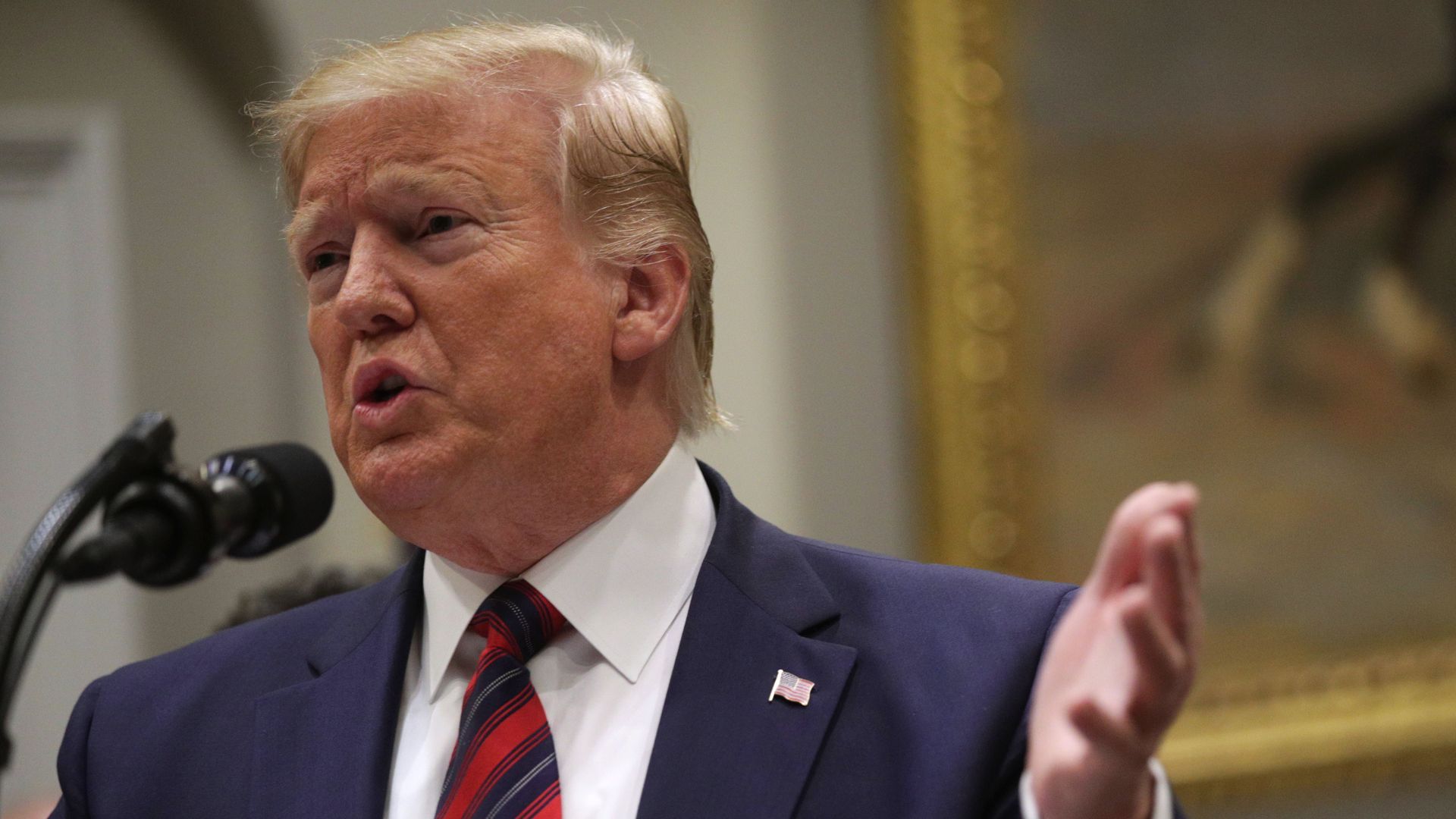
Driving the news: President Trump raised tariffs on $200 billion of Chinese goods from 10% to 25% overnight, following through on his threat from earlier this week, and could move to impose new tariffs on all Chinese exports to the U.S.
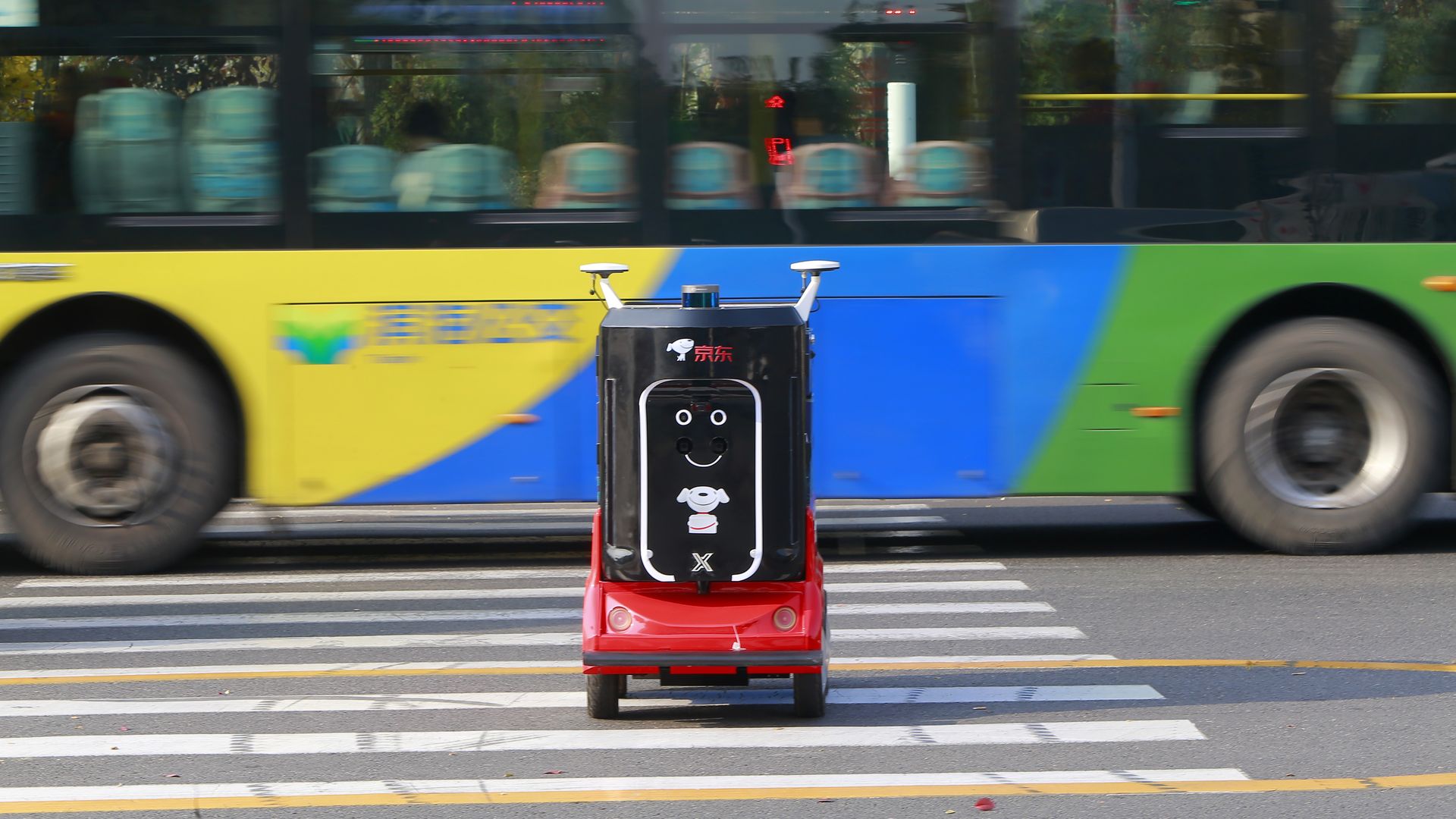
The 21% revenue growth posted by Chinese e-commerce giant JD.com in the first quarter of 2019 is its slowest on record, signaling that the rush of new Chinese customers is starting to plateau. JD's chief rival, Alibaba, has also reported slowing growth.
Why it matters: The e-commerce companies experienced massive booms in earlier years as millions of new Chinese users entered the urban middle class and became customers. Now, the pace of growth for that user base is slowing down, forcing both JD and Alibaba to expand into other Asian markets to add shoppers.
The 10-year/3-month Treasury yield curve inverted again on Thursday, but investors may have missed it because it lasted for only minutes. It's the second time this year the yield curve has inverted, which is an accurate recession indicator cited by the Fed.
Be smart: Investors and market analysts have largely written off the inversion as the product of central bank manipulation or a market aberration, and the S&P 500 had rallied 3% since the curve inverted on March 22 to the end of last week, before Trump's Sunday night tariff tweets erased almost all of those gains.
President Trump raised tariffs on $200 billion worth of Chinese goods Friday morning to 25%. The president also is expected to tax nearly all of China's imports as punishment for Beijing’s attempt to "renegotiate" a trade deal.
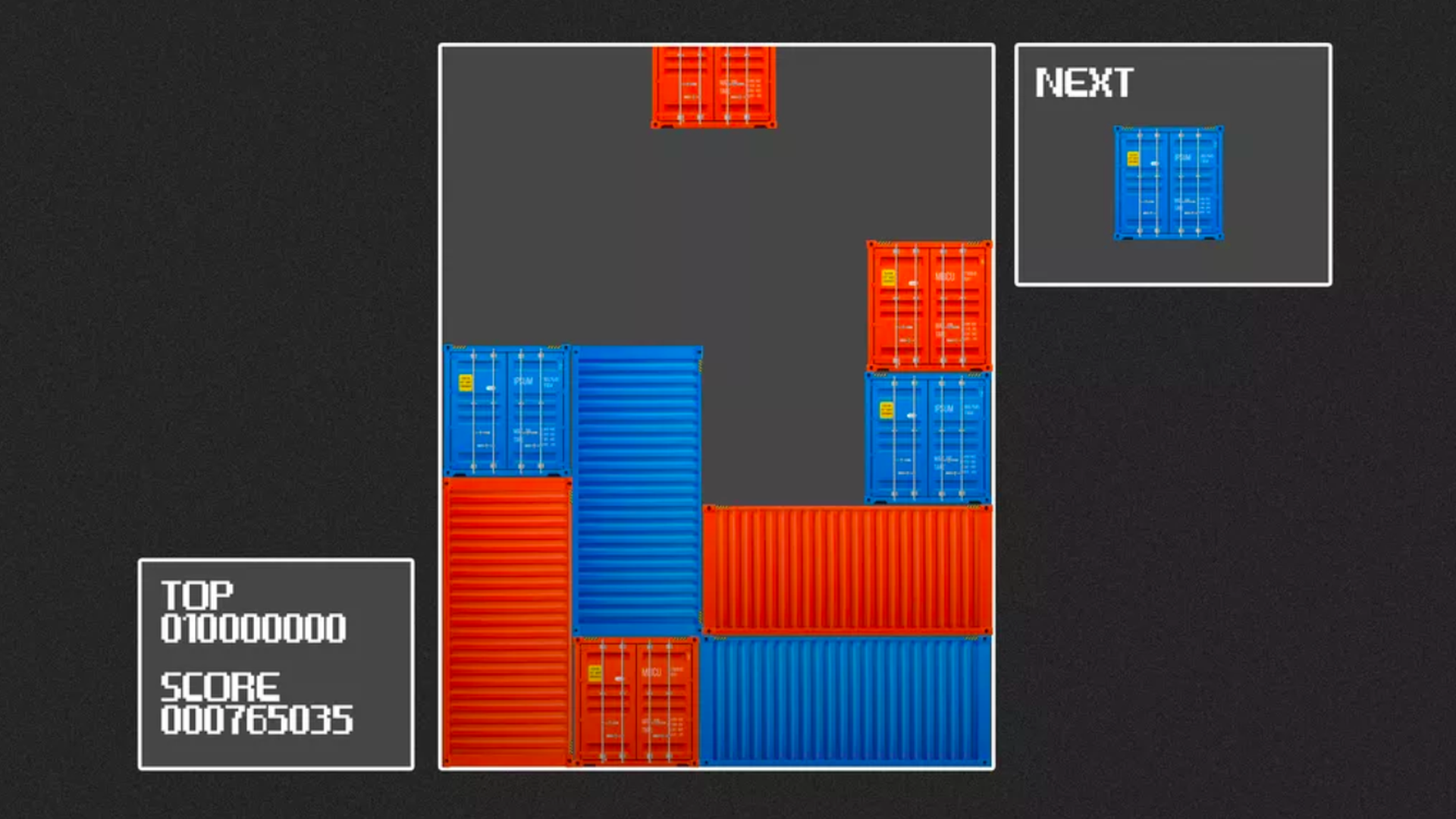
Why it matters: Having long priced in a happy ending to the trade war, the market will need to reassess U.S. businesses and the state of the U.S. economy. Further, supply chains may need to be rethought and entire businesses may have to be re-evaluated.
President Trump raised tariffs on $200 billion of Chinese goods from 10% to 25% overnight on Friday, as he threatened to do earlier this week, and could move to impose new tariffs on all Chinese exports to the U.S.
Why it matters: This increase "made clear that Mr. Trump sees tariffs as a winning tactic, both internationally ... and at home with Congress," the Wall Street Journal writes. Beijing said it plans to retaliate to the tariff spike.