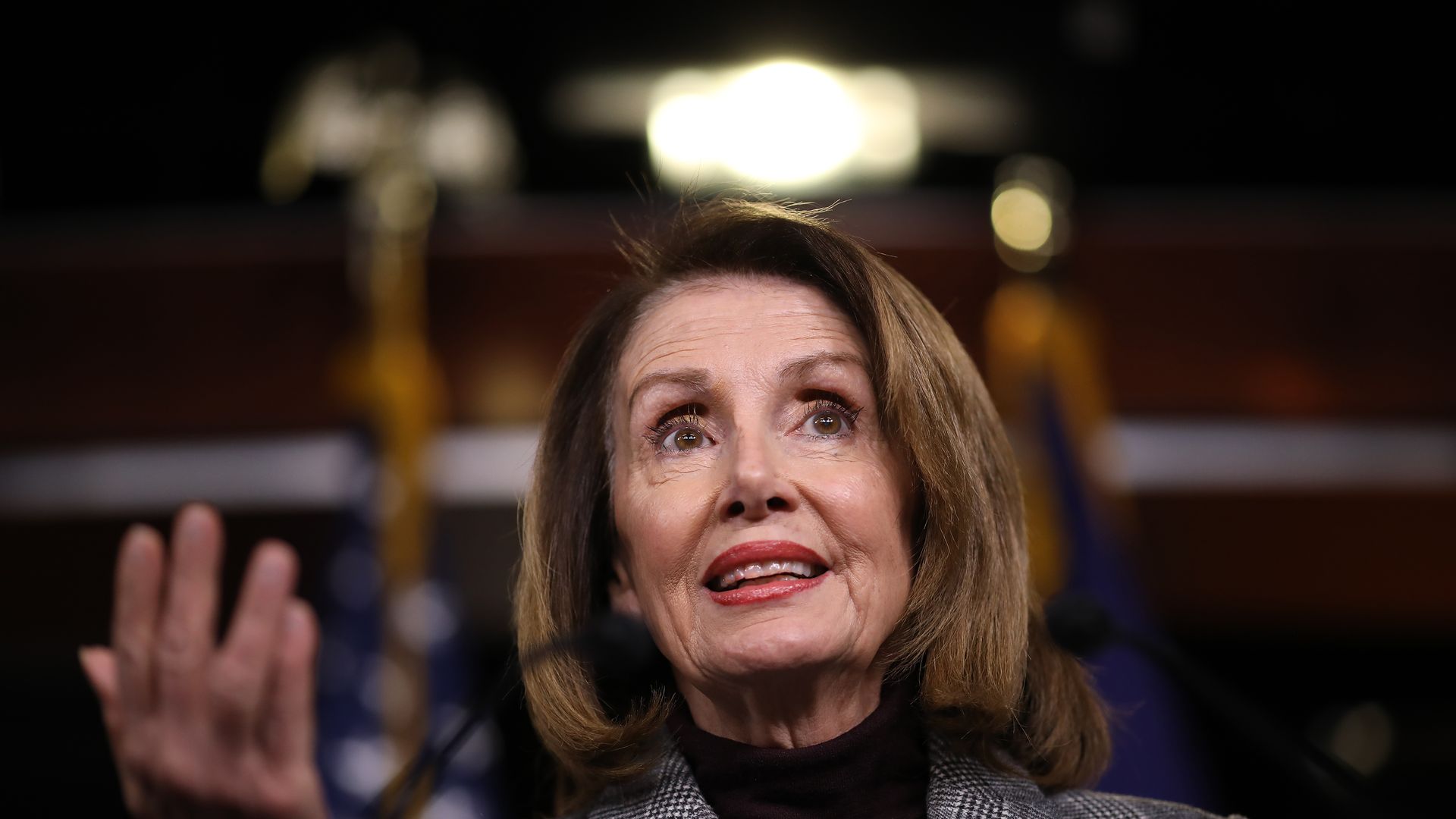
The House Committee on Education and Labor voted along party lines Wednesday to advance a bill raising the federal minimum wage from $7.25 to $15 by 2024.
The big picture: Democrats argue the bill would provide wage hikes to nearly 40 million Americans. Speaker Nancy Pelosi plans to bring the legislation to the House floor for a vote, where it will likely be approved — marking "the most significant step toward raising the federal minimum wage since 2009," per CNBC. But with a Republican-controlled Senate and White House until at least 2020, that's as far as the bill will likely get.
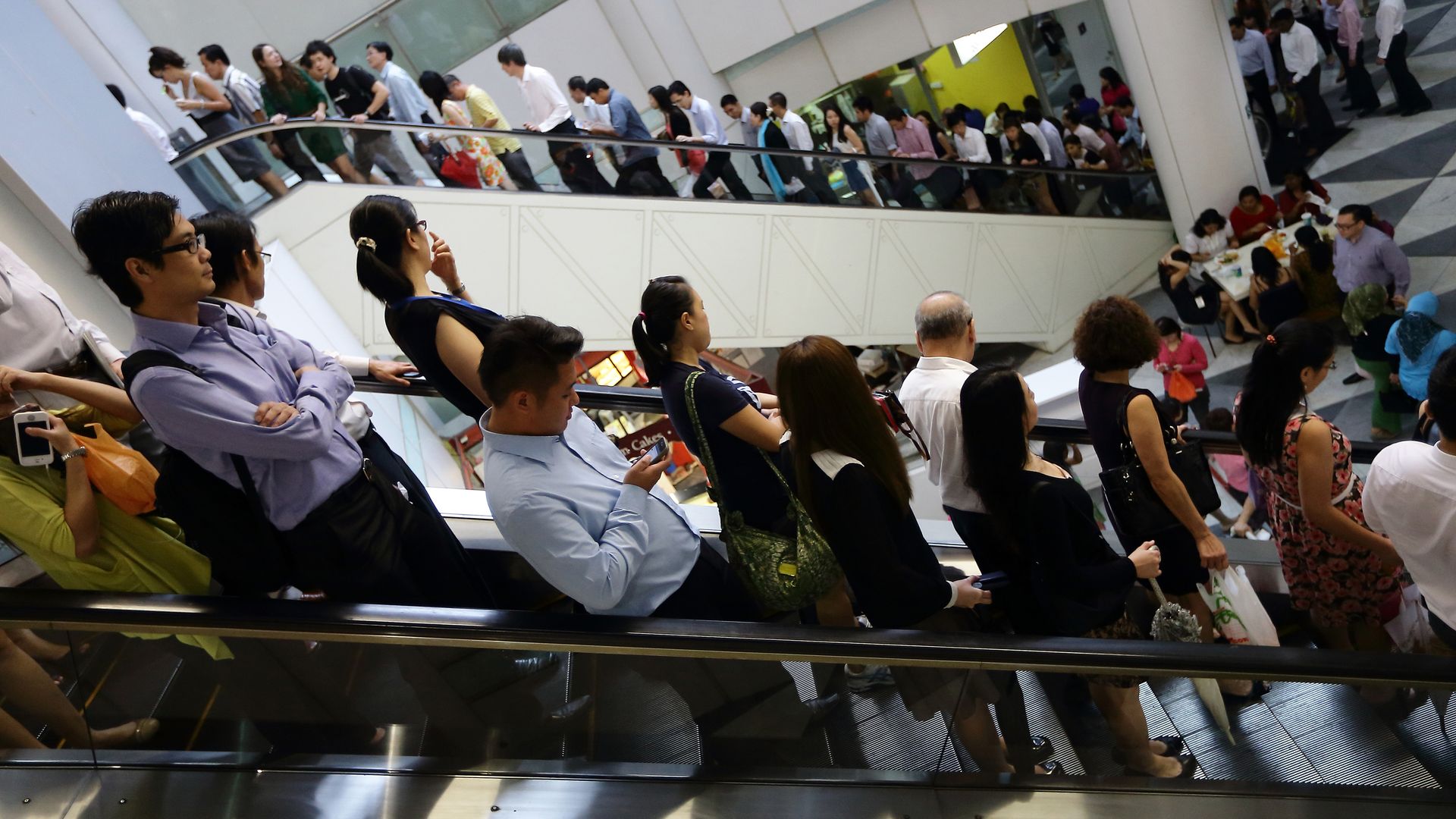
Automation and AI has left some American workers worried they lack the skill sets to compete in a changing economy. Singapore's SkillsFuture program offers one national re-education model that aims to address such concerns.
The big picture: Since the launch of the program in 2016, over 285,000 people — more than 10% of adult residents — have participated, and 43% of Singaporean CIOs say the program has helped mitigate the economic effects of the skills gap.
The U.S. trade deficit grew to $621 billion in 2018, its highest level since 2008, according to a Commerce Department report released Wednesday that was delayed by the government shutdown.
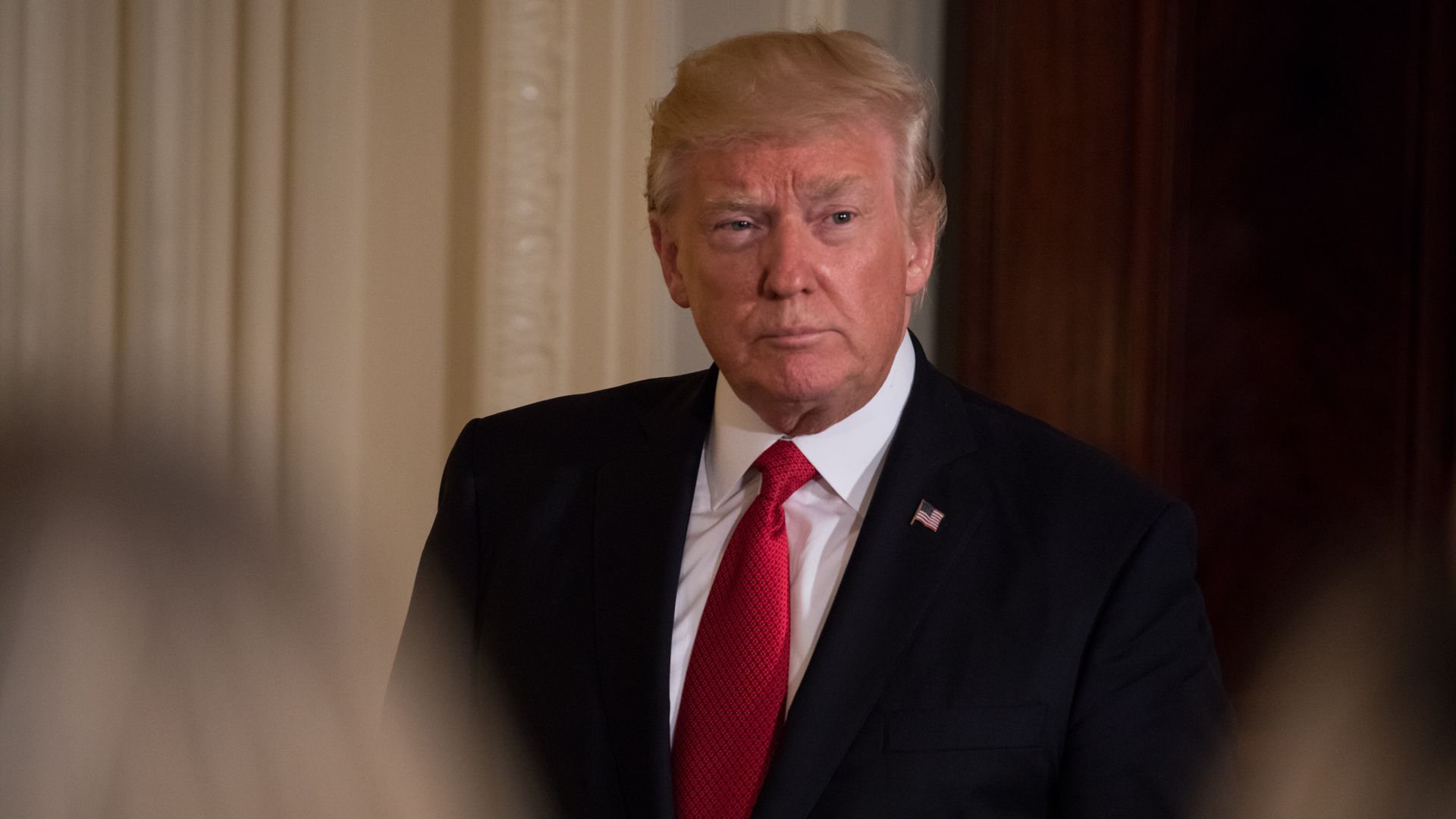
The big picture: President Trump has made reducing the nation's trade deficit — especially with China — a major goal of his administration. However, the report showed a record-breaking $891.3 billion trade gap for the U.S. in goods and services and a trade deficit with China for goods that hit a record $419.2 billion.
It turns out a company's reputation — good or bad — doesn't make much difference in the stock market.
The big picture: Results from the Axios Harris Poll 100, a new partnership between Axios and Harris Poll, found little difference between the performance of shares for the 10 companies that had gotten the biggest ranking improvements and those with the biggest ranking declines.
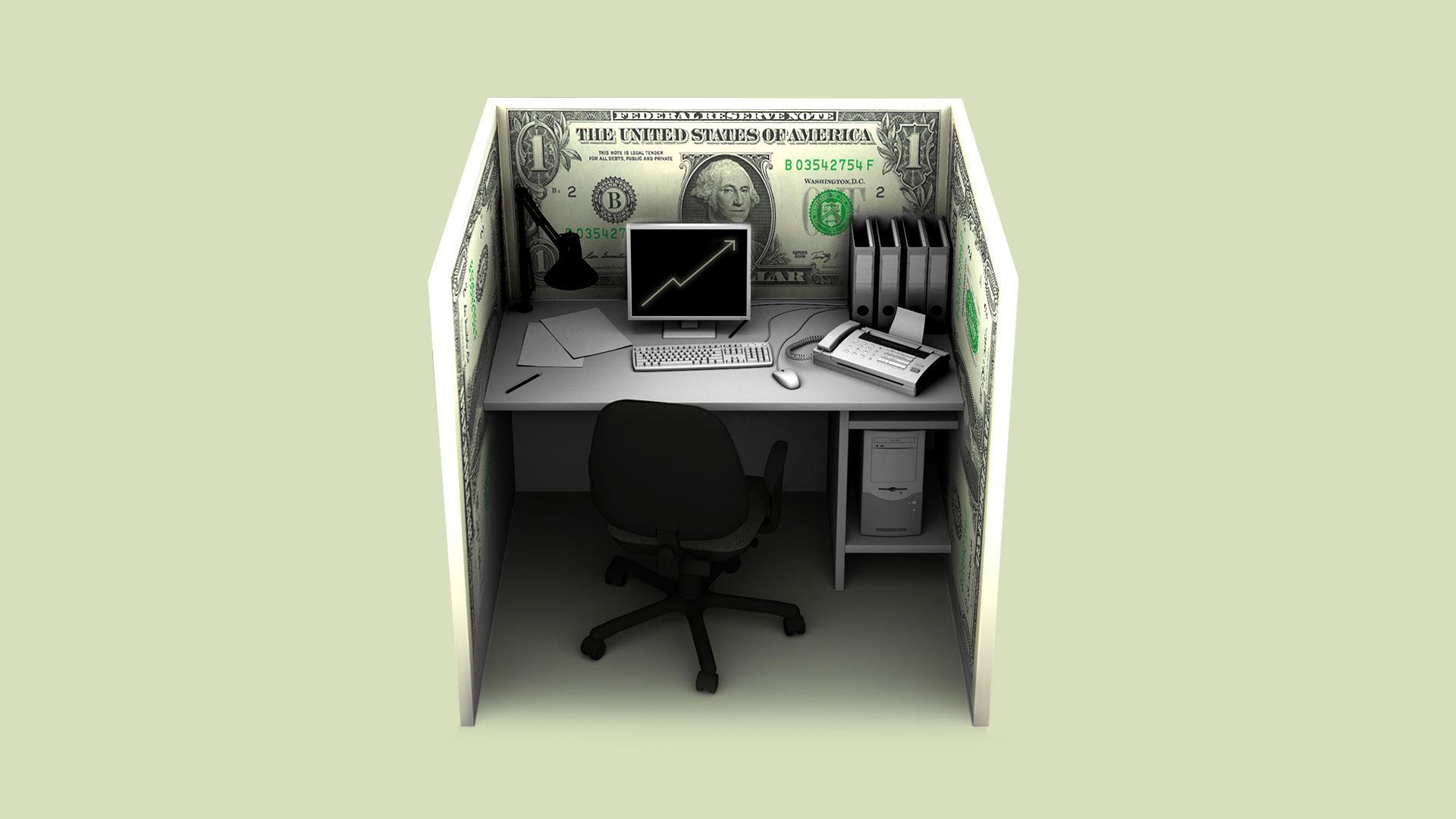
Companies again are complaining about rising wages and the potential impact on corporate profits, but history has shown that higher pay doesn't squeeze S&P 500 companies' profit margins.
What it means: Profit margins have rebounded from recession lows, and are at the highest level in at least a half-century. But wages haven't kept pace.
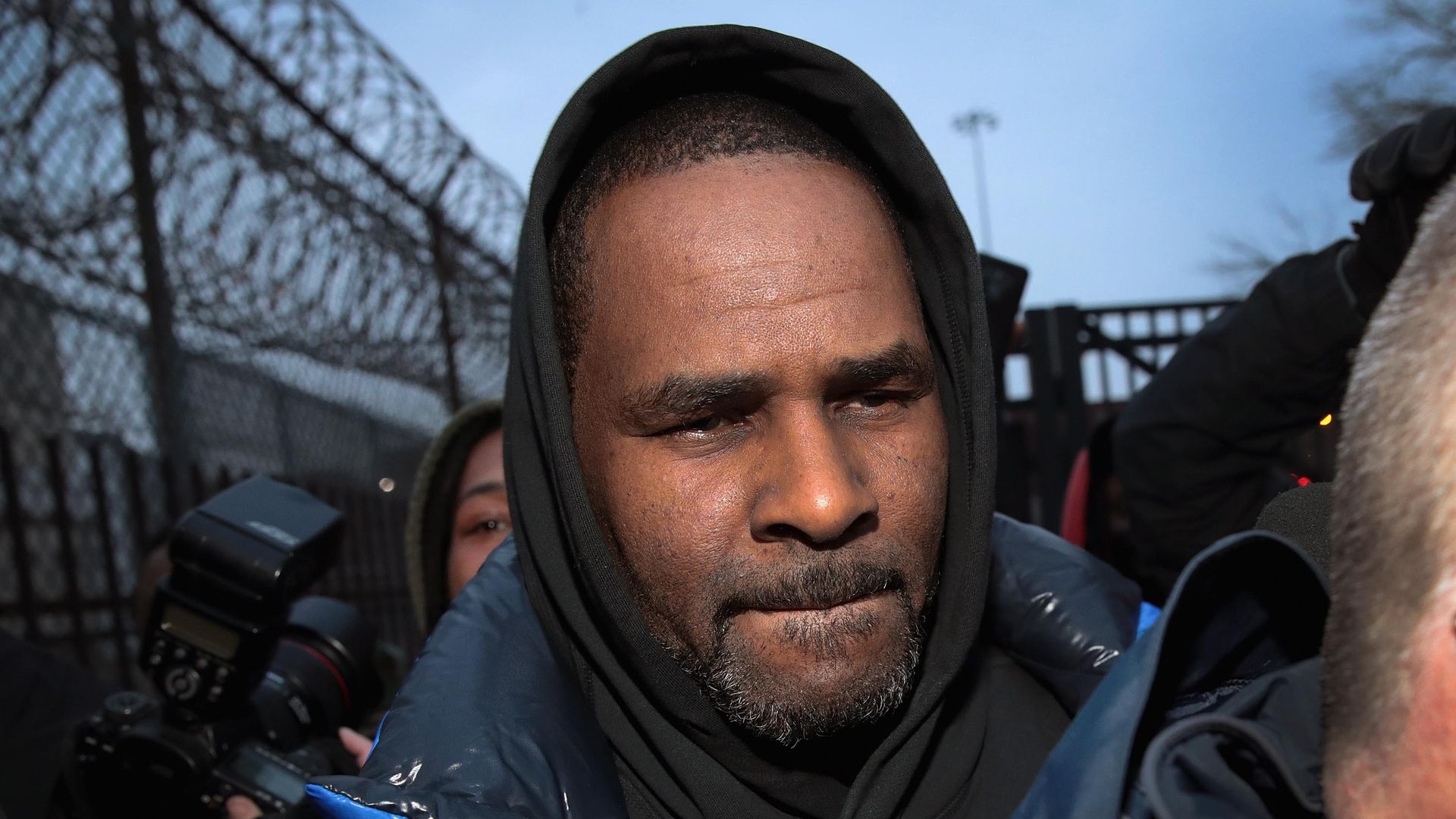
R&B singer R. Kelly became tearful as he professed his innocence to charges of sexual abuse in an interview with "CBS This Morning" co-host Gayle King, to be broadcast Wednesday morning.
What he's saying: Kelly told King he was fighting for his life with the court case. "People are going back to my past... and adding it to all of the stuff going on now, to make it all feel real to people," said Kelly, who was acquitted in 2008 of child pornography charges. "I beat my case. You can't double jeopardy me like that. It's not fair."
All parts of America’s energy industry are having trouble hiring workers, according to a new report out today.
Driving the news: Hiring difficulty last year was cited by more than three-quarters of employers in areas like energy efficiency, electric power and vehicles. This is an increase of nearly 7% over 2017, per the annual report that had been conducted by the Energy Department and is now done by two nonprofits.
A federal judge ruled on Monday that the Trump administration must reinstate an Obama-era requirement for companies to report how much they pay their employees, along with their gender and race — a move supporters say would address pay disparities among workers of different groups.
Details: The rule went into effect in September 2016, mandating private employers with 100 or more employees and federal contractors with 50 or more workers disclose their pay data. U.S. District Court Judge Tanya Chutkan said the Trump administration failed to justify that its move to block the regulation in August 2017 would ease the burden on employers. Chutkan's ruling reportedly affects over 60,000 companies that employee 63 million people.
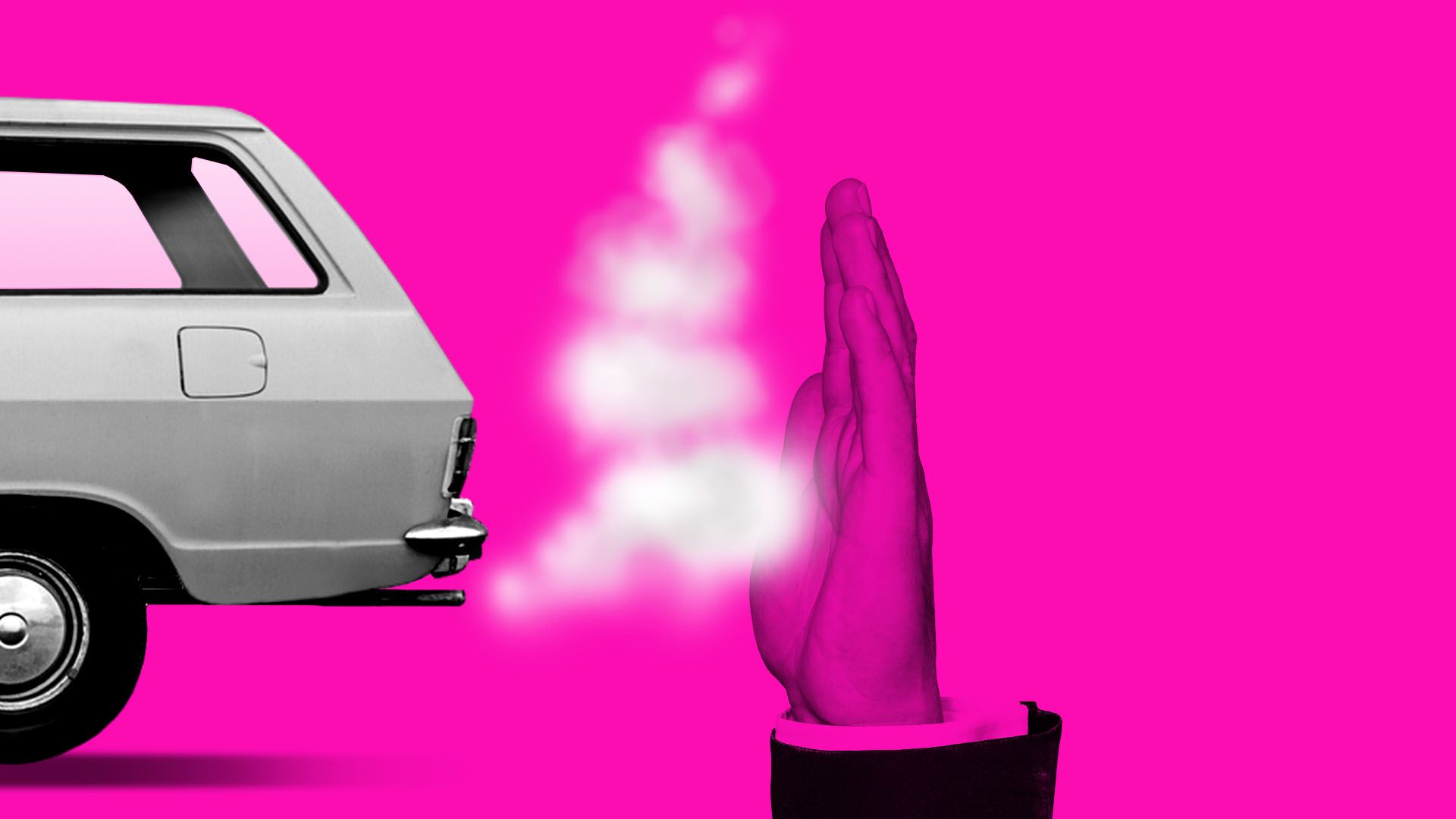
Planned IPOs by Uber and Lyft will likely lead to pressure from shareholder activists who want the ride-hailing giants to act more aggressively on stemming carbon emissions.
Why it matters: The IPOs come as some analysts fear that the growth of ride-hailing is siphoning riders from more climate-friendly mass-transit options and adding to congestion.
For years, economists and other experts have been puzzled by a uniquely American anomaly: after centuries as probably the most restless place on the planet — its people shifting often thousands of miles around the country for a better life — the U.S. has at once become much more stationary.
The big picture: The explanations for all this stillness vary, but the most compelling are perhaps the simplest: people have dug in because there appears to be nowhere to go — no "promised land" of relatively high wages on which they can build greater dreams.
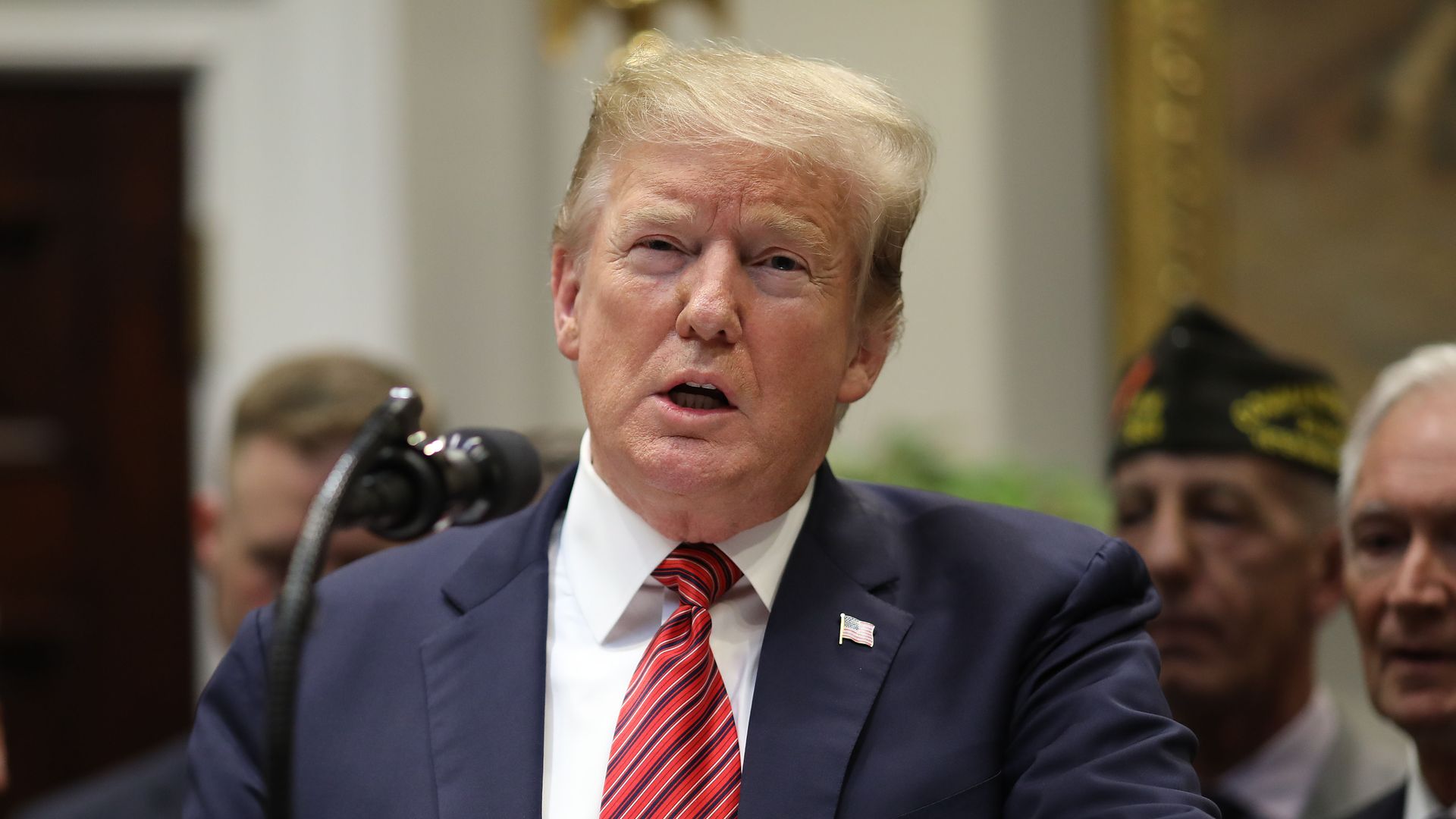
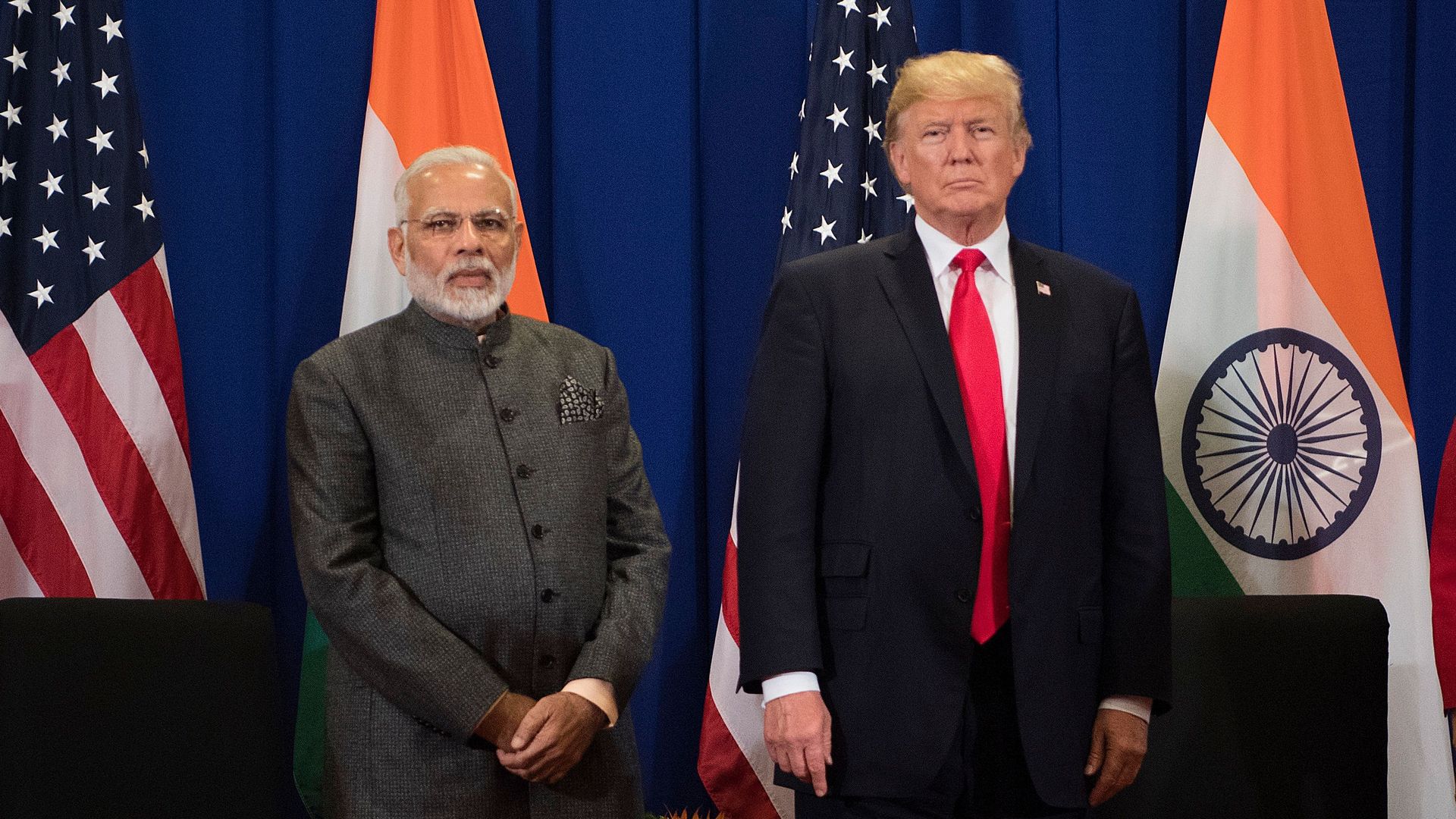
The U.S. announced plans Monday to end the preferential trade status that allows $5.6 billion worth of India's exports to enter the U.S. duty-free.
“India has not assured the United States that it will provide equitable and reasonable access to the markets of India
— Trump's letter to congressional leaders explaining his plans
Details: The move is the latest step in President Trump's trade war, designed to cut U.S. deficits. India is the biggest beneficiary of the Generalized System of Preferences (GSP) and the decision comes weeks before India's Prime Minister Narendra Modi faces a general election. The action was made because of India's "failure to provide the United States with assurances that it will provide equitable and reasonable access to its markets in numerous sectors," the Trade Representative’s Office said in its announcement.
What's next: The U.S. Trade Representative’s Office said the changes would take at least 60 days after notifications to Congress and the governments of India and Turkey, which will also lose its status because the office said it no longer qualifies for the benefit.