AT&T will launch a new direct-to-consumer streaming service in late 2019 that will offer a collection of "WarnerMedia" (formerly Time Warner) content, the company wrote in a regulatory filing Wednesday.
Why it matters: The product will help AT&T accrue more customers while also capturing more of their current Pay-TV and skinny bundle customers' time, attention and dollars.
Ernest Moniz, former energy secretary for President Barack Obama, is suspending his involvement advising Saudi Arabia on a proposed city mega-project until more information is made available regarding the disappearance — and possible assassination — of Saudi journalist Jamal Khashoggi.
Why it matters: Moniz’s move shows how geopolitical disputes, and in this case a potentially tragic one, can have spillover effects into wholly unrelated issues like business and energy.
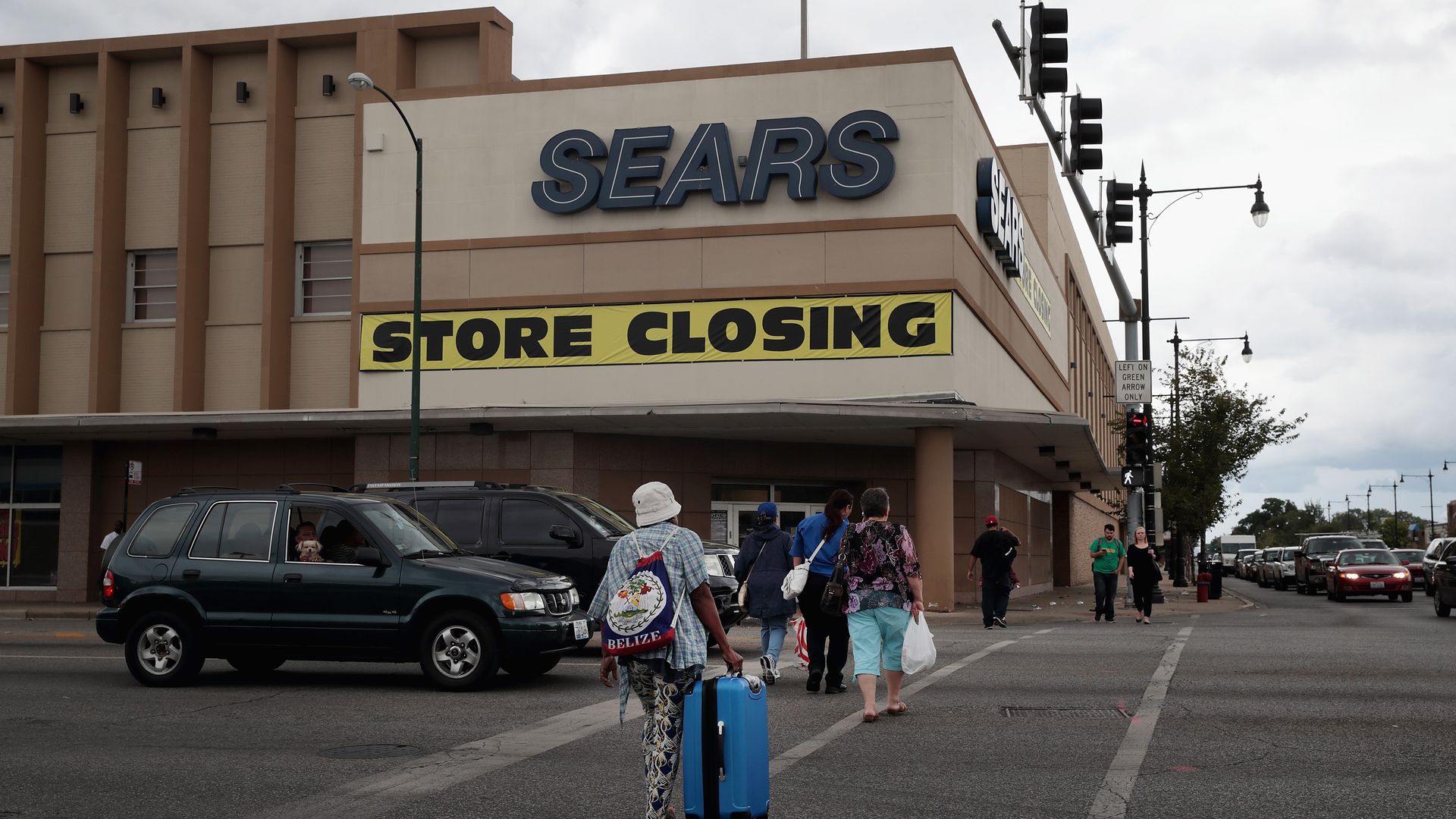
Sears Holdings (Nasdaq: SHLD) is preparing for a possible bankruptcy filing that could come as soon as this week, ahead of a $134 million debt payment due Monday, according to WSJ. The company also yesterday added restructuring expert Alan Carr to its board of directors.
Why it matters: Sears was to the last century of American retail what Amazon has become to this century — Trailblazing, ubiquitous and iconic.
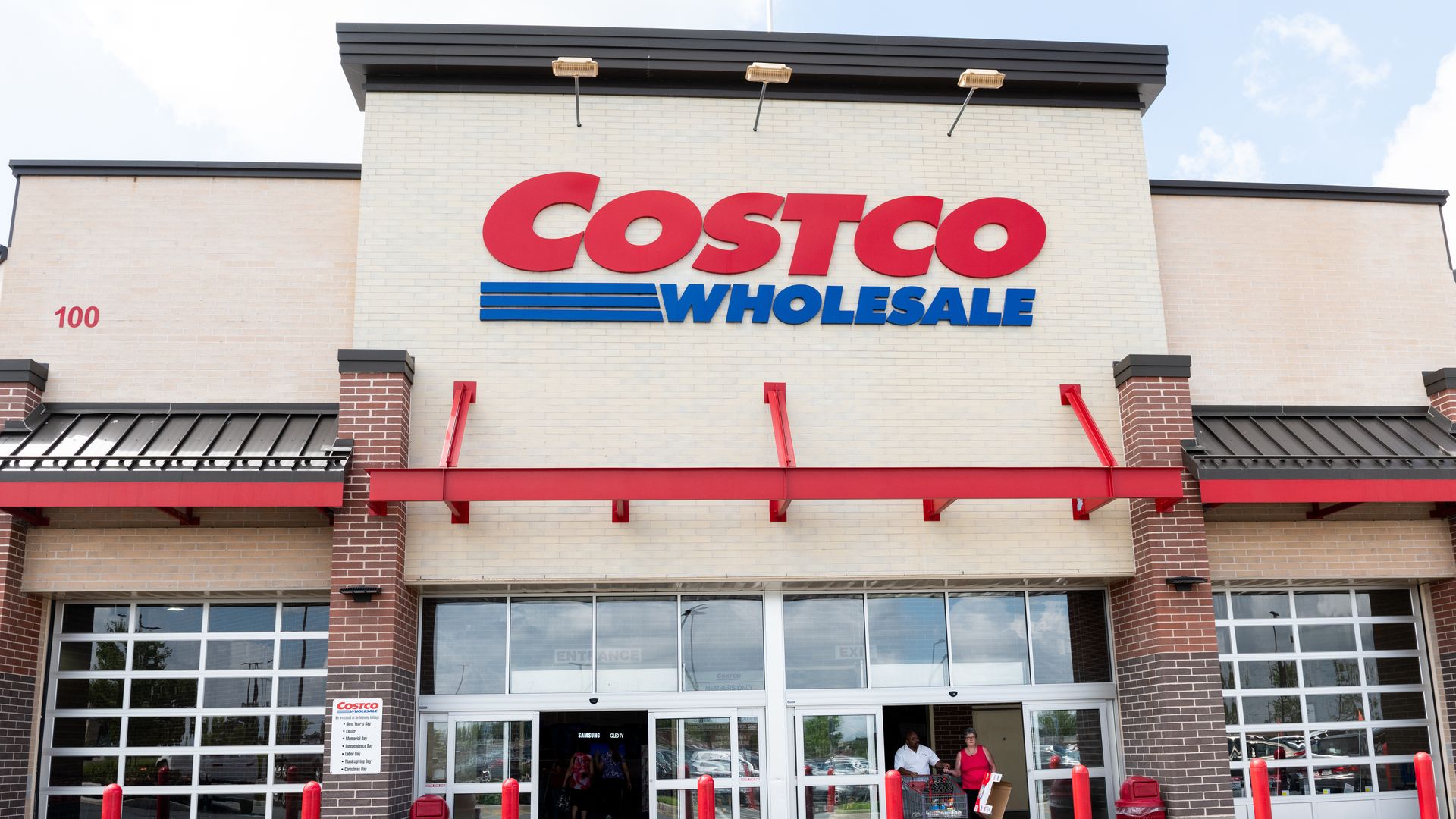
Costco Wholesale had preliminary discussions within the past few months regarding a video streaming service as a perk for its "executive" customers, according to The Information.
The big picture: Costco is yet another mass market retailer feeling pressured to monetize a media streaming service for its customers. Axios has reported that the idea of attention-based advertising has encapsulated grocers and retailers like Walmart, Kroger, Albertsons, Target, as a way steal advertising dollars or consumer attention away from traditional media companies.
Investors are talking about reviving the bankrupt Toys "R" Us, but its multibillion-dollar business is meanwhile being picked over by the big three — Amazon, Walmart and Target.
What's going on: Target and Walmart are adding floor space to accommodate more toys this holiday season, reports WSJ. And they are in a pitched toys battle with Amazon online, according to a new report from Gartner L2.
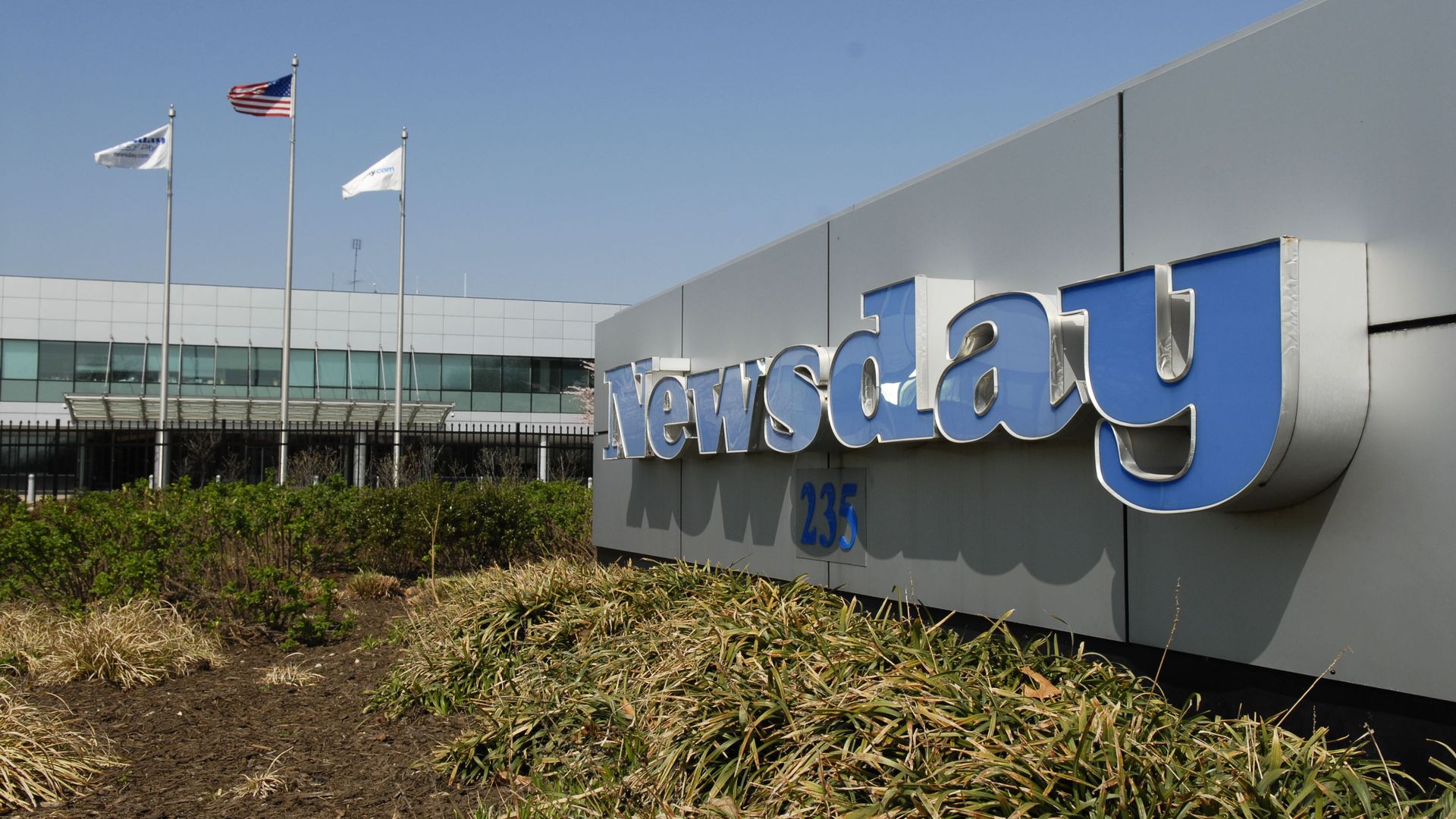
Tribune Media sold a 48-acre parcel to Hartz Mountain Industries for $54.5 million — 32 acres of it housed the former office and printing operations for Newsday.
The details: When Hartz emerged to be the likely winner of the bid, the developer said it plans to demolish the more than 413,500-square-foot facility and build “state-of-the-art” warehouse and distribution space in its place, according to Newsday.
Our.News, a nonpartisan online platform, is partnering with the Newseum and the Freedom Forum Institute to launch "Newstrition," a tool that aims to allow users to discern between real and "fake" news.
The big picture: Newstrition will face competition from dozens of other similar tools meant to reinstate trust in the media. Most similar is NewsGuard, which offers "Nutrition Label" write-ups on websites to discern "which ones are trying to do legitimate journalism — and which are not," its website explains. Axios' Sara Fischer reported that while the goal for these tools are "valiant ... the field is so crowded right now it’s hard to see who is making progress."
The International Monetary Fund's projection for global economic growth in 2018–19 has been revised down to 3.7% from the 3.9% forecast in April.
The big picture: Ten years after the financial crisis, the global economy is continuing to recover at a robust pace. Since April, however, new risks like the tightening of U.S. monetary policy, heightened trade tensions and emerging market meltdowns have prompted the IMF to temper its growth projections for a number of major economies, including the U.S., China, the U.K. and the euro area. The Organization for Economic Cooperation and Development's latest report similarly downgraded its global growth estimate from 3.8% to 3.7%.
With the limitless selection and convenience that e-commerce offers consumers, online retailers are selling more and more goods. But they are also taking a lot back.
What's going on: Some of the biggest e-commerce businesses report staggering sales numbers — but huge pieces of that revenue often get erased in refunds to customers and shipping costs for returns.