Thursday's economy & business stories
Marketo apologizes after video promo for its conference panned as sexist
Marketo, which specializes in helping companies promote themselves, apologized Thursday after one of its own promotions fell flat.
The ad, promoting an upcoming Marketo conference, featured a ditzy female newscaster and the company's male CEO, Steve Lucas. Marketo told Axios the ad, which was roundly criticized on Twitter, has been pulled down.
We sincerely apologize for the offense we caused with what was intended to be a light-hearted promotion for Marketing Nation Summit. The video was created to promote the conference, playing off our theme of engagement. Marketo has always had a steadfast commitment to championing diversity and empowering female leaders in technology and beyond.

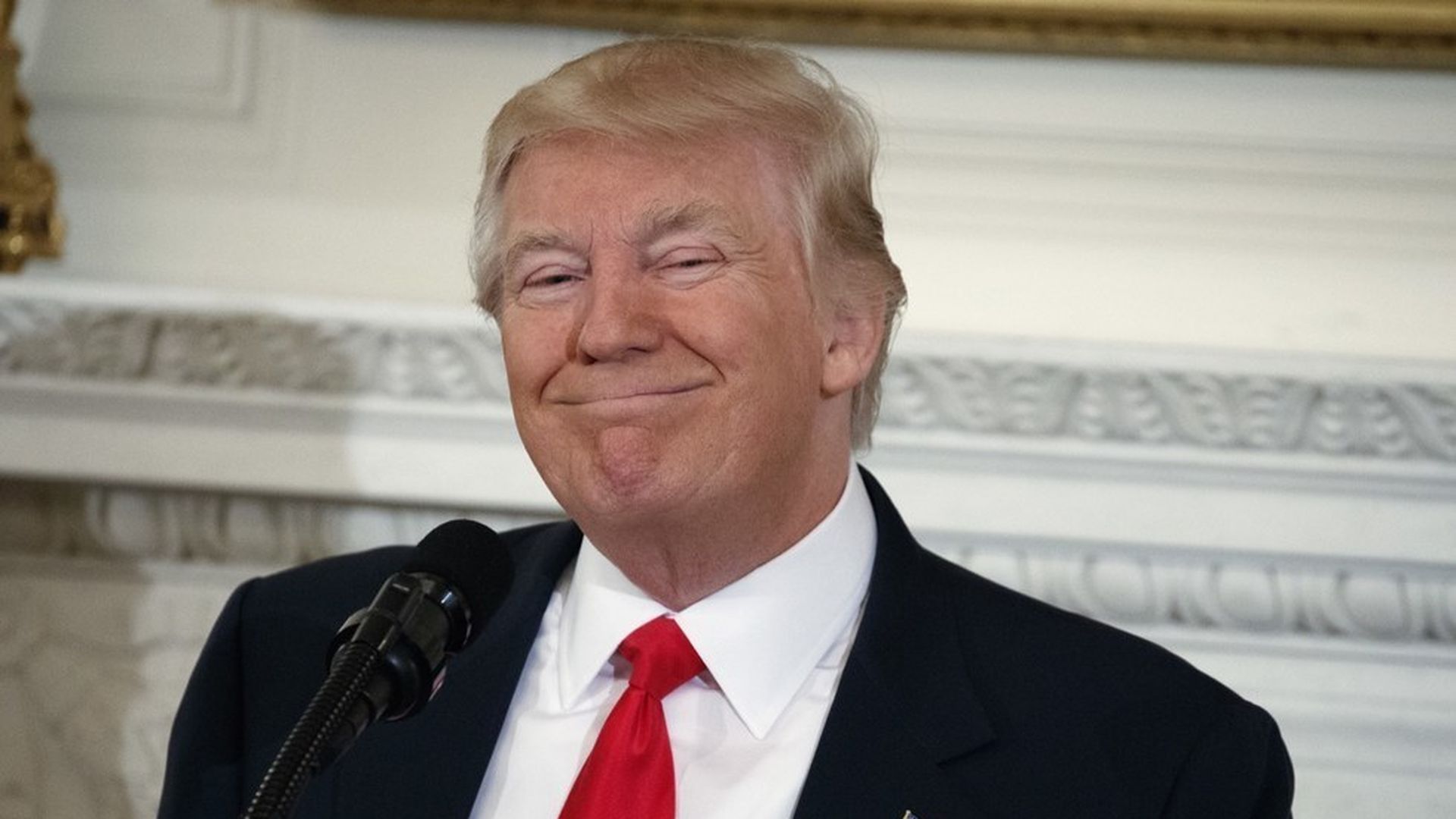
Trumpcare problems could hit tax reform — and stocks
A big part of the "Trump rally" in stocks has been a consensus belief that corporate tax reform of some sort will occur in 2017. Now that belief is being severely tested.
The problem: Trump and Congressional Republicans put healthcare ahead of taxes, because doing the latter without a baseline from the former is mathematically nonsensical. Healthcare, however, is proving far more difficult to get done than the GOP expected, judging by the postponement of Thursday's planned House vote. Every day (or week) that passes without healthcare getting done is another day (or week) that tax reform has to wait, and Congress isn't actually in session all that often. The calendar is tyrannical.
The (bigger) problem: If Republicans can't agree on healthcare reform, it isn't entirely clear that taxes will be much easier. Even within the White House there is a major split over the proposed border adjustment tax, and that doesn't even address Trump's plans for a 15% corporate tax rate that could give deficit hawks a minor aneurysm. The White House calls Trump "the closer," but his struggles in the ninth on healthcare could raise new questions about his ability to deliver on tax promises. And tax reform is the air that a lot of current stock prices are floating upon.

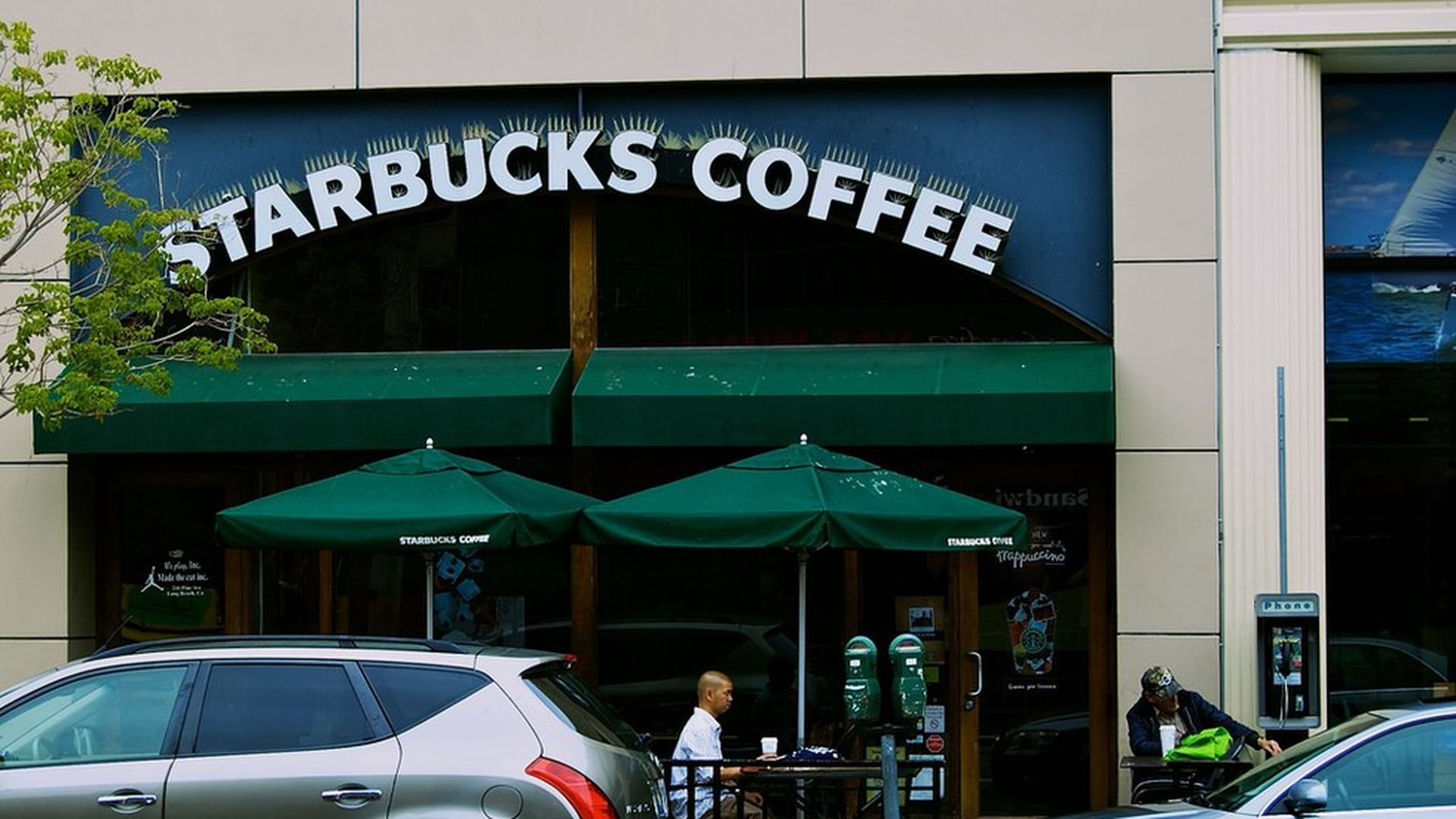
Ford owners can now order Starbucks through Amazon's Alexa
At its annual shareholders meeting in Seattle Wednesday, Starbucks announced that Ford vehicles, equipped with the lastest Sync3 infotainment technology, will be able to order and pay for their coffee by connecting to Amazon's Alexa voice assistant, per GeekWire.
In January, Starbucks announced that customers could start making their orders by saying, "Alexa, order my Starbucks." Ford also began rolling out its interactive relationship with Amazon in January by allowing hybrid and electric car owners to control their vehicles from inside their homes using Alexa-enabled devices.
Why it matters: It's another example of Alexa's expanding reach as Amazon tries to find new ways for consumers to engage with the digital voice assistant technology. This summer, the automaker will expand the integration by adding Alexa to its SYNC 3 in-car technology — allowing drivers to press a button to ask for driving directions, sports scores and anything else Alexa would normally do.

The TV war messing with March Madness
This year will have the most TV blackouts ever. There have already been more this year (125), than all of 2016 combined (104) and more than 1462% more than 2010 (8), per the American Television Alliance.
Data: S&P Global Market Intelligence; Chart: Andrew Witherspoon / Axios
Why this matters: The year's biggest college basketball games are being used as leverage in a fight between pay-TV providers (satellite and cable companies), and broadcast channels. The fight is over retransmission fees -- the money pay-TV providers have to pay broadcast and cable companies to distribute their content and the dispute could spread to other popular sporting events. Since 2010, broadcast and cable companies have raised retransmission rates more than 3700%, in an effort to make up for lost revenue from rising programming costs and declining ad revenues.

More than 3500 mall-based stores are about to close
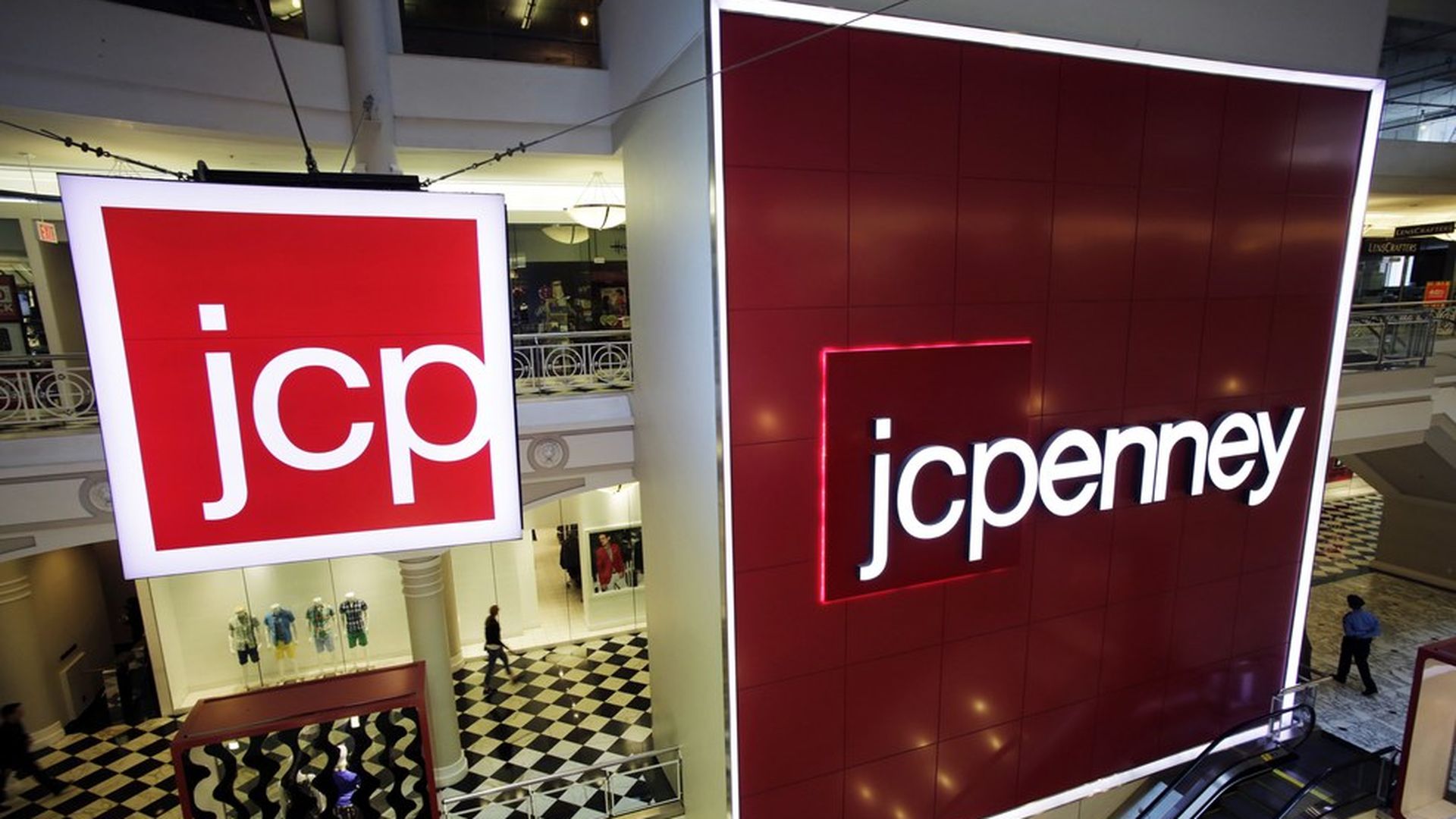
This is "one of the biggest waves of retail closures in decades," as Business Insider reports (with a useful graph on which stores are expecting closures in 2017). That's because visits to malls have declined by 50% between 2010 and 2013, according to Cushman & Wakefield.
The online effect: Bebe and The Limited are closing 100% of their physical stores to go to entirely online. Other stores, like J.C. Penney and Sears, are closing stores to cut losses in unprofitable locations, and just today, Sears announced it might be pursuing bankruptcy.
The survivors: Discount retailers like TJX, Ross, and Burlington.

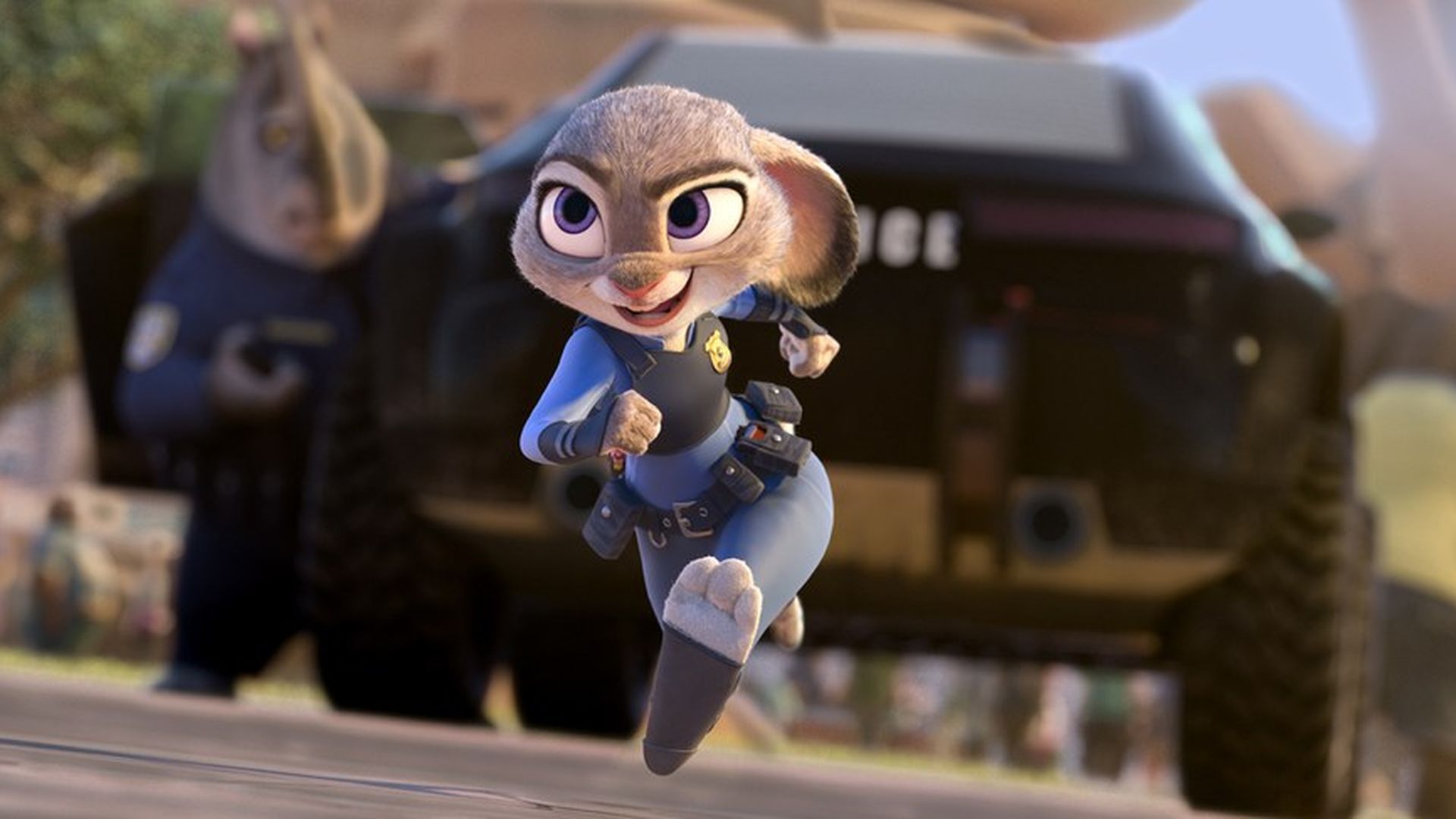
Disney is being sued for allegedly stealing Zootopia
Disney has been slapped with a lawsuit claiming it stole the idea for its Oscar-winning, billion-dollar-grossing animated film Zootopia from longtime Hollywood screenwriter and producer Gary Goldman.
Goldman, whose credits include the Arnold Schwarzenegger film Total Recall and Tom Cruise film Minority Report, alleges that Disney ripped off the theme, plot, and name of his Zootopia concept, which he pitched to the studio both in 2000 and 2009.
But Disney denied the allegations, stating that Goldman's lawsuit "is riddled with patently false allegations" and that they "will vigorously defend against it in court."

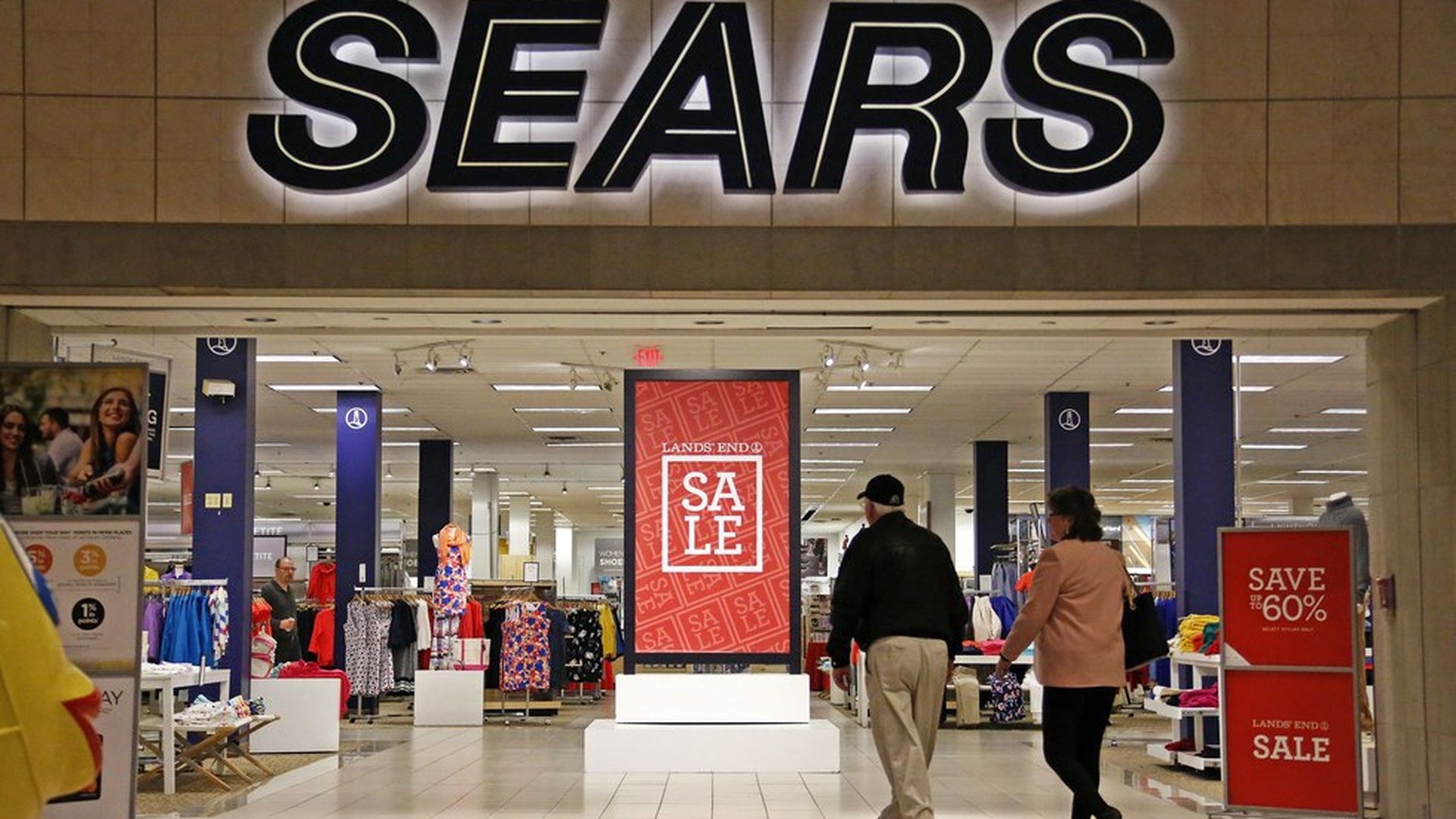
Sears considers bankruptcy
Sears, once the largest U.S. retailer, said that there is "substantial doubt" that it will be able to remain open, reports the AP. Company shares, which hit an all-time low last month, tumbled more than 5% in early trading Wednesday.
CEO Edward Lampert's hedge fund has sent millions in funding to try and keep Sears afloat, but the declining sales have brought the company into too deep a hole.
According to its most recent regulatory filing late Tuesday, Sears lost more than $2 billion last year.

Almost 20% of digital ad spending could be wasted
A new study estimates that $12.48 billion of ad spending in 2016 was fraud, or was the result in invalid traffic, which is double the earlier $7.2 billion industry estimate. This means that almost 20% of the $66 billion spent last year on digital ads globally may have been wasted on ads that were mostly either
- Botnet fraud: never actually viewed by humans
- Adware fraud: not properly loaded for a person to accurately view them
Why this matters: The amount of money lost to digital ad fraud is greater than the total digital advertising revenue for all of the 80 premium publishers of Digital Content Next, a trade group which includes the AP, NBC, NPR, PBS, Turner and many more, according to Jason Kint, the group's president.