Tuesday's economy & business stories

Google announces first details of Android O
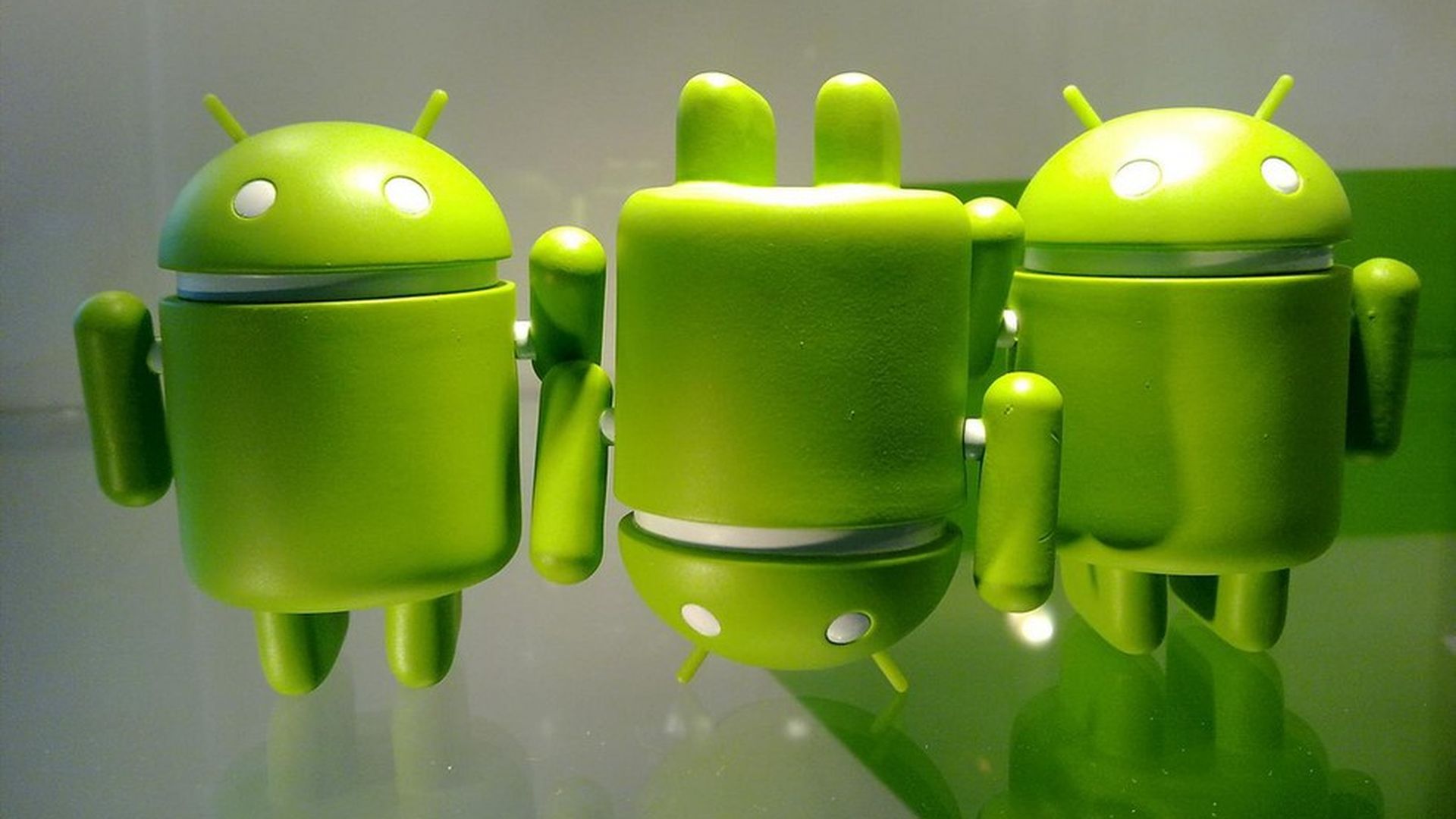
Google released a preview of the next version of its Android to app developers on Tuesday, though it didn't offer a ton of details on what's new in the operating system. One key feature of the Android O is that it will limit what apps can do in the background, resulting in longer battery life.
Android O will also add "Picture in Picture" support for phones, which lets users watch movies or other video clips while also performing other activities, like checking email or surfing the web. Apple currently offers this feature on its iPads while Android already supports it on tablets.
What's to come: Google typically releases a new version of Android each year, so this wasn't totally unexpected. The real interest will come later in the year when they announce what consumer features the new phone will have, as well as what the "O" stands for. Oreo, anyone? Expect more at Google's I/O developer conference in May.
Walmart launches a tech incubator in Silicon Valley
Walmart is launching a technology-startup incubator — called Store No. 8 — in Silicon Valley to focus on revamping its retail experience with new innovations like virtual reality, autonomous vehicles, drone delivery and personalized shopping. The retailer is hoping that move, which e-commerce CEO Mark Lore announced Monday at the ShopTalk conference in Las Vegas, will give the company a competitive edge over Amazon.
Why it matters: Store No. 8 is the latest for Walmart in its hot e-commerce streak. In the last two months alone, Walmart has bought three online retailers — ModCloth, ShoeBuy, and Moosejaw — to help diversify its online presence. And Lore, whose Jet.com store Walmart bought last year for $3 billion, has been spearheading the growth.

Another advertiser pulls out of Google in the U.K.
Marks & Spencer, a large multinational retailer, announced on Monday it has removed its ads from Google over fears their advertising could appear next to extremist content. They follow reports over the past week that HSBC, Lloyds and the Royal Bank of Scotland, Jaguar Land Rover and Marie Curie removing their ads from Google-owned platforms.
Google apologizes: On Friday, Google finally apologized to advertisers in the U.K. that have been pulling ads from its properties due to the prevalence of questionable content, like hate videos on YouTube, that their ads could be running against. Their apology came after an announcement last week Google will start using data from more than 10,000 human contractors known as "quality raters" to teach its algorithms how to better spot offensive, incorrect or misleading information.
Get smart: There's a reason the other half of the digital duopoly isn't getting slammed as hard. Aside from FB Live, Facebook has generally been able to avert PR crises over their content the past month, due to a strategic effort to win publishers with its Facebook Journalism Project. Facebook's open communication with publishers through listening tours about its efforts to clean up content on its platform could also be easing advertiser's concerns.

Hospitals have a labor problem
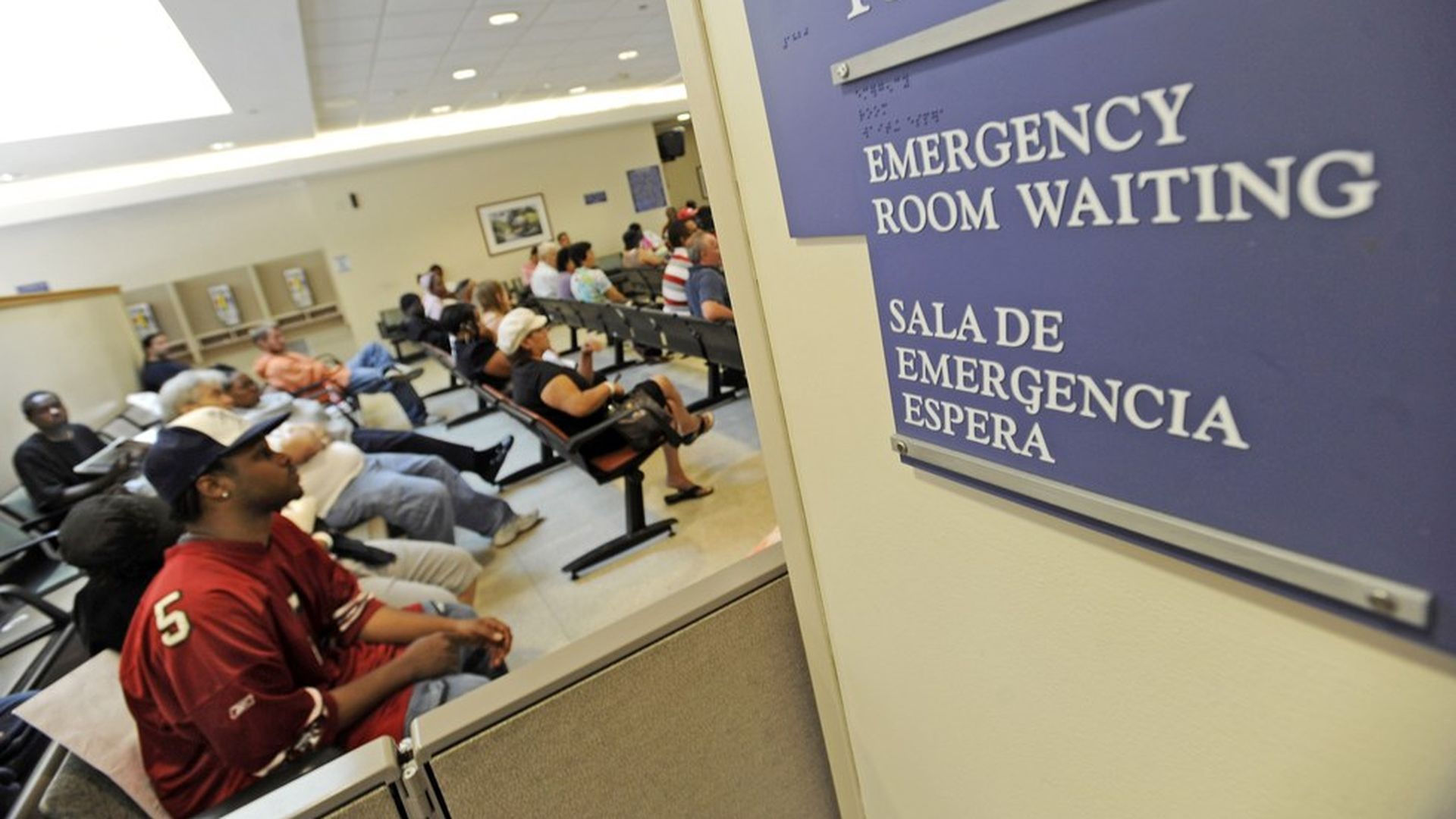
Hospitals across the country have benefited from Obamacare's insurance expansions, and they hired physicians, nurses, technicians and others in droves to handle the influx of newly insured patients. But now hospitals face tough choices about what they should do with their increasingly expensive staffs if millions of Americans lose health coverage under the Republican Obamacare replacement.
The latest federal data reinforce what hospital officials say is happening: Hiring is slowing down in the face of the political uncertainty.

How competitive politics sharpened data tools and tactics
A data technology boom over the past 15 years has shaped how campaigns use technology to source, distribute and leverage voter data. Each campaign cycle brought new technology tools and talent to the mix, and as the timeline below shows, underscores how much each party has learned from — and innovated on top of— the other's successes and failures.
Why it matters: After the 2016 presidential election, both Republicans and Democrats are evaluating their past digital performance and strategizing for upcoming races. After Trump's surprise victory, sources say a major operational shakeup is in store for Democrats, who've enjoyed the lead in the digital race for nearly a decade. GOP operatives, who significantly grew their data and ground games since 2008, are continuing to develop big data platforms and new media tactics to better target specific voters while also broadening their base.
If you were sick of online political ads this last cycle, just wait for 2020.