Yesterday, Instagram announced that like Snapchat, it's Stories feature has 150 million daily users. Now, both companies are rolling out new features to win over advertisers.
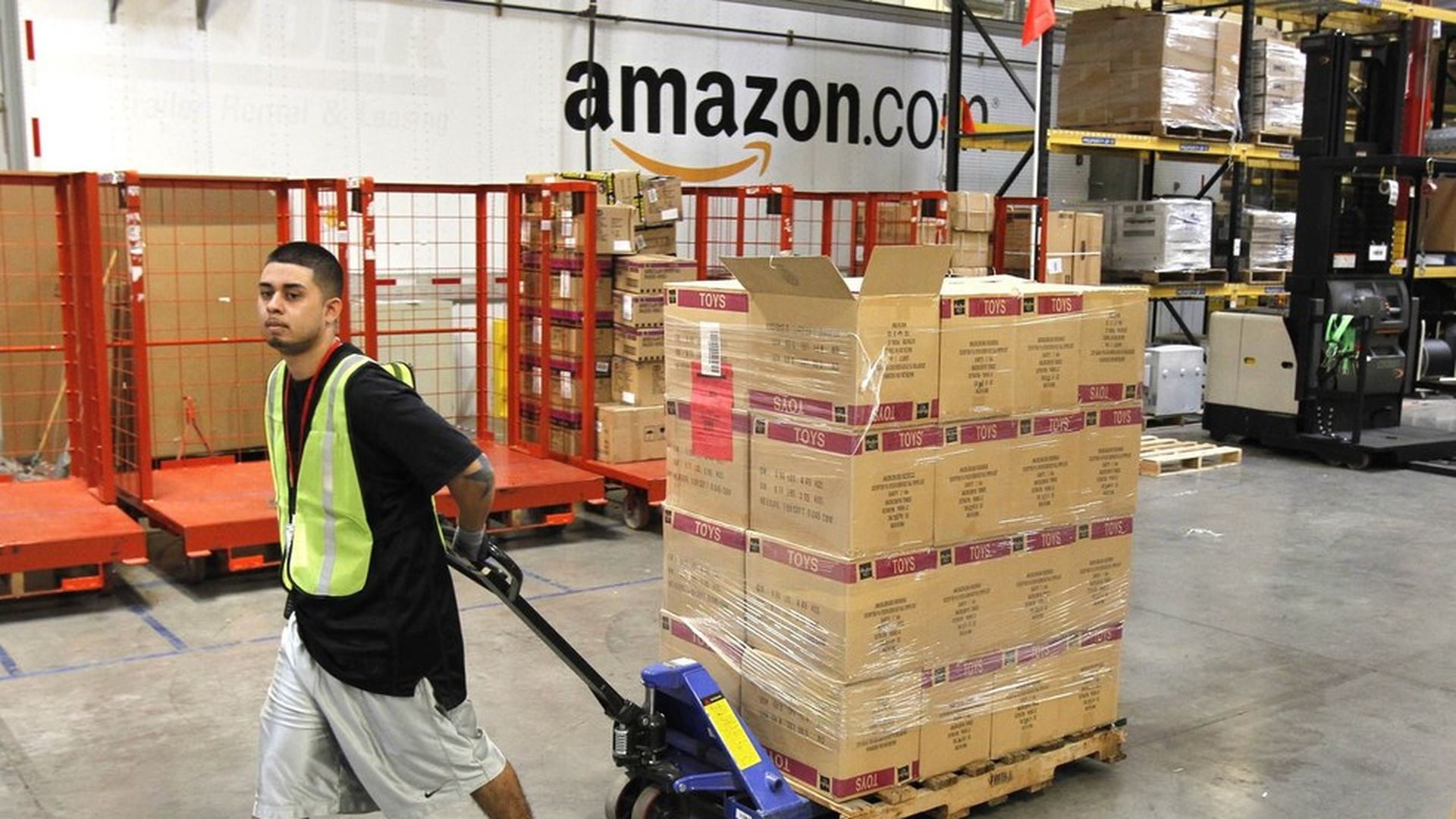
Amazon announced today it will hire 100,000 new full-time workers over the next 18 months, increasing its full-time American workforce to more than 280,000 by 2018.
The jobs won't just be located in its home state of Washington, as the firm will add employment to its growing base of fulfillment centers across the country. Amazon plans to add 6,500 new jobs in Florida and 7,000 jobs in Illinois, for instance.
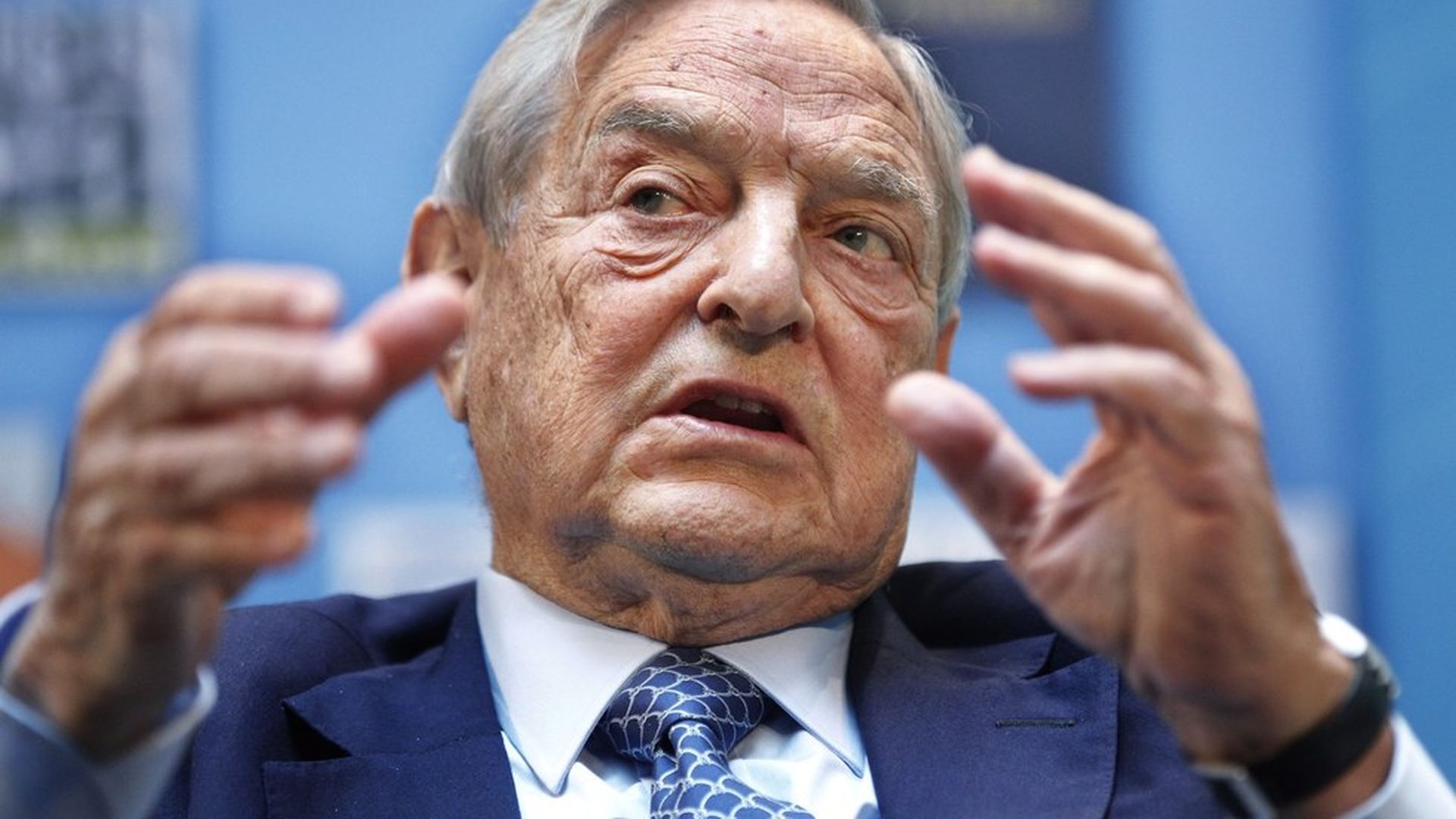
How it happened: Trump's election was predated by months in which analysts feared his threats of trade wars and generally unpredictable behavior would cause the stock market to crater. Soros adopted this view, according to the Wall Street Journal, making bets that the stock market would decline in value immediately following the election.
But the S&P 500 has risen more than 6% since the election, costing him dearly. Investors who didn't get burned include Trump supporter Carl Icahn, who bought nearly $1 billion worth of stocks on the night of Trump's election, as well as Soros protege Stanley Druckenmiller.
Apple is planning to start producing original television shows and movies, according to The Wall Street Journal, in an effort to play catch-up with their music-streaming competitor — Spotify AB.
What's next: Apple execs have told people in Hollywood they hope to start offering original scripted content by the end of 2017. The new programming will be available to Apple's $10-a-month music streaming service.
Why this matters: Apple isn't trying to compete with Netflix or Amazon's video services, as the WSJ notes. Rather, the move "would escalate the arms race between Apple Music and Spotify," as both offer a similar catalog of songs.
CNN published a carefully reported story Tuesday on intelligence officials warning Trump and Obama that Russians were trying to compromise Trump. The basis of this was a 35-page dossier alleging Trump did weird sex things and alleged his inner circle had been colluding with Russia. CNN didn't publish that dossier, because they couldn't confirm the details.
BuzzFeed also had the dossier, and they published it.
Facebook announced a new initiative Wednesday called the "Facebook Journalism Project" that aims to strengthen its relationship with the news industry.
What's in it:
Testing new storytelling formats: Facebook will begin testing packages of stories within Instant Articles so readers can see multiple stories from the same news outlet at the same time.
Free resources for journalists: Facebook will now conduct a series of free "e-learning courses" on Facebook products and tools for journalists. They will also offer journalists free CrowdTangle subscriptions for social media monitoring. They will also begin trainings for local newsrooms through non-profit news organizations and academia.
More resources to curb fake news: They announced another program to work with third-party fact checkers to identify hoaxes on Facebook. They also announced partnerships with non-profits and academia to help promote news literacy.
That's as many as Snapchat's total daily active users.
The big deal: When Instagram announced its copycat feature in August, many doubted that it would catch on, arguing instead that Snapchat's appeal was greater than just one feature. But now it seems that Instagram's bet is paying off—and its hypothesis is being proven right.
Instagram's users are well known for primarily worrying about publishing flawless photos. The Stories feature, which lets people post photos and videos that disappear after 24 hours, is keeping them from hopping to Snapchat.
Facebook announced Wednesday a new initiative to partner their engineers with German news organization BILD's to test offering free subscription trials to engaged readers from within their Instant Article platform.
The tech giant also confirmed a story first reported by Recode Monday that they are exploring a new video ad format:
Short ads in videos at least 90-seconds long.
Will share 55 cents to every dollar with their publishing partners.
Why it matters: News companies have realized that tech companies, primarily Google and Facebook, are gobbling up the bulk of their ad revenues. These are ways for news publishers to partner with these platforms to make money, rather than fighting a growing trend.