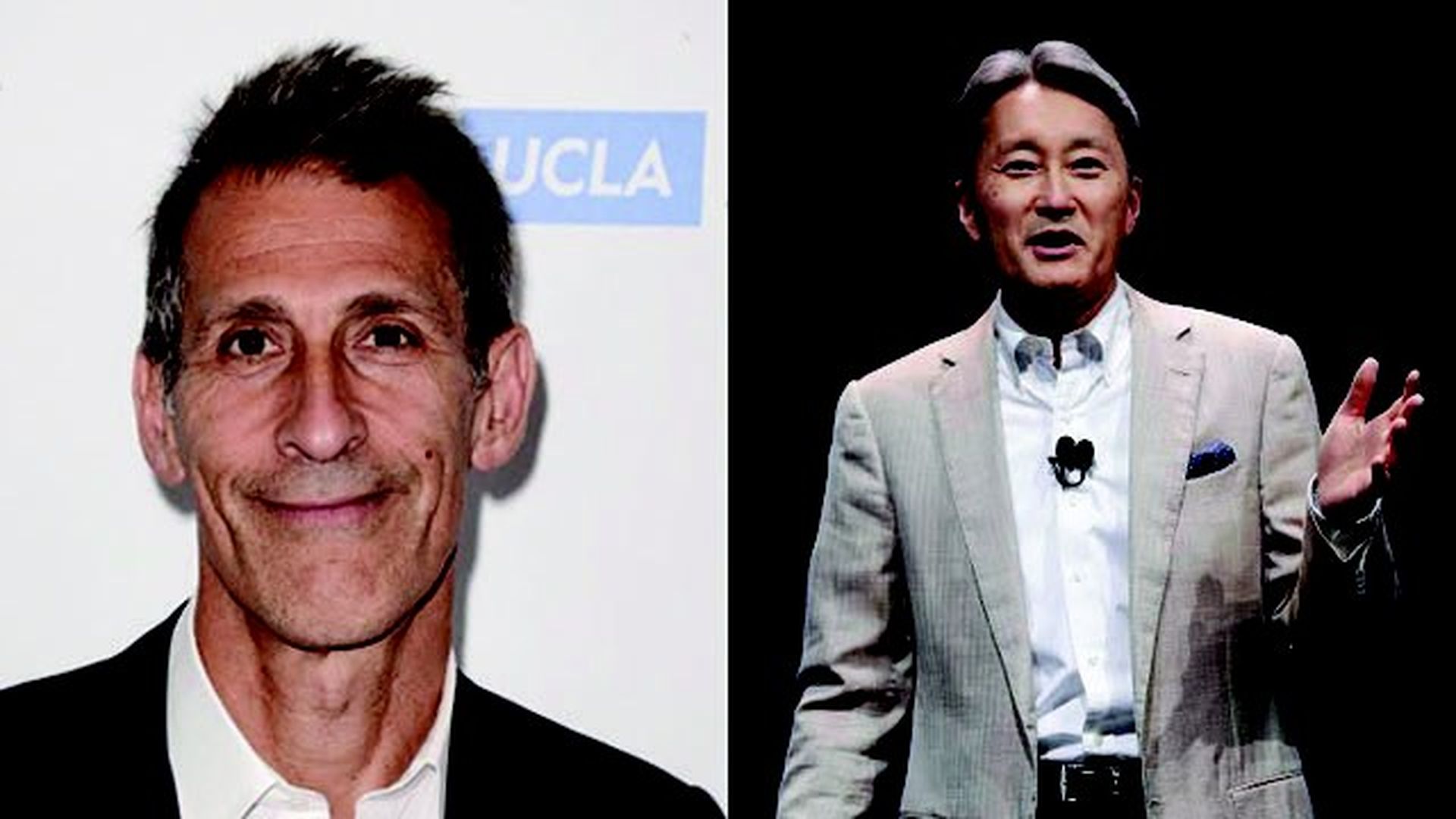
As Snapchat's parent company prepares for an IPO this spring, Sony Entertainment CEO Michael Lynton is stepping down to focus full-time on his new job as chairman of Snap the company told newsoutlets on Friday. He will stay on for six months to help his replacement, Sony Corporation CEO Kazuo Hirai, learn the ropes.
Lynton and his wife invested in the ephemeral messaging app in 2013 and he's since been a close mentor to co-founder and CEO Evan Spiegel. Lynton quietly became chairman last year.
Despite efforts to turn things around at Sony's entertainment division, Lynton had to deal with a lack of movie hits and a devastating email hack in late 2014.
Between the lines: While Spiegel has managed to lead the company rather successfully despite his young age, it's no surprise Snap is bringing on an experienced media executive like Lynton to help steer the ship—and instill confidence in bankers ahead of its IPO.
Analytics firm Parse.ly finds that user engagement for posts with short video is significantly less than short-form posts, slideshows and long-form posts.
Why?
Auto-play: Visitors are silencing or pausing videos because of the disruption
Slow load times: Videos take longer to load, causing viewers to bounce
Market saturation: Publishers are scrambling to create more pre-roll inventory
Digiday spoke with several publishers who echoed Parse.ly's findings, saying that short-form video views on Facebook have been cut in half, likely due to the fact that video is becoming cheaper to produce.
Smart take: The drive to create scalable video stems from business needs, not reader demand. Publishers can place high premiums on pre-roll ads because they sell out so quickly, particular among larger brands. The New York Times, for example, won't even offer advertisers the ability to geo-target pre-roll because it sells out so quickly at the national level, usually by the end of the summer.
What's next: Publishers will invest in alternative post formats.
It'll have a standalone live video app, and will livestream video on other AOL sites, like The Huffington Post, as well as other live platforms, like Facebook Live, Live Instagram stories and Twitter Live.
Taking on TV: The livestreams will mostly be interviews with A-List celebrities, like Ryan Gosling and John Legend. It will total more than 75 events-per-month and four hours of live programming each day, according to AOL.
Yesterday, Instagram announced that like Snapchat, it's Stories feature has 150 million daily users. Now, both companies are rolling out new features to win over advertisers.
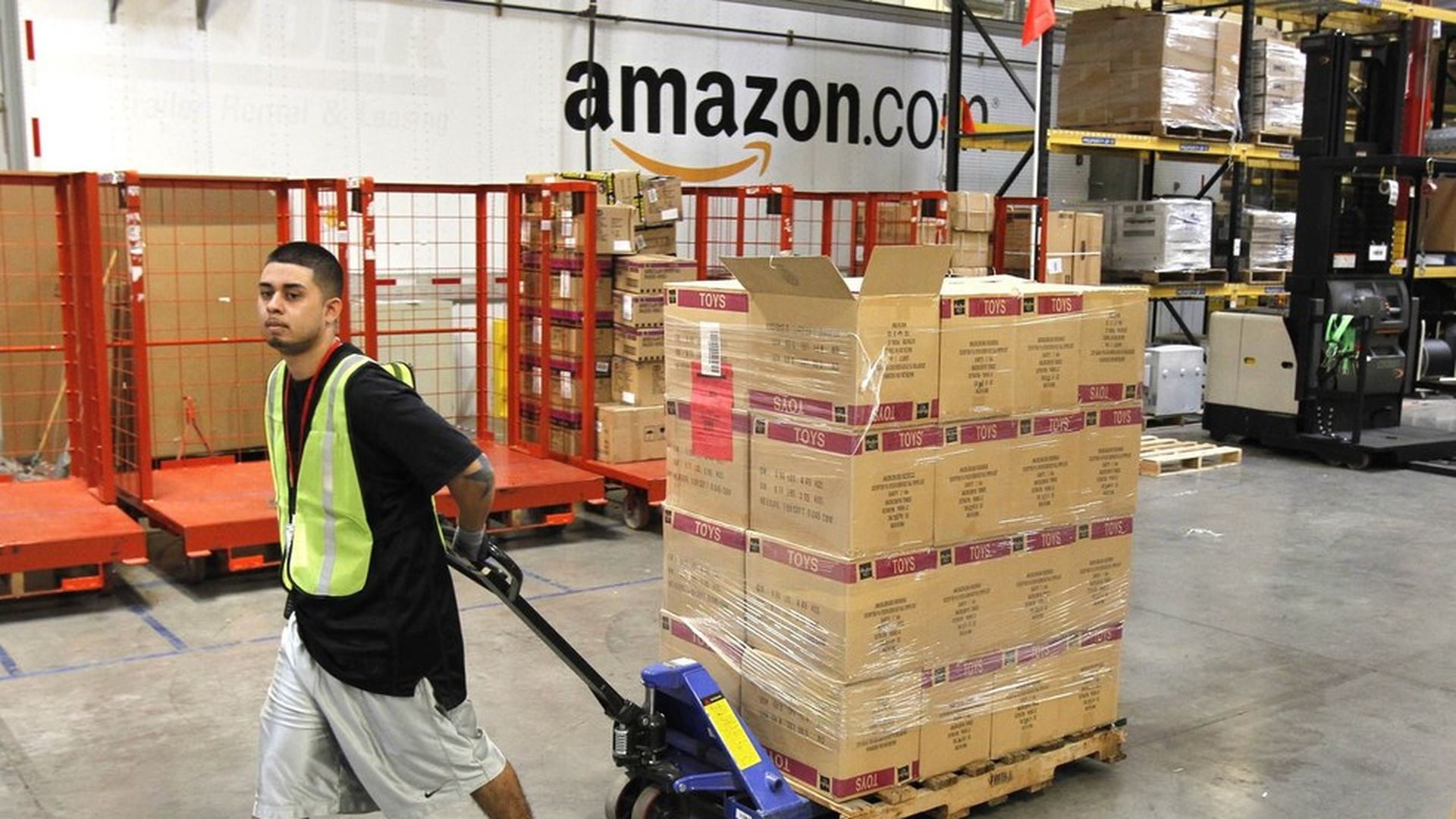
Amazon announced today it will hire 100,000 new full-time workers over the next 18 months, increasing its full-time American workforce to more than 280,000 by 2018.
The jobs won't just be located in its home state of Washington, as the firm will add employment to its growing base of fulfillment centers across the country. Amazon plans to add 6,500 new jobs in Florida and 7,000 jobs in Illinois, for instance.
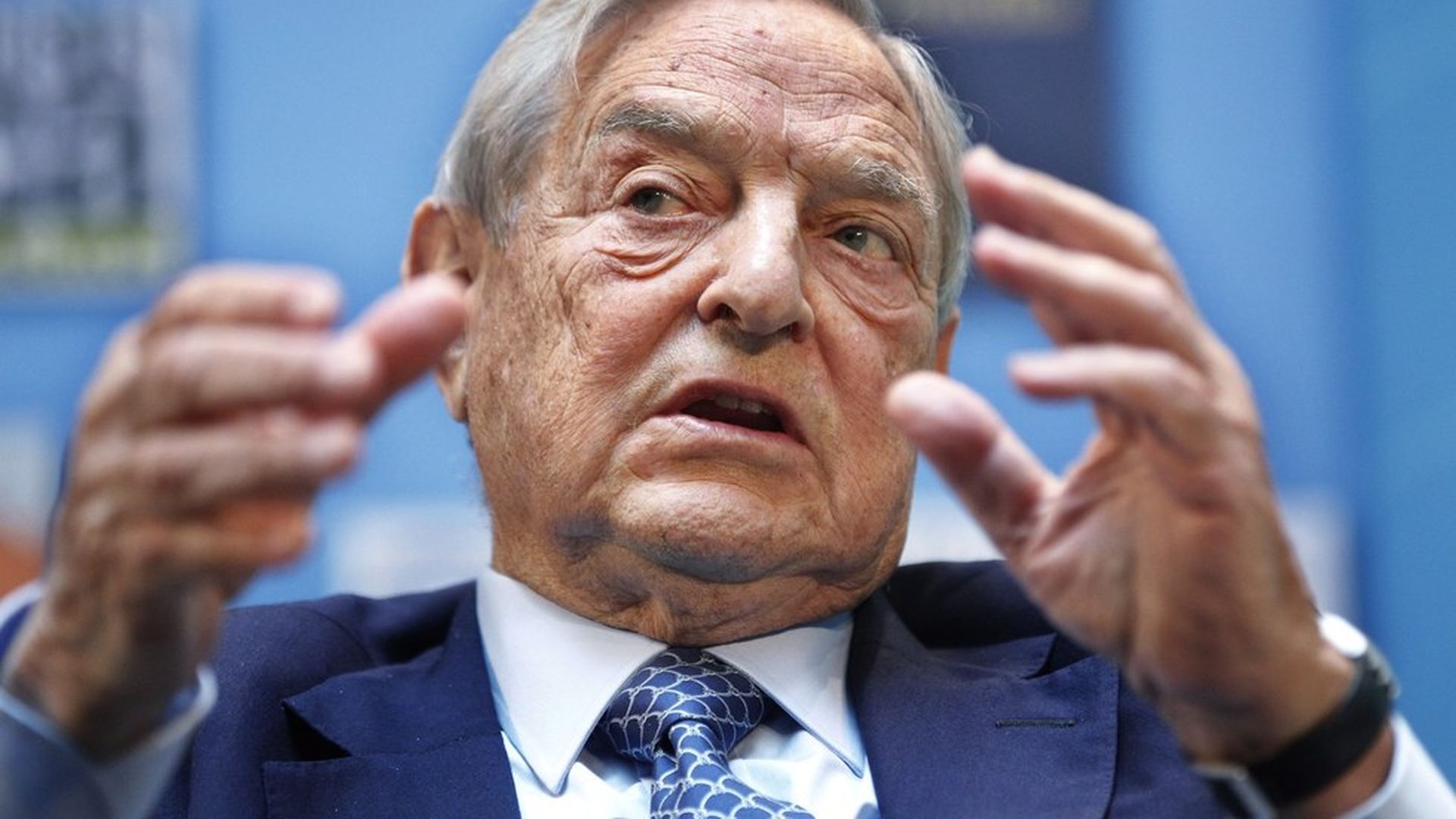
How it happened: Trump's election was predated by months in which analysts feared his threats of trade wars and generally unpredictable behavior would cause the stock market to crater. Soros adopted this view, according to the Wall Street Journal, making bets that the stock market would decline in value immediately following the election.
But the S&P 500 has risen more than 6% since the election, costing him dearly. Investors who didn't get burned include Trump supporter Carl Icahn, who bought nearly $1 billion worth of stocks on the night of Trump's election, as well as Soros protege Stanley Druckenmiller.
Apple is planning to start producing original television shows and movies, according to The Wall Street Journal, in an effort to play catch-up with their music-streaming competitor — Spotify AB.
What's next: Apple execs have told people in Hollywood they hope to start offering original scripted content by the end of 2017. The new programming will be available to Apple's $10-a-month music streaming service.
Why this matters: Apple isn't trying to compete with Netflix or Amazon's video services, as the WSJ notes. Rather, the move "would escalate the arms race between Apple Music and Spotify," as both offer a similar catalog of songs.