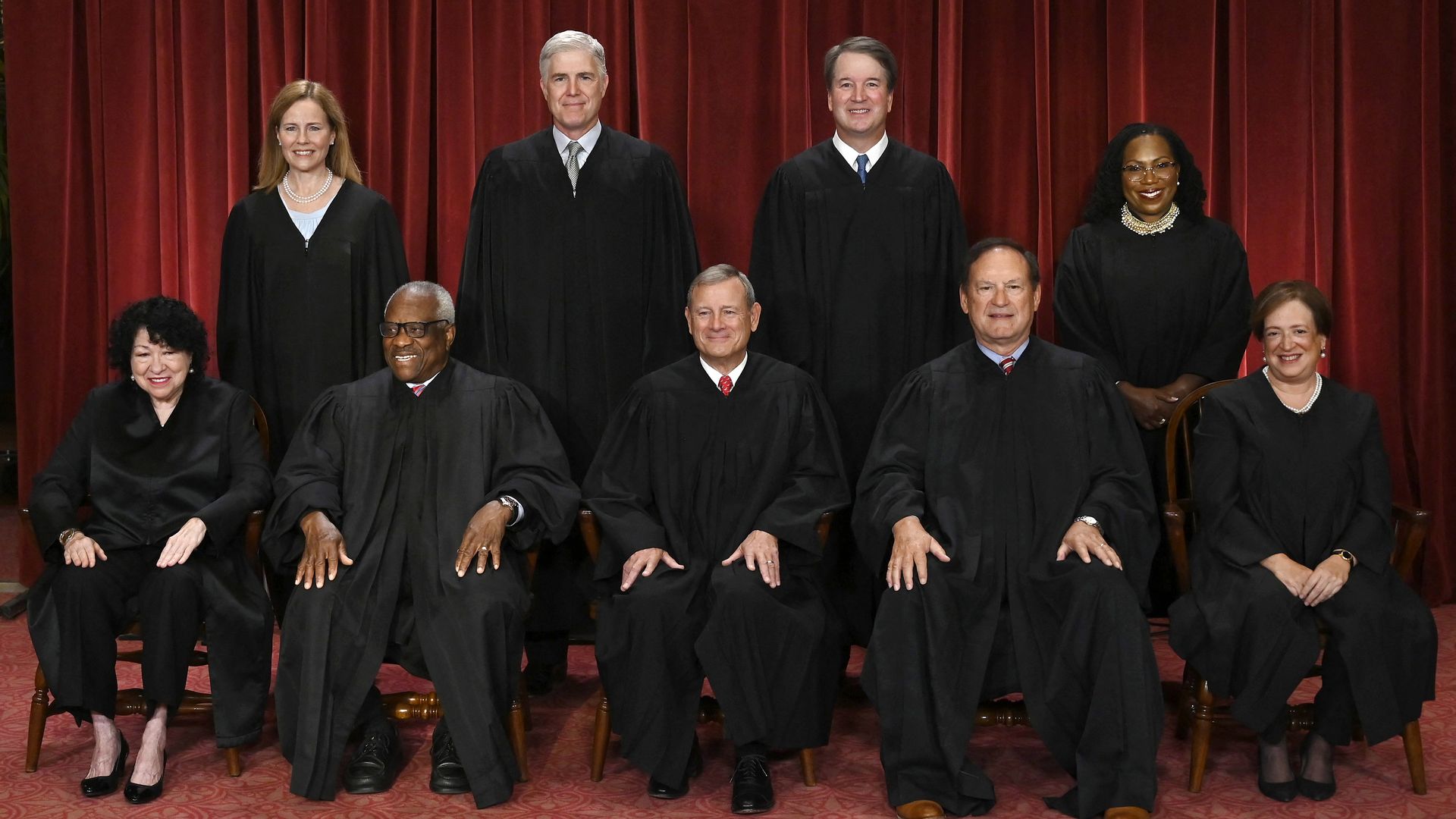
Supreme Court justices earned millions from books, teaching and other outside income in 2025, newly released financial disclosures show.
Why it matters: The disclosures provide one of the public's few windows into justices' outside income, gifts and financial relationships as ethics scrutiny of the court persists.
The House on Monday passed the KIDS Act, but key senators say the legislation has little chance of advancing in its current form.
Why it matters: The vote sets up a showdown over kids' online safety as the White House works to align Congress behind legislation that would preempt some state AI laws.
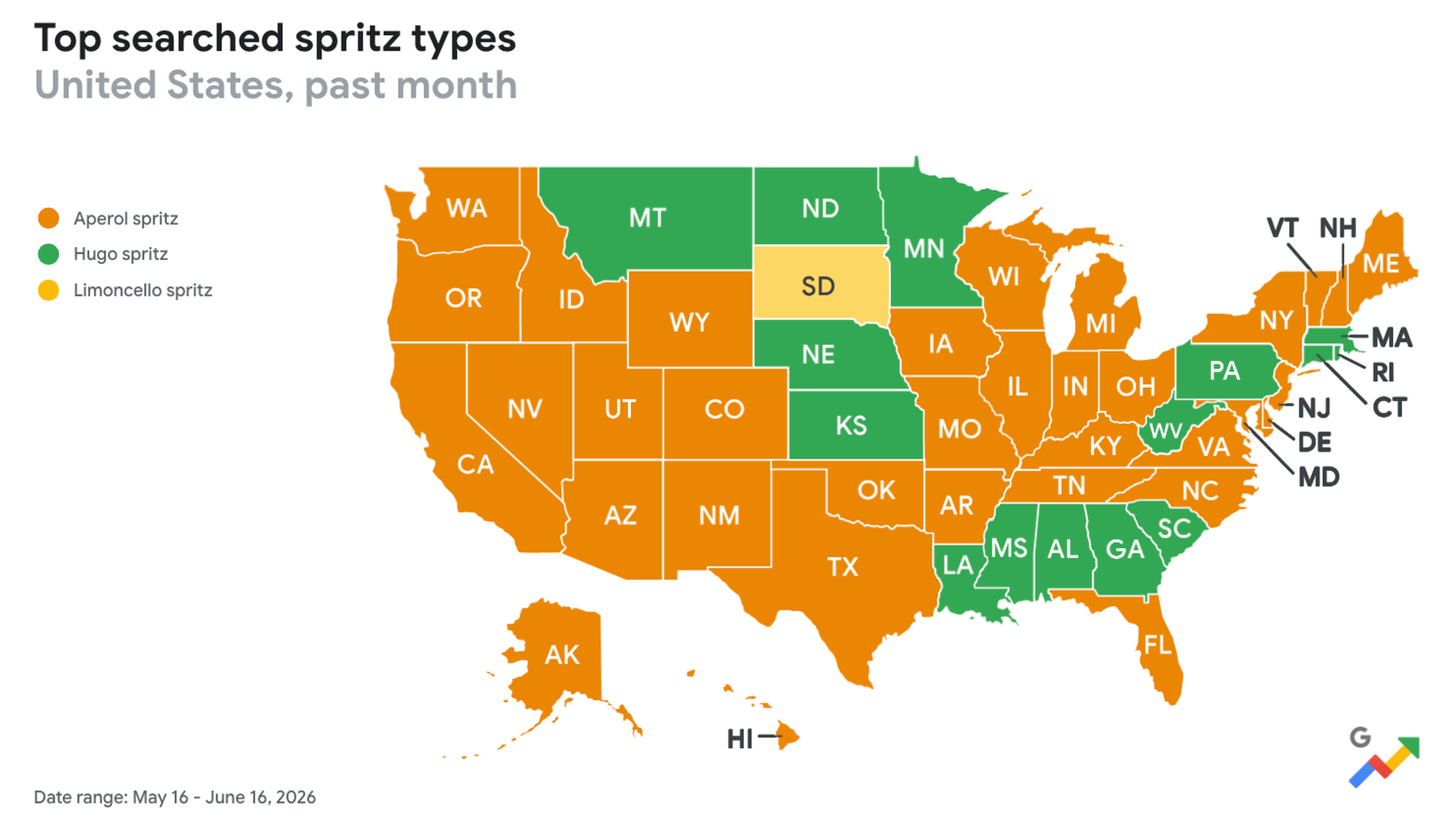
The spritz is looking a little less orange these days.
The big picture: Although Aperol spritz remains a warm-weather staple, the pale green Hugo spritz — typically made with Prosecco, elderflower liqueur and soda water with mint and lime for garnish — is emerging as a major summer cocktail.
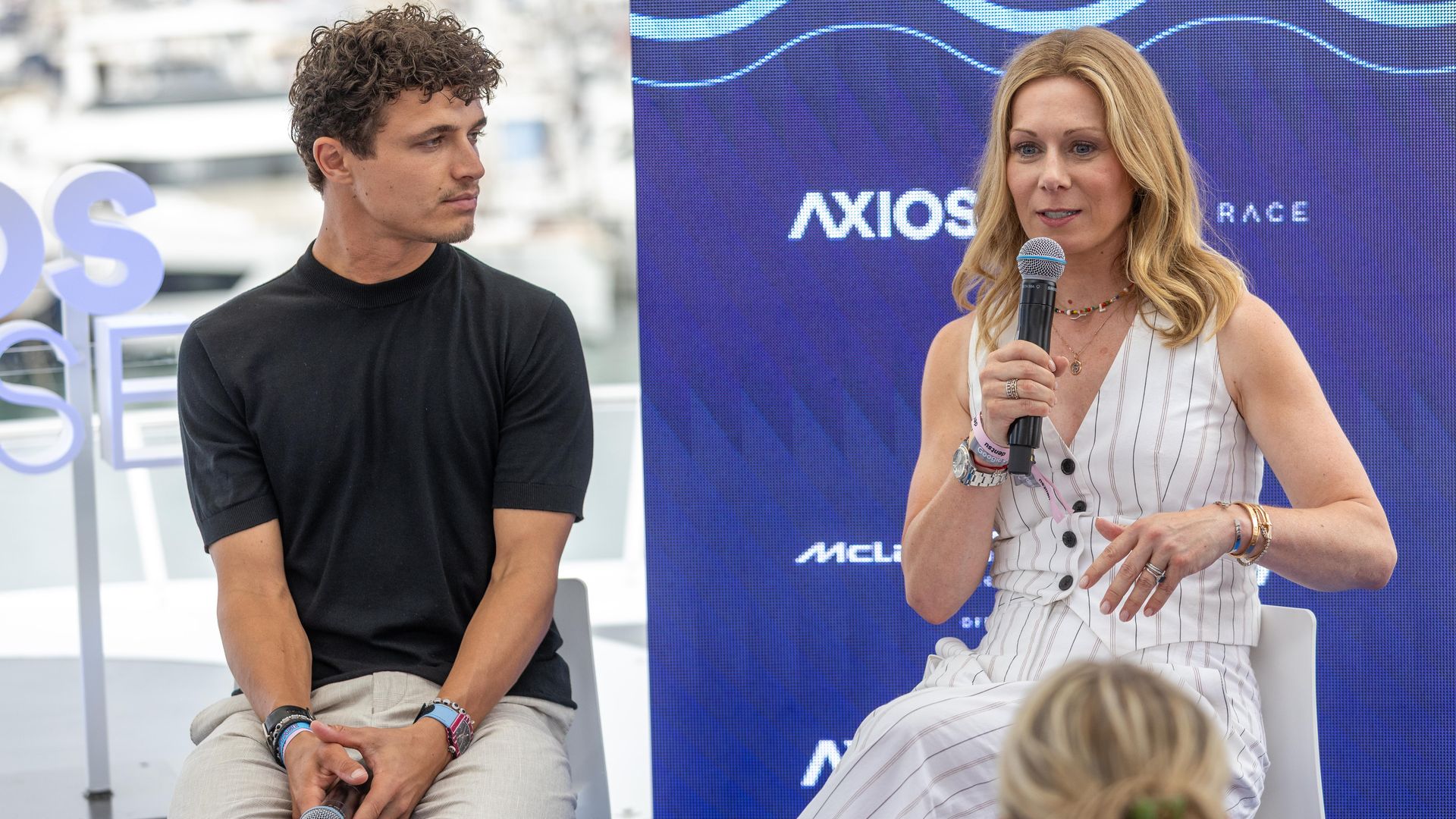
CANNES, France — Only 1% of Formula One fans will ever attend a race in their lifetime — and the brands, broadcasters and drivers scrambling to reach the other 99% are just getting started, industry leaders said at Axios House Cannes.
Why it matters:Drive to Survive helped turn a niche European motorsport into a global cultural phenomenon and opened a commercial opportunity that nobody has fully cracked yet, said McLaren Racing CMO Louise McEwen.
Axios' Sara Fischer and The Race Media's Darren Cox moderated discussions with McEwen, Netflix president of advertising Amy Reinhard, and Lando Norris, McLaren F1 driver and 11x Grand Prix winner. The June 24 event was sponsored by Allwyn and CNBC.
What they're saying: Netflix aired its first live F1 race this year and will offer its ad-supported tier in 27 countries by 2027, Reinhard said — up from 12 today.
The Canadian Grand Prix proved the model works, Reinhard said. Sports brings in every kind of Netflix subscriber at once, making it uniquely valuable to advertisers.
"When things are eventized, people want to be in that moment," Reinhard said. "You want to make sure you're tuning in to see what's happening."
Between the lines: McLaren Racing is 100% funded by partners — not a car brand or a beverage company — which makes winning a commercial obligation, not just a sporting one, McEwen said.
"We're not allowed to use the word 'sponsorships,'" McEwen said. "They are partnerships — they mean so much more."
Norris said the cycle is straightforward: more fans attract more partners, better partners fund better cars, better cars win races.
"The better the circle works, the better life is for everyone," Norris said. "And that is normally helped by winning."
Yes, but: Reaching fans who will never attend a race requires something TV alone can't deliver — emotional connection, McEwen said.
McLaren rebuilt how it connects with fans digitally and launched a free fan membership program to stay connected with fans watching from home, McEwen said.
However, the social pressure that comes with F1's growth is real, Norris said. "I cared too much in some ways," he said of his early years on social media. Winning helped. "There's not a lot that people can say that's going to upset me now."
The bottom line: F1's fandom is global, passionate and mostly watching from home. "There's no shortage of stories for us to tell in this sport," McEwen said. The race now is to reach them before someone else does.
Content from the sponsors' remarks:
CNBC Versant president KC Sullivan said the network has partnered with McLaren since 2018, drawn by the sport's wealthy business decision-makers — and has since shifted to covering the sport as an investable asset class.
"Real business gets done around F1," Sullivan said.
Allwyn global chief brand and marketing transformation officer Tatiana Vivienne-Jouanneau said F1's live format is a rare commercial advantage.
"The completion rate in sports for watching the show, watching the content, beats pretty much any other content benchmarks," she said. "It really gives you the authenticity and a lot of social capital."
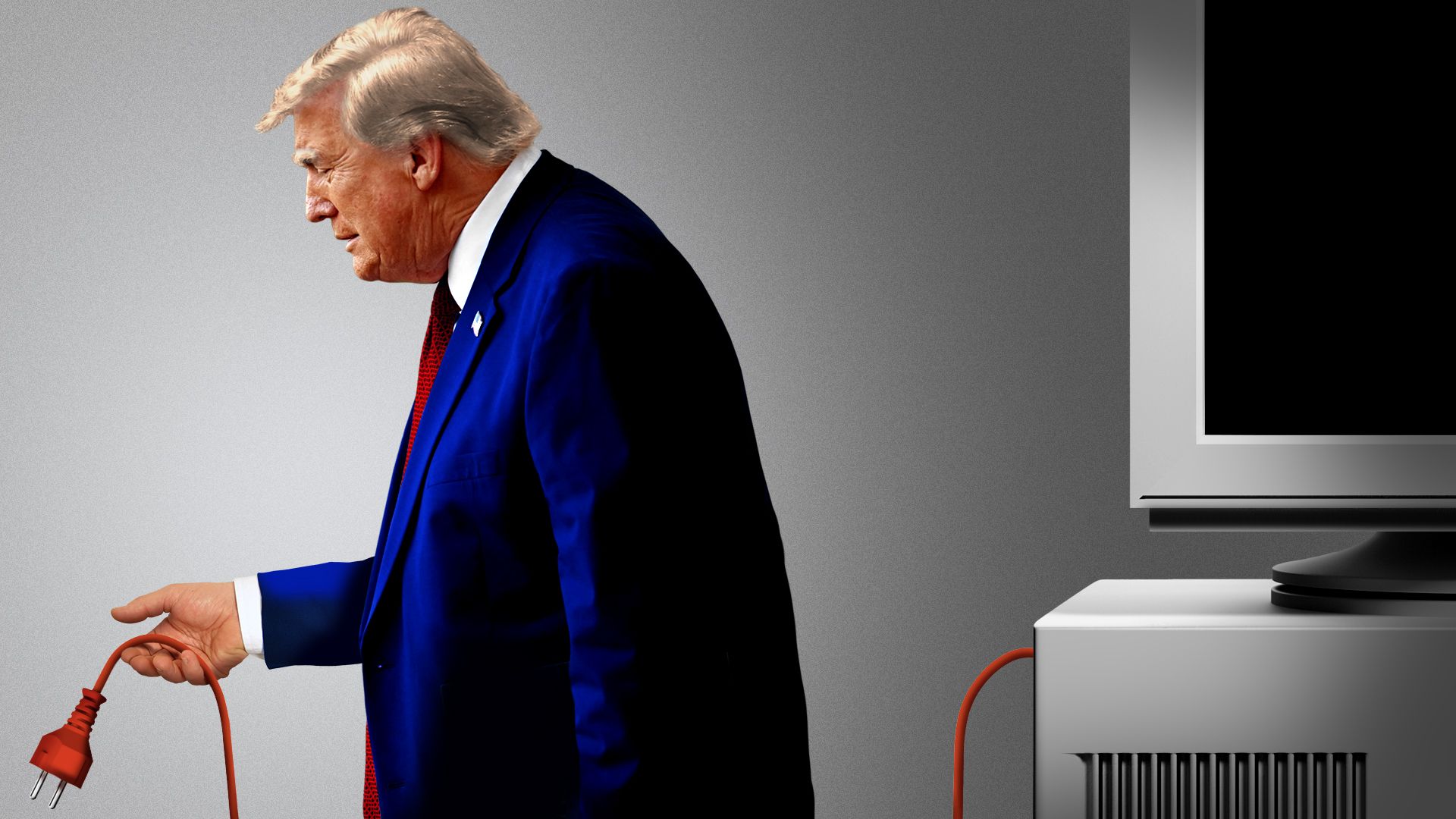
The Supreme Court on Monday cleared the way for President Trump to freely fire officials from the Federal Trade Commission and most — though not all — agencies that have long been politically independent.
Why it matters: It is a historic unraveling for agencies that have long been shielded from politics. The ruling will vastly expand presidential power and influence.
Rocket Lab on Monday said it's agreed to acquire Iridium Communications for $8 billion in cash and stock.
Why it matters: This could eat into SpaceX's end-to-end space biz, by combining Rocket Lab's launch and satellite manufacturing business with Iridium's satellite network.
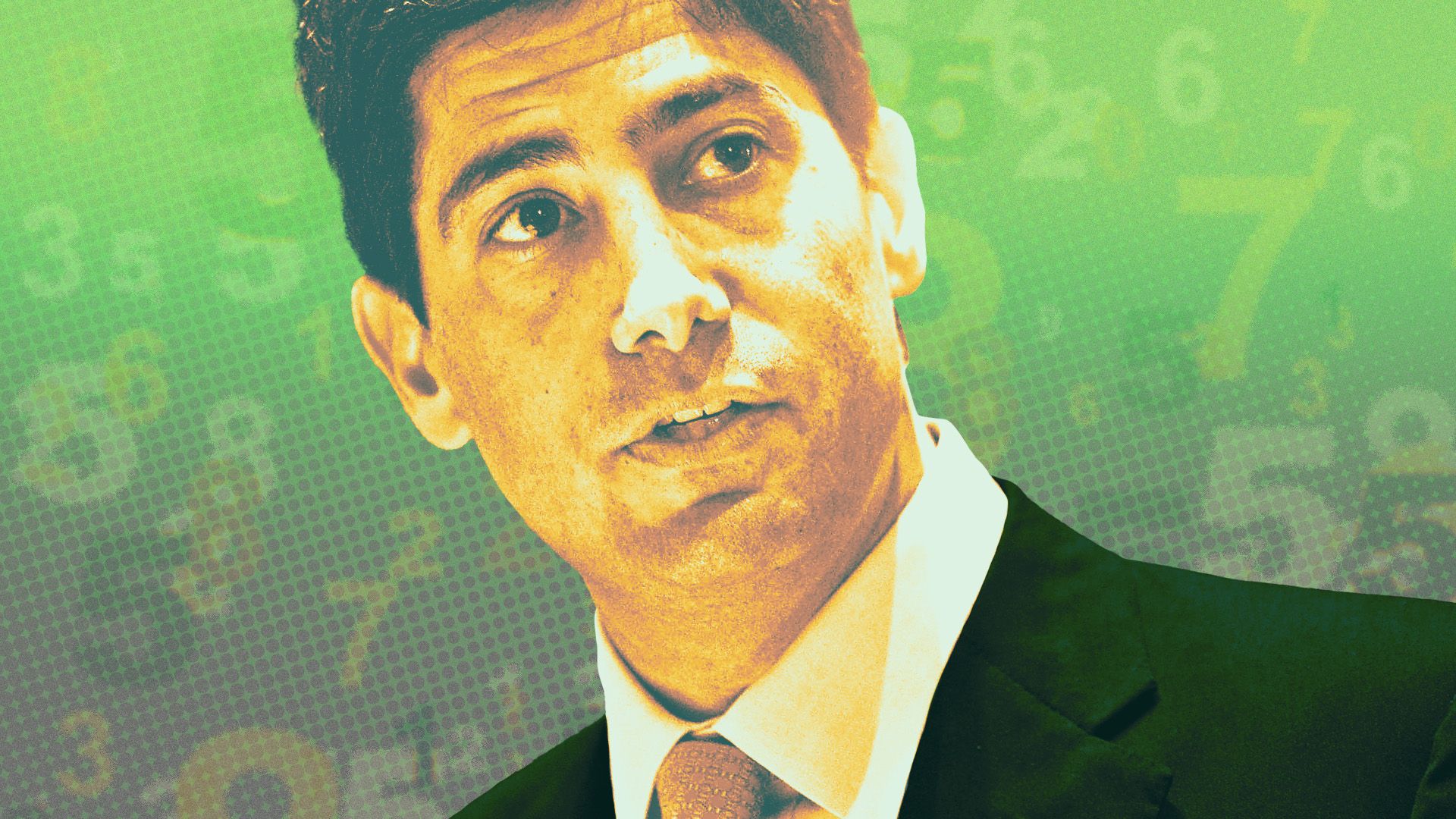
Tired: talking about the price of oil. Wired: talking about Kevin Warsh.
The new Federal Reserve chairman is the topic du jour among market analysts and investors trying to parse his every move — as well as his suit.
Why it matters: The direction of U.S. monetary policy is crucial to markets, which behave very differently based on whether investors believe interest rates are going up or down or will be holding steady.
Comcast on Monday announced that it would split its company into two publicly traded businesses through a tax-free spinoff of its media and entertainment assets, NBCUniversal and Sky.
Why it matters: It's hoping to create more shareholder value by separating its high-growth technology and connectivity business from its media business.
CrowdStrike CTO Elia Zaitsev's message to CEOs and our boardrooms is blunt: Stop obsessing over which new AI model is scariest.
The things we should fear most are lightning-fast attacks on the massive stack of vulnerabilities, new and old.
Why it matters: Bad actors can now exploit these security gaps in hours, and it's headed toward minutes. So a pile of unpatched old vulnerabilities is vastly easier to penetrate.
I never read Trump books. To me, there's little mystery to how the president thinks, operates or governs. So reading about it is an inefficient use of time.
Until now.Maggie Haberman and Jonathan Swan (two reporters I told you are must-reads for Trump Kremlinology) deliver cinematic living history with "Regime Change," which sparked a West Wing leak hunt.
I asked Swan, a longtime friend, to share three things he learned that CEOs should know for navigating Trump, giving us all an insight into the way the president thinks:
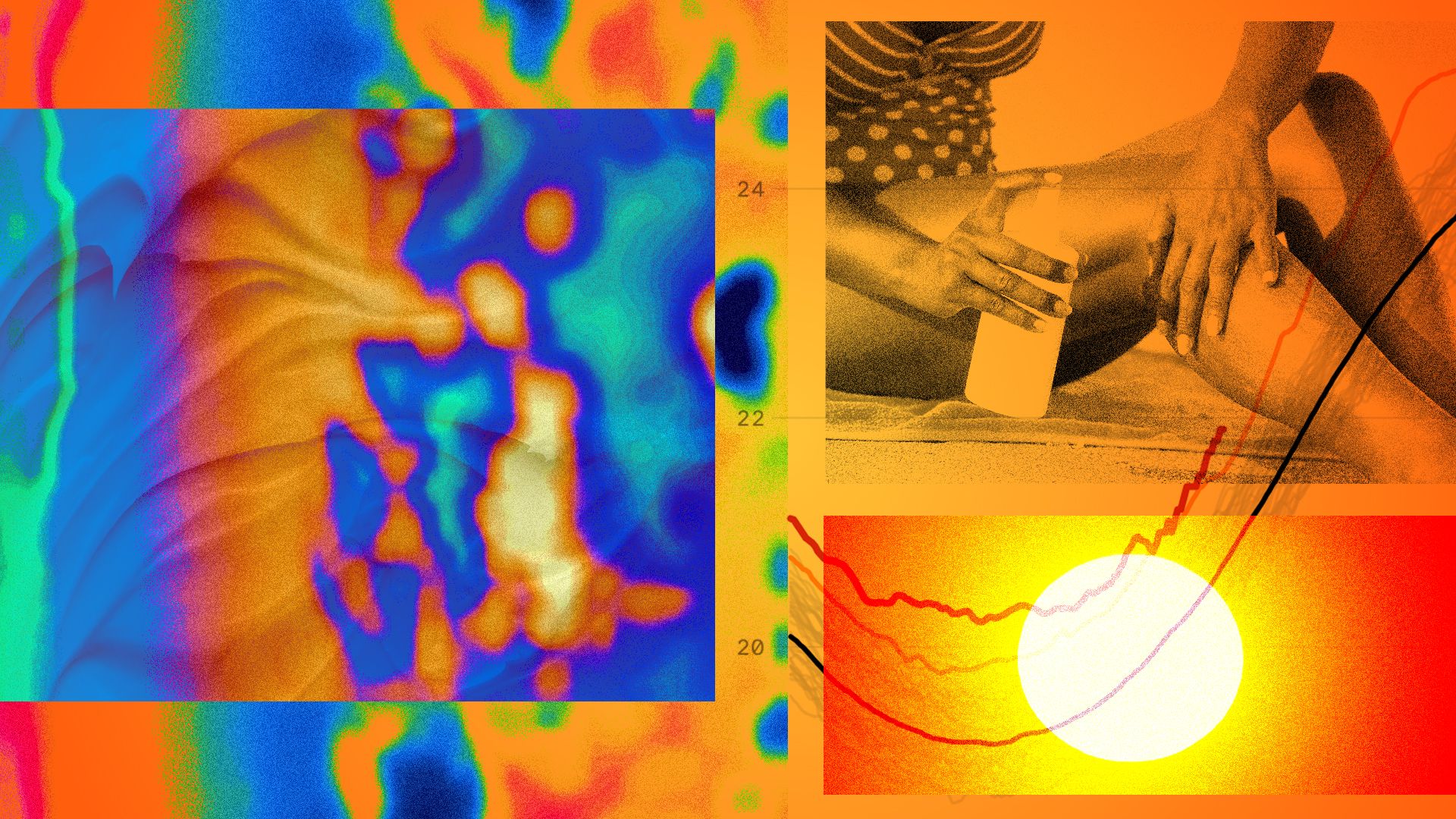
Why it matters: Even as SPF products now promise better coverage than ever, people are deliberately chasing tans. That's not only unsafe but also at odds with the culture's anti-aging skin care obsession.
The pro-AI movement is splintering over a defining question: whether national security concerns outweigh the need to keep America's AI companies ahead of Chinese rivals.
Why it matters: The fight is happening in public, in real time, and it could reshape the way the administration regulates the world's most powerful technology.