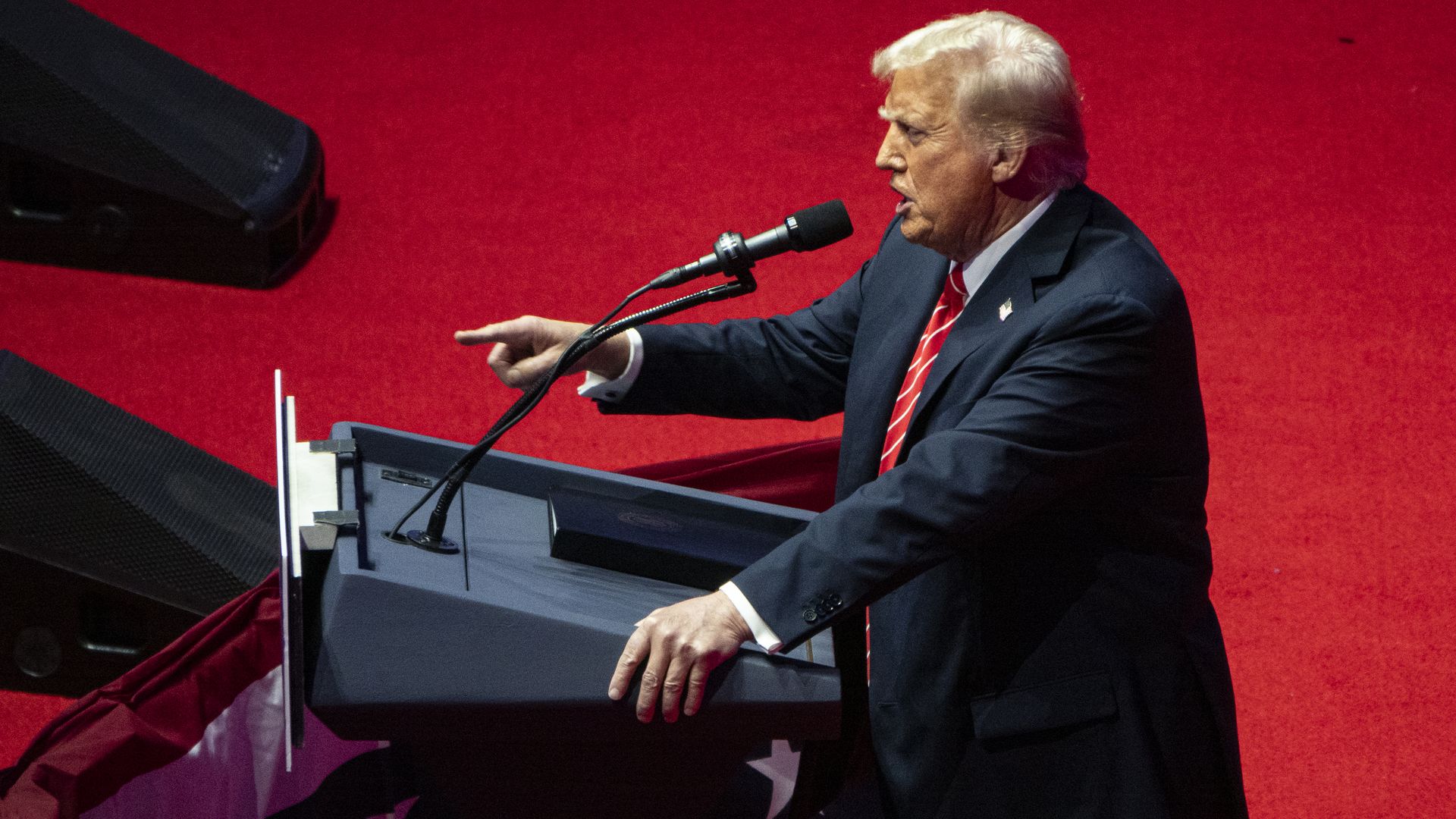
Some Senate Republicans wish President Trump would quit standing in the way of the TikTok ban.
Why it matters: A bipartisan majority passed legislation requiring TikTok to divest or be banned in the U.S., and many Republicans view the app as a serious national security threat. But Trump is fine keeping it around a little longer.
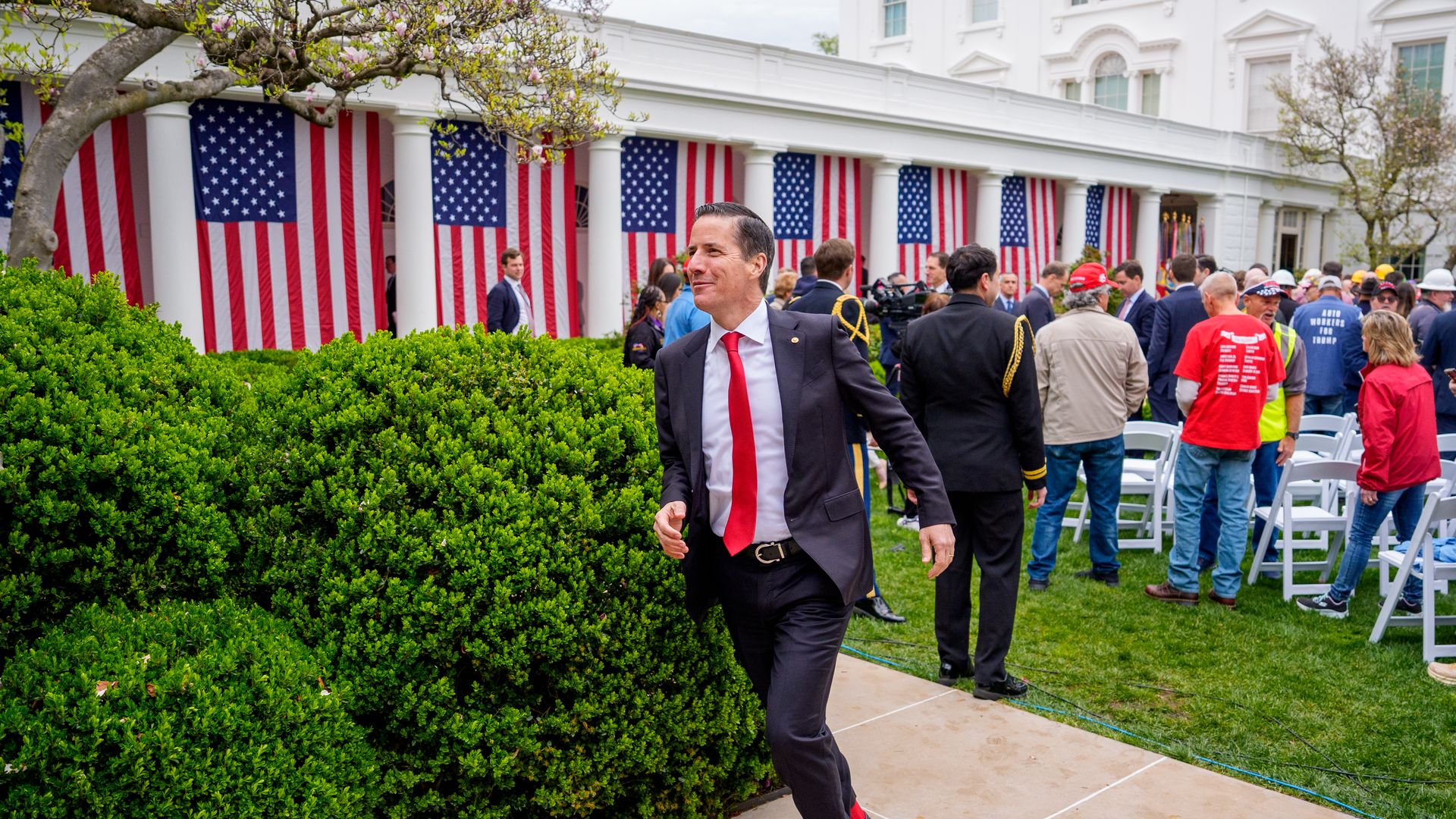
Sen. Bernie Moreno (R-Ohio) is providing some supporting Senate fire in President Trump's unrelenting assault on Fed Chair Jerome Powell.
Why it matters: Senate Republicans have largely defended Powell in the face of Trump's attacks and guarded the Fed's independence. But Moreno is sending a clear signal that tariffs and interest rates will be part of the conversation for whoever succeeds Powell at the Fed.
Despite a reprieve from President Trump, TikTok's fate still hangs in the balance — unless a potential buyer emerges.
The big picture: Trump signed an executive order on his first day in office delaying the app's ban by 75 days, effectively resurrecting it hours after the platform had gone dark.
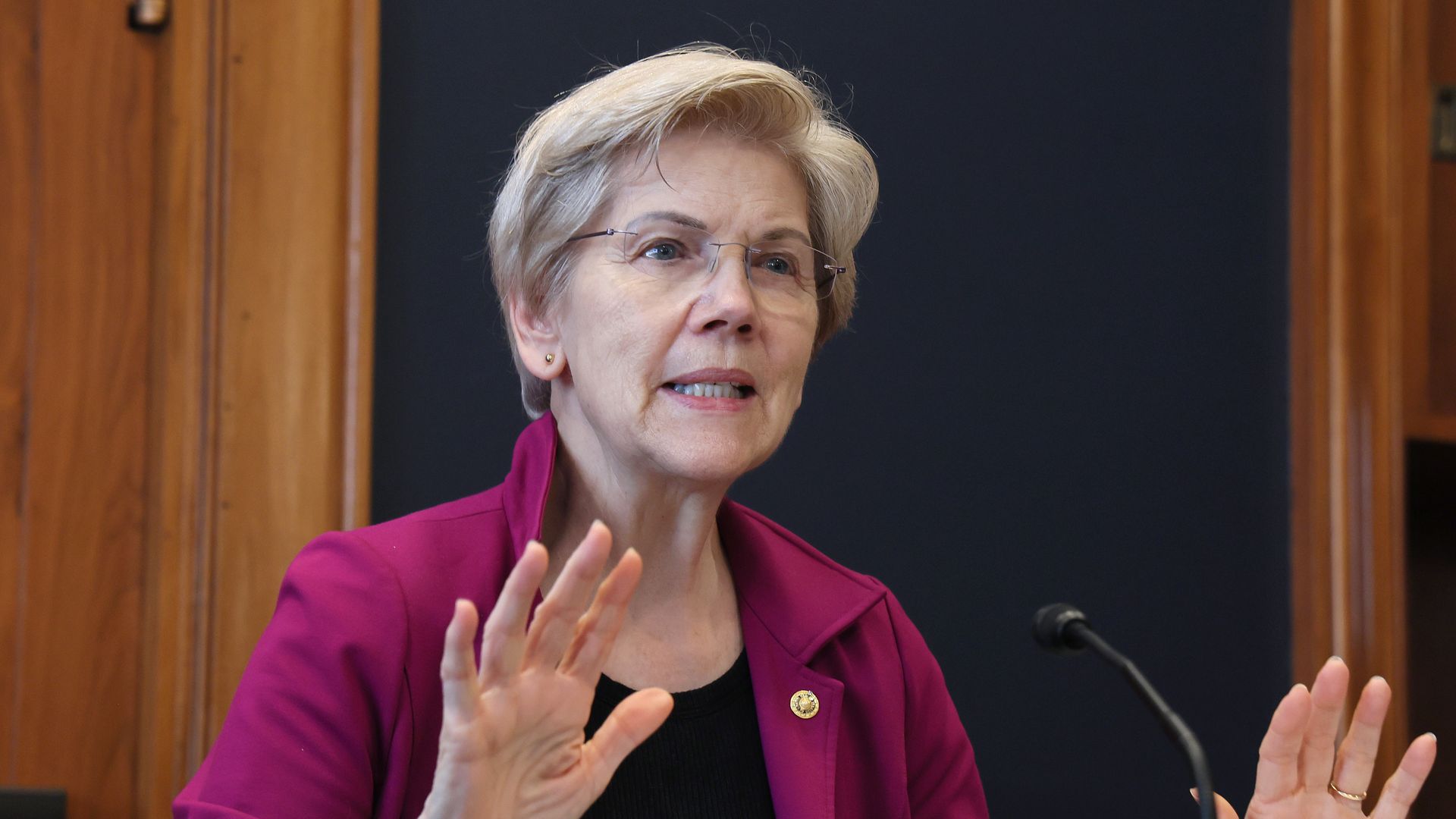
Sen. Elizabeth Warren (D-Mass.) on Wednesday sent a letter to the CEO of 401(k) giant Empower, asking questions about its plan to allow private equity and credit into some of its retirement plans, Axios has learned.
Why it matters: This is an opening salvo in a political fight over expanded access to private equity, which historically has been limited to institutional investors and high-net-worth individuals.
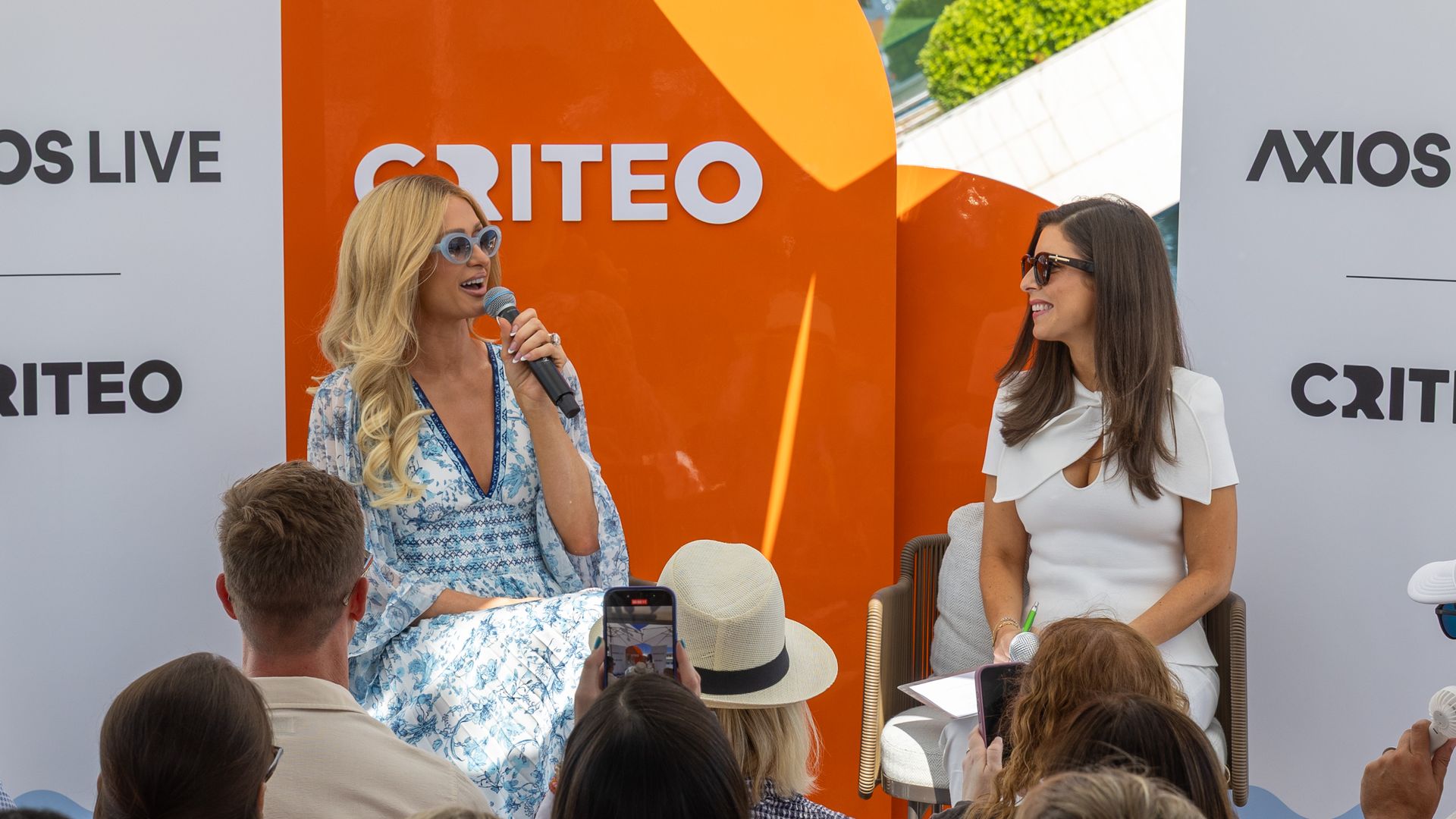
Paris Hilton's evolution from reality TV to product partnerships and media ventures has relied on ensuring every new venture is authentic to her and her lifestyle, she told Axios' Sara Fischer in Cannes.
Why it matters: Hilton was the original influencer and has continued to grow her brand and businesses over decades of fame.
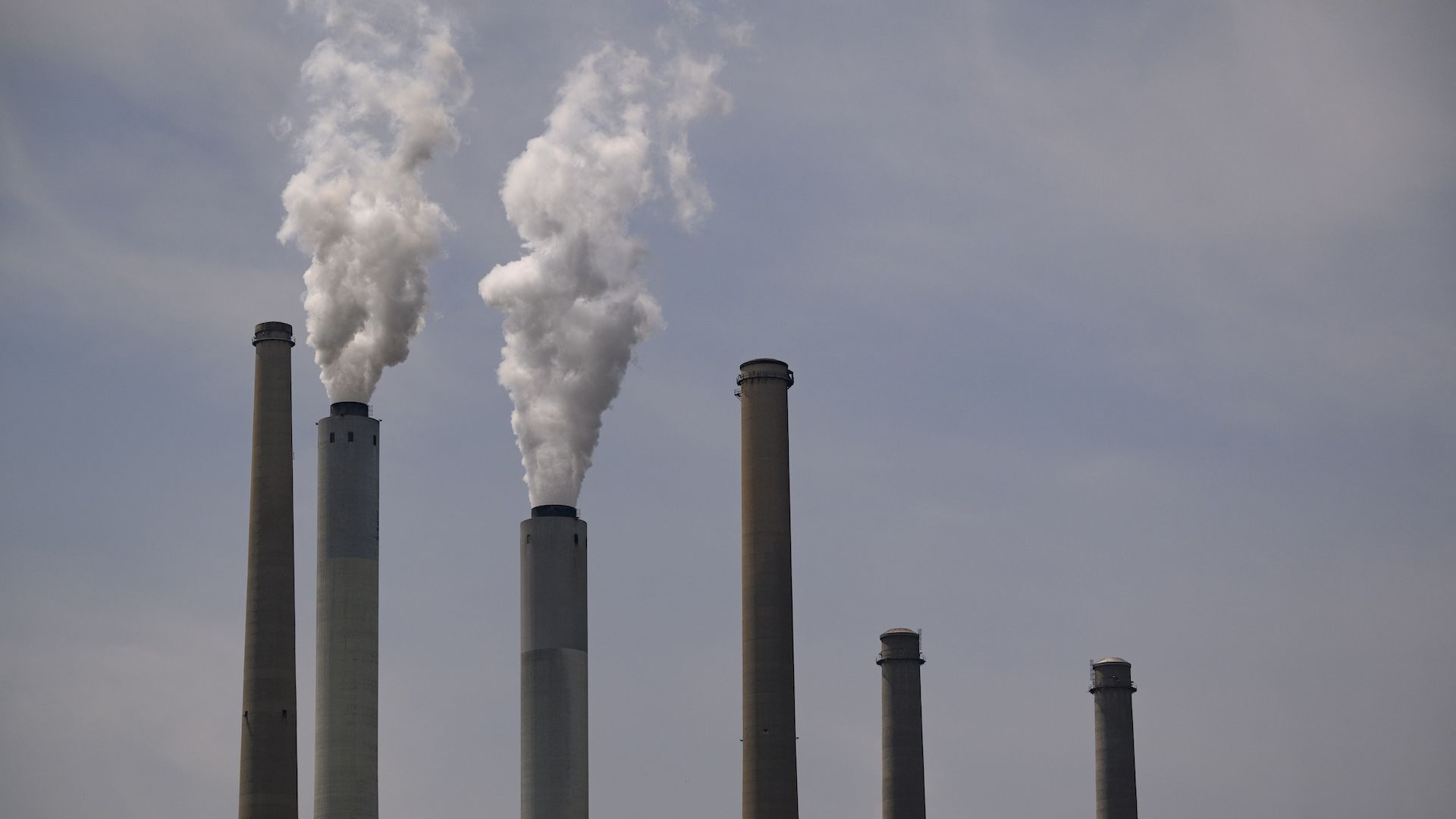
The Supreme Courtruled Wednesday that EPA decisions to reject multiple state ozone pollution plans can be challenged separately in regional courts.
Why it matters: Itenables more sprawling legal battles over implementation of federal standards for smog-forming pollution that moves across state borders.
For many travelers, the idea of Indiana begins and ends with the familiar — but step off the interstate and you'll discover a state that subverts expectation at nearly every turn.
You'll find floating cabins, escapades with elephants, scuba diving, state parks, sand dunes, and more — here's how you can plan your next summer vacation.
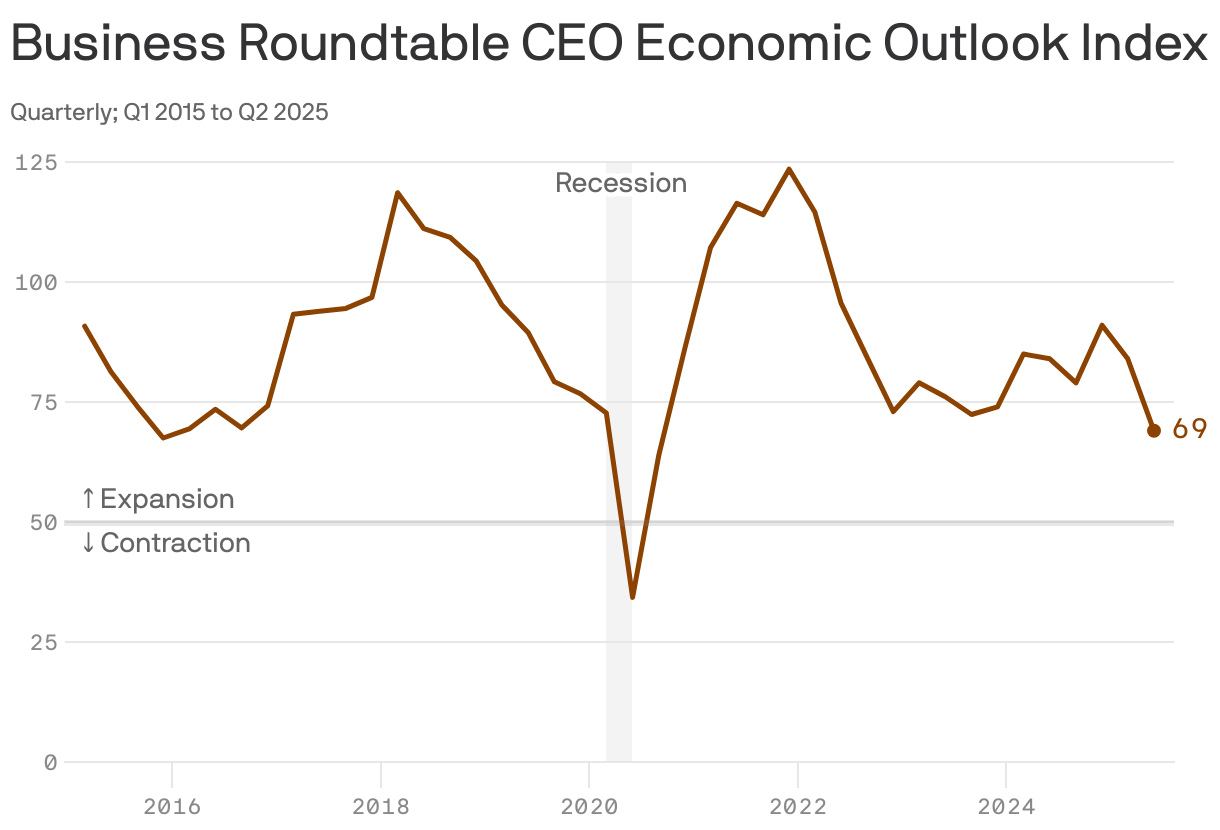
Economic sentiment among America's top CEOs plunged to the lowest level since 2020, according to a new survey by the Business Roundtable, first seen by Axios.
Why it matters: Chief executives have not been this sour on the economy since the once-in-a-century pandemic, with significant downgrading expectations for hiring, investment and sales growth.
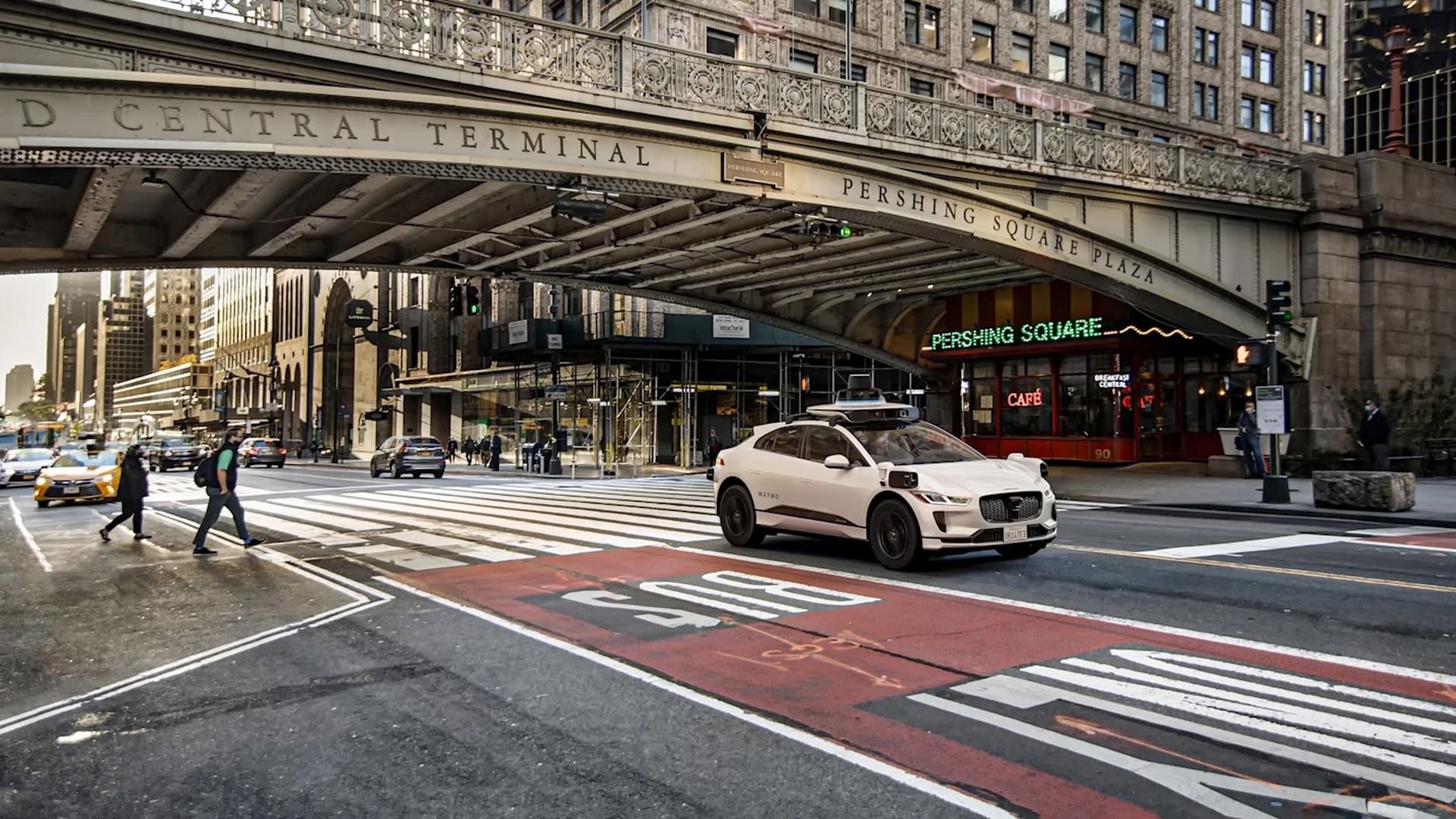
Waymo is bringing its robotaxis to New York next month, with a goal of launching a full-fledged driverless rideshare service in the future.
Why it matters: Waymo is the autonomous vehicle industry leader, with a fleet of 1,500 robotaxis in multiple U.S. cities, including San Francisco, Los Angeles and Phoenix.
The future of transportation, it turns out, looks pretty familiar, with lots of gasoline-powered pickup trucks and SUVs.
Why it matters: With electric vehicle sales stalled, regulations in flux and tariff threats upending supply chains, automakers are leaning into their core moneymakers for the foreseeable future.
A few details are emerging about Ford's affordable EV project, due in 2027.
Why it matters: Ford, like other global automakers, is scrambling to make electric vehicles profitably and still compete with lower-cost Chinese brands.
🇺🇸 Some of the most "American-made" vehicles you can buy carry foreign nameplates, per a new Cars.com survey, underscoring the complexity of the global auto industry. (Axios)
🚖 Waymo rides cost more than Uber or Lyft, and people have to wait longer, too, a study by rideshare aggregator Obi found. Yet 70% of users who had taken a Waymo ride said they preferred it to a traditional rideshare or taxi. (TechCrunch)
Cadillac is transitioning to an all-electric brand, and the 2025 Optiq compact SUV, starting around $54,000, is a splendid entry point for the new luxury EV lineup.
The big picture: It's the latest addition to Cadillac's growing EV portfolio, which includes the Lyriq, Escalade IQ, Celestiq and next year, Vistiq.
And before we go any further, they're pronounced with an "ick" sound at the end, not "eek."
That is, except for the Escalade IQ, because you don't mess with an icon. You just add the letters I and Q to distinguish it from the original luxury behemoth.
The specs: The Optiq's 85 kWh battery pack and standard all-wheel-drive propulsion system offer 300 horsepower and 302 miles of driving range.
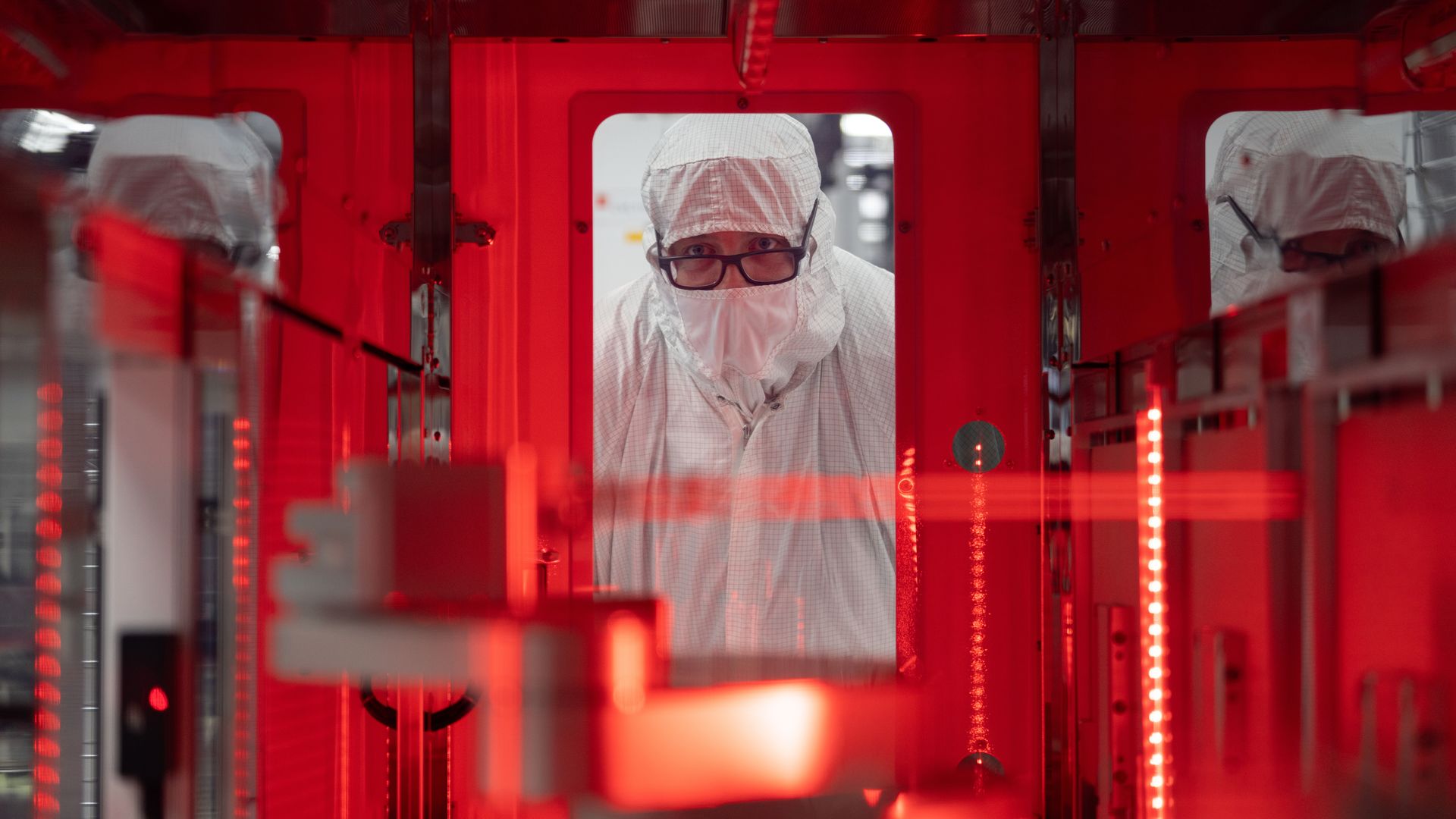
Why it matters: The U.S. has been scrambling to ramp up chip production capacity after the pandemic exposed the country's over-reliance on imports as a national security issue.
The special election in Virginia to replace the late Rep. Gerry Connolly (D-Va.) is getting $1 million worth of attention via broadcast TV ads, courtesy of the crypto PAC Protect Progress.
Why it matters: Crypto funds had an outsized impact on congressional elections in the 2024 election and the groups have pushed on into each of the three special elections that have come up this year.
Japan's Nippon Steel on Wednesday completed its $14.1 billion takeover of Pittsburgh-based U.S. Steel, and provided greater detail on its national security agreement with the American government.
Why it matters: This ends nearly 18 months of business, legal, and political drama.
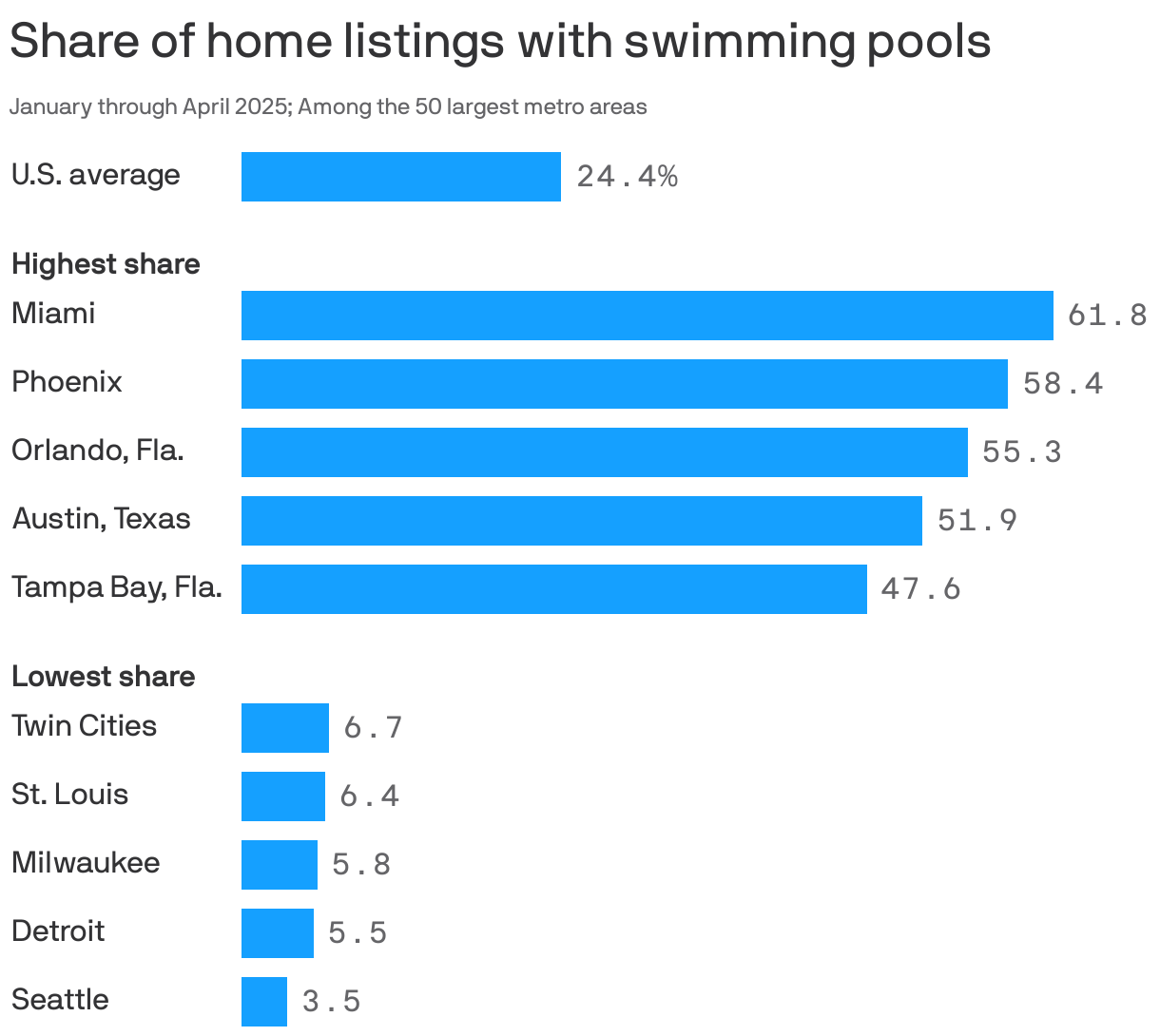
Data: Realtor.com; Note: U.S. average is as of April 2025; Chart: Axios Visuals
Seattle never bought into the backyard pool craze — and now, that restraint is paying off.
Why it matters: Across much of the U.S., homeowners are watching the value of their once-coveted pools evaporate as the real estate market resets, according to Realtor.com.
Analysts are slashing estimates for U.S. EV sales in coming years as GOP lawmakers and Trump officials scuttle tax credits and emissions rules.
Why it matters: Transportation is the biggest U.S. share of CO2. And dimming sales forecasts show a market that remains tethered to fast-changing policies.
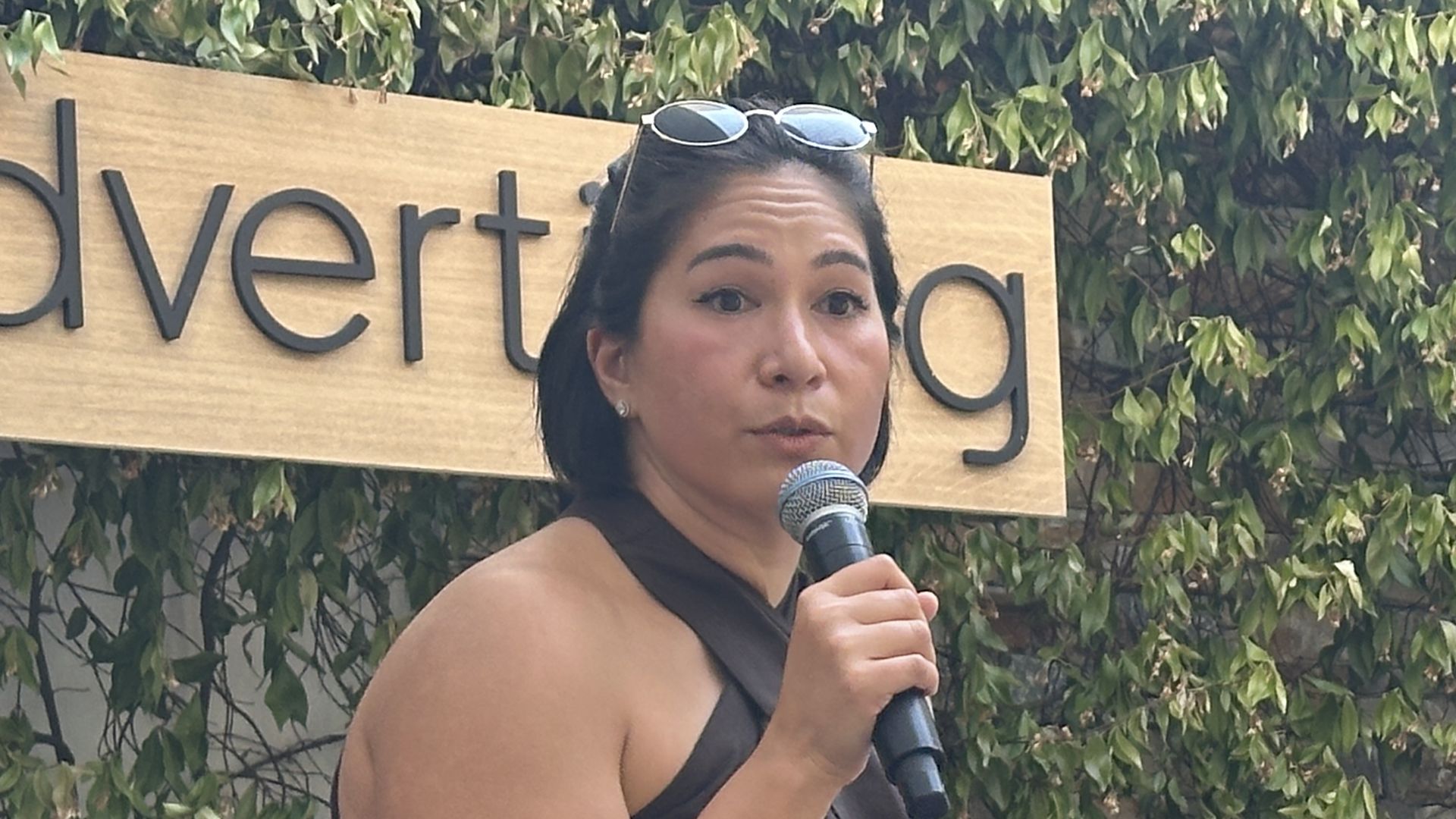
Business Insider's recent layoffs and changes were "very difficult" but necessary to put the business back on track, CEO Barbara Peng said at an Axios event at Cannes on Wednesday.
"We have a responsibility to build a sustainable business. If we can't support ourselves, we actually can't do all the good journalism that we want to and really reach that potential," she said.
Why it matters: Publishers are reckoning with declining search traffic across the media industry and reinvesting as they prepare for potentially even greater disruption from AI.