The Trump administration is working on a post-war strategy focused on a regional effort to contain Iran and expand normalization of relations between Israel and its neighbors, according to two U.S. officials and two other sources with knowledge of the issue.
Why it matters: While the plan is still in the early stages of drafting, it's intended to guide the U.S. approach in the Middle East after the Iran war ends and in the final two years of President Trump's term. Two big events loom over the planning: the Oct. 27 election in Israel and the U.S. midterm elections in November.
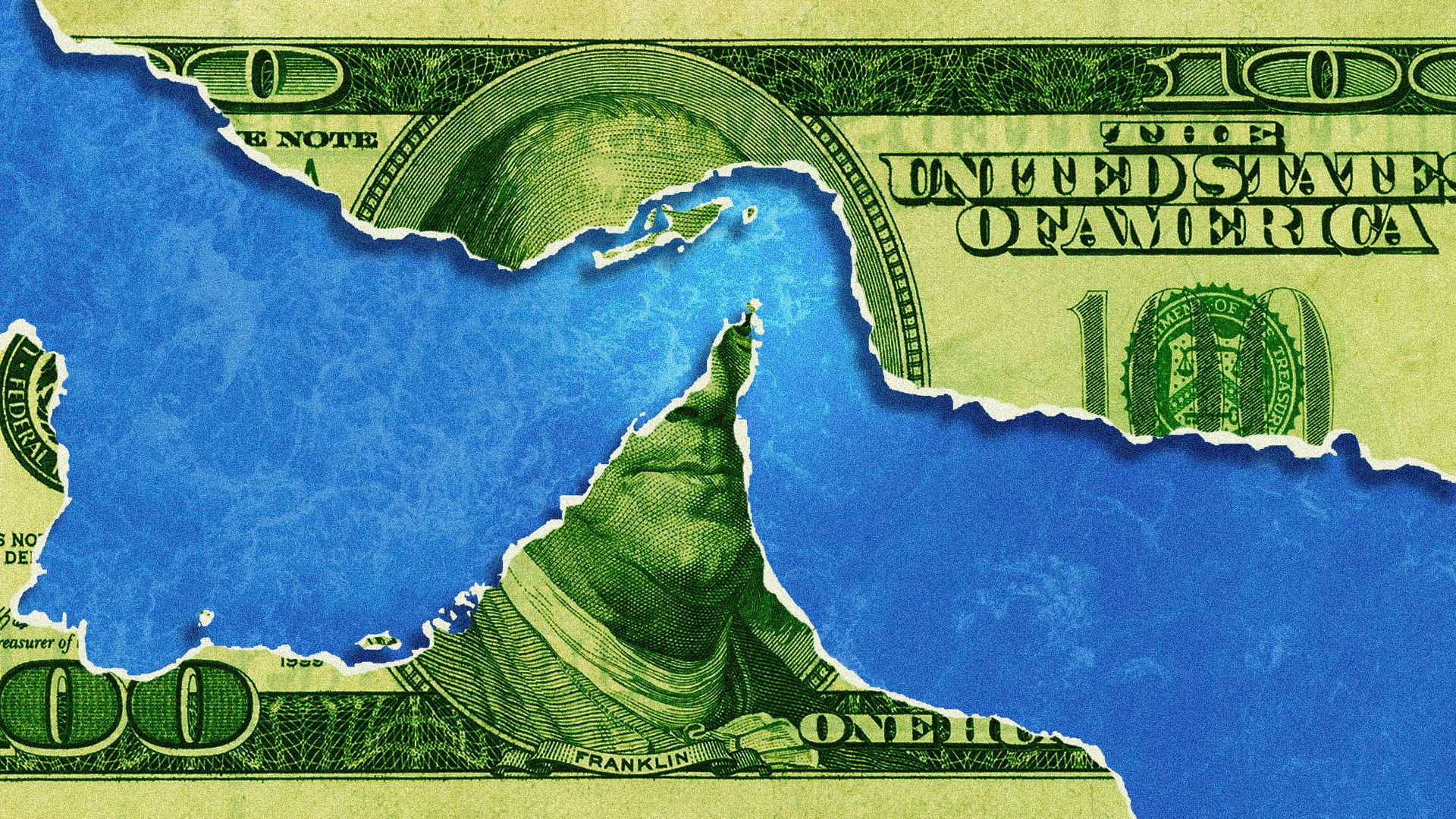
The White House is at odds with some private sector analysts over how much oil is leaving the Strait of Hormuz — but it will take weeks until the picture of what's truly getting through becomes clear.
Why it matters: How much oil exits the waterway sways the price of gasoline and other consumer products.
The Dutch central bank said this week that it was shifting about 86 tonnes of gold bars out of New York and Canada and moving them closer to home.
Why it matters: Countries are rethinking where they stash their gold reserves, as relations with the United States have frayed and geopolitical unrest has risen.
The move comes at a time when the status of the U.S. at the center of the world financial system is in question.
Foreign governments also now hold a much lower share of U.S. Treasury bonds.
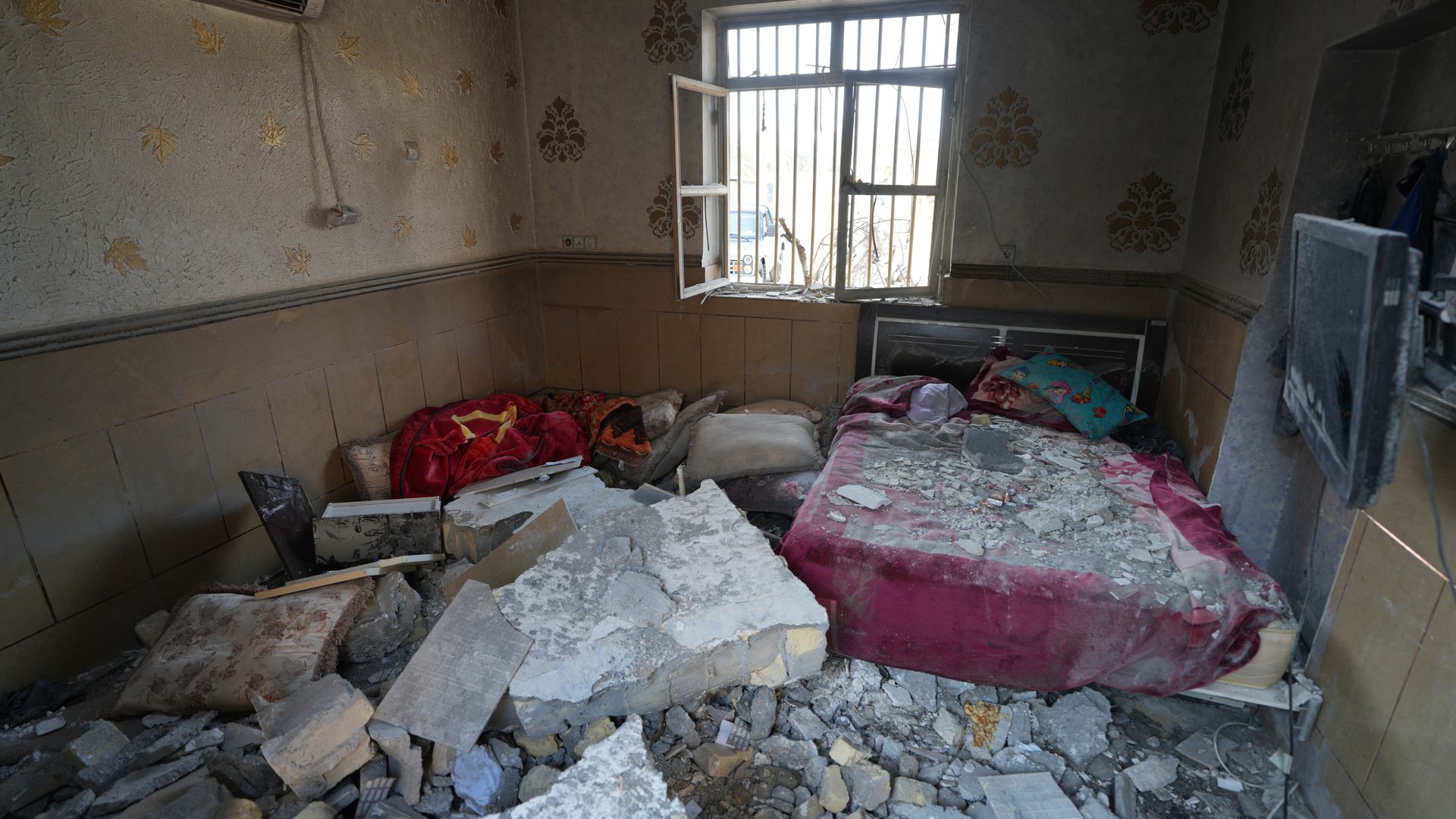
U.S. Central Command (CENTCOM) is conducting an internal review of a civilian casualty incident at a wedding during the strikes in Iran on Tuesday, U.S. officials say.
Why it matters: While it still hasn't been confirmed that the incident was caused by the U.S. strike, it is one of the more significant civilian casualty incidents since the war began six months ago.
The price of wheat is soaring — trading at levels last reached in early 2023, when markets were climbing down from the price shock of Russia's invasion of Ukraine.
Why it matters: Escalating tensions in the war are again pushing up prices for this critical grain.
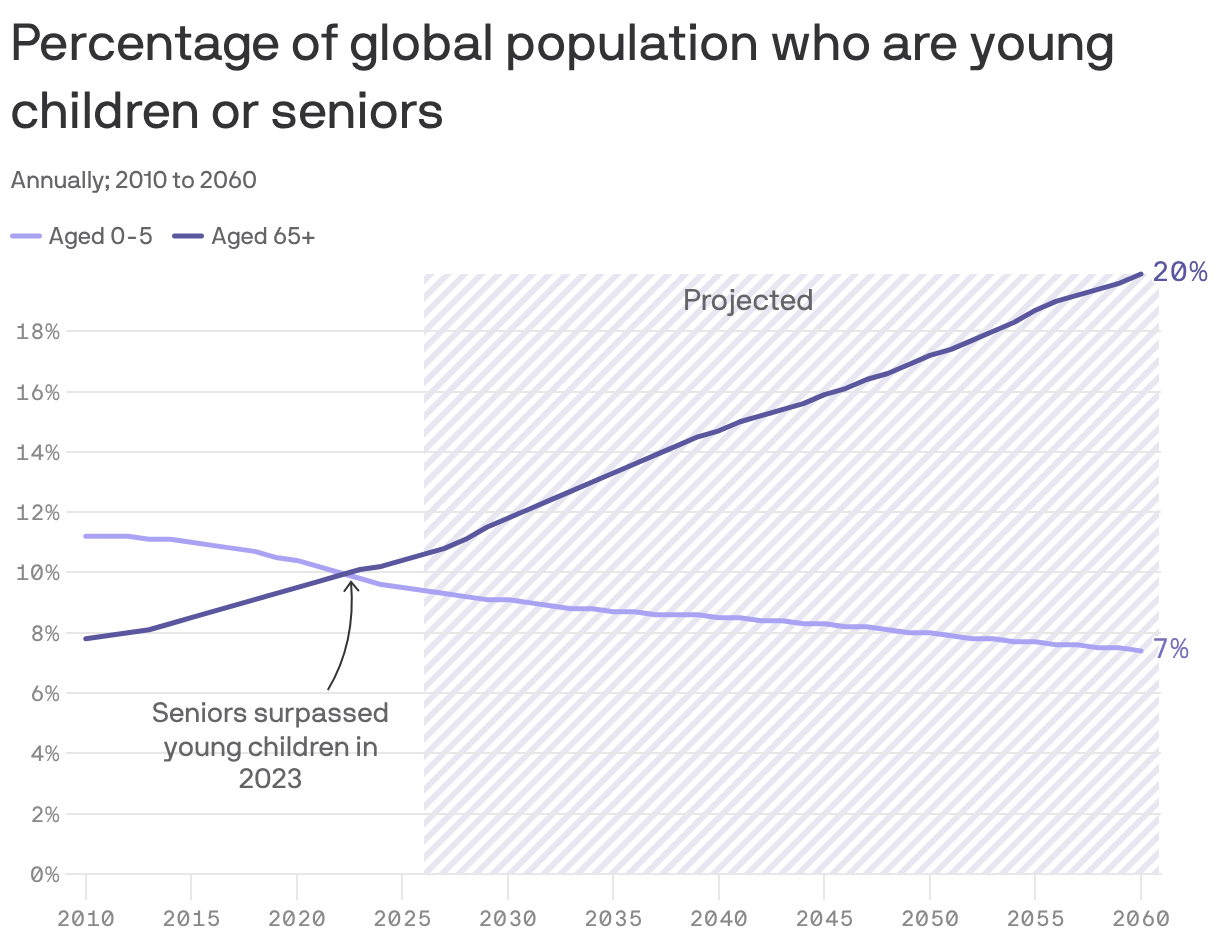
Data: U.S. Census Bureau, International Database; Chart: Noah Bressner/Axios
People 65 and older now outnumber children ages 5 and younger worldwide for the first time in recorded history, according to a new report by the U.S. Census.
Why it matters: A global plunge in fertility — demographers' term for the number of children being born — and increased longevity are creating a demographic inversion that's projected to deepen for decades.
It's a trend that's shifting the historic balance between working-age people and older adults.