Big recent moves in U.S. government bond yields reflect in part a new financial reality: Foreign governments are far less willing to finance American budget deficits than they used to be.
Why it matters: The U.S. Treasury market's role as the place where foreign governments socked their cash for safekeeping conferred huge advantages on the U.S. government and economy and kept borrowing costs lower than they would otherwise be.
South Korean memory chipmaker SK Hynix plans to shower cash on shareholders in an effort to end a two-month-long share slump.
Why it matters: South Korea's stock market has become the epicenter for global AI-related volatility. SK Hynix and fellow chipmaker Samsung Electronics are the key drivers, accounting for roughly 50% of the country's benchmark KOSPI index.
Syrian Foreign Minister Asaad Al-Shaibani told Axios Wednesday that he made clear to Israel his government wasn't working with Turkey to amass a military presence at a Syrian airbase — but Israel went ahead and attacked the site anyway.
Why it matters: The early Tuesday morning strike on the Abu al-Duhur airbase has heightened tensions among three close U.S. partners in the region, just as the Trump administration is trying to prevent further escalation.
What they're saying: "[T]here was no intention to establish a Turkish base there, nor to establish a permanent Turkish military presence or deploy Turkish forces at the site," Al-Shaibani said in one of eight written responses to questions from Axios.
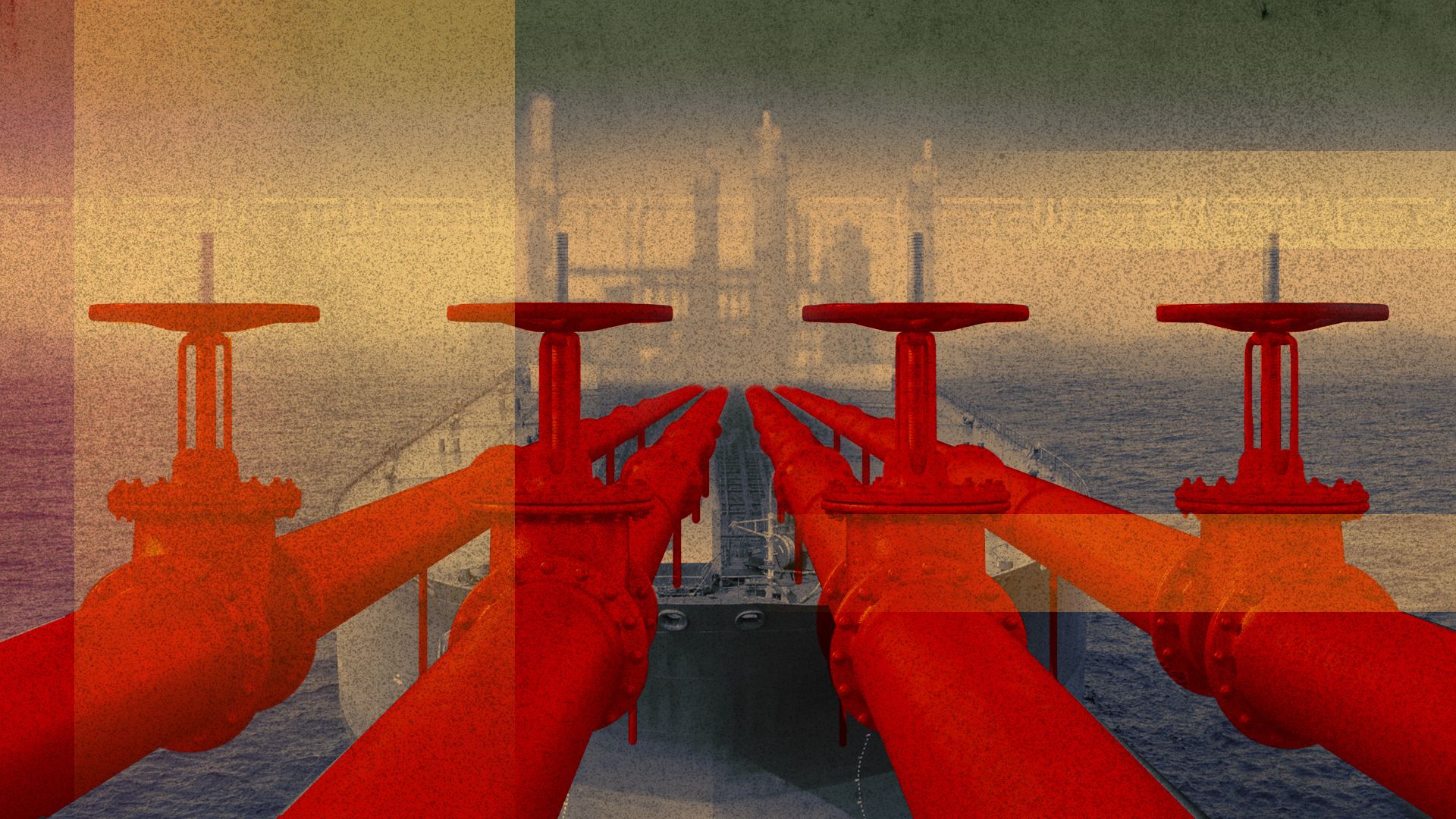
The U.S. military has quietly established a shipping corridor in and out of the Strait of Hormuz to transport millions of barrels of oil each day — a notable success even as the broader war remains at a stalemate, two U.S. officials told Axios.
Under the operation, which has been underway for the last several weeks, 15–20 tankers have entered and exited the strait each night through a southern channel along the coast of Oman.
About 10 million barrels of oil a day — roughly half the pre-war volume — are being transported out of the strait and injected into the global energy market, the officials said.
Many Federal Reserve officials believed that the central bank would have to raise interest rates if inflation did not ease, according to the minutes released on Wednesday from the Fed's July 28-29 policy meeting.
Why it matters: Some of the nation's top policymakers worried that interest rates weren't doing enough to restrain the economy and bring down inflation. They warned that waiting too long to raise rates could mean bigger, more painful increases down the line.
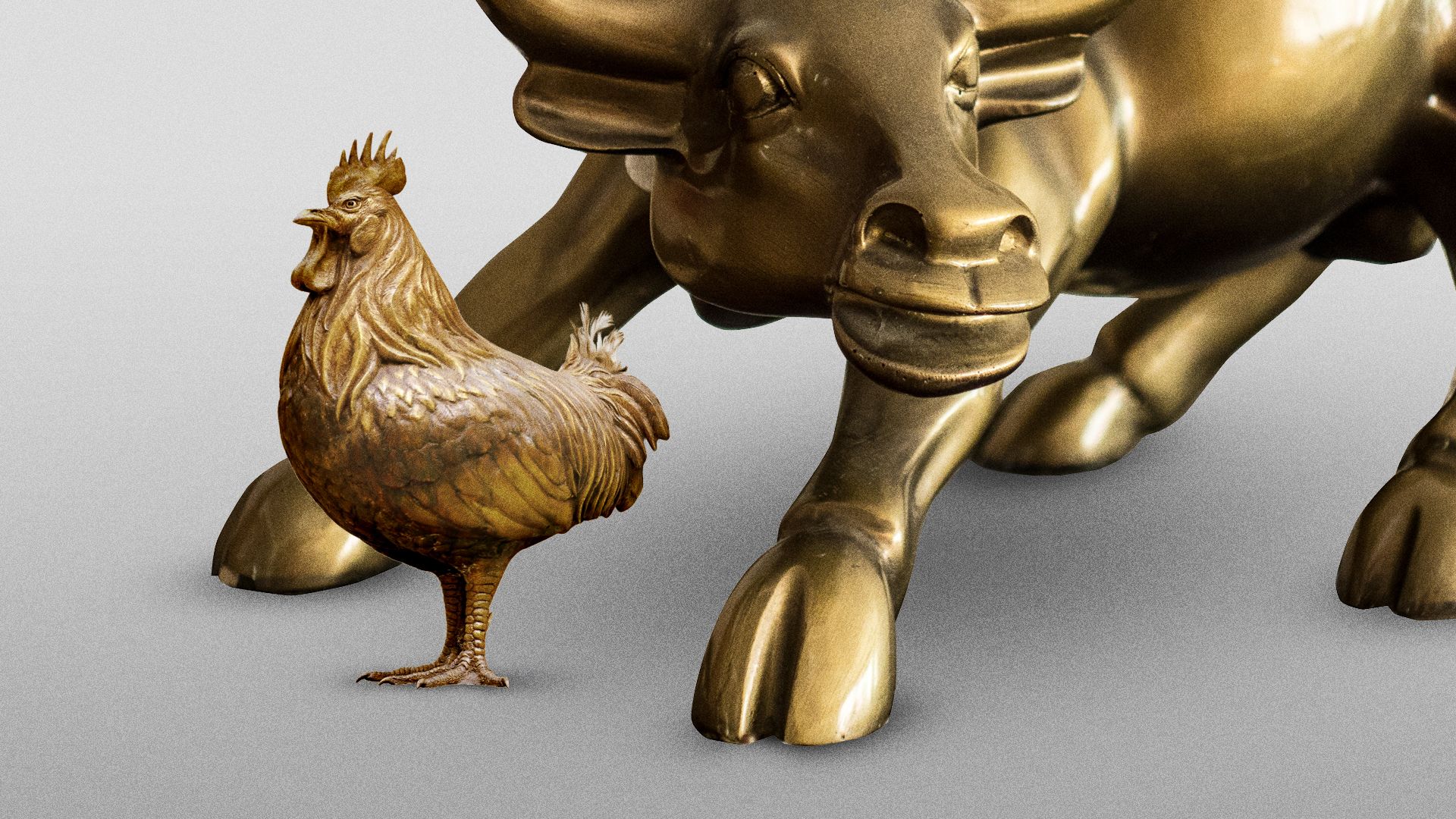
Stocks have been behaving oddly recently, with downright dull moves for the S&P 500 index, even as companies within it swing like mad.
Why it matters: This dynamic — individual stocks posting large, uncorrelated moves that cancel each other out — is another way the AI boom is reshaping the markets.
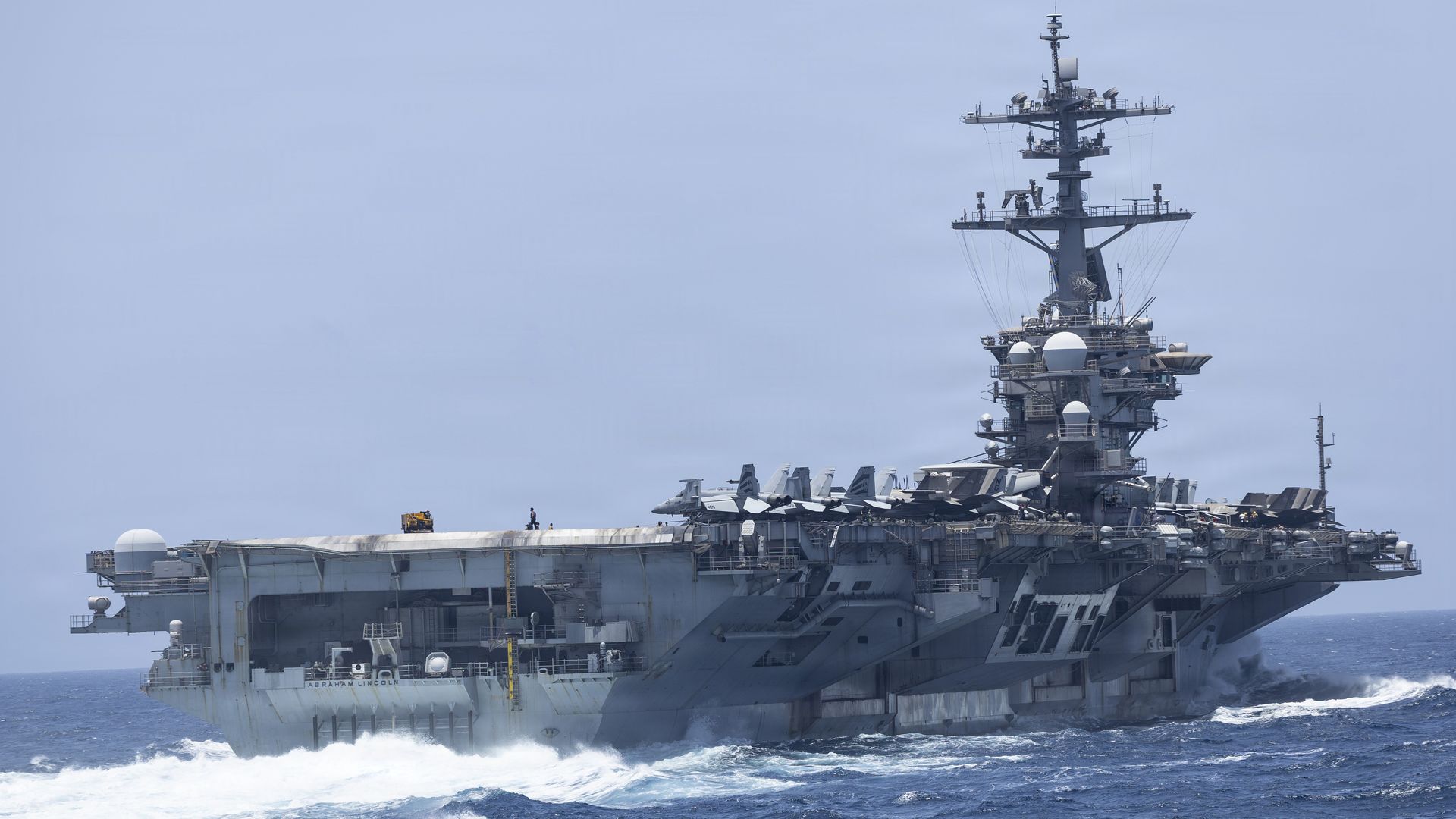
The U.S. Navy is in the throes of a roller-coaster news cycle.
The big picture: In just the past few days and weeks, we have heard:
Reports of deteriorating conditions on multiple warships, illuminating how difficult at-sea logistics is and how quickly a deadly conflict can fuel online culture wars.
A call from President Trump to overhaul shipbuilding as well as the physical design of some of America's largest and most expensive vessels.
The Iran war — defined by fits and starts and strain on America's military — will hit the half-year mark next week with both Washington and Tehran betting they can outlast one another.
Why it matters: President Trump has repeatedly promised the fight would be quick, decisive and over "very soon."