Fed officials warned rate hikes may be needed if inflation stays high

Add Axios as your preferred source to
see more of our stories on Google.
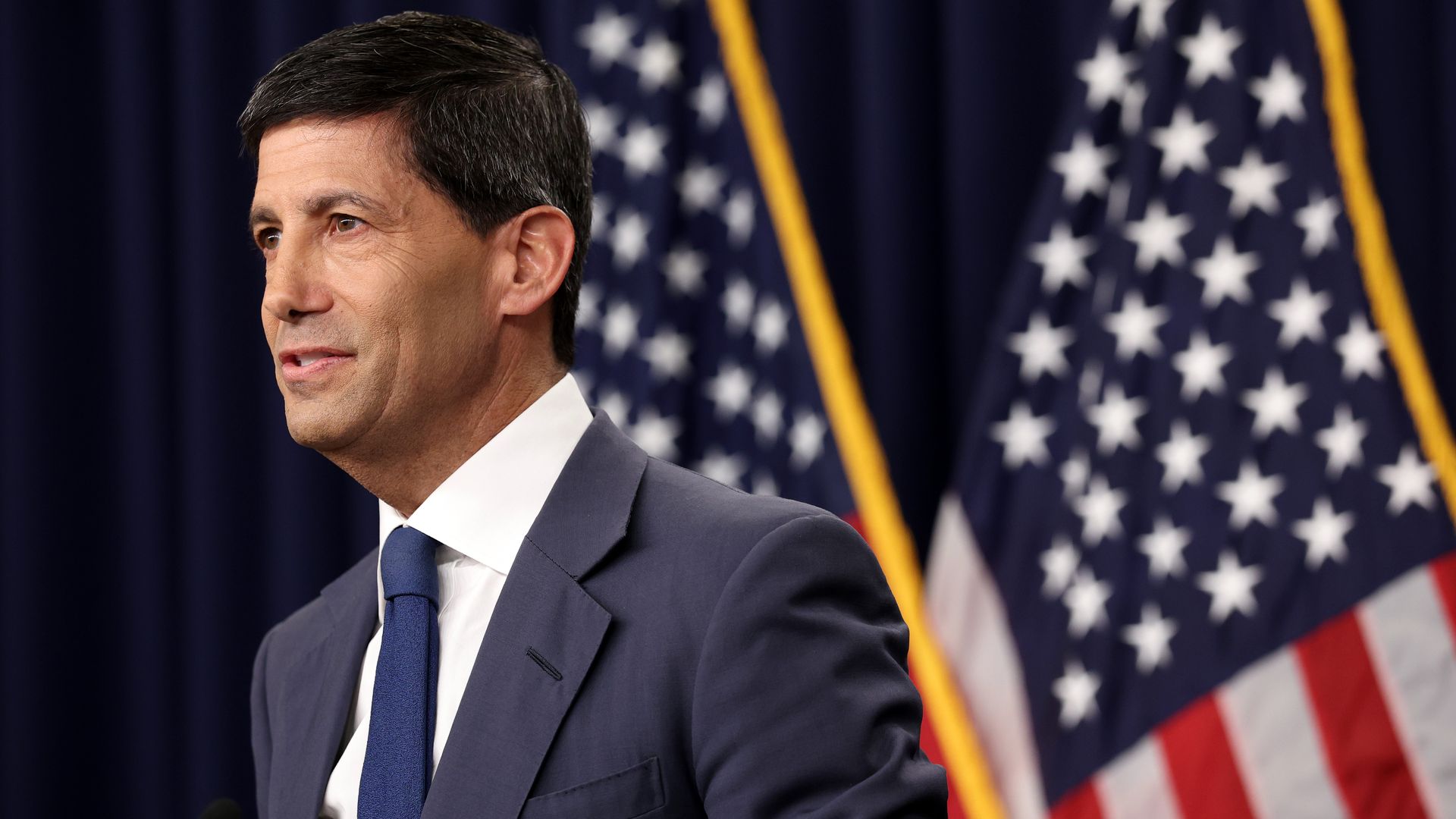
Federal Reserve chairman Kevin Warsh speaks at news conference last month after the central bank held interest rates steady. Photo: Win McNamee/Getty Images
Many Federal Reserve officials believed that the central bank would have to raise interest rates if inflation did not ease, according to the minutes released on Wednesday from the Fed's July 28-29 policy meeting.
Why it matters: Some of the nation's top policymakers worried that interest rates weren't doing enough to restrain the economy and bring down inflation. They warned that waiting too long to raise rates could mean bigger, more painful increases down the line.
What they're saying: "Many participants assessed that policy tightening would likely be necessary if inflation did not decline," according to the minutes.
- "A few of the participants who favored raising the target range for the federal funds rate at this meeting judged that doing so would likely help forestall the need for a steeper and potentially more costly sequence of tightening moves at a later stage," the minutes show.
Catch up quick: The Fed held interest rates steady at its late July meeting, although three officials dissented in favor of a quarter-point hike.
- Those officials stated they remained concerned about too-high inflation that has been above the Fed's 2% target for years.
Driving the news: Recent inflation data has been encouraging, though some officials said they would need to see more evidence that price pressures were receding.
- Consumer prices rose just 0.1% in July, the second consecutive month of benign inflation news, helped by a temporary drop in energy prices during a lull in the Iran war.
- But fighting has since intensified again, pushing gas prices higher and raising the risk that inflation will pick up in August.
Zoom out: Some officials at the latest Fed meeting worried that inflation was becoming harder to dismiss as a temporary result of tariffs and the war, noting that underlying price pressures remained elevated even after stripping out those effects, according to the minutes.
- The minutes show that "many" officials worried that another bout of high inflation might become self-reinforcing, with workers demanding higher wages and businesses raising prices as they come to expect inflation to stay high.
The intrigue: The AI boom is emerging as another source of inflation pressure, with the massive buildout boosting demand for everything from electricity to skilled workers.
- Fed officials noted strong demand for electricians, machinists and engineers was "leading to notable increases in their wages," according to the minutes.
What to watch: The minutes also confirm that Warsh floated cutting the Fed's eight annual policy meetings to six, as previously reported by the New York Times.
- That "would allow more information to accumulate between meetings" and give Fed officials "more time to consider strategic monetary policy issues," the minutes said.
- No decision on the number of meetings has been made.
