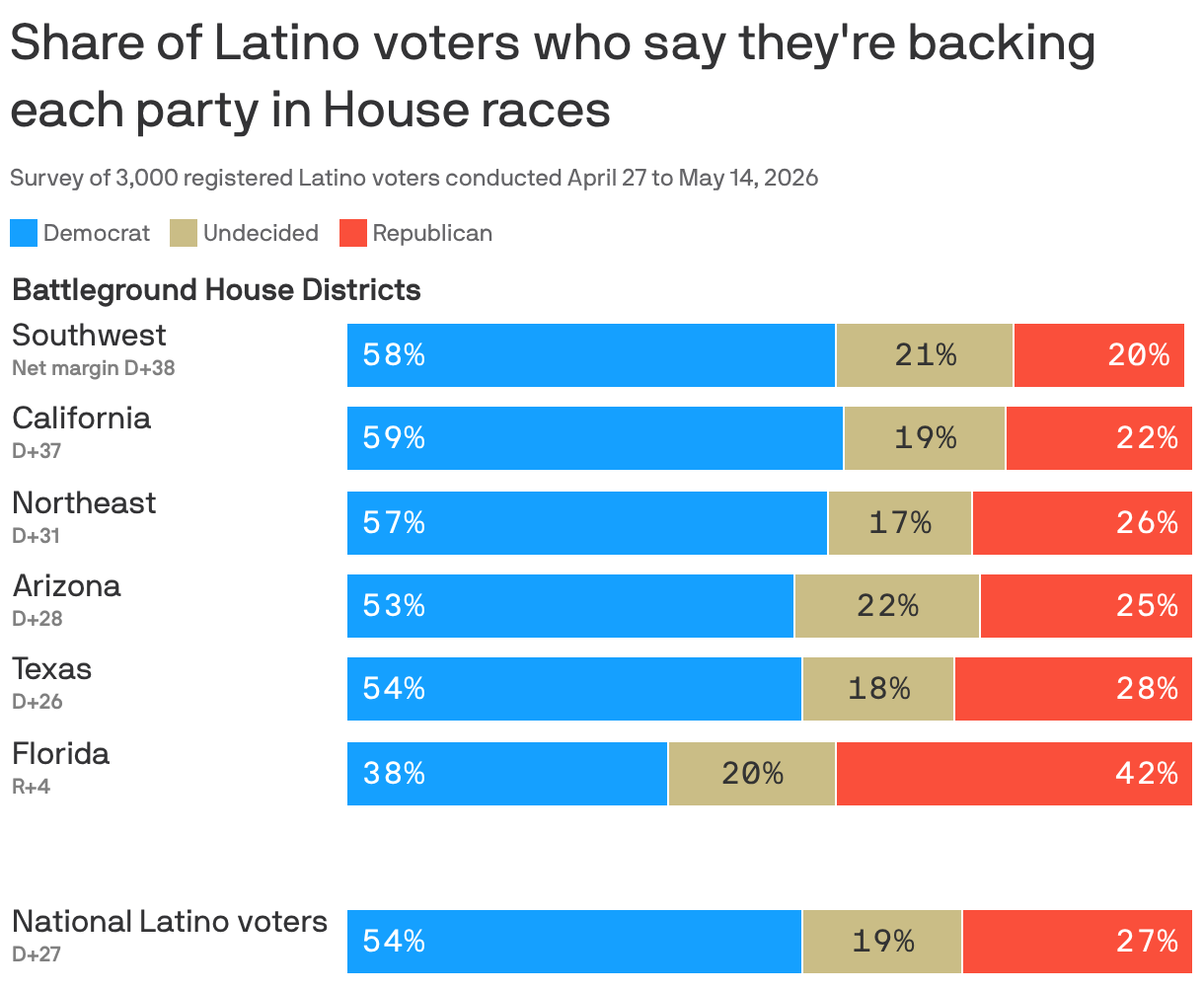
Data: UnidosUS/BSP Research/Shaw & Company; Chart: Sara Wise/Axios
A new UnidosUS poll finds that 1 in 4 Hispanic Trump voters say they would not vote for him again if given the choice.
Why it matters: The erosion of Latino support for President Trump, combined with dissatisfaction with the economy, signals danger for competitive GOP-held seats in the 2026 midterm elections.
Every Western automaker is scrambling in response to the growing dominance of faster, more advanced Chinese competitors, but Stellantis stands apart: Instead of trying to beat them, it's joining forces with them.
Why it matters: The company's expanding ties with Chinese partners could be a practical survival strategy — or a desperate sign of surrender by the maker of Jeep, Ram, Fiat and Peugeot vehicles.
The big picture: New research from McKinsey, the global consulting firm, estimates that it would take $2 trillion, or about 6% of U.S. GDP, to build the industrial capacity needed to replace imports of key strategic goods.
For decades, Washington bet that trade and economic integration would push Beijing toward reform.
President Trump's top trade chief says that bet is all but over — a key insight into how the administration plans to engage with the world's second-largest economy in a new global trade era.
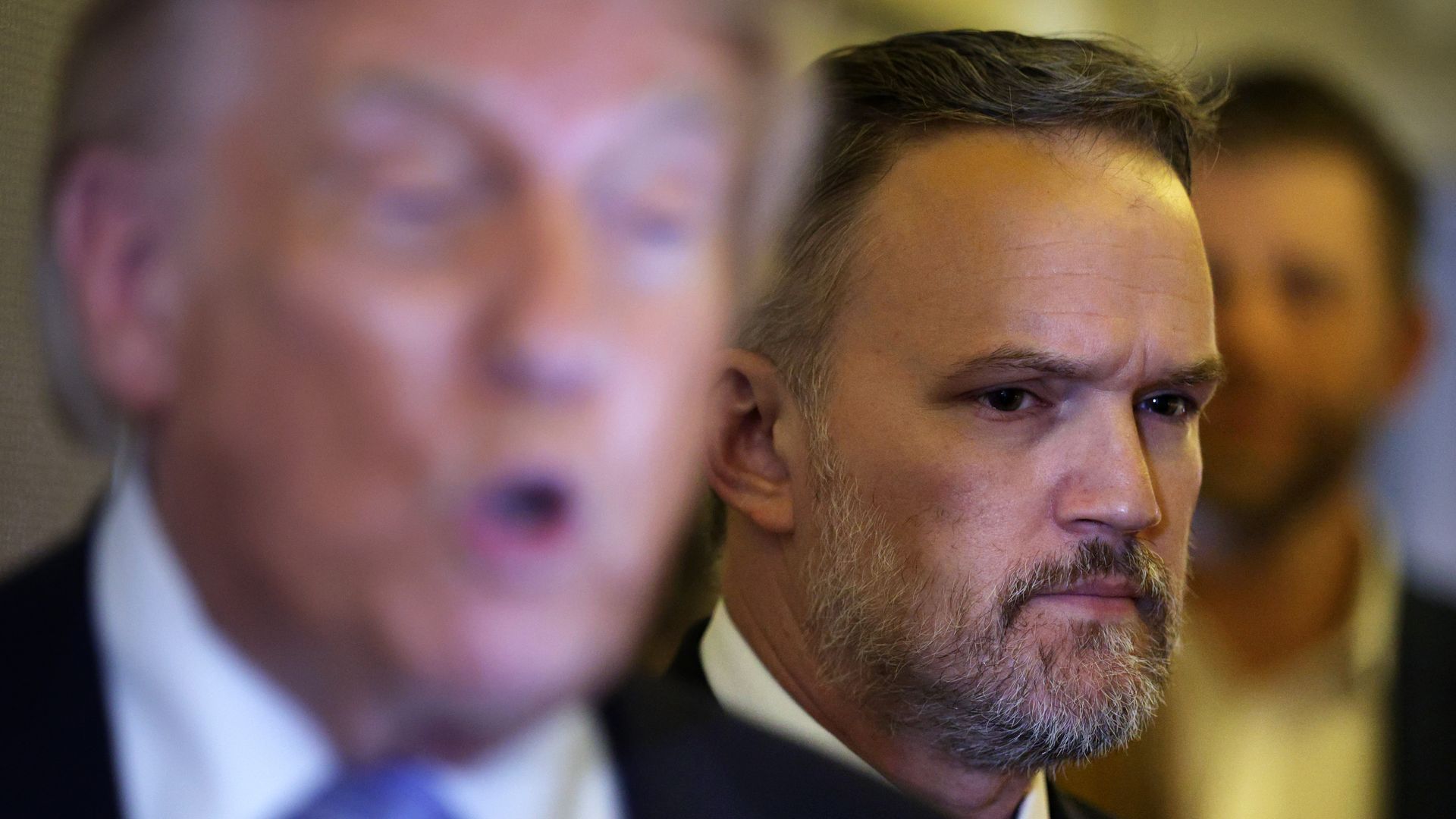
What they're saying: "We've just come to terms with the fact that there is not going to be some giant comprehensive reform of the way the Chinese political system works," U.S. Trade Representative Jamieson Greer said Tuesday night at the Council on Foreign Relations.
Greer said that asking China to pivot from an export-driven economy would be like China asking the U.S. to dissolve the Republican Party: "Some of these things we've been asking them for decades are in fact part and parcel of their political system."
It's a shift from previous administrations, including most recently Biden administration officials who pressed that an economic rebalancing — more domestic consumption, less export-driven growth — was in China's own interest.
Asked by the Council on Foreign Relations' Michael Froman, who served as President Obama's trade chief, whether the U.S. was done with that approach, Greer said: "I would say, mostly."
The intrigue: Following Trump's visit to China earlier this month, Greer said the administration will request public input on which "non-strategic" Chinese goods should see lower tariffs. It will also ask which American goods China should buy more of.
What to watch: The deadline to renew the North American trade deal —renegotiated and rebranded during Trump's first term — is five weeks away. Greer offered little optimism about Canada's place in the deal.
U.S. officials head to Mexico this week to begin the first round of talks, without our neighbor to the north at the table.
"Canada's approach has been different. They, like China, retaliated against the United States. ... They're just in a different spot, and it's hard to see necessarily where that ends," Greer said.
South Korea plans to build and launch its first nuclear-powered submarine by the mid-2030s, a move in part meant to counter the growing arsenal of its neighbor, North Korea.
Why it matters: This massive undertaking will test the country's shipbuilding sector — often lauded in the U.S. — as well as international nonproliferation obligations.
If successful, it could reshape the security status quo in Asia. Only a handful of countries today operate nuclear-powered subs.
TAIPEI — A $14 billion weapons package for Taiwan already approved by U.S. lawmakers is stuck in Trump 2.0 purgatory. Officials here are sweating the circumstances.
Why it matters: The Indo-Pacific is a tinderbox. Taiwan's government argues arms deliveries help maintain regional peace.
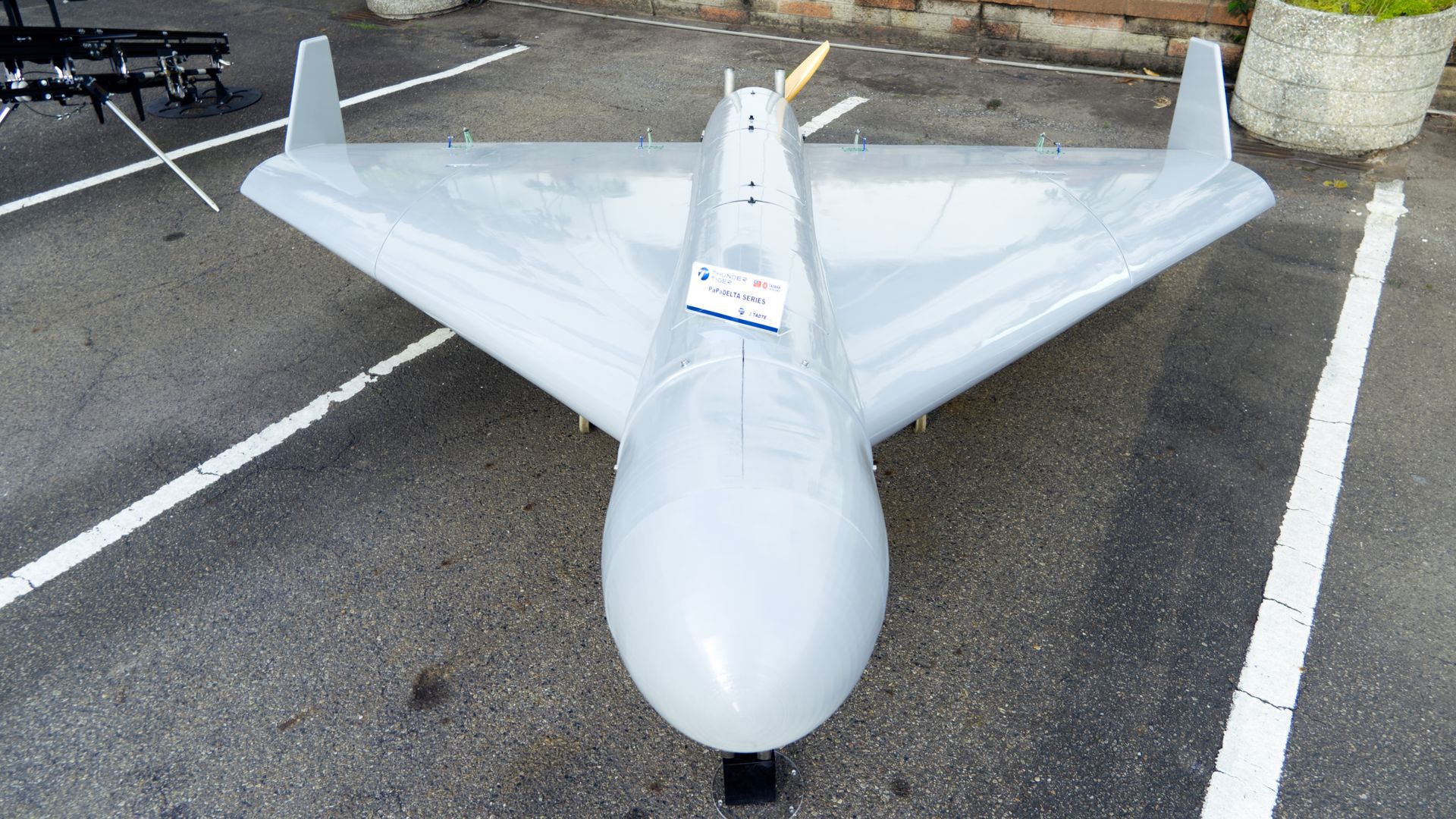
TAICHUNG, TAIWAN — Thunder Tiger Corp. is developingan attack drone dubbed Papa Delta that looks and feels like Iran's ever-popular Shahed.
Why it matters: In the quest for cheap-but-deadly weapons, a growing number of countries are adopting this delta-wing design that's been proven in combat across the Middle East and Eastern Europe.
BP removed board chair Albert Manifold on Tuesday, citing "serious concerns" about "governance standards, oversight and conduct."
Why it matters: BP has lost its CEO and now its board chair in the span of six months, the latest leadership turmoil for a company that has cycled through CEOs during its strategic pivot.
With a U.S.-Iran deal (maybe?) taking shape in coming days, the oil market that follows will look different than what preceded the war.
Why it matters: The emerging deal — which would re-open the Strait of Hormuz while nuclear talks proceed — could return large amounts of barrels to the market.