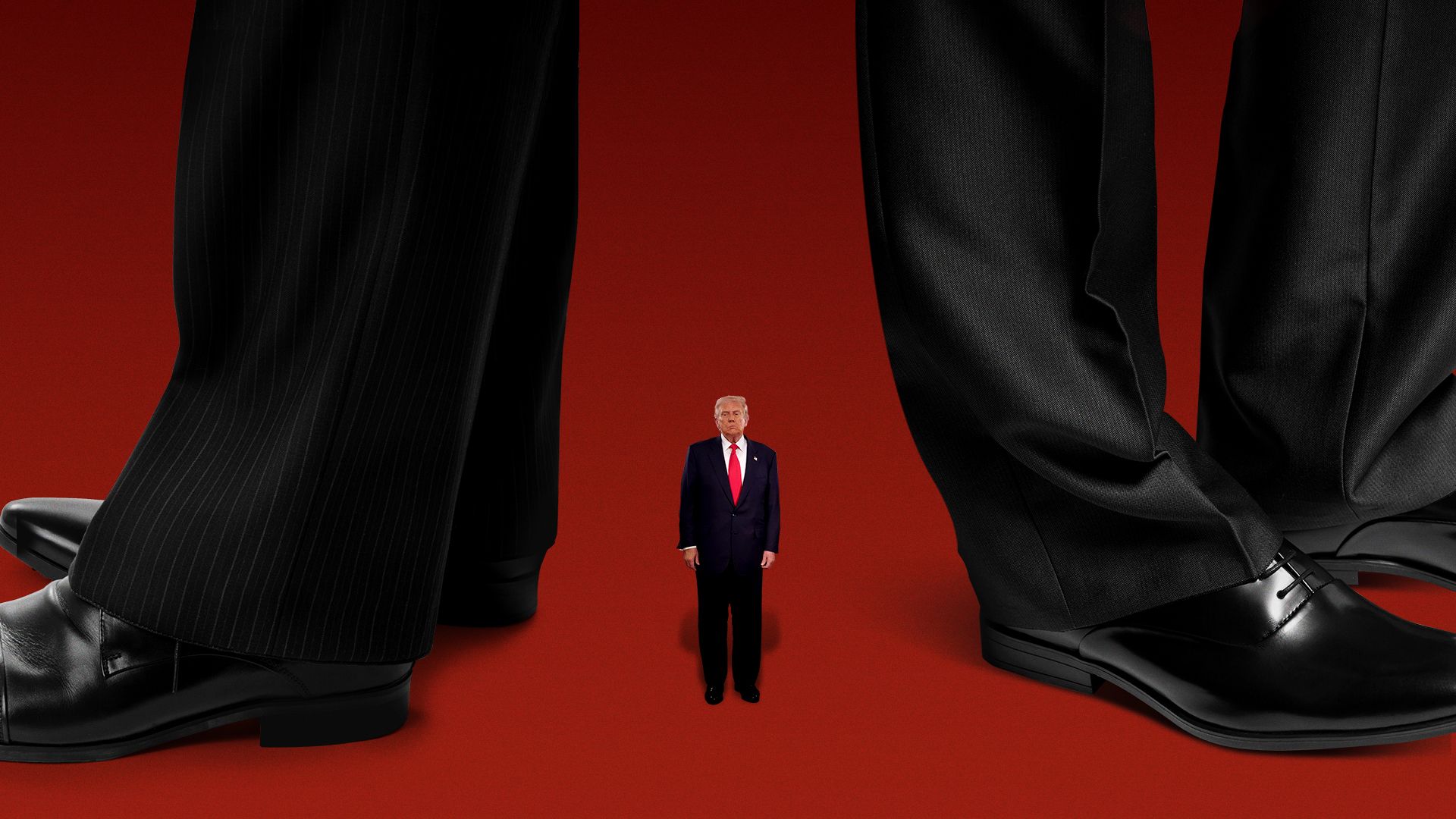
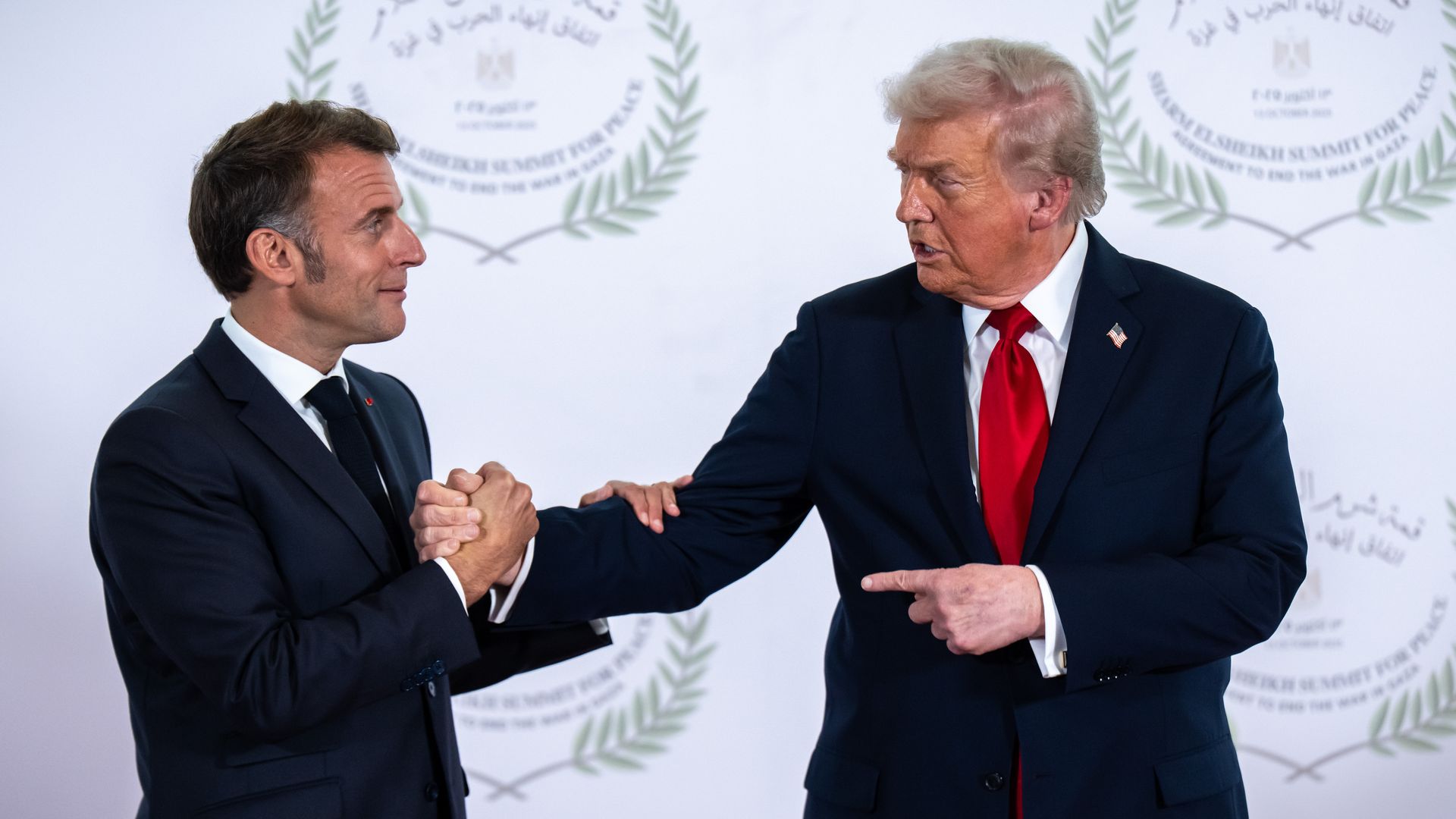
DAVOS, Switzerland — America's closest allies declared an end to the U.S.-led global order on Tuesday, concluding that President Trump's relentless coercion had exposed its fatal flaws.
Why it matters: Gone are the days of world leaders tiptoeing around Trump, whose first year in office — capped by a crisis over Greenland — has crystallized fears that the old order cannot be salvaged.
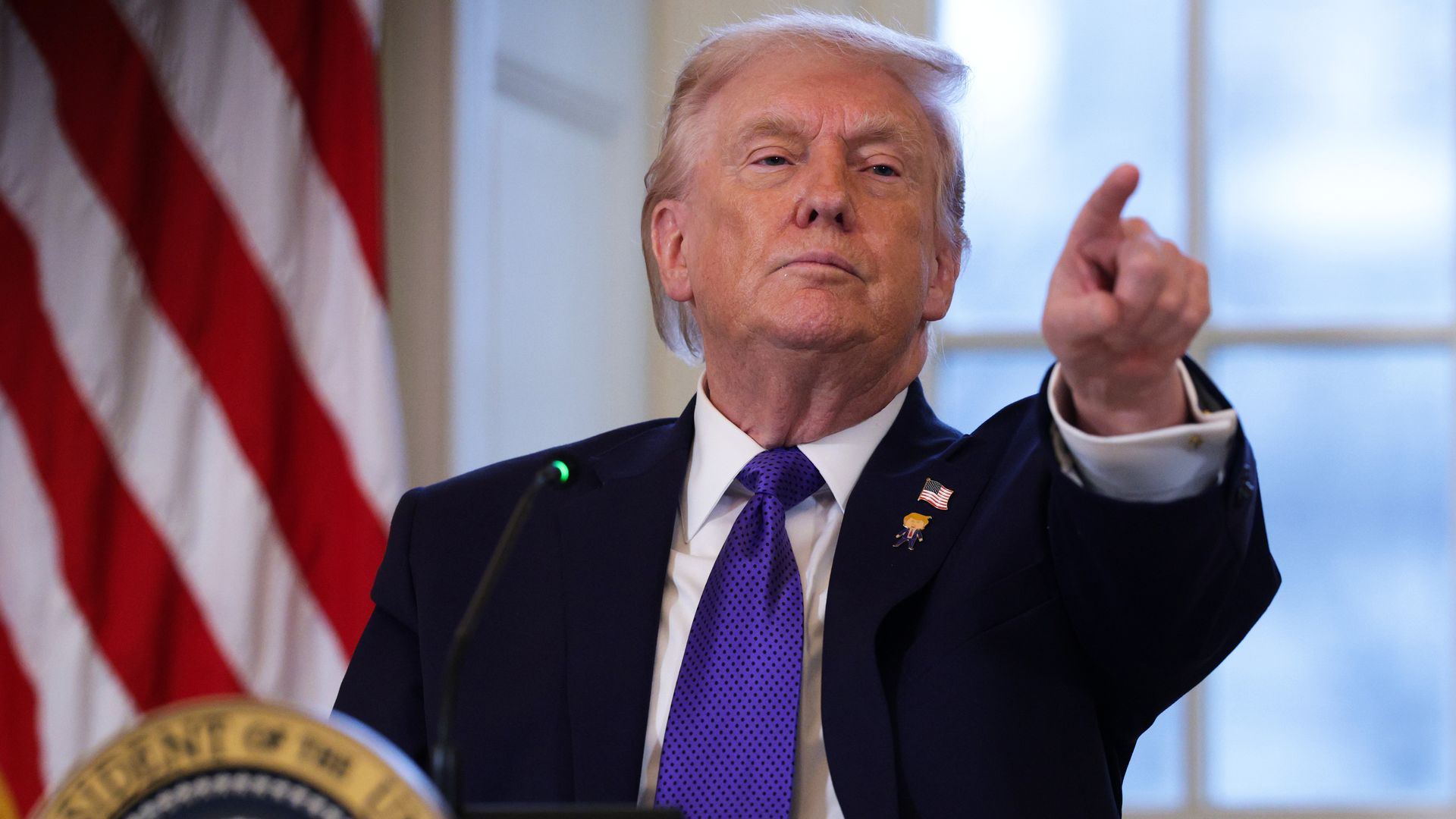
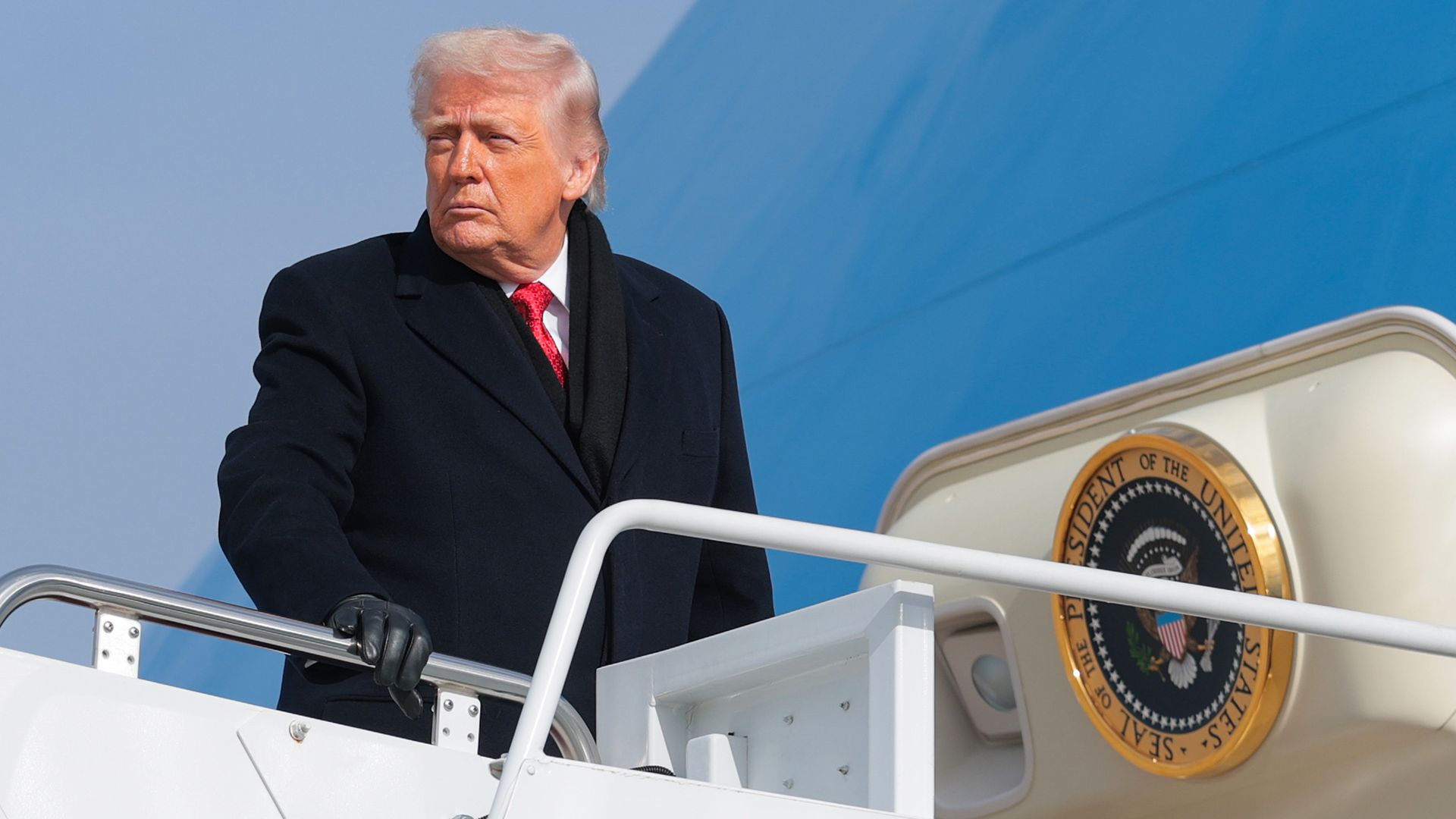
President Trump blamed Norway for his Nobel Peace Prize snub as it opposes his push to claim Greenland — but the nation doesn't award the honor.
The big picture: Trump's insistence the U.S. should control Greenland has rankled American allies across Europe and NATO, and Trump has vowed further economic and political relation for their resistance.
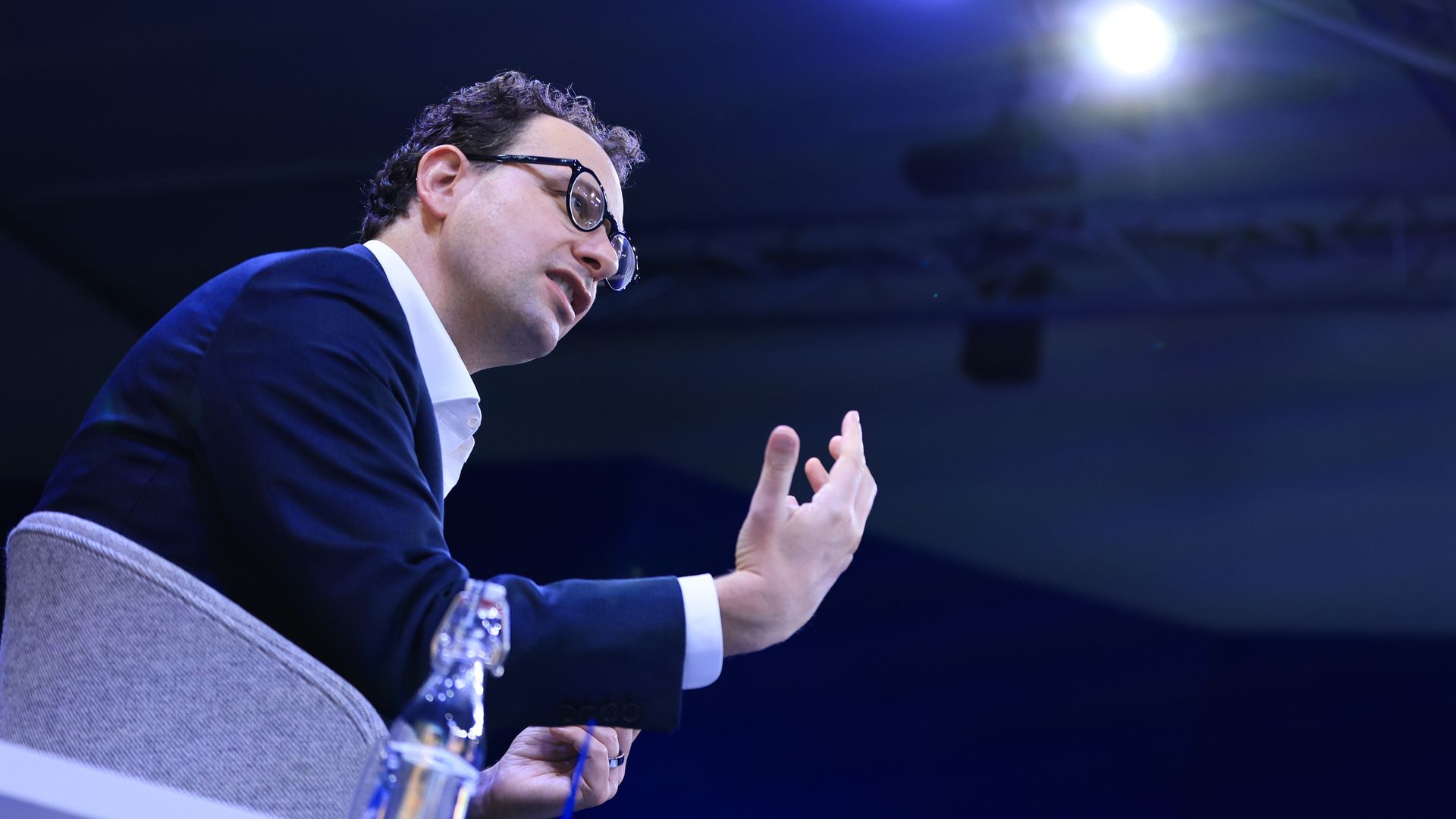
Anthropic CEO Dario Amodei on Tuesday said President Trump's decision to allow the sale of AI chips to China is like "selling nuclear weapons to North Korea."
Why it matters: Amodei hammered on national security concerns as the Trump administration inches closer to finalizing chip sales and Republican infighting over the issue ramps up.
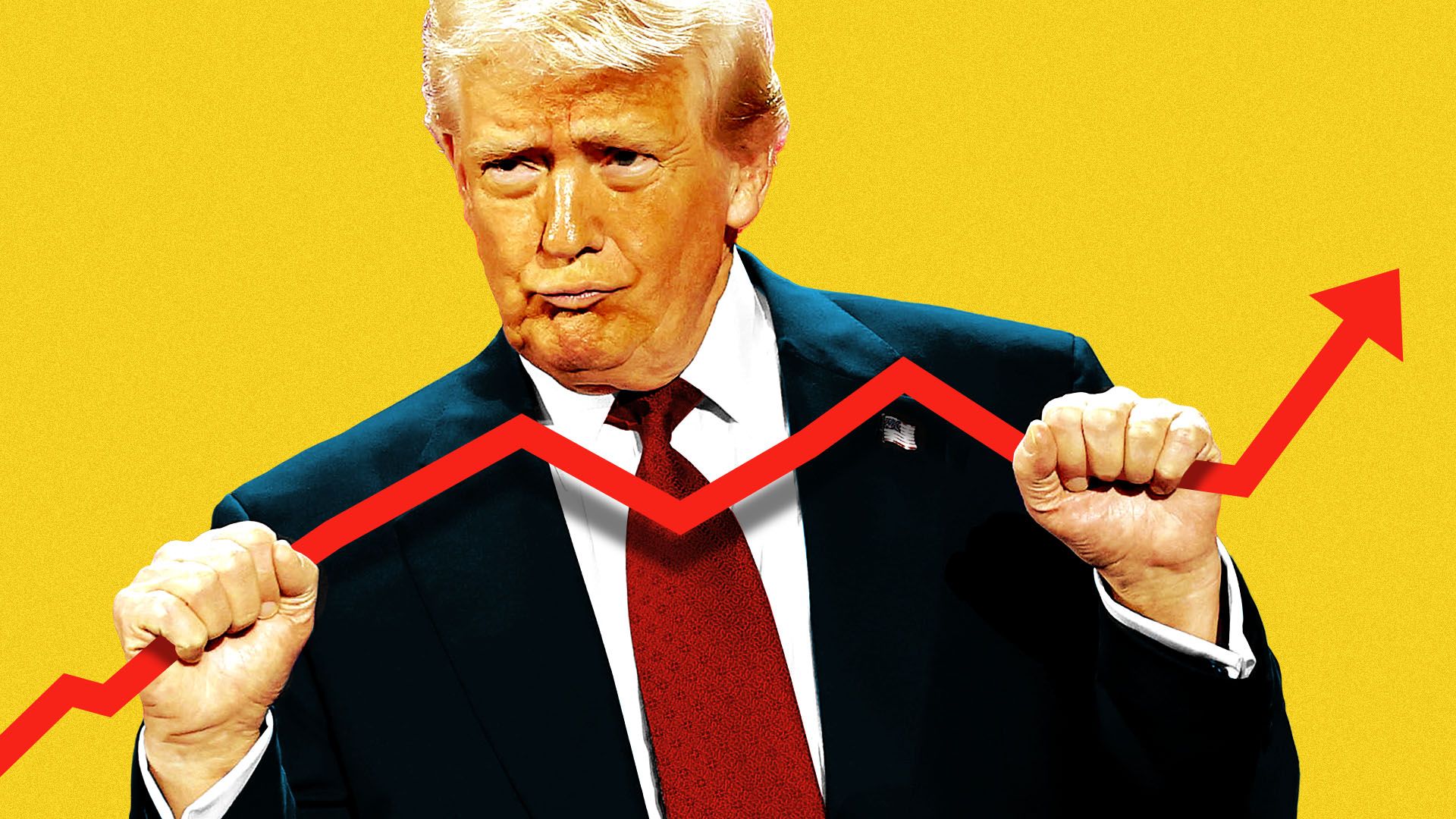
President Trump threatens broad tariff hikes on historic allies. Financial markets are reeling. It's unclear whether the administration backtracks.
You would be forgiven for thinking we were talking about the spring of 2025. This is the current backdrop, one that feels similar to a period of extreme uncertainty that investors and CEOs may have believed was behind us.
This time, the issue at hand is Trump's effort to coerce NATO ally Denmark into handing over Greenland.
Why it matters: This weekend's events — and the fallout in financial markets evident Tuesday morning — are reminders that there might not be a magical pivot point where the economic, trade and geopolitical outlooks suddenly look more certain under Trump.
President Trump has touted his "Board of Peace" for Gaza as the "Most Prestigious Board ever assembled at any time, any place" — but the specifics of its mandate and prospective members are murky.
Why it matters: The reported list of Trump's invitees — including Russian President Vladimir Putin and Belarusian President Aleksandr Lukashenko — and marching orders that could broaden its purview beyond Gaza has raised alarm among some U.S. allies.
Why it matters: The comments break from Amazon's earlier insistence that tariffs weren't materially affecting prices — and could add fuel to political scrutiny over rising consumer costs.
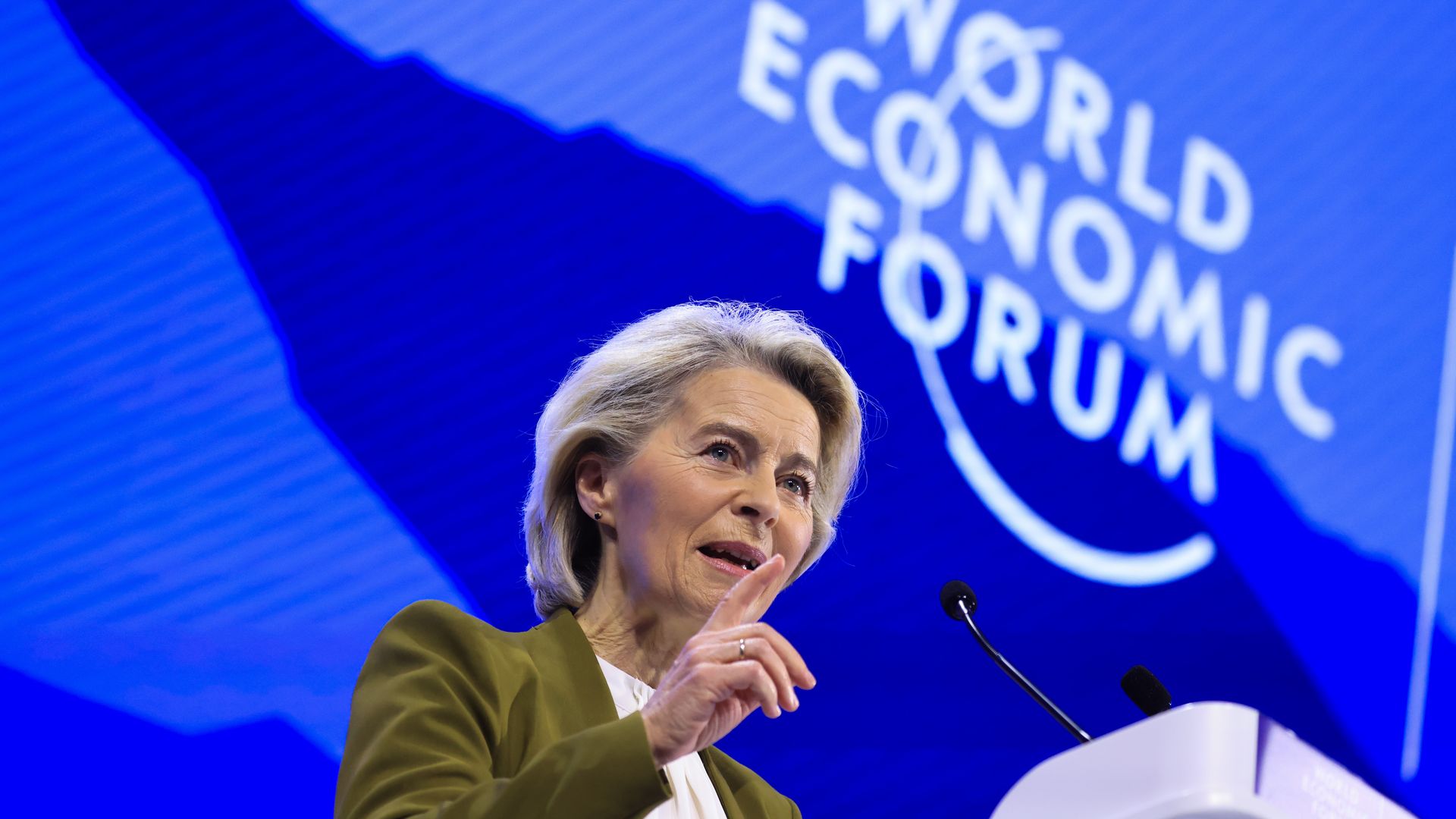
DAVOS, Switzerland — The European Union's chief executive called for "permanent" independence from the U.S. on Tuesday, framing President Trump's hostility toward allies as a rupture on the scale of the 1971 "Nixon shock."
Why it matters: Ursula von der Leyen's remarks reflect the deep unease hanging over the World Economic Forum, where Trump arrives Wednesday amid an escalating crisis in transatlantic relations.
To mark the one-year anniversary of President Trump taking office, we asked Axios subject matter experts a simple question: What's the biggest disruption or change you've seen on your beat over the past year?
1. White House, Marc Caputo:A year in the planning, Trump's ouster of Venezuelan dictator Nicolás Maduro was a defining moment that crystallized the administration's "Trump Corollary" to the Monroe Doctrine.
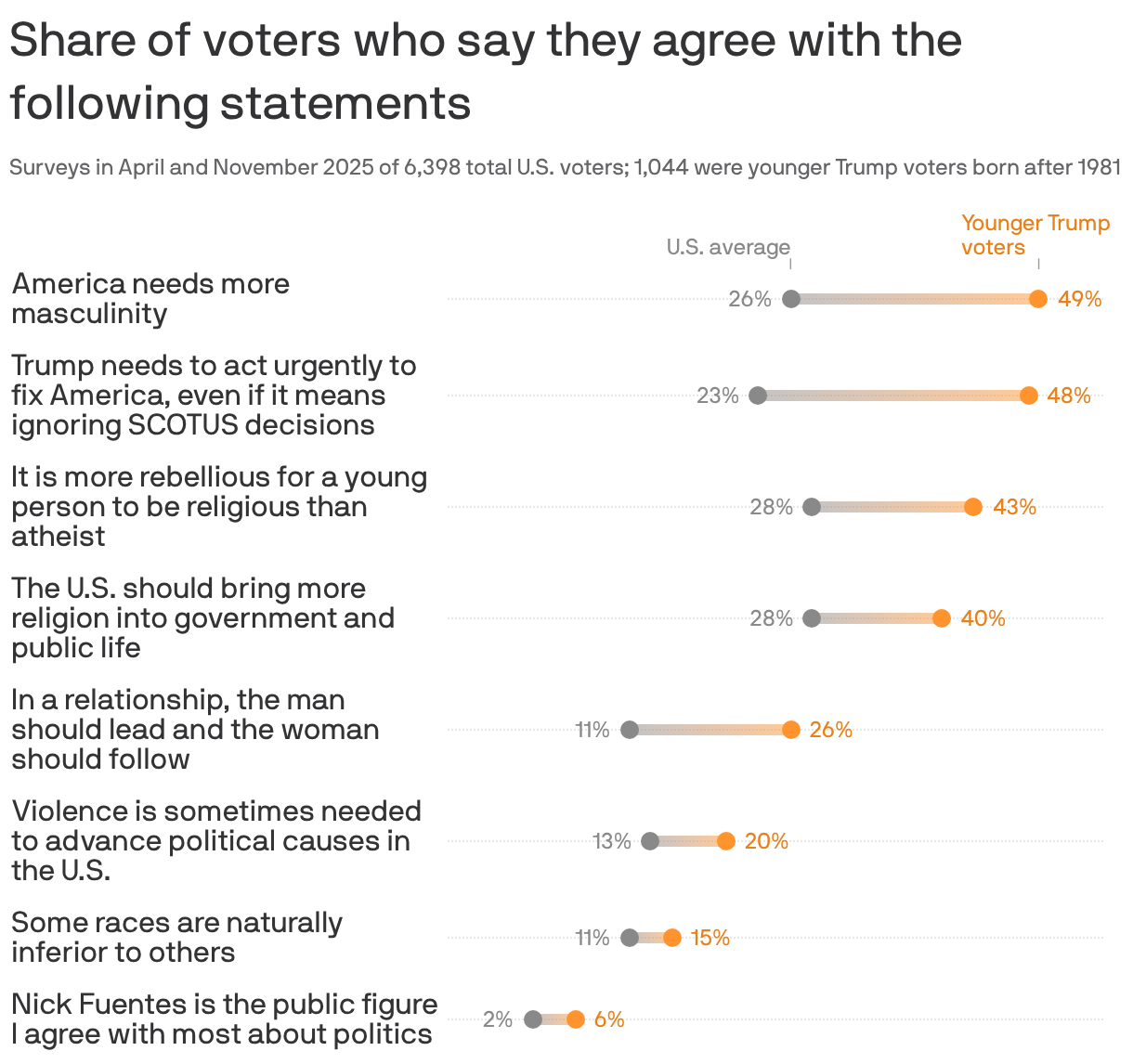
Data: More in Common; Chart: Erin Davis/Axios Visuals
Gen Z and millennial voters who back President Trump are emerging as an increasingly hard-line faction within his coalition, showing especially strong support for male leadership and religion in public life — and openness to political violence, a massive new survey finds.
Why it matters: The survey of 18,000 Americans finds that Trump supporters born after 1981 are less invested in consensus politics than previous generations, and look more favorably on cultural dominance and strongman leadership.