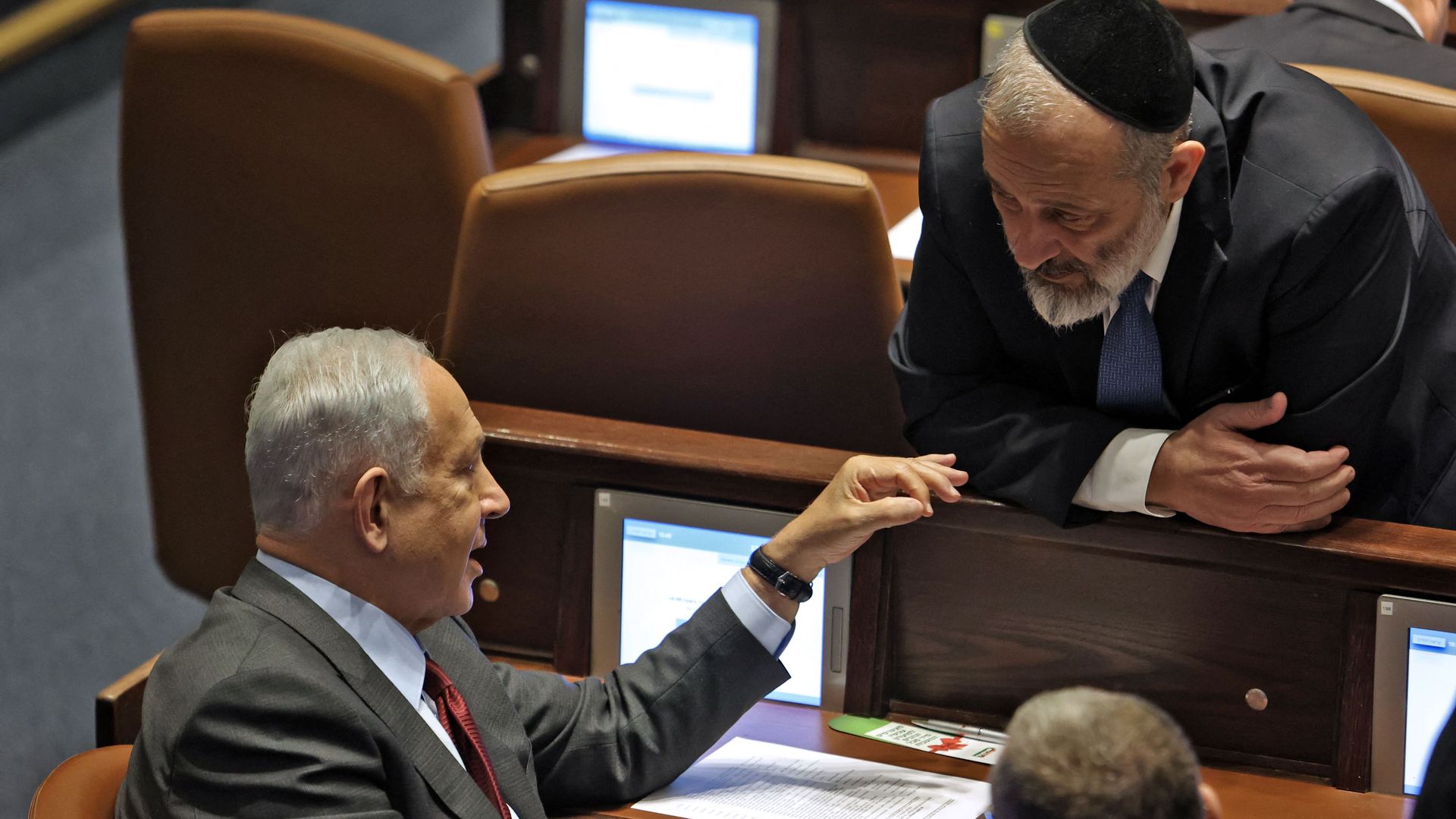
Incoming Israeli Prime Minister Benjamin Netanyahu notified President Isaac Herzog late Wednesday that he has managed to form a government after 38 days of coalition negotiations.
The big picture: The move, which came 20 minutes before his mandate to form a government was set to expire, buys him more time as he works to get controversial laws his coalition partners have demanded passed ahead of the swearing-in of new ministers, which is expected by early January.
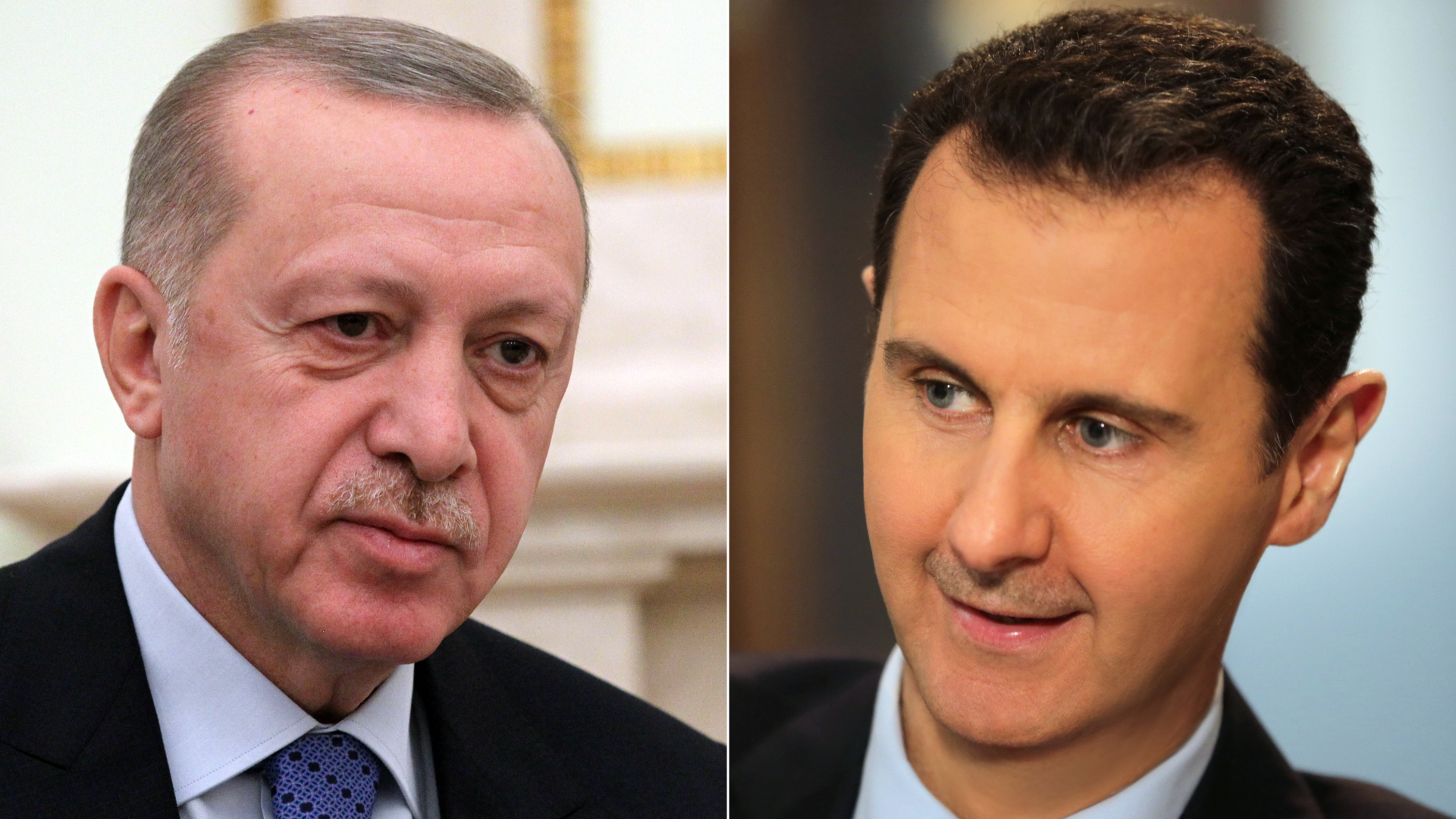
ANKARA, Turkey — Turkey is increasingly signalingits readiness for a thawing of relations with the Assad regime in Syria.
Why it matters: Turkish President Recep Tayyip Erdoğan and his Syrian counterpart, Bashar al-Assad, were at one point close allies, but the two leaders have not been in contact since the outbreak of the Syrian civil war.
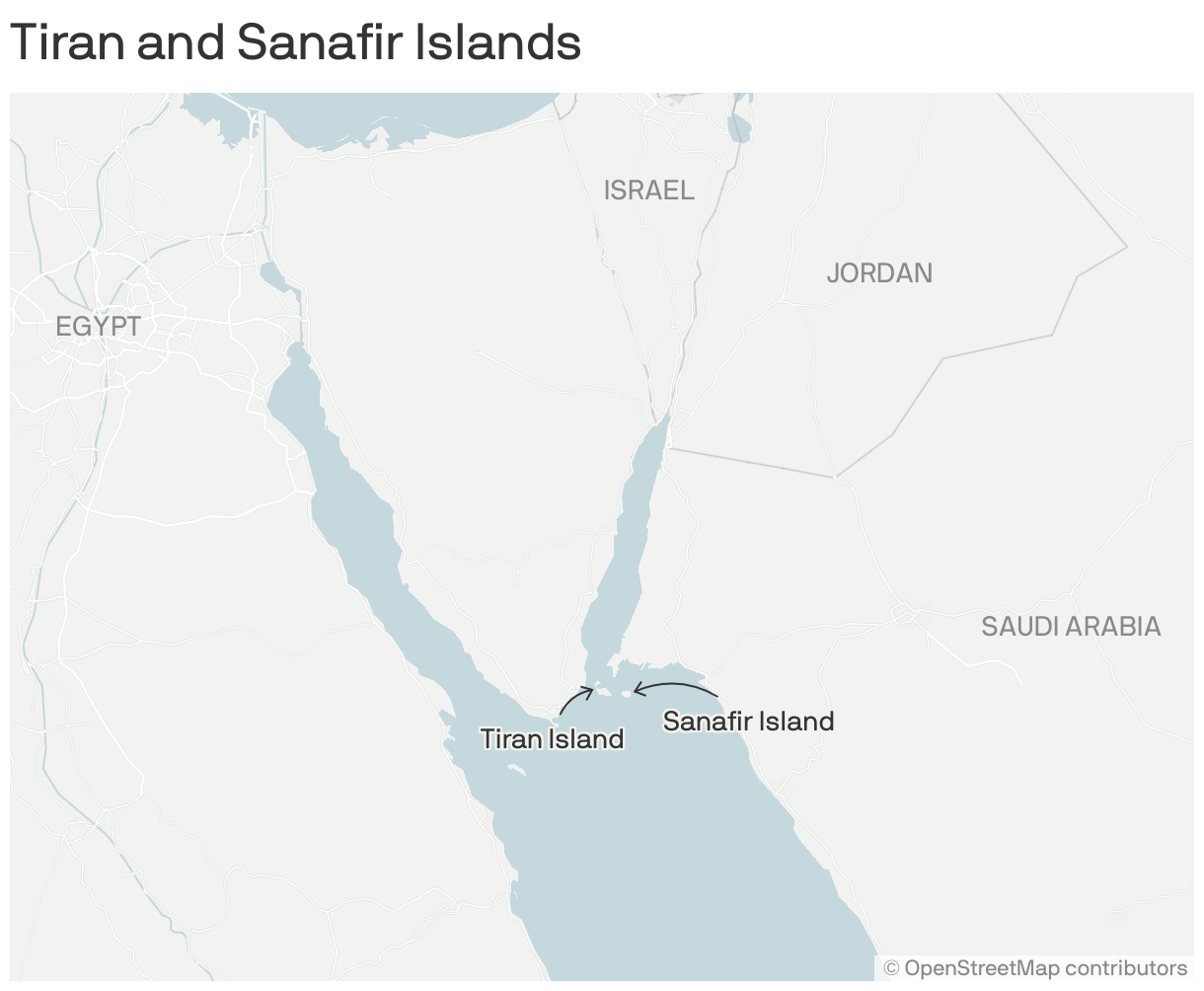
Egypt is holding up the implementation of an agreement over two strategic Red Sea islands that paved the way for Saudi Arabia to take steps toward normalizing relations with Israel, according to four Israeli officials and one U.S. source.
Why it matters: The agreement, which was composed of a series of understandings between the U.S., Saudi Arabia, Israel and Egypt, was a significant Mideast foreign policy achievement for the Biden administration.
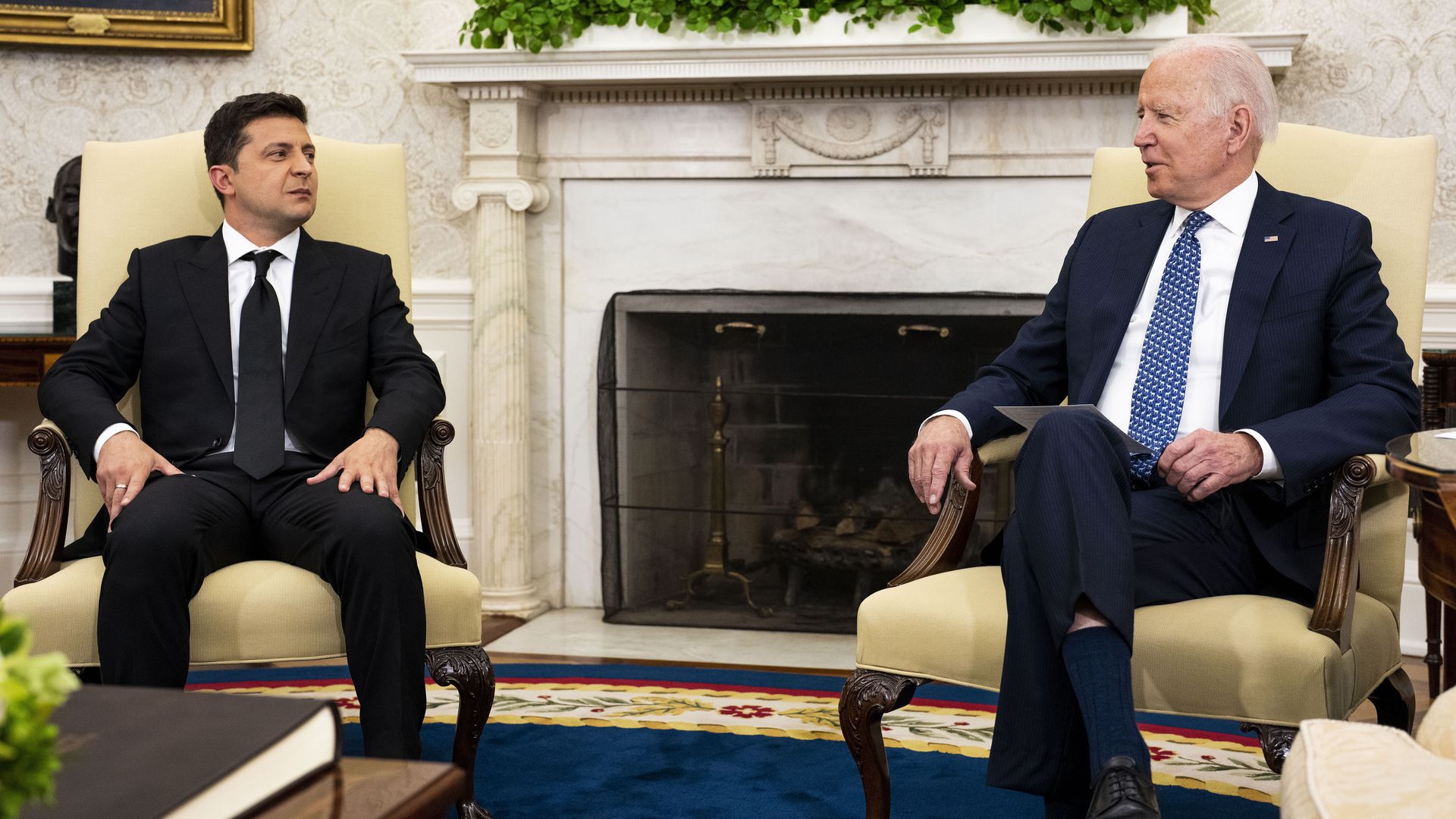
President Biden will announce during Ukrainian President Volodymyr Zelensky‘s planned visit to Washington Wednesday that the U.S. will provide Ukraine with a Patriot missile defense battery, according to a senior administration official.
Why it matters: While the U.S. and its allies, including France and Germany, have provided various missile defense systems to Ukraine in recent weeks, the Patriot system will be the most advanced sent to the country since the war began.
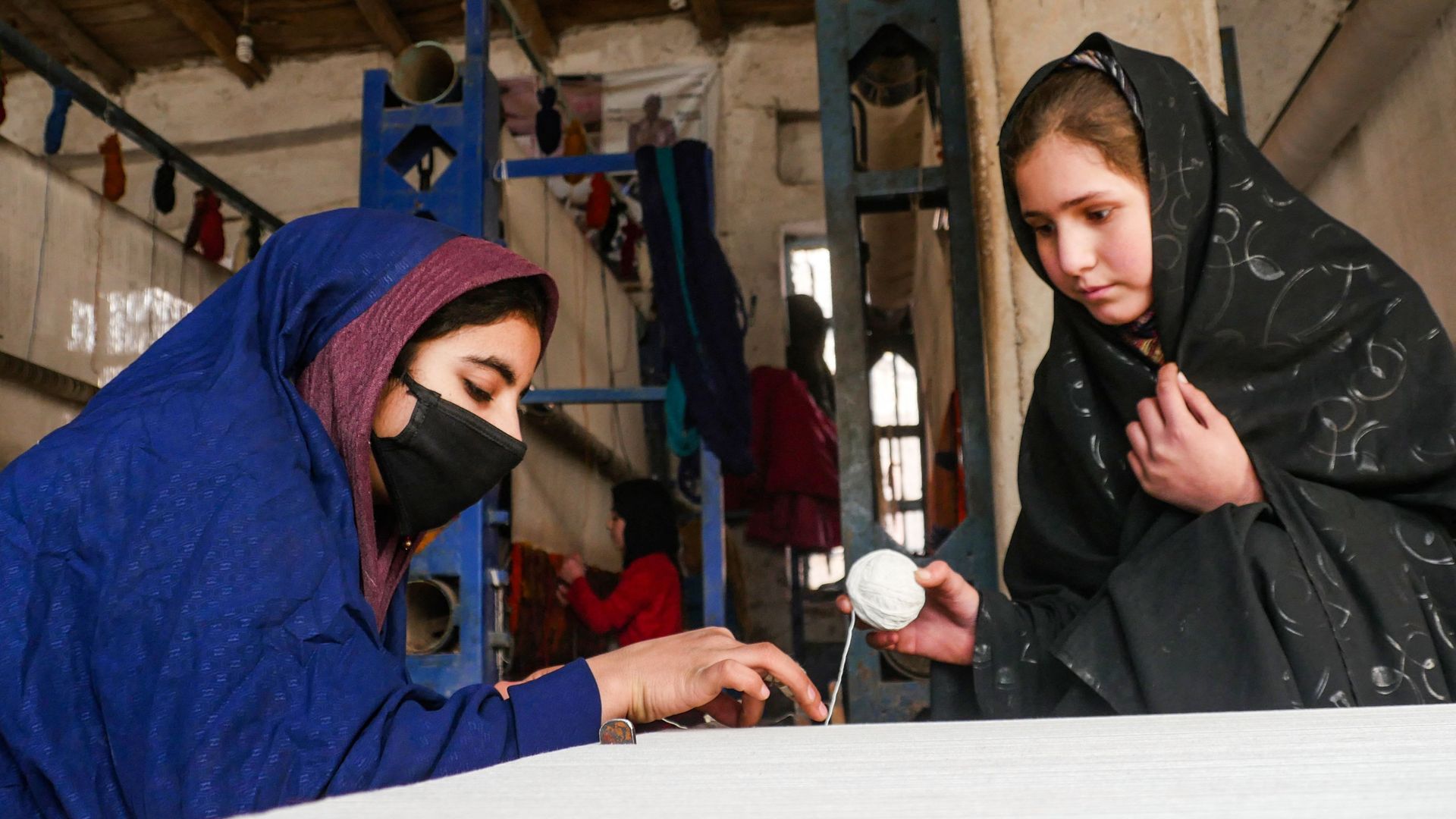
The Taliban on Tuesday banned women from attending Afghanistan's public and private universities, AP reports.
Why it matters: U.S. Secretary of State Antony Blinken warned of "consequences" in response the Taliban's latest move to revoke women's freedoms since the group regained control of the country following the U.S. withdrawal last year.
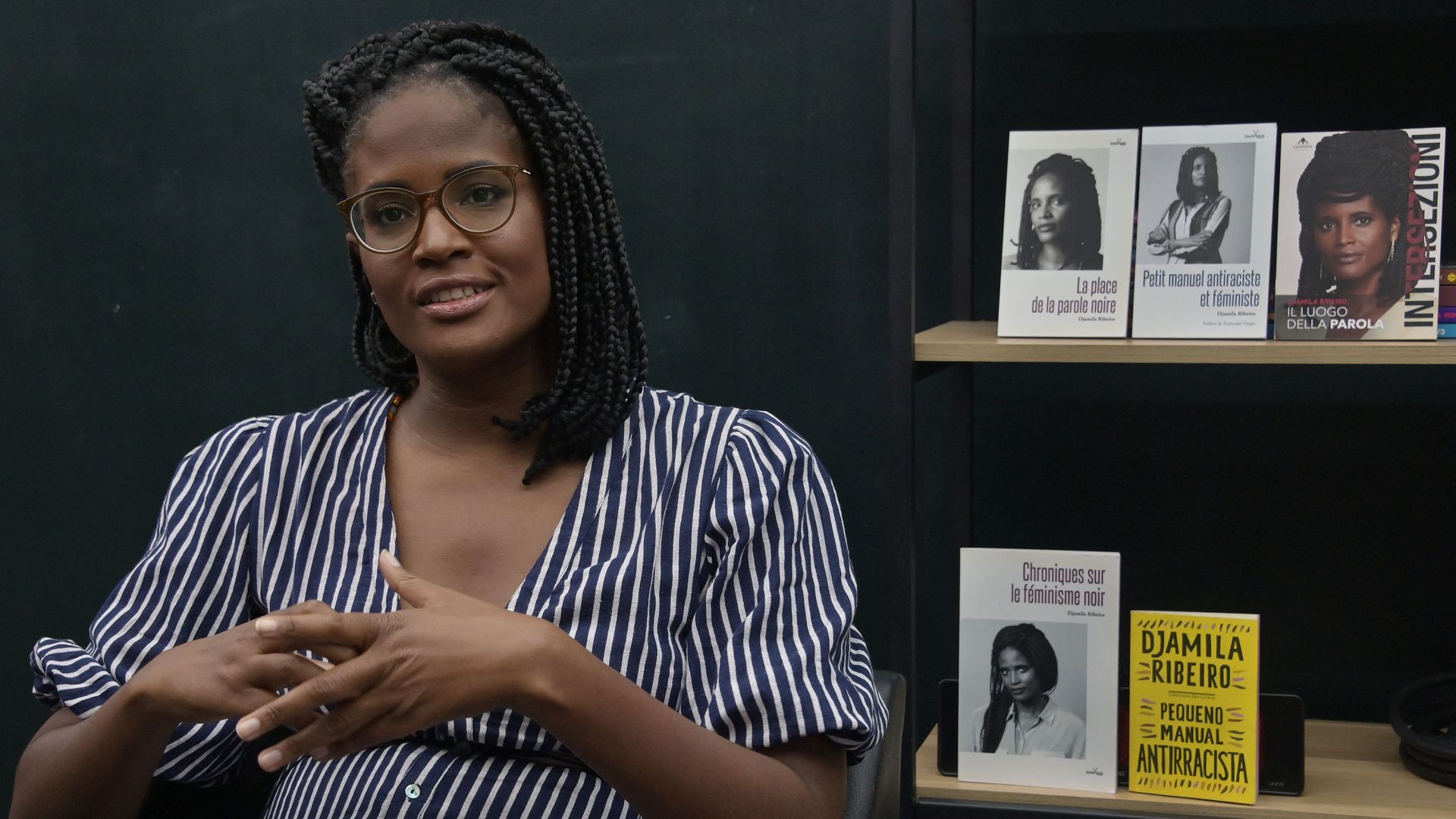
Afro-Brazilian authors are making a mark on bestseller lists with works centering on race and the country's Black population.
Why it matters: Brazil, where most enslaved people were taken to starting around 1540, was the last country in the Americas to ban slavery. Brazil is only now reckoning with this history, and Black authors are helping.
Novelist and journalist Cristina García is set to publish next year a sequel toher National Book Award-nominated "Dreaming in Cuban."
Why it matters: "Dreaming in Cuban," a novel about three generations of a Cuban American family separated by the Cuban revolution, became a classic when it was published in 1992.
A slate of recent books that tell immigrant stories and interrogate the American dream using innovative literary styles are resonating with readers, selling well and showing up in best-of lists.
The big picture: The publishing boom for diverse authors comes after decades of writers being told by largely white publishers their stories were "unmarketable," novelist Angie Cruz tells Axios Latino.
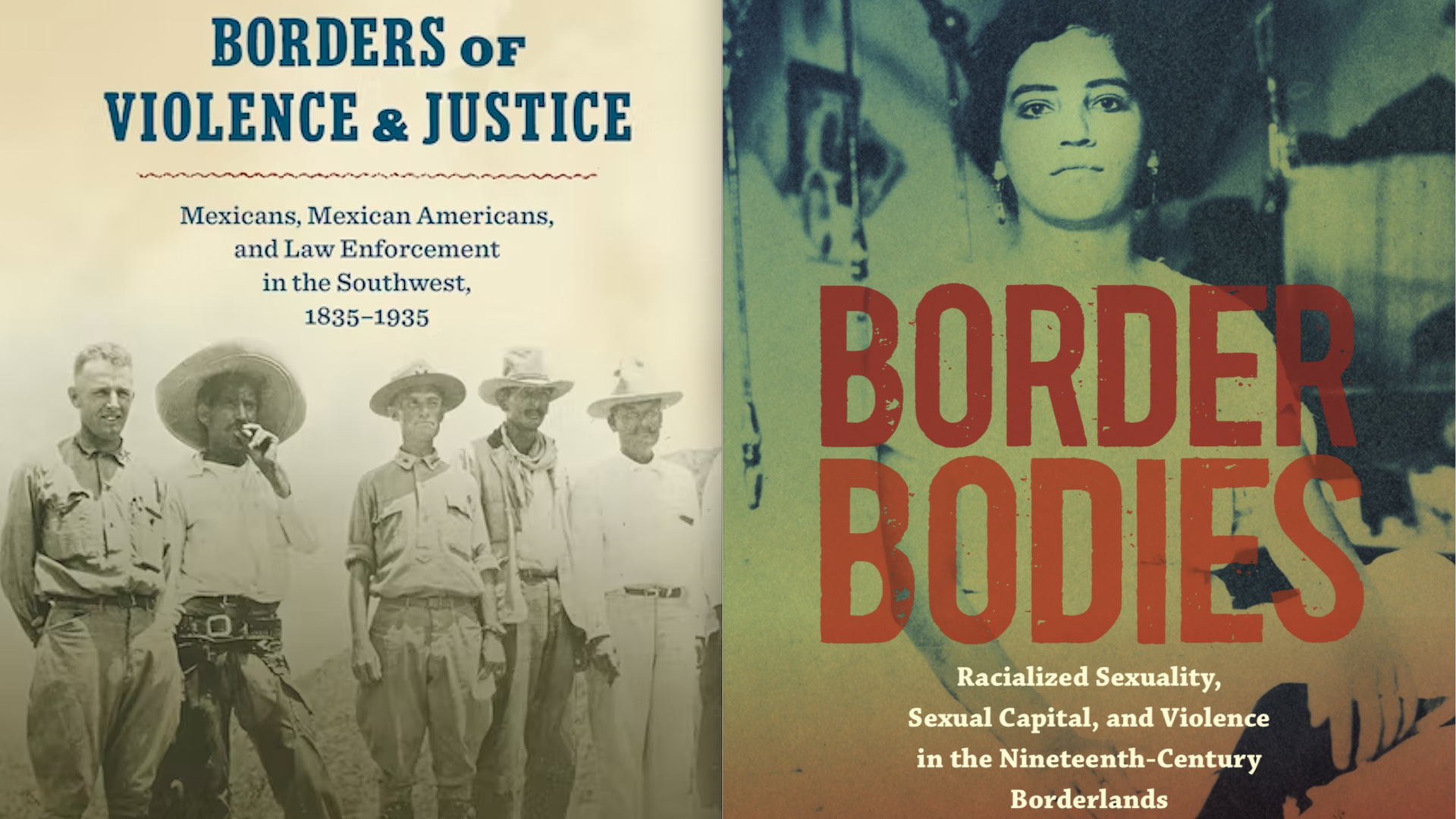
The U.S.-Mexico borderlands have historically been a region of myth and romance, but the reality of their past is much darker, as two new books are showing.
Why it matters: Historic violence in the borderlands contributed to systemic socioeconomic and racial inequalities that persist today, scholars write.
Last week, the U.S. Department of Justice announced the arrest of a Chinese student in Boston who allegedly stalked and harassed someone who put up posters calling for democracy in China.
Why it matters: The arrest demonstrates that U.S. law enforcement is taking action to support the rights of Chinese people living in the U.S., including on campuses, where many Chinese students have said they feel at risk of being surveilled or reported to Chinese authorities if they engage in anti-Beijing organizing.
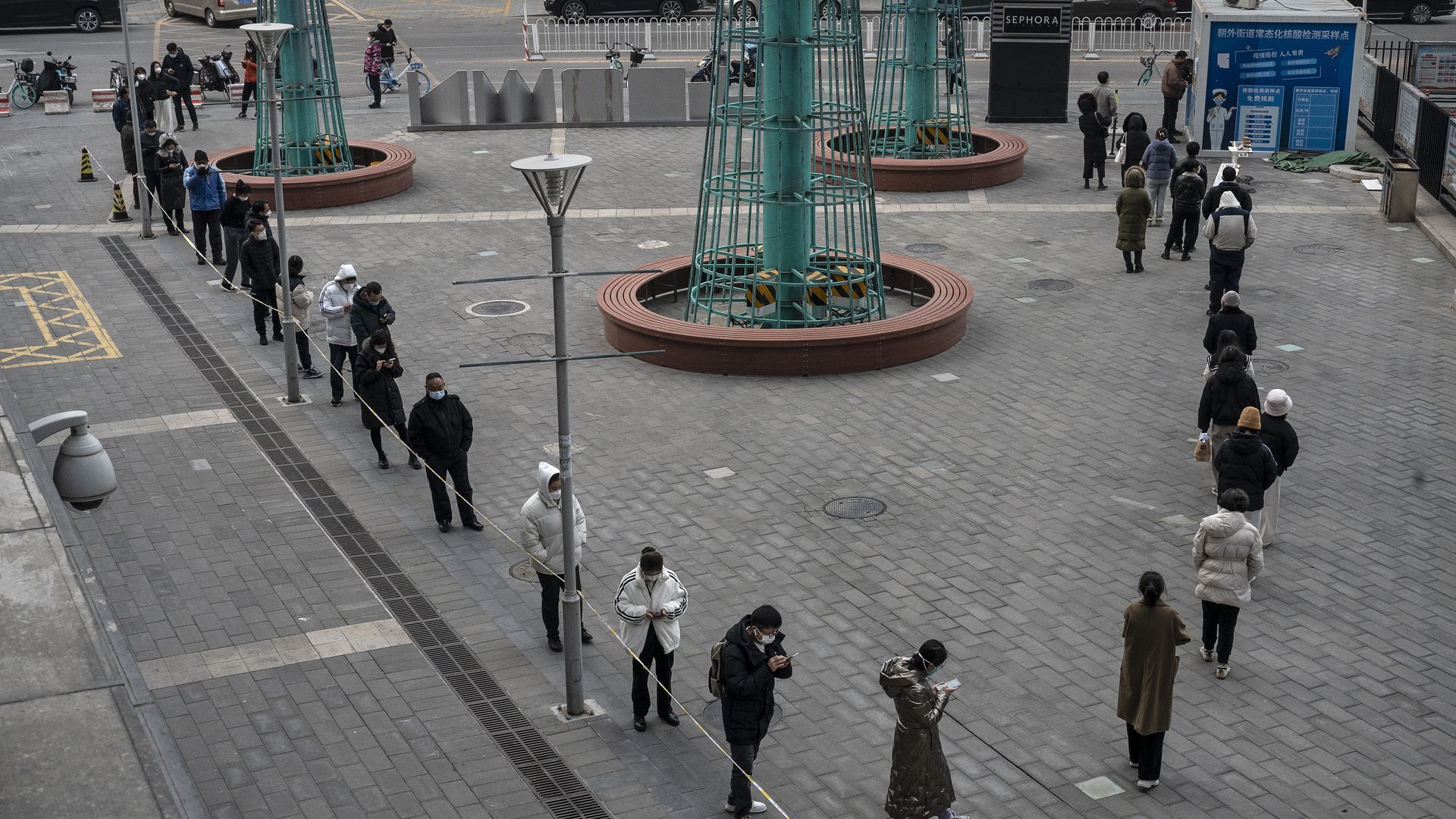
After years of holding the virus at bay,the Chinese government is now facing the same dilemma governments around the world have faced for the past three years: how to let people get back to normal life while preventing COVID cases from overwhelming the health care system.
Why it matters: Up to a million people in China might die from COVID next year, according to new projections from the U.S.-based Institute for Health Metrics and Evaluation.
Ukrainian President Volodymyr Zelensky meeting with troops in the city of Bakhmut on Dec. 20. Photo: Ukrainian Presidency/Handout/Anadolu Agency via Getty Images
Ukrainian President Volodymyr Zelensky on Tuesday unexpectedly visited soldiers defending the eastern frontline city of Bakhmut that's been besieged by Russian forces, including mercenaries from the Wagner private military company, for months.
Why it matters: Fighting around the industrial Donbas city has been raging for several months, but it has recently been the site of some of the fiercest battles so far in Russia's invasion of Ukraine.
President Biden said on the sidelines of a Nov. 4 election rally that the 2015 nuclear deal with Iran is “dead,” but stressed the U.S. won’t formally announce it, according to a new video that surfaced on social media late Monday.
Why it matters: It's the strongest confirmation so far that the Biden administration believes there's no path forward for the Iran deal, which leaves key questions about the future of Tehran's nuclear program.
Driving the news: A German court gave Irmgard Furchner, who was a secretary for the SS commander of the Stutthof concentration camp, a two-year suspended sentence.