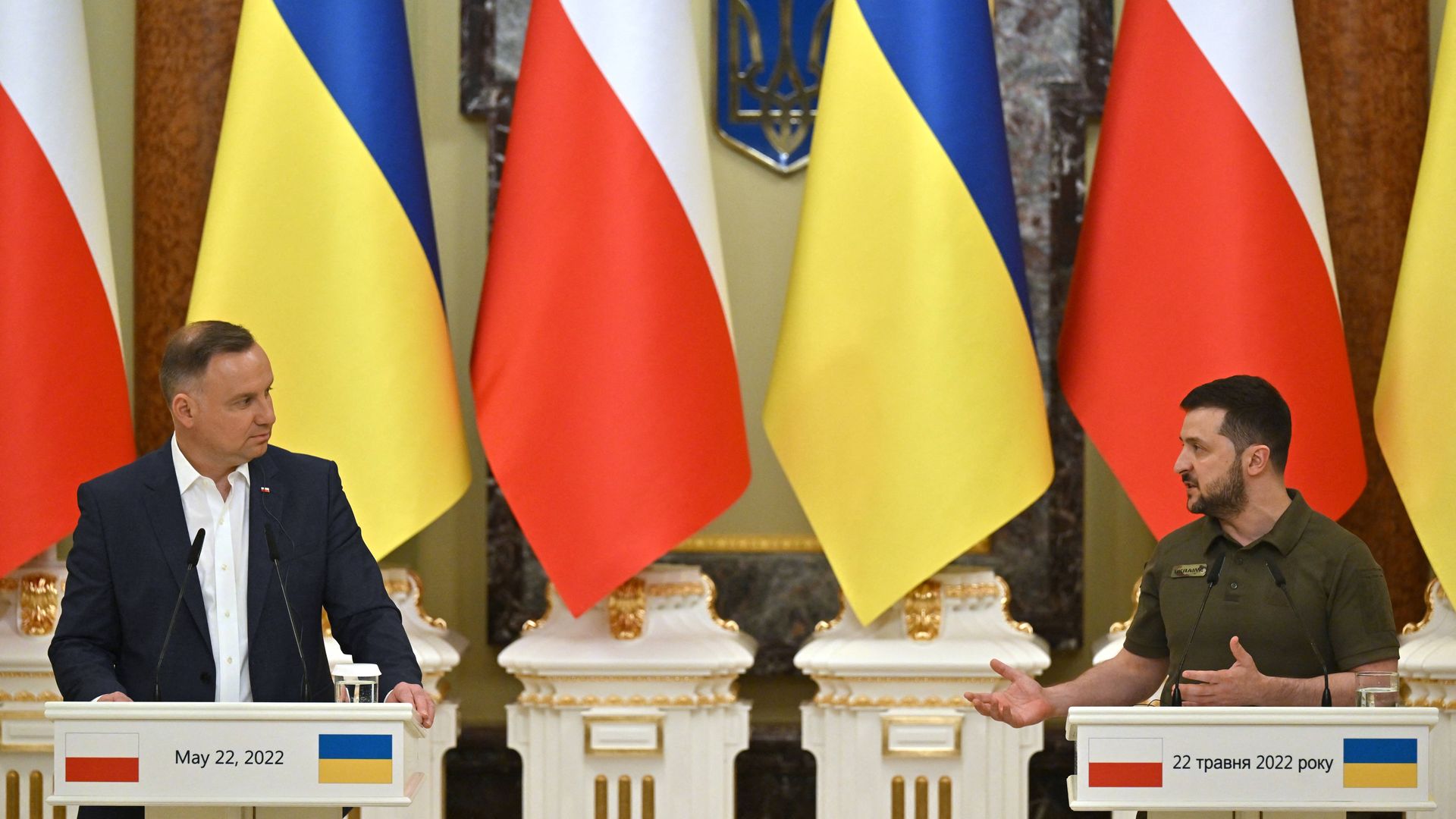
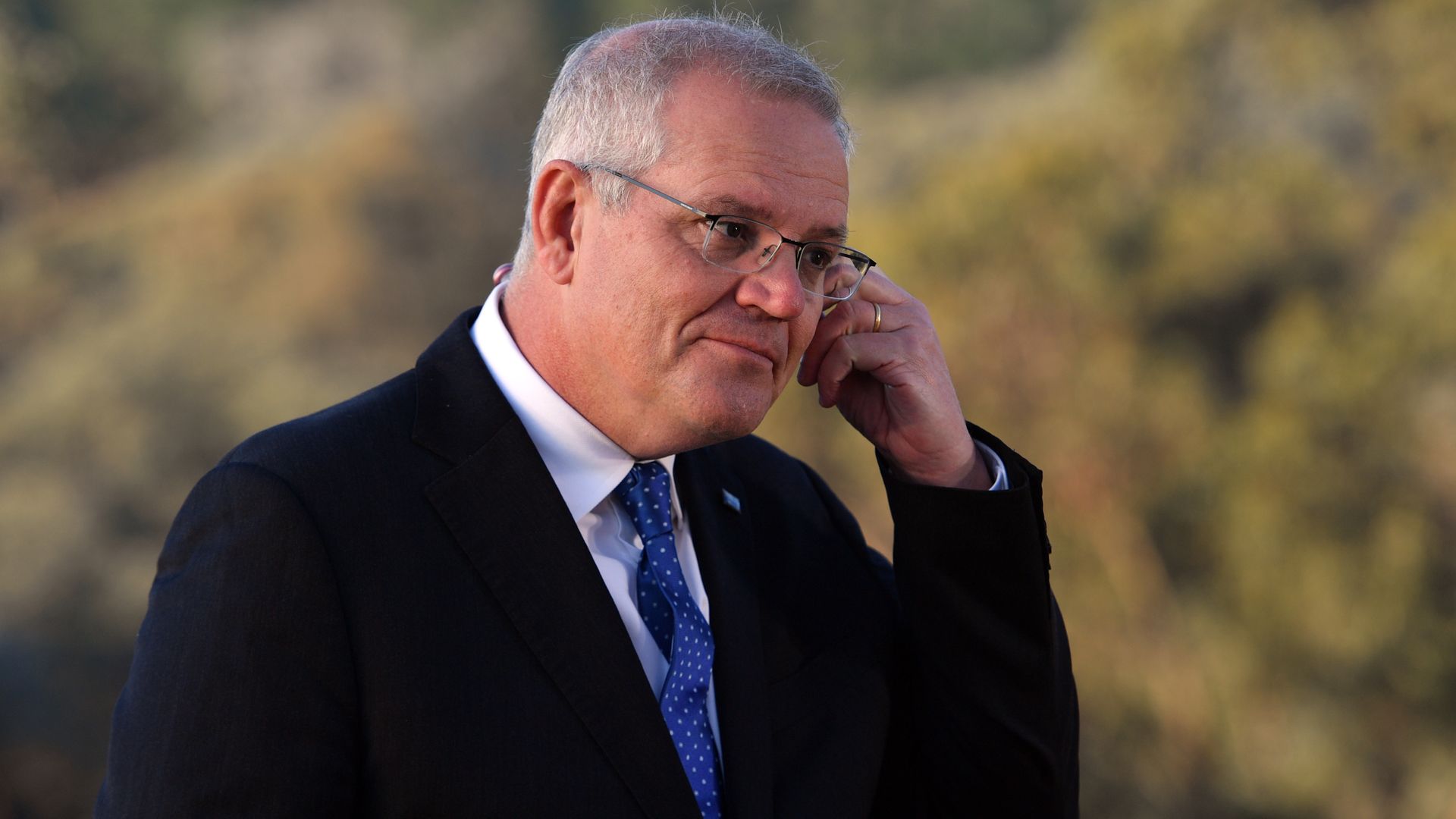
Polish President Andrzej Duda pushed back against "worrying voices" who believe that Ukraine should agree to territorial concessions in order to end the war during an address to the Ukrainian parliament Sunday, Reuters reported.
Why it matters: Duda's speech, which earned a standing ovation, is the first in-person address to the Ukrainian parliament by a foreign leader since the start of the invasion, per Politico.
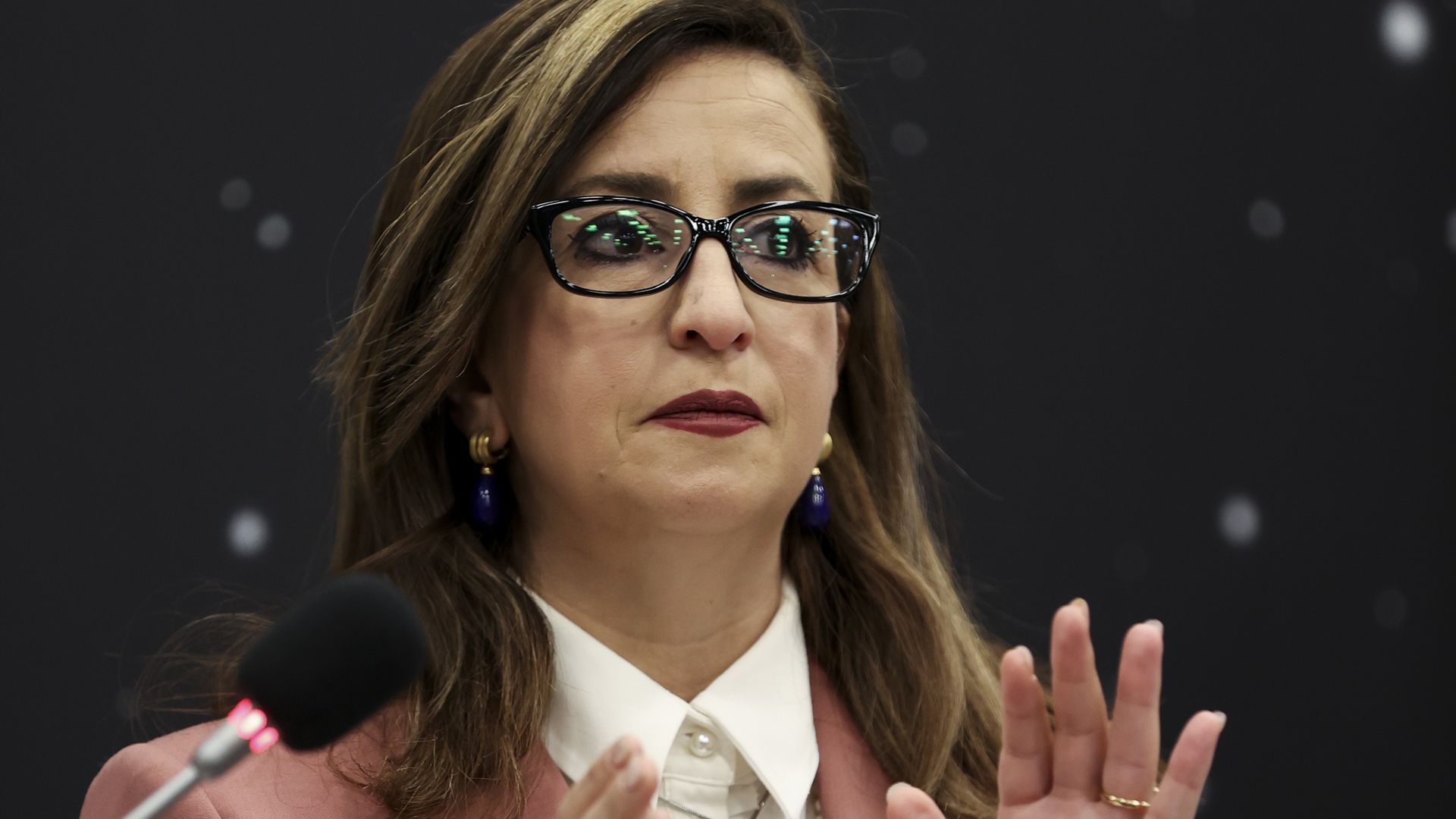
Why it matters: The dramatic move last week left Bennett with a minority coalition of only 59 members of Knesset. With Ghaida Rinawi Zoabi's return, the coalition is back at 60 members and the opposition lost its opportunity to call an early election.
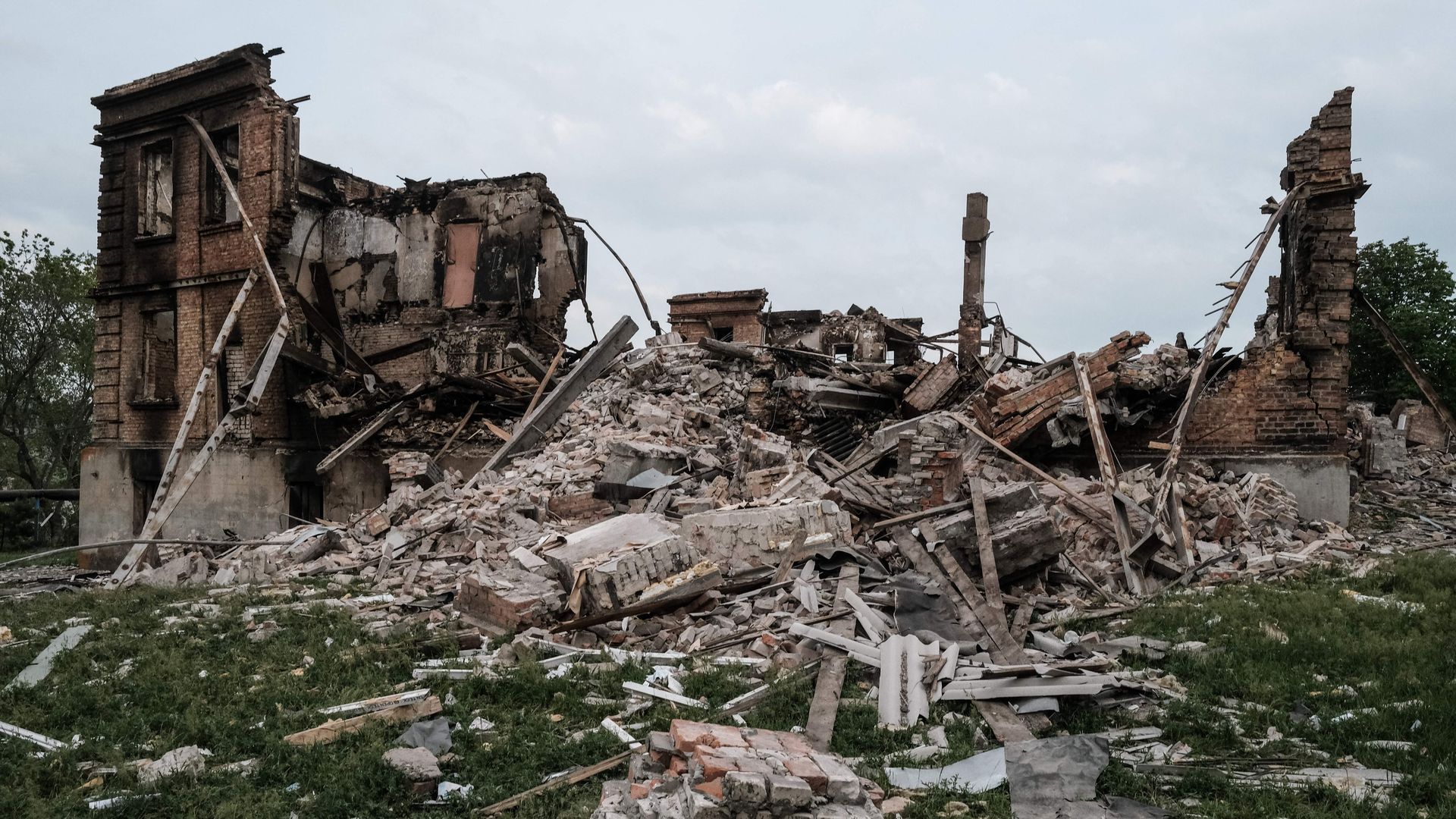
Ukraine will not agree to a ceasefire or any territorial concessions to Russia because doing so would only embolden the latter to ramp up its attacks, Ukrainian presidential adviser Mykhailo Podolyak told Reuters in remarks published Sunday.
Why it matters: Russia launched a major offensive in the Donbas region of eastern Ukraine last month that both sides characterized as a decisive "second phase" of the war.
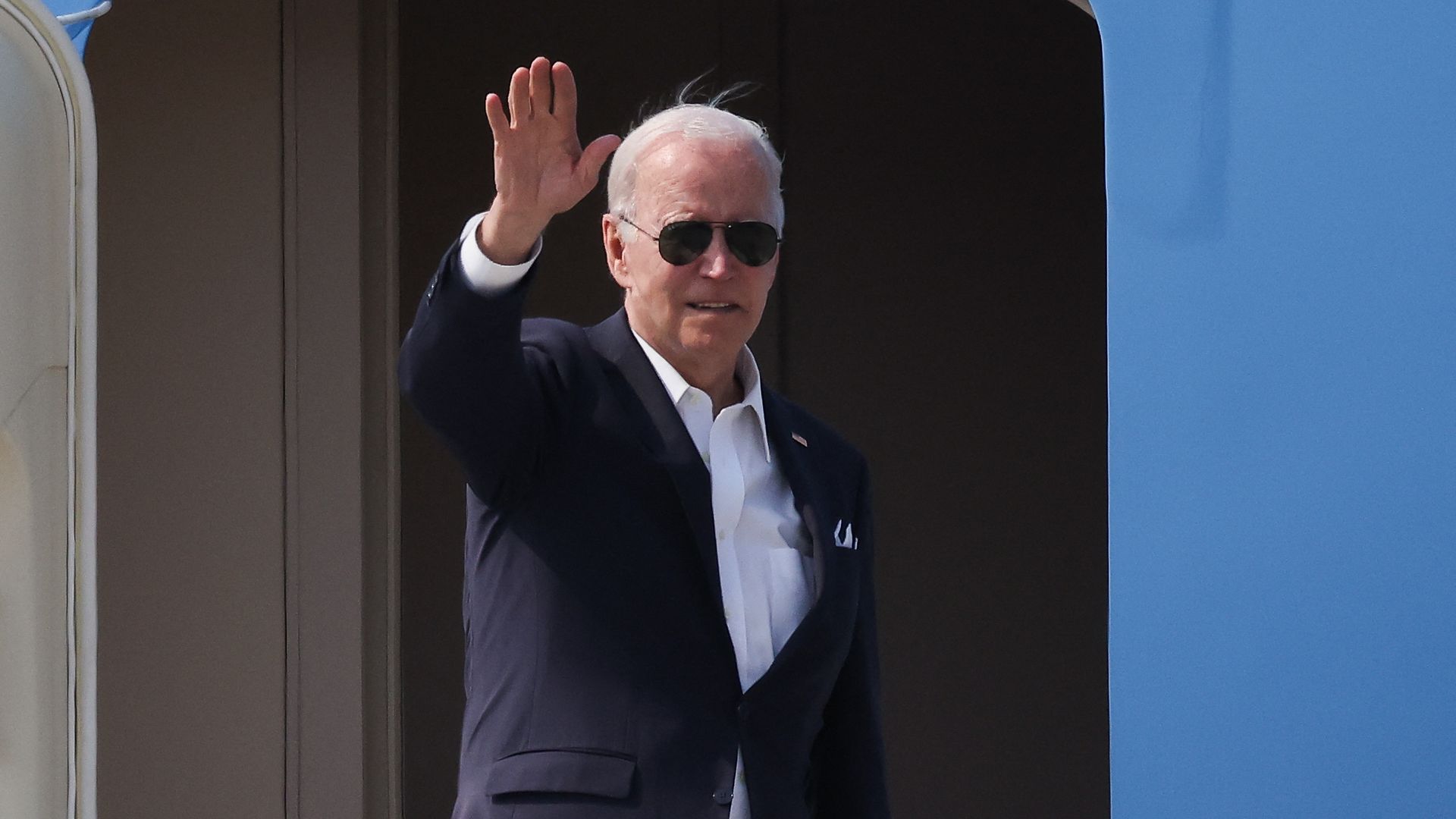
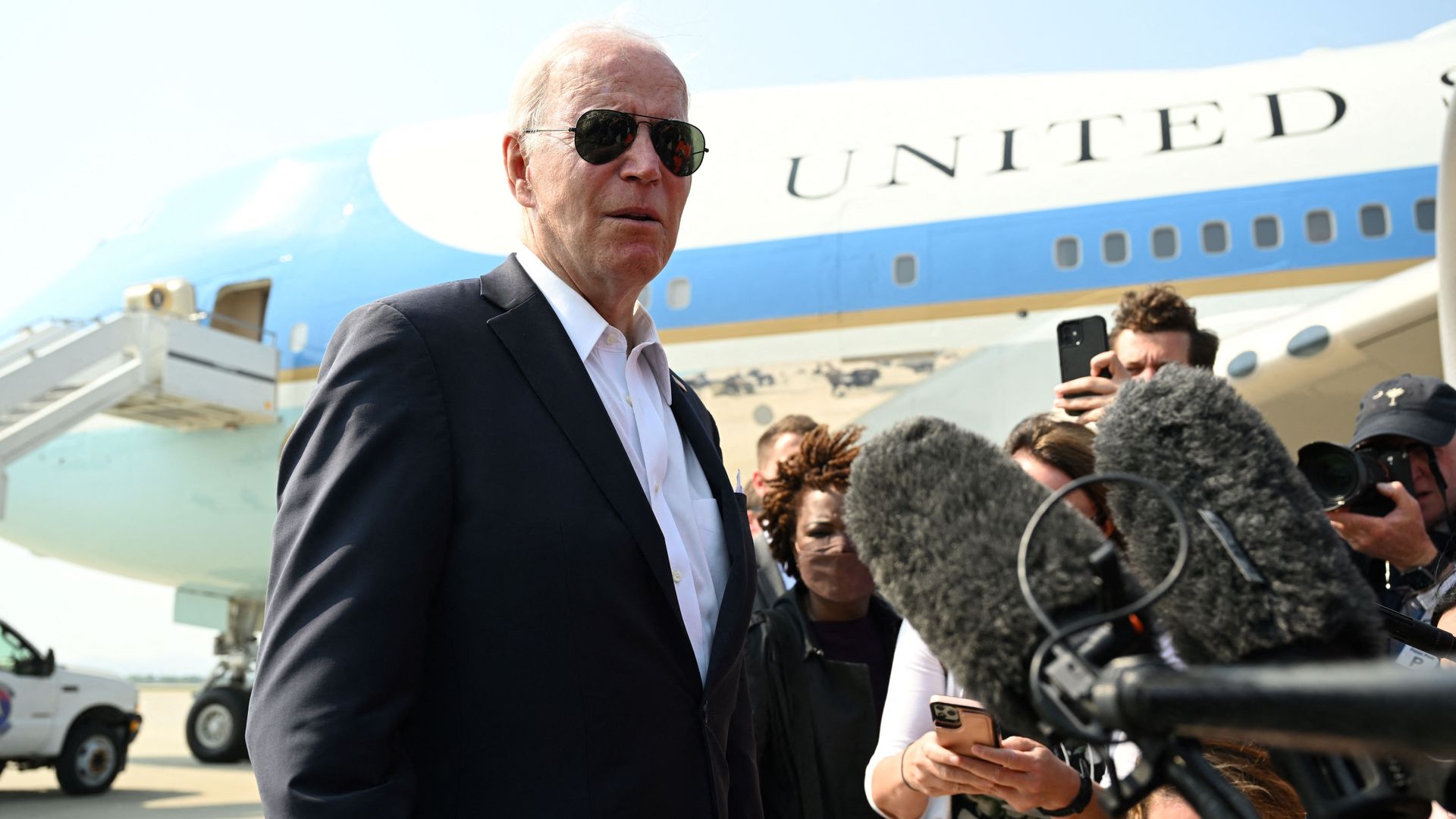
President Biden told reporters in South Korea on Sunday that he is "not concerned" about potential weapons tests from North Korea, according to a White House pool report.
President Biden on Sunday said that the recent spread of monkeypox in at least 12 countries are "something that everybody should be concerned about."
Why it matters: These are the president's first public remarks about the recent outbreaks, which include a confirmed case in Massachusetts, a person who tested positive in New York and roughly a half dozen other cases being monitored by the Centers for Disease Control and Prevention.
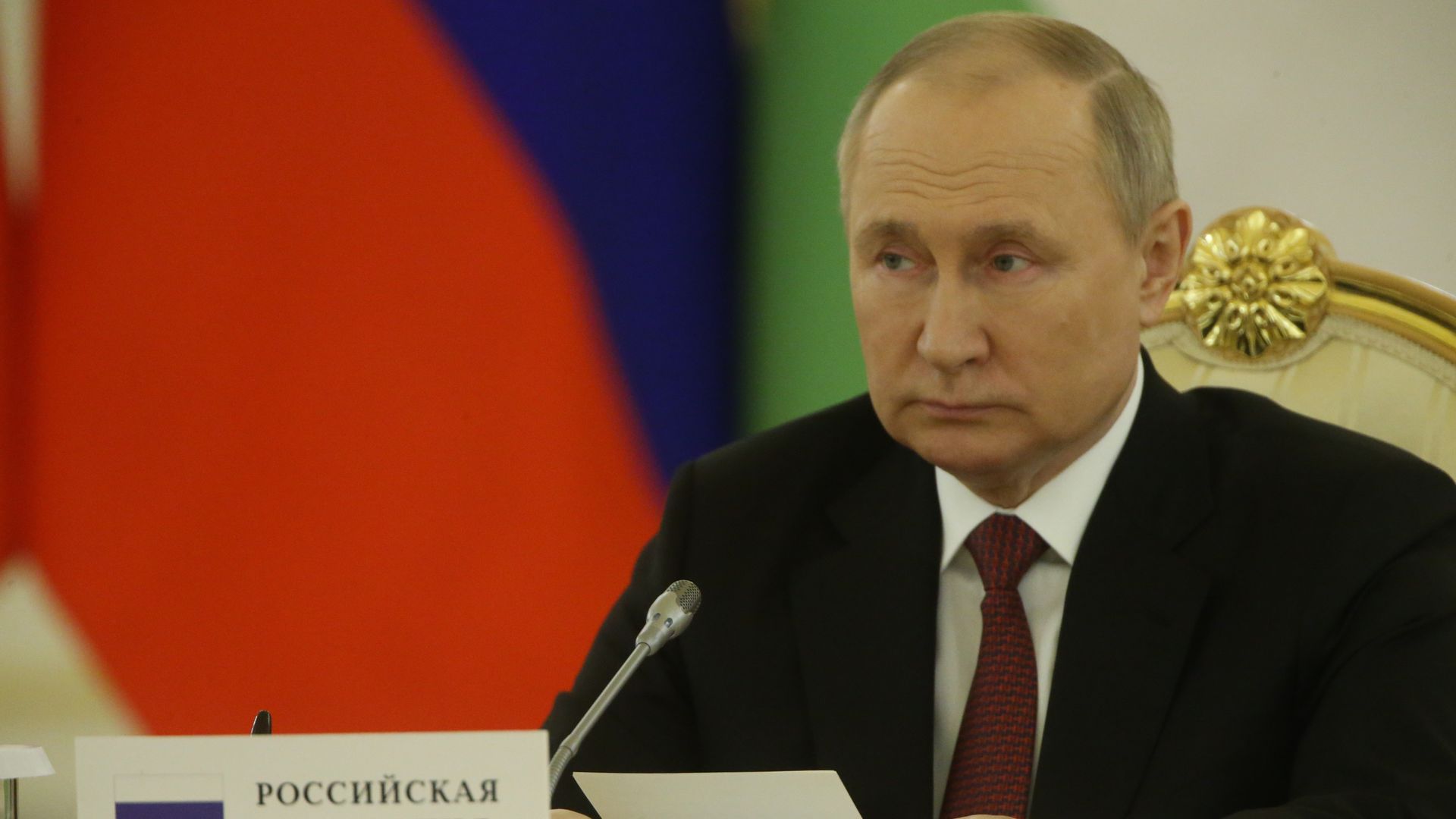
The Kremlin said Saturday it has permanently banned 963 Americans from travelling to Russia in retaliation against U.S. sanctions over its unprovoked invasion of Ukraine.
Why it matters: It's a major update to a sanctions list it initially released in March that included President Biden, Secretary of State Antony Blinken and other administration officials, though the sanctions themselves are largely symbolic.
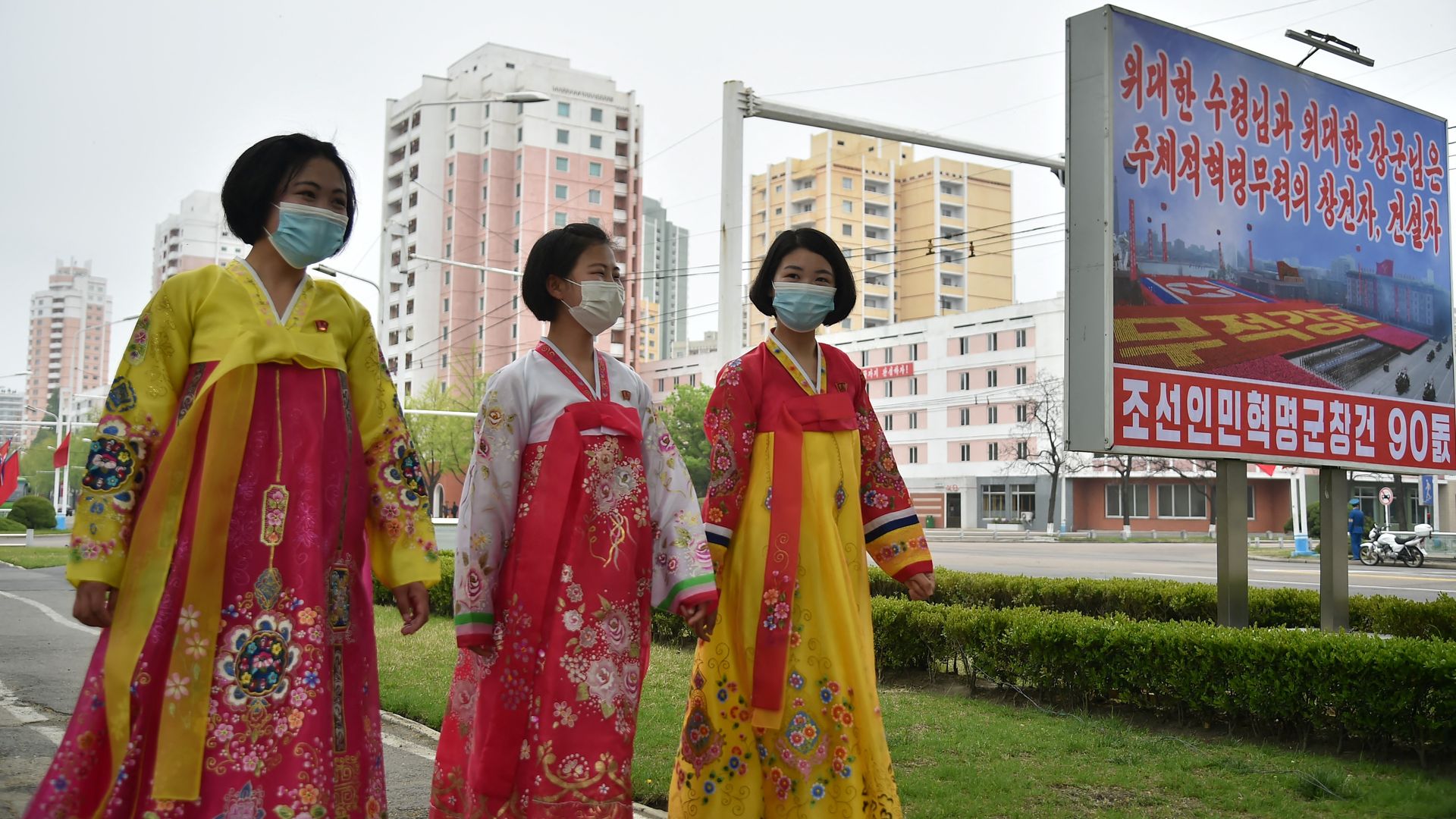
North Korea said Saturday that nearly 220,000 additional people have feverish, COVID-like symptoms around the country, marking its fifth consecutive daily increase over 200,000 likely cases, AP reports.
Why it matters: North Korea has an extremely low vaccination rate against COVID-19, limited health facilities and was already struggling to feed its population before the virus started to spread in late April.
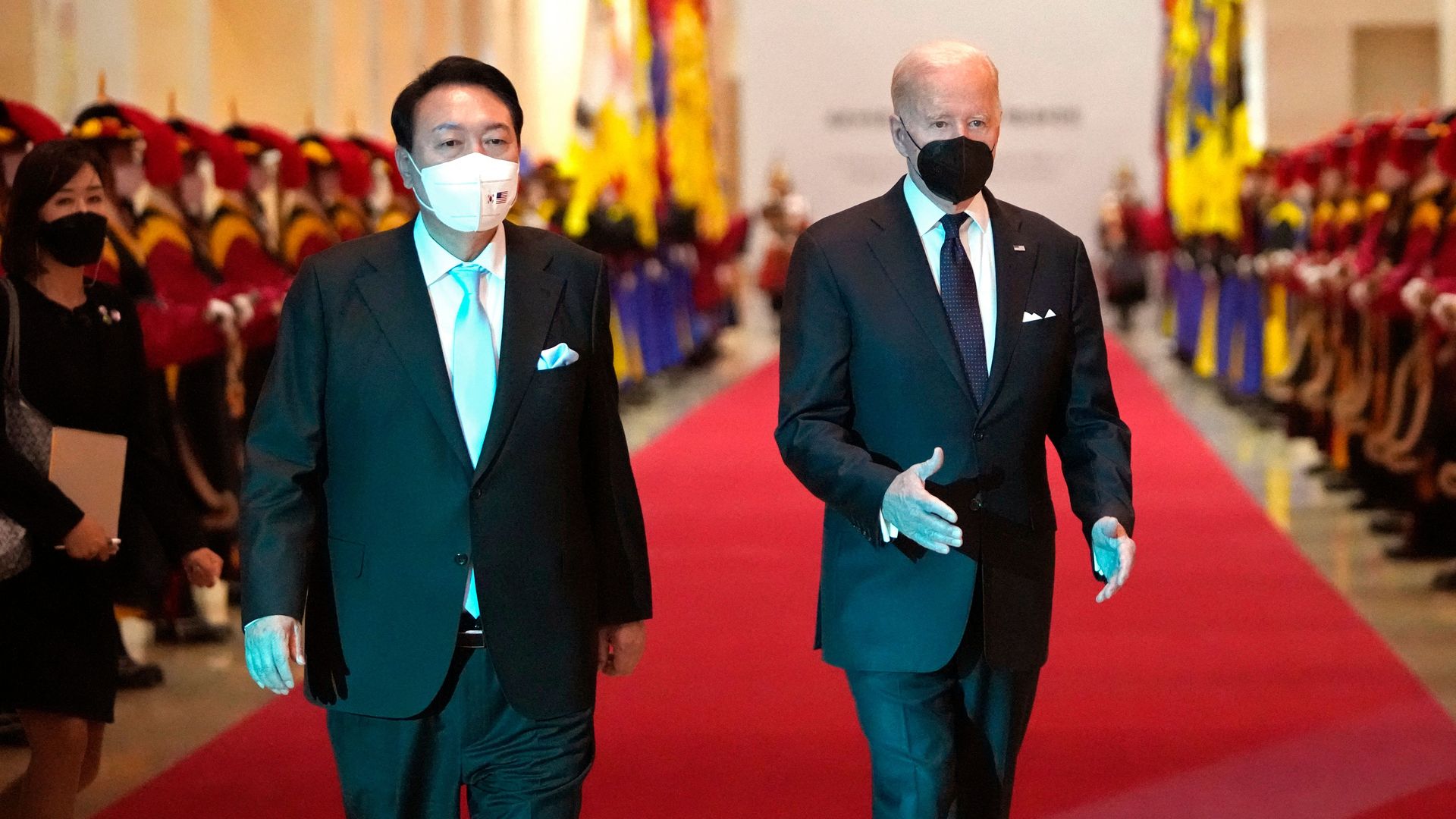
President Biden and South Korea's new president, Yoon Suk-yeol, signaled Saturday that they will consider enlarged joint military exercises to deter North Korea, which is seeking to expand its nuclear arsenal, AP reports.
Why it matters: North Korea has conducted at least 16 missile launches so far in 2022, including its first intercontinental ballistic missile test since 2017. U.S. officials have also warned that Pyongyang may be on the verge of resuming nuclear weapons tests.
Australians voted out Prime Minister Scott Morrison on Saturday, potentially paving a way for the country's opposition to form a coalition government to replace his center-right Liberal-National coalition.
The latest: Morrison conceded defeat Saturday night despite outstanding uncounted votes, according AP.