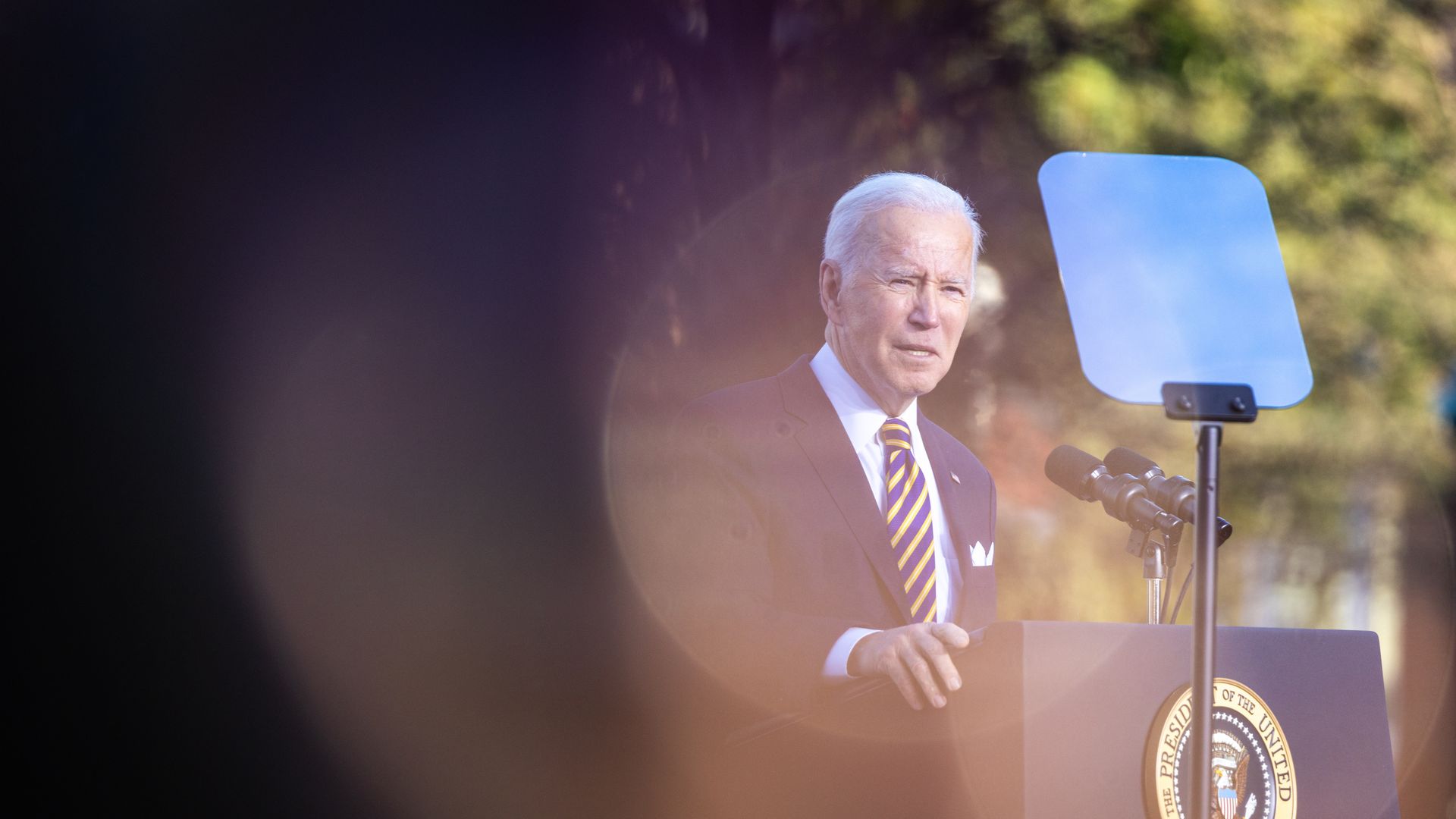
Human Rights Watch criticized President Biden and other leaders of democratic nations for sending "mixed signals" on human rights in its annual World Report published on Thursday, saying they "are not meeting the challenges before them."
Why it matters: Though Biden pledged to put human rights at the center of his foreign policy, HRW Executive Director Kenneth Roth wrote that weapon sales to repressive governments and public reticence on certain human rights violations place those promises in question.
Russia's security agency said Friday it arrested members of the Russia-based cyber gang REvil that was responsible for multiple massive ransomware attacks against U.S. companies last year.
The latest: A senior administration official confirmed on Friday afternoon that Russia informed the U.S. that it arrested the alleged hackers, including an individual responsible for the cyberattack that crippled the Colonial Pipeline.
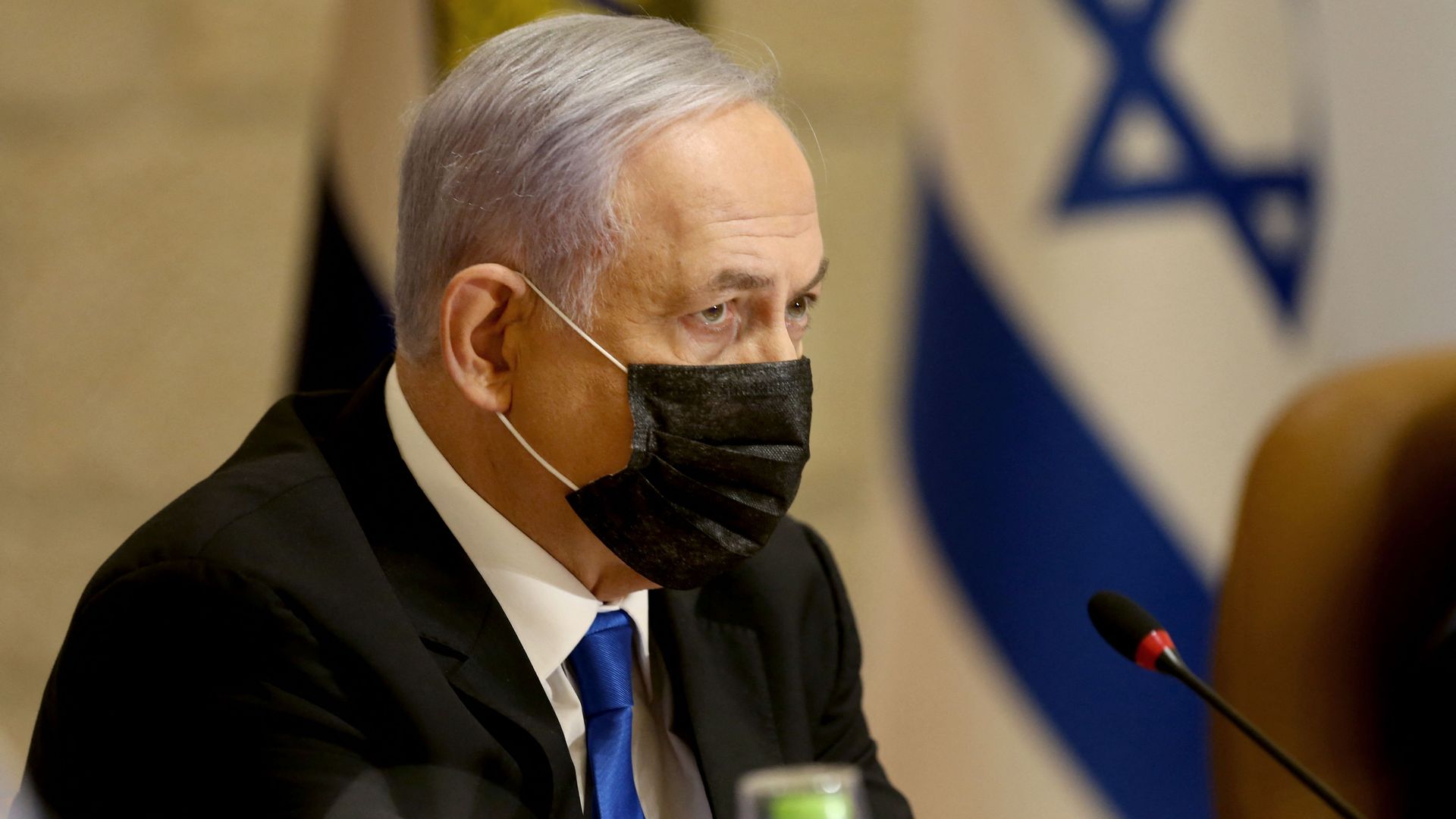
Israeli opposition leader Benjamin Netanyahu has for several weeks been negotiating a plea agreement with Attorney General Avichai Mandelblit, according to Israeli media reports.
Why it matters: One key sticking point is whether the deal, which would require Netanyahu to plead guilty to corruption charges, would also require the former prime minister to step away from politics. Any deal would create a political firestorm in Israeli and could bring down the current government.
The U.S. claims to have information indicating that Russia has "already prepositioned a group of operatives to conduct a false-flag operation in eastern Ukraine," laying the groundwork for a potential pretext to invade, according to a U.S. official.
Why it matters: Diplomatic talks between the U.S., its European allies and Russia failed to produce a breakthrough this week, raising fears that Moscow will invade Ukraine and unleash a devastating new war.
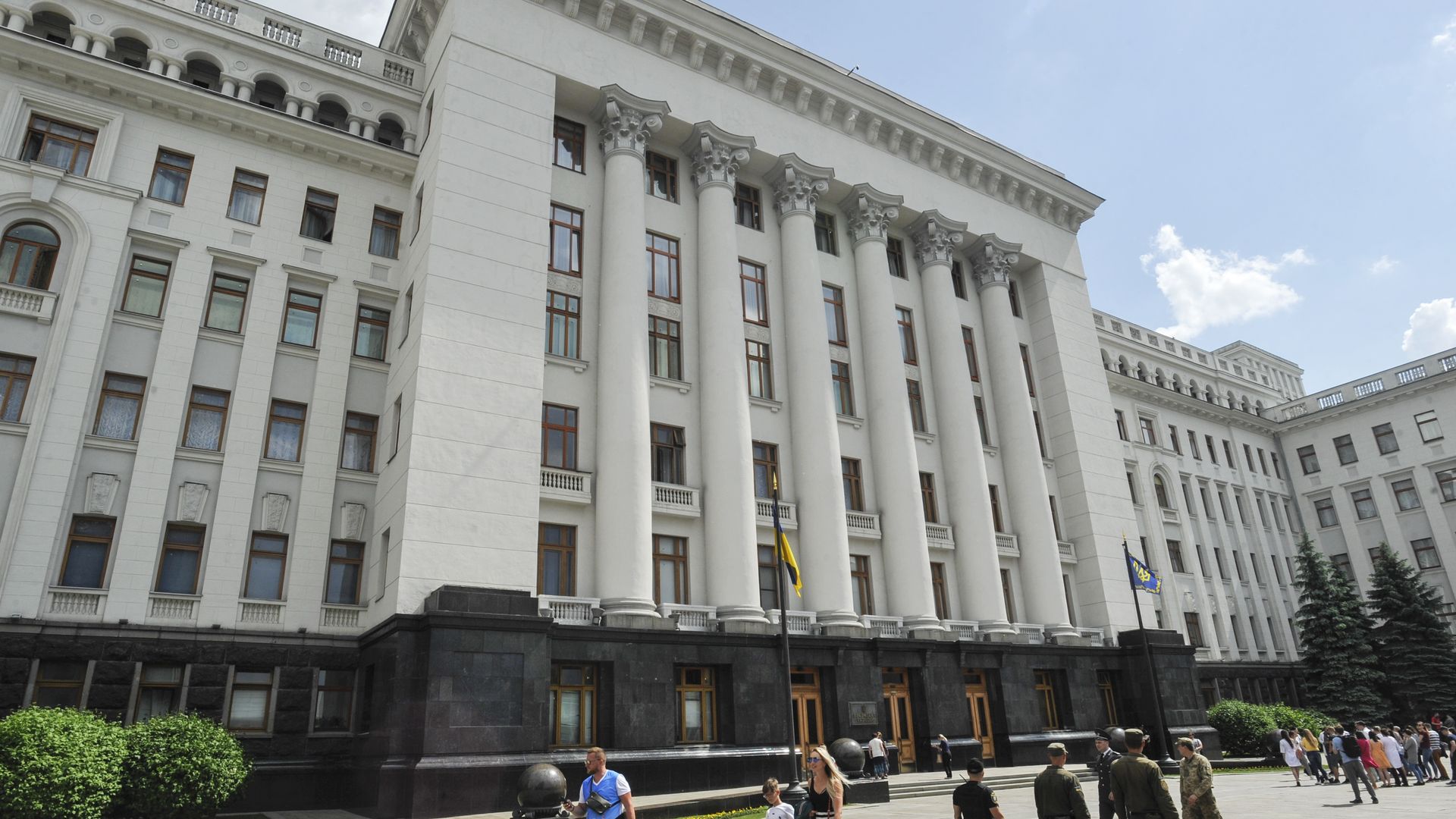
About 90% of Ukrainian government websites that were knocked offline on Friday by a cyberattack of unidentified origins were functioning again, Andriy Yermak, head of the Ukrainian President's Office, said during a Eurasia Center event.
Why it matters: The cyberattack, which Yermak said did not target country's critical infrastructure, came less than a day after key security talks failed to ease tensions between the U.S. and Europe and Russia.
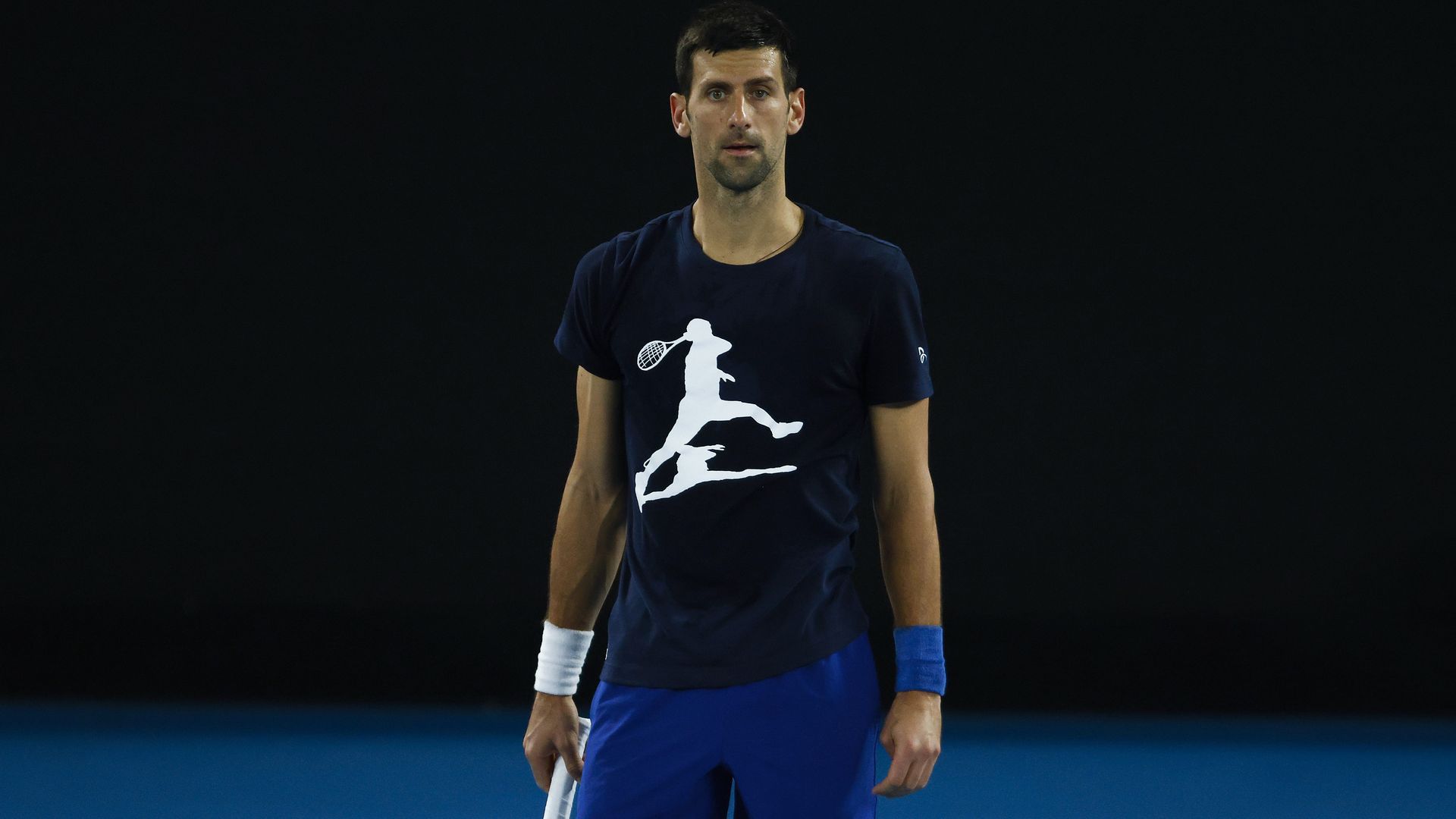
Novak Djokovic faces possible deportation from Australia after his visa was revoked for a second time by officials on Friday — three days before he was due to begin the defense of his Australian Open title.
Driving the news: Immigration Minister Alex Hawke said in a statement he exercised his power to cancel the unvaccinated men's tennis world No. 1's visa "on health and good order grounds, on the basis that it was in the public interest to do so." A lawyer for Djokovic has asked a court for an injunction preventing his removal from Australia.
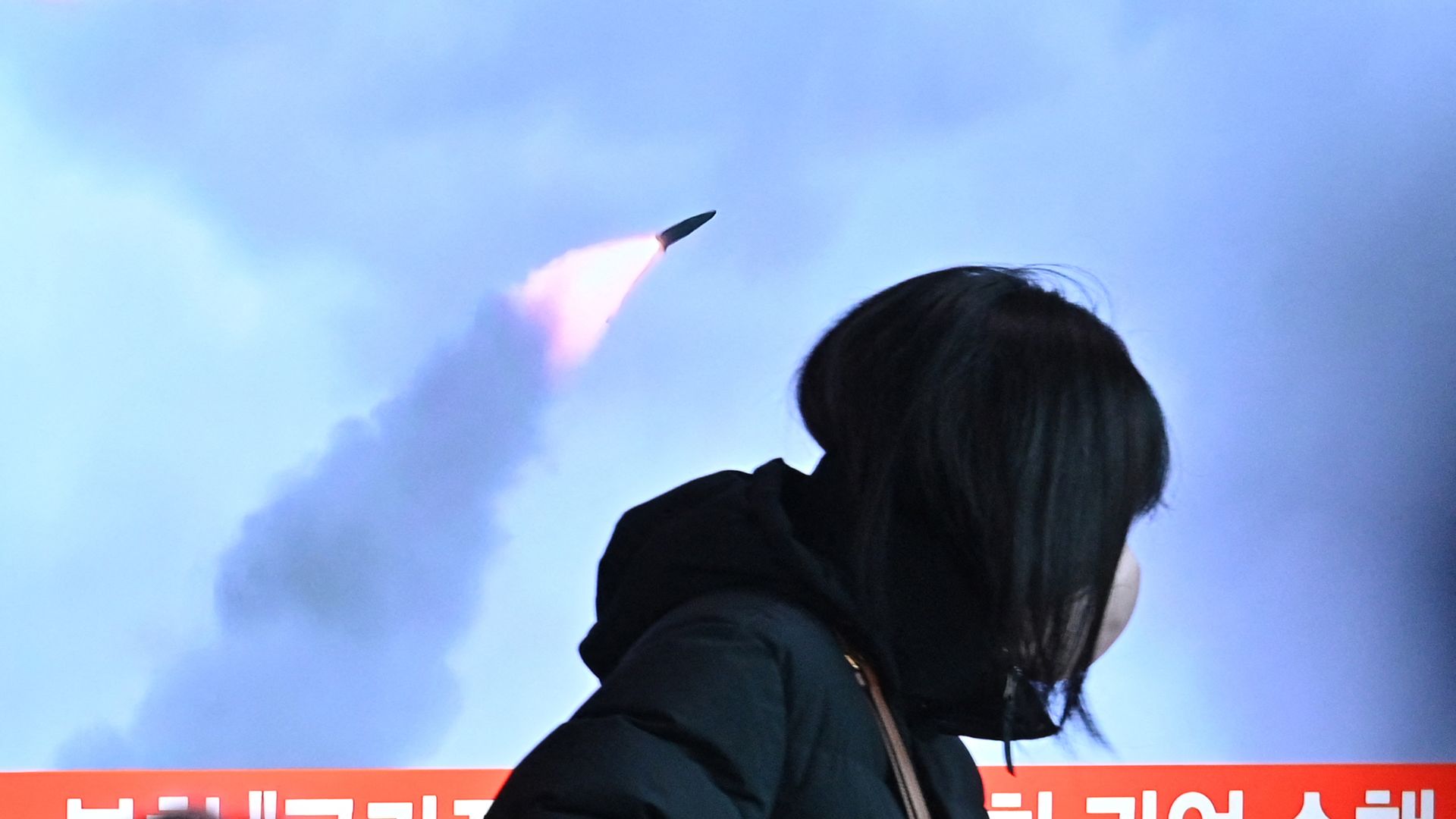
North Korea's military fired an "unidentified projectile" eastward on Friday, South Korea's Joint Chiefs of Staff said, per Yonhap news agency.
Why it matters: North Korea's third launch in just over a week came hours after state media warned that its military would take "stronger and certain reaction" if the U.S. moved to have more sanctions imposed on the country.
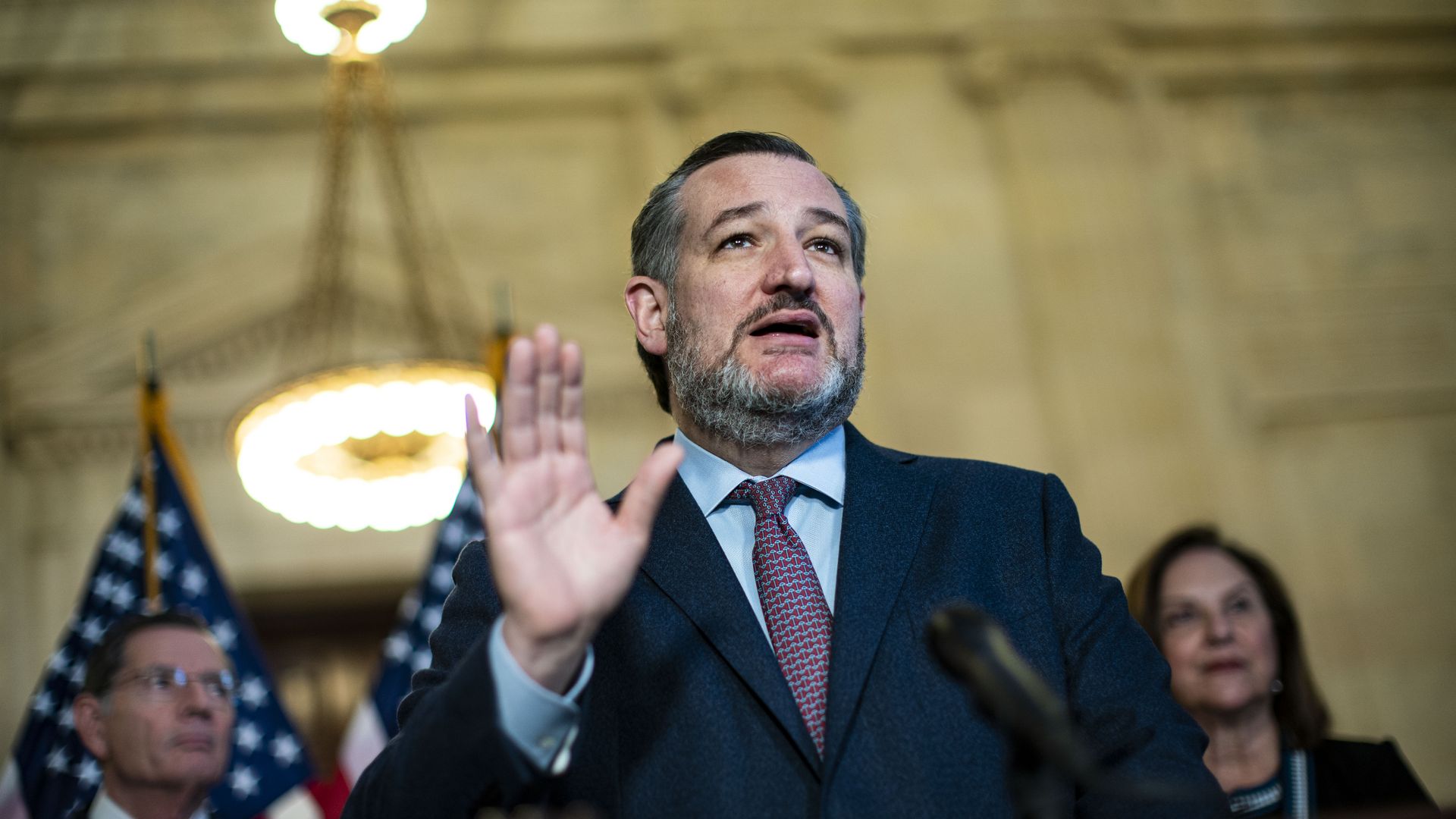
The Senate on Thursday failed to pass a bill sanctioning the Nord Stream 2 pipeline, after the Biden administration aggressively lobbied Democrats to defeat Sen. Ted Cruz's effort to target the Putin-backed project.
Why it matters: The 55-44 vote is the culmination of Cruz's months-long push to force Democrats into an uncomfortable vote on Nord Stream 2, which the Ukrainian government has said is "no less an existential threat to our security" than the tens of thousands of Russian troops massing on its border. The bill needed 60 votes to pass.
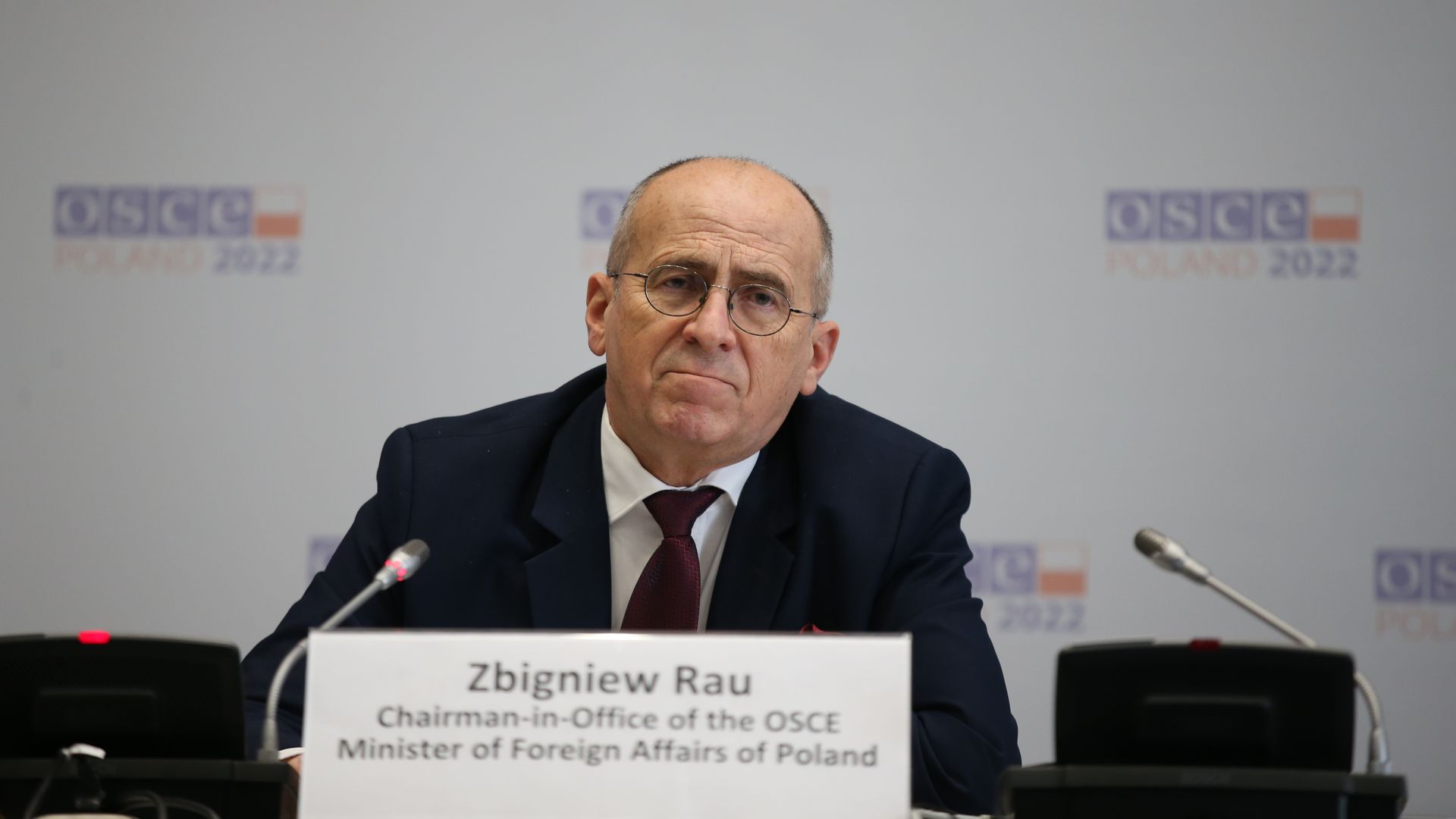
The crisis over Russia's threatening military buildup on the border with Ukraine entered a dangerous and unpredictable new phase in both Vienna and Washington on Thursday.
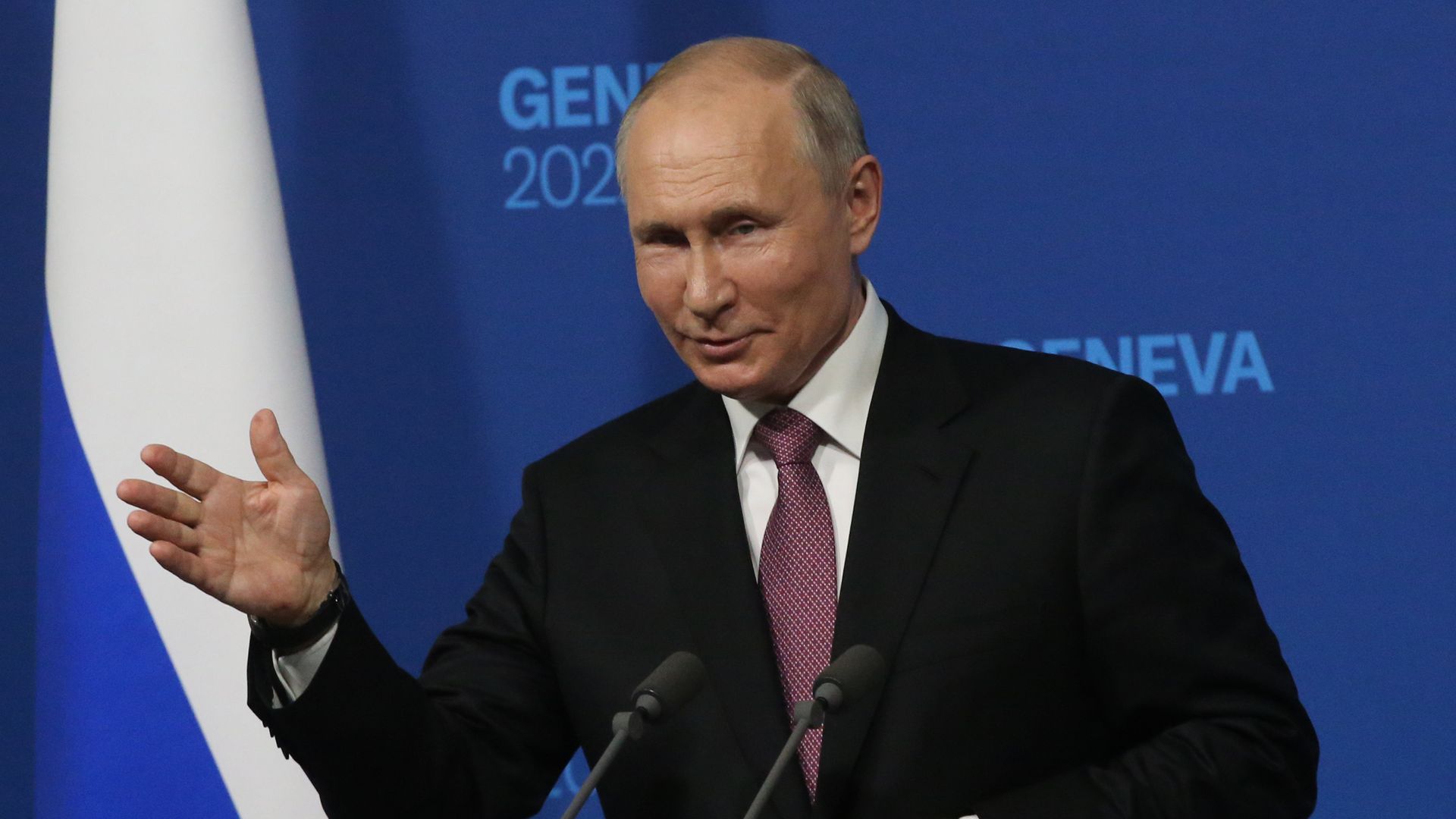
Driving the news: Russian diplomats said this week's round of security talks from Geneva and Brussels to Vienna have resulted in a "dead end," and it's time for them to return to Moscow to brief President Vladimir Putin on the "very disappointing" state of affairs before deciding the path forward.
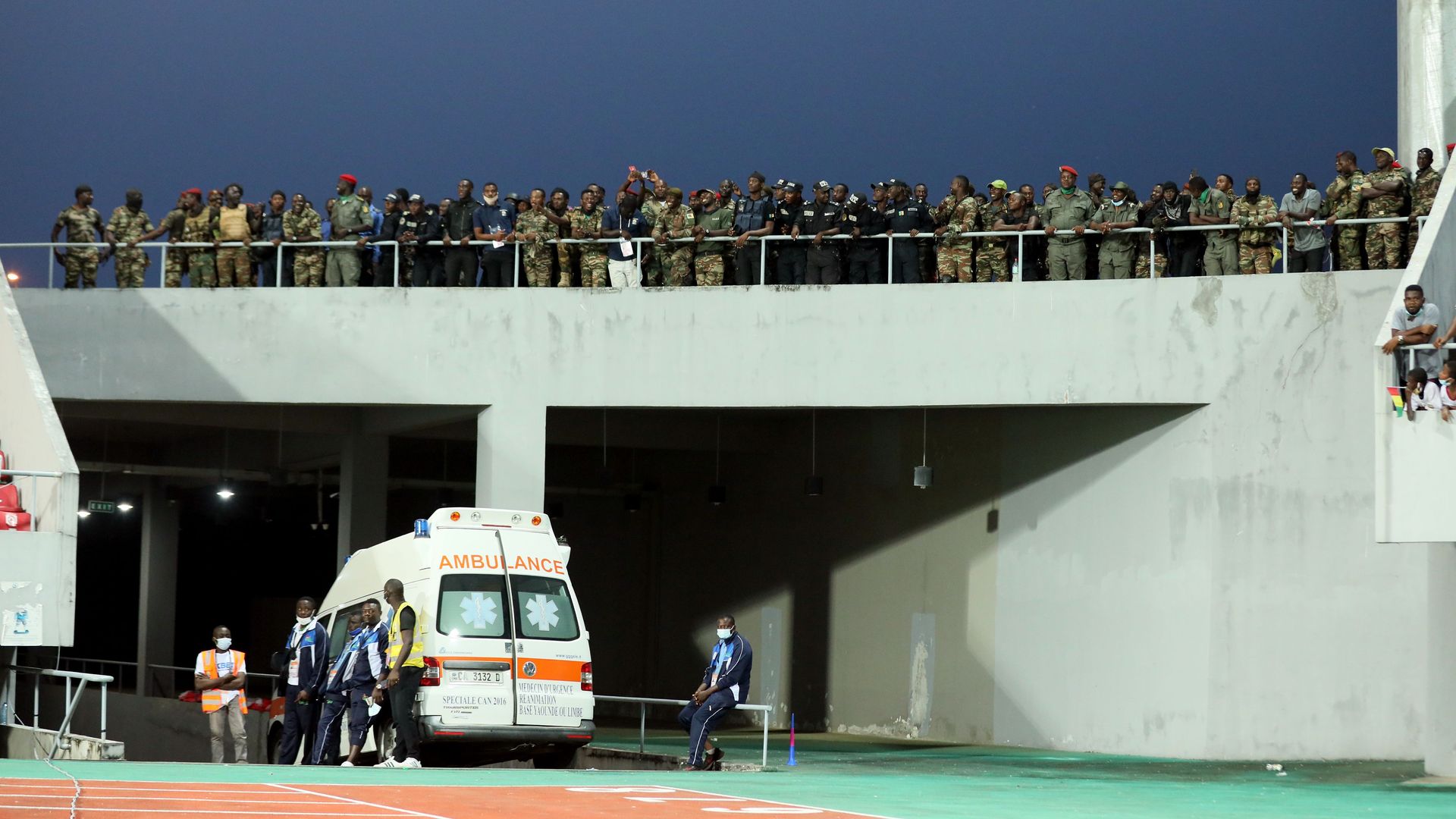
Two deadly attacks this week in Anglophone regions of Cameroon underscore the security challenges the country faces as it hosts one of the world’s biggest soccer tournaments, the Africa Cup of Nations.
The big picture: What started in late 2016 as a protest movement led by teachers and lawyers in two English-speaking regions of western Cameroon has evolved into a civil war that has forced around 1 million people to flee their homes, left 700,000 children out of school, and carried on for five years with no sign of resolution.
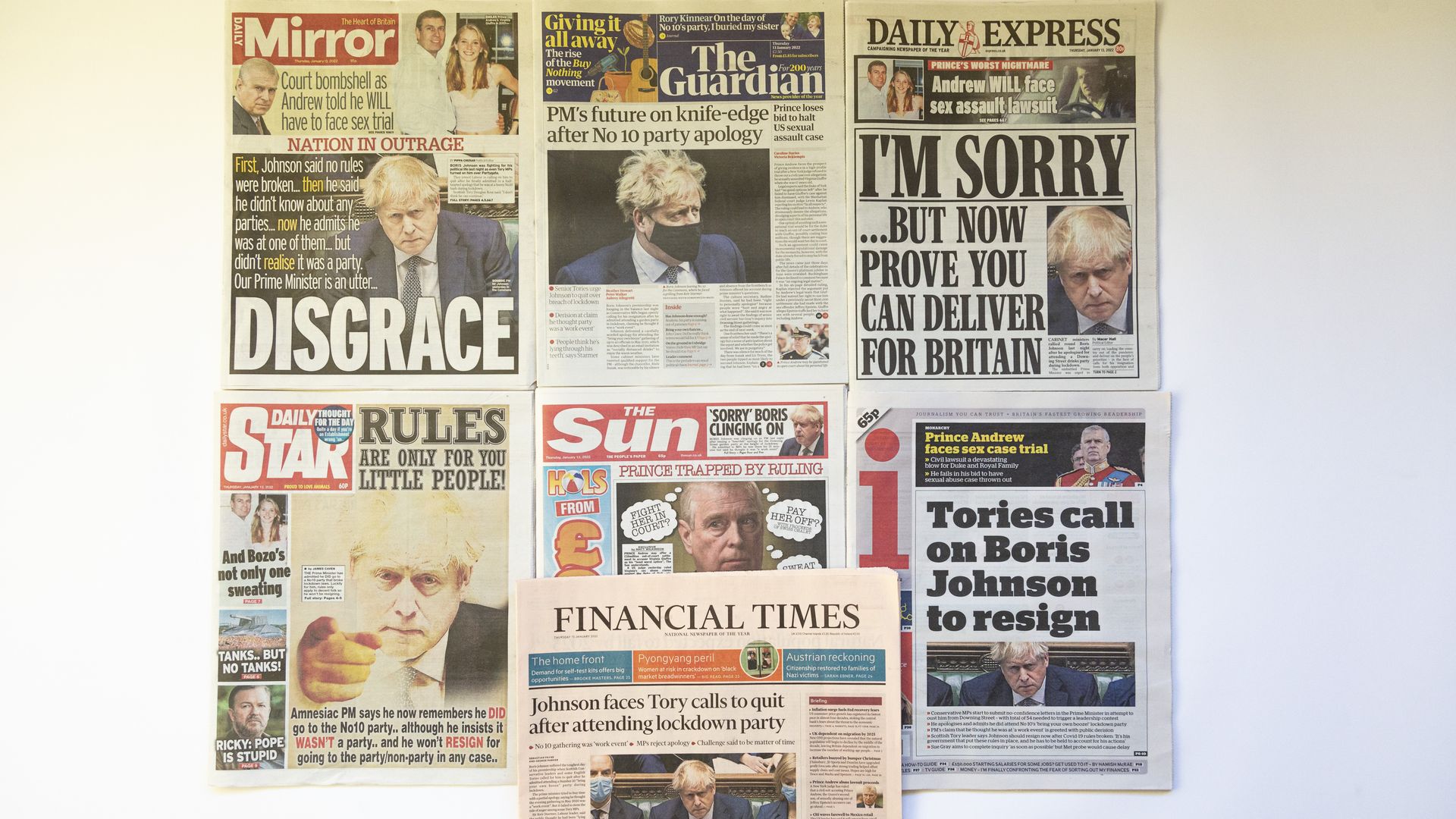
With speculation already swirling that members of Parliament from Boris Johnson's own party might soon force him out, the Daily Telegraph (his former employer) added Thursday to the drip, drip of doom over lockdown-defying parties in Downing Street.
Driving the news: The night before Prince Philip’s funeral last April — at which Britain's Queen Elizabeth II sat alone due to social distancing rules — Downing Street staff gathered at two parties for departing colleagues.