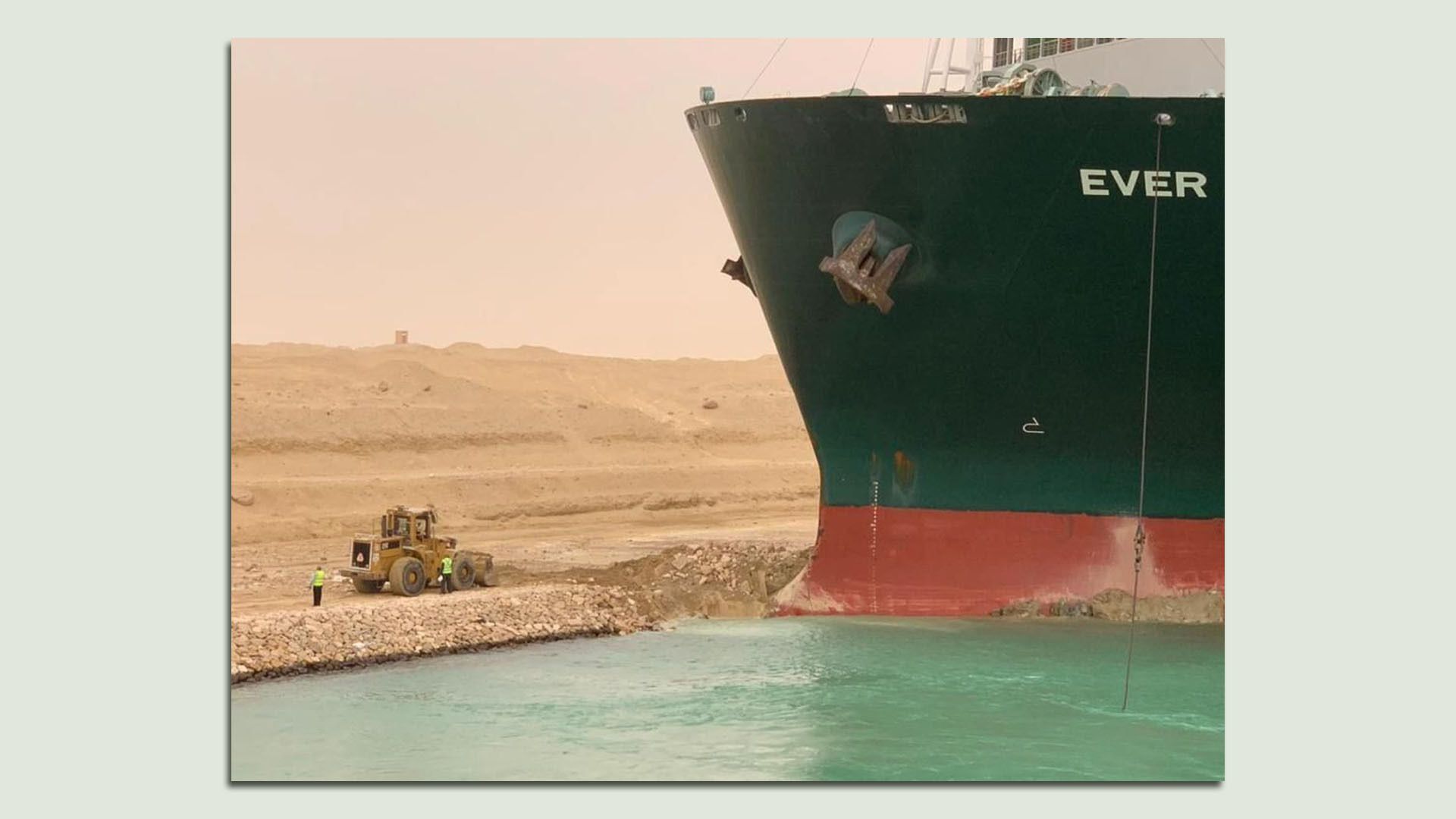
A huge container ship got stuck in the Suez Canal late Tuesday, causing a massive maritime traffic jam.
Why it matters: The Suez accounts for approximately 30% of container shipping volumes, and blocking it for even a short time will cause oil prices to rise — and remind us that the entire global economy relies on really, really big ships.
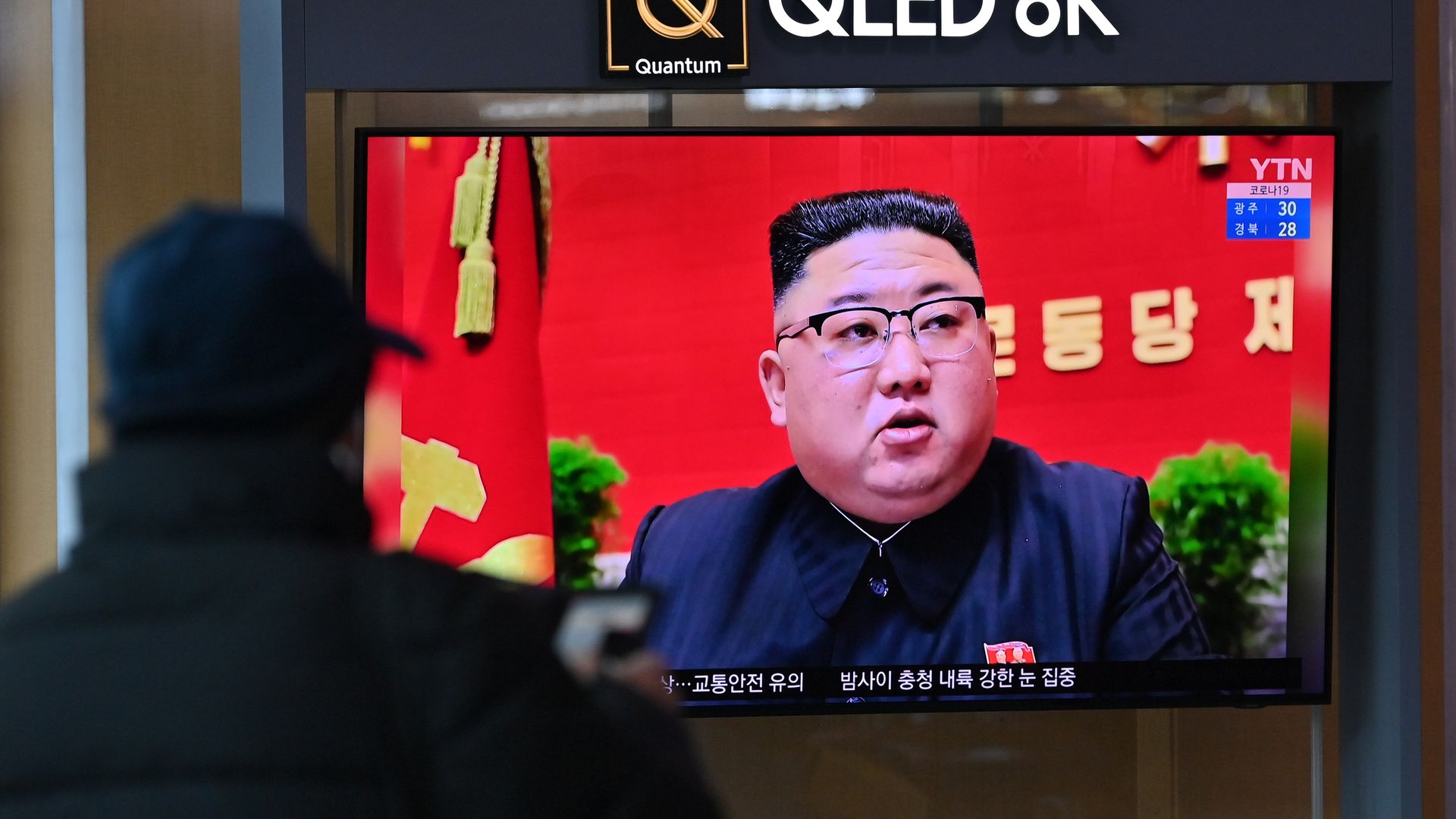
The South Korean military said North Korea fired at least two unidentified projectiles into the East Sea on Thursday local time. Japan's prime minister said the projectiles were ballistic missiles, according to AP.
Driving the news: The latest test comes one day after news broke that the North had tested a short-range cruise missile system last weekend, though U.S. officials described that test as “normal military activity."
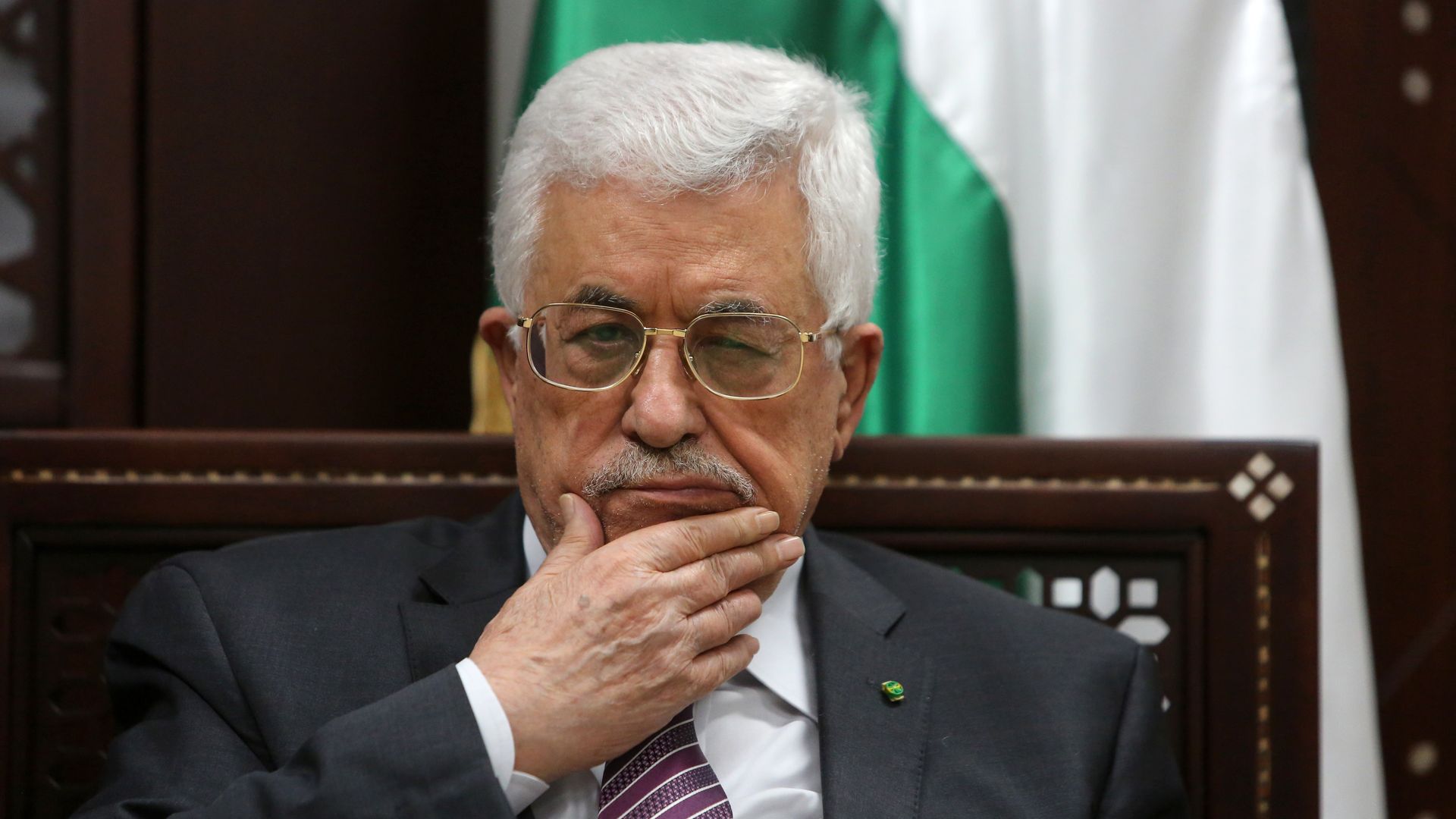
The director of Israel’s domestic security service, the Shin Bet, warned Palestinian President Mahmoud Abbas against running on a joint list with Hamas in the upcoming parliamentary elections or creating a power-sharing government with Hamas after the elections, Israeli and Palestinian sources say.
Why it matters: The Israeli security establishment is very concerned that the elections, planned for May 22, could lead to a Hamas takeover in the West Bank as happened in Gaza after the previous elections, in 2006.
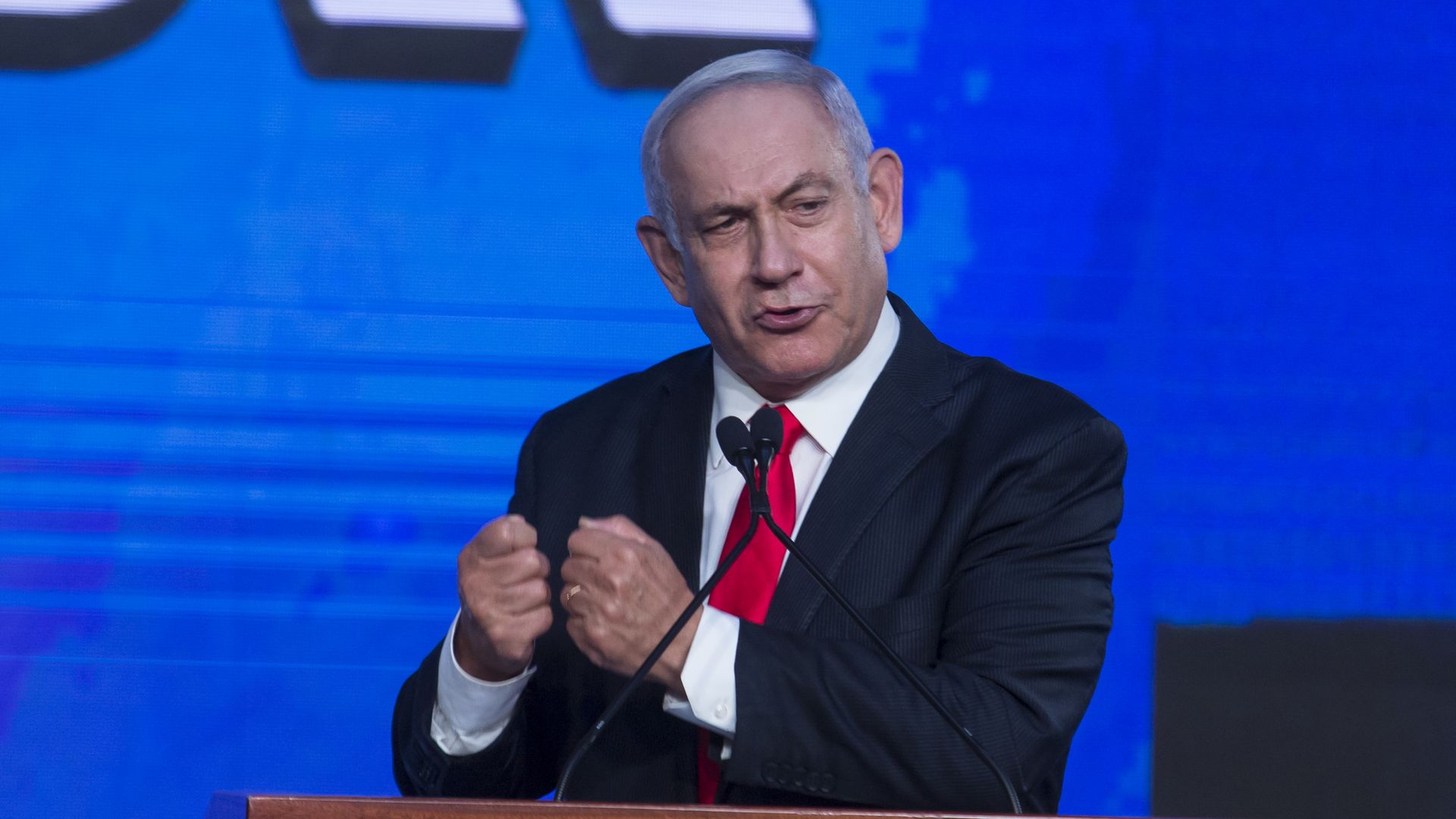
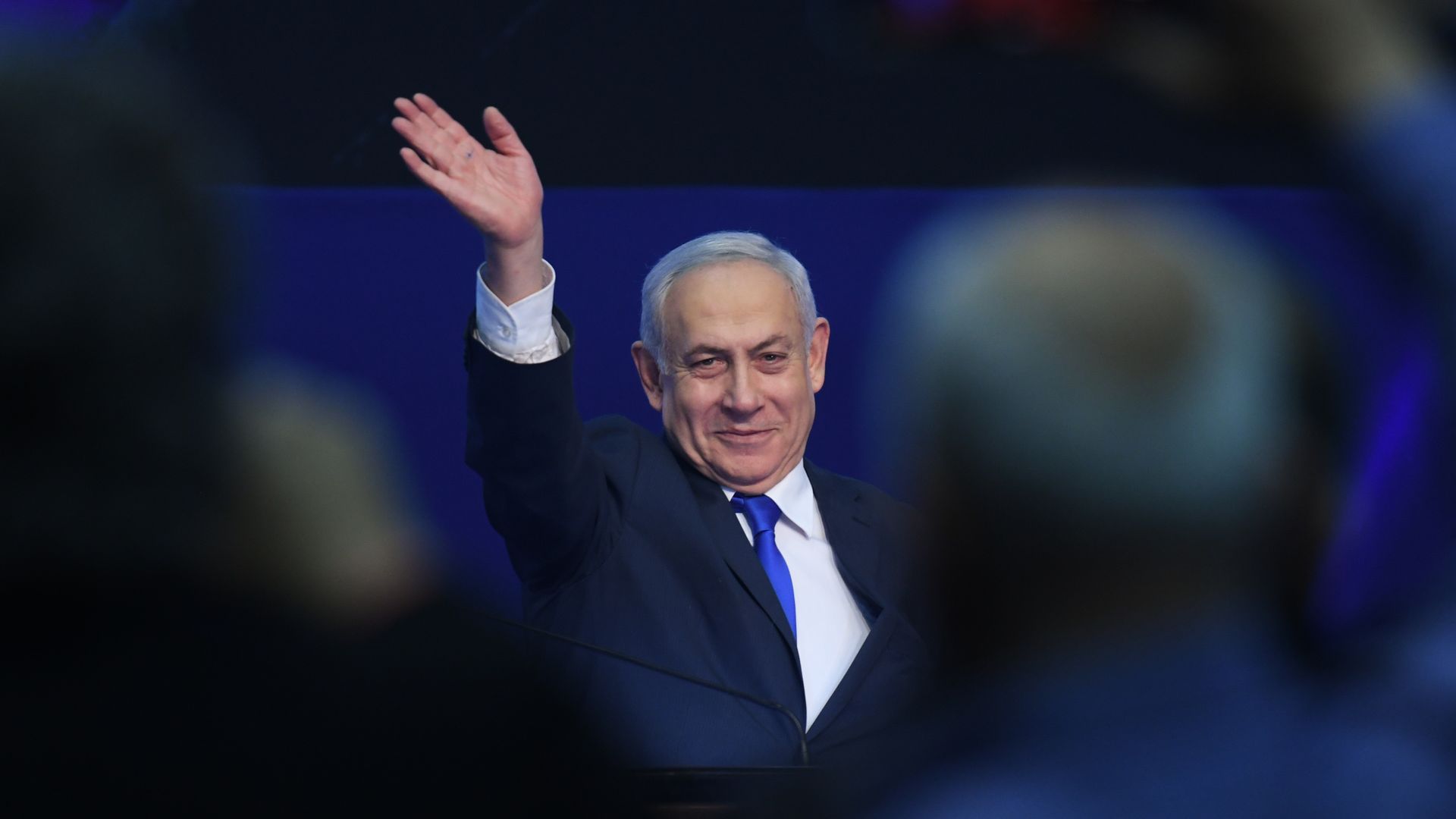
With 90% of the vote in from Tuesday's election, Prime Minister Benjamin Netanyahu’s right-wing bloc is just short of a 61-seat majority in the Israeli Knesset.
Breaking it down: A broad anti-Netanyahu bloc is on course for a slender majority, but will find it nearly impossible to form a coalition. The results suggest that most Israeli voters want to see Netanyahu removed from office, but can't agree on an alternative.
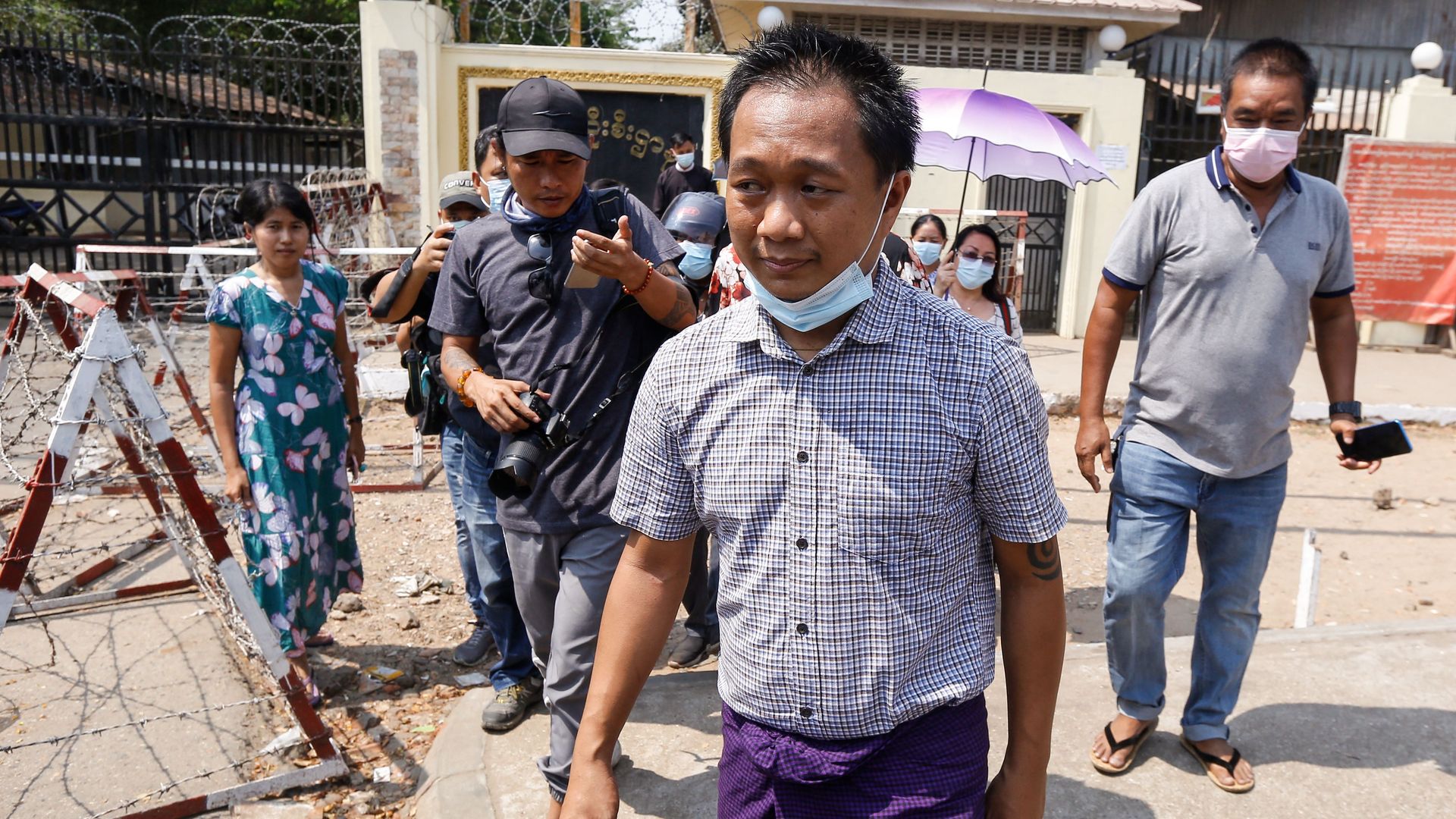
Associated Press journalist Thein Zaw has been released from custody in Myanmar after he was arrested three weeks ago while covering a protest against the coup, the outlet reports.
Why it matters: Zaw's case highlighted the diminishing press freedoms around the world — especially in countries that are on the precipice of democracy. Zaw was one of six members of the media who were charged with violating a Myanmar law that punishes journalists who incite fear, an arbitrary action, within the public.
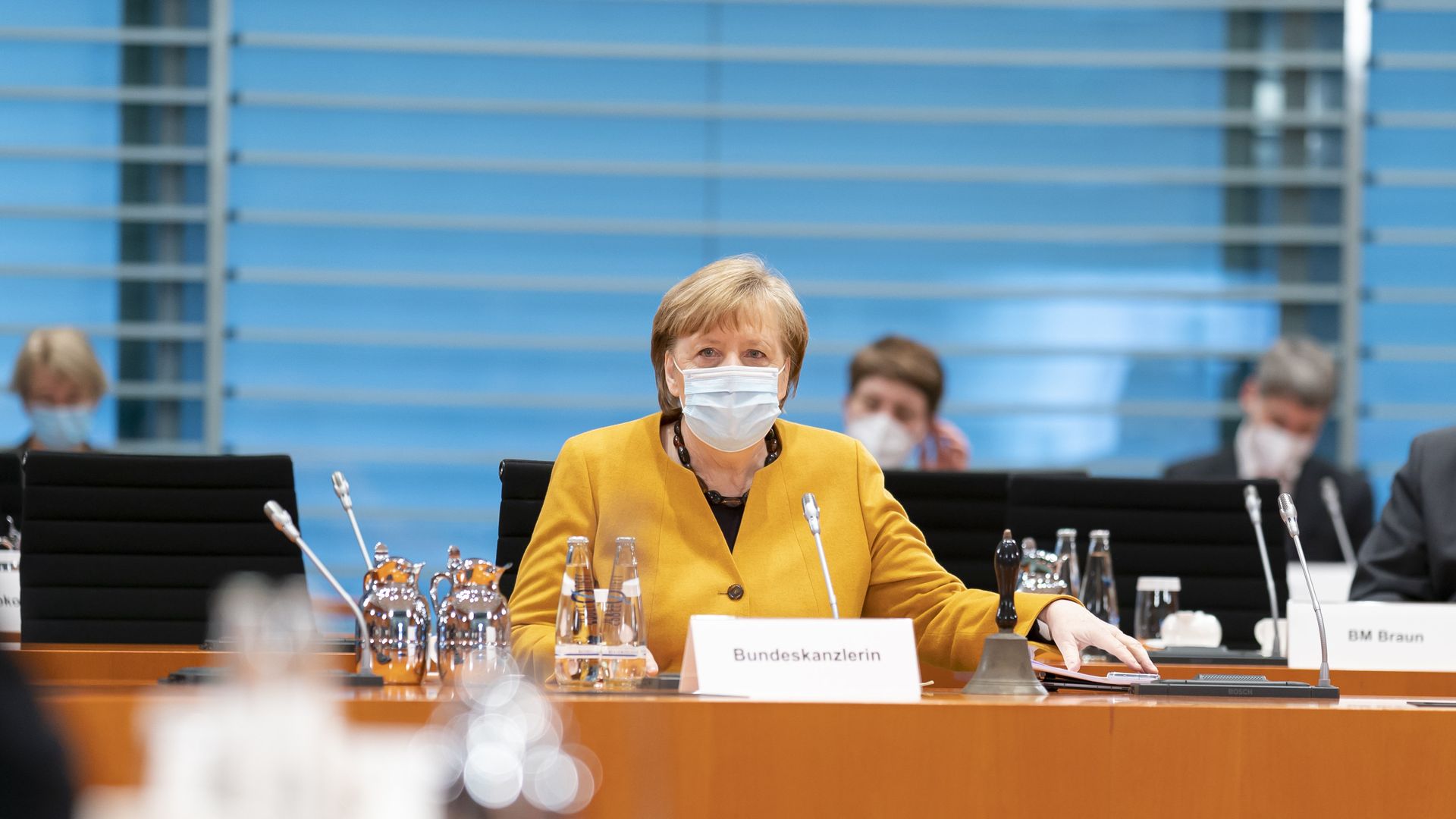
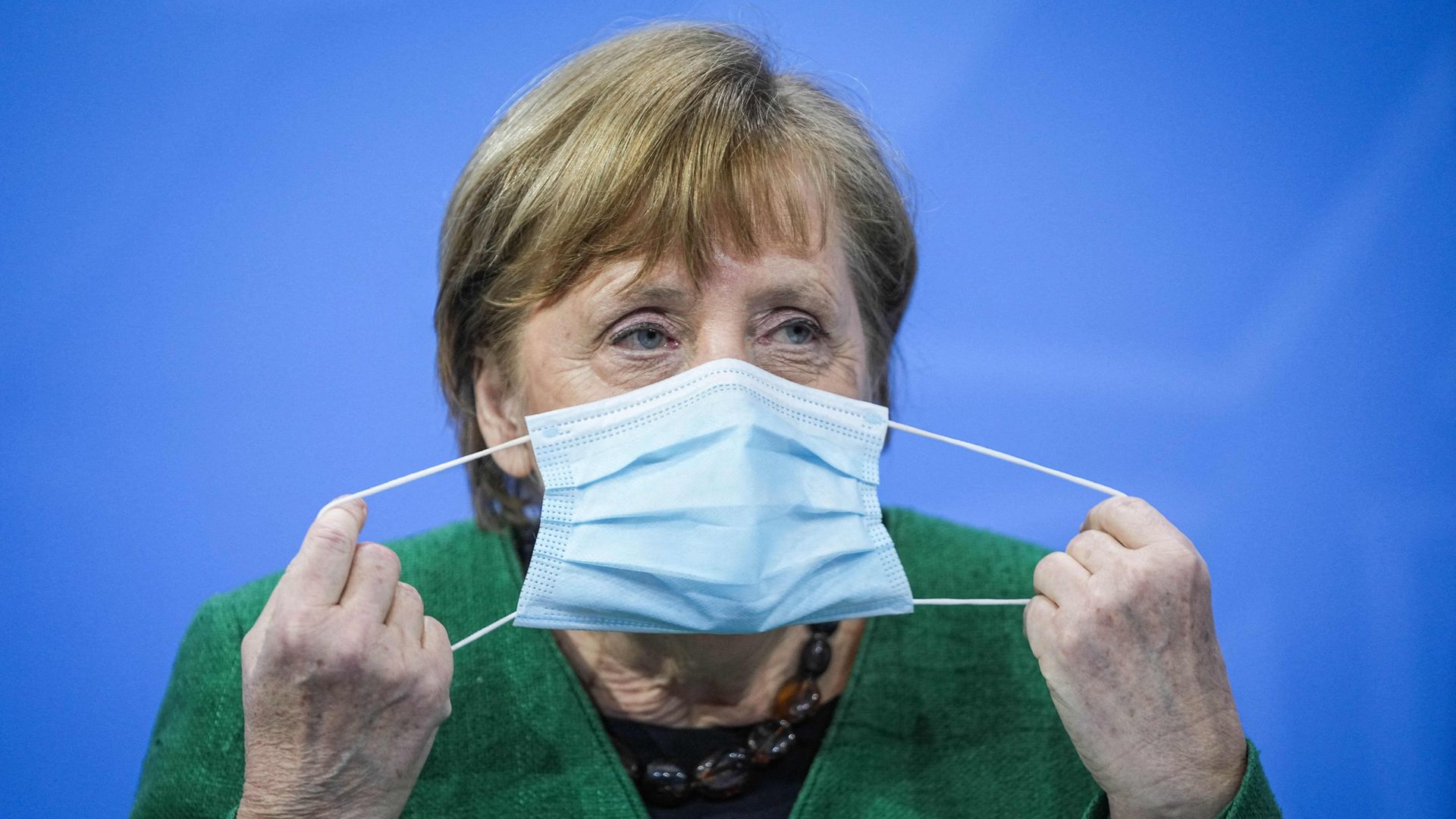
Germany will no longer implement a stricter shutdown over the Easter holiday period on April 1-5, Chancellor Angela Merkel announced on Wednesday, calling the plan a mistake and apologizing to citizens, reports AP.
Why it matters: This is a speedy reversal of a portion of a plan announced Tuesday to extend COVID-19 restrictions in Germany another month, with a tightening of measures over Easter.
With 87% of the votes counted in Israel's elections, Prime Minister Benjamin Netanyahu’s right-wing bloc falls short of the 61 seats in the Knesset needed for a majority. The center-left bloc has 61 seats, but faces an almost impossible task of forming a coalition.
Why it matters: According to the current results, it's likely that neither side will manage to form a coalition and Israel will move toward a new election in the summer — its fifth in less than two and a half years.
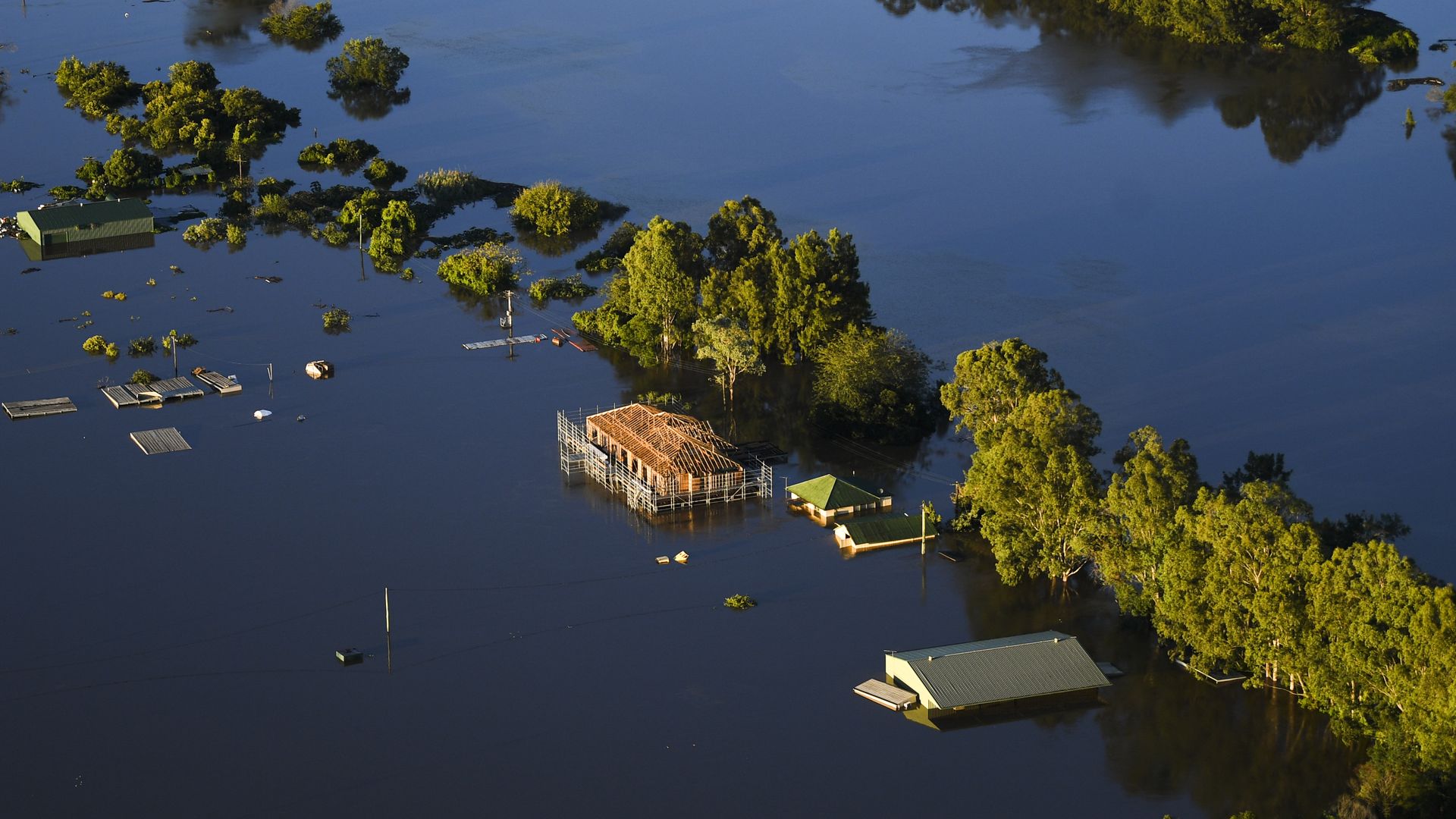
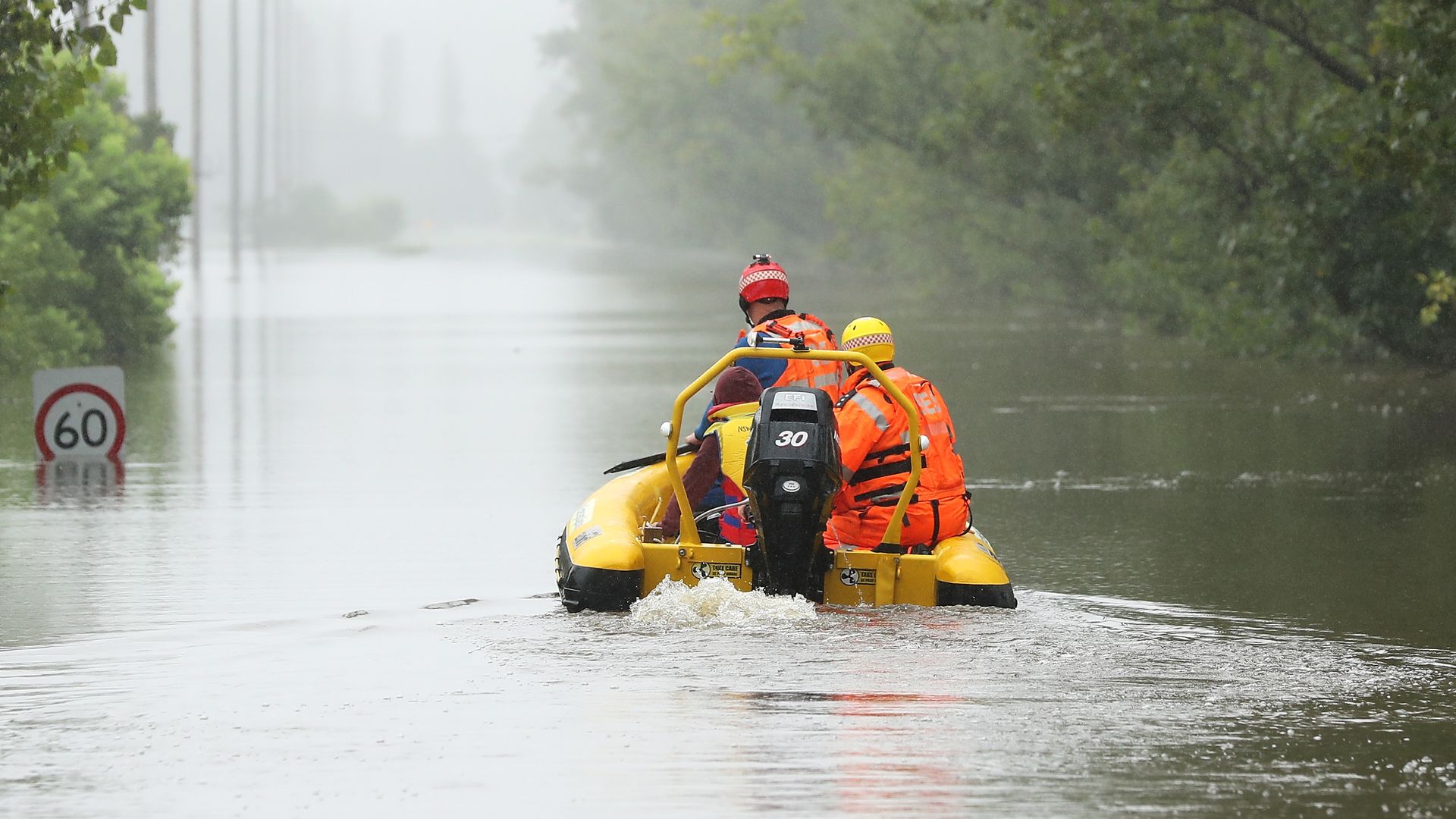
Australian officials confirmed on Wednesday the first fatality from the country's extreme weather event, after a man's body was found in a car submerged by floodwaters in western Sydney.
The big picture: Millions of people in the states of New South Wales and Queensland's southeast who'd endured heavy rains since last Thursday finally saw sunshine on Wednesday, but the flood threat remains.
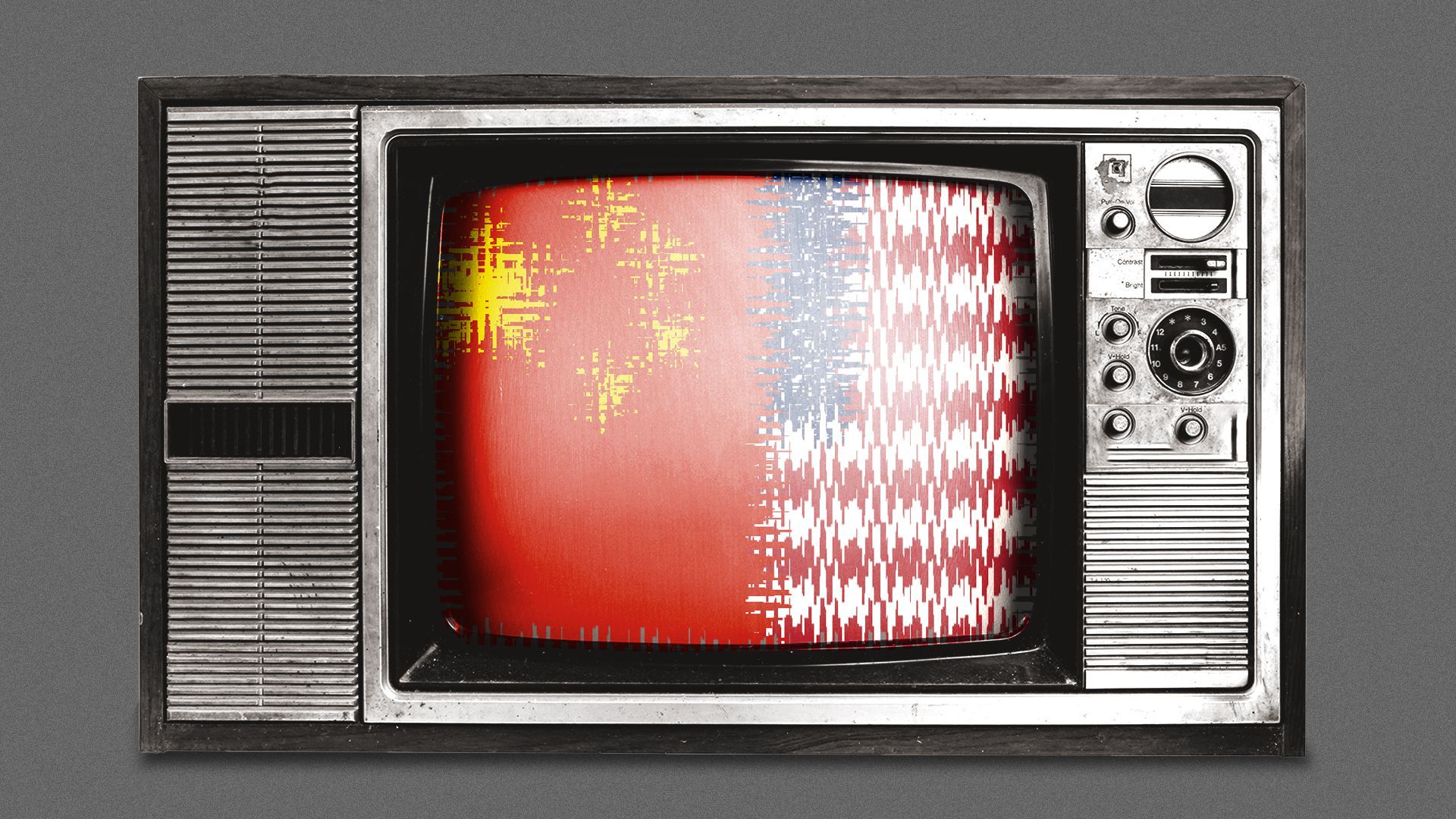
A majority of Russian respondents hold favorable views toward China, a recent survey found.
Why it matters: Russia is deepening its economic and diplomatic ties with China as the two nations draw closer together, bound in part by their shared animus toward Washington.
Inflammatory rhetoric about China can exacerbate the sense that Asian Americans are "racialized outsiders," Russell Jeung, co-founder of the advocacy group Stop AAPI Hate, told Axios.
The big picture: The U.S.-China relationship is at its lowest point in decades. Tensions between the two countries are reflected in U.S. policies and leaders' rhetoric that at times conflate Chinese people with China's government and can fuel anti-Asian racism in the U.S., Asian American advocates say.
NIAID said early Tuesday it's "concerned" that AstraZeneca "may have included outdated information" from a trial of its COVID-19 vaccine that "may have provided an incomplete view of the efficacy data."
Why it matters: The statement comes after the company announced the vaccine it developed with the University of Oxford was found to be 79% effective at preventing symptomatic COVID-19 and 100% effective against severe disease and hospitalization in a Phase III trial.
Heavy rains and flooding pummeling Australia's east coast that have forced thousands to evacuate are set to continue for at least another day, forecasters warn.
The big picture: Rains have lashed New South Wales and southeast Queensland since last Thursday. Prime Minister Scott Morrison told reporters 18,000 people were under evacuation orders and the situation remained "dynamic," with western Sydney the area of "greatest concern." A natural disaster was declared in 16 areas.
Chancellor Angela Merkel announced Tuesday Germany's COVID-19 restrictions are being extended for another month, and the country will endure an "even stricter lockdown" in April to combat spiking cases, per DW.com.
Driving the news: Merkel said the spread of coronavirus variants put Germany in a "very serious situation" as they're "significantly more deadly" and more infectious, so Germany needs an "emergency brake."
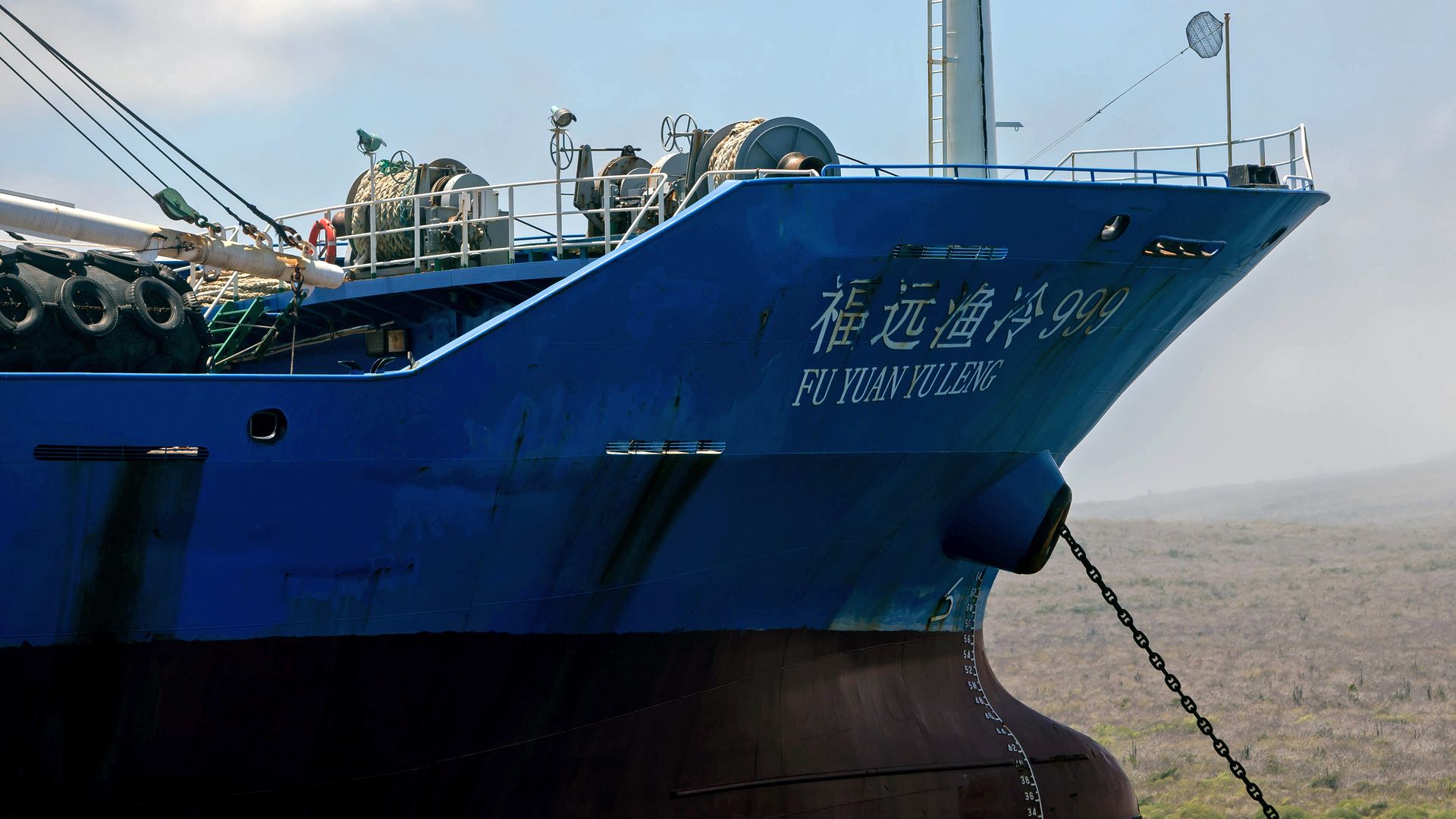
The U.S. should consider leading a multilateral coalition with South American nations to push back against China's illegal fishing and trade practices, a U.S. intelligence agency has recommended in a document obtained by Axios.
Why it matters: China's illegal fishing industry is the largest in the world. Beijing has made distant-water fishing a geopolitical priority, viewing private Chinese fishing fleets as a way to extend state power far beyond its coasts.