The Department of Homeland Security is set to issue an advisory to U.S. businesses, warning them of data security risks associated with using communications equipment and services from China-linked companies.
The big picture: The advisory comes as the Trump administration makes a final push on China, highlighting the administration's emphasis on the risks posed by the close relationship between some Chinese companies and the Chinese government.
Israel’s power-sharing government collapsed on Tuesday, only seven months after it was formed, putting Israel on course for its fourth elections in two years.
Why it matters: The government was formed by two rivals — Prime Minister Benjamin Netanyahu and Minister of Defense Benny Gantz — to end a political stalemate, but it was totally dysfunctional. Its collapse means Gantz will not rotate in as prime minister next November, as the two had agreed in their coalition deal.
Thirty-six people stationed at a Chilean research base in Antarctica have tested positive for COVID-19, media reports.
Why it matters: Every continent on Earth has now reported coronavirus infections. Travel and research in Antarctica, which houses about 1,000 people on 40 bases, had already been significantly limited, per the New York Times. Experts expect there to be long-term restrictions on the continent, given its isolation and extreme environment.
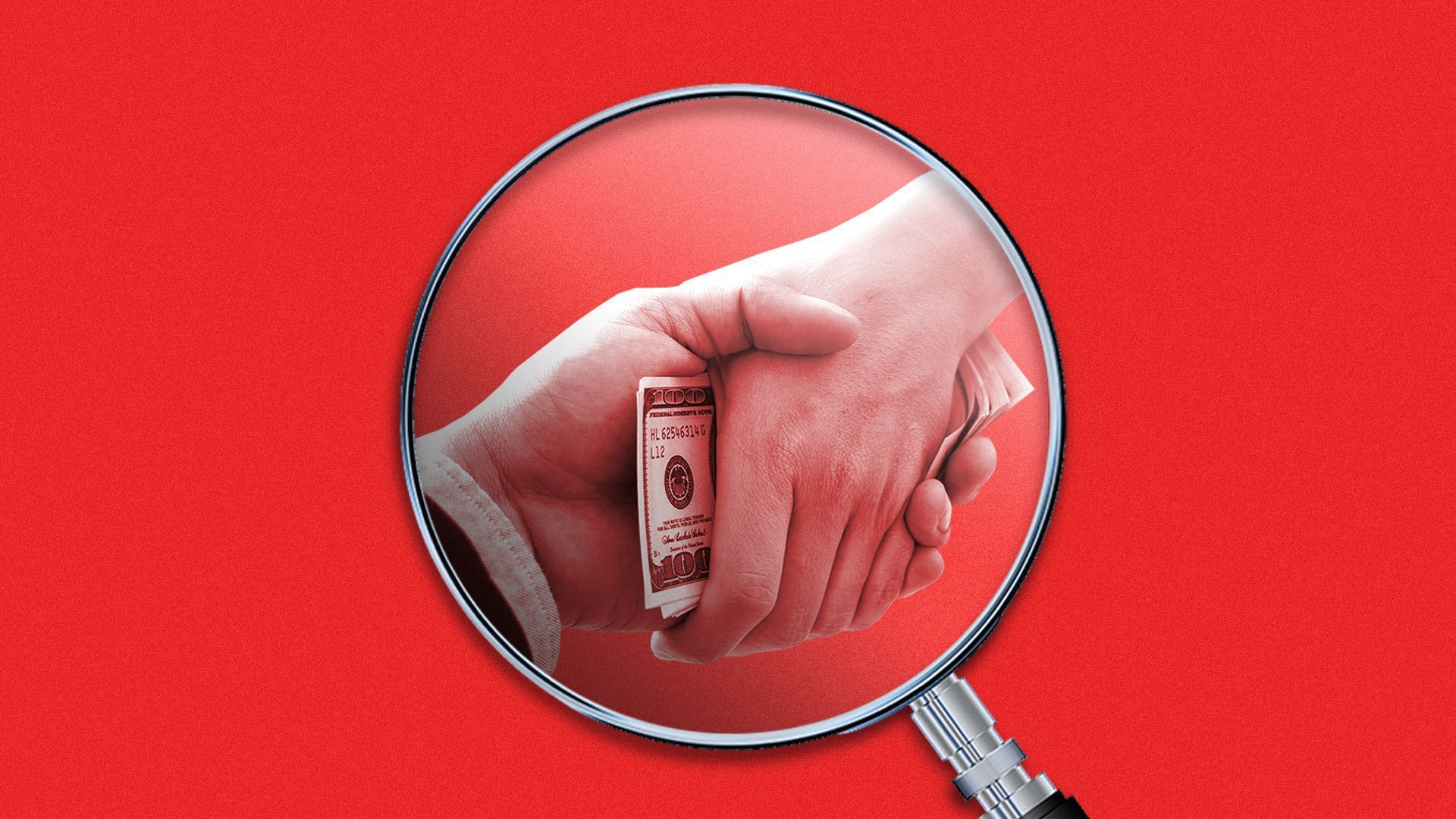
Widespread corruption in China made Chinese government officials especially vulnerable to CIA recruitment, and Chinese leader Xi Jinping sought to mitigate this threat by weeding out corruption, according to a new investigation by Foreign Policy magazine.
Why it matters: The anti-corruption campaign, combined with China's other counterintelligence efforts, may have reduced the CIA's visibility into what is happening on the ground in China.
Last week, the U.S. Department of Justice charged a China-based Zoom executive with disrupting video meetings hosted by users outside China that commemorated the 1989 Tiananmen Square massacre. The complaint reveals the now-terminated employee was sending the private data of some U.S.-based users directly to the Ministry of State Security (MSS), China's main civilian spy agency.
Why it matters: Researchers and U.S. government officials have warned that the Chinese government might require China-based employees of U.S. companies to hand over private company data to Beijing. The DOJ's charges indicate those fears are valid.
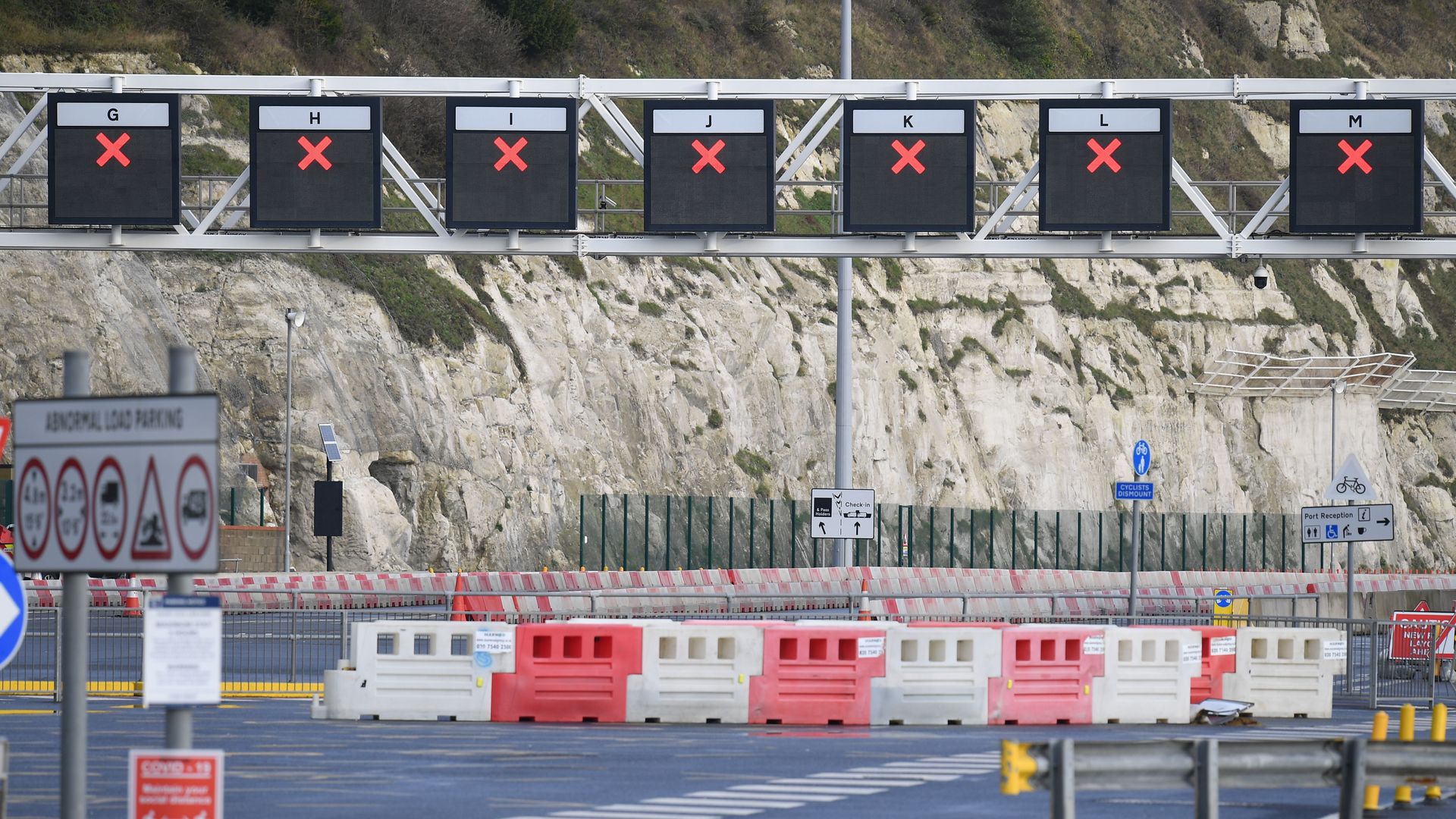
The European Commission adopted a recommendation on Tuesday calling on the bloc's 27 member states to lift blanket bans on flights and travel from the U.K. in order to "ensure essential travel and avoid supply chain disruptions," while also discouraging non-essential travel.
Why it matters: A new coronavirus variant in England found to be 70% more transmissible prompted dozens of countries to ban travel from the U.K. this week, in a scene reminiscent of the early days of the pandemic.
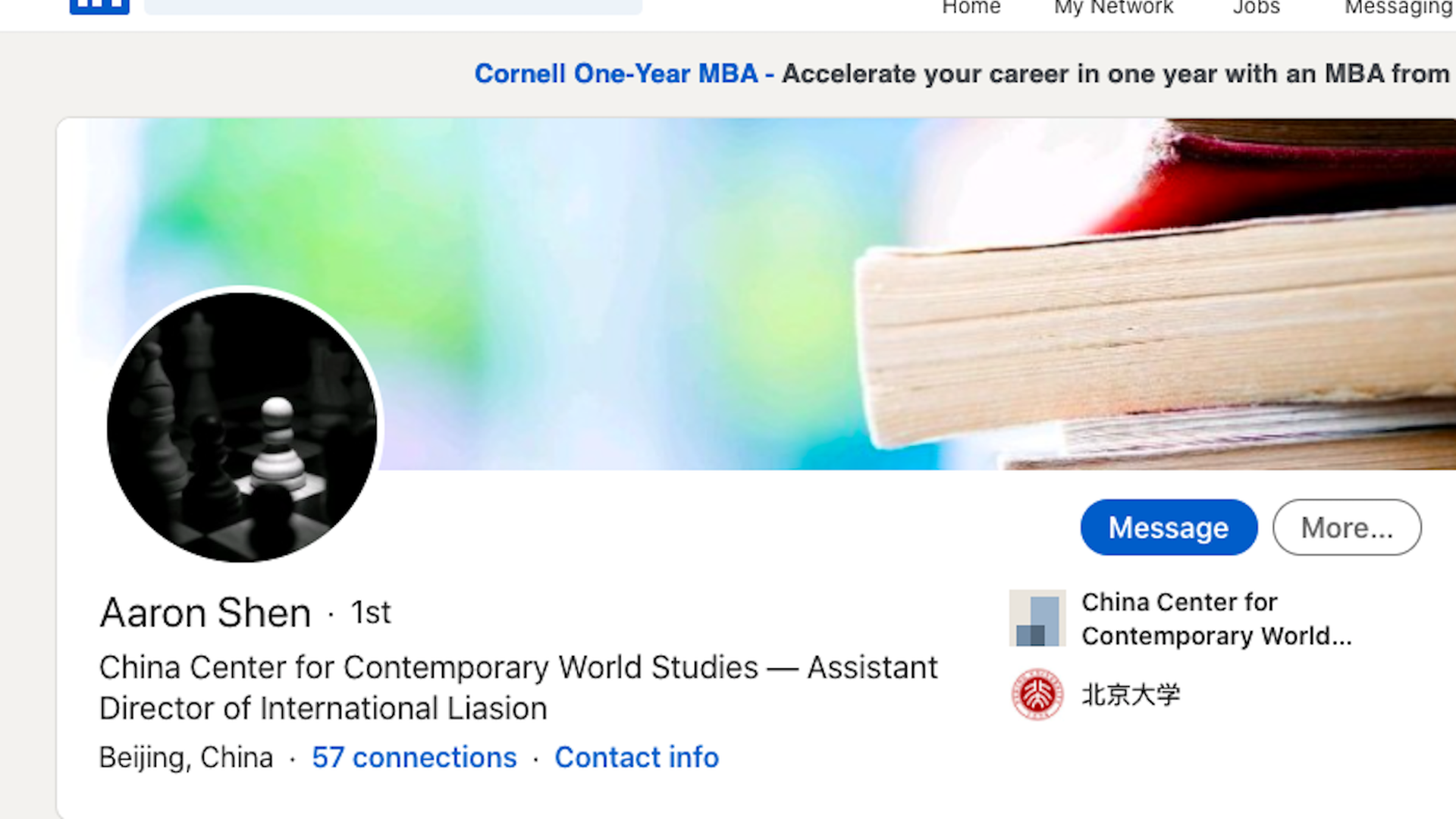
A person on LinkedIn claiming to work for a think tank run by a high-ranking Chinese Communist Party department recently offered financial compensation for the names of my sources and for reports about the incoming Biden's administration's views on China.
Why it matters: It was a surprisingly clumsy attempt to gain insider information about the U.S. government's China policy, suggesting that amid a chill in U.S.-China relations and a global pandemic, it's gotten harder for people in Beijing to know what's happening in Washington.
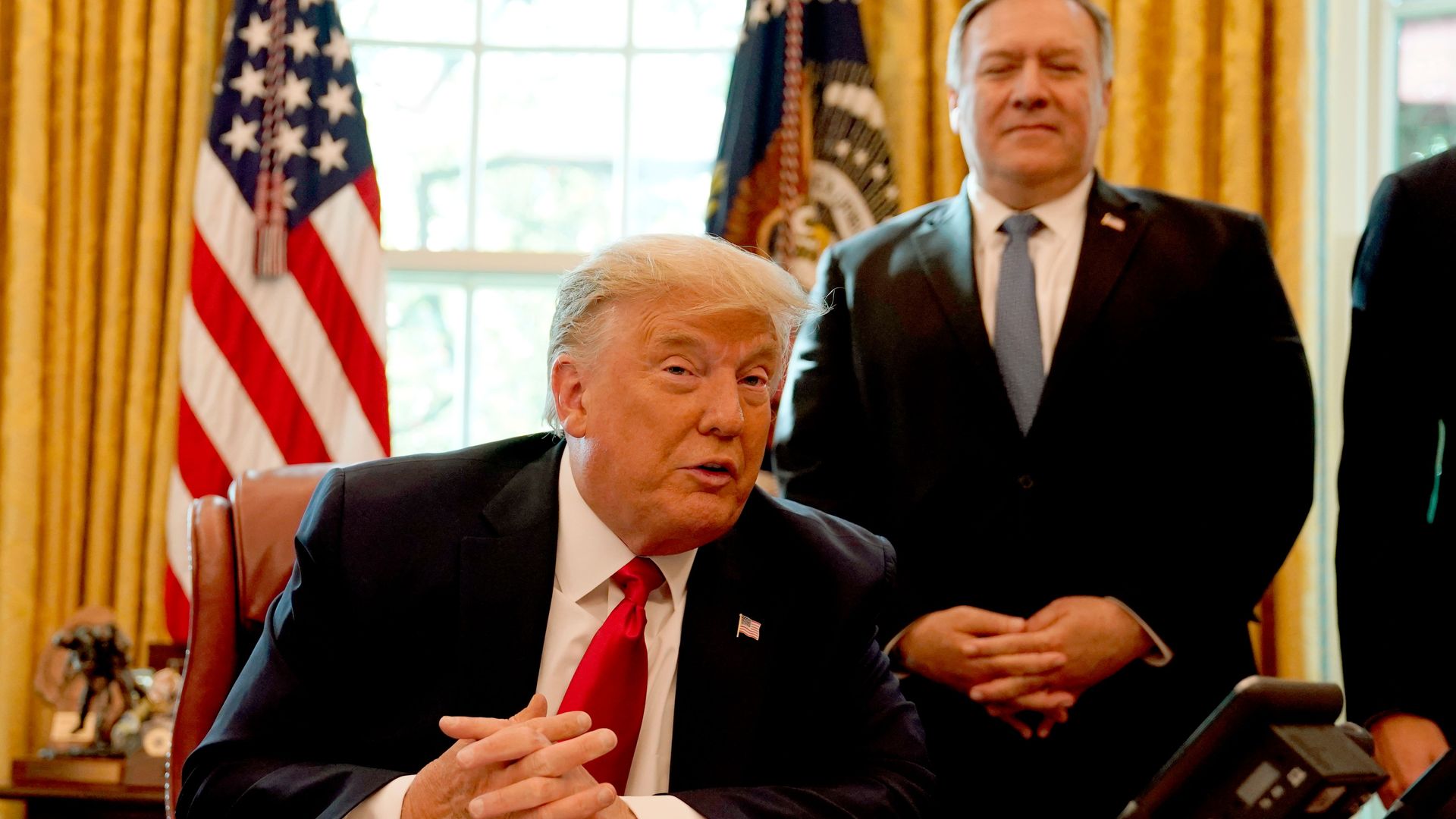
President Trump signed a bill Monday that will give Sudan immunity from future lawsuits by the victims of the 1998 American Embassy bombings in East Africa and provide Sudan with close to $1 billion in U.S. financial aid and loans. But the bill will not give Sudan immunity from lawsuits by families of 9/11 victims.
Why it matters: The legal aspect was a critical part of the deal between the Trump administration and Sudan, which included removing the country from the state sponsors of terrorism list and the normalization of Sudanese relations with Israel.
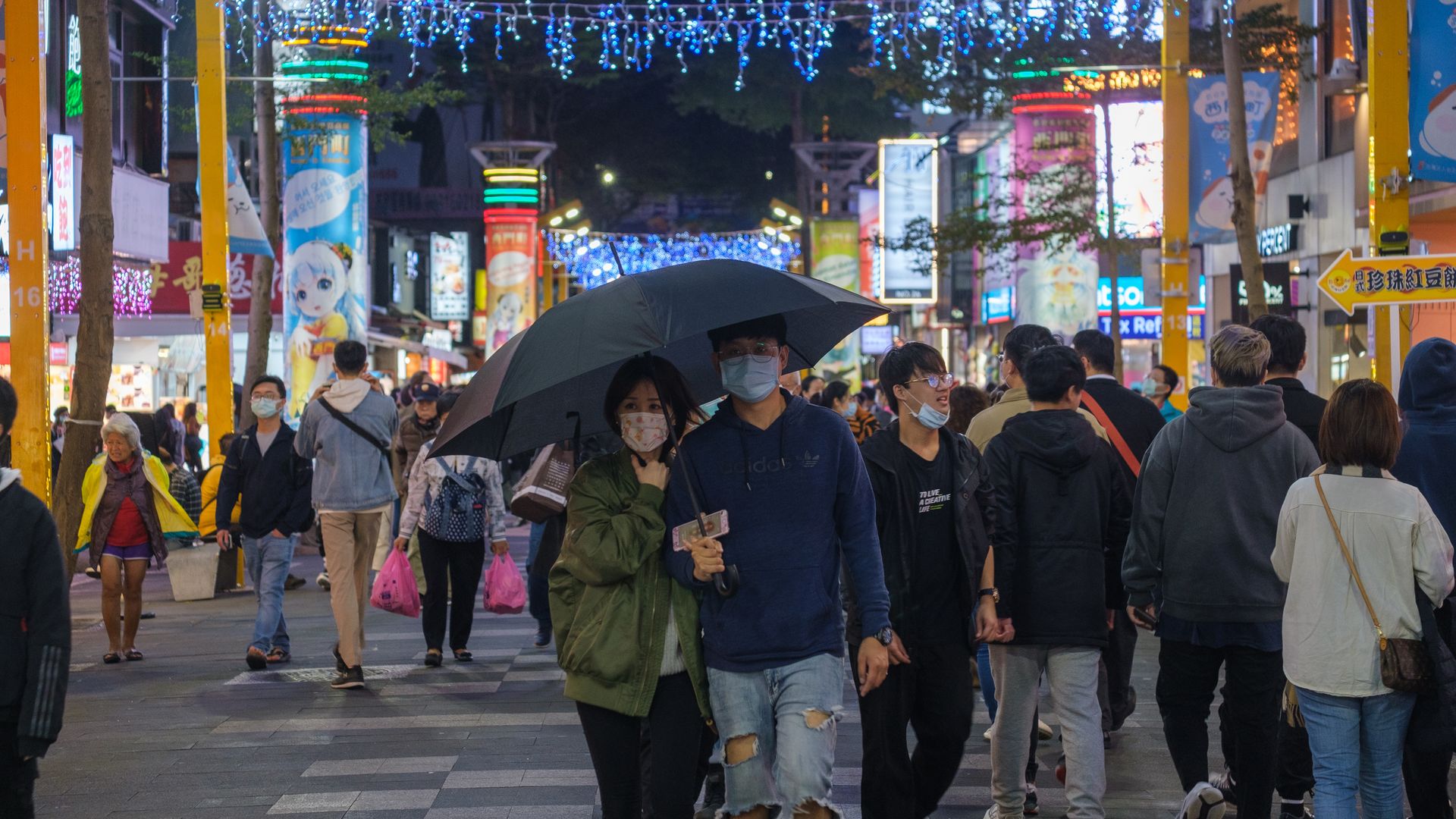
Why it matters: It's the first domestic case since April 12. Taiwan had been free of the coronavirus longer than any other place that had previously reported an infection. While the pandemic has forced much of the world to lock down, leading to economic slumps, Taiwan raised its growth forecast for the year.





/2020/12/22/1608655701689.gif?w=3840)