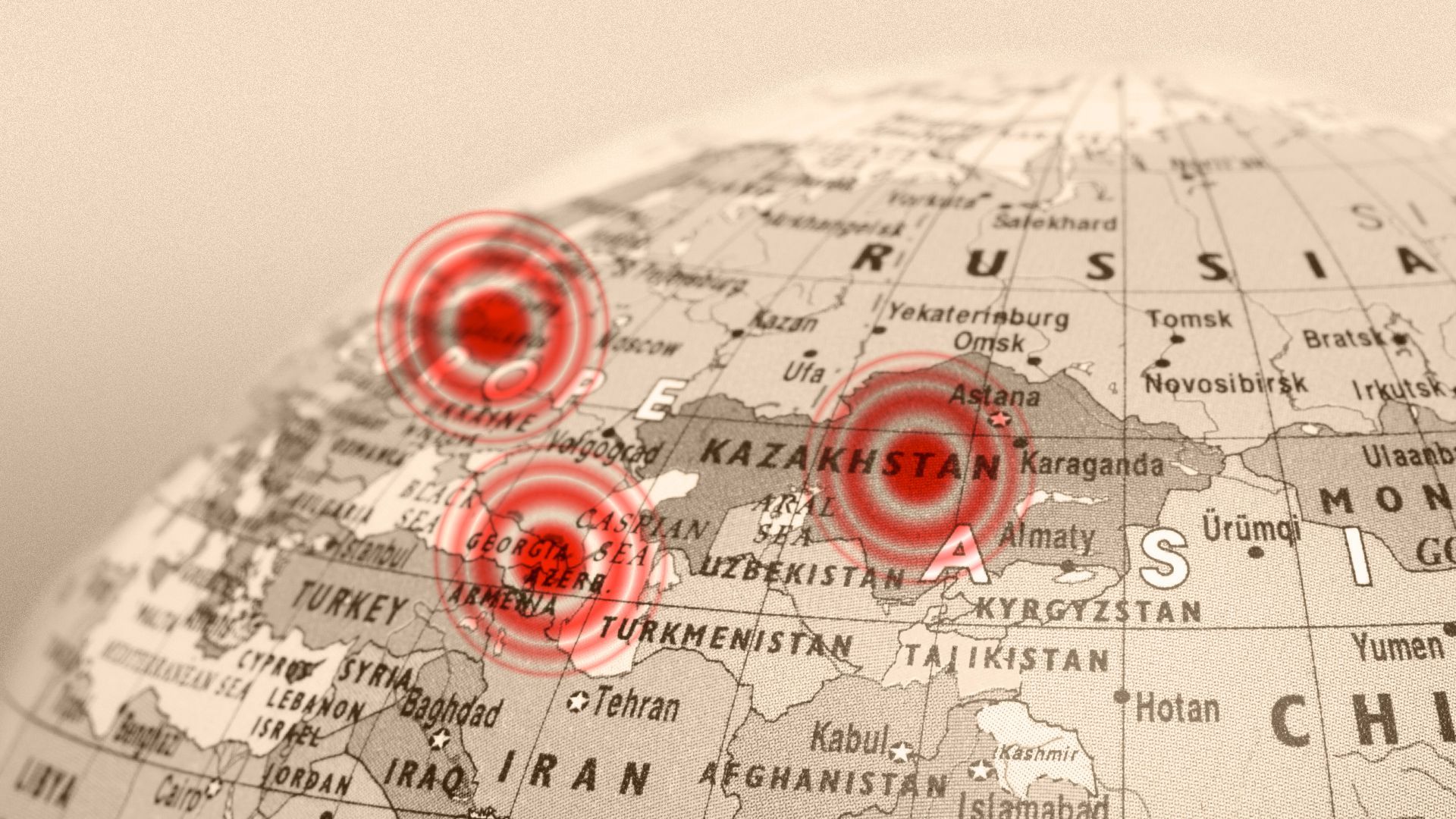
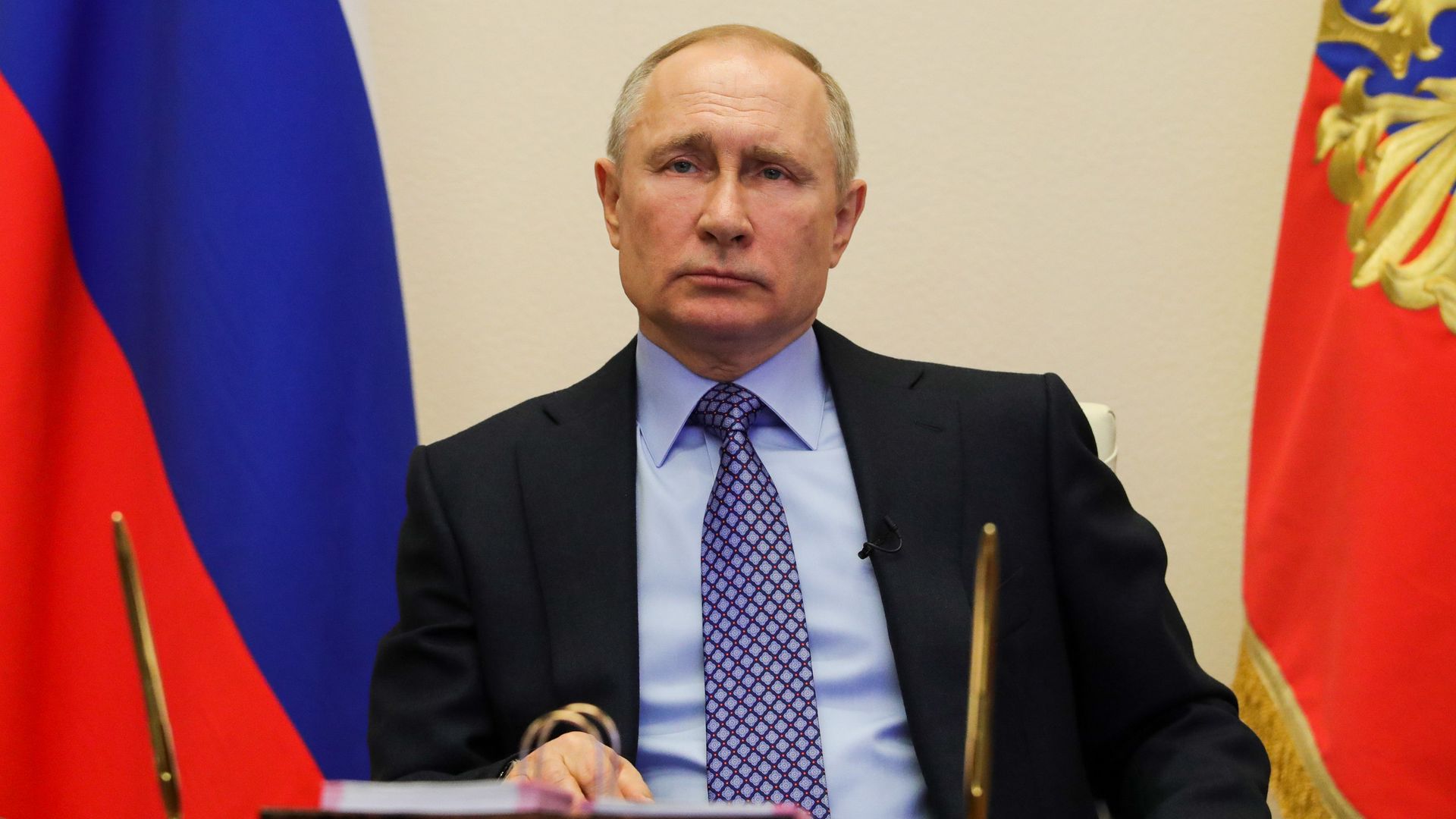
Russia’s sphere of influenceappears to be spinning out of control, with war in the Caucasus, revolution in Kyrgyzstan and an uprising in Belarus.
The big picture: The three crises are very different, but their roots all stretch back to the former Soviet Union — and all three are testing Russia’s influence today.
38 countries joined Germanyat the United Nations this week in condemning China's human rights abuses in the northwest region of Xinjiang, where the government is engaged in a sweeping campaign of demographic genocide against Uighur Muslims and other ethnic minorities.
Why it matters: Statements like this one provide a sense of which countries are willing to challenge China over human rights, and which are lining up behind Beijing.
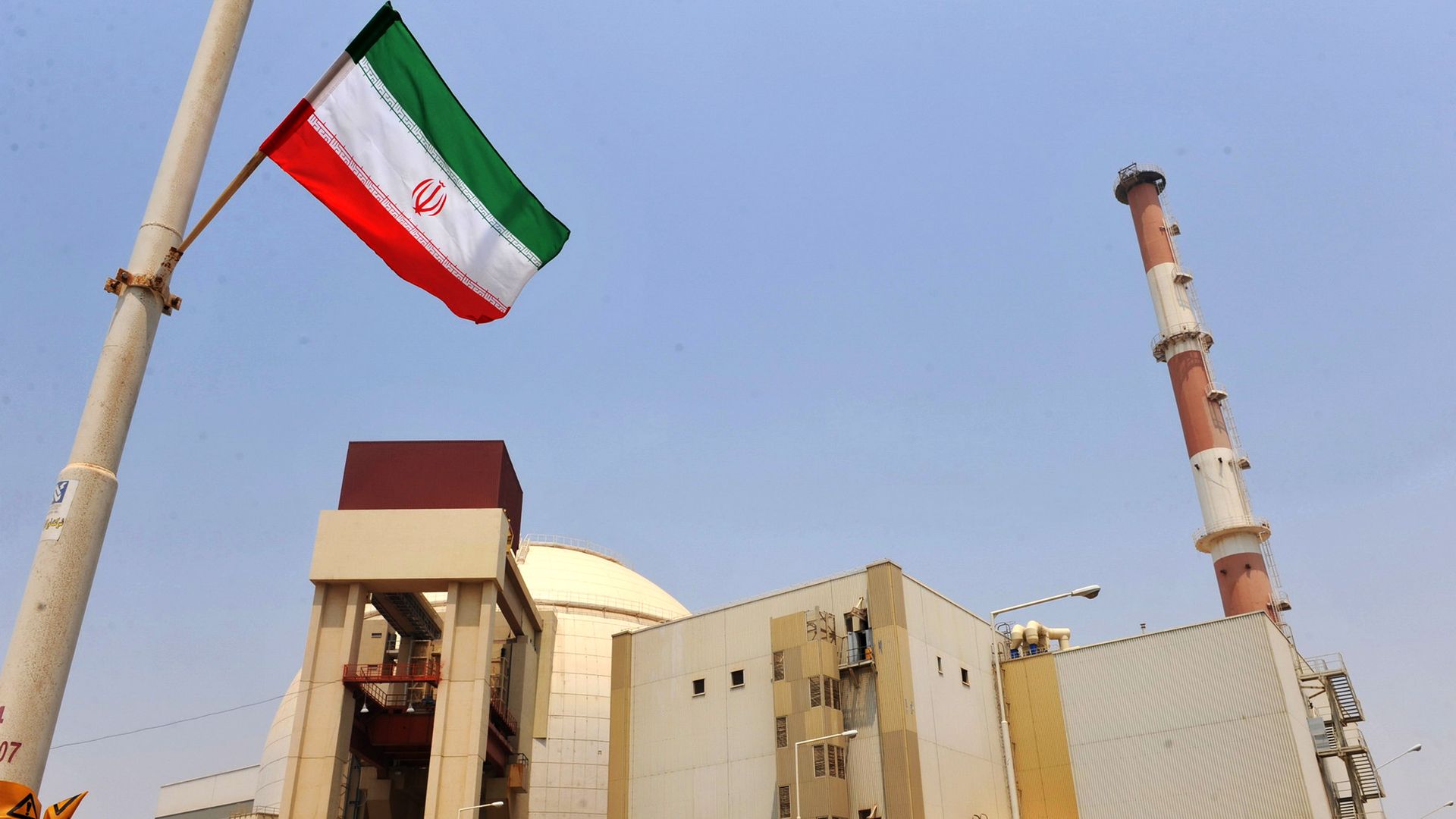
The U.S. Treasury on Thursday imposed a sweeping set of sanctions on 18 major Iranian banks in a move that could blow apart the international remnants of the country's 2015 nuclear deal.
Why it matters: "The move all but severs Iran from the global financial system, slashing the few remaining legal links it has and making it more dependent on informal or illicit trade," per Bloomberg.
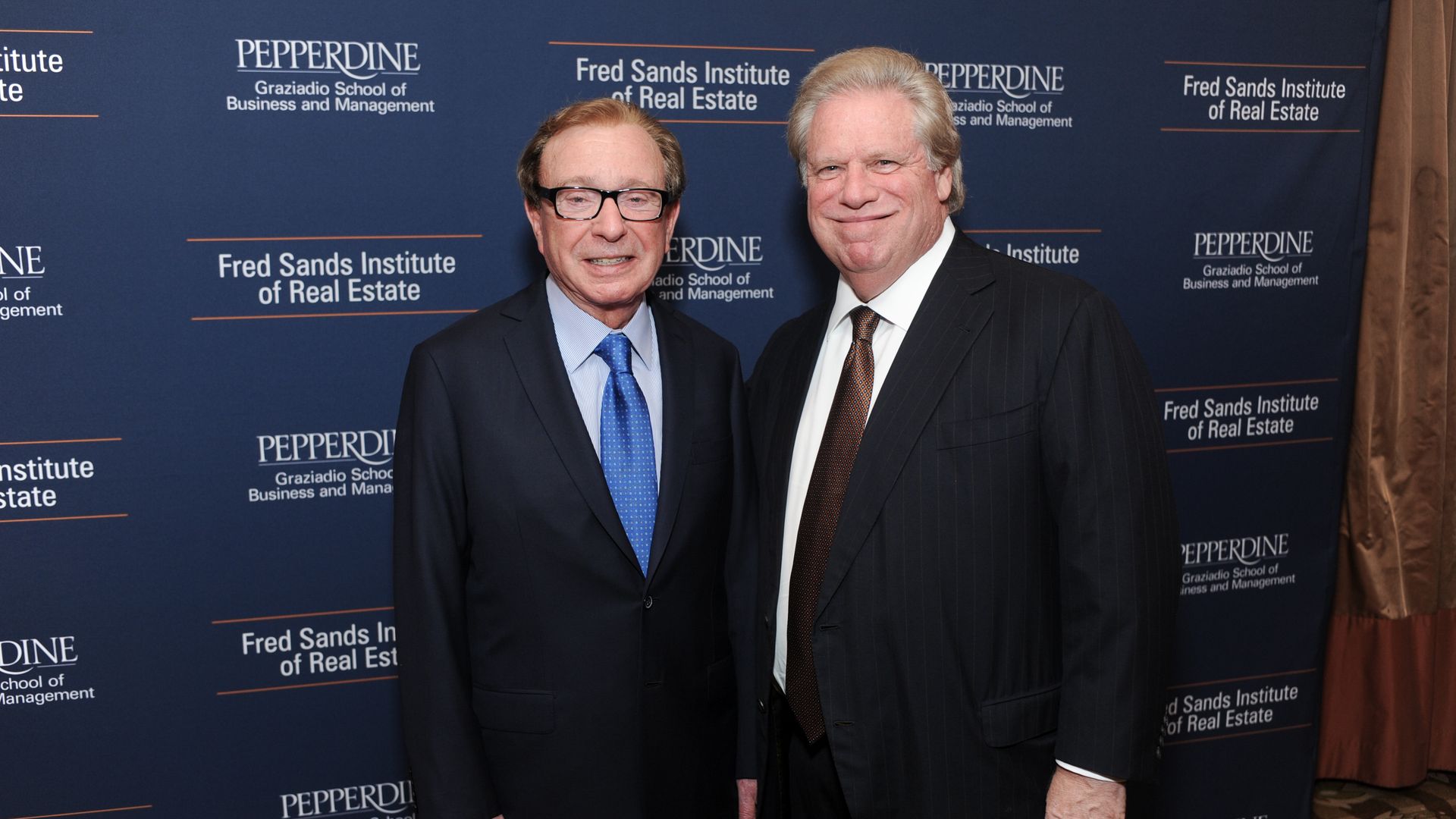
Elliott Broidy, the former deputy finance chairman of the Republican National Committee, appears set to plead guilty to conspiracy to act as an unregistered foreign agent by lobbying the Trump administration to drop an investigation into the massive Malaysian embezzlement scheme 1MDB, according to a court filing.
Why it matters: Broidy is the latest 2016 Trump campaign associate to face criminal charges, joining former campaign chairman Paul Manafort, deputy chairman Rick Gates, chief executive Steve Bannon, adviser Michael Flynn, outside adviser Roger Stone and fellow deputy finance chairman Michael Cohen.
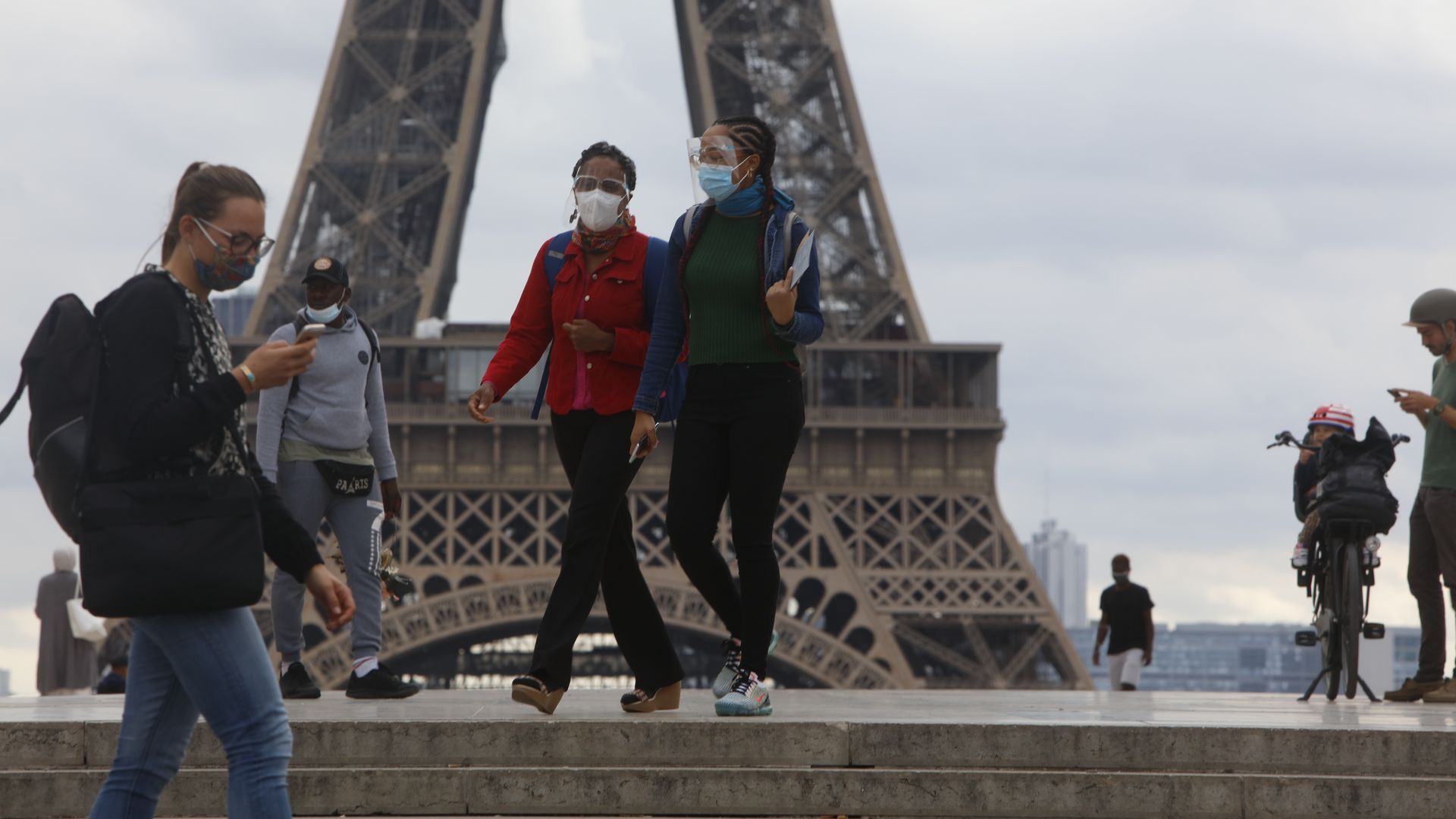
The number of coronavirus cases exceeded 6 million in Europe Wednesday, per AFP, as the World Health Organization warns that the continent is experiencing "rising COVID-19 fatigue."
The big picture: Cases are surging across the U.K., France, Italy, Spain and Germany, with records set in several European countries in the past week.
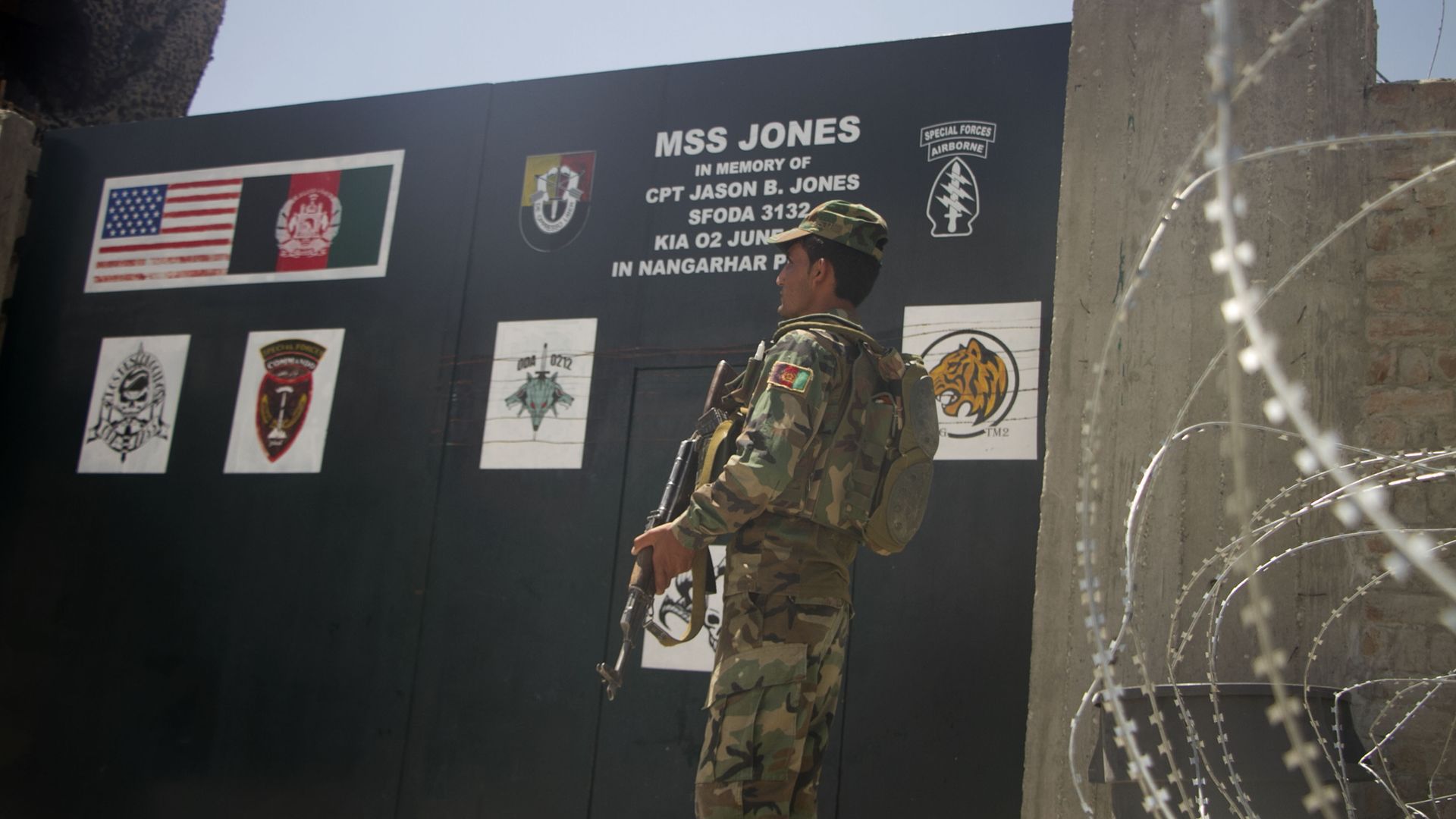
National Security Adviser Robert O’Brien said Wednesday the U.S. would cut its number of troops in Afghanistan to 2,500 by early 2021, per Reuters.
Details: "When President Trump took office, there were over 10,000 American troops in Afghanistan," O’Brien said at a University of Nevada, Las Vegas, event. "As of today there are under 5,000 and that will go to 2,500 by early next year."
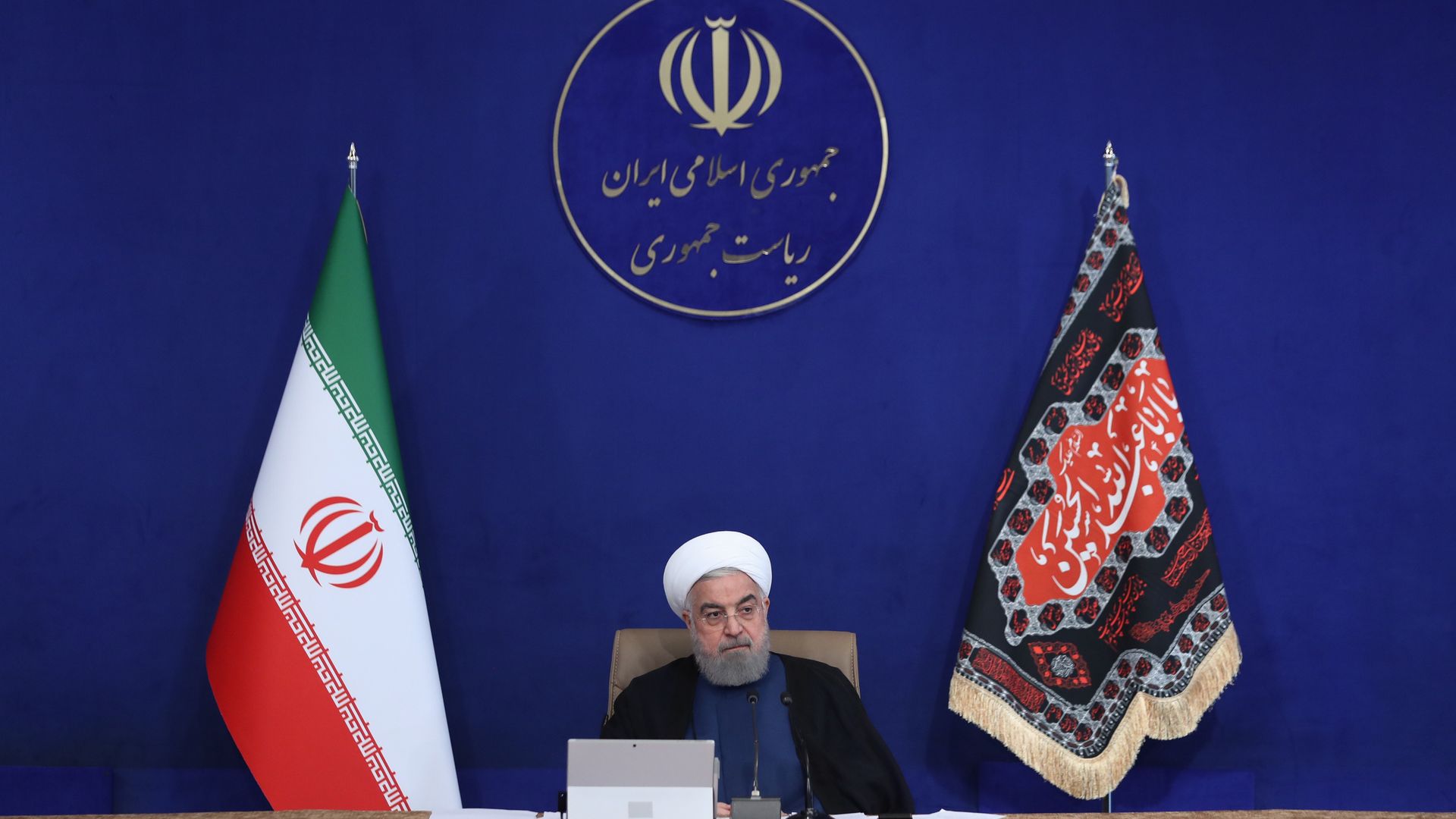
Iranian President Hassan Rouhani is calling for “stability” and an “end” to the current fighting between Armenia and Azerbaijan — but should the conflict between its northern neighbors escalate, Tehran may well deepen its involvement.
What to watch: Iran's recent history — specifically the Iran-Iraq War (1980-1988) — provides a model of how that escalation might happen.
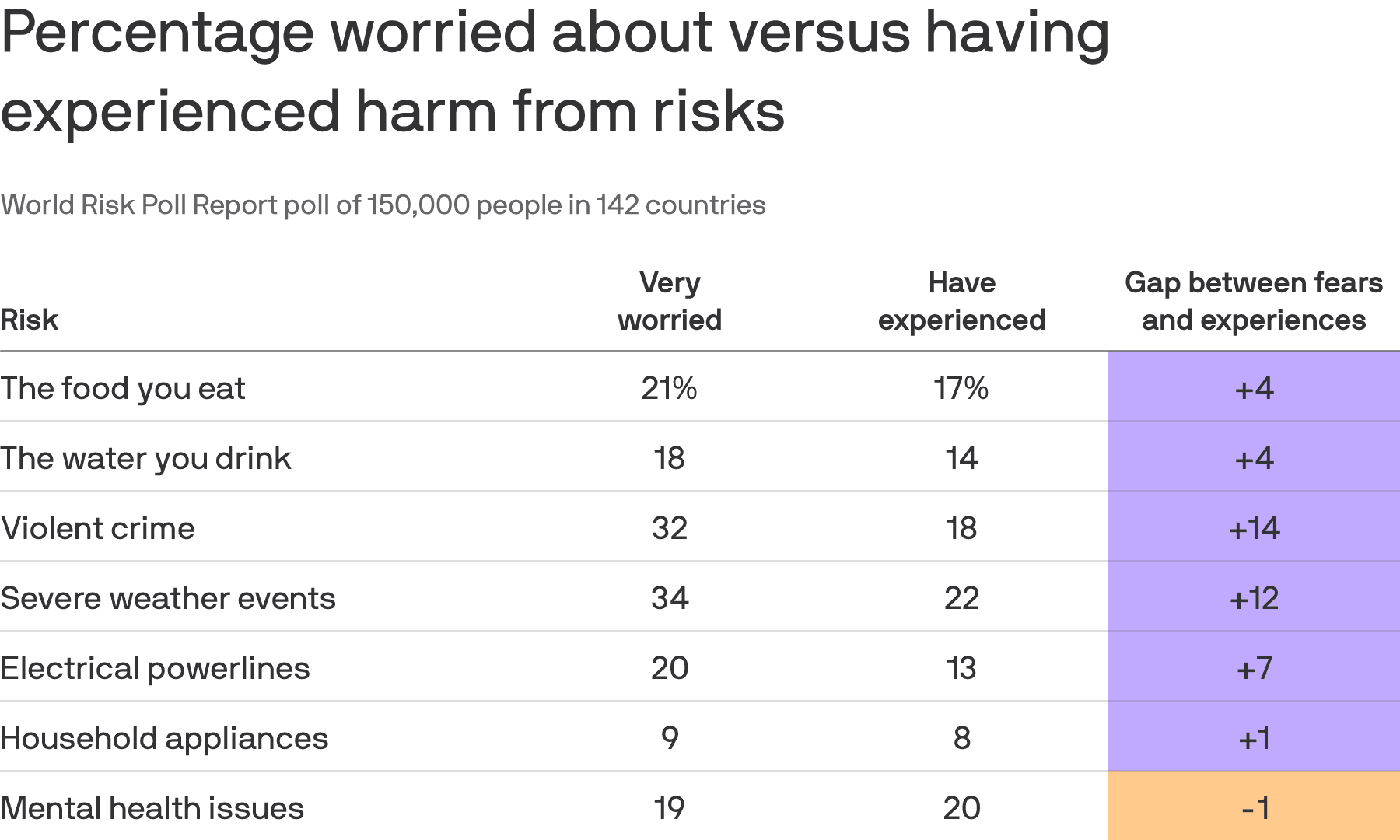
Data: The Lloyd’s Register Foundation World Risk Poll Report; Chart: Sara Wise/Axios
A new global risk poll surveyed tens of thousands of people in 142 countries to determine what people worry about when it comes to risk and safety.
Why it matters: The poll offers a telling snapshot of how people around the world perceive the risks they face, which often turn out to be different than the risks they are actually experiencing.
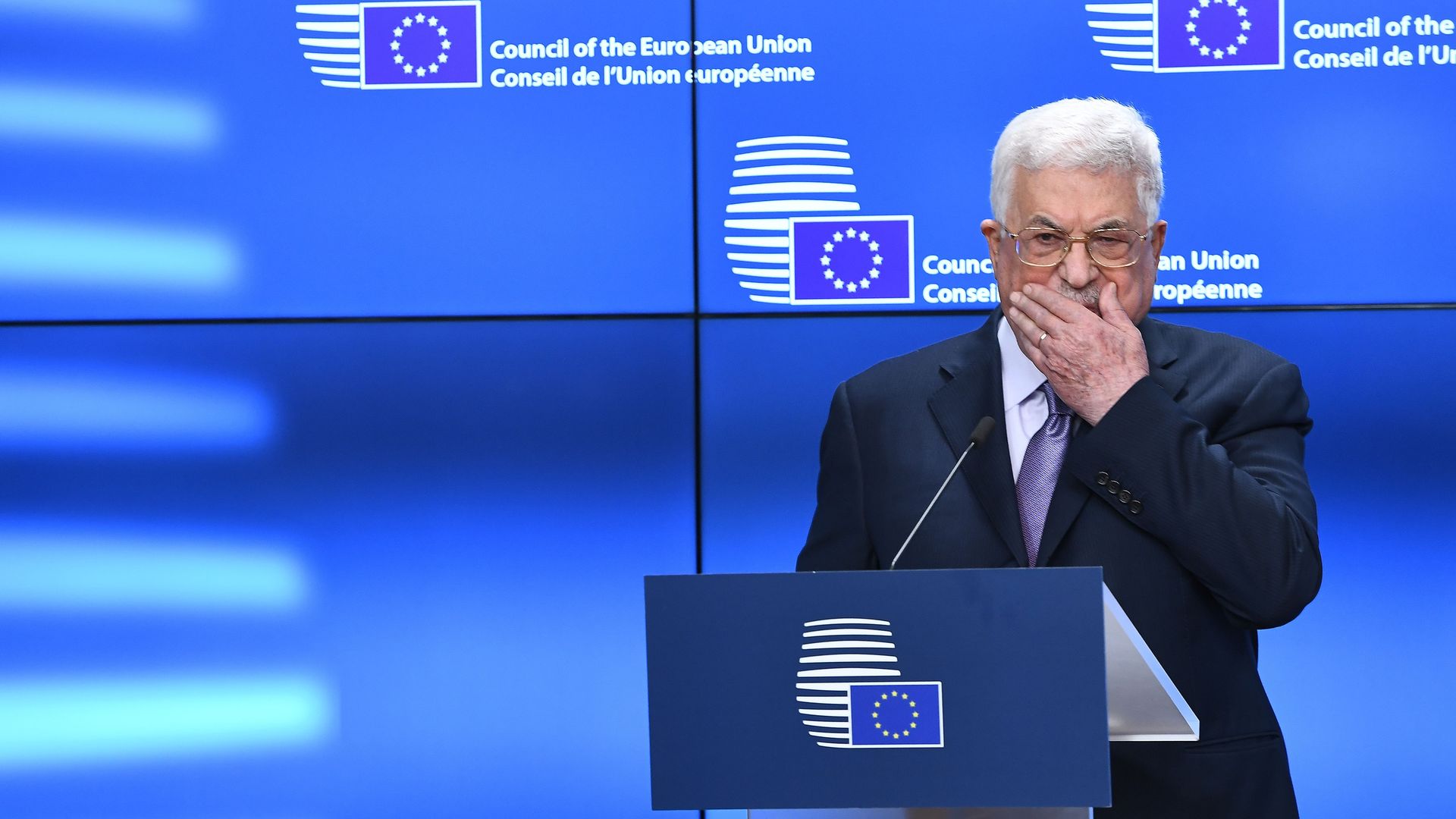
European Union leaders have told the Palestinian Authority they will refuse to provide any additional financial aid as long as the Palestinians refuse to accept tax revenues collected by Israel, European diplomats and Israeli officials tell me.
Why it matters: The unprecedented ultimatum is another indication that frustration with leaders in Ramallah is growing, even among staunch supporters of the Palestinians.
Insurers are pointing to clauses that exempt war-related damage from being covered in order to reject claims related to state-backed cyberattacks, notes a new report from the Carnegie Endowment for International Peace.
Why it matters: This “war exclusion” raises “doubts about whether adequate or reliable coverage exists for state-sponsored cyber incidents,” the report says.
Victims of ransomware attacks who pay criminals to release their data may be held liable for violating U.S. sanctions — even if they don’t know the true identity of their tormentors, advised the Treasury Department in a bulletin last week.
Why it matters: The move could doubly punish the victims of ransomware attacks.
The Russian troll farm central to Moscow's 2016 U.S. election interference campaign appears to be behind a new operation targeting U.S. voters on Gab and Parler, social media platforms favored by the far right.
Why it matters: The shift by Russia's Internet Research Agency to more marginal platforms may signal that the techniques and strategies that paid off for Russia in 2016 are seeing declining returns. If Moscow is trying to influence a broad swath of U.S. voters, being relegated to platforms unknown to 99% of Americans simply won’t get the job done.
Russia is the "primary covert influence actor and purveyor of disinformation and misinformation" in the U.S., a Department of Homeland Security report out Tuesday has concluded.
The big picture: The findings echo previous statements from various U.S. intelligence officials about the Kremlin's activities in the U.S. The efforts have focused on U.S. foreign and domestic policy, the COVID-19 pandemic and the 2020 presidential election, among other issues.