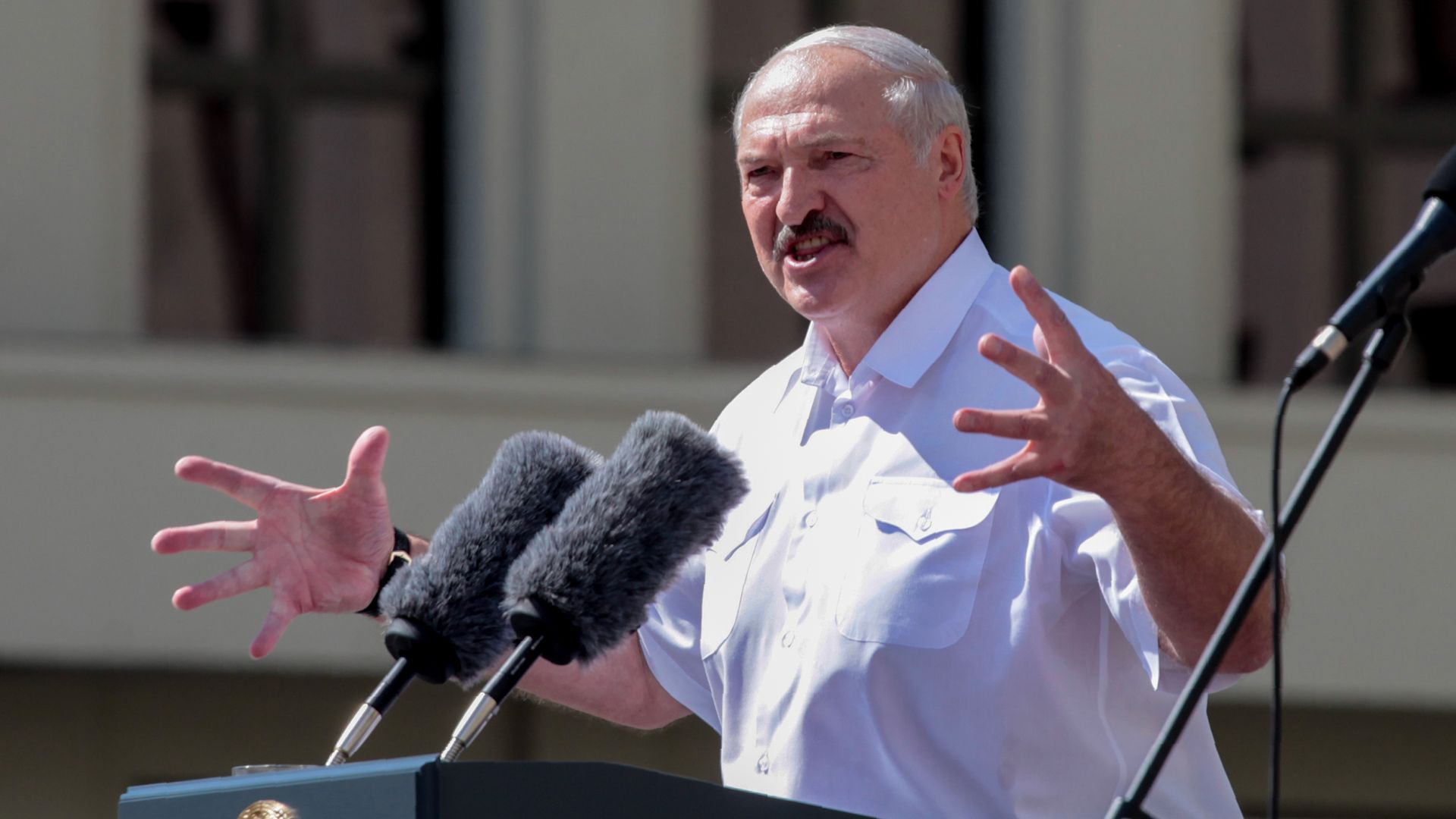
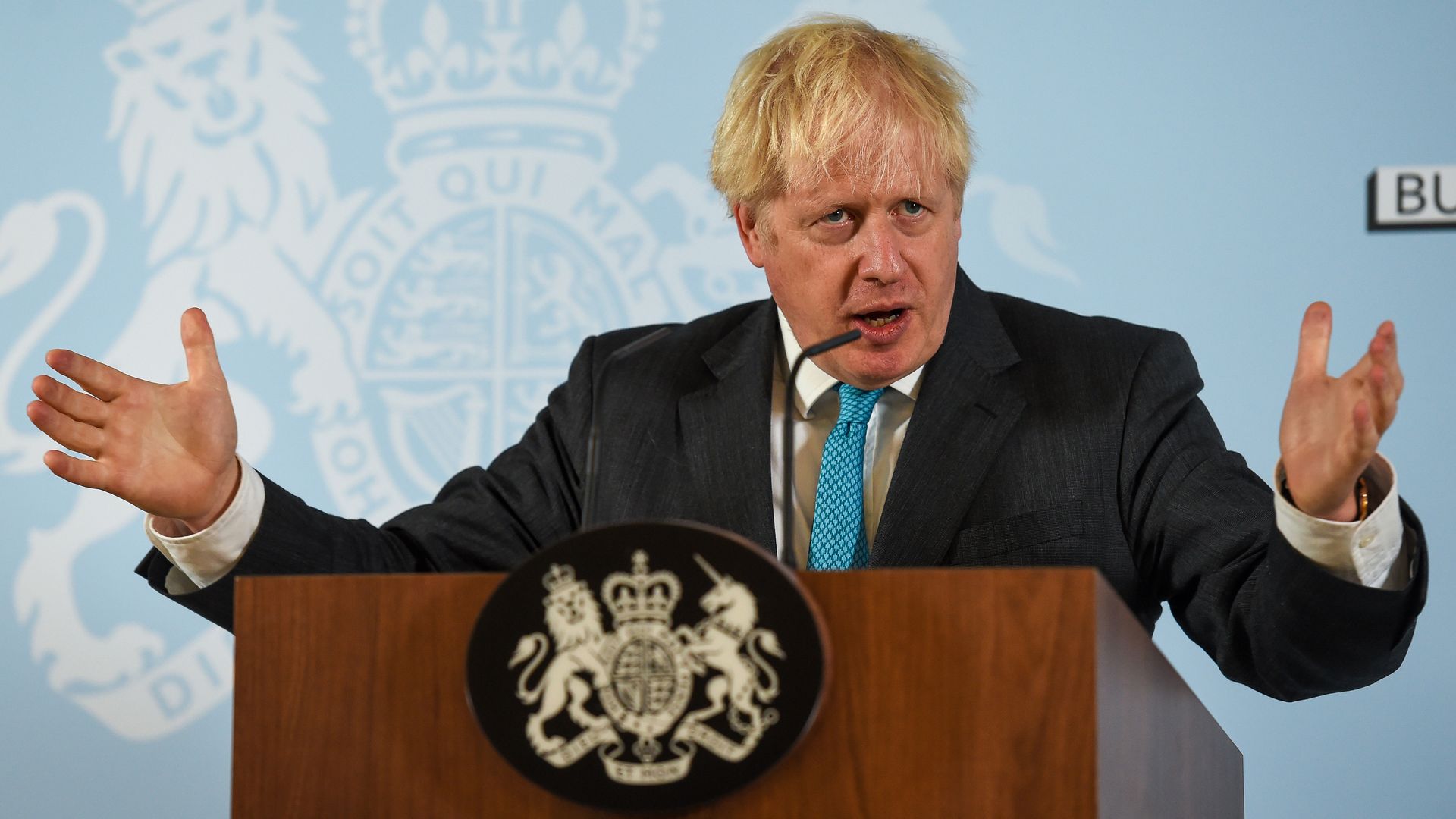
The U.K. and Canada on Tuesday announced they would impose sanctions on Belarus dictator Aleksander Lukashenko and members of his government for violence against protesters in the wake of August's rigged election.
Why it matters: The sanctions against the Belarus strongman represent the first major penalties enacted by Western powers since a post-election crackdown in which Lukashenko's security forces have brutalized protesters and detained major opposition figures.
Israeli Prime Minister Benjamin Netanyahu presented what he claimed were aerial photos of a Hezbollah "missile depot" in the heart of Beirut during a prerecorded speech Tuesday to the UN General Assembly.
The other side: Hezbollah leader Hassan Nasrallah quickly took to the organization’s TV station to respond to Netanyahu's speech, which he said was an effort to incite the Lebanese people against Hezbollah.
The U.K. reached a new high for total positive coronavirus cases this last week, per the country's Health Ministry, and reported a record number of COVID-19 infections in the last 24 hours, per the BBC.
Driving the news: Top scientific advisers warned last week that the U.K. could see up to 50,000 coronavirus cases per day by mid-October if current growth continues.
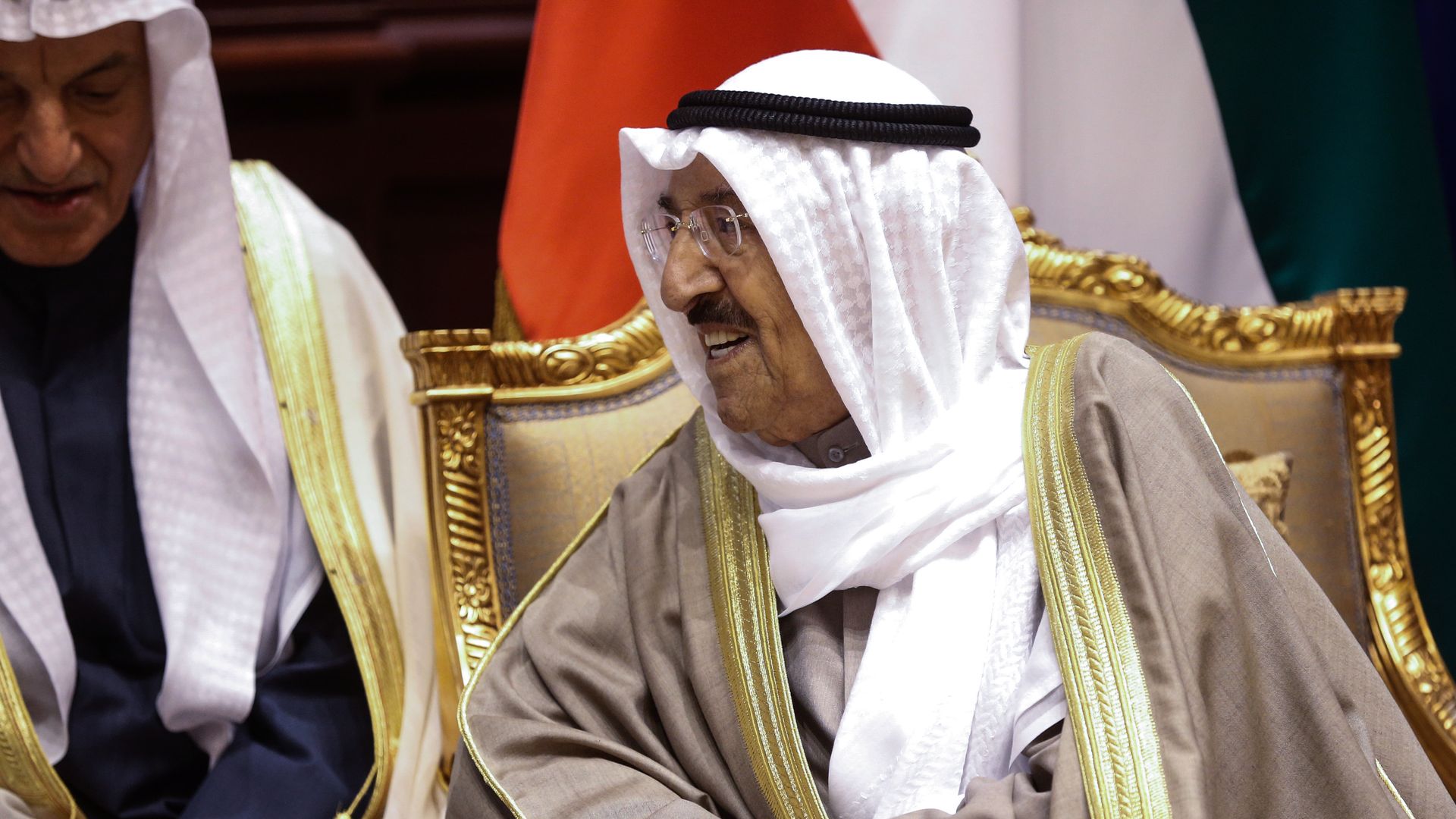
Kuwaiti Emir Sabah al-Ahmad al-Sabah died on Tuesday at the age of 91. The emir had been hospitalized at Minnesota’s Mayo Clinic since July. He was flown there from Kuwait in a U.S. Air Force plane following a failed surgery.
The big picture: The late emir took power in 2006 following 40 years as Kuwait's foreign minister, and had been a highly active and influential figure in regional diplomacy.
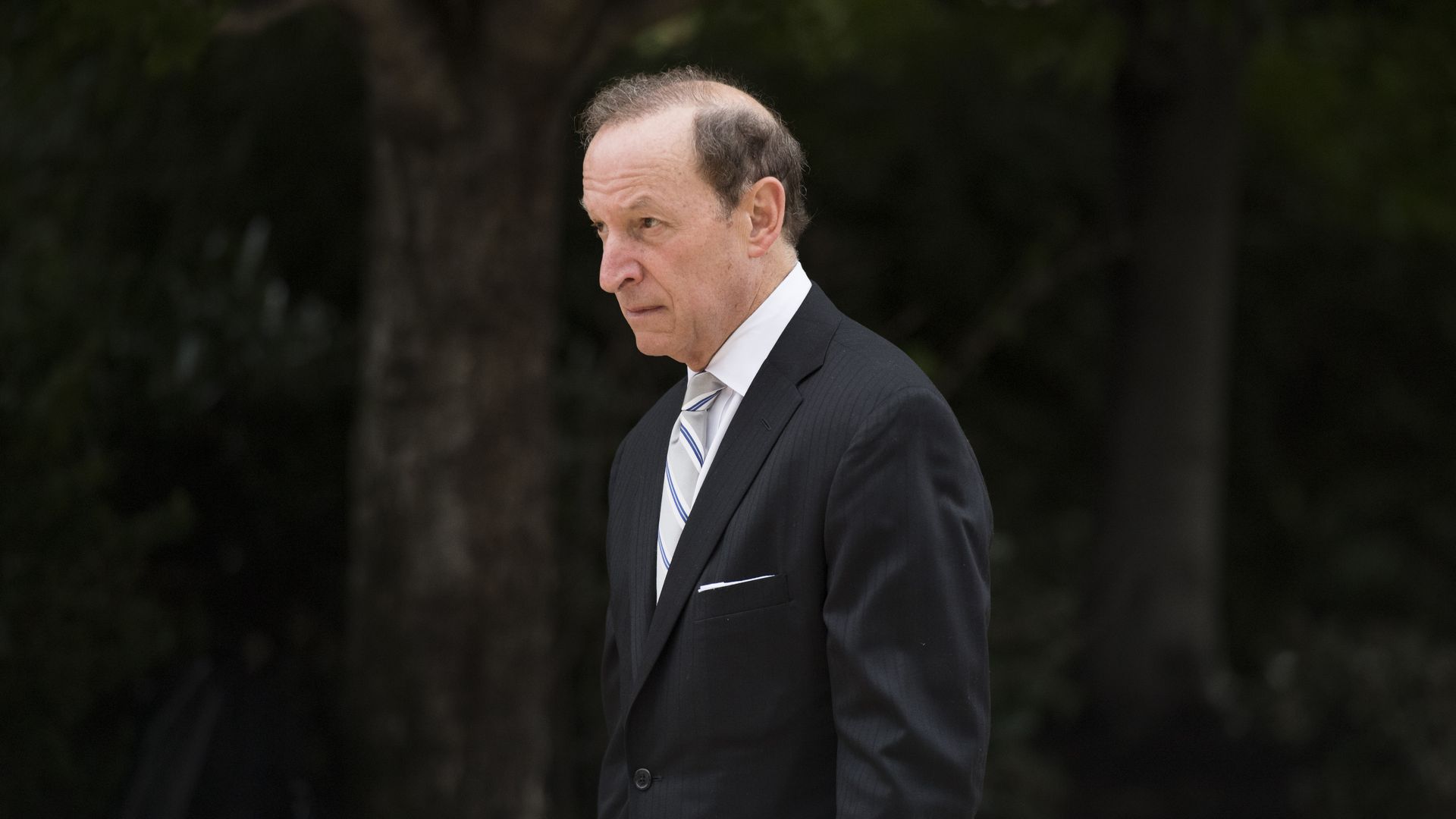
People suspected of acting as foreign agents have sought the assistance of U.S. lawyers — and in some cases, the same lawyer who has represented top Trump administration officials during the course of the Russian inquiry.
The big picture: The phenomenon underscores the web of lobbying, money and court cases that have resulted from the Chinese government's efforts to influence U.S. decision-making.
The dollar strengthened against most of the world's currencies last week, as traders bought the greenback expecting an end to the reflation trade, but China's currency bucked the overall trend (pun intended) and is on pace for its strongest month against the dollar since 2008.
Why it matters: "What we do see is a strong Chinese economy, which is part of what’s behind the strong renminbi," Jason Brady, president and CEO of Thornburg Investment Management, told WSJ.
The global toll of confirmed deaths from COVID-19 crossed 1 million on Monday, according to data from Johns Hopkins.
By the numbers: More than half of those deaths have come in four countries: the U.S. (204,762), Brazil (141,741), India (95,542) and Mexico (76,430). The true global death toll is likely far higher.
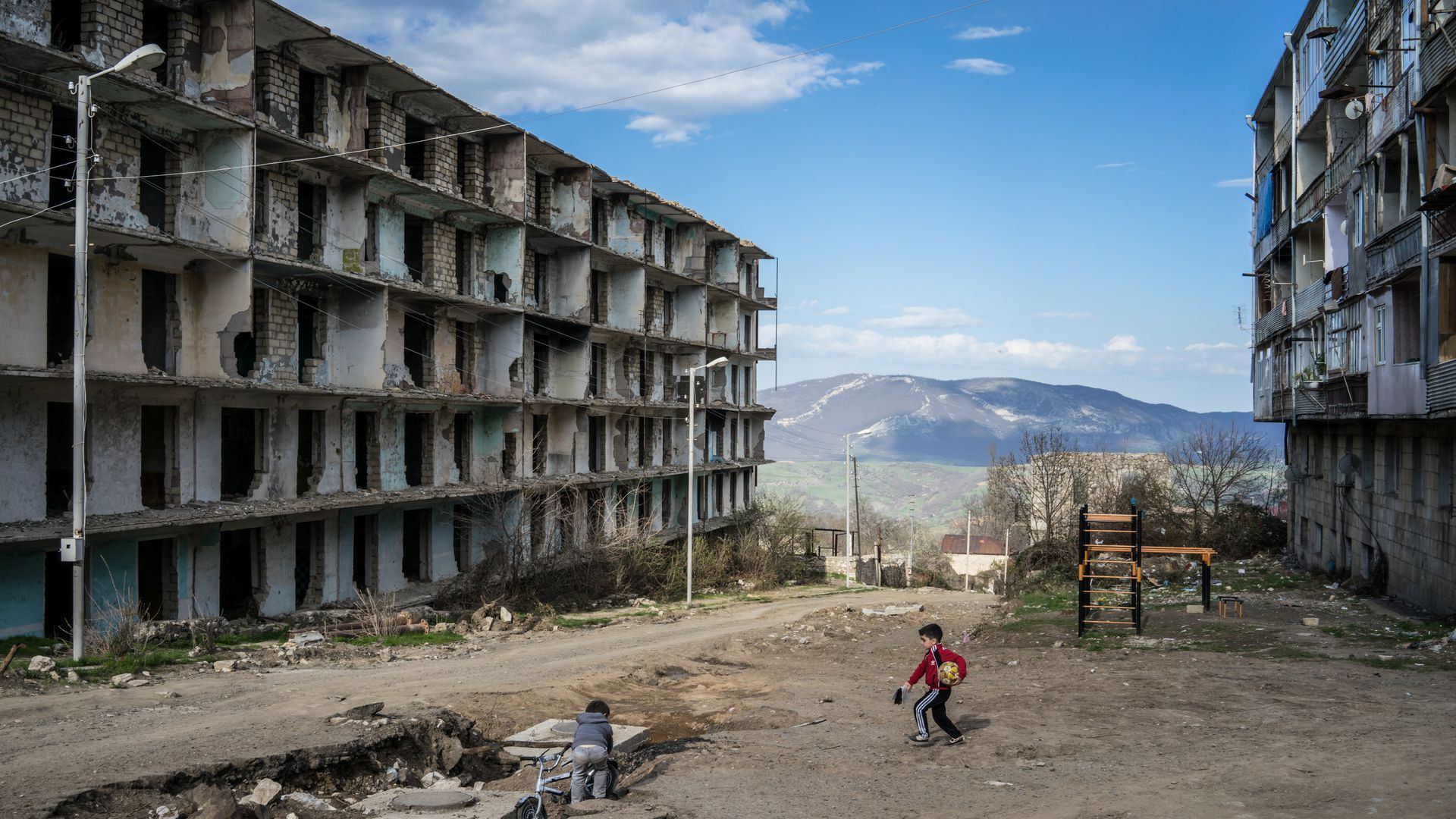
Fighting has continued for the second day over the disputed region of Nagorno-Karabakh, with at least 59 soldiers and civilians reported dead.
The backstory: The mountainous region of around 150,000 people is populated mainly by ethnic Armenians but lies within the borders of Azerbaijan. The countries have both claimed the territory since the collapse of the Soviet Union, fought a war over it from 1992-1994, and stood on the precipice of further conflict since.
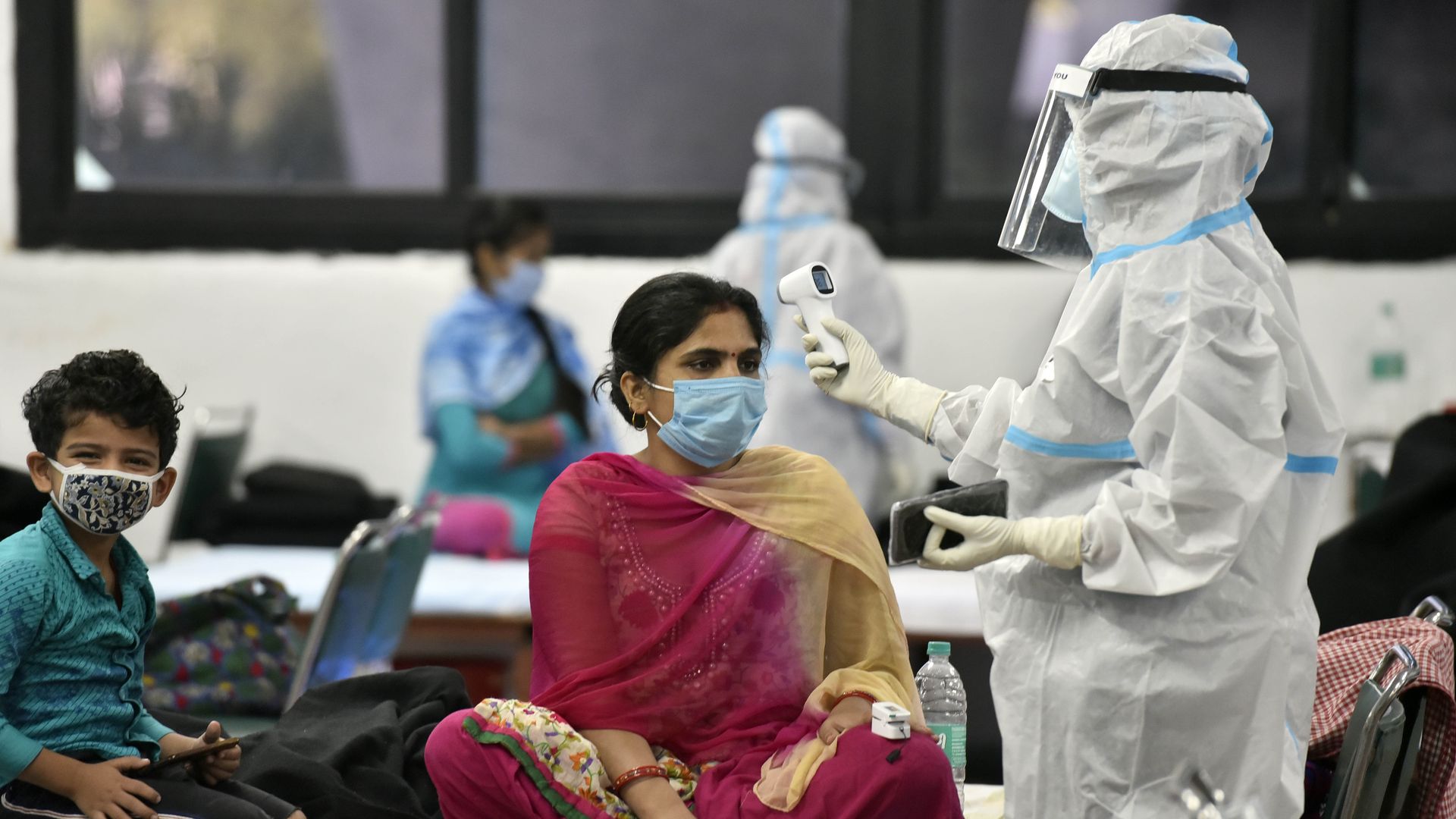
India's Ministry of Health confirmed the country's coronavirus case numbers surpassed 6 million on Monday after reporting 82,170 new infections in 24 hours.
Why it matters: India is the second country after the U.S. to hit 6 million cases. The South Asian country's COVID-19 tally hit 5 million on Sept. 16 and 4 million on Sept. 4. The ministry said that over 5 million Indian residents have recovered from the virus. But, AP notes, "New infections in India are currently being reported faster than anywhere else in the world."
Editor's note: This article has been updated with new details throughout.