Protests sparked earlier this year by the dissolution of Thanathorn Juangroongruangkit's Future Forward Party have evolved into a massive youth-led movement that's rattling Thailand's establishment, including the once-untouchable monarchy.
What he's saying: "No one knows how this is going to end or where this journey is going to lead us," Thanathorn told Axios in a Zoom interview this week. “We would like to see a peaceful transition to democracy, but it’s not really up to us."
The big picture: The precautions that we're taking against the spread of COVD-19; the way in which the president of the U.S. delights in violating political norms; the fires, hurricanes and other signs that catastrophic global warming has arrived; the virulent spread of the QAnon conspiracy theory — all of these things, and many more, represent a stunning break with the world as we knew it.
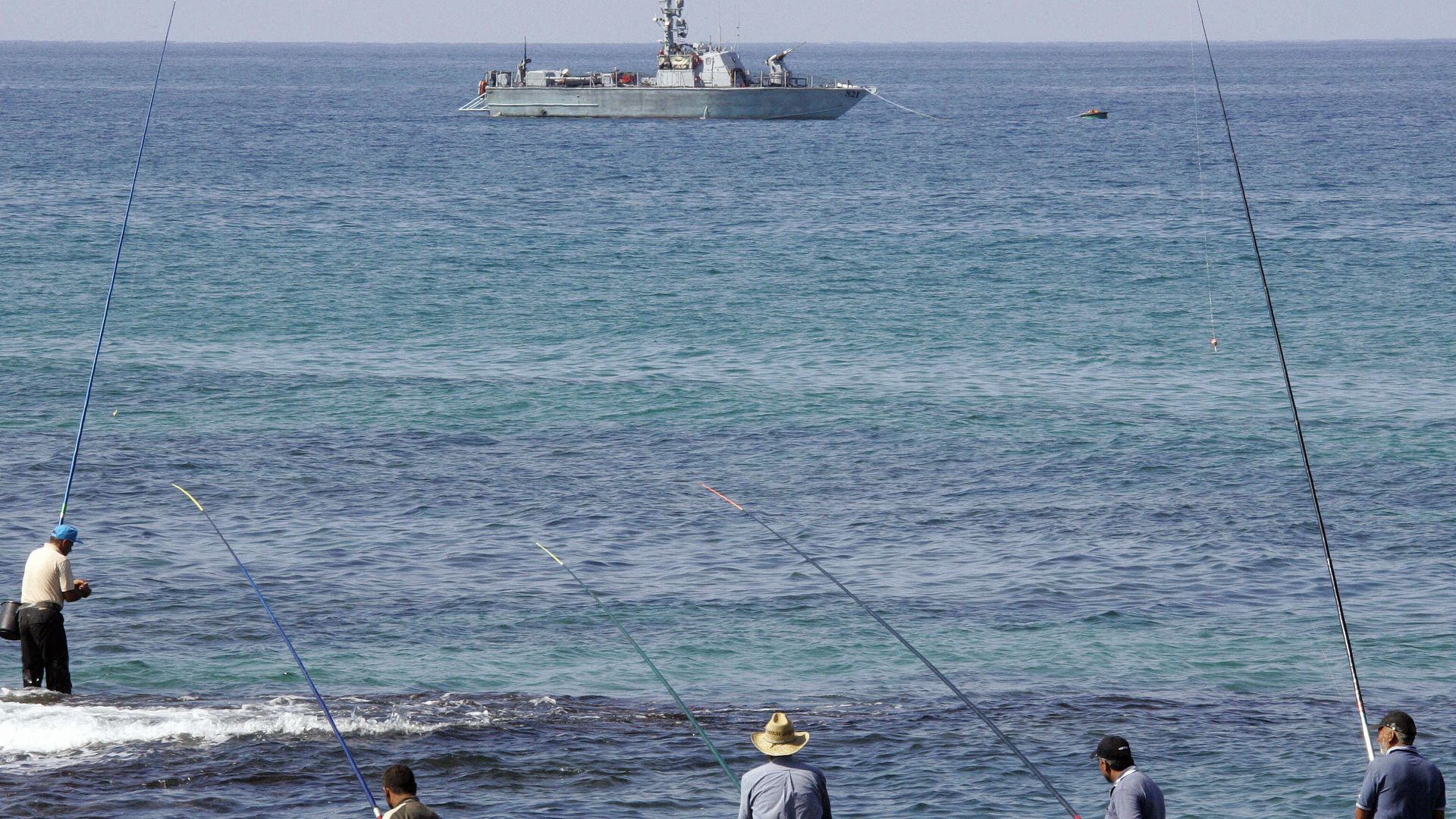
Israel and Lebanon announced today they will launch direct talks on their maritime border — mediated by the U.S. and under the auspices of the UN — to attempt to resolve a dispute over natural gas exploration in the eastern Mediterranean Sea.
Why it matters: These will be the first such talks in 30 years between the countries, and the revenues at stake could reach the tens of billions of dollars.
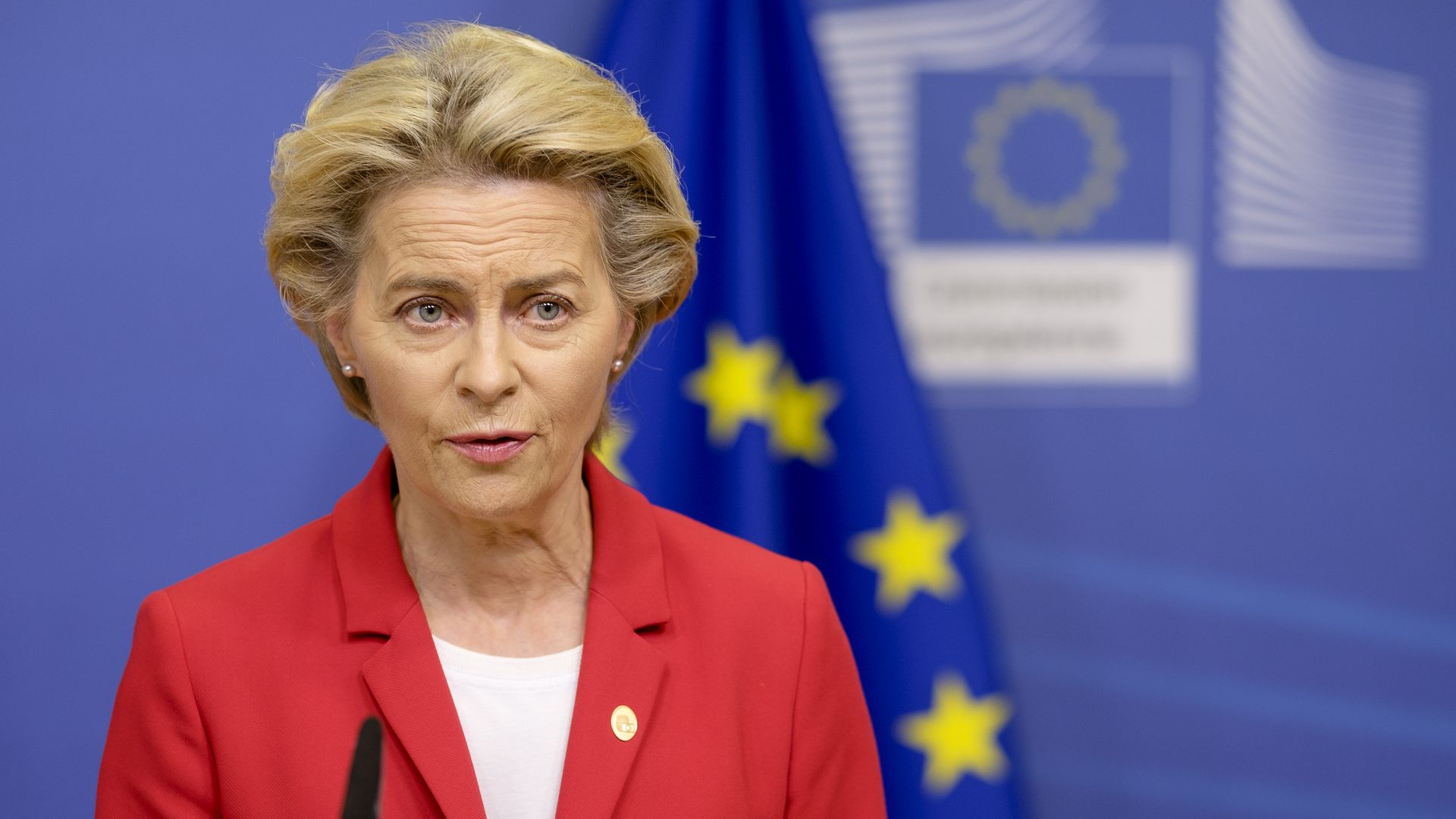
The European Union's chief executive on Thursday initiated legal proceedings against the U.K. over Prime Minister Boris Johnson's plans to break international law to override parts of the Brexit deal the two sides struck last year.
Why it matters: It's a sign of a major breakdown in the U.K.-EU relationship and deals a blow to the odds of the two sides successfully negotiating a free trade agreement before the Brexit transition period expires at the end of the year. Investors and trade experts fear a "no-deal" Brexit on Dec. 31 could cause massive economic disruptions.
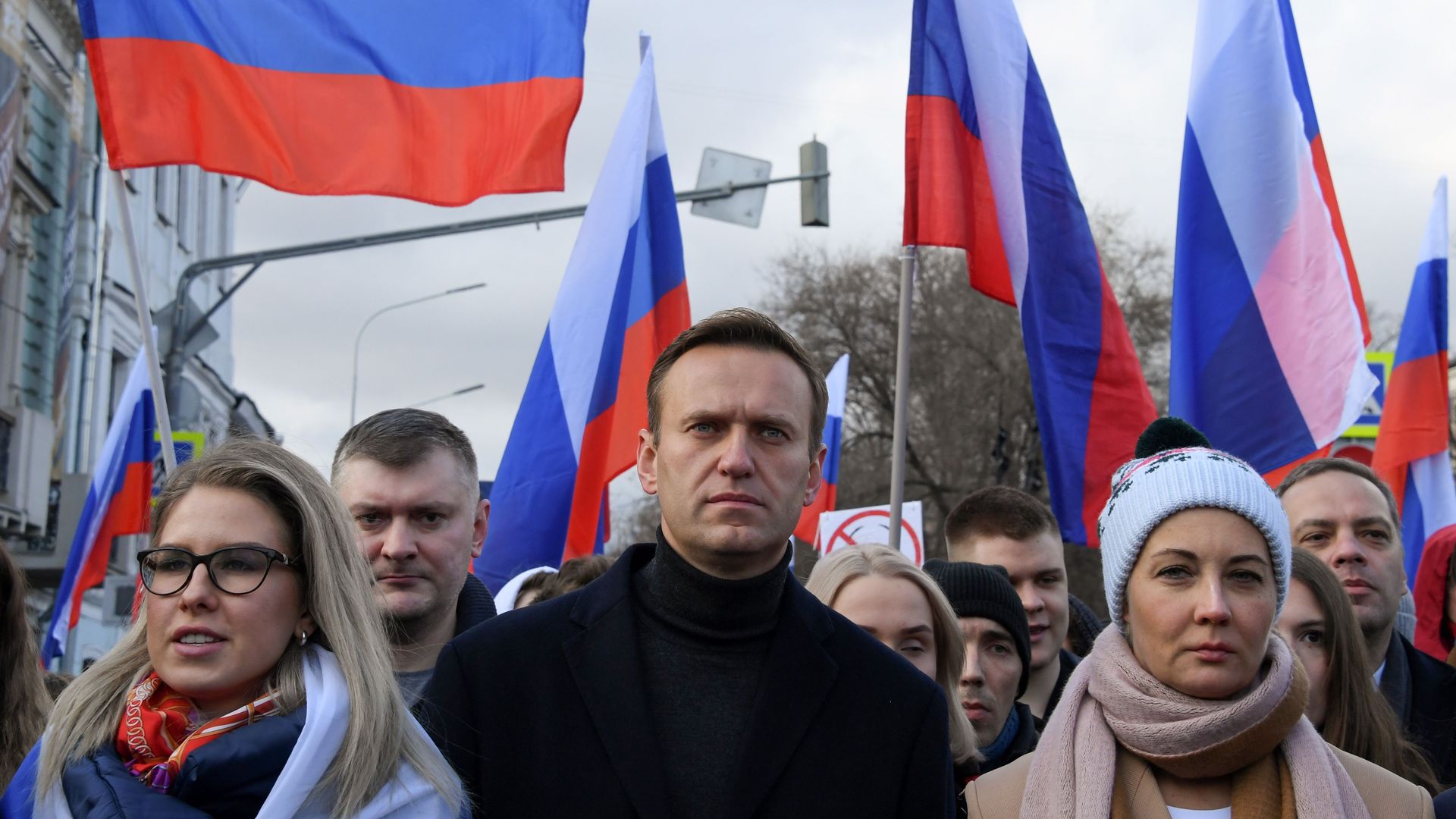
Russian opposition leader Alexei Navalny on Thursday accused President Vladimir Putin of orchestrating his poisoning with the nerve agent Novichok, a calling card of the Russian security services.
Driving the news: In his first interview since being released from a German hospital, where he was kept in a medically induced coma for weeks, Navalny told Der Spiegel that German Chancellor Angela Merkel paid him a personal visit last week.
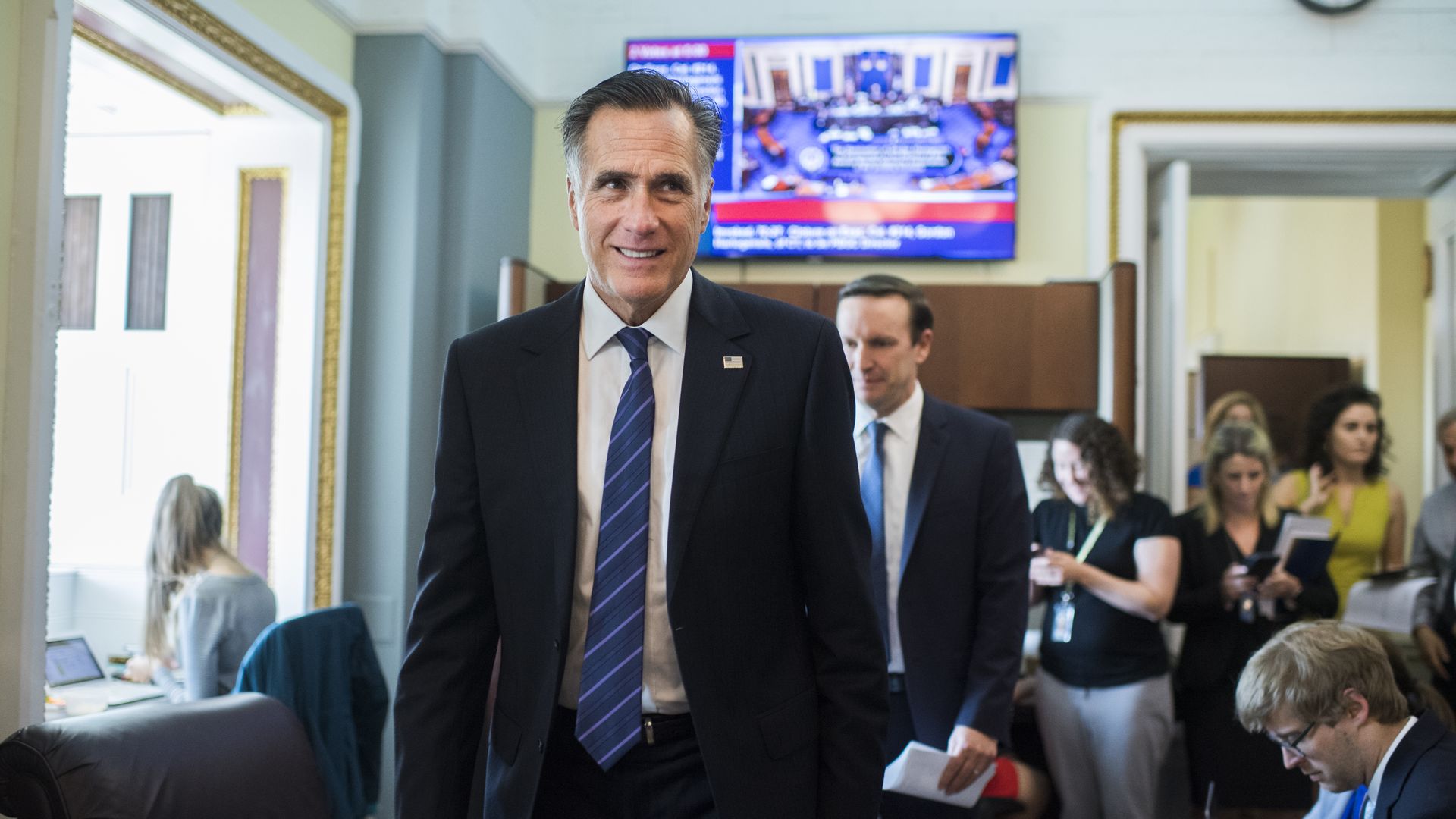
Sens. Mitt Romney (R-Utah) and Chris Murphy (D-Conn.) issued a statement Wednesday responding to reports that the Trump administration is planning to close the U.S. Embassy in Baghdad and calling on the State Department to reconsider.
Why it matters: The bipartisan call comes amid alleged threats from Secretary of State Mike Pompeo to close the embassy within weeks if Iraqi leaders do not prevent Iranian-backed militia groups from continuing to launch attacks at the massive, heavily fortified compound, the New York Times reports.
Some 70% of cyberattacks by cyber criminals are now phishing-related, according to a new report from Microsoft, which also found that attacks on critical infrastructure represent just a small slice of state-backed hacking efforts.
Why it matters: In the past, the report notes, "cybercriminals focused on malware attacks" to compromise their targets. The shift reflects cyber criminals’ skill at quickly adapting, in this case by pivoting to tried-and-true human engineering to trick people into handing over credentials.
Even before the recent New York Times bombshell on Trump's taxes, the president's financial entanglements raised the specter of foreign influence.
The big picture: Although Trump has said he turned over day-to-day management of the Trump Organization to his two sons, he hasn't divested from any of his businesses. Revelations from the Times report add to concerns that this state of affairs is shaping elements of Trump's foreign policy.
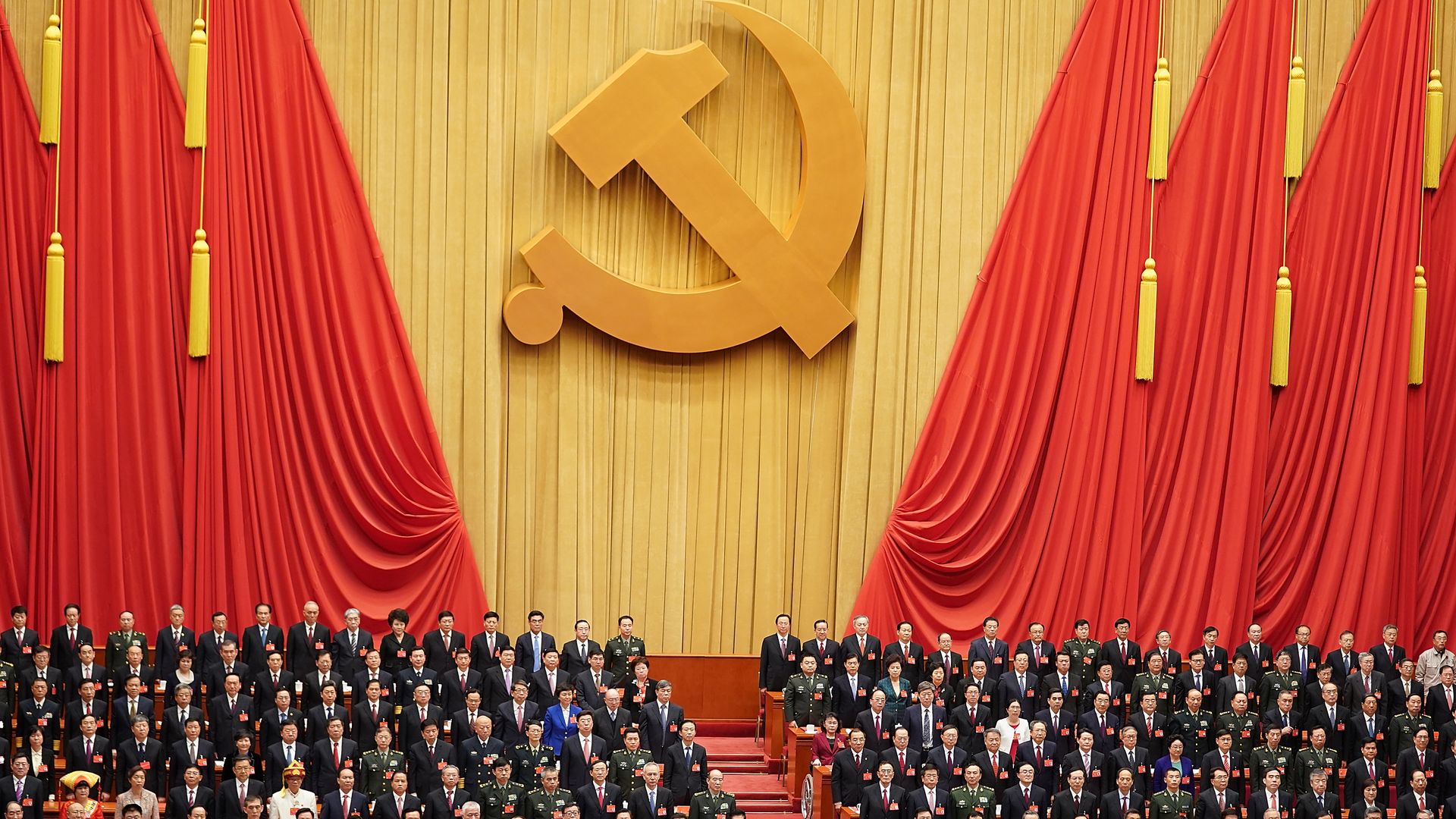
The House Intelligence Committee on Wednesday released a report finding that the U.S. intelligence community has failed to adapt to the growing threat from China, arguing that it will struggle to compete on the global stage for decades to come if it does not implement major changes.
The big picture: The 200-page report, based on thousands of analytic assessments and hundreds of hours of interviews with intelligence officers, determined that the intelligence community's focus on counterterrorism after 9/11 allowed China "to transform itself into a nation potentially capable of supplanting the United States as the leading power in the world."



/2020/10/01/1601572239021.gif?w=3840)