U.S. companies exported a record 129,000 tons of pork to China in April, even as meat producers warned that the effects of the coronavirus pandemic would deplete the industry's supply chain, the New York Times reports, citing data from Panjiva.
Why it matters: U.S. consumers had to deal with meat shortages as many meatpacking plants became coronavirus hot spots. The industry lobbied the Trump administration to intervene to reverse plant closures mandated by local and state officials.
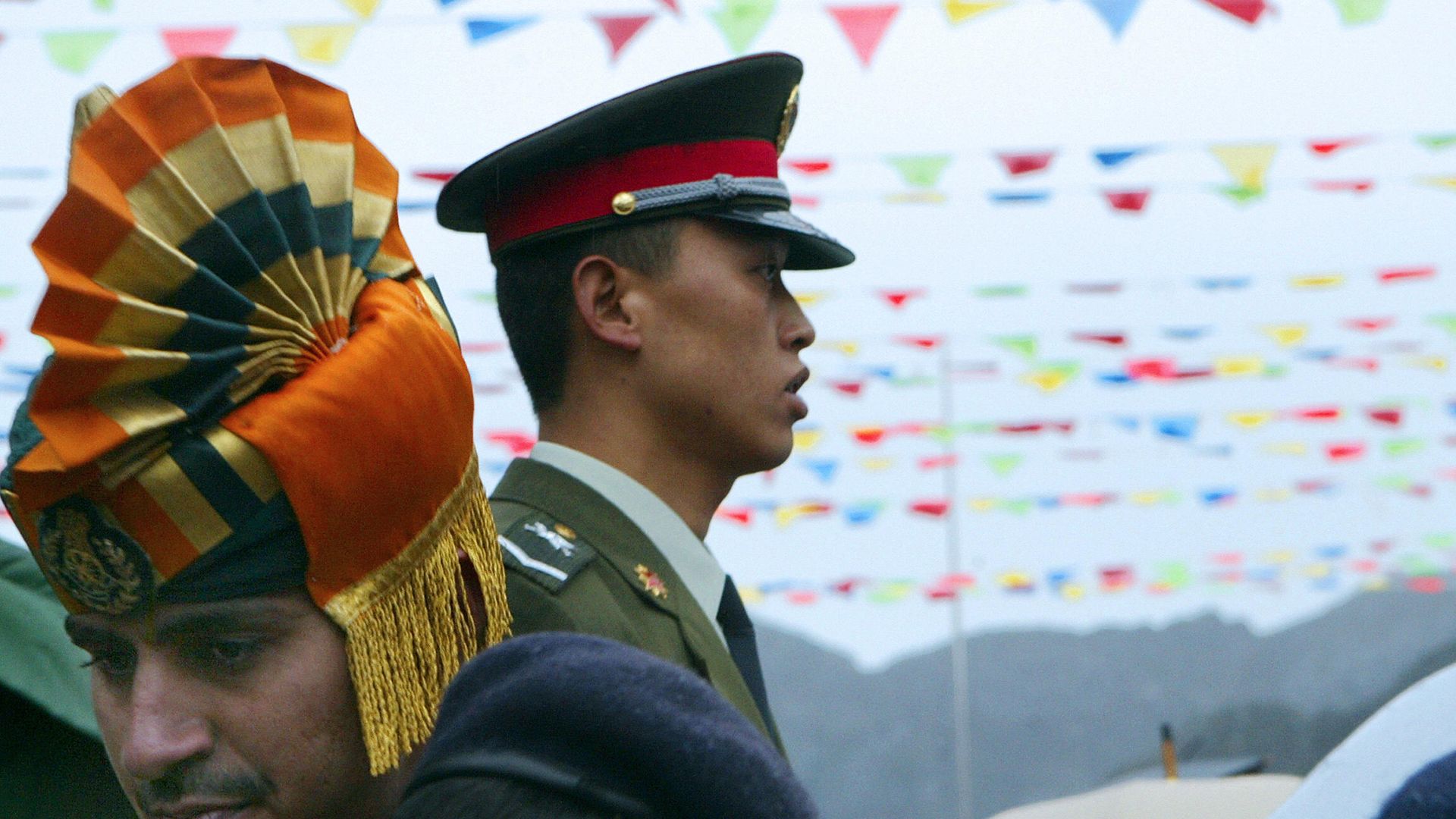
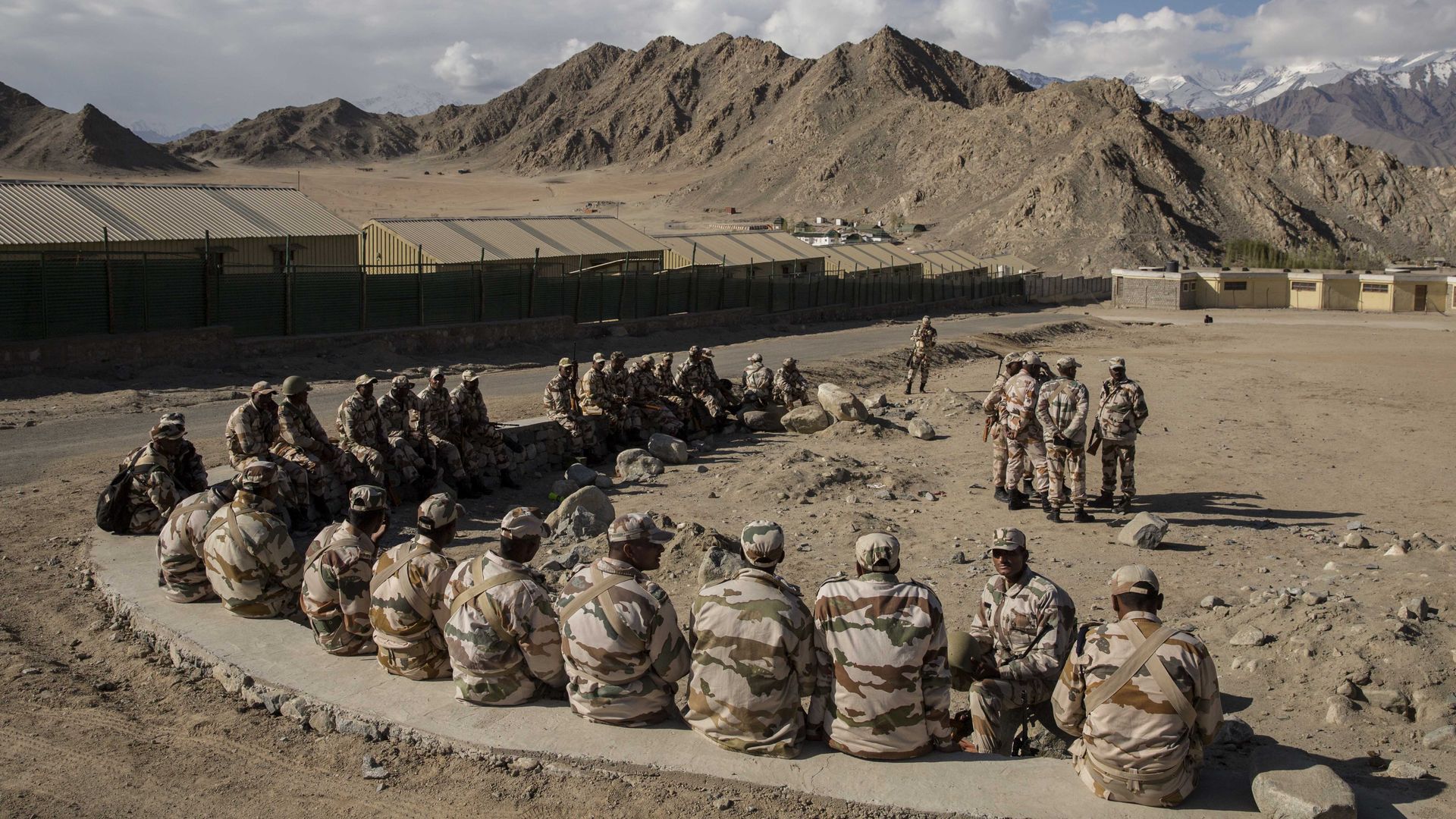
The Indian army says 20 of its troops were killed in a violent clash with Chinese forces in a disputed border region high in the Himalayas. China also reported casualties, but it has not confirmed any fatalities.
Why it matters: This is the most perilous moment for relations between the two Asian giants in decades. The sides had repeatedly clashed along the Line of Actual Control (LAC) but hadn't exchanged gunfire in 45 years. It's unclear whether guns were used in the altercation overnight.
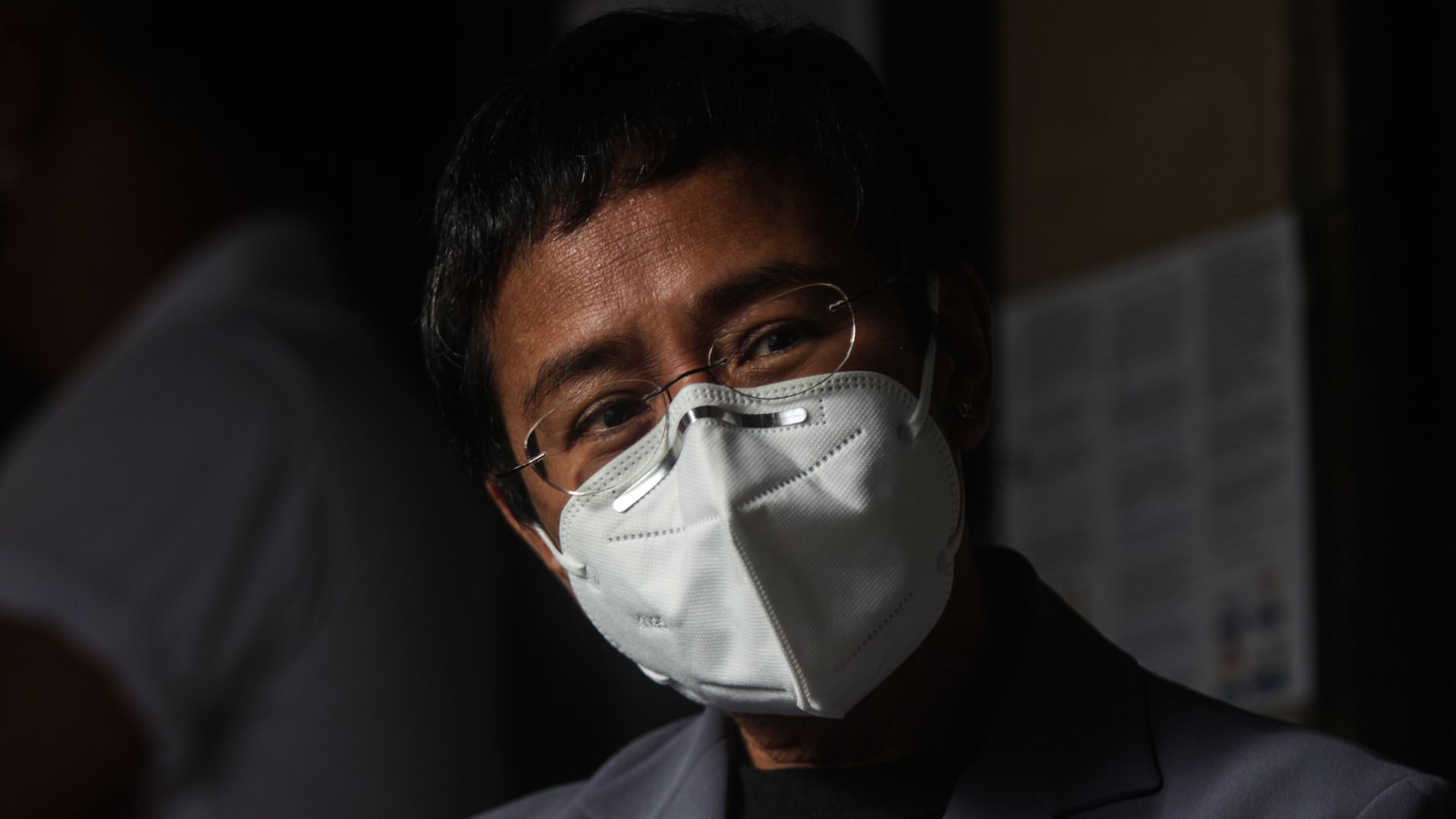
The State Department released a one-sentence statement on Tuesday noting that the U.S. is "concerned" for the future of freedom of expression in the Philippines after a court found journalists Maria Ressa and Reynaldo Santos guilty of "cyber libel."
Why it matters: The case, which Ressa and activists say is a politically motivated prosecution by the Philippines' government, has been monitored around the world because of its implications for press freedom in the increasingly authoritarian country.
Beijing's government ordered all schools in the city to close Tuesday in an effort to contain a new coronavirus outbreak which has spread to neighboring provinces, Bloomberg reports.
Why it matters: The Chinese capital, home to more than 21 million people, has so far reported 106 new infections and raised its emergency response to level two — meaning people must be tested for the virus before they can leave the city.
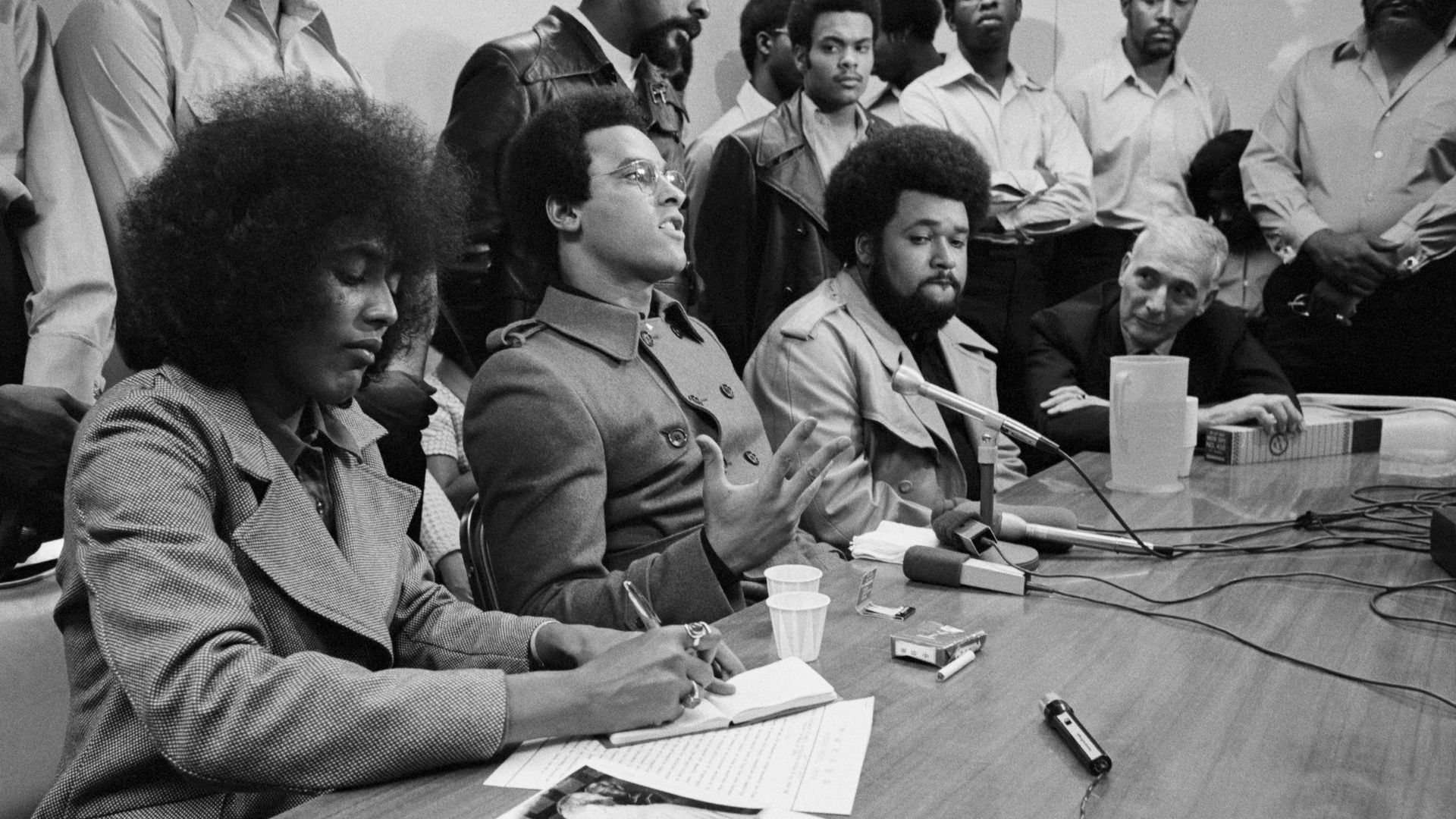
Since the Black Lives Matter protests swept the U.S., Chinese government officials have repeatedly made public statements condemning racial injustice in the U.S. Those comments may seem largely opportunistic, as Beijing isn't known for standing up for oppressed groups these days.
But in the mid-20th century, the Chinese Communist Party and some black activists in the U.S. actually did make common cause.
Three Indian soldiers were killed in "a violent face-off" with the Chinese Army in Ladakh in the disputed Kashmir region along the Himalayan border on Monday night, the Indian Army said in a statement.
Details: The Indian Army later stated there had been "casualties on both sides," India Today notes. The Indian Army added, "Senior military officials of the two sides are currently meeting at the venue to defuse the situation." China said Indian troops entered its territory to attack its soldiers, but it didn't comment on casualties, per AFP.
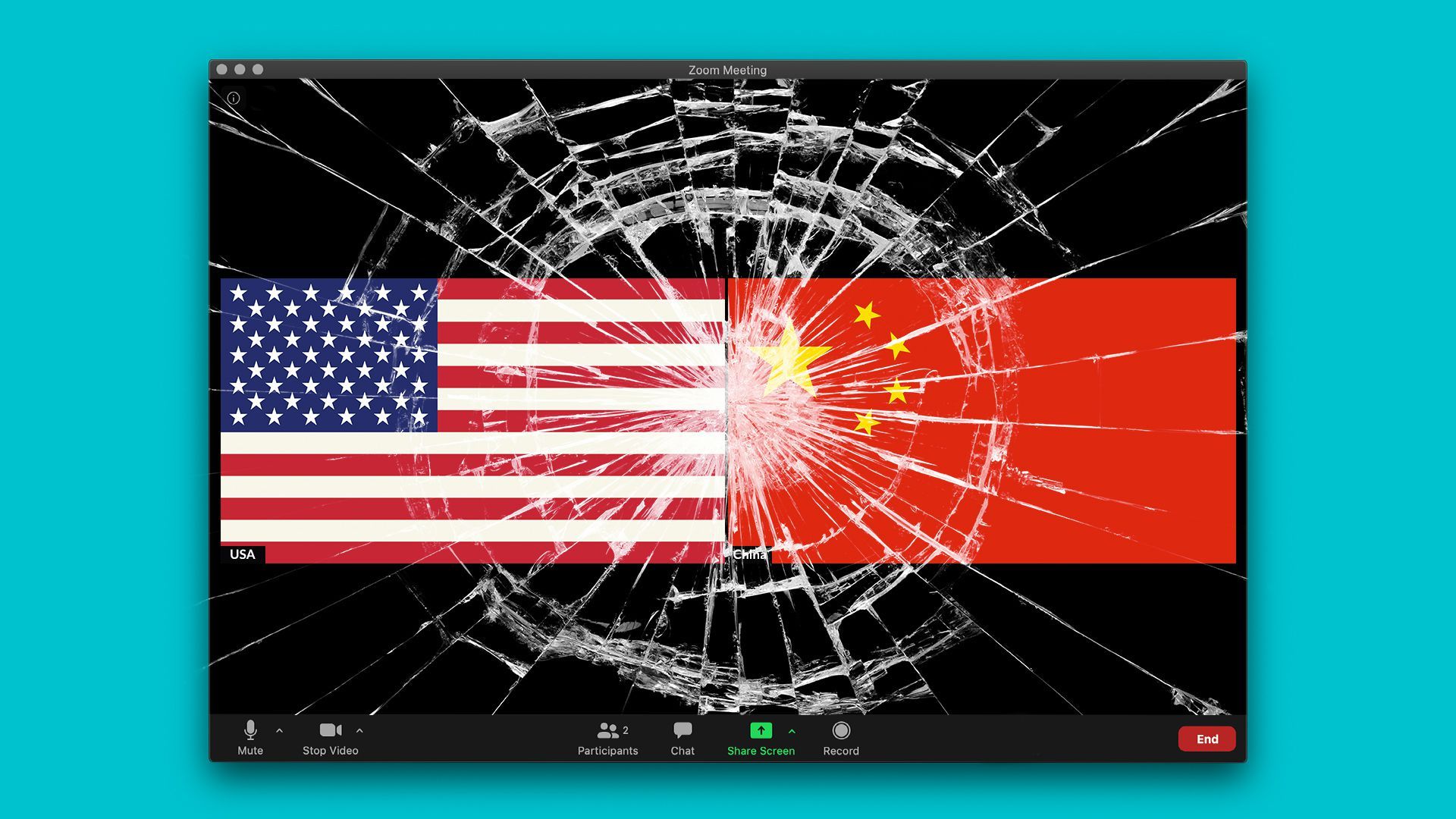
Last week, videoconferencing company Zoom sought to reassure global users that it would no longer shutter accounts outside of mainland China at Beijing's behest. But Zoom's struggle to please two governments with radically different ideologies is only just beginning.
Why it matters: U.S. tech companies with a significant presence in China face penalties or even expulsion from the country if they don't abide by Chinese government requests, and severe censure from U.S. civil society and government officials if they do.
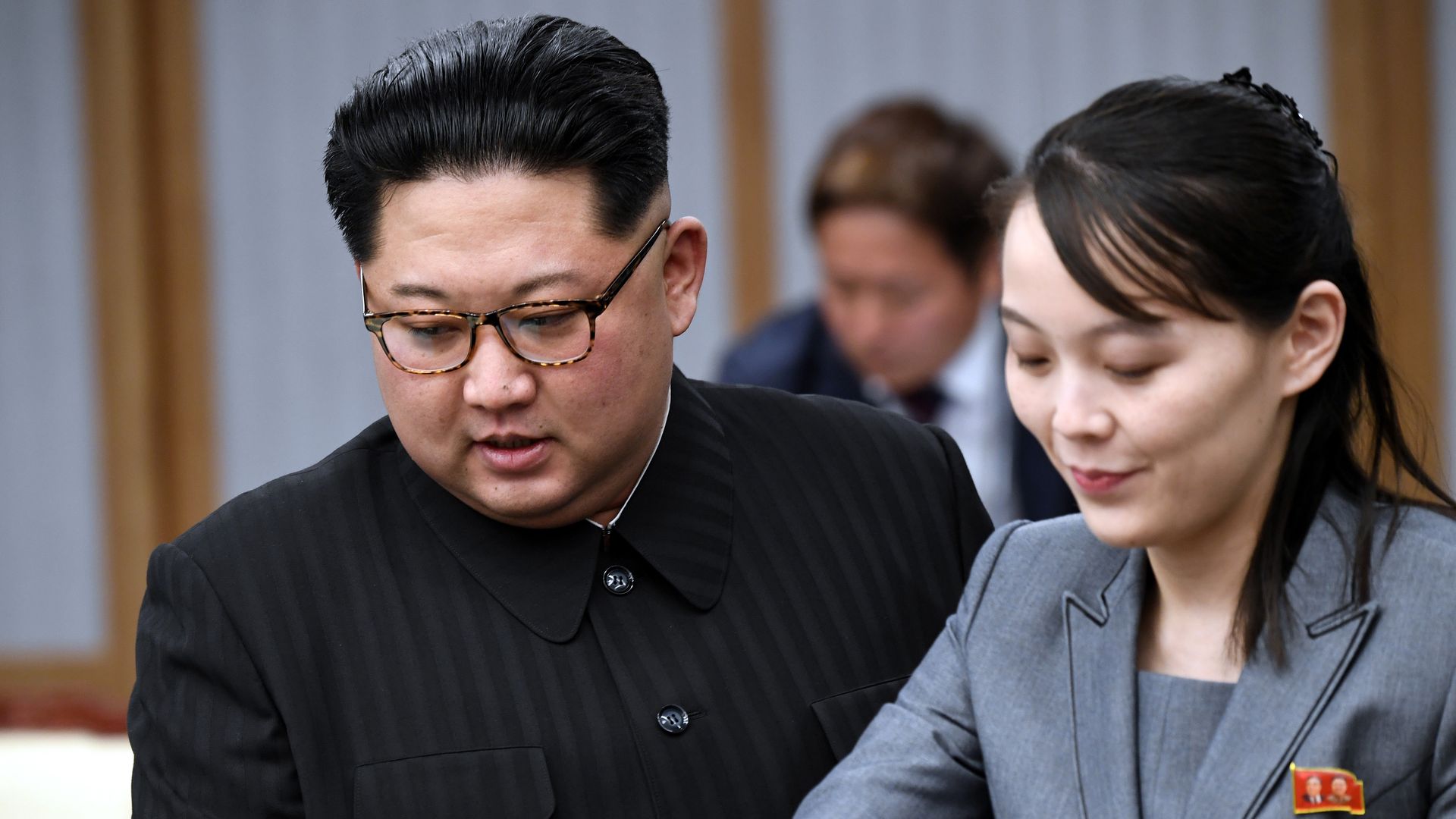
North Korea "destroyed' a joint liaison office building on its side of the border on Tuesday, Seoul’s Unification Ministry said, per AP.
Details: "North Korea blew up the inter-Korean liaison office" in the border town of Kaesong, South Korea’s Unification Ministry said via text message, according to Bloomberg. Smoke could be seen and "an explosion was heard" in town, Yonhap notes.
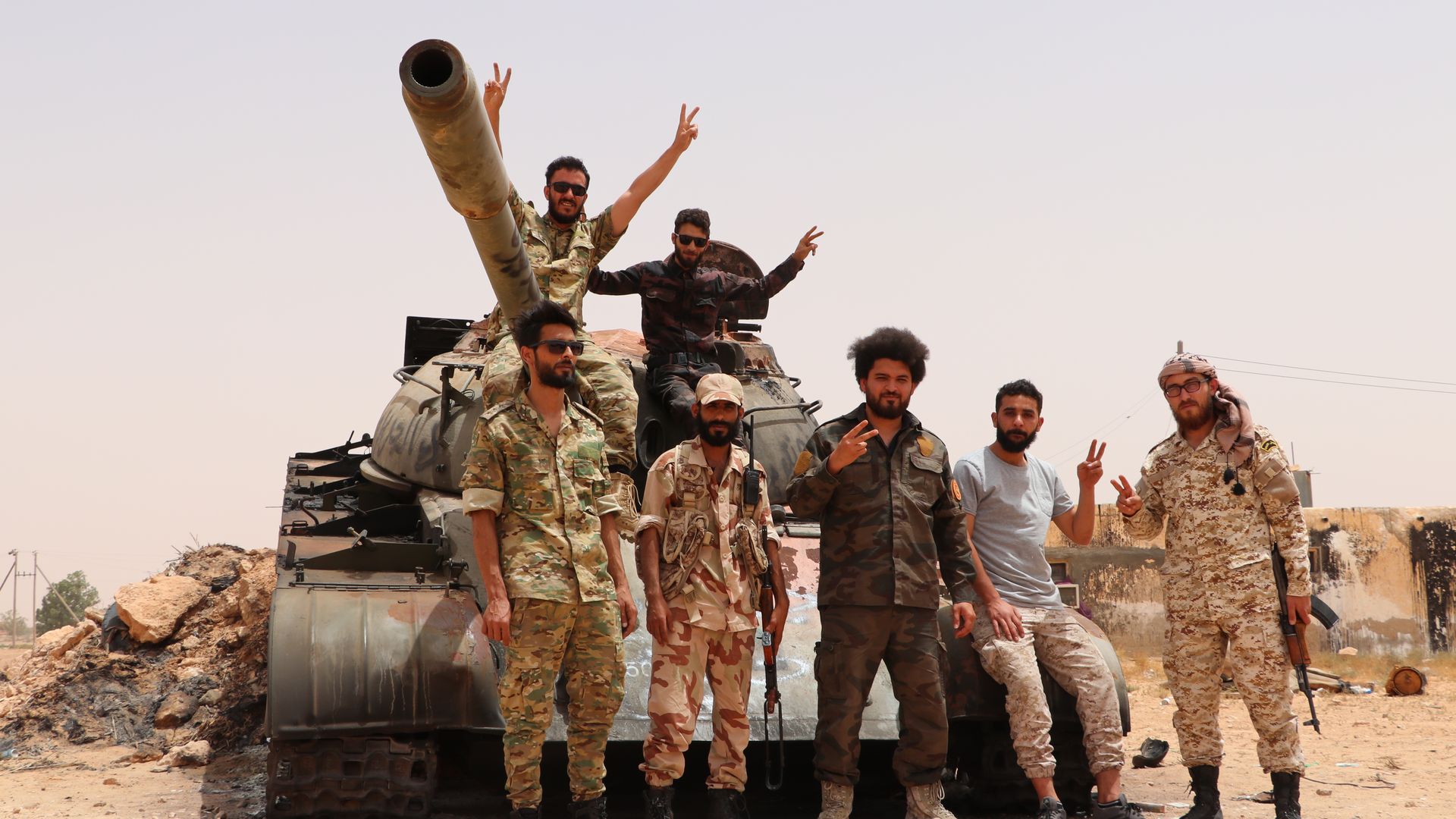
With renegade Gen. Khalifa Haftar's fighters retreating from Libya’s capital and militias supporting the UN-backed government on the offensive, the foreign countries powering Libya’s civil war are scrambling to adjust to a new reality.
The big picture: Russia, the UAE, Egypt and to a lesser extent France embraced the idea of a secular strongman taking control in Libya after years of chaos. But Haftar's offensive turned into a yearlong stalemate, and now a string of embarrassing defeats.
The coronavirus pandemic has affected sports across the globe, and in Spain, it could wipe out the age-old sport of bullfighting altogether.
Why it matters: For years, an increasingly vocal contingent of Spaniards have been pushing for the end of what they see as "torturing animals as a form of spectacle." Now, the economics are such that the bullfighting industry could die out regardless of the opposition.
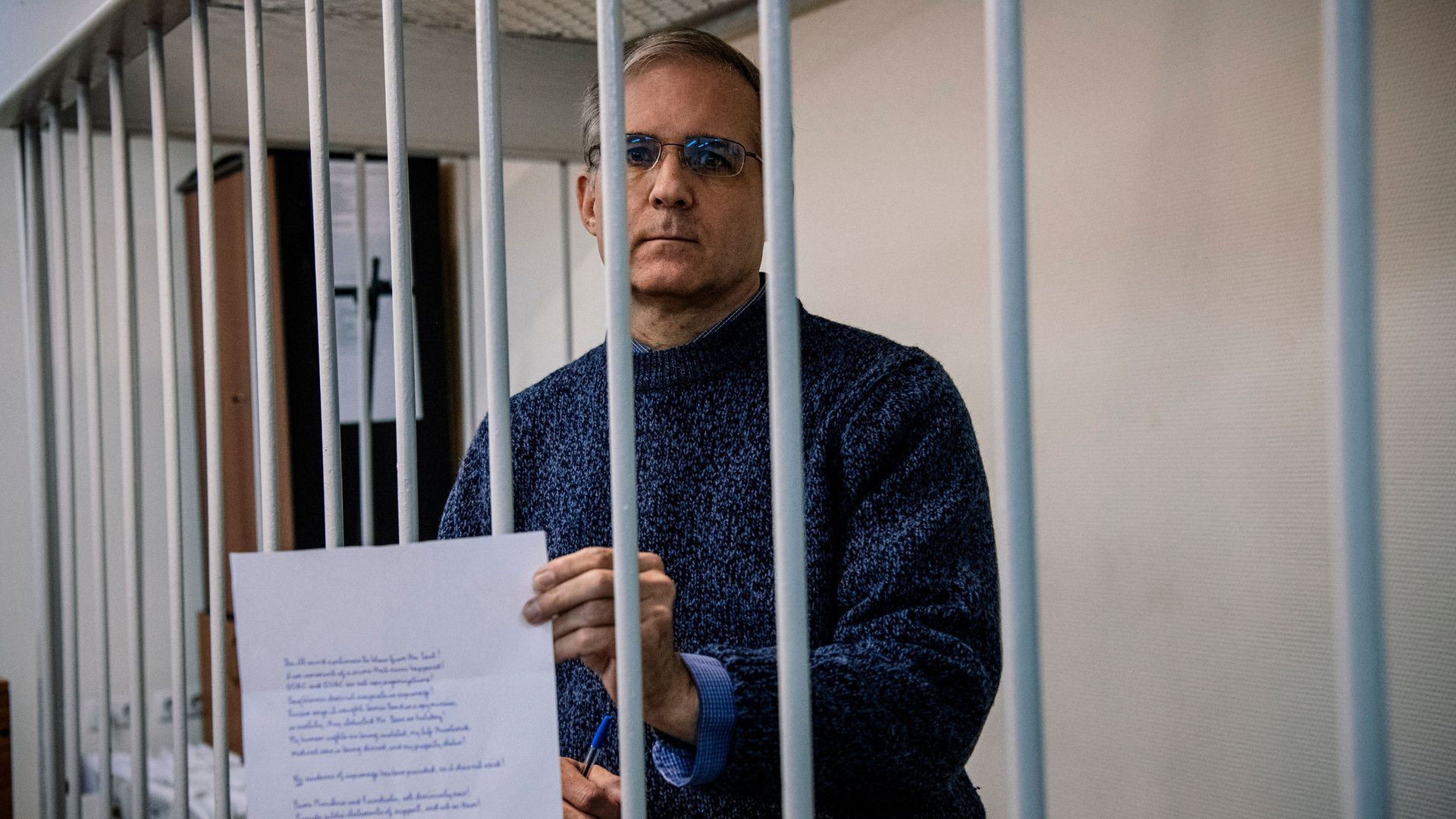
A Russian court sentenced on Monday American businessman Paul Whelan to 16 years in prison on spying charges, the AP reports.
The state of play: Whelan, a 50-year-old corporate security executive and Marine Corps veteran, was arrested in Moscow in December 2018. He and his brother, David, argue the charge is political and that he was set up.
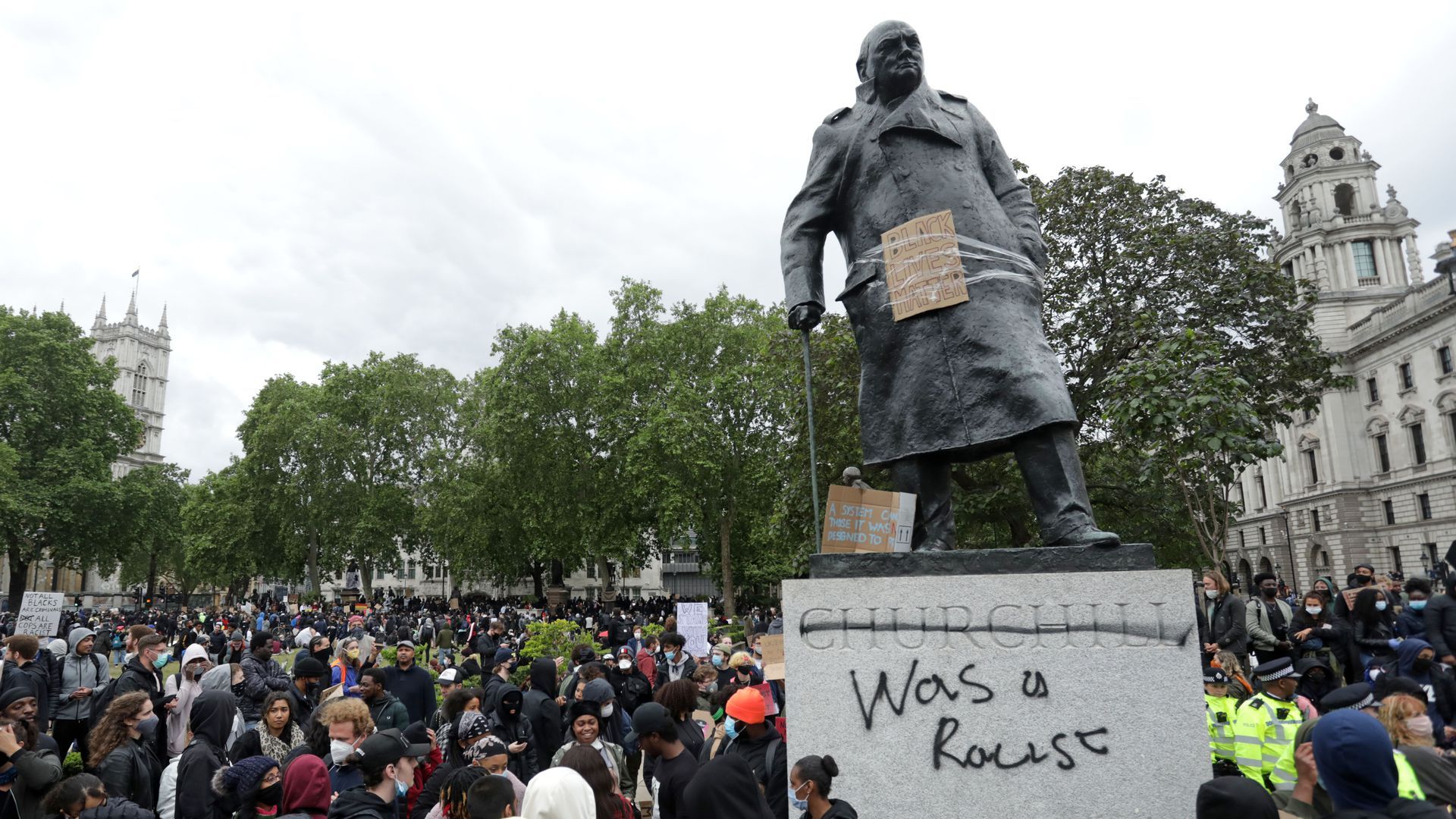
U.K. Prime Minister Boris Johnson and French President Emmanuel Macron both pushed back on Sunday against calls from Black Lives Matter protesters to remove colonial-era statues — with Johnson insisting you can't "photoshop" history.
Why it matters: Weeks of anti-racism protests triggered by Black Lives Matter demonstrations in the U.S. and across the world have brought to the fore the racist legacy of the colonial past of several countries.
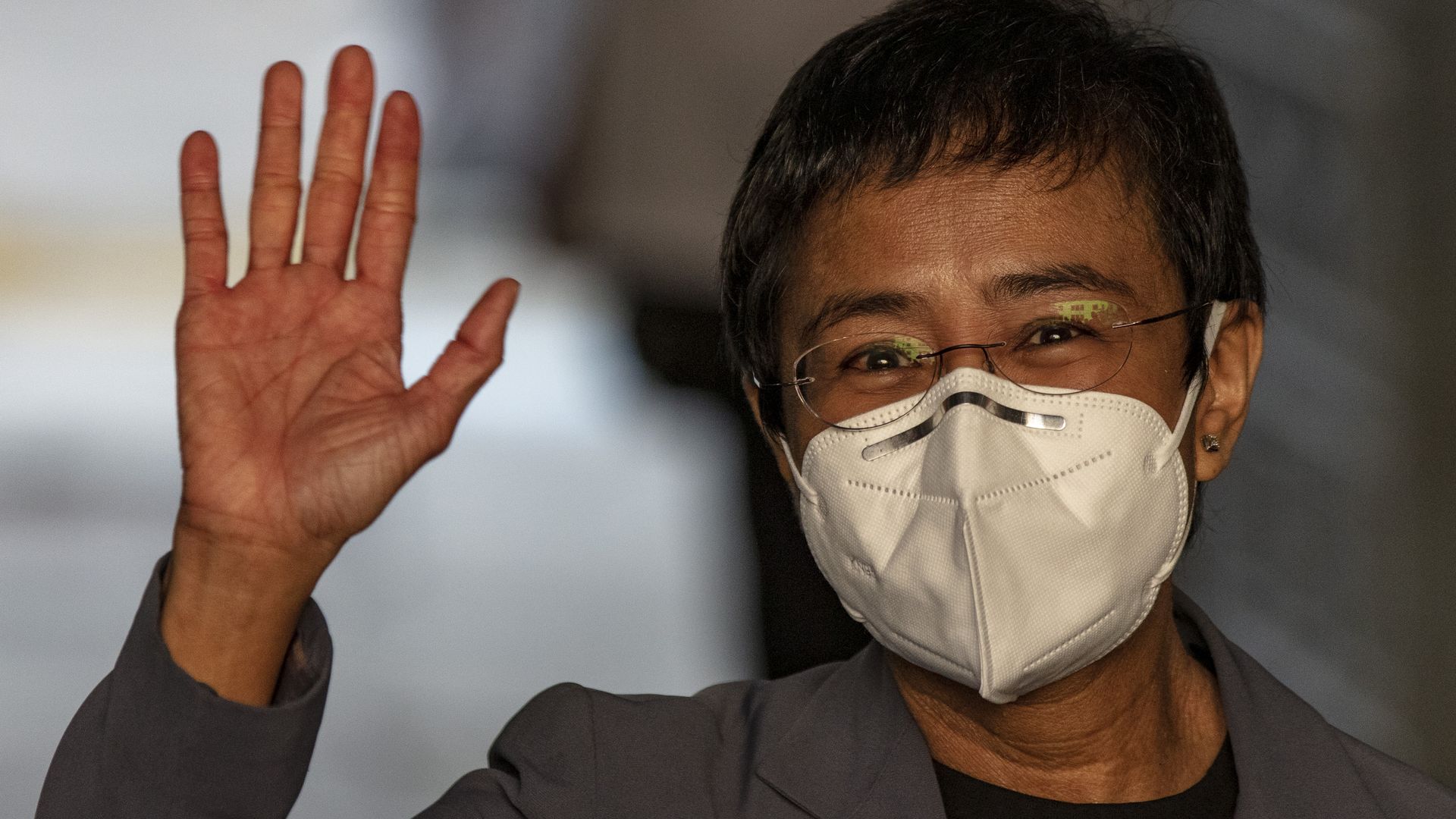
A court in the Philippines has convicted Maria Ressa, chief of the news site Rappler, of cyber libel in a trial that has been closely watched because of its implications for press freedom in the country.
Driving the news: Ressa and co-defendant Reynaldo Santos Jr were sentenced to between six months to six years in prison, but were granted bail pending appeals that could ultimately come before the supreme court. Ressa and Rappler have drawn the ire of strongman President Rodrigo Duterte for their critical coverage.