The world is facing its gravest challenge in decades, but President Trump issued a reminder today that geopolitical tensions won’t wait until it’s over.
The big picture: Trump’s threat to “destroy” Iranian boats that harass U.S. ships comes amid rumors about Kim Jong-un's health, arrests in Hong Kong of leading pro-democracy activists, and clashes in Afghanistan that could further undermine the peace process there.
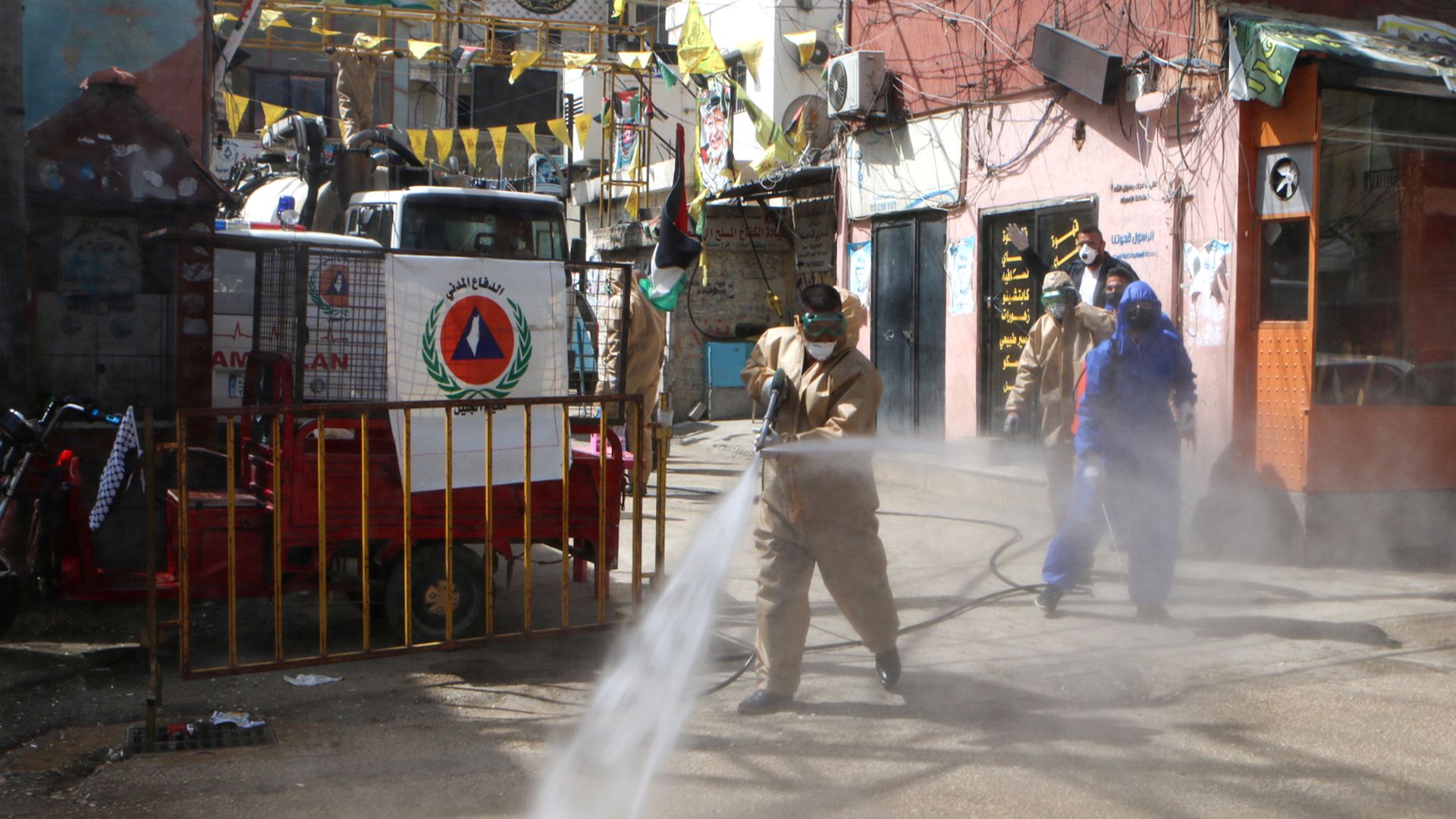
A woman living in the only Palestinian refugee camp in Lebanon’s Bekaa region has tested positive for the coronavirus, AP reports, citing the United Nations.
Why it matters: She's the first person in a refugee camp in Lebanon, which hosts tens of thousands of Palestinian refugees, to contract the virus.
We think of Russian spy stories as a 20th-century genre of storytelling, but imperial Russia retained a sprawling corps of intelligence-gathering bureaucrats that it sent to spy on Qing-dynasty China.
The intrigue: In "Spies and Scholars: Chinese Secrets and Imperial Russia's Quest for World Power" (Belknap Press, 2020), Georgetown University historian Gregory Afinogenov draws on never-before-seen material from Russian archives.
China's highest-security virology center is at the center of debate, speculation and misinformation about how, where and when the novel coronavirus emerged.
Why it matters: Knowing the origin of the novel coronavirus is key to efforts to prevent future possible pandemics and will shape China's role in the post-pandemic world.
Scores of Chinese diplomats and embassies around the world have opened Twitter accounts over the past six months.
The state of play: Many of them are now using the social media platform to post accusations, boasts and name-calling directed at governments and individuals they feel have insulted China.
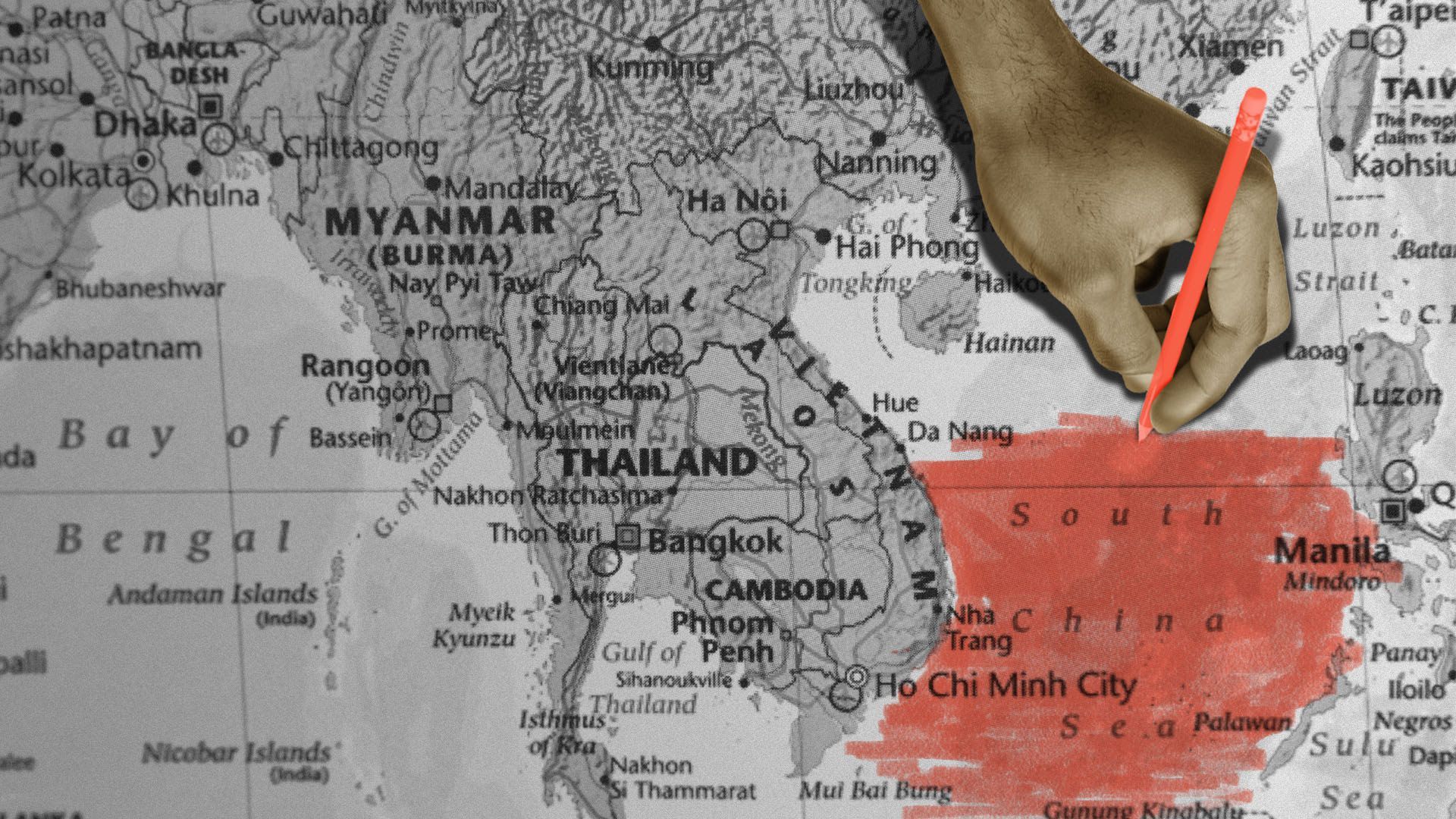
China announced on April 18 it has created two new municipal districts to administer disputed regions in the South China Sea that are also claimed by other countries in the region. Chinese ships also trailed a Malaysian vessel operating in waters near Malaysia.
Why it matters: The Chinese Communist Party may try to "solidify and strengthen" its maritime claims while the world is busy dealing with the pandemic, said James Kraska, a professor of international maritime law at the U.S. Naval War College.
President Trump has spoken regularly about the return of sports. But in Canada, where large gatherings have been banned through August in much of the country, there's less urgency to bring them back.
Why it matters: Canada is home to 12 franchises that are part of North America's five major sports leagues, all currently weighing how and when to resume play.
The global coronavirus crisis is entering a trial-and-error phase as countries begin to tiptoe out of lockdown.
Why it matters: The decisions of what to open and when could determine whether economies stay afloat, and whether fresh lockdowns will be needed if cases spike again. U.S. states now considering their own exit strategies will be watching closely.
135 million people globally were affected by acute malnutrition in 2019, the United Nations' food agency said in a report released Monday — the most since the agency was formed four years ago.
Driving the news: The planet is “on the brink of a hunger pandemic" as it grapples with the coronavirus outbreak, David Beasley, chief of the UN's World Food Program told the UN Security Council Tuesday, AP reports.
President Trump responded to unconfirmed reports that North Korean dictator Kim Jong-un is in "grave" condition following surgery, telling reporters at a press briefing Tuesday: "I just hope he's doing fine. I have had a very good relationship with Kim Jong-un."
Why it matters: Trump has often touted his close personal relationship with Kim, whom he met with twice in historic summits that ultimately failed to achieve the U.S. goal of denuclearization. The president did not confirm the reports about Kim's health or speculate about North Korea's line of succession.
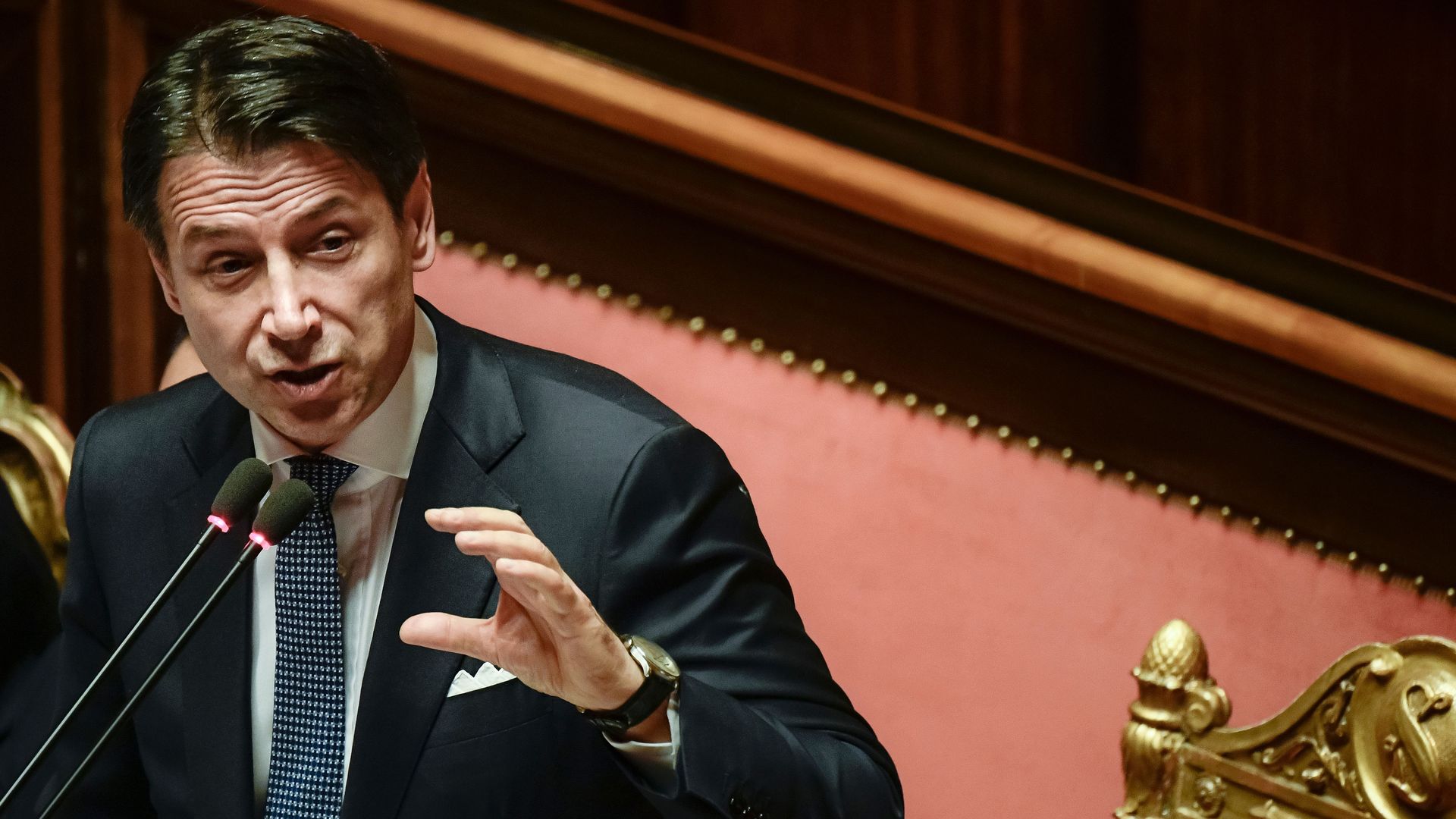
Guidelines to cautiously reopen parts of Italy will likely be applied starting May 4, Italian Prime Minister Giuseppe Conte said Tuesday in a Facebook post.
Germany's Oktoberfest festival in Munich won't take place this year, the governor of Bavaria announced Tuesday.
“We are living in changed times,” said Markus Söder, the governor of Bavaria. “Living with corona means living cautiously.”
Why it matters: The iconic festival draws 6 million people a year and was supposed to start Sept. 19. Germany's ban on large public gatherings ends on Aug. 31, but authorities thought it would be difficult to enforce social distancing and require all attendees to wear masks.
Two-thirds of Americans now view China unfavorably, up from 47% two years ago, according to data from Pew that suggests the increasingly adversarial approach from Washington is spreading throughout the country.
The big picture: Americans have tended to view China negatively since 2013, but that sentiment has grown dramatically over the past two years amid the U.S-China trade war and, more recently, the coronavirus pandemic. In that time, the proportion of Americans who view China very unfavorably has more than doubled (15% to 33%).
The global economy has never faced a challenge like the coronavirus, but it’s in Africa that the pain could be deepest and recovery slowest.
Why it matters: Years of progress on alleviating extreme poverty will be undone, and economies that had been among the world’s fastest growing could face deep recessions. That’s even if Africa averts a Europe-style public health catastrophe.