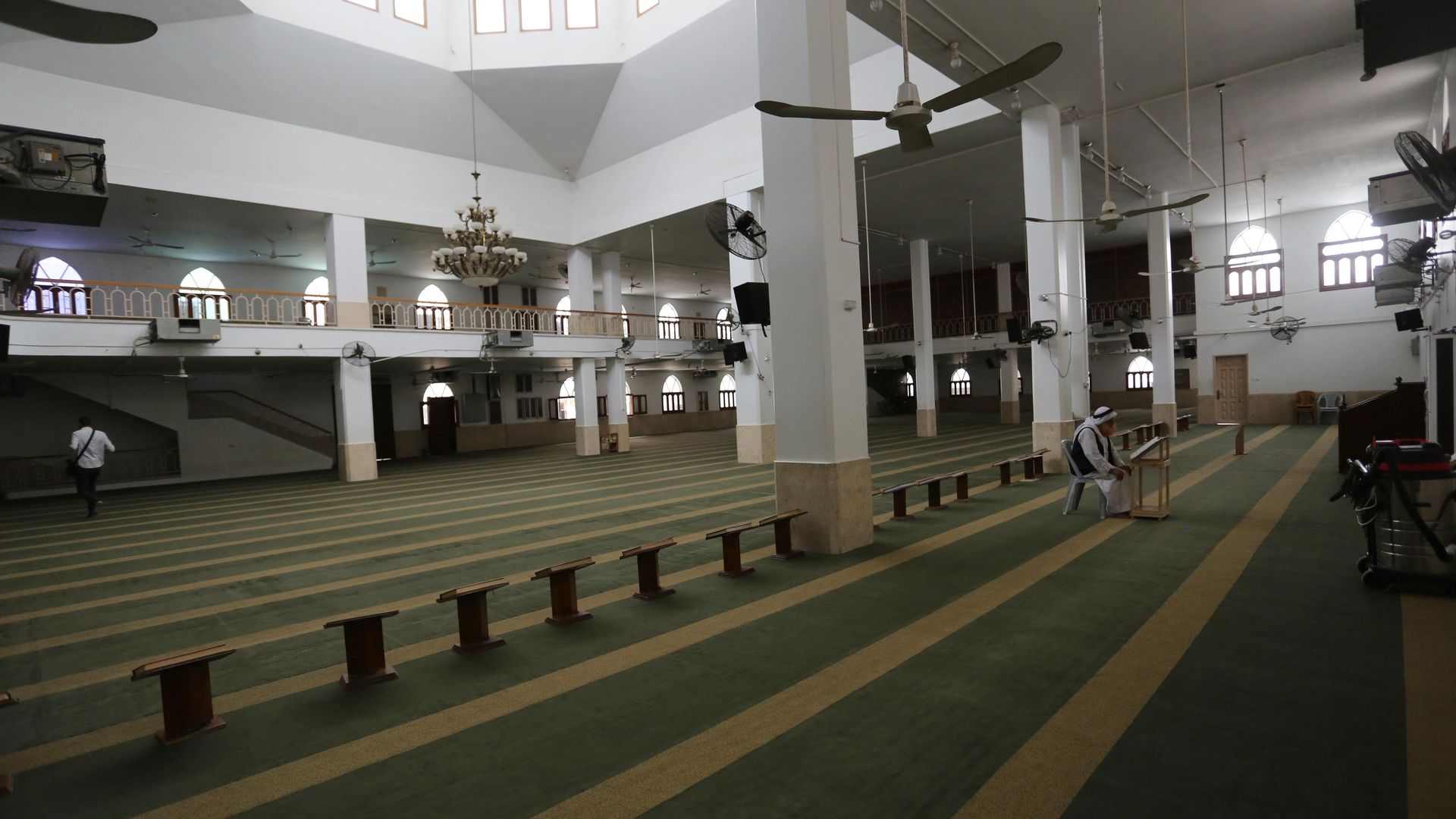
Mosques around the world are empty and silent as Muslims begin breaking their fast, ending the first day of Ramadan.
Why it matters: Many families and friends typically meet up at mosques to pray and celebrate the holy month, but the coronavirus pandemic has forced people to celebrate in isolation. Those who did go to mosques practiced social distancing.
CityLab has some fascinating reporting on European cities making changes to their transit policy that will outlast the immediate crisis and, more intriguingly, perhaps become permanent after initial reemergence from lockdown.
Driving the news: It notes that in the near term, transit policies and systems will change in recognition that people should not be — and don't want to be — crammed into buses and trains cheek-by-jowl.
Nearly 1.8 billion Muslims around the world start their monthlong fast for Ramadan on Friday as the coronavirus continues to engulf the world and impede everyday life.
Why it matters: Long-standing traditions, such as gatherings with family and friends for iftar, the meal for breaking fast, and evening prayers, are set to be upended as people are forced to isolate.
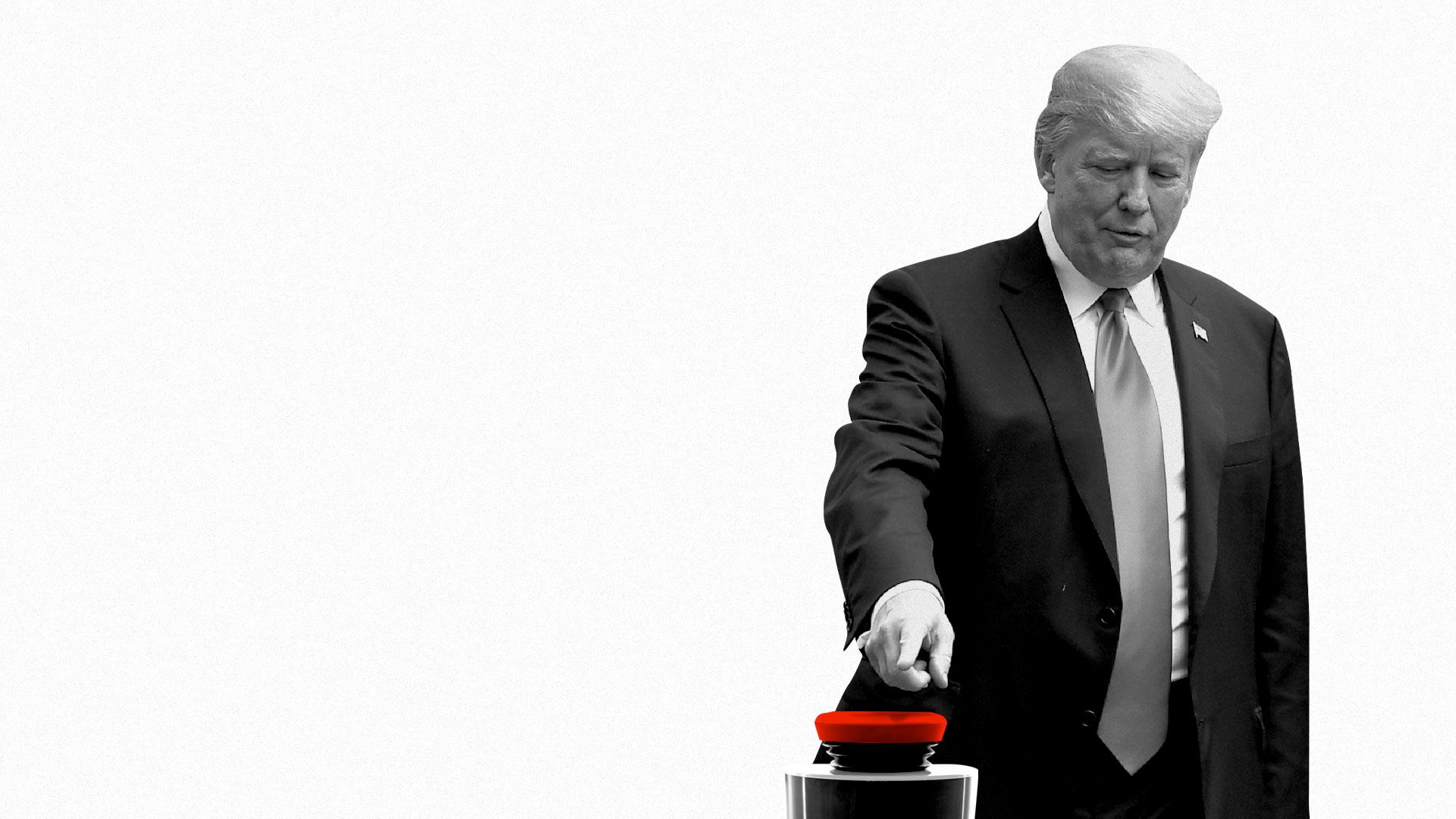
President Trump's declaration about directing the Navy to "shoot down and destroy" Iranian gunboats brings to a head his years of urging military leaders to get tougher on Iranian harassment at sea.
Why it matters: Now — unlike in the days when James Mattis ran the Defense Department and often ignored what he viewed as intemperate orders from Trump — the president faces no meaningful resistance from his national security team.
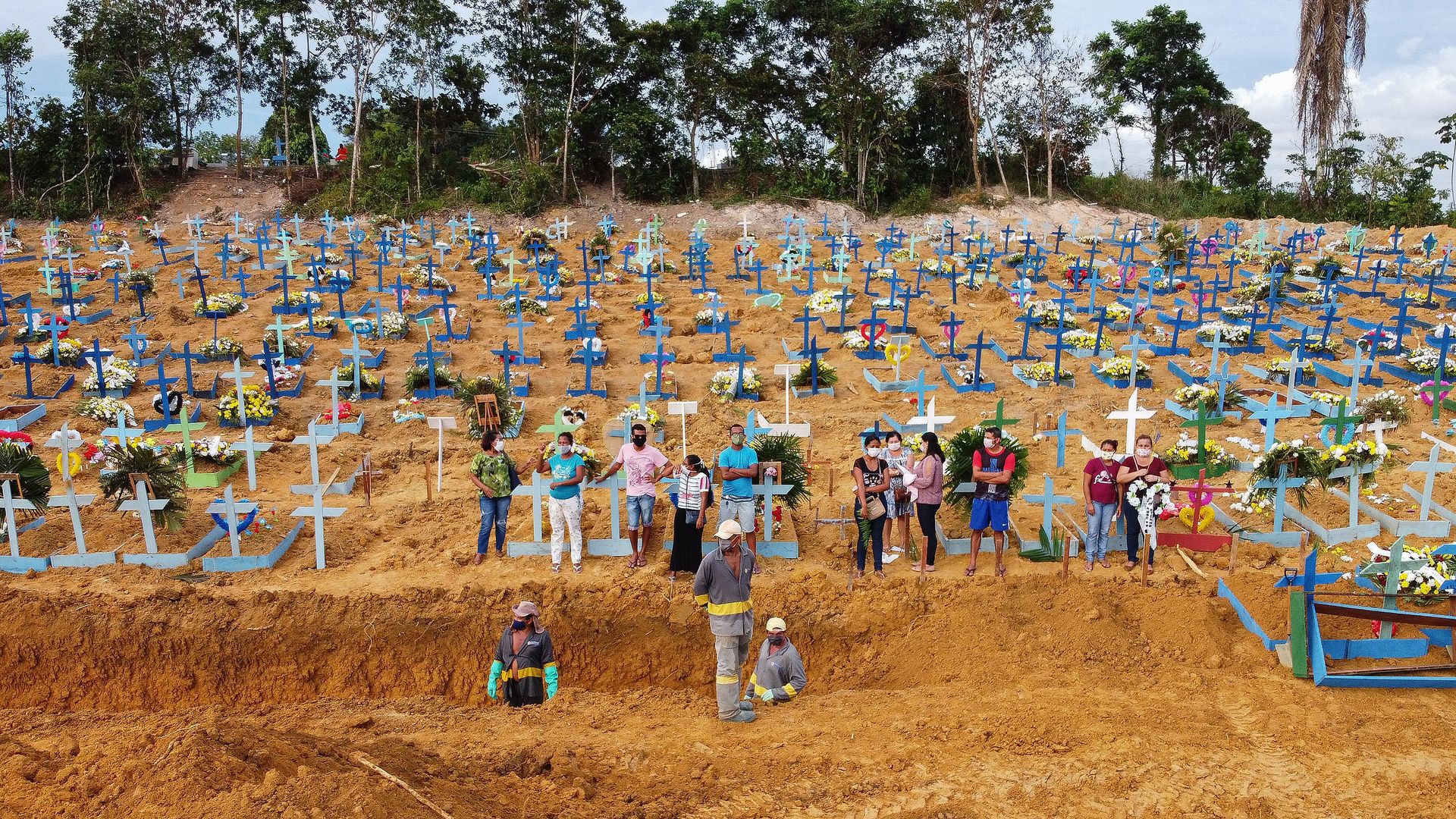
Brazil and Ecuador have become coronavirus epicenters in Latin America, as prolonged lapses in tracking and testing have led to severely undercounted death tolls, the Washington Post and the New York Times report.
Where it stands: Brazil's health minister, appointed by far-right President Jair Bolsonaro last week, said the government plans to buy 46 million tests, but has not detailed when they will arrive or be distributed, per the Post. Authorities in Ecuador, including the country's president, believe the national death toll is much higher than currently reported.
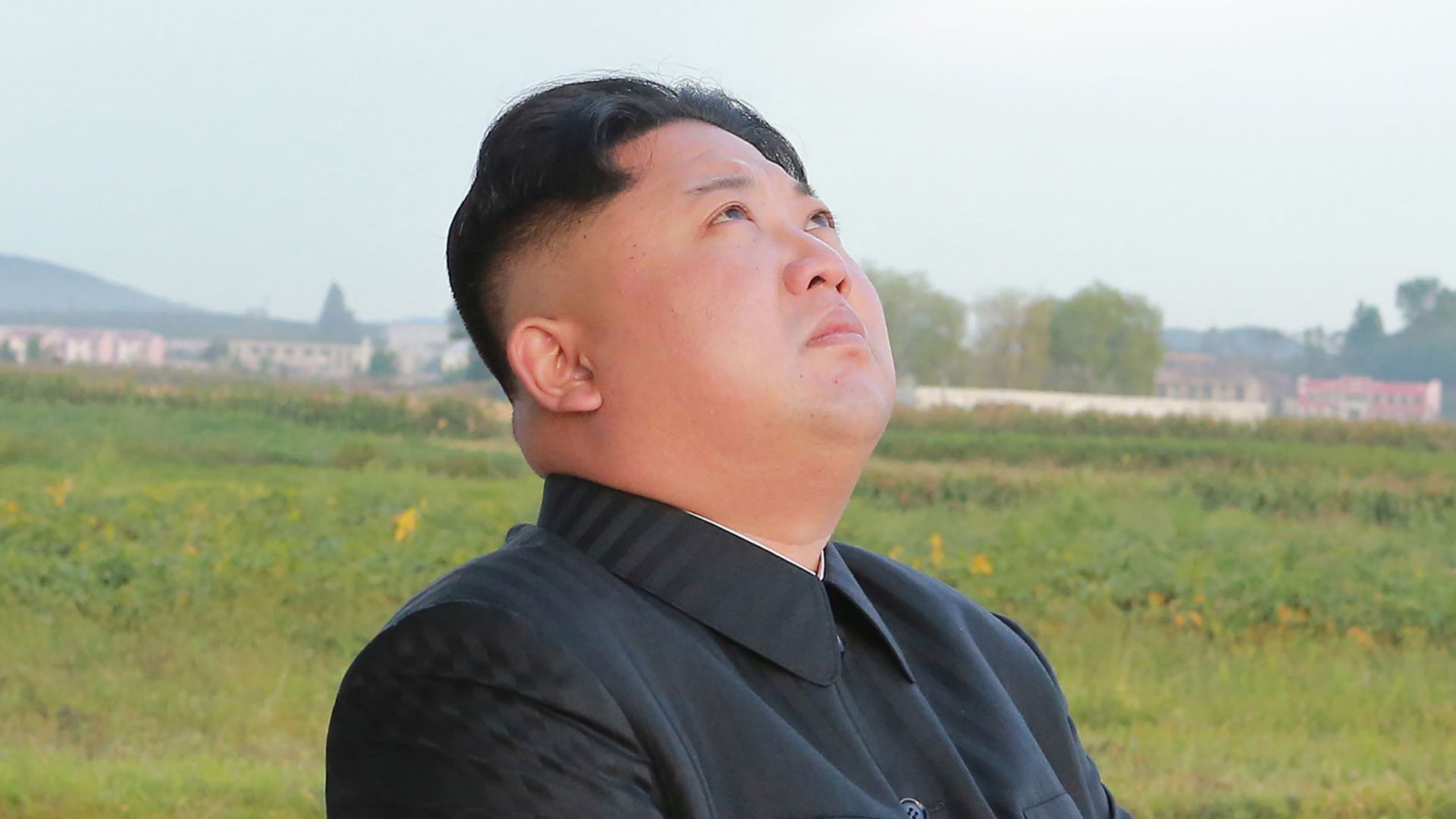
Kim Jong-un’s status remains a mystery after a week of rumors about the North Korean dictator’s health and chatter in Washington about succession.
Why it matters: “This should be a huge reminder of how much regional stability rests on this one leader,” says Jung Pak, a former CIA officer and author of the forthcoming book “Becoming Kim Jong-un.”
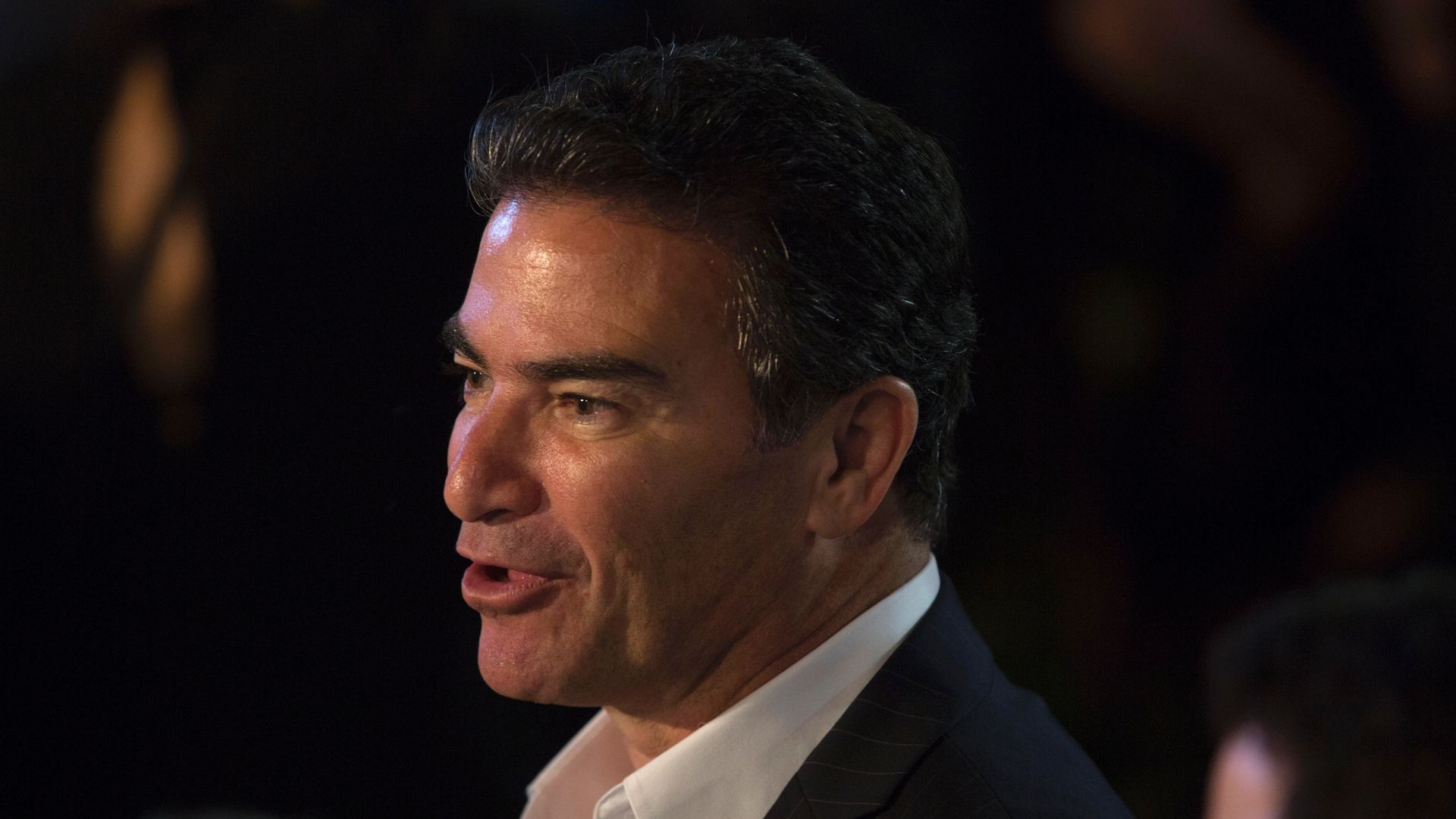
The director of Israel's foreign intelligence agency, Mossad, said in a briefing to health care officials on Thursday that Iran and its regional allies are intentionally underreporting cases and deaths from the coronavirus, officials who attended the event tell Axios.
What he's saying: According to officials who attended the briefing, Mossad Director Yossi Cohen said the situation in Iraq, Lebanon, Syria and Iran is much worse than the governments of those countries publicly acknowledge.
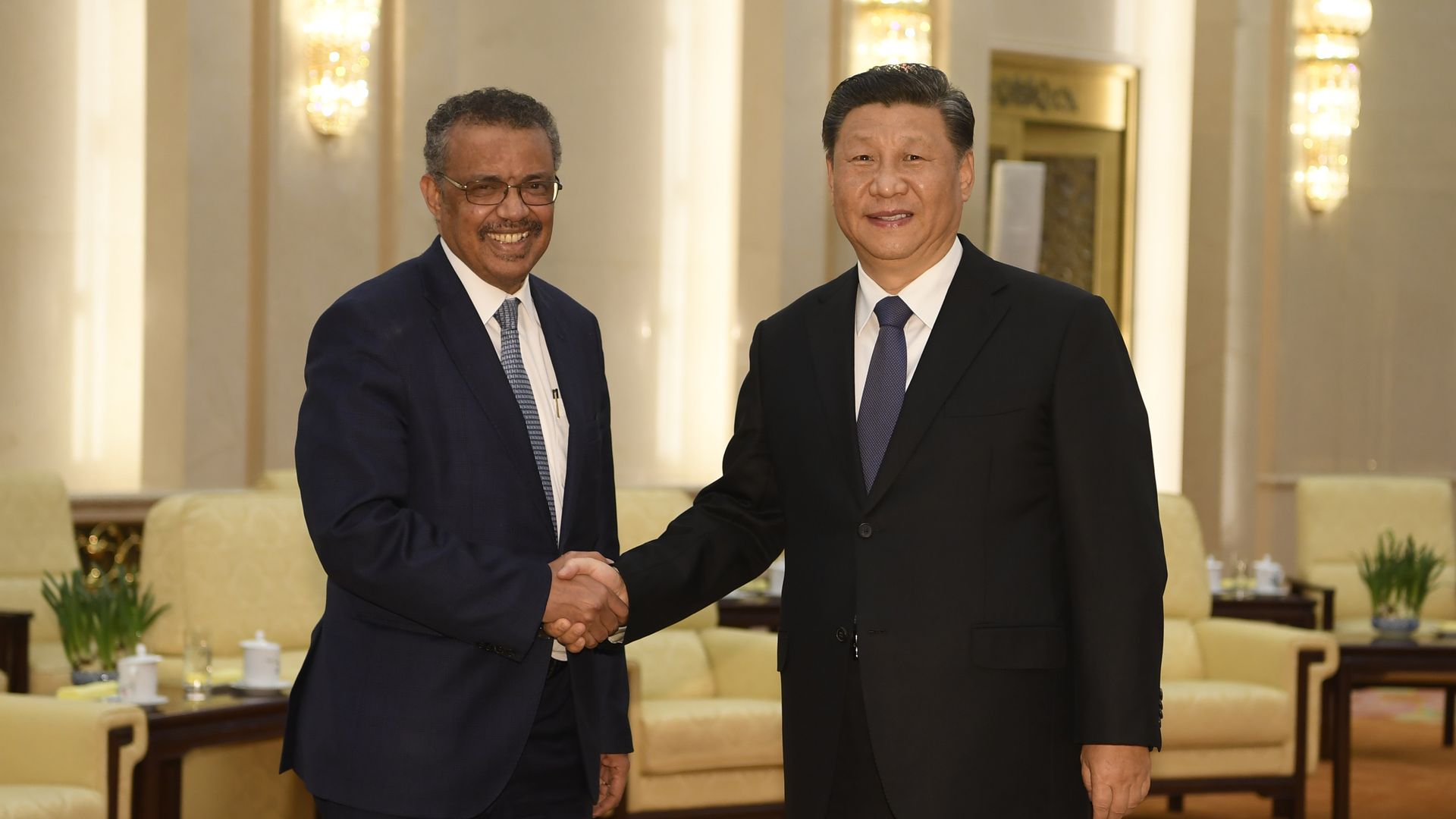
The Chinese Foreign Ministry on Thursday announced that the country will give the World Health Organization an additional $30 million, after donating $20 million in cash to WHO on March 11 to help fight the global coronavirus outbreak.
Why it matters: Some critics of the Trump administration’s recent call to suspend WHO funding argue that decision would increase China’s influence over the international organization.
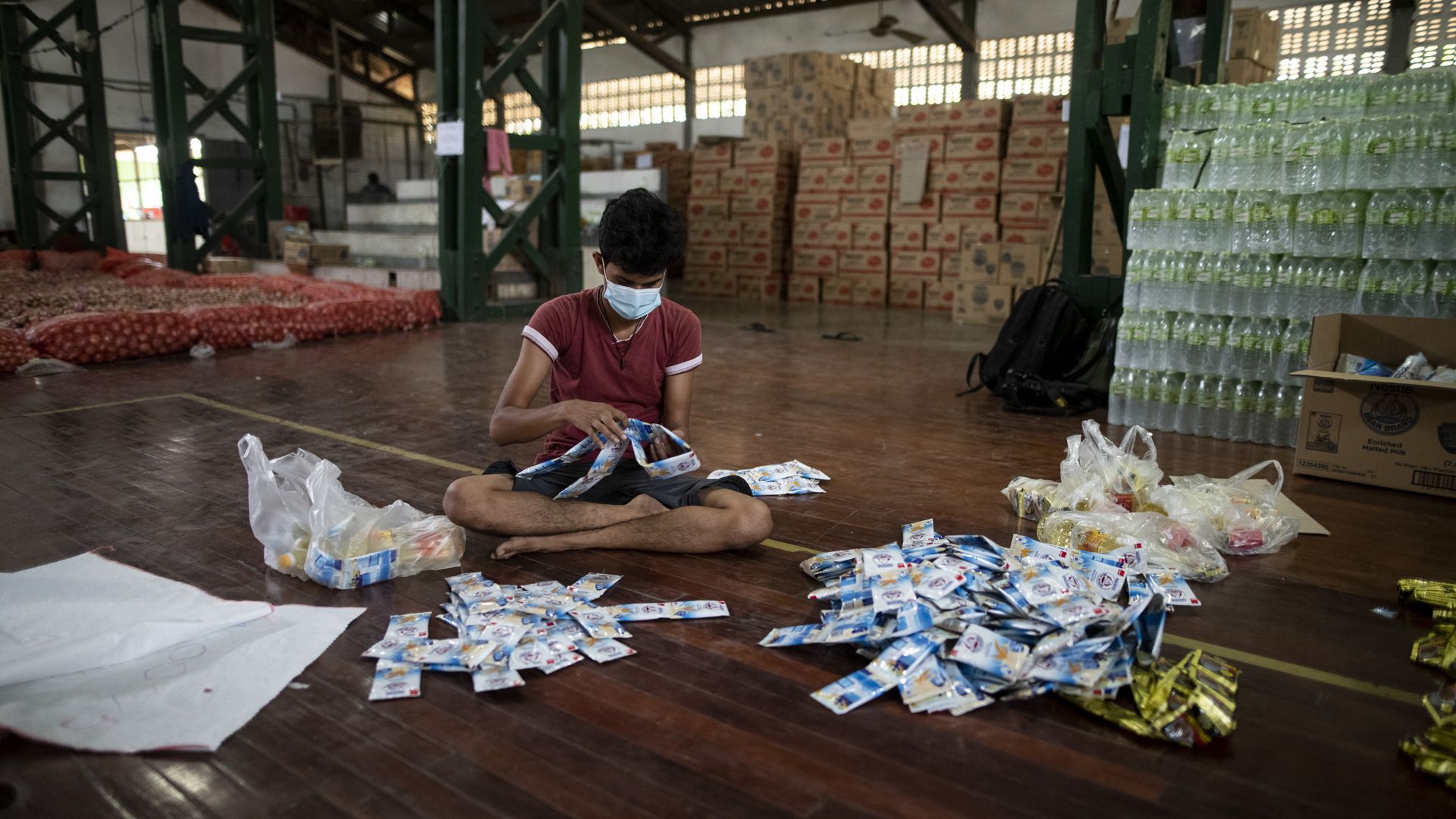
Nearly 265 million people worldwide could be pushed to starvation by the end of the year as the coronavirus pandemic strains supply chains, agricultural production and national economies, the New York Times reports.
The state of play: Measures in place to combat the illness, such as social distancing and lockdowns, have made it nearly impossible for many around the world to work and be able to feed their families.