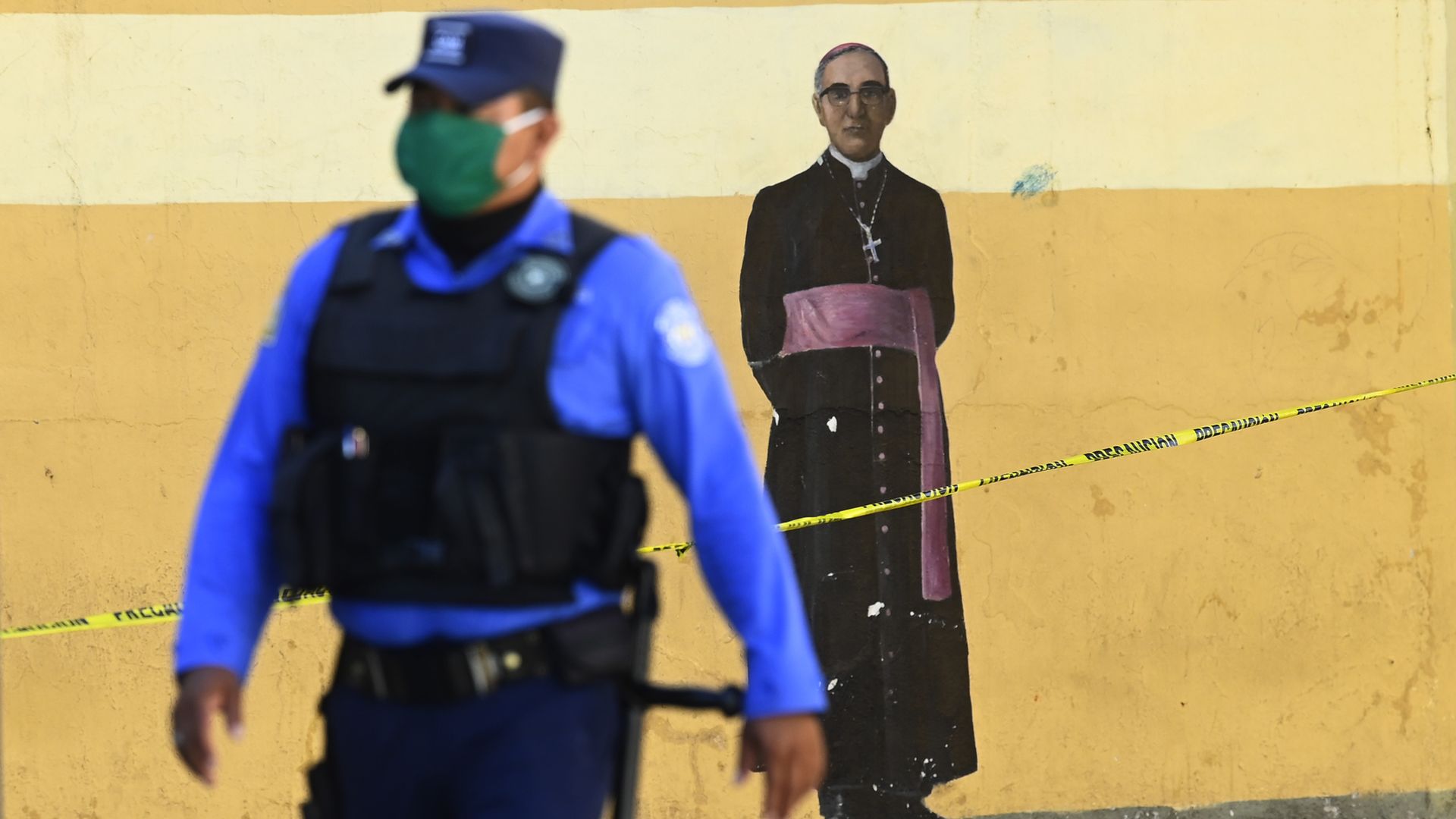
Coronavirus lockdowns have led to a decline in murders in some of the world's most violent countries, the Los Angeles Times reports.
By the numbers: El Salvador went 48 hours without a single homicide last month amid a nationwide lockdown. Gangs are warning people to stay off the streets to stop the spread.
Europeans and Americans are desperate to move beyond the worst of the crisis and return to something approximating normality, but the World Health Organization is cautioning that moving too fast will undermine the sacrifices made so far.
Where things stand: Nearly every country on Earth is still seeing their caseload increase, and a recent uptick in Singapore shows that apparent victory over the virus can be fleeting. But several countries are providing reason for optimism.
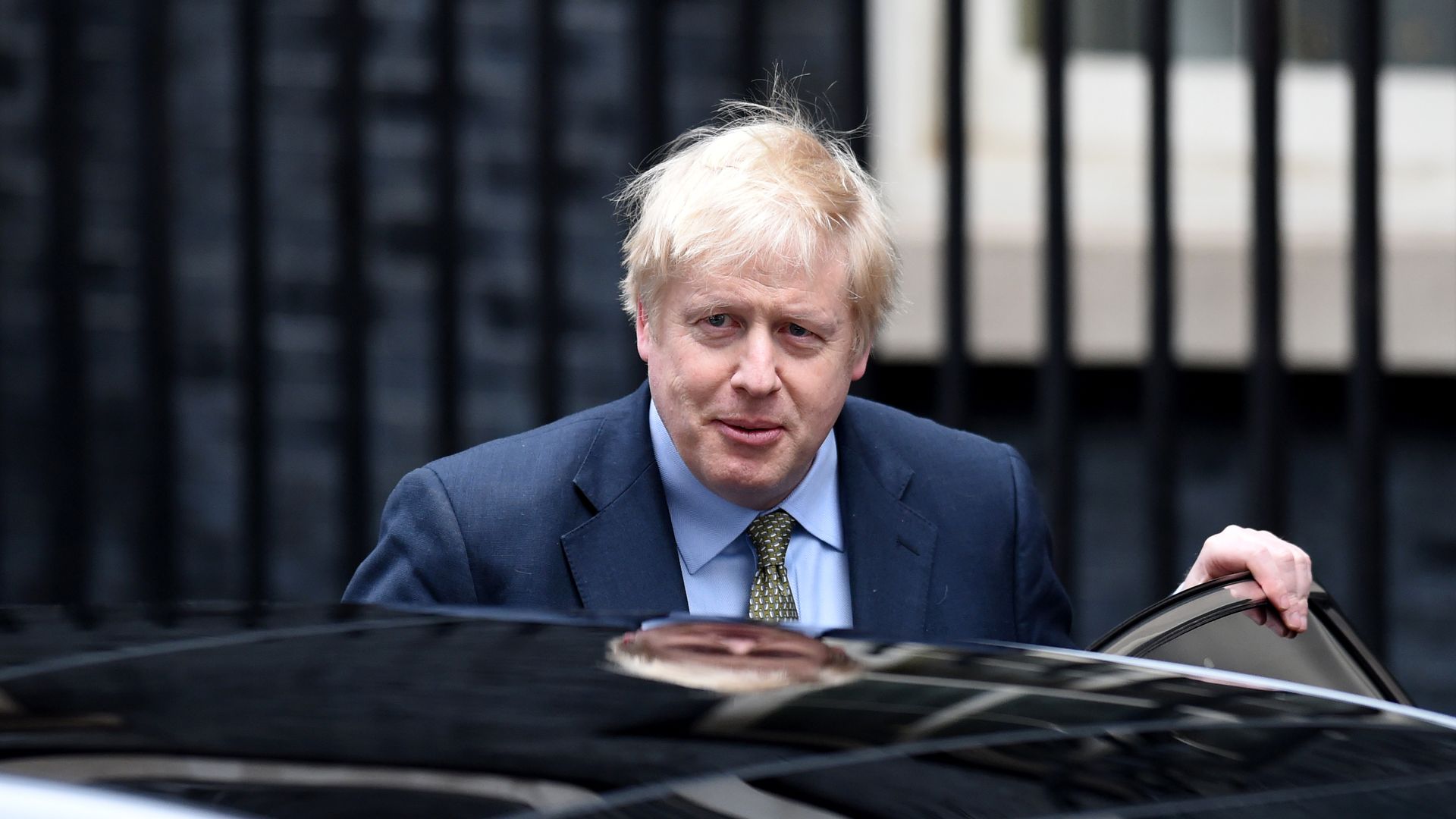
U.K. Prime Minister Boris Johnson has been moved out of intensive care but is continuing to be monitored at St. Thomas' Hospital in London, according to a Downing Street spokesperson.
Why it matters: It's a sign of improvement after Johnson spent three nights in intensive care for the coronavirus. Foreign Secretary Dominic Raab remains in charge of the government.
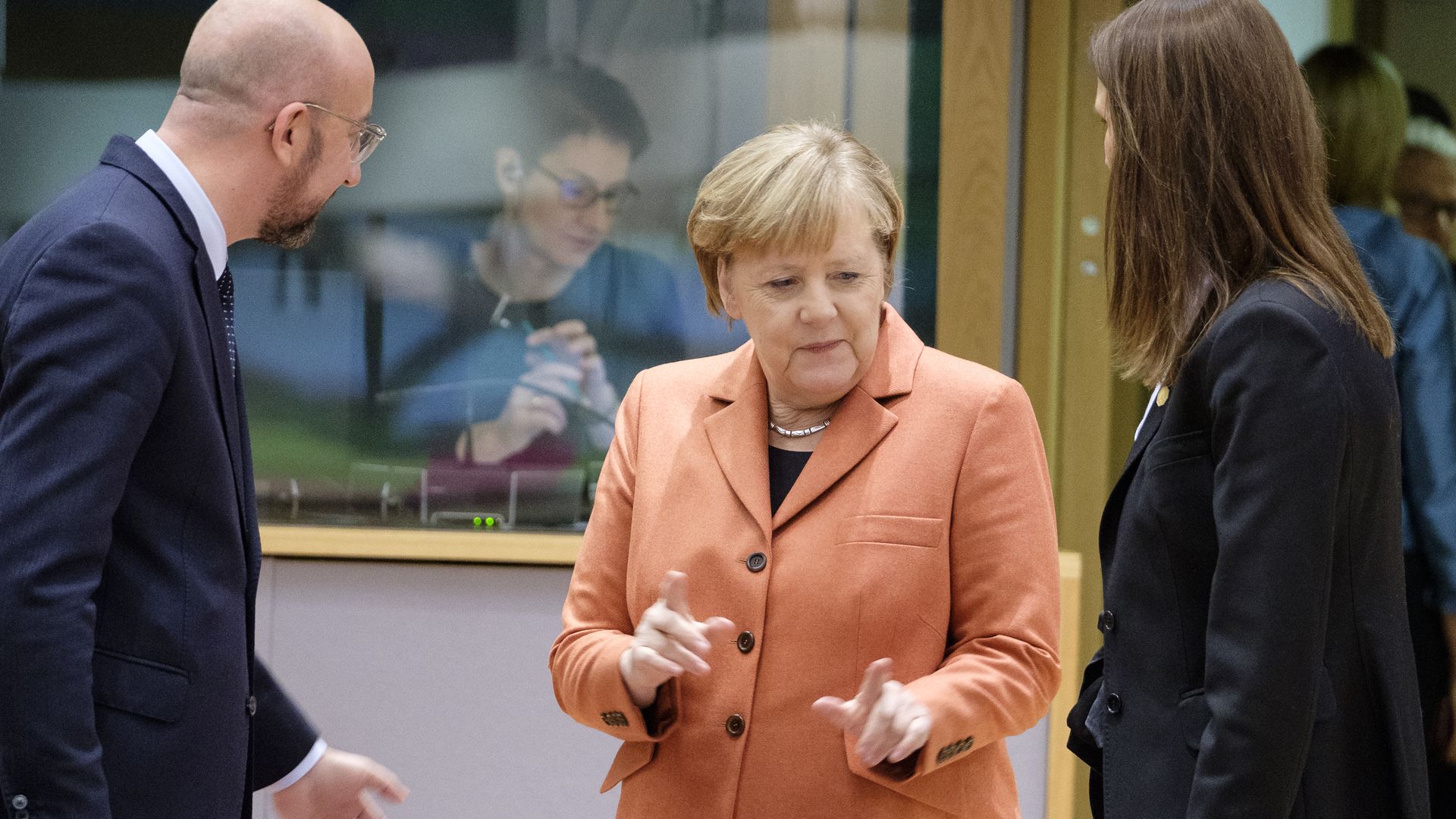
Angela Merkel has managed to unify Germany during the coronavirus crisis, but her response is proving far more divisive at the European Union level.
The big picture: Merkel returned from self-quarantine to the chancellery this week, and her steady, trusted leadership has some wishing she'd stay there forever. However, some of Merkel's EU colleagues consider her a roadblock to Europe's long-term health.
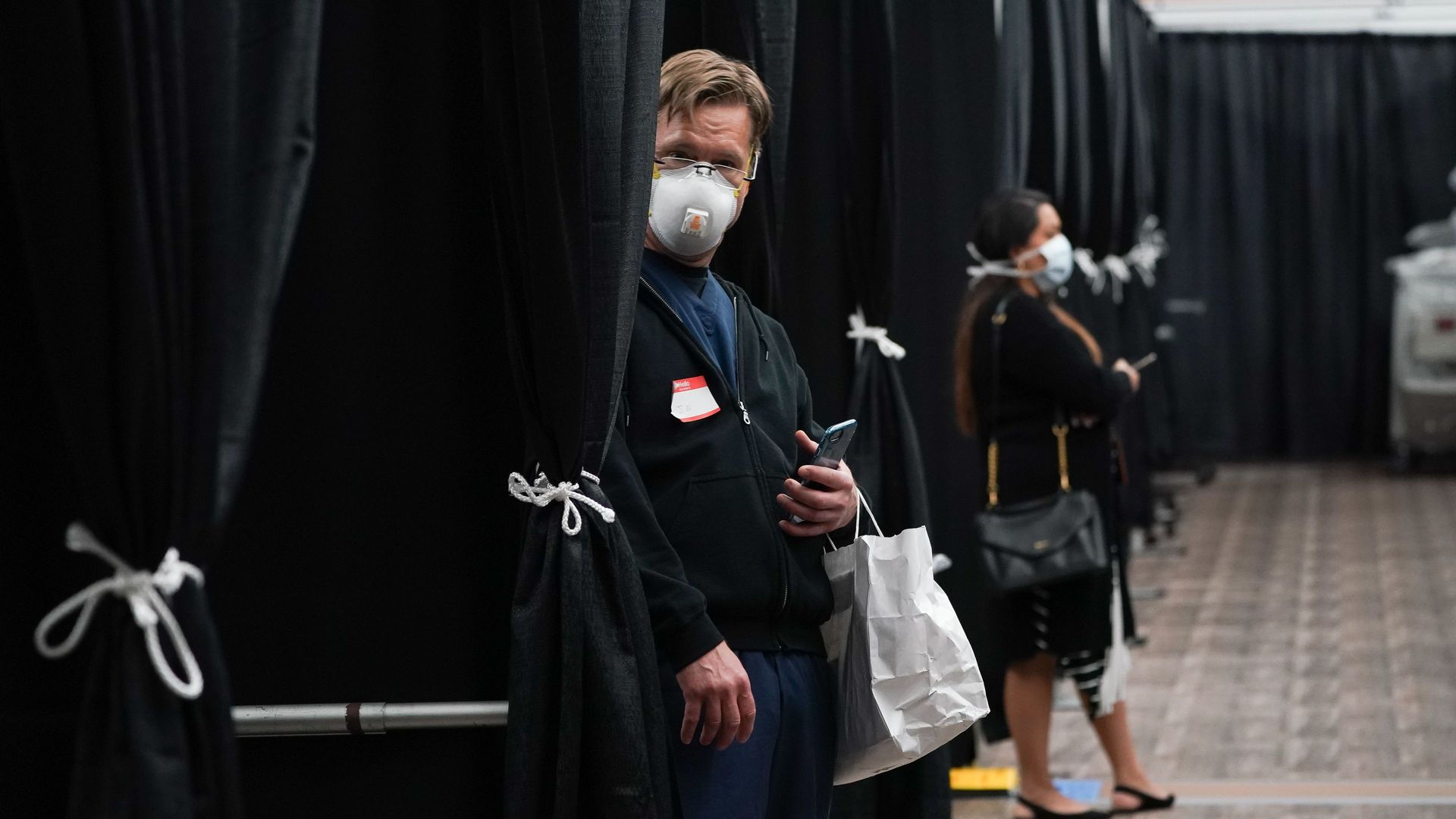
New York state, the epicenter of the coronavirus in the U.S., has reported more cases of the virus than the most-affected countries in Europe as of Wednesday, per data from the state and Johns Hopkins.
Why it matters: New York again broke its record on Wednesday for its highest COVID-19 death toll in a single day, New York Gov. Andrew Cuomo said. But hospitalizations are going down as the "curve" of coronavirus spread flattens, he said.
In this recurring feature from the Axios China newsletter, I highlight a Chinese Communist Party phrase that sheds light on the current news cycle.
The phrase: "yi yi mou du" (以疫謀獨), which means "using the pandemic to plot independence."
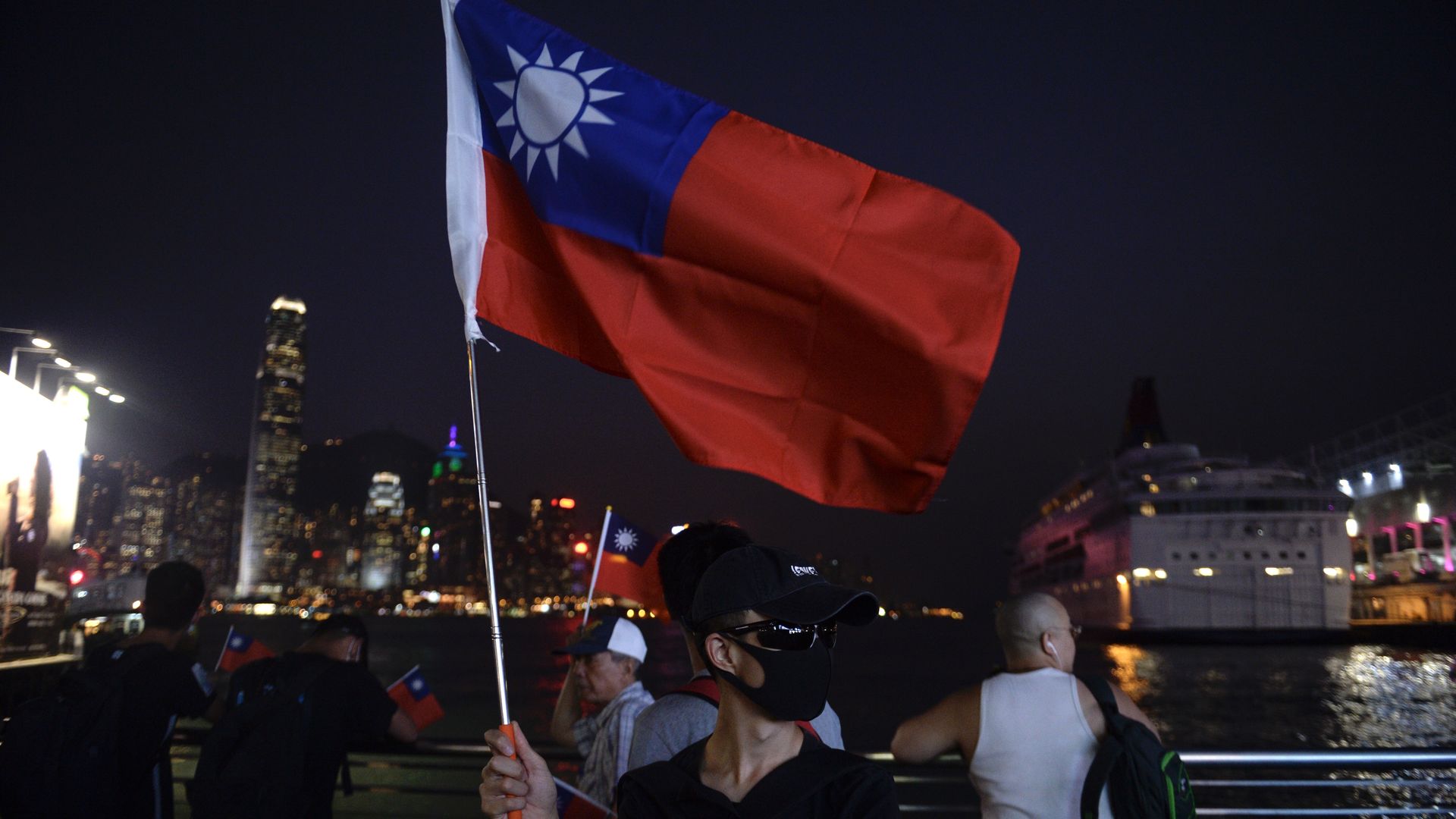
What's happening: China's handling of the coronavirus has favorably highlighted the capability and transparency of Taiwan, which like China is also seeking to assist other countries in fighting the pandemic.
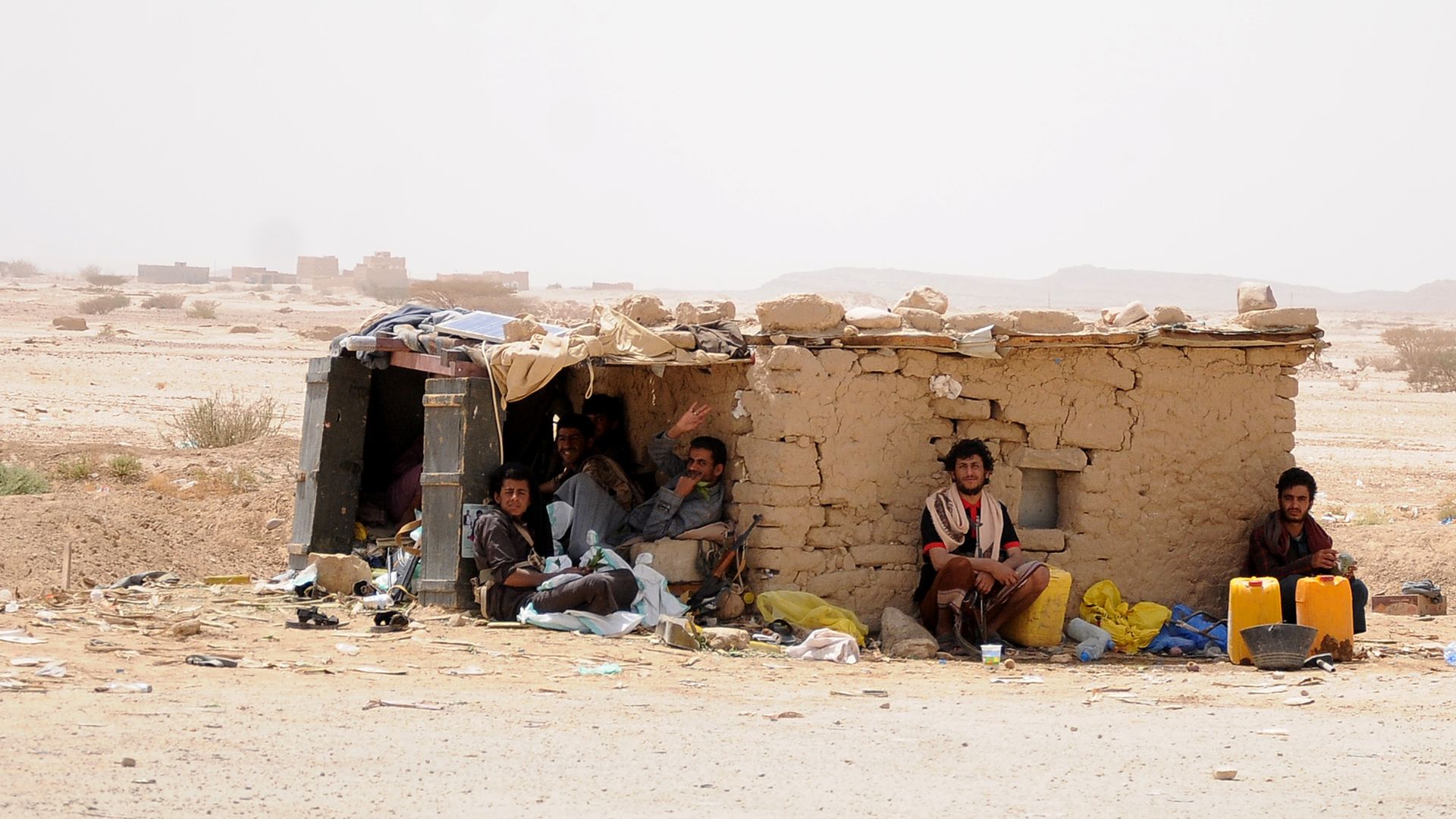
The Saudi-led coalition fighting Houthi rebels in Yemen has announced a two-week ceasefire in support of a UN-led peace initiative, AP reports.
Why it matters: There's little to show for five years of war in Yemen beyond one of the world's most dire humanitarian crises, which would only deepen in the event of a coronavirus outbreak. Sources told Reuters the virus was a driving factor behind the ceasefire, which could pave the war for peace talks in the coming days.
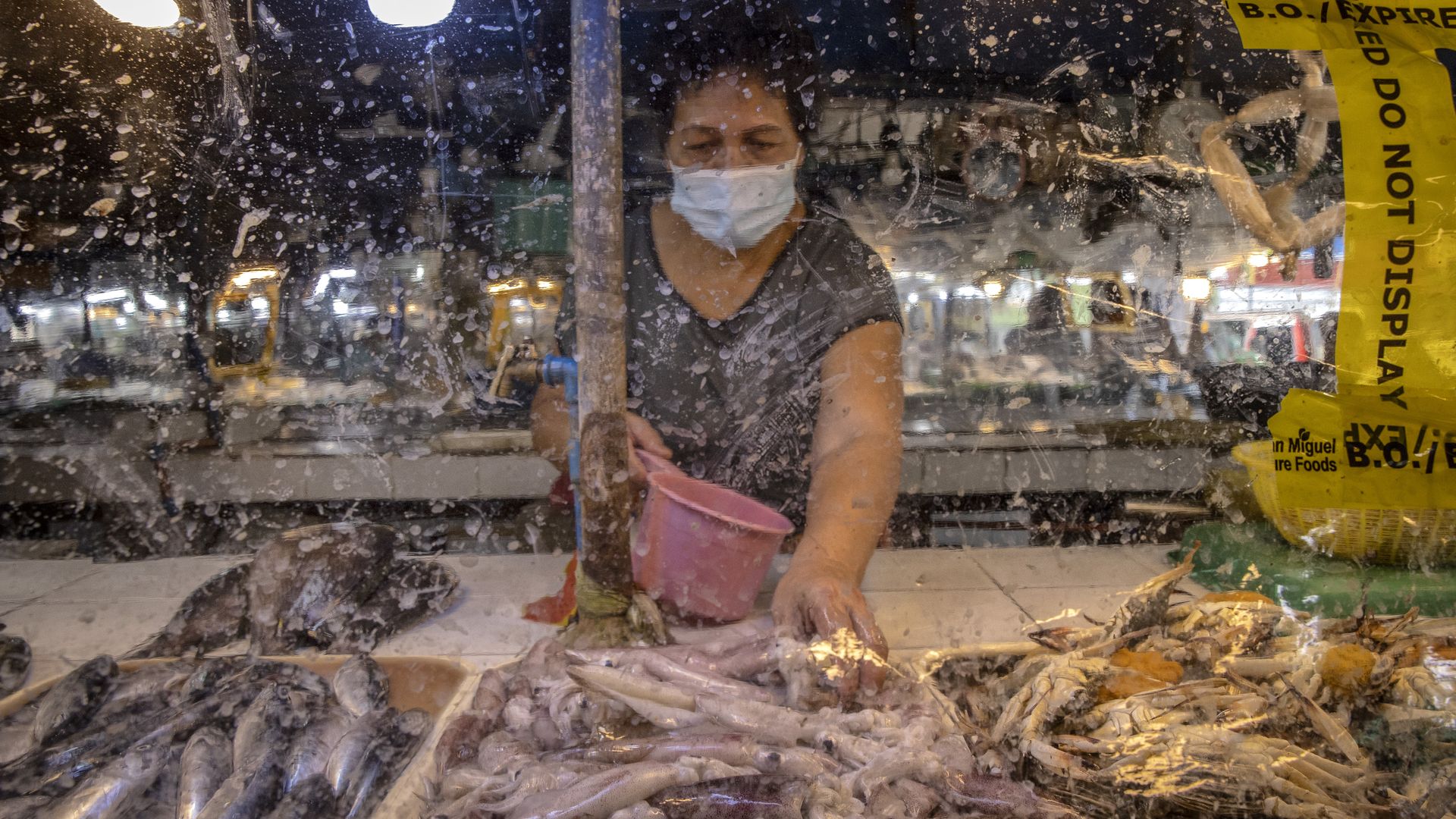
A rare bipartisan group of lawmakers is calling on global health organizations to permanently ban the buying and selling of live wildlife, which is likely the root cause of the novel coronavirus outbreak.
Driving the news: Nearly 70 Democrats and Republicans from both chambers of Congress are sending a letter on Wednesday calling on top officials at the World Health Organization, UN and World Organization for Animal Health to do just that.
In the depths of an economic crisis, with few well-equipped hospitals and spotty access to running water and electricity in some places, Venezuela will struggle to cope with its coronavirus outbreak without international aid.
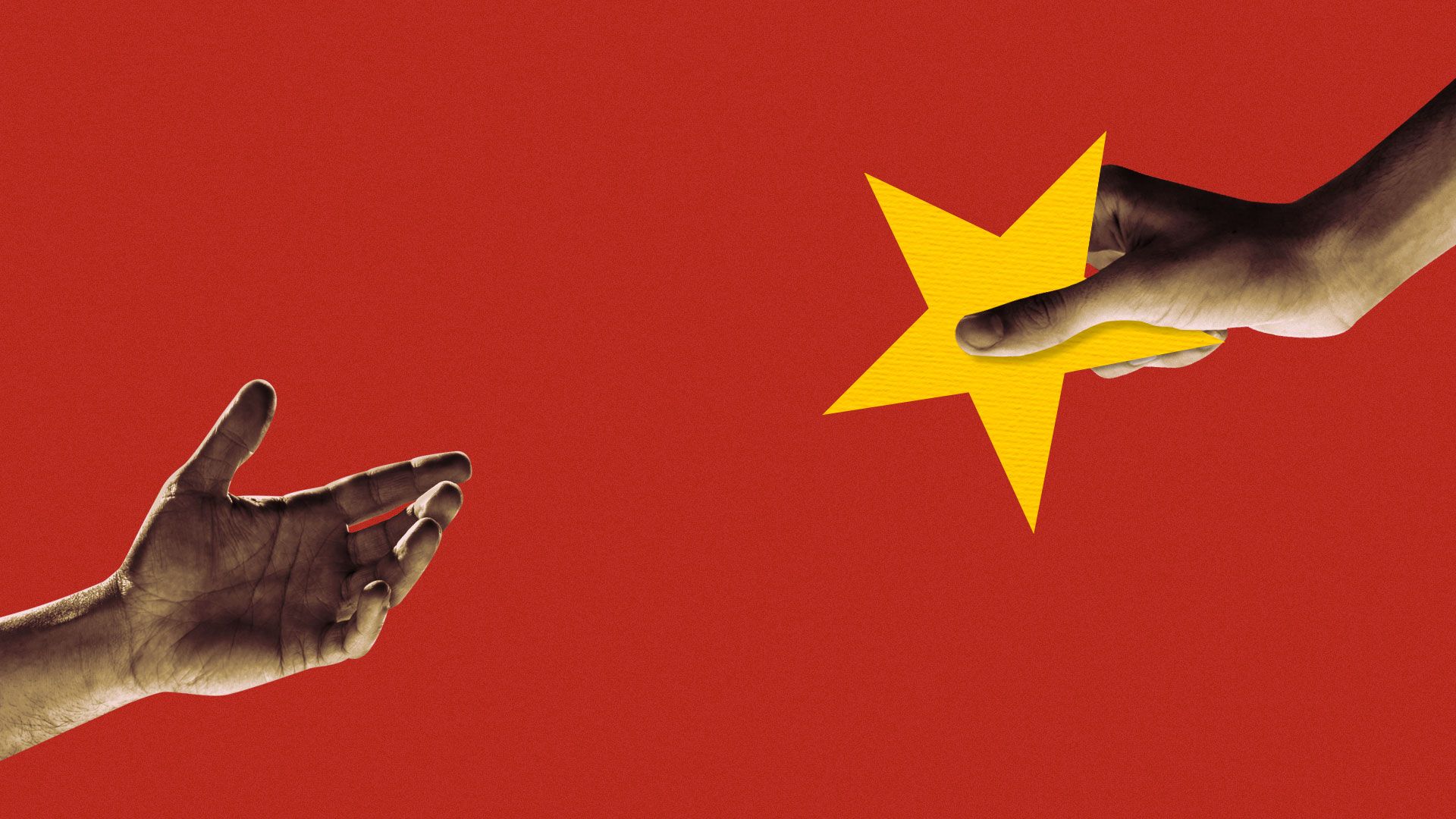
Why it matters: While the U.S. is attempting to oust Nicolás Maduro's government, and most in the region and around the world treat Maduro as a pariah, China is extending a helping hand. The Venezuelan opposition, meanwhile, fears Maduro will use the crisis to enhance his international legitimacy.
Many Indians are angry at China and the World Health Organization for their perceived mishandling of the coronavirus. The efficiency and transparency of Taiwan's response to the epidemic, in contrast, has made it a topic of renewed sympathy and interest in India.
Why it matters: The coronavirus crisis is showcasing Taiwan's democratic system of governance on an international stage, the biggest soft power win for the country in years.
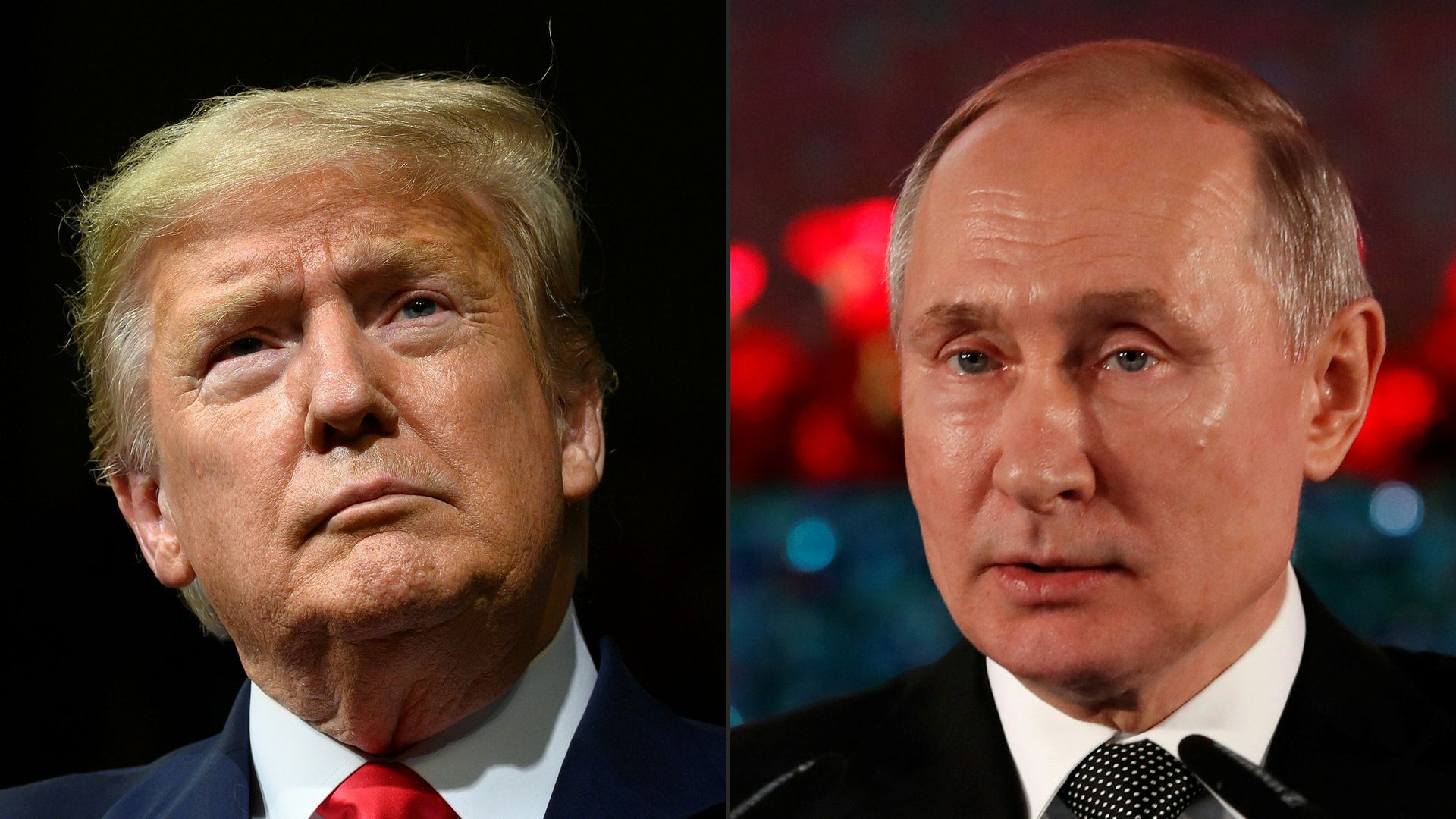
Russia is balking at the idea that market-driven declines in U.S. oil output could represent a significant contribution to a new global production-cutting deal, Bloomberg and Reuters reported this morning.
Why it matters: The Russian posture comes ahead of OPEC+ talks Thursday and a meeting of G20 energy ministers Friday.