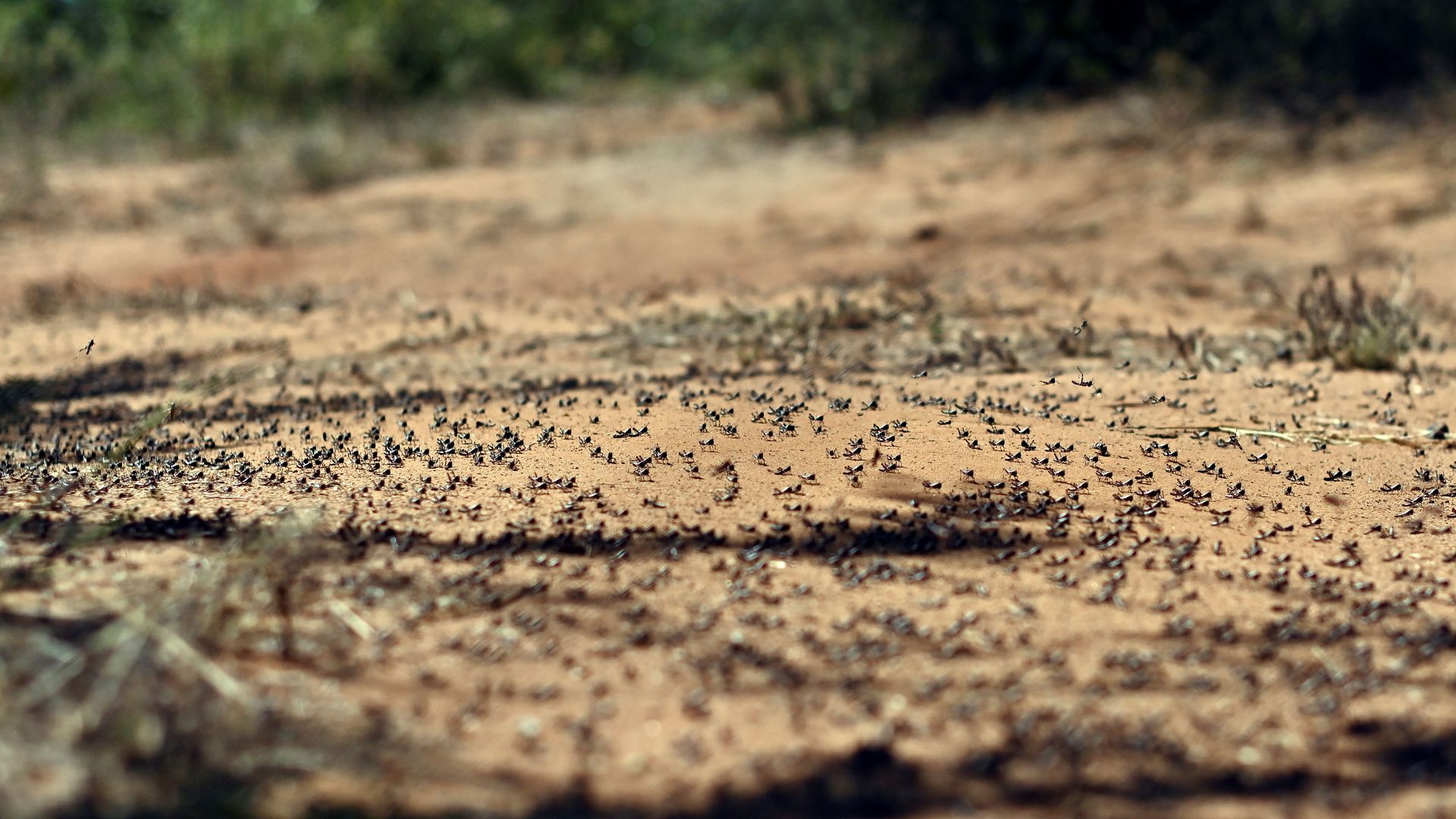
A second and stronger wave of locusts is expected to threaten parts of Africa in late June and July, just months after the start of the biggest outbreak some countries had seen in roughly 70 years, AP reports.
Why it matters: The crisis has been compounded by restrictions due to the coronavirus pandemic, which has hindered the movement of personnel and equipment, the U.N. says. The expected surge is estimated to be about 20 times the size of the first.
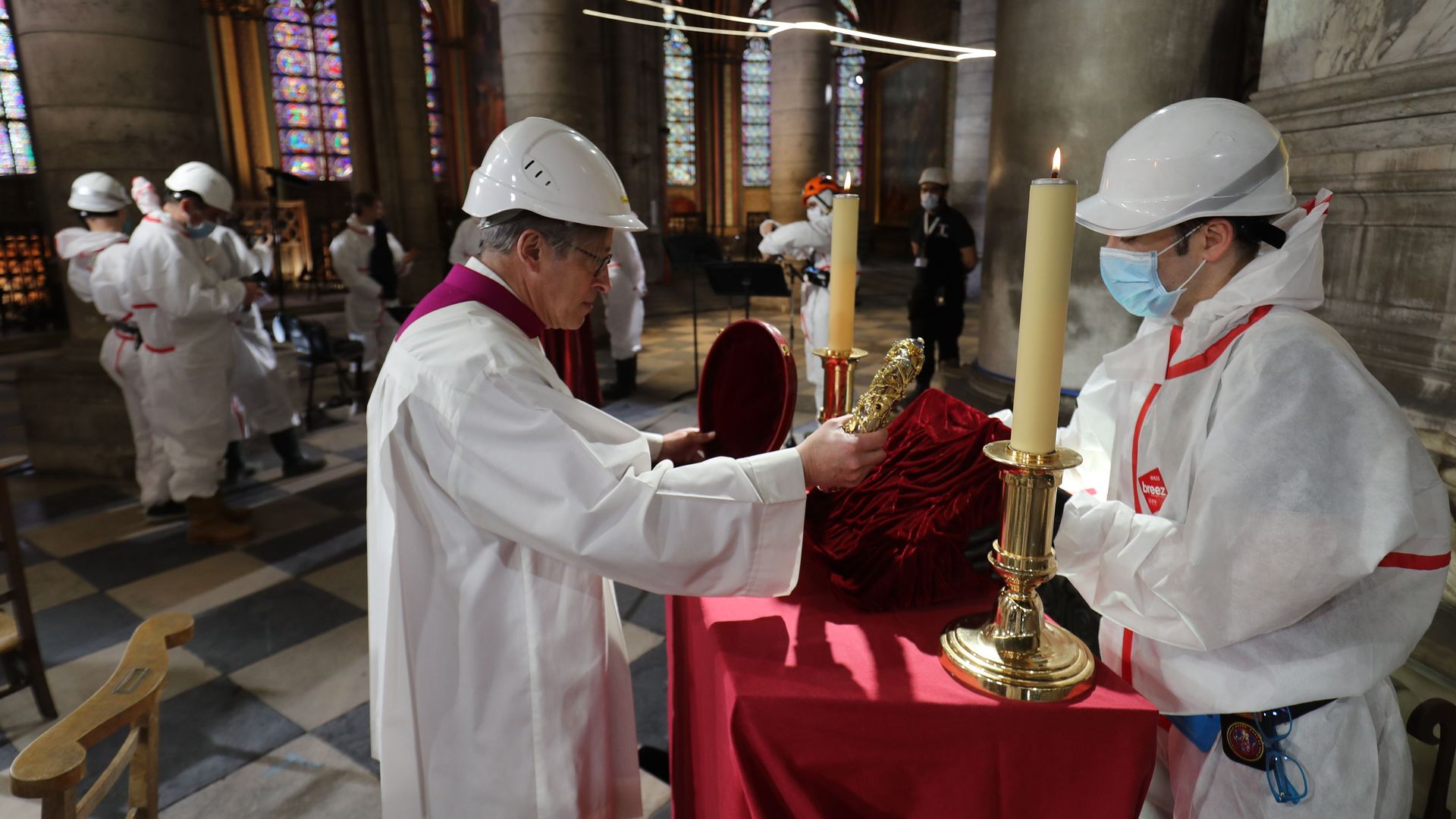
Why it matters: Aupetit hoped that the ceremony, which only featured seven people as much of the cathedral still lies in ruin but still aired live on French TV, could provide "a message of hope" amid the coronavirus pandemic, NPR reports.
Premier League players have launched an initiative called #PlayersTogether, which will funnel part of their salaries to the National Health Service to support the U.K.'s front-line workers during the coronavirus crisis.
Why it matters: This decision came at the conclusion of a protracted argument between players, clubs and even government officials over who should bear the brunt of lost revenue in the midst of the pandemic.
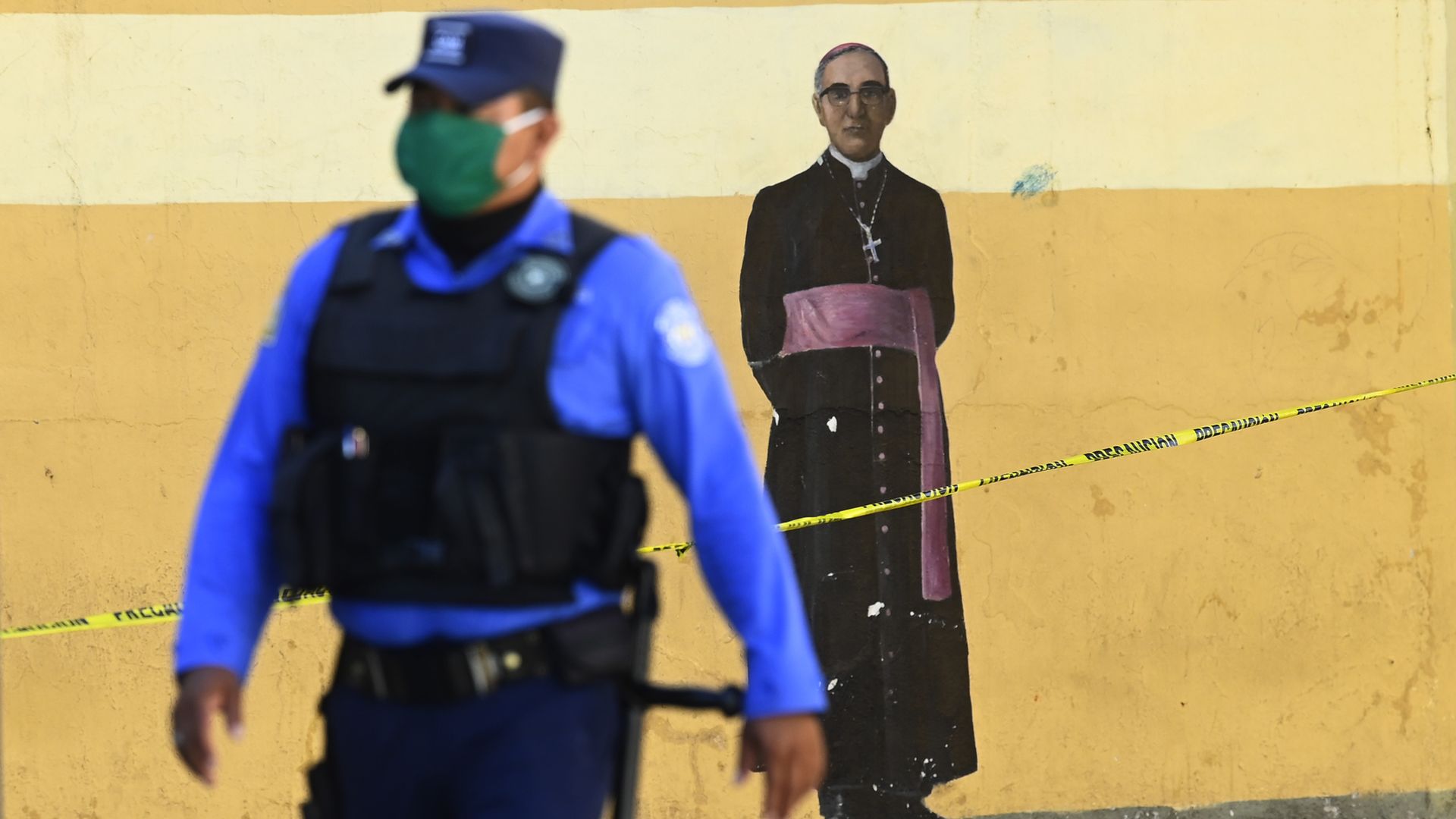
Coronavirus lockdowns have led to a decline in murders in some of the world's most violent countries, the Los Angeles Times reports.
By the numbers: El Salvador went 48 hours without a single homicide last month amid a nationwide lockdown. Gangs are warning people to stay off the streets to stop the spread.
Europeans and Americans are desperate to move beyond the worst of the crisis and return to something approximating normality, but the World Health Organization is cautioning that moving too fast will undermine the sacrifices made so far.
Where things stand: Nearly every country on Earth is still seeing their caseload increase, and a recent uptick in Singapore shows that apparent victory over the virus can be fleeting. But several countries are providing reason for optimism.
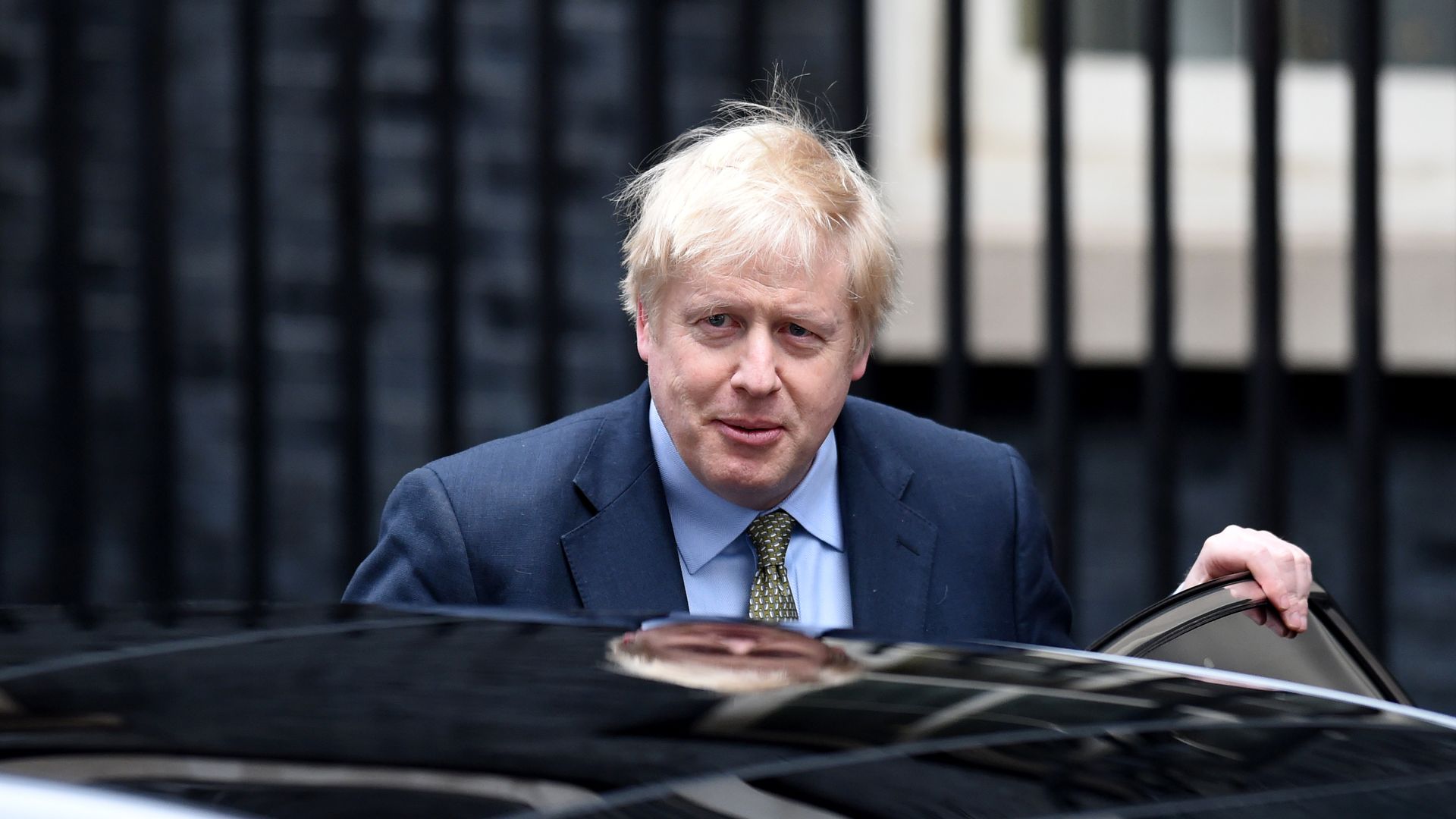
U.K. Prime Minister Boris Johnson has been moved out of intensive care but is continuing to be monitored at St. Thomas' Hospital in London, according to a Downing Street spokesperson.
Why it matters: It's a sign of improvement after Johnson spent three nights in intensive care for the coronavirus. Foreign Secretary Dominic Raab remains in charge of the government.
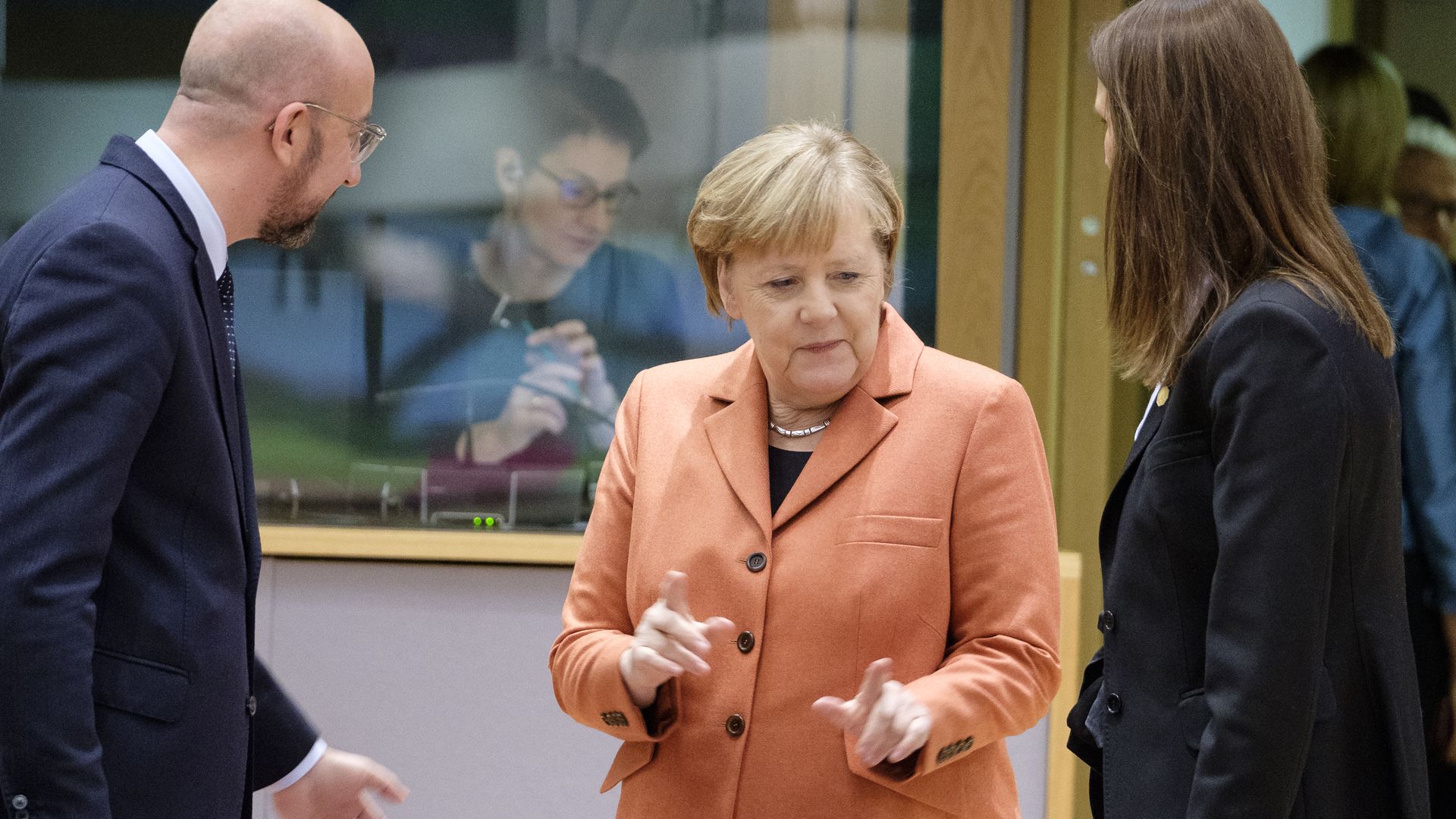
Angela Merkel has managed to unify Germany during the coronavirus crisis, but her response is proving far more divisive at the European Union level.
The big picture: Merkel returned from self-quarantine to the chancellery this week, and her steady, trusted leadership has some wishing she'd stay there forever. However, some of Merkel's EU colleagues consider her a roadblock to Europe's long-term health.