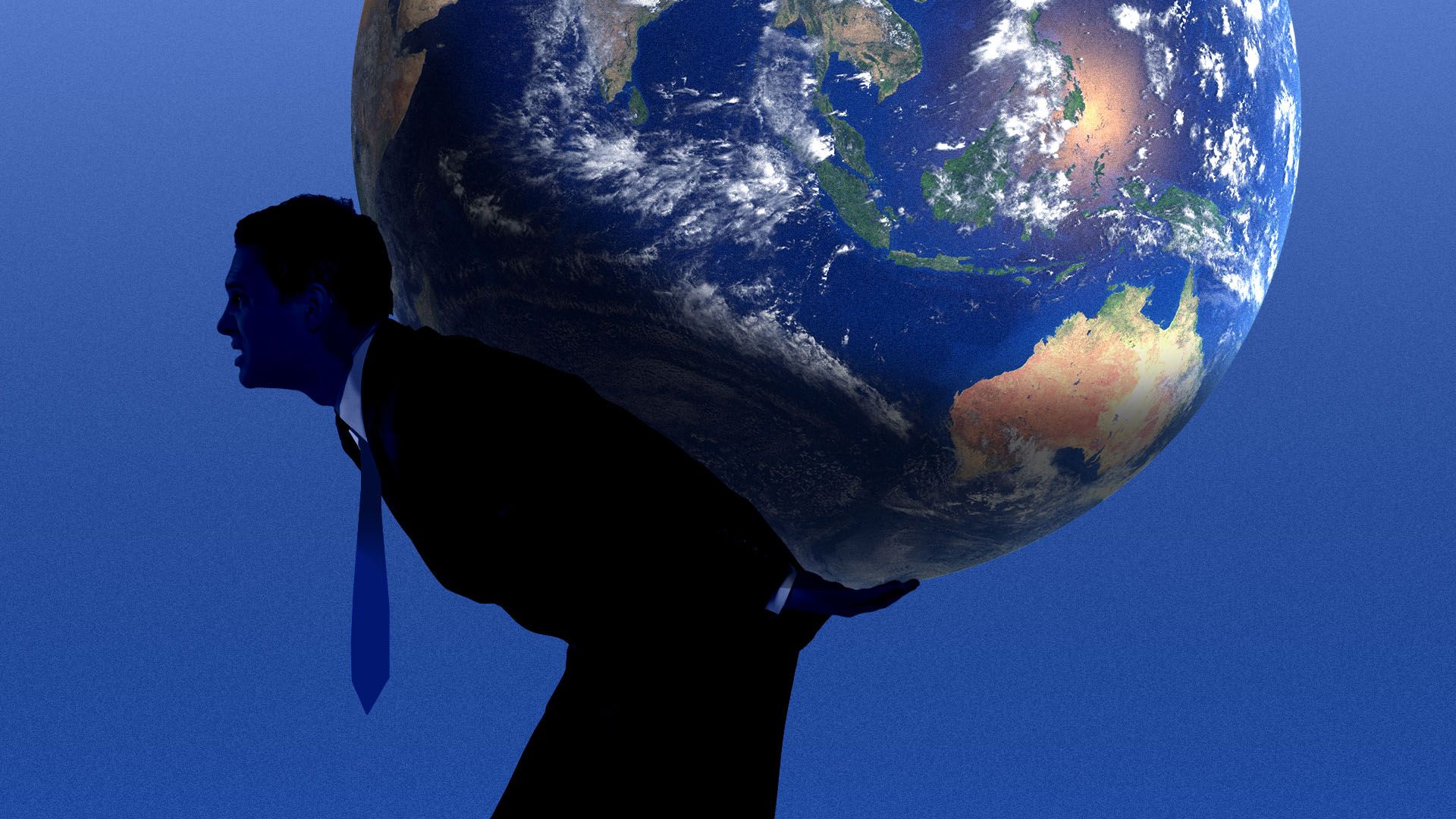
In the coming months, the decisions world leaders make — and their ability to communicate them effectively — could determine whether millions live or die, and whether the global economy stays afloat.
What to watch: Nations are judging their leaders on a daily basis. They may ultimately be revered or reviled based on the decisions they make now. Some may emerge with new powers that last well beyond the outbreak.
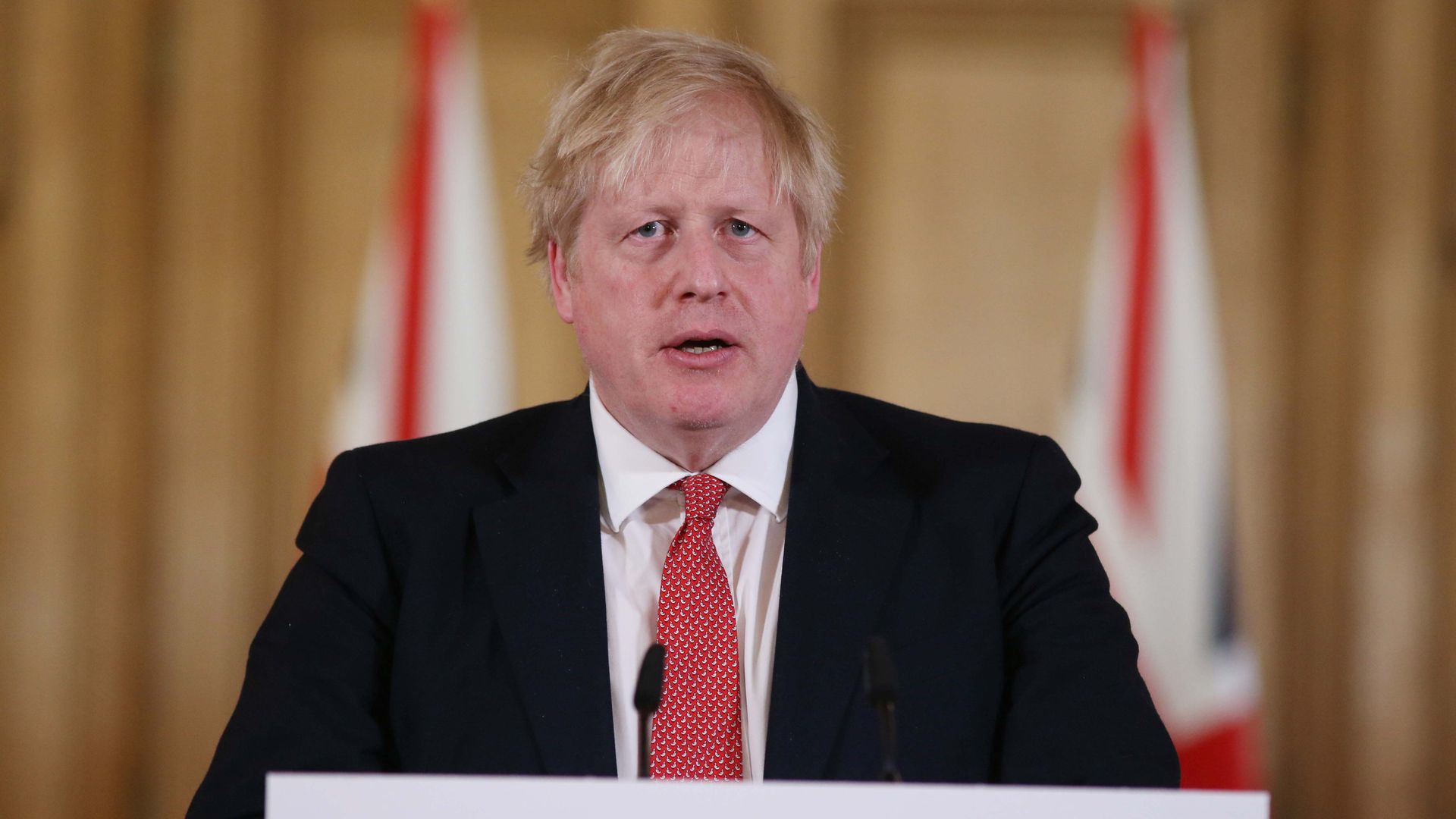
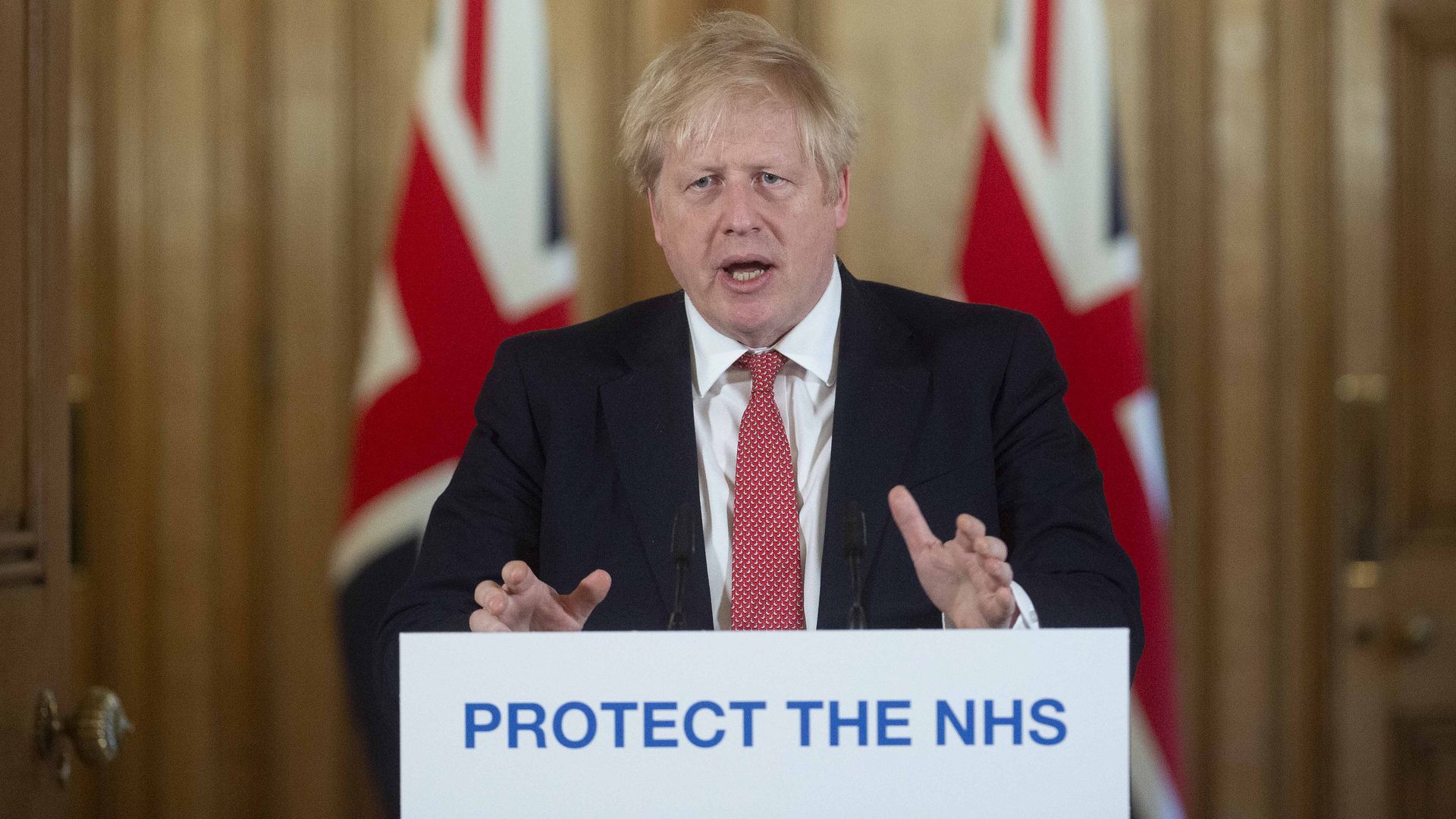
In a national address on Monday, U.K. Prime Minister Boris Johnson became the latest world leader to order a nationwide lockdown in an effort to stop the spread of the coronavirus.
Why it matters: Johnson warned on Sunday that a surge of coronavirus cases over the next two weeks could cripple the country's National Health Service, and that the U.K. is only "a matter of weeks" behind Italy — now the site of the worst coronavirus outbreak in the world.
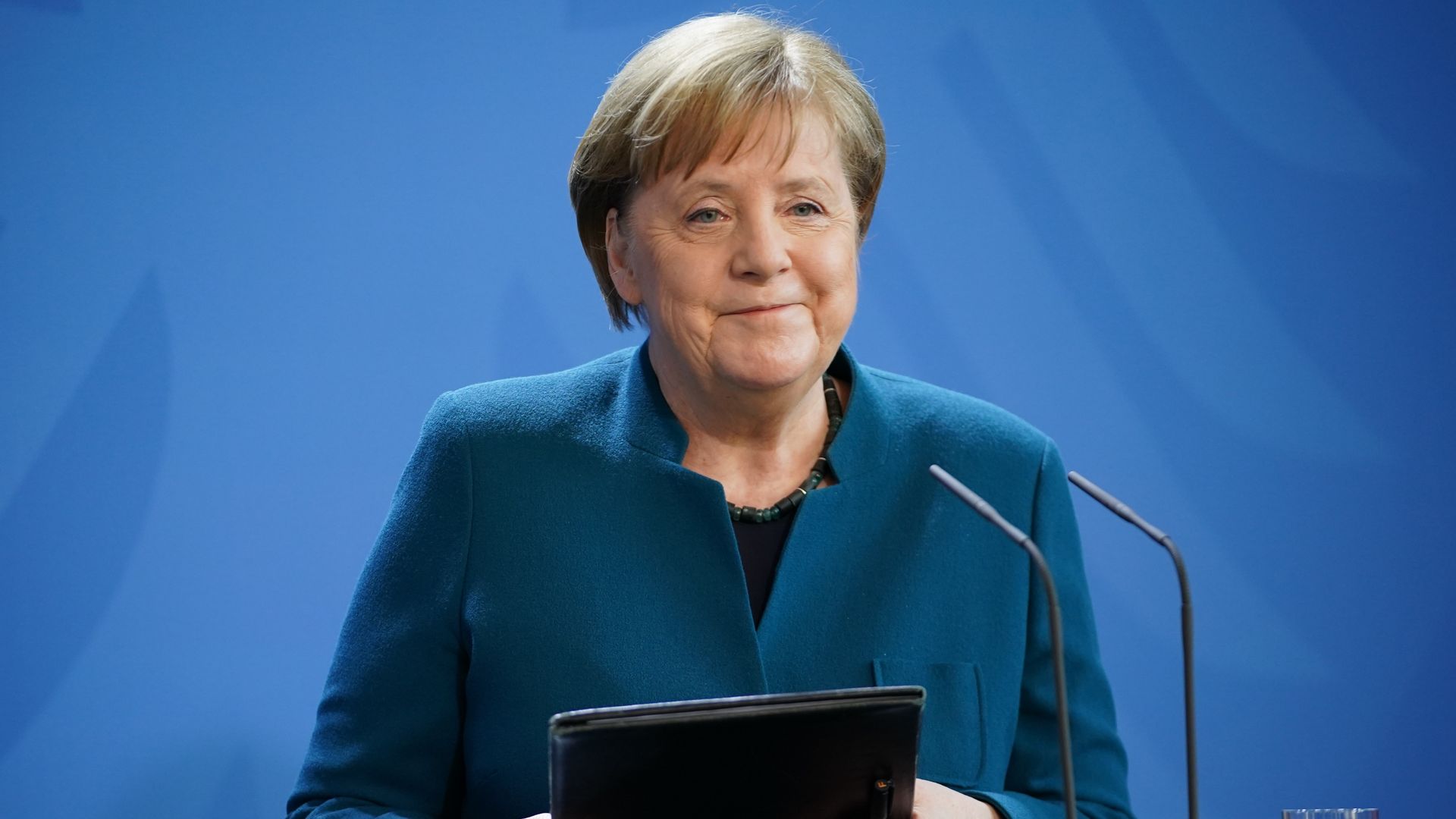
German Chancellor Angela Merkel has tested negative for COVID-19, her spokesperson said Monday, per AP.
The big picture: The 65-year-old went into self-quarantine Sunday after she learned that a doctor who had given her a pneumococcal infection vaccination tested positive for the illness. She will receive further testing in the coming days, according to the spokesperson.
The "Axios on HBO" interview with China's ambassador to the U.S. Cui Tiankai had tense moments.
What they're saying: At one point, during an exchange about allegations of torture from former Muslim detainees in Xinjiang camps, Cui said it would not be productive to keep discussing such matters. At another point, he accused Axios of insulting the Chinese Communist Party and equated the Party with the Chinese people.
In a rare interview, China's ambassador to the United States, Cui Tiankai, told "Axios on HBO" that he stands by his belief that it's "crazy" to spread rumors about the coronavirus originating from a military laboratory in the United States.
Why it matters: Cui called this exact conspiracy theory "crazy" more than a month ago on CBS' "Face the Nation." But that was before the spokesperson for the Chinese Ministry of Foreign Affairs, Zhao Lijian, began publicly promoting the conspiracy.
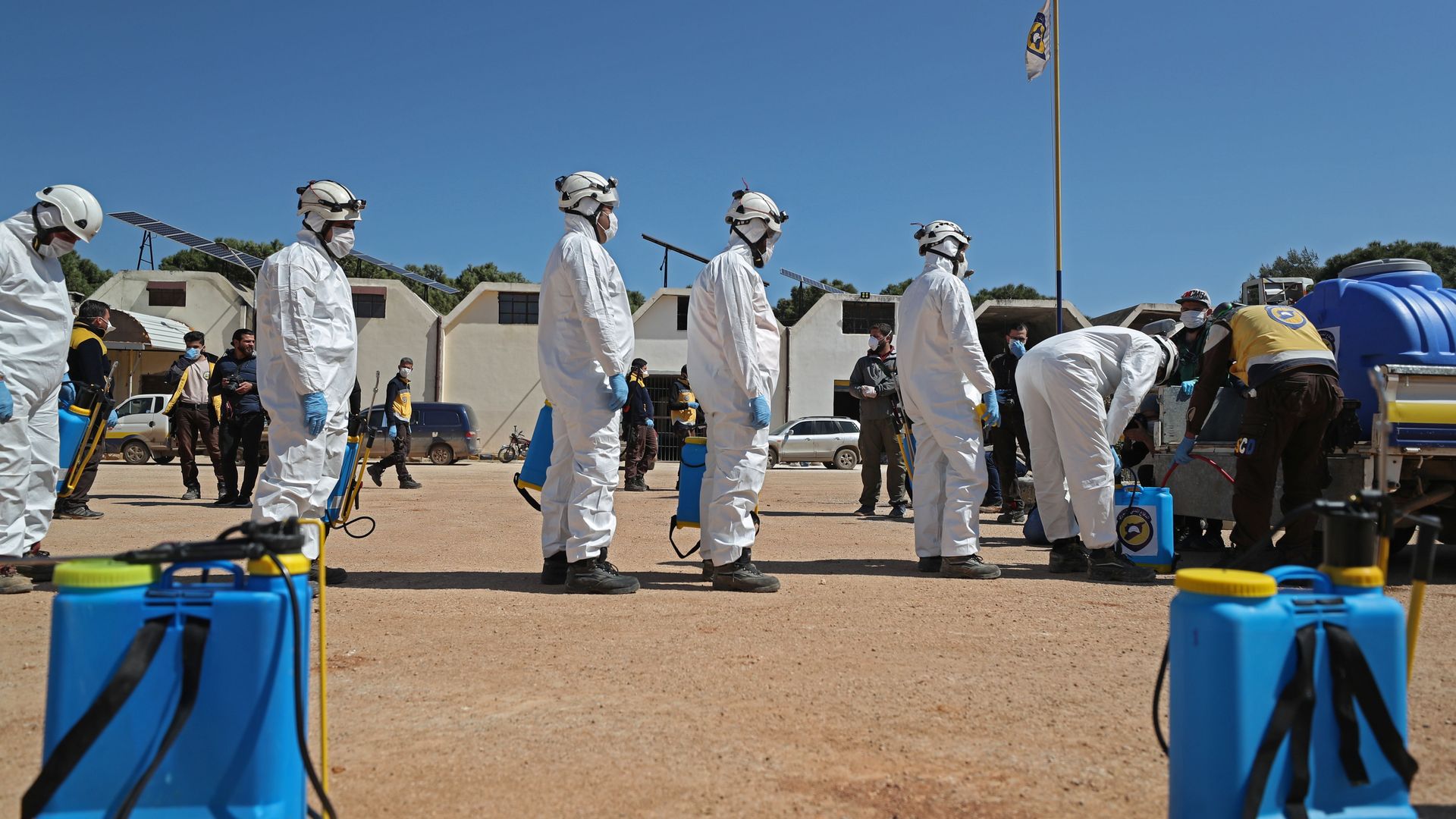
Syria reported its first case of the novel coronavirus on Sunday, according to state media.
Why it matters: The actual number of cases in Syria is likely far higher, especially considering its proximity to Iran — the site of one of the worst outbreaks in the world. Syria faces unique challenges in attempting to curb the spread of the virus, with the country having been ravaged by a civil war for the past nine years.
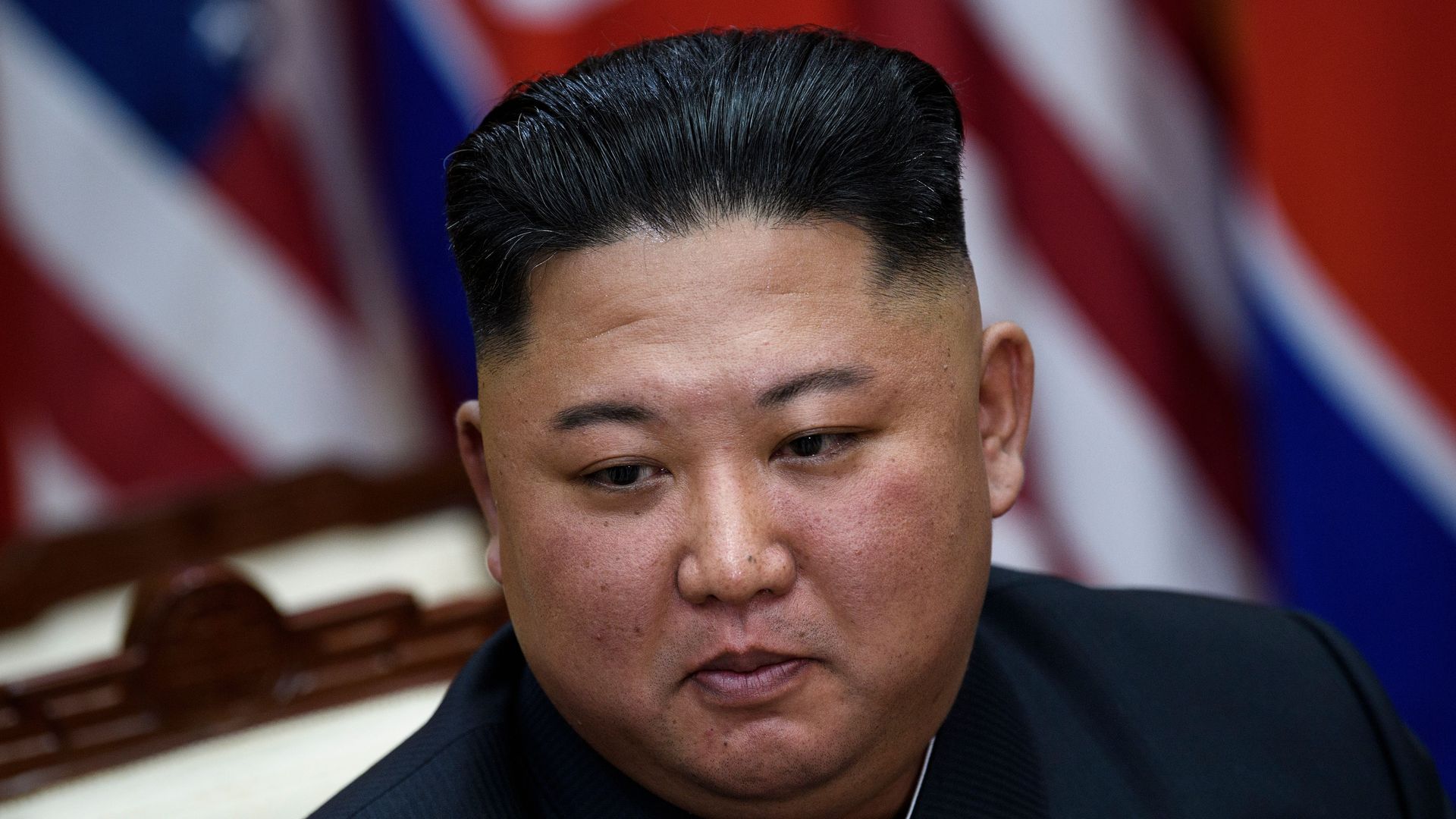
Kim Jong-un's sister said Sunday that President Trump sent a personal letter to the North Korean leader offering cooperation to help the country combat the coronavirus outbreak, according to AP.
Why it matters: Though the North Korean government has yet to report a single case of the new virus within its borders, international experts doubt the claim and fear that an outbreak there would topple the country's poor medical infrastructure and become a humanitarian disaster.
U.K. Prime Minister Boris Johnson warned on Sunday that a surge of coronavirus cases over the next two weeks could cripple the country's National Health Service (NHS), Reuters reports.
Why it matters: Johnson said the U.K., in terms of cases, is only "a matter of weeks — two or three — behind Italy," which overtook China last week as the country with the most reported deaths from the virus.
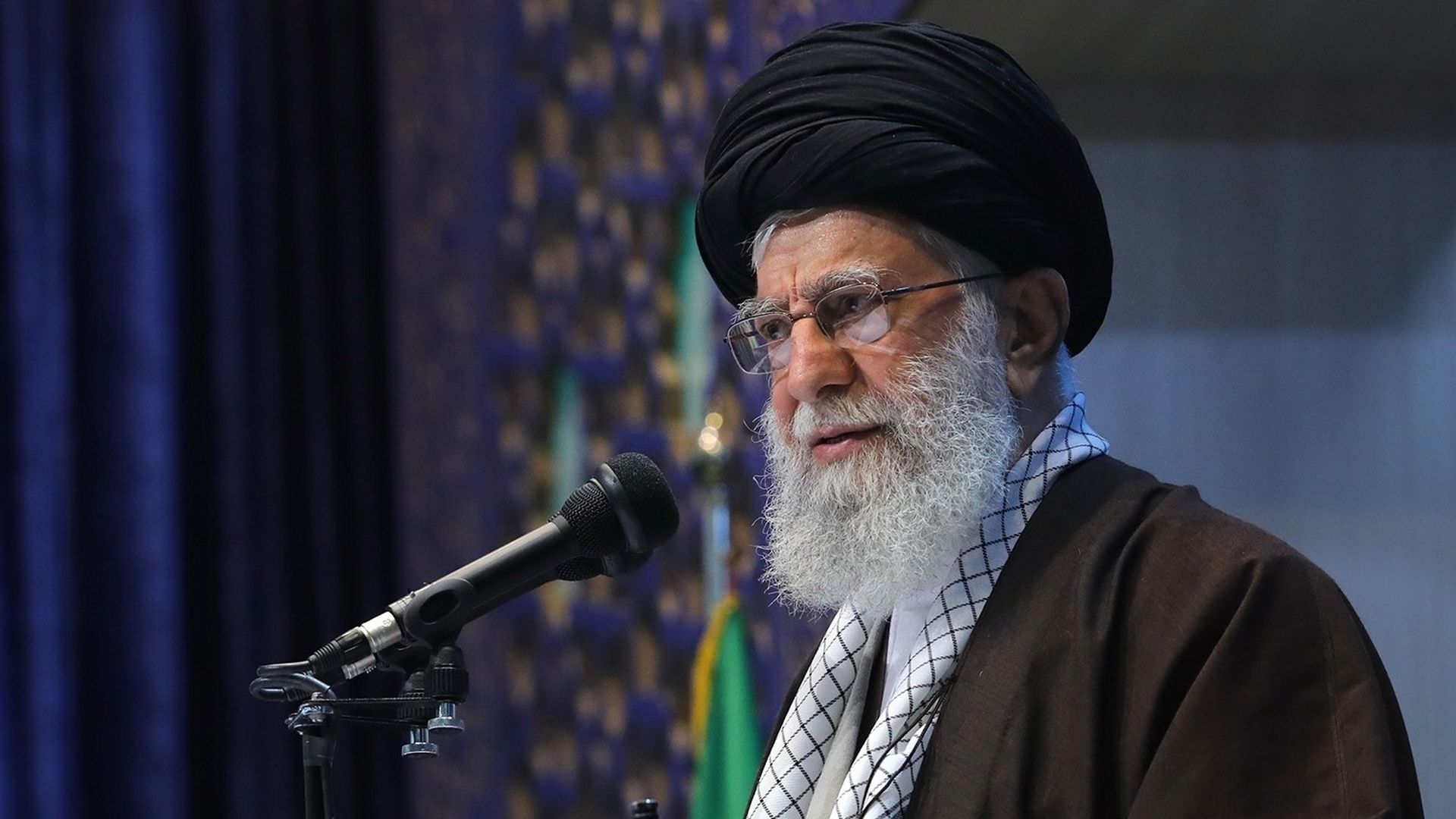
Iran's Supreme Leader Ayatollah Ali Khamenei on Sunday refused assistance from the United States to help fight the coronavirus outbreak in his country, citing a conspiracy theory that accuses the U.S. military of developing and spreading the virus, AP reports.
Why it matters: Iran has reported more than 20,000 confirmed coronavirus cases and 1,600 deaths, making it one of the hardest-hit countries in the world. Its economy was already in free-fall mostly due to sanctions imposed by the Trump administration.