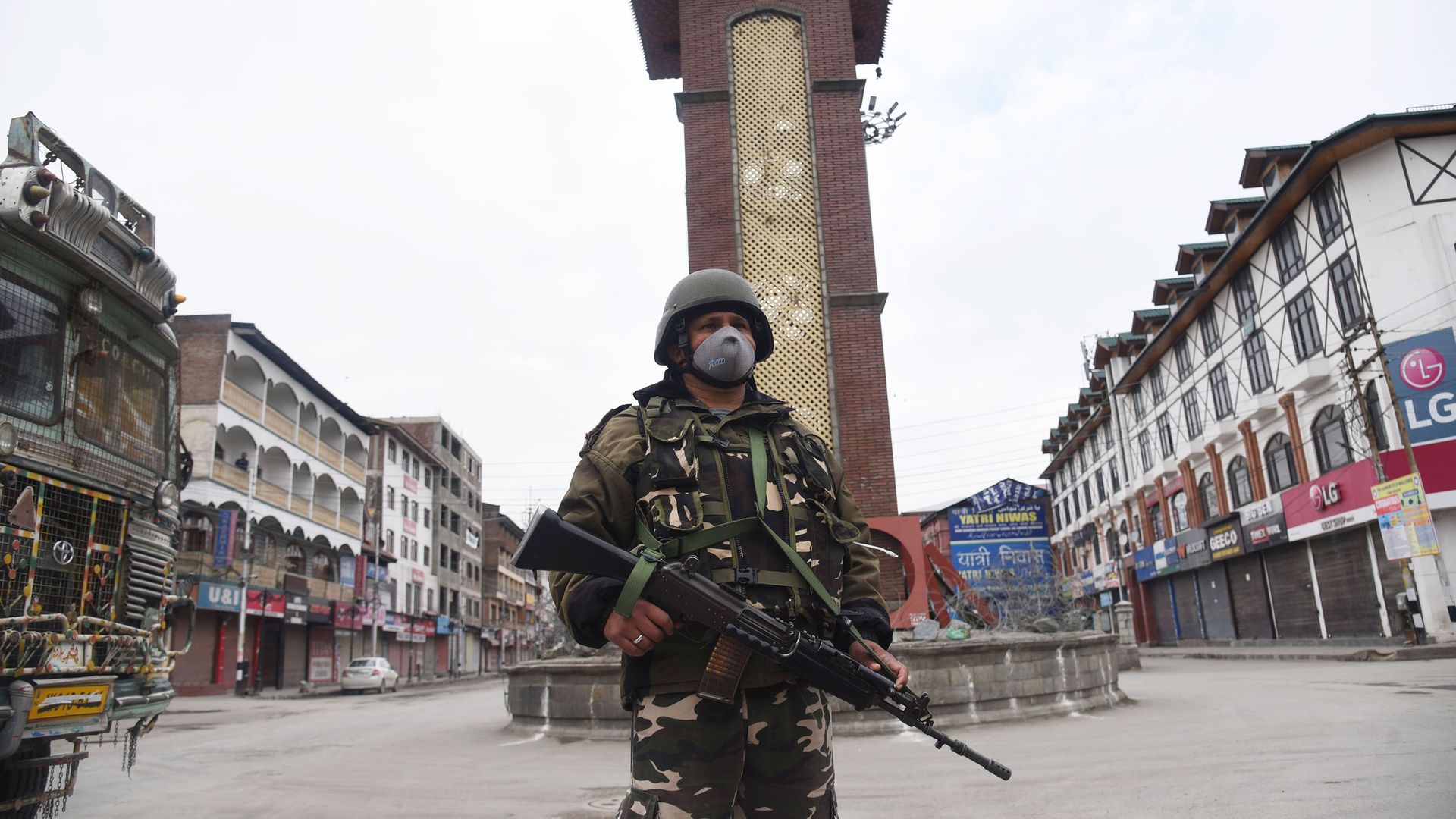
India's Prime Minister Narendra Modi announced on Tuesday that the entire country will be locked down for three weeks beginning at midnight in an effort to stop the spread of the coronavirus.
Why it matters: With 1.3 billion people, India is the second-most populated country in the world. India currently has 519 confirmed cases.
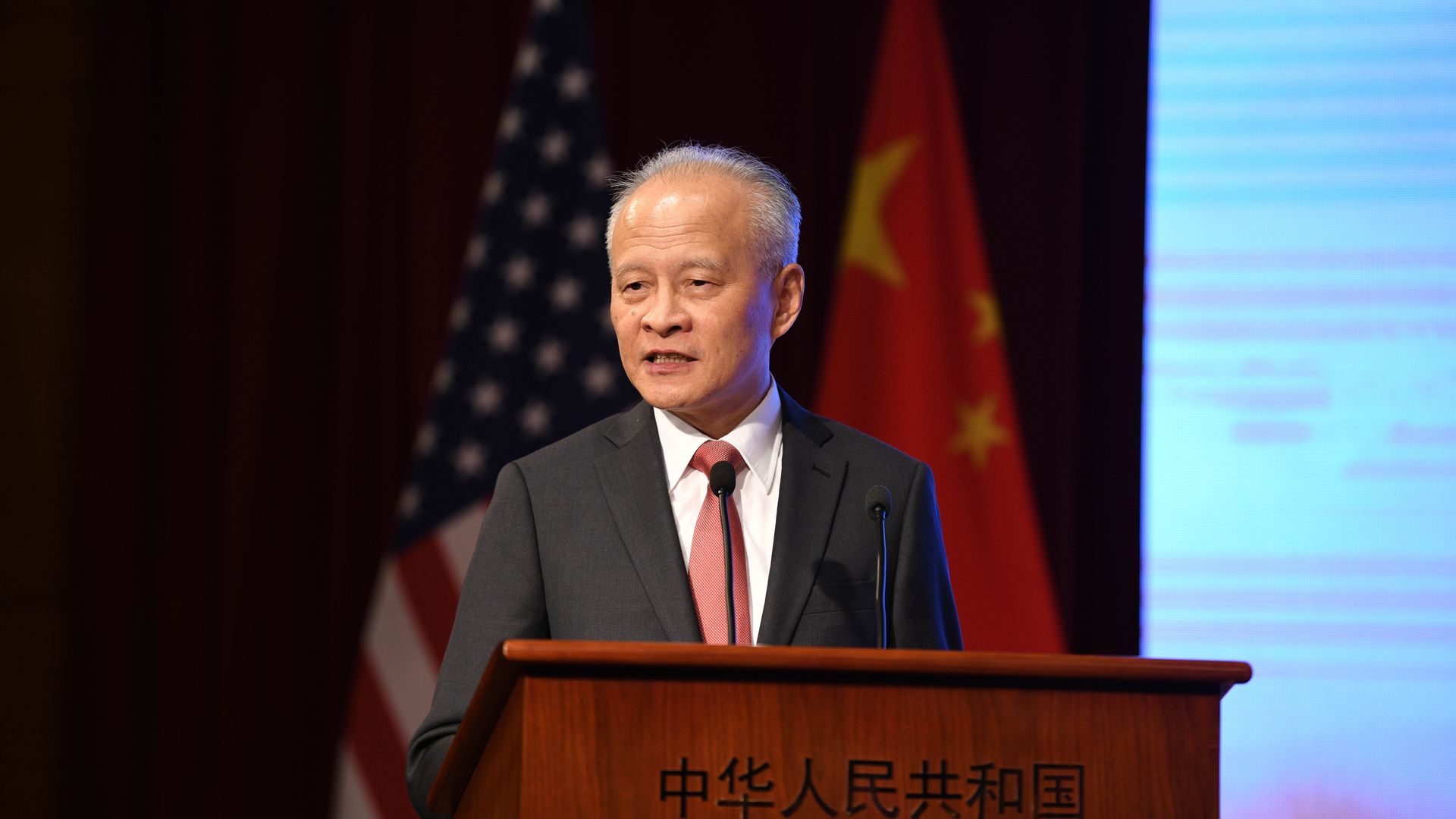
The State Department is commending China's ambassador to the U.S., Cui Tiankai, for distancing himself from a coronavirus conspiracy theory that the spokesman for China's Foreign Ministry has been pushing.
Driving the news: "We welcome Ambassador Cui's comments calling the Chinese Foreign Ministry's statement a 'crazy thing' that blamed the U.S. Army for the #coronavirus outbreak in Wuhan," the State Department's spokesperson Morgan Ortagus tweeted on Tuesday.
Italy recorded 602 deaths on Monday from the coronavirus — a staggering total that could nonetheless be some cause for hope because it's the second day of decline from Saturday's high of 793.
The big picture: Monday marks two weeks since Italy entered a nationwide lockdown, with officials warning at the time that we wouldn't get a sense of how effective the measures had been until right about now.
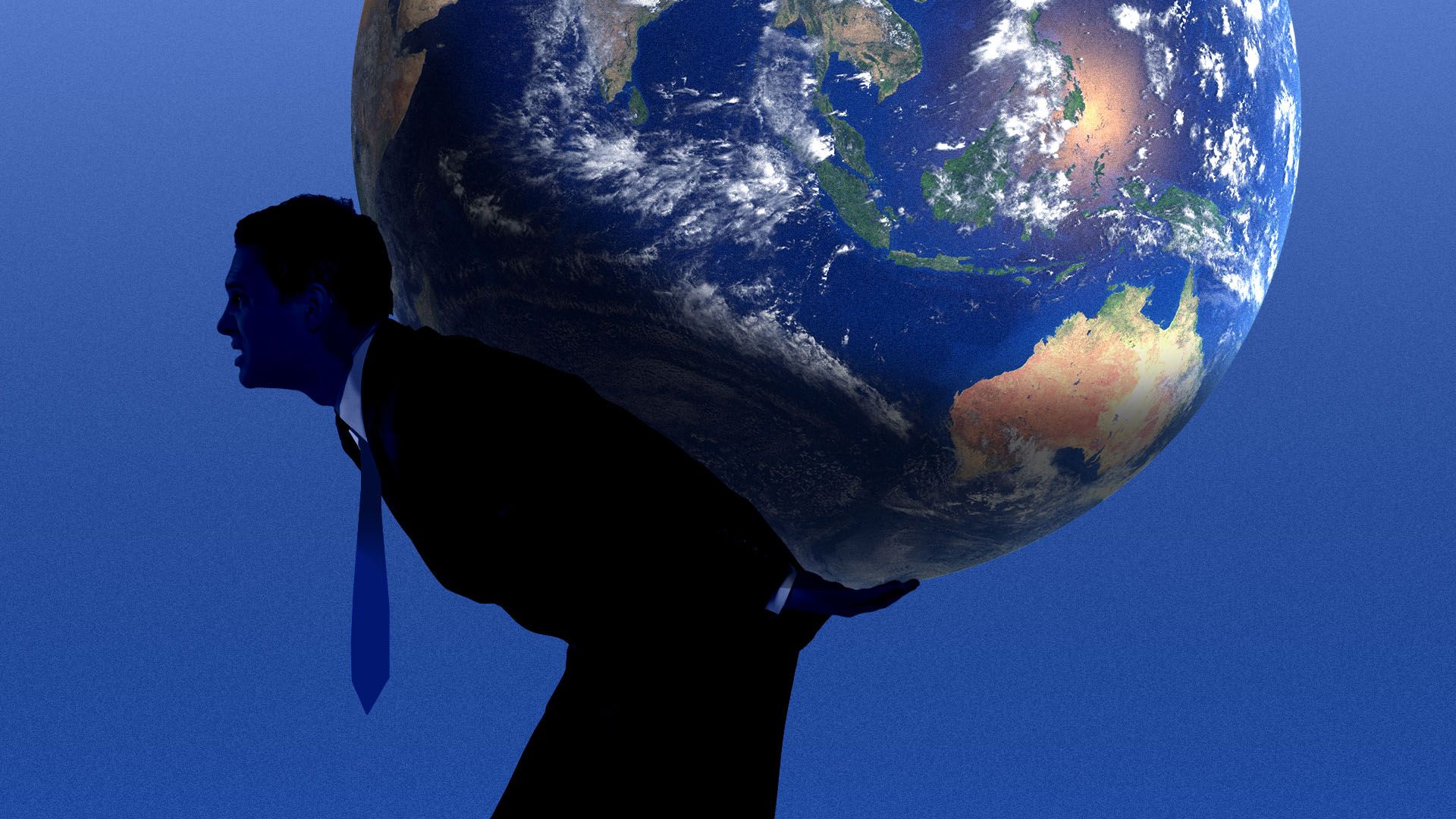
In the coming months, the decisions world leaders make — and their ability to communicate them effectively — could determine whether millions live or die, and whether the global economy stays afloat.
What to watch: Nations are judging their leaders on a daily basis. They may ultimately be revered or reviled based on the decisions they make now. Some may emerge with new powers that last well beyond the outbreak.
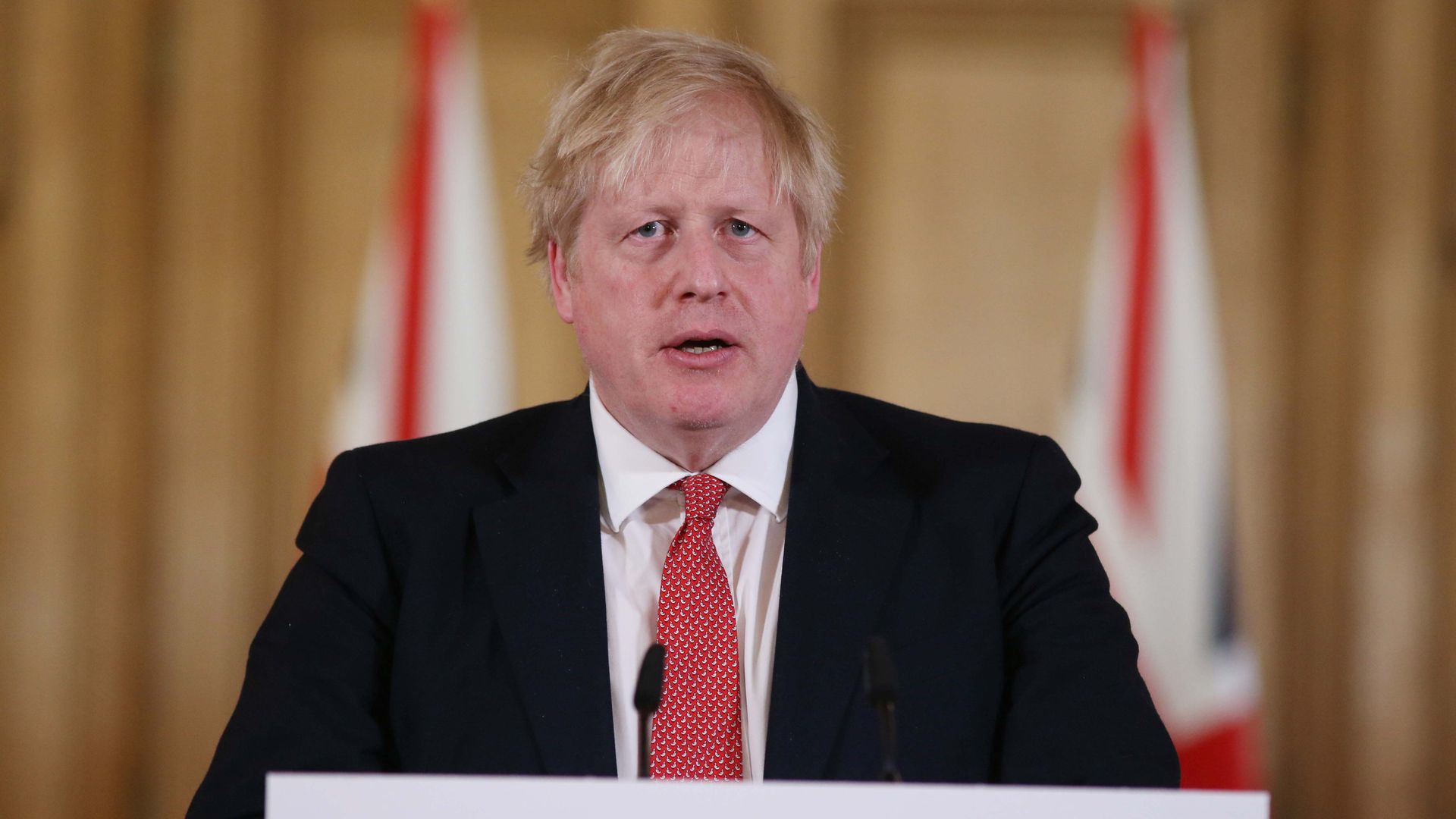
In a national address on Monday, U.K. Prime Minister Boris Johnson became the latest world leader to order a nationwide lockdown in an effort to stop the spread of the coronavirus.
Why it matters: Johnson warned on Sunday that a surge of coronavirus cases over the next two weeks could cripple the country's National Health Service, and that the U.K. is only "a matter of weeks" behind Italy — now the site of the worst coronavirus outbreak in the world.
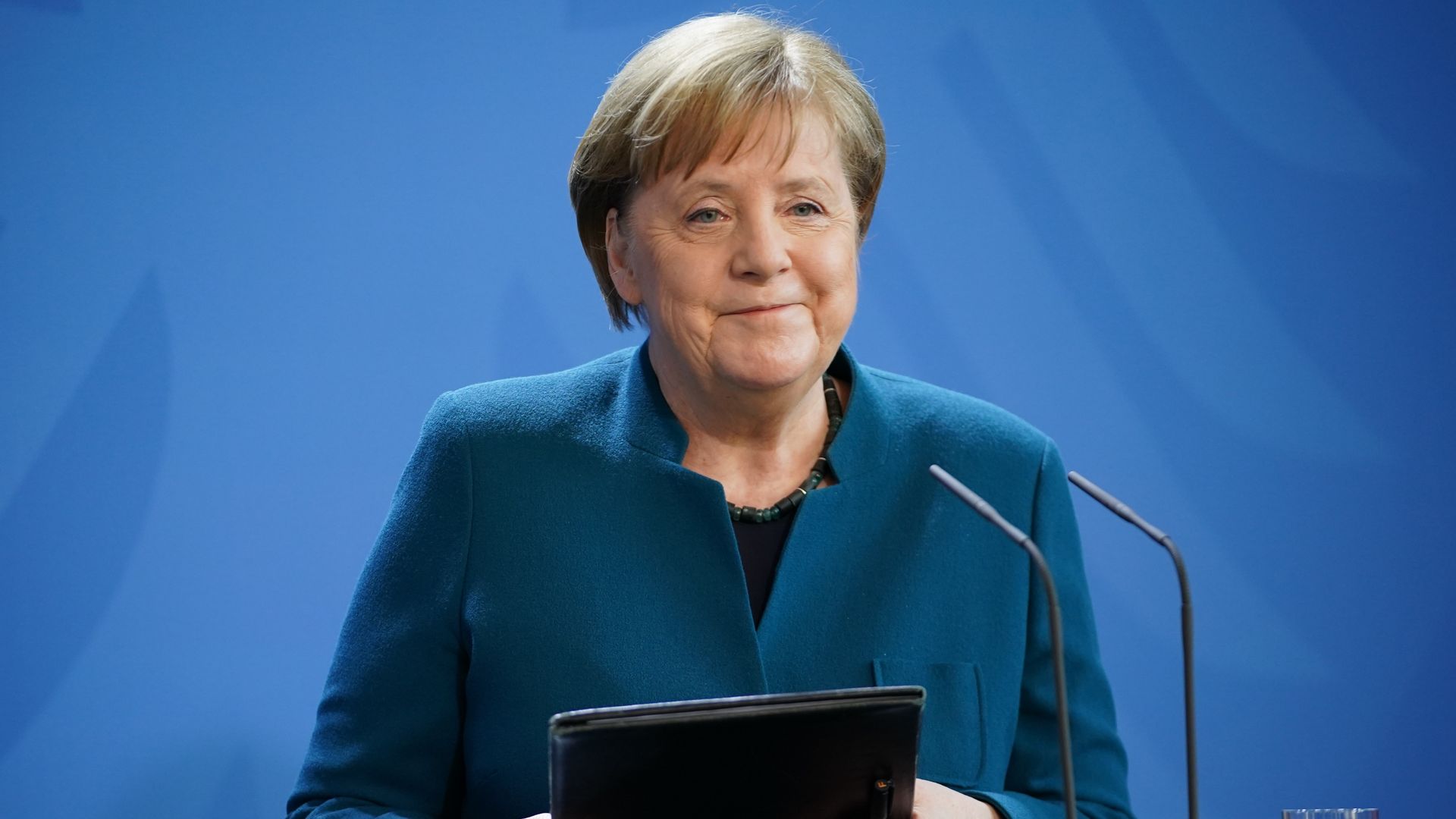
German Chancellor Angela Merkel has tested negative for COVID-19, her spokesperson said Monday, per AP.
The big picture: The 65-year-old went into self-quarantine Sunday after she learned that a doctor who had given her a pneumococcal infection vaccination tested positive for the illness. She will receive further testing in the coming days, according to the spokesperson.