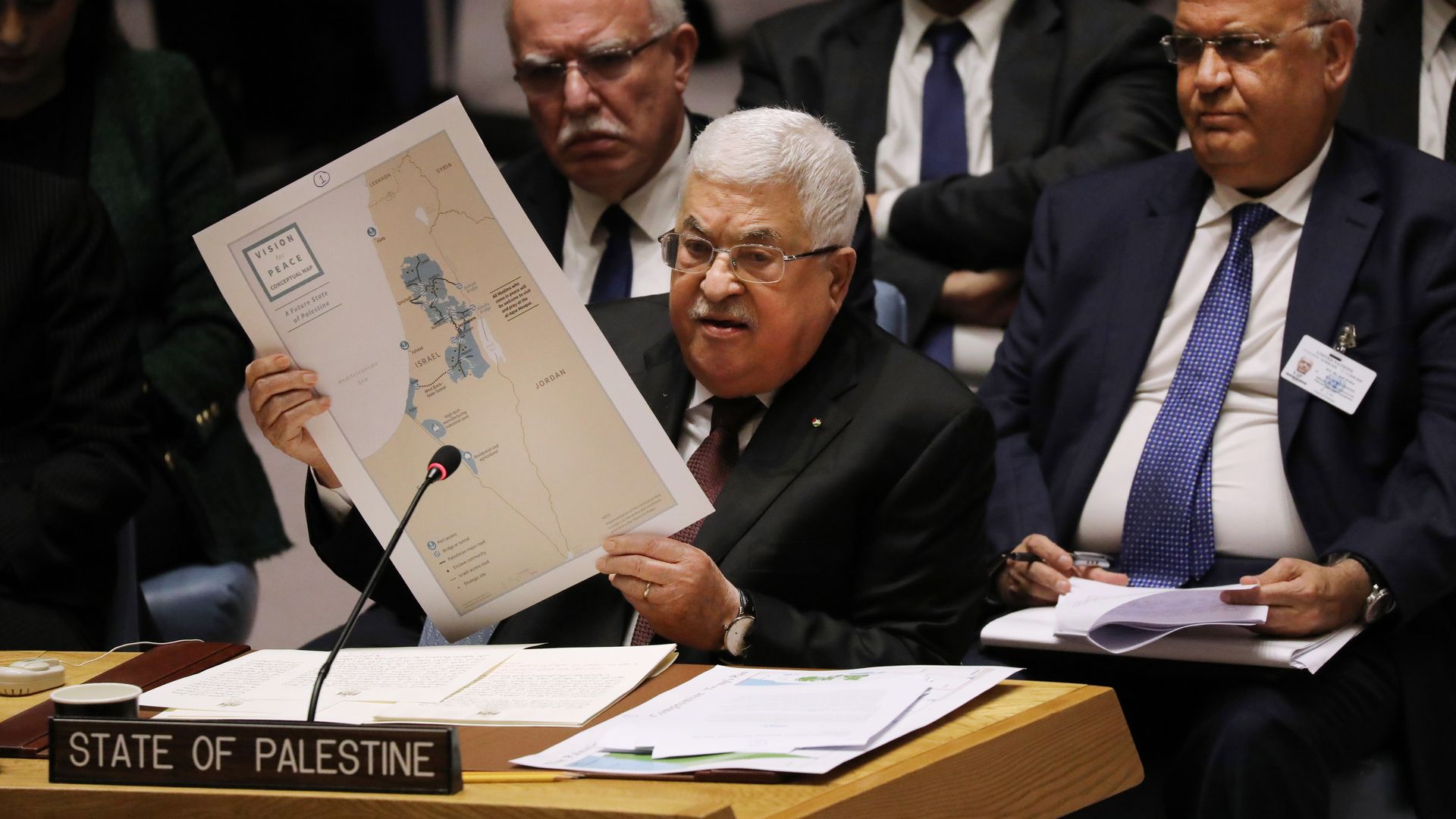
After blocking a Palestinian draft resolution at the UN Security Council rejecting its Middle East peace plan, the White House is signaling that it's willing to make changes to the plan if the Palestinians return to the table.
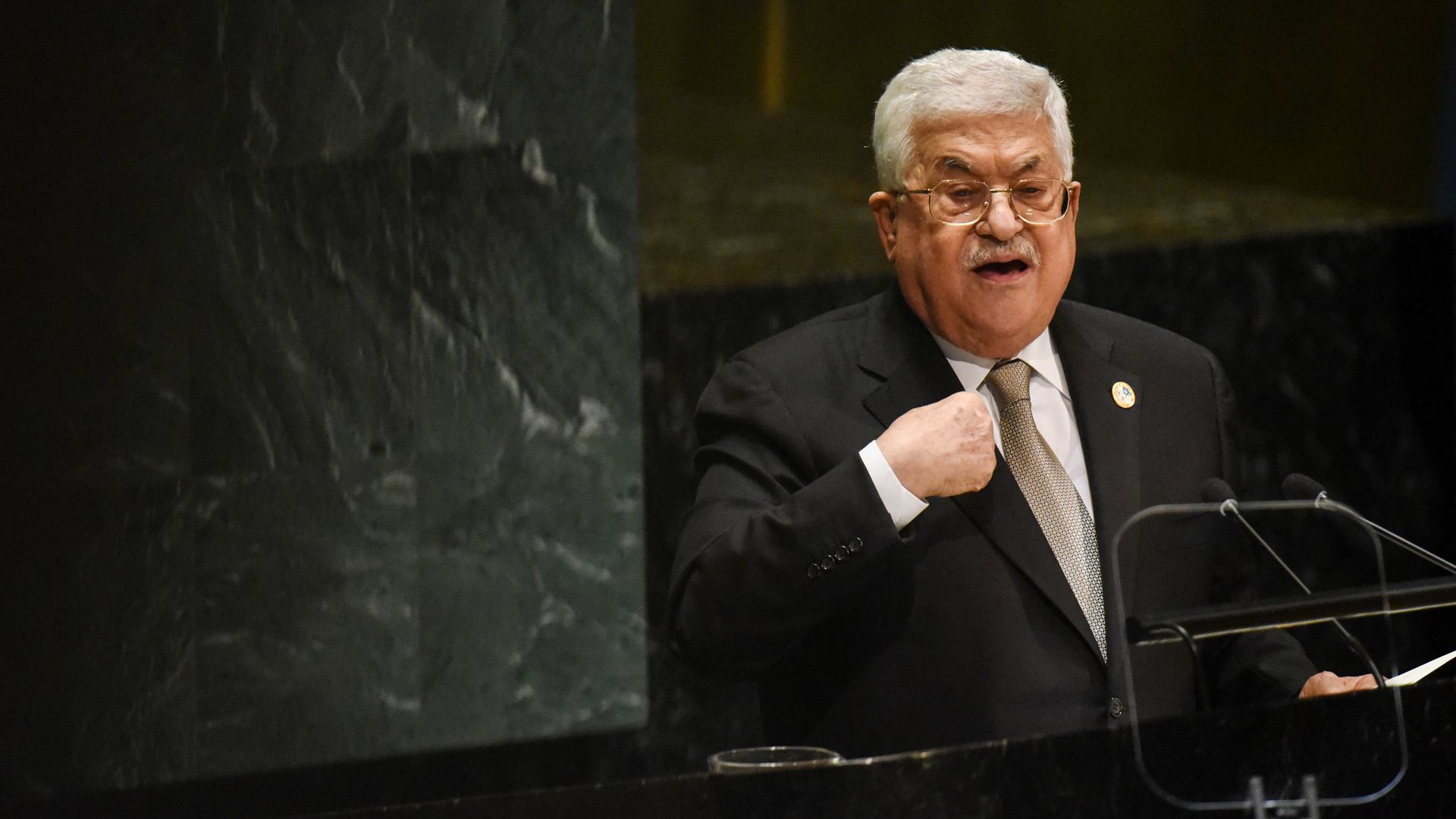
The backstory: Palestinian President Mahmoud Abbas rejected the plan in remarks today at the Security Council. That was to be followed by a vote on a resolution condemning the plan, but the Trump administration managed to delay the vote.
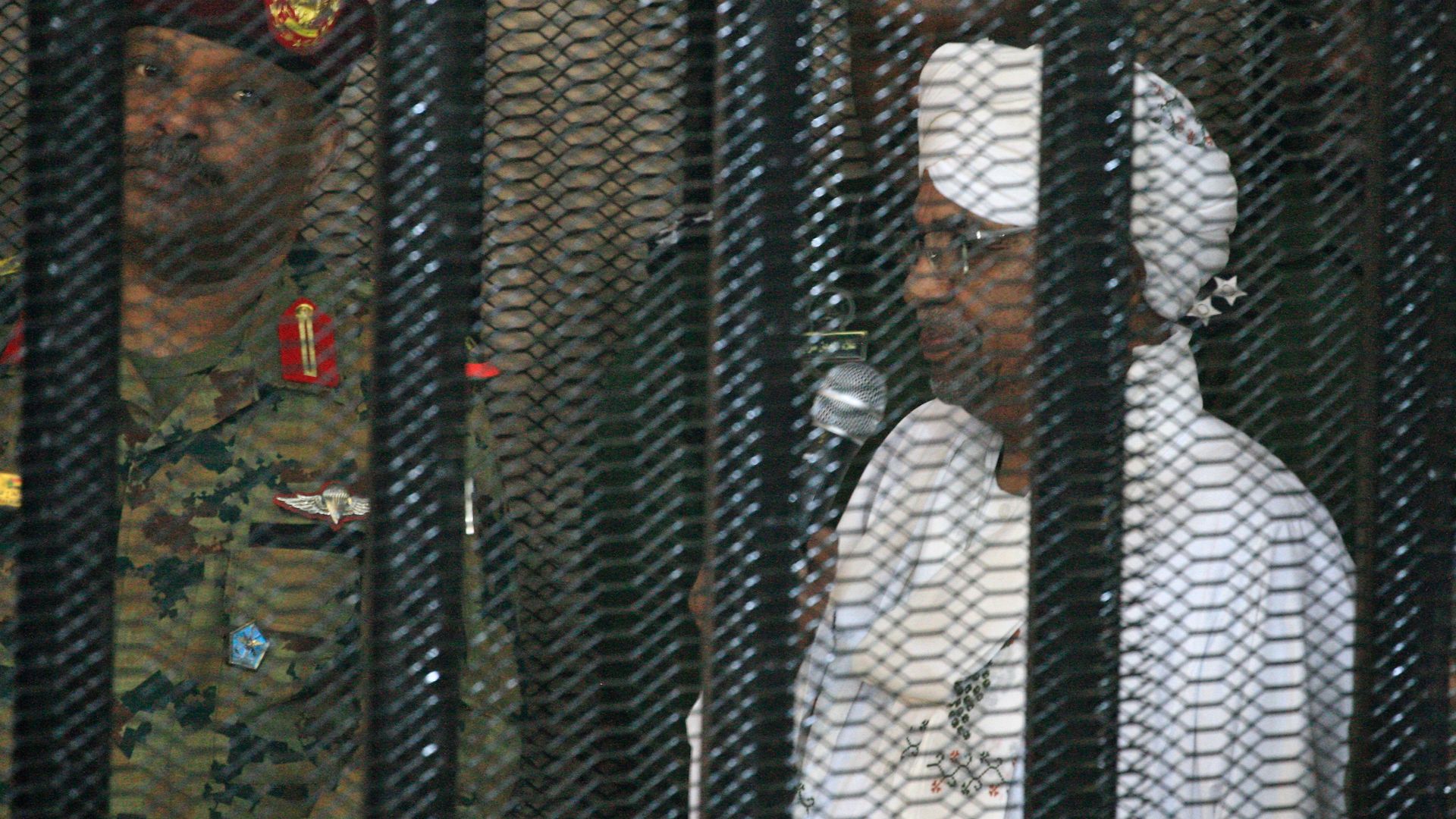
A top Sudanese official said Tuesday that the country's transitional leaders and rebel groups from the Darfur region reached an agreement to hand over officials wanted by the International Criminal Court for prosecution for war crimes, AP reports.
Why it matters: Though he was not specifically mentioned by name, those officials presumably include Sudan's deposed leader Omar al-Bashir, who was the the first person to be charged with genocide by the international body.
Global opinions of the United States vary widely depending on who is in the Oval Office, even among close friends.
Details: In Europe and North America, America's favorability has fallen sharply under Trump. In Turkey, it's been strikingly low for decades. In Israel, though, it has reached new heights.
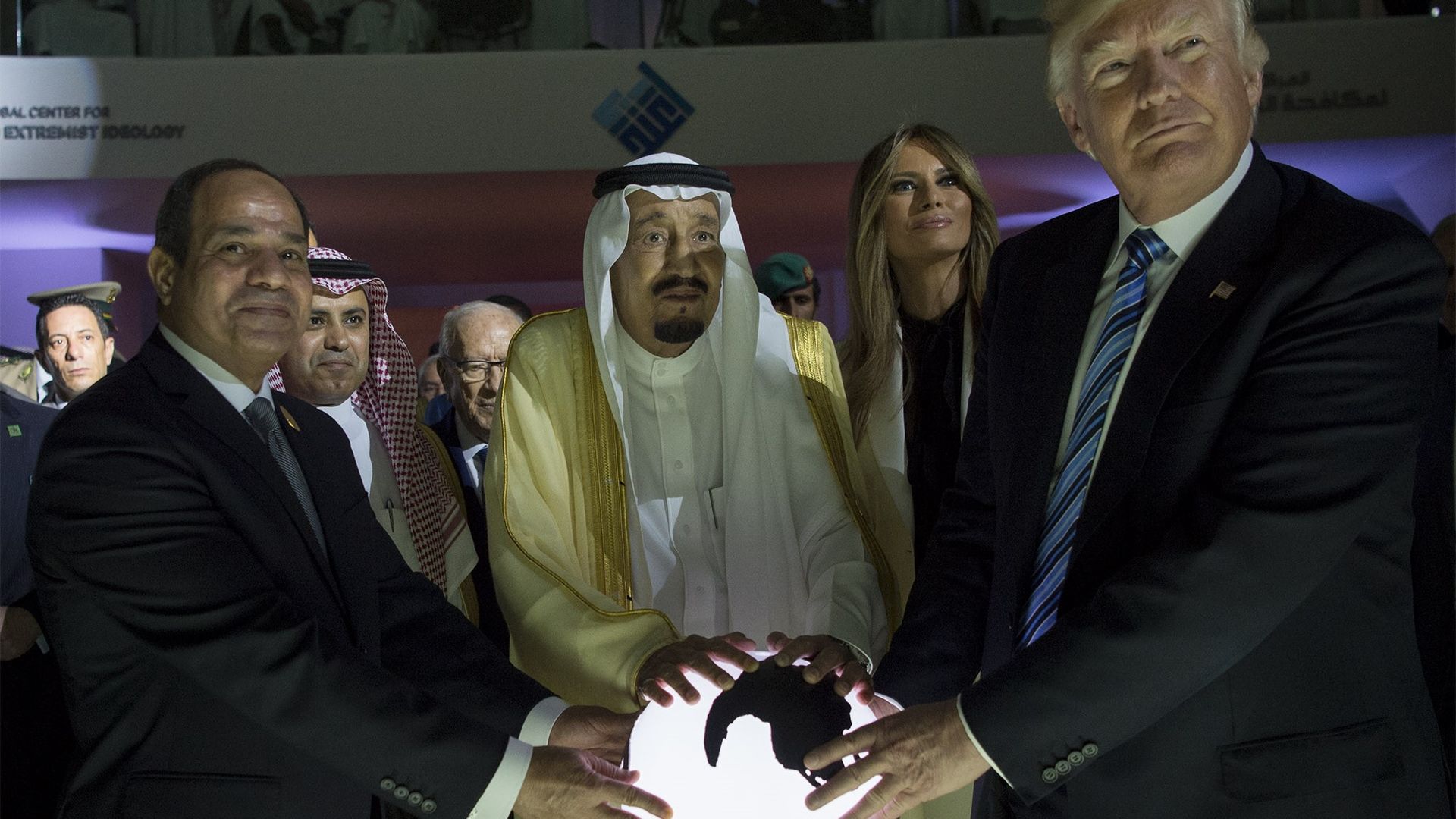
No U.S. partner will fear a change in administrations more than Saudi Arabia.
Flashback: Trump’s first overseas trip was to Riyadh. Since then, his administration has worked to shield Crown Prince Mohammed bin Salman from bipartisan outrage, most notably over the murder of journalist Jamal Khashoggi.
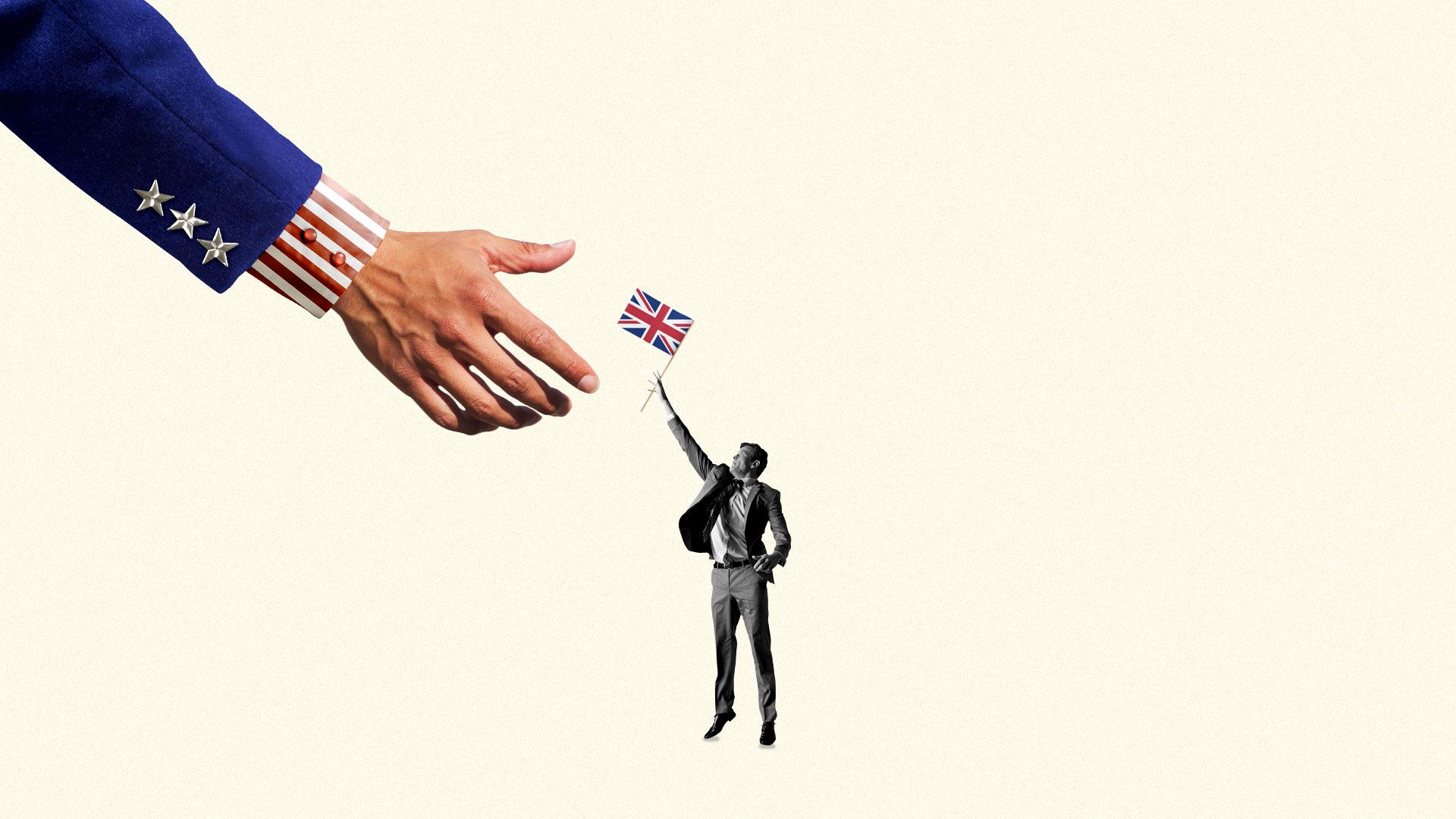
Polls suggest Americans consider the U.K. to be their country's closest ally, a distinction prized by a succession of British leaders and supported by decades of shared history and close cooperation.
Why it matters: President Trump has reveled in Brexit Britain’s rejection of multilateralism, in general, and the EU, in particular. But the U.K.'s voice will now count for less in Brussels and Berlin, and likely in Washington as a result.
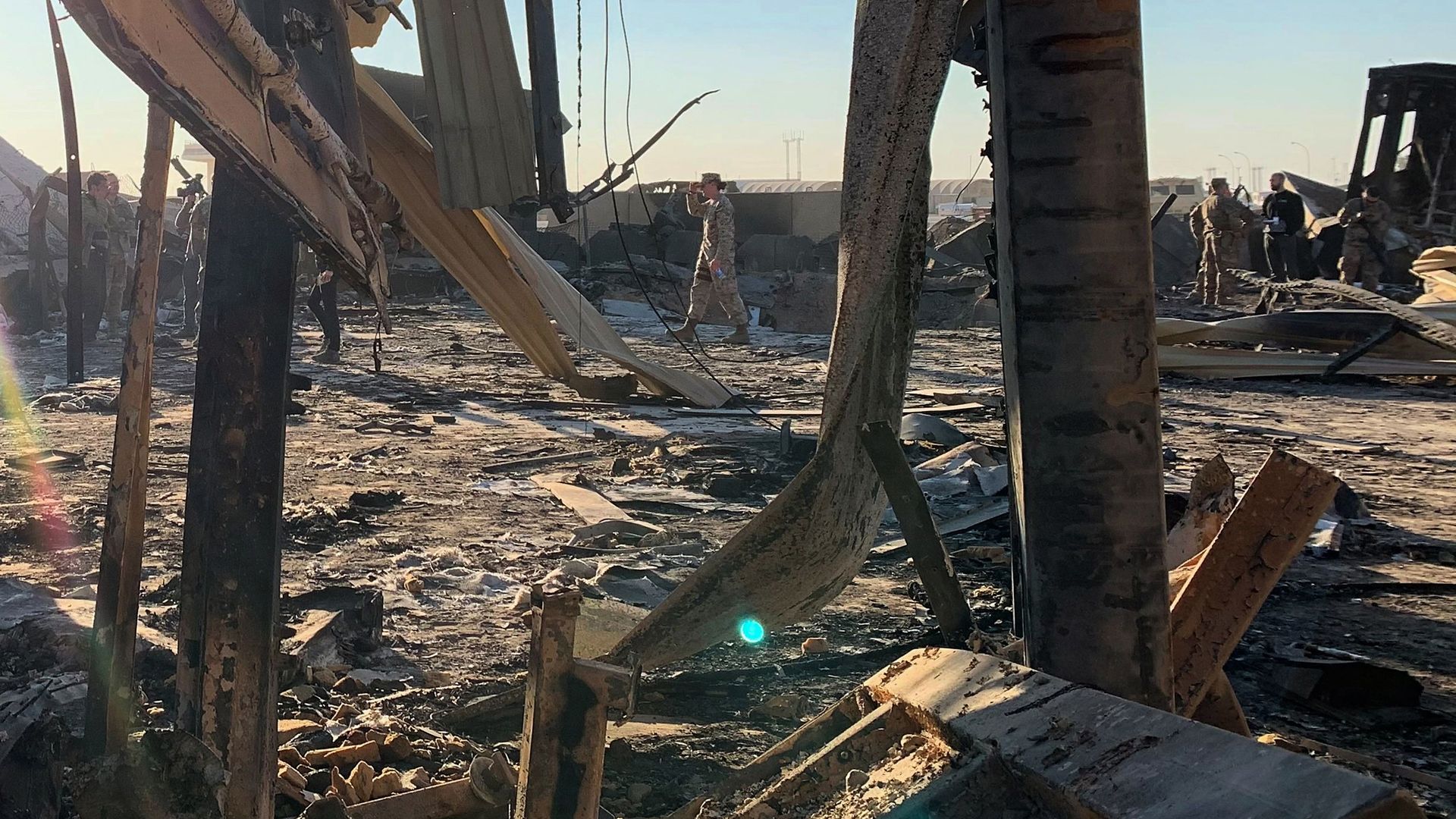
109 American troops suffered traumatic brain injuries as a result of Iran's Jan. 8 missile attack on U.S. bases in Iraq, the Defense Department said in a statement Monday.
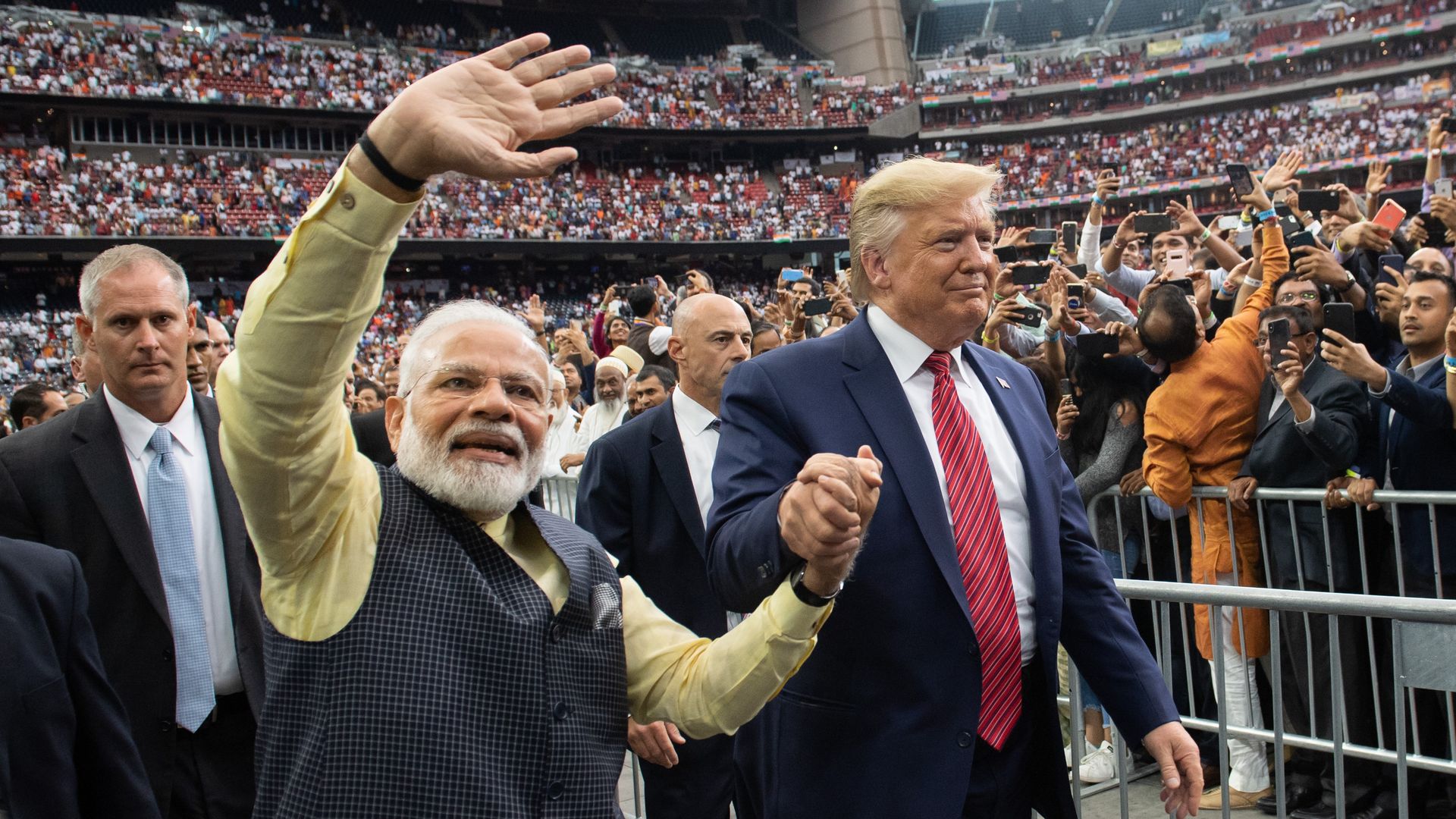
President Trump and first lady Melania Trump will travel to New Delhi and Ahmedabad, India, on Feb. 24–25 to meet with Prime Minister Narendra Modi, the White House announced Monday.
Why it matters: “India could be to America in Asia during the 21st century what the U.K. was in Europe during the 20th – the most reliable partner in great power competition,” says Husain Haqqani, a former Pakistani ambassador to Washington now at the Hudson Institute.
A UN Security Council vote on a Palestinian draft resolution rejecting President Trump's Middle East peace plan has been postponed. It's unclear if and when it will take place.
Why it matters: This is a significant setback for Palestinian President Mahmoud Abbas, who is expected to give a speech opposing the plan at a special meeting of the Security Council tomorrow.
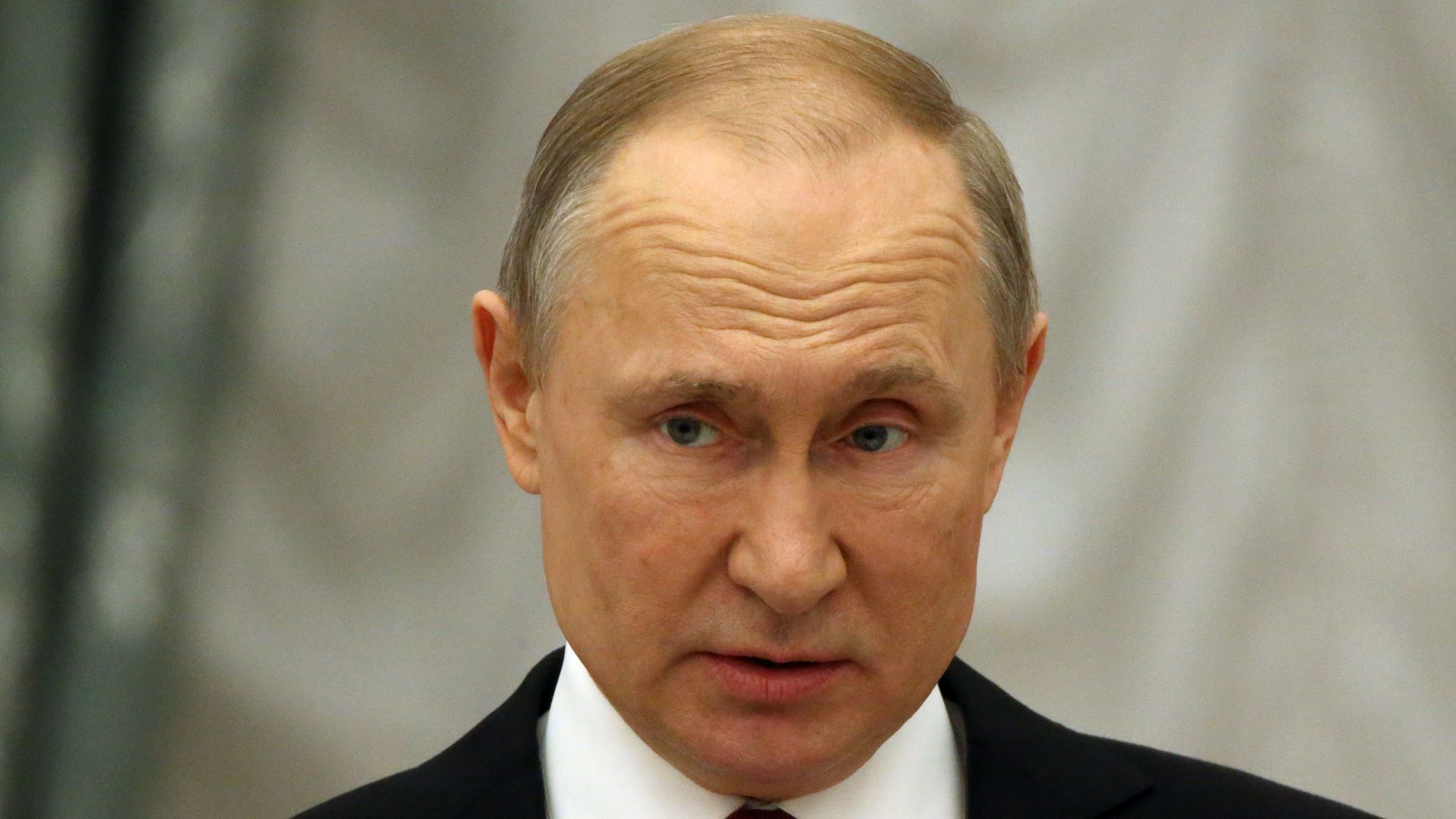
Russian President Vladimir Putin is considering ways to limit access to YouTube within Russia, where it's become a crucial platform for his critics and a popular source for news. Dan digs in with Axios World editor David Lawler.
The Justice Department announced Monday that it indicted four members of China's military in relation to the 2017 Equifax data breach that compromised the data of more than 147 million Americans.
Why it matters: The announcement comes at a fraught time for U.S.-China relations — just weeks after the signing of a critical "phase one" trade deal that ratcheted down economic tension between the two nations — and marks only the second time that the U.S. government has charged Chinese military hackers.
Republicans and Republican-leaning independents are 21 points more likely than Democrats and Democratic-leaning independents (31% vs. 10%) to express confidence in Russian President Vladimir Putin and his actions in world affairs, according to a global Pew survey.
The big picture: It's the widest partisan gap Pew has recorded on the question, though Republicans' still-low confidence in the Russian leader is largely in line with the sentiment of key U.S. allies around the world.
"Parasite" won the top award at the Oscars on Sunday night — becoming the first foreign language film to do so in the 92-year history of the Academy Awards.
Why it matters: It's a historic moment for the entertainment industry, which has been criticized for its lack of diversity on and off the screen.