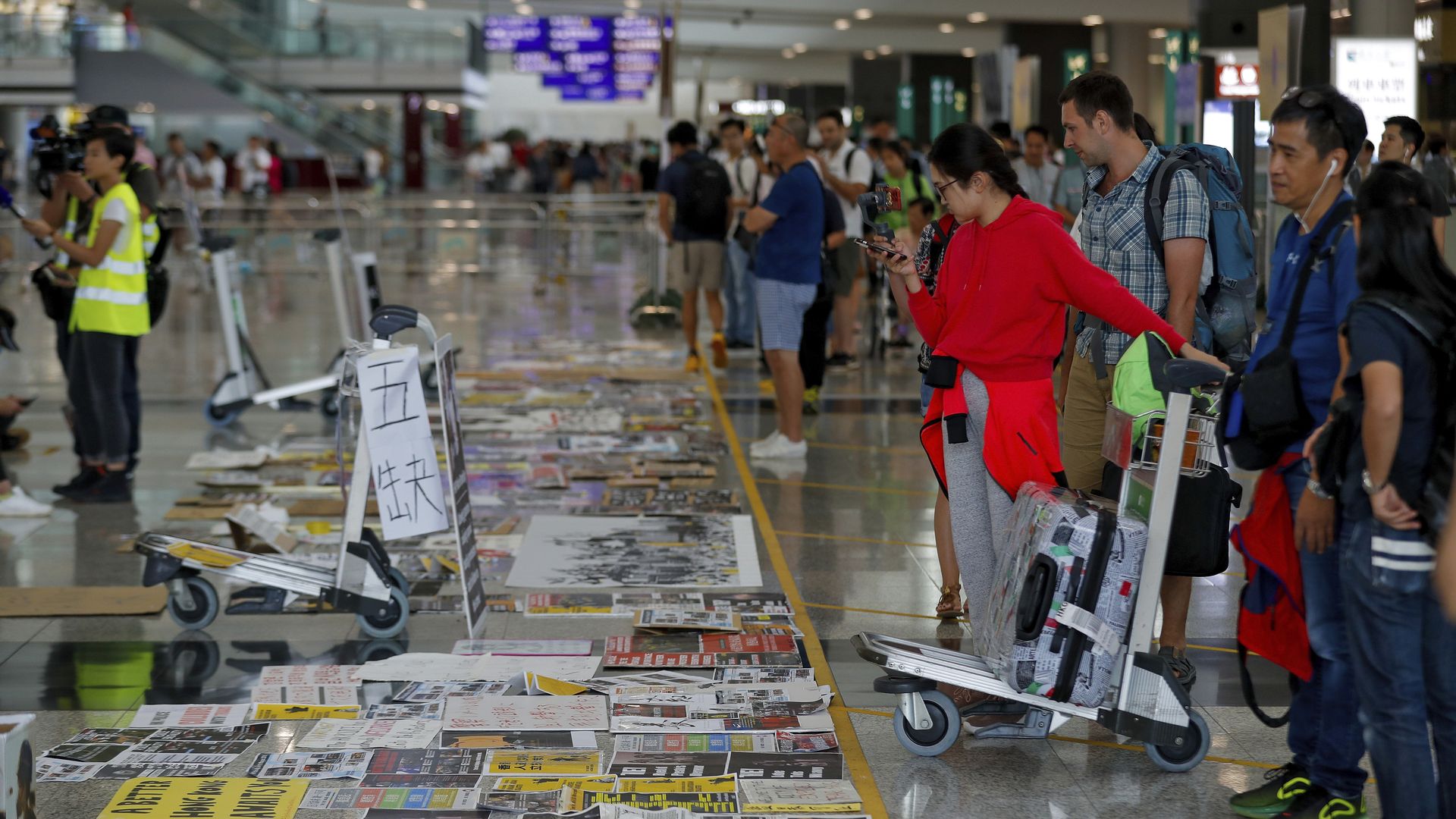
The deteriorating political situation in Hong Kong threatens to severely muddy the financial gateway between East and West.
The state of play: If the protesters succeed in maintaining, or even furthering, "one country, two systems" governance, then it likely would keep global capital flowing through Hong Kong. But it's unclear how China can possibly allow that to happen without eroding its authoritarian bonafides on the mainland, and almost any crackdown would be viewed as ripping down the legal fabric that made Hong Kong a financial powerhouse in the first place.
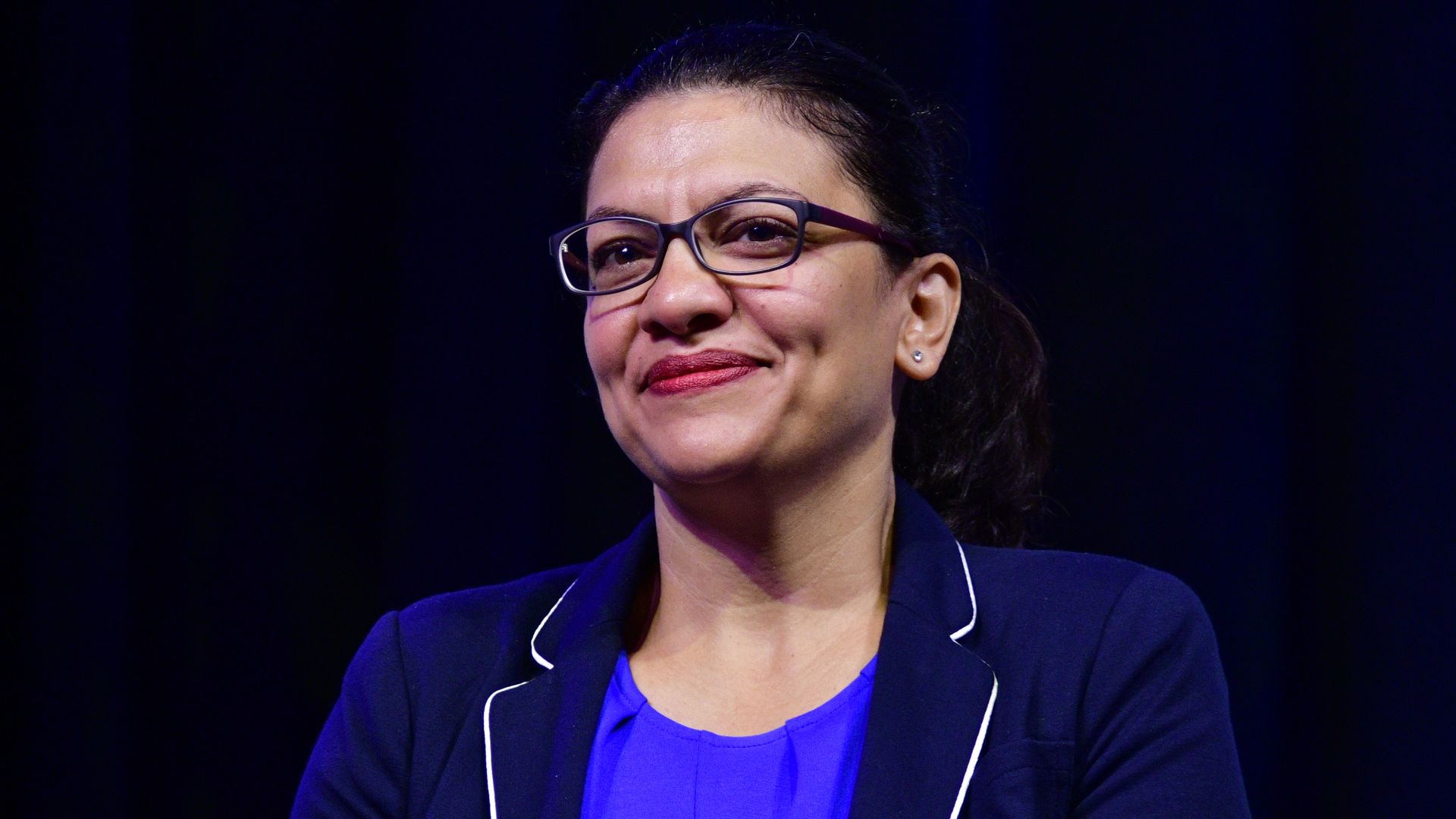
Rep. Rashida Tlaib (D-Mich.) said Friday that she will not enter Israel due to the "oppressive conditions" placed upon her visit, despite the Israeli government's permission to enter Israel on humanitarian grounds to visit her family in the occupied West Bank, including her 90-year-old grandmother.
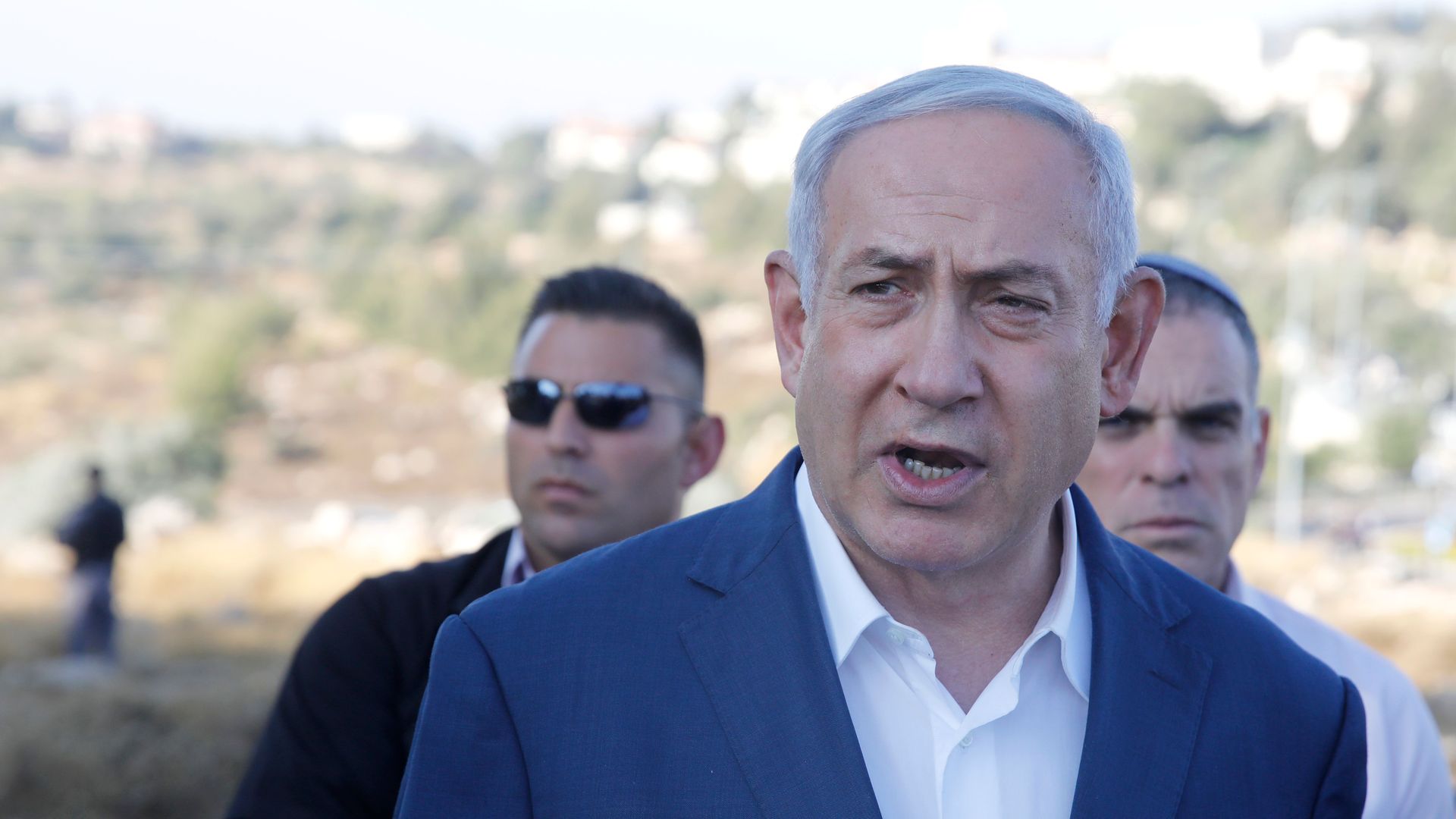
The big picture: Israeli Prime Minister Benjamin Netanyahu reversed course yesterday after pressure from President Trump and barred Tlaib and Rep. Ilhan Omar (D-Minn.) from a planned visit to Israel and the West Bank, saying the trip was meant "to strengthen the boycott and delegitimize Israel." In a letter requesting the visit to her family, Tlaib said she would "respect [her] restrictions" and would not "promote boycotts against Israel."
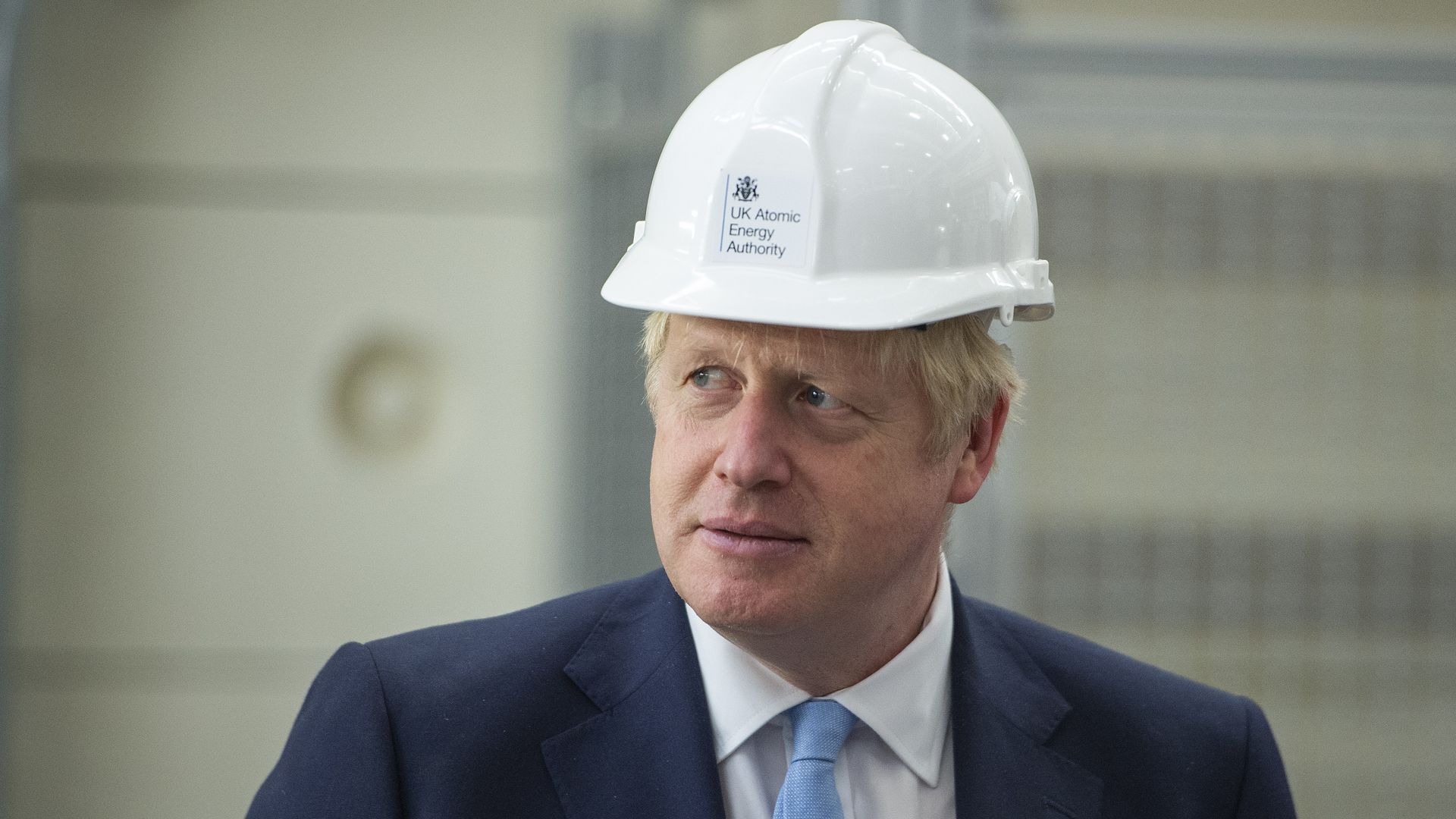
Boris Johnson has ordered the U.K.'s civil service to make preparations for a no-deal Brexit its "top priority," a directive that comes the same week the government has reportedly drawn up plans to stop British diplomats from attending EU meetings.
Why it matters: 3 weeks into his premiership, Johnson appears hell-bent on fulfilling the campaign promise that paved his path to Downing Street: delivering Brexit on Oct. 31, "do or die."
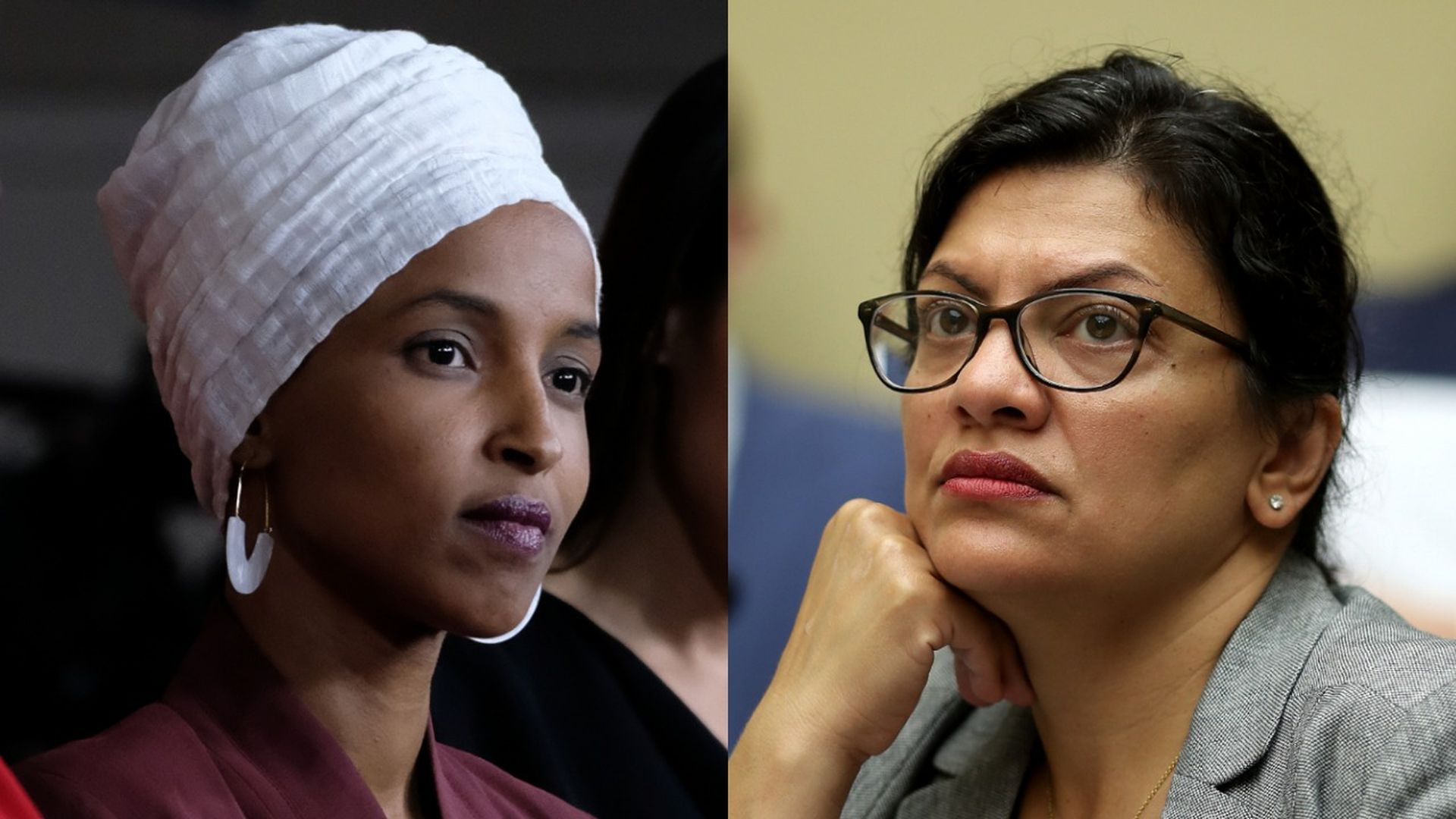
Israeli Prime Minister Benjamin Netanyahu’s decision to bar the entry of Reps. Ilhan Omar (D-Minn.) and Rashida Tlaib (D-Mich.) has threatened to further widen the rift between the Israeli government and the Democratic Party, which was only recently beginning to heal.
Why it matters: Netanyahu had a very tense relationship with President Obama as a result of the Iran nuclear deal. In the last 2 years, both the Israeli government and Democratic leaders tried to repair the relationship in order to keep support for Israel bipartisan. Those efforts actually bore fruit, but today’s decision has threatened to wipe out that progress.
Following pressure from President Trump, Israeli Prime Minister Benjamin Netanyahu has backtracked on his decision to allow Reps. Ilhan Omar (D-Minn.) and Rashida Tlaib (D-Mich.) to enter the country and is now barring the congresswomen over their support for the BDS movement.
The latest: Netanyahu issued a statement stressing that Omar and Tlaib were planning a trip whose "sole purpose is to strengthen the boycott and delegitimize Israel." Netanyahu said the congresswomen designated their trip as a visit to Palestine and not to Israel, and they did not ask to meet any Israeli official or member of the opposition. "Omar and Tlaib’s visit plan showed they only wanted to harm Israel," Netanyahu said.
President Trump tweeted Thursday that it would show "great weakness" if Israel were to allow Reps. Rashida Tlaib (D-Mich.) and Ilhan Omar (D-Minn.) to enter the country during an upcoming congressional delegation visit on Friday.
"It would show great weakness if Israel allowed Rep. Omar and Rep.Tlaib to visit. They hate Israel & all Jewish people, & there is nothing that can be said or done to change their minds. Minnesota and Michigan will have a hard time putting them back in office. They are a disgrace!"
Why it matters: As Axios' Jonathan Swan and I previously reported, Trump has privately been telling advisers that he thinks Prime Minister Benjamin Netanyahu should use an anti-boycott law to bar the two freshman congresswomen over their support for the BDS movement. In response to our story, the White House said that Trump didn’t pressure Israel in any way and that Israel can do whatever it wants.
While President Donald Trump suggested a meeting with Chinese leader Xi Jingping over the Hong Kong crisis, China called the protests "close to terrorism" as normal operations began to resume at the international airport, the BBC reports.
What's new: The Airport Authority said late Wednesday that any application to protest in the terminal must be made in advance with a "Letter of No Objection" to be obtained from police, as security was heightened in the area, per Reuters. CNN notes that nearly 1,000 flights were canceled this week over the massive protests at the airport, which saw riot police clash with activists. More protests are planned for Friday, Reuters notes.