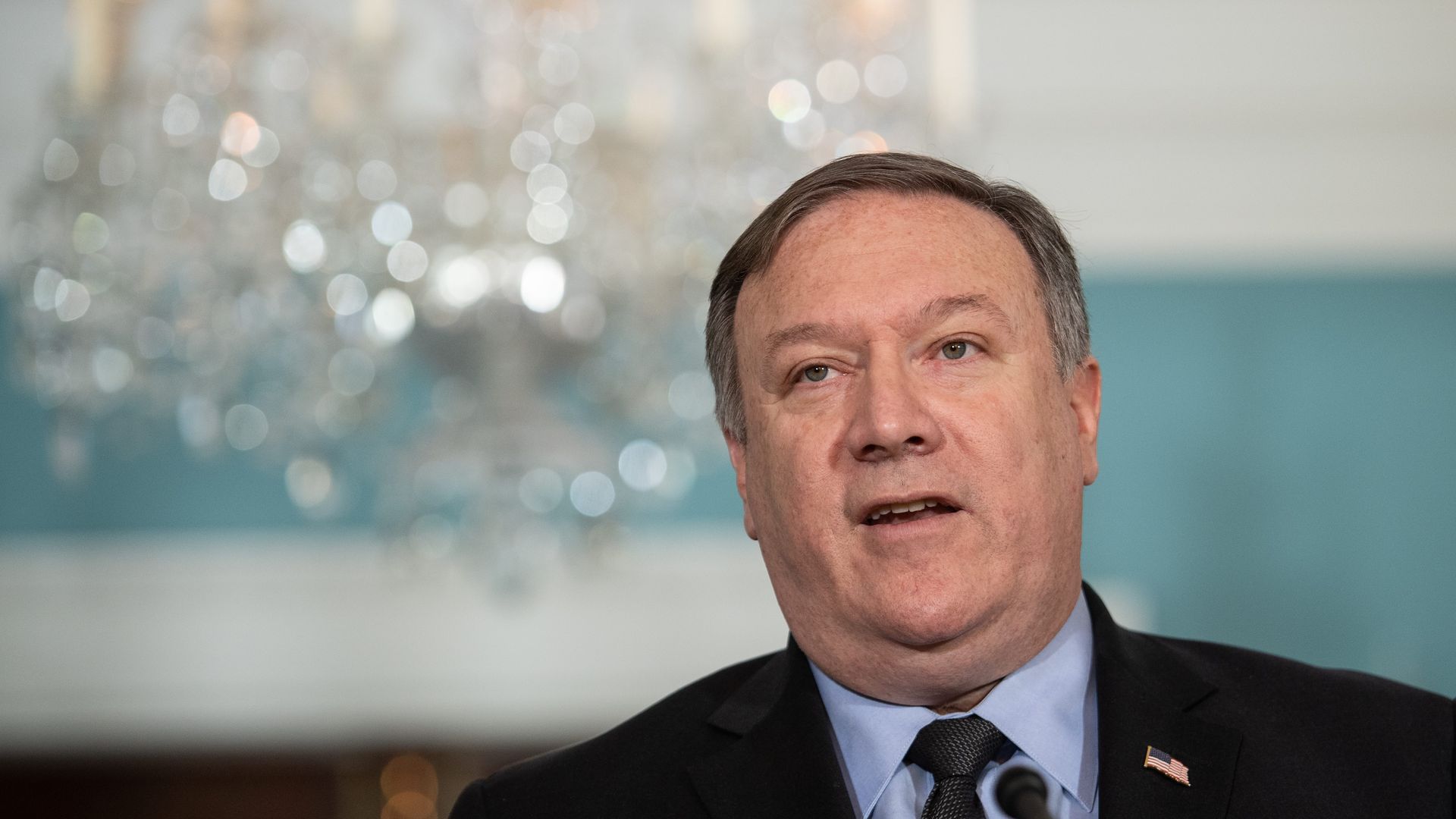
During a press conference Friday, Secretary of State Mike Pompeo said Russia has actively undermined the United Nations Security Council's resolutions by lifting pressure to denuclearize on North Korea.
The big picture: Pompeo previously warned countries about interfering with North Korea's denuclearization process, and has specifically called out Russia explaining offenses would be taken "very seriously" by the United States. Today, Pompeo said he spoke with U.N. Ambassador Nikki Haley about Russian interference with North Korean denuclearization and called the process "necessary" for the Korean peninsula.
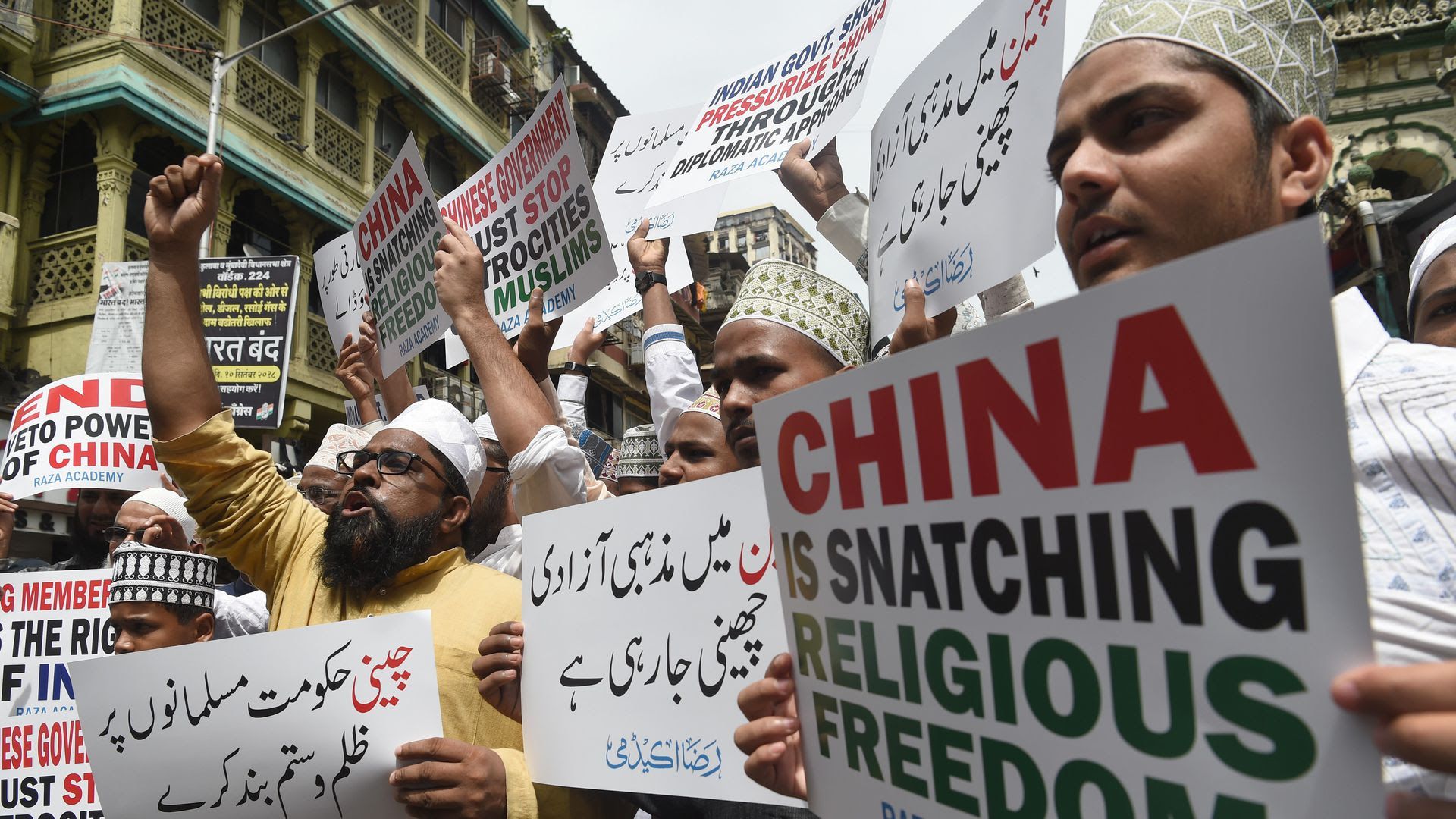
Various reports of around one million Uyghur Muslims being detained in mass detention camps in Xinjiang are rapidly increasing.
What's happening:"Transformation" is the goal of China detaining vast numbers of Muslims, per Sunday's New York Times, in the center of the print front page. Anwar Ibrahim, likely the next premier of Malaysia, criticized the crackdown in Xinjiang, per Bloomberg.
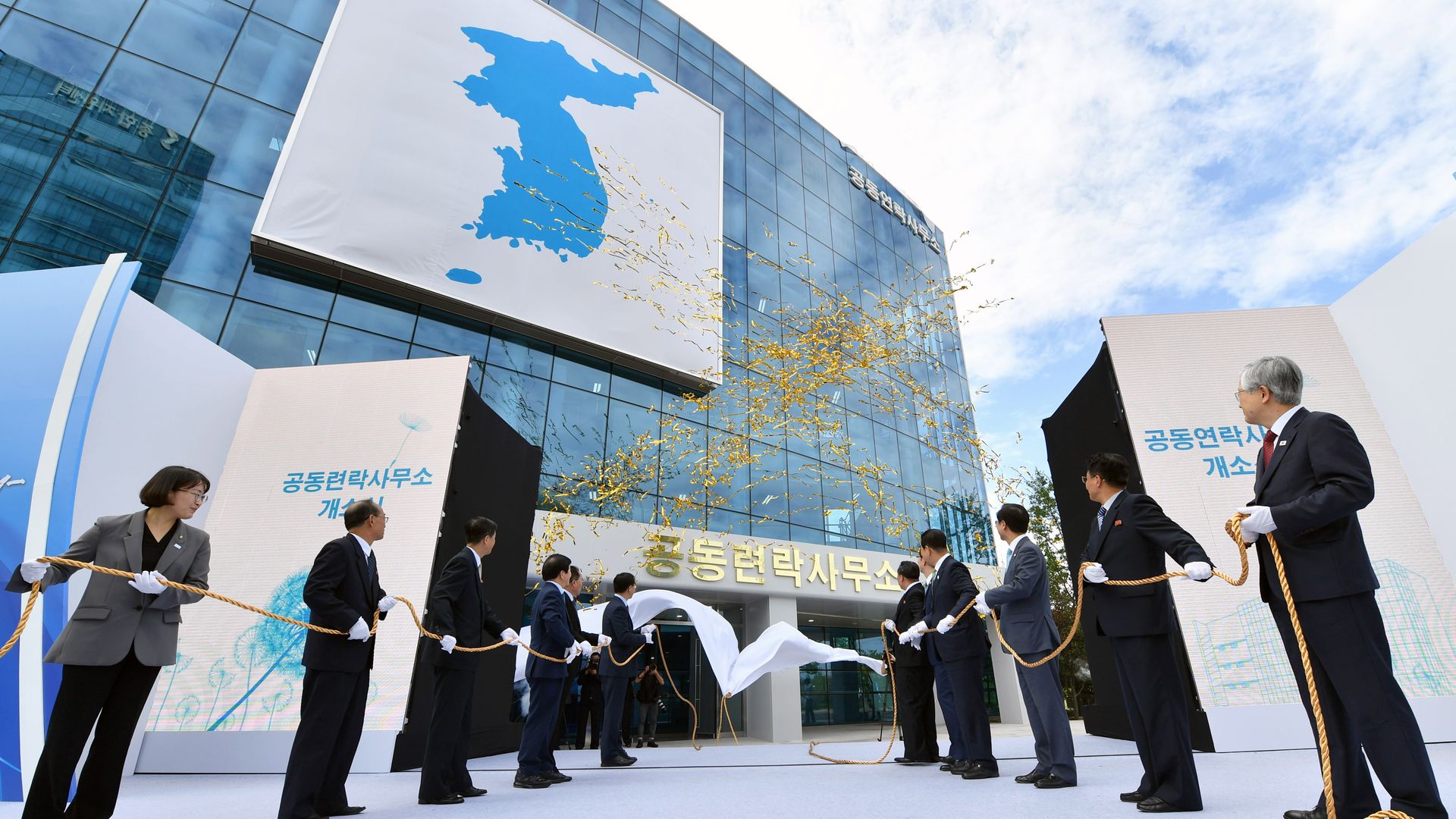
North and South Korea have opened a joint liaison office — on North Korea's side of the border — in order to "directly discuss issues 24 hours, 365 days," South Korea's Unification Minister Cho Myoung-gyon said on Friday according to Reuters.
The big picture: This comes days before a third summit between the two countries' leaders, Reuters reports. The hope is that the office will also move talks forward between the U.S. and North Korea, which have been stalled in recent weeks due to little progress on denuclearization.
As the U.S. and China struggle for dominance in artificial intelligence, they are locked in a parallel, behind-the-scenes race to master quantum technology, a contest that could result in lasting military superiority and a possible new industrial revolution.
The big picture: Though still far off, conquering quantum technology could enable uncrackable communications, supercharged radar and more deadly undersea warfare. And as of now, China has some serious advantages.
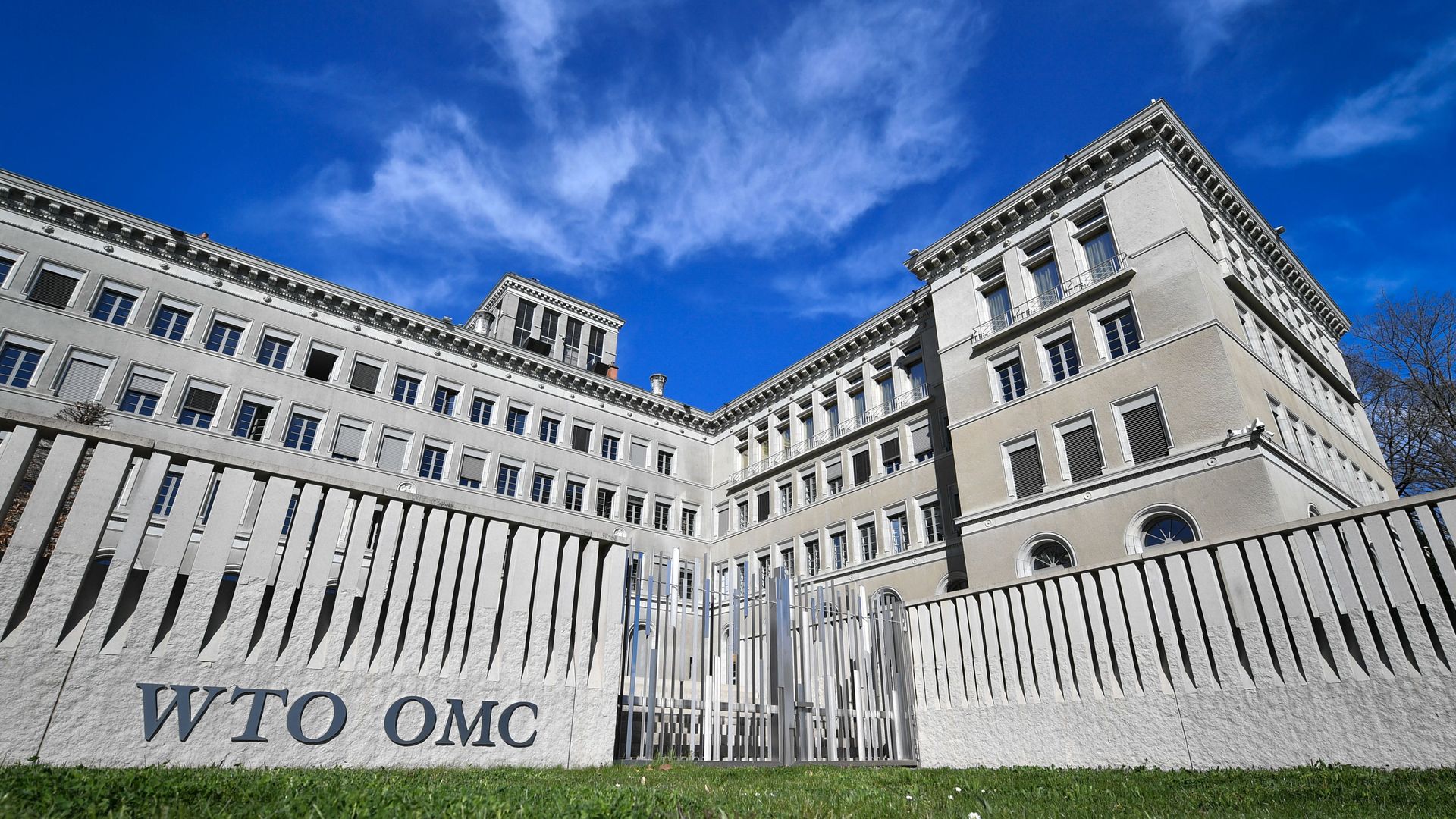
The global trade system created in the aftermath of World War II has expanded economic prosperity, lifted millions out of poverty and contributed to global stability. But it hasn't kept up with the emergence of new major trading countries, advances in technology or new types of trade barriers.
The big picture: A growing number of people around the world, particularly in the U.S. and Europe, feel disenfranchised by the current order, which they hold responsible for widening income inequality and a decline in well-paying jobs. Reforms are needed if the rules-based trading system is to remain viable and relevant.
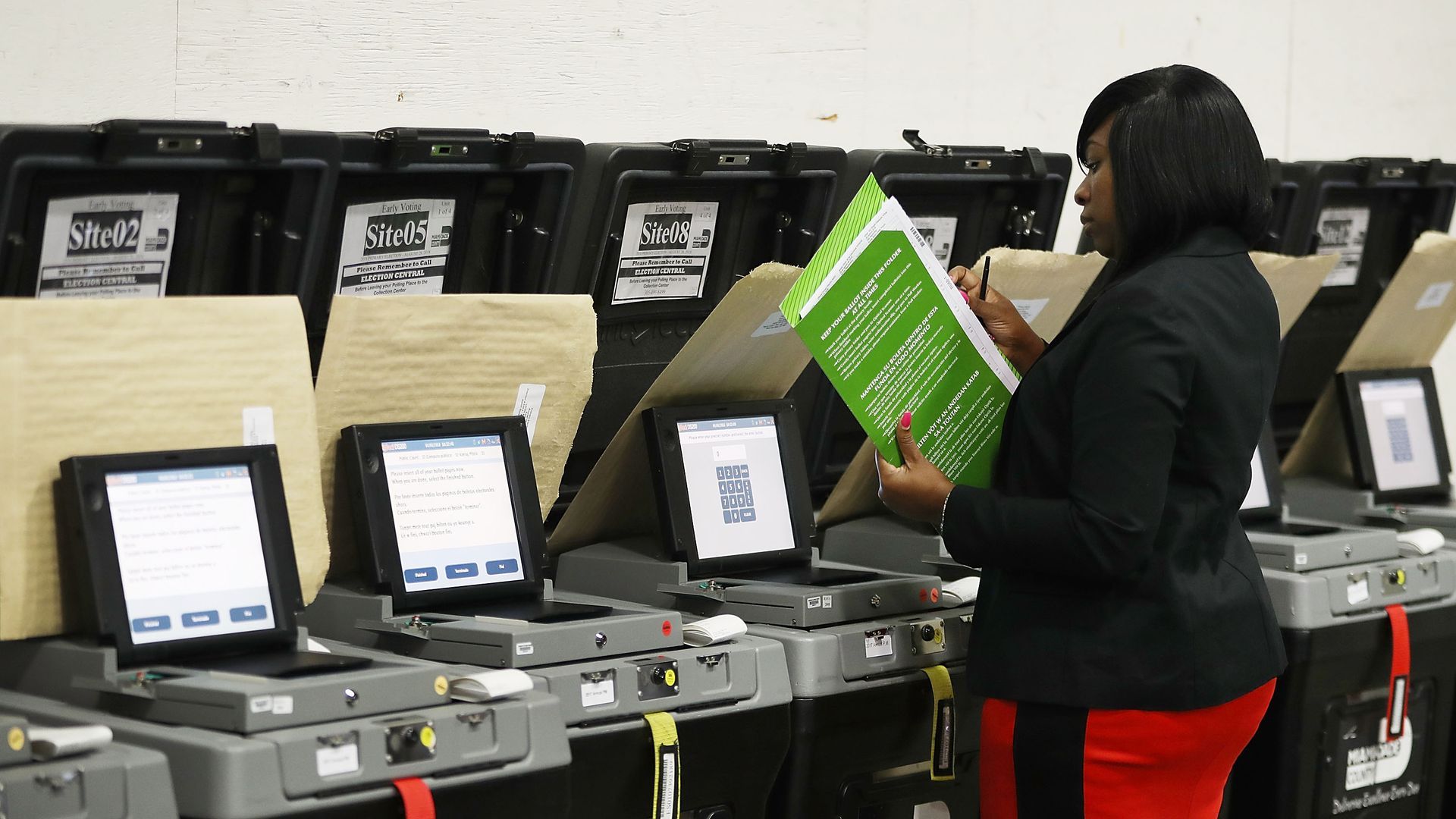
President Trump on Wednesday signed an executive order mandating automatic sanctions against countries that interfere in U.S. elections.
The big picture: The order covers fewer scenarios than you’d think, guarantees less in sanctions than a pending bipartisan Senate bill and has left critics wondering exactly how seriously the president can be taken on the issue, when he has repeatedly claimed that the jury is out on well-documented foreign interference.
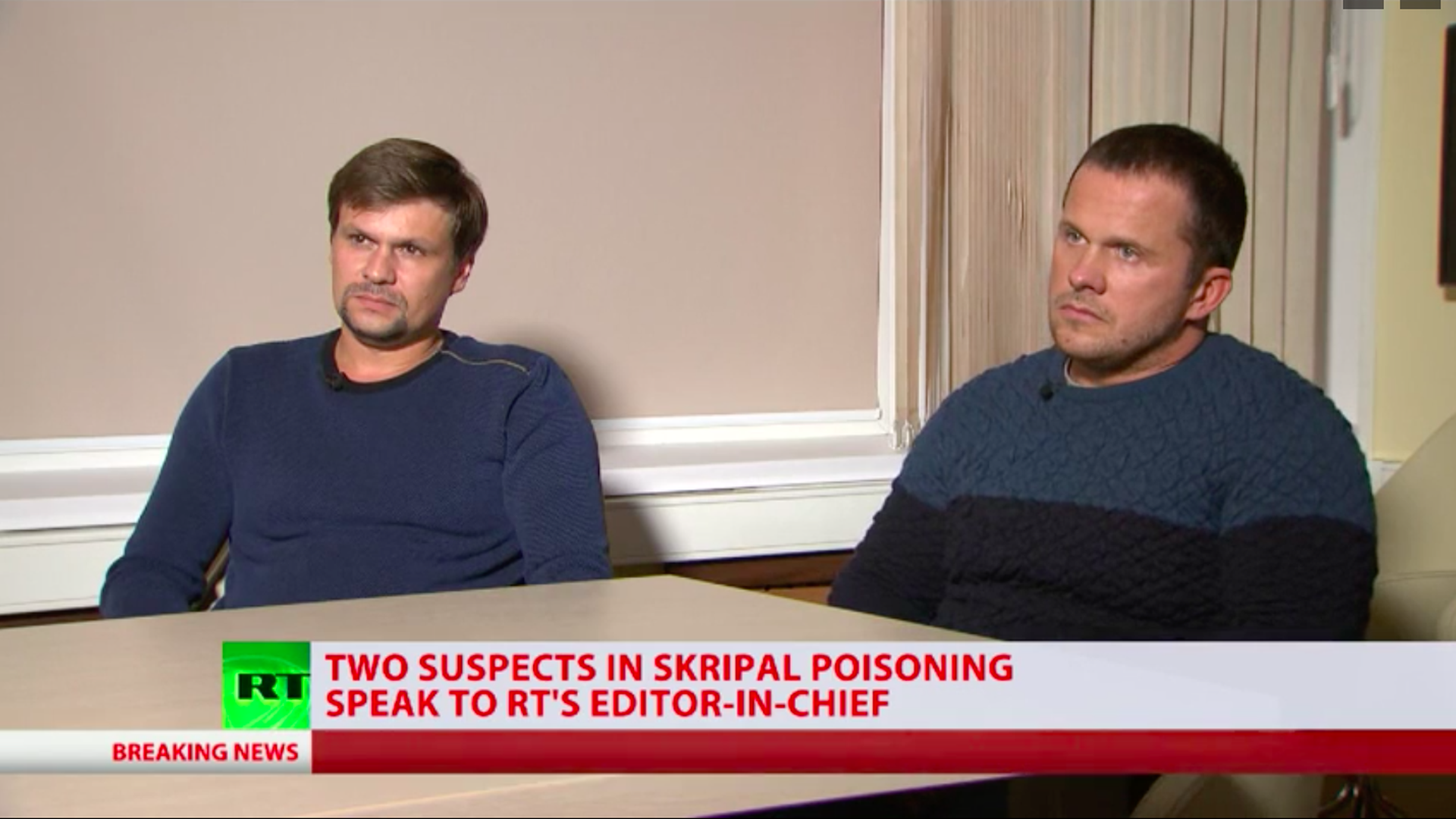
The two Russian suspects charged by U.K. police in the Novichok poisoning of former spy Sergei Skripal on British soil told state-run RT that they are not intelligence officers, but tourists who were in England visiting the famous Salisbury Cathedral.
Why it matters: The conclusion that the two men were officers of the GRU directed by the Kremlin to carry out the poisoning came after months of investigation by British intelligence. The assessment was backed in a joint statement by the U.K.'s major allies, but has repeatedly been denied by Russian President Vladimir Putin.