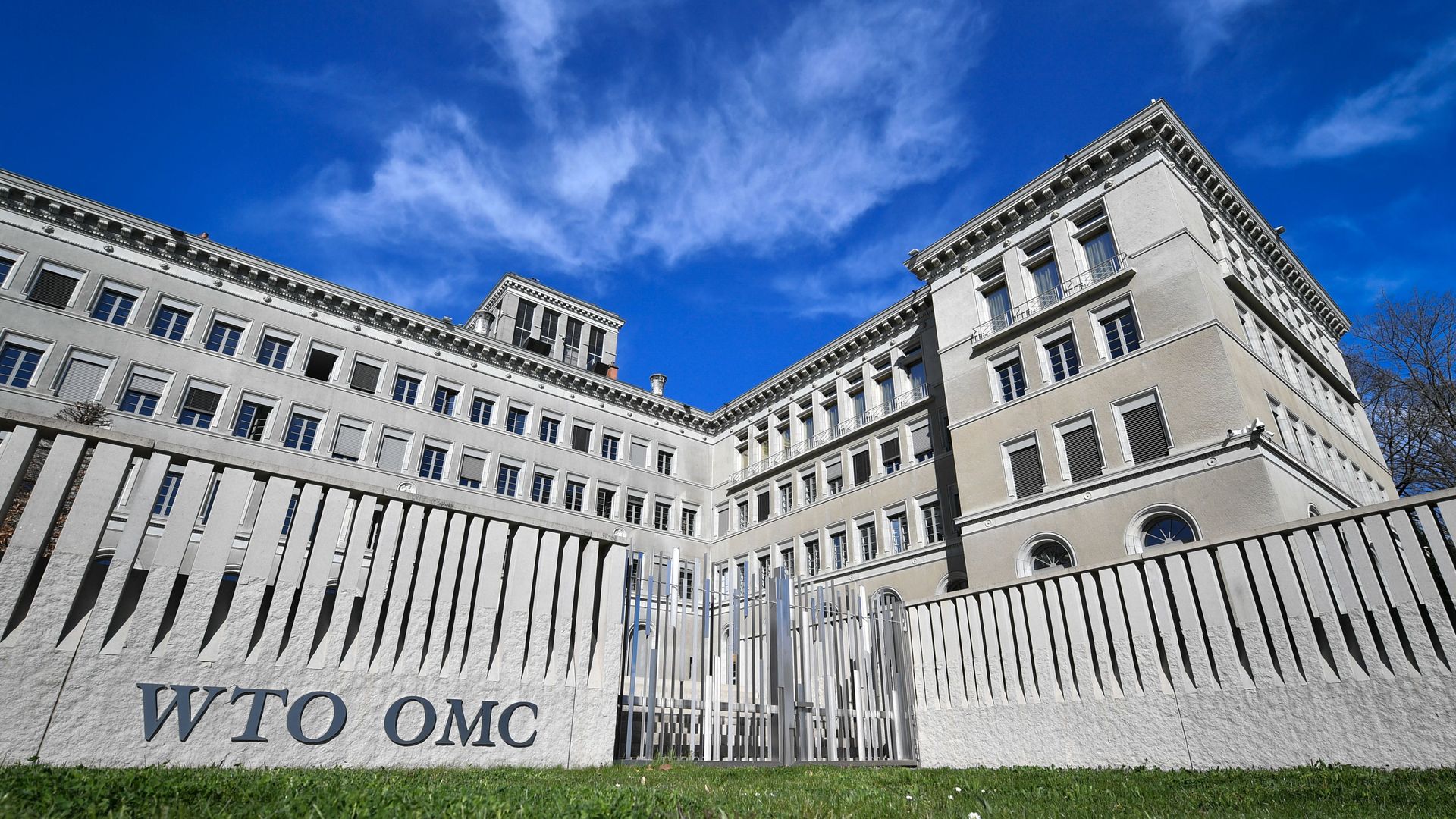
The global trade system created in the aftermath of World War II has expanded economic prosperity, lifted millions out of poverty and contributed to global stability. But it hasn't kept up with the emergence of new major trading countries, advances in technology or new types of trade barriers.
The big picture: A growing number of people around the world, particularly in the U.S. and Europe, feel disenfranchised by the current order, which they hold responsible for widening income inequality and a decline in well-paying jobs. Reforms are needed if the rules-based trading system is to remain viable and relevant.
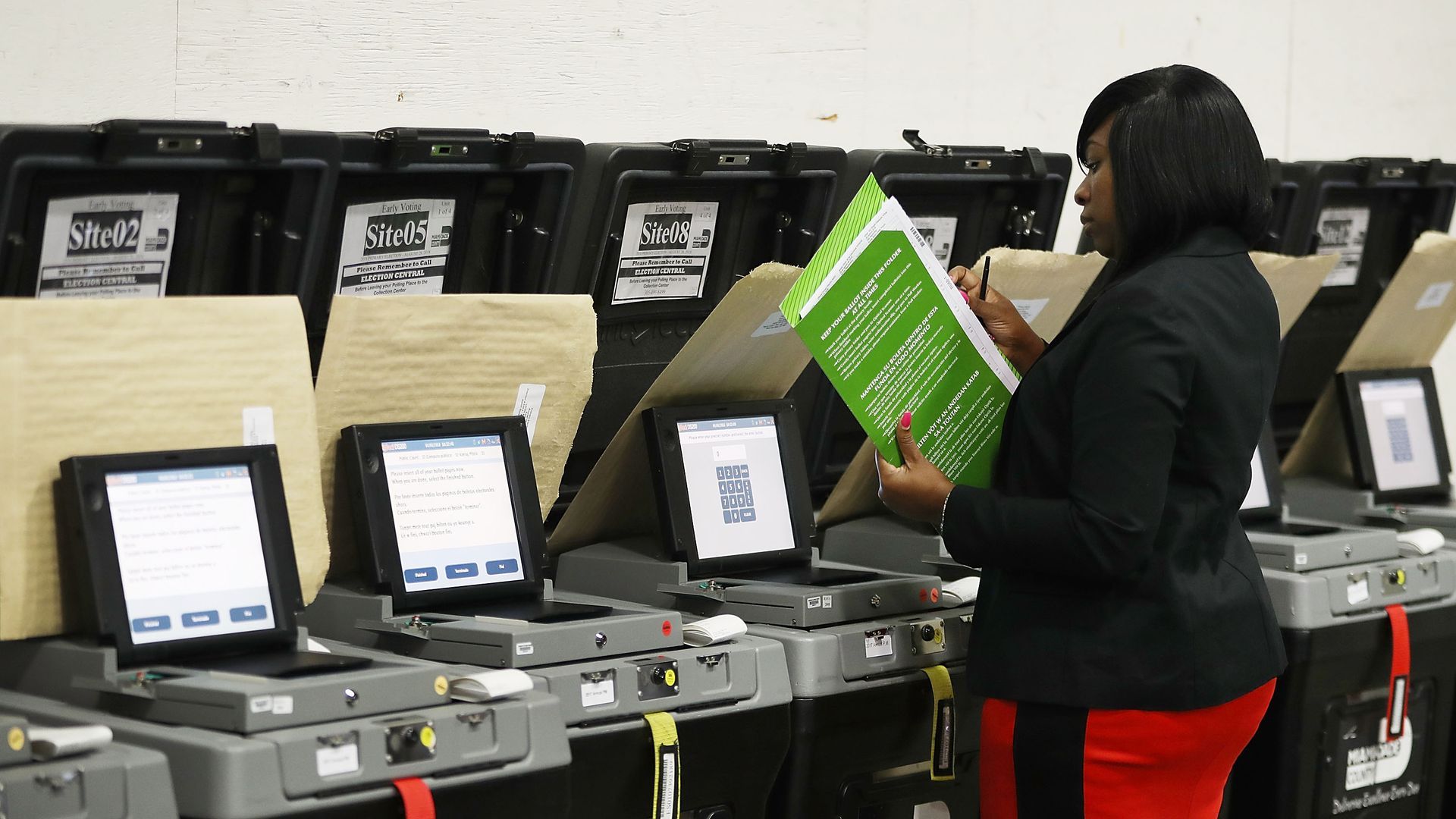
President Trump on Wednesday signed an executive order mandating automatic sanctions against countries that interfere in U.S. elections.
The big picture: The order covers fewer scenarios than you’d think, guarantees less in sanctions than a pending bipartisan Senate bill and has left critics wondering exactly how seriously the president can be taken on the issue, when he has repeatedly claimed that the jury is out on well-documented foreign interference.
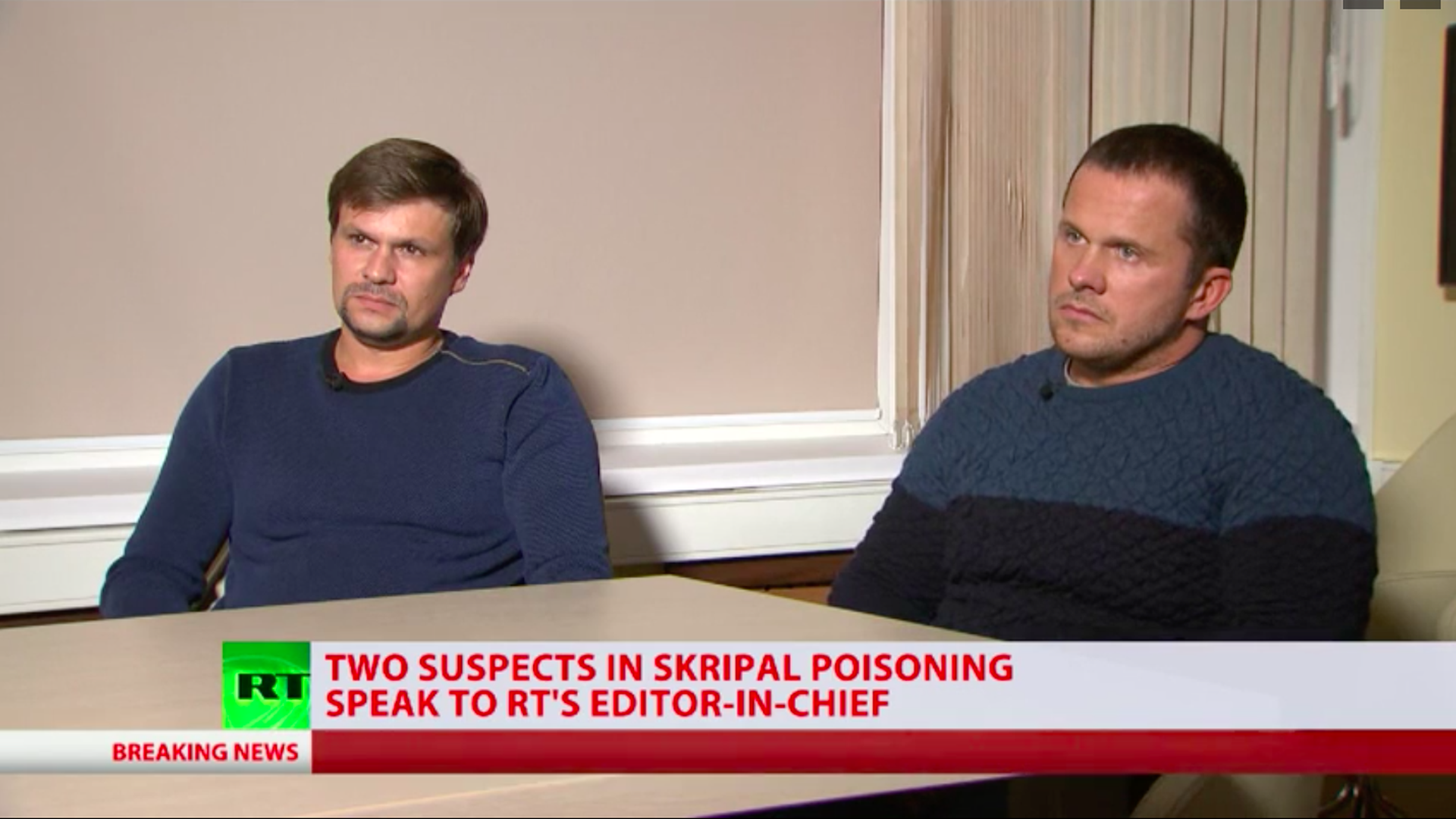
The two Russian suspects charged by U.K. police in the Novichok poisoning of former spy Sergei Skripal on British soil told state-run RT that they are not intelligence officers, but tourists who were in England visiting the famous Salisbury Cathedral.
Why it matters: The conclusion that the two men were officers of the GRU directed by the Kremlin to carry out the poisoning came after months of investigation by British intelligence. The assessment was backed in a joint statement by the U.K.'s major allies, but has repeatedly been denied by Russian President Vladimir Putin.
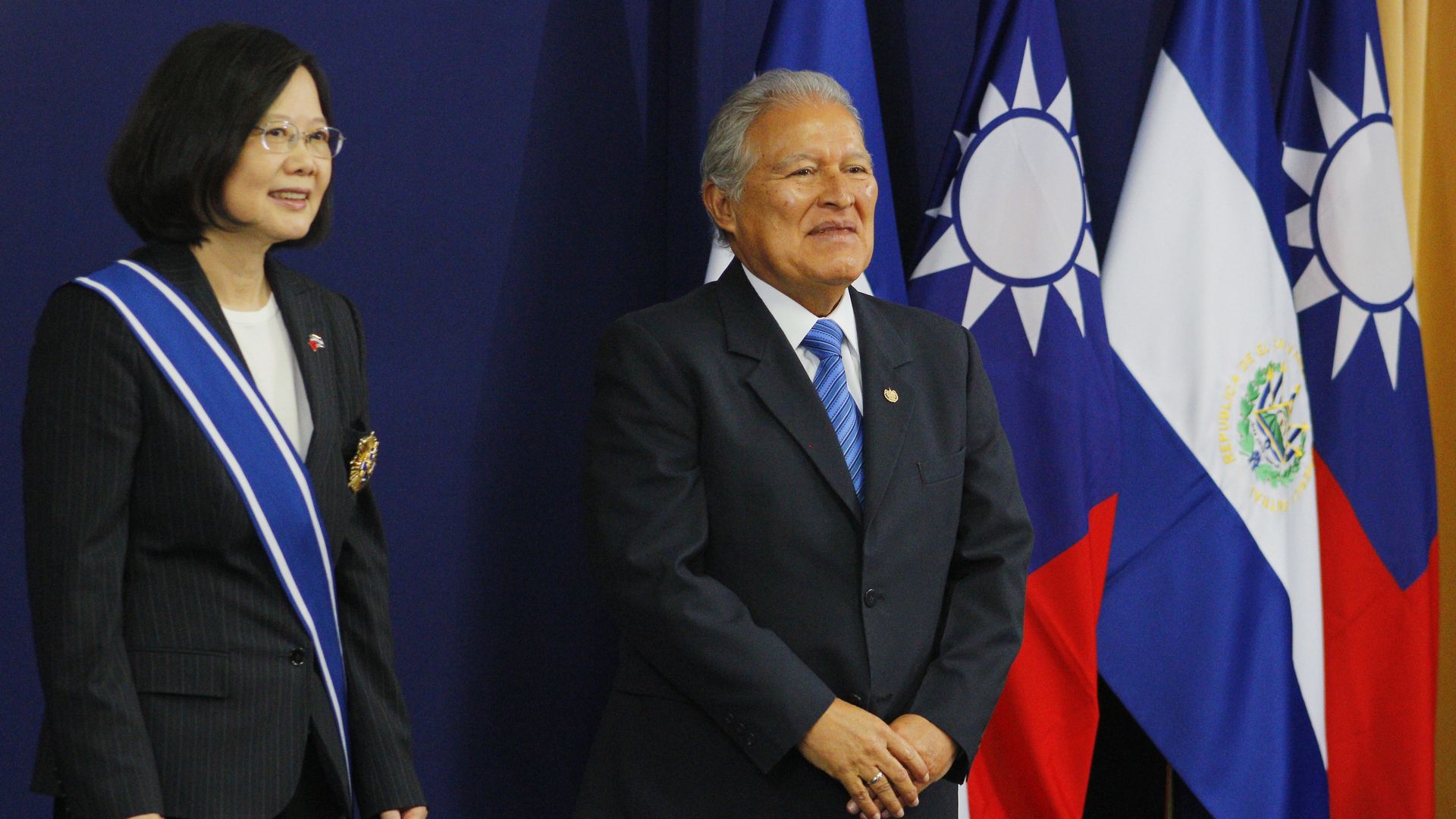
The big picture: China’s increasing political ties and economic heft in Latin America have been a subject of debate and concern among American analysts and policymakers for more than a decade. This diplomatic recall is the administration's latest attempt to counter Chinese outreach in the hemisphere.
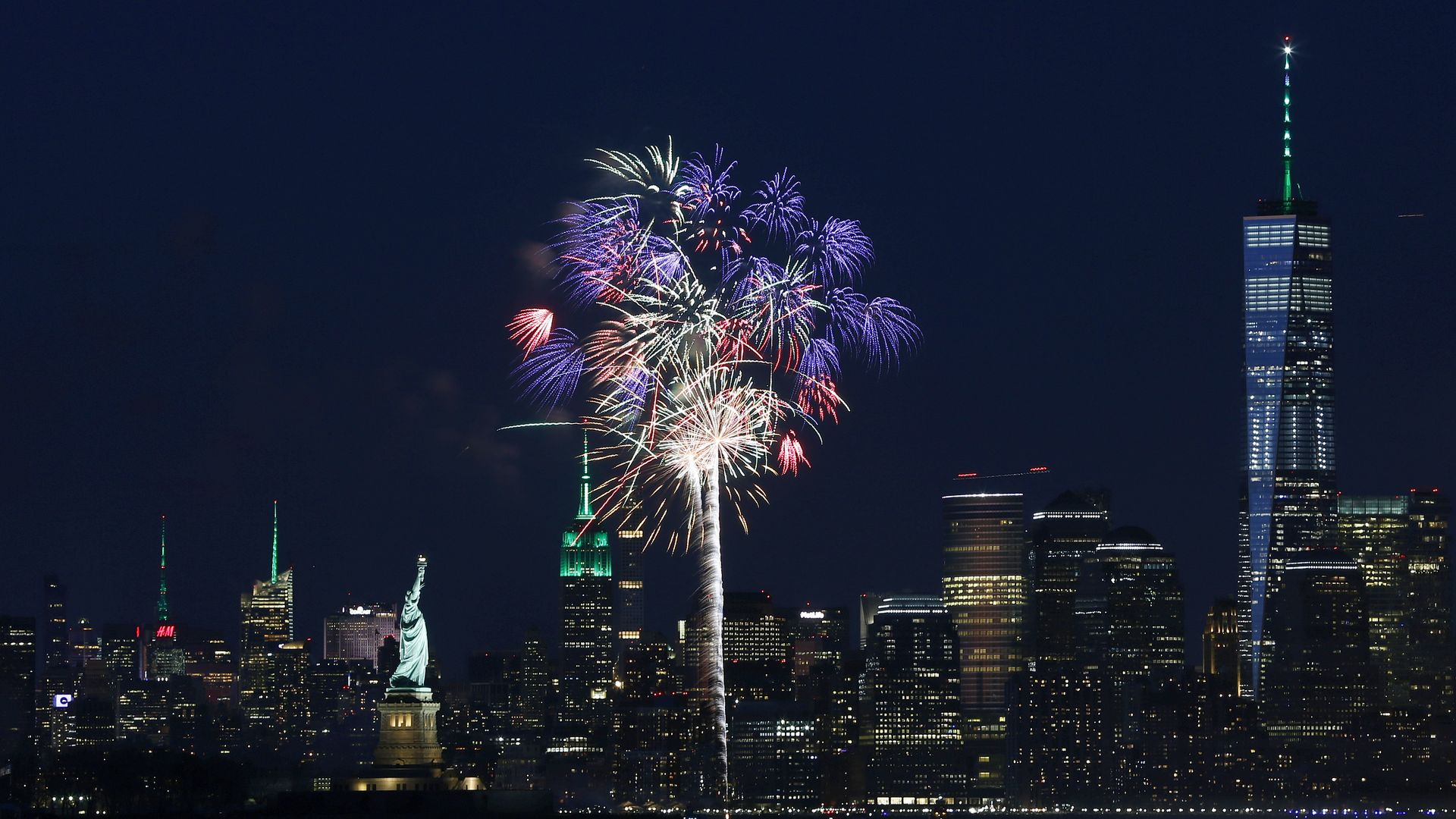
New York was named the world's top financial center in Z/Yen's annual index, overtaking London as companies become increasingly concerned by the prospect of the U.K. losing access to the EU's single market.
The big picture: The Global Financial Centres Index ranks cities based on factors grouped into five broad categories: business environment, human capital, infrastructure, financial sector development and reputation. Uncertainty surrounding Brexit negotiations has prompted financial services firms, which account for 12% of the U.K.'s GDP, to consider moving their operations out of London — providing a boost to other cities in Western Europe and Asia.
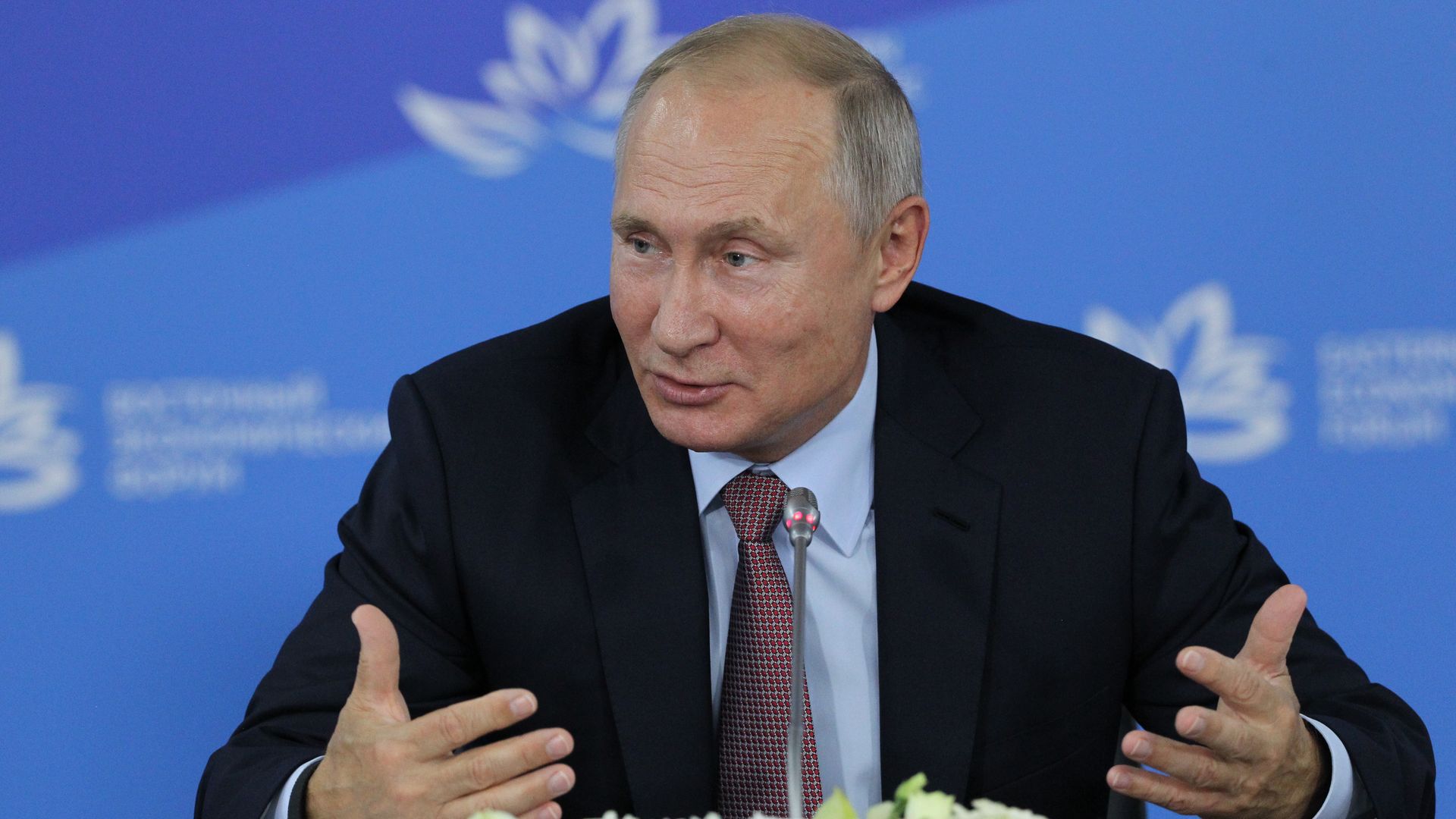
Russian President Vladimir Putin said Wednesday that Russia had identified the two suspects accused by the U.K. of poisoning former spy Sergei Skripal and his daughter in Salisbury, England, and responded that they are "civilians" when asked if they work for Russia's military, reports the AP.
Why it matters: Russia has repeatedly denied culpability for last year's Novichok poisoning, which resulted in one of the largest diplomatic expulsions in history. But the U.S., Canada, France and Germany have all signed onto a statement supporting the conclusions by the British government that the operation was carried out by two Russian GRU officers — and that it was almost certainly approved at a senior level of the Kremlin.