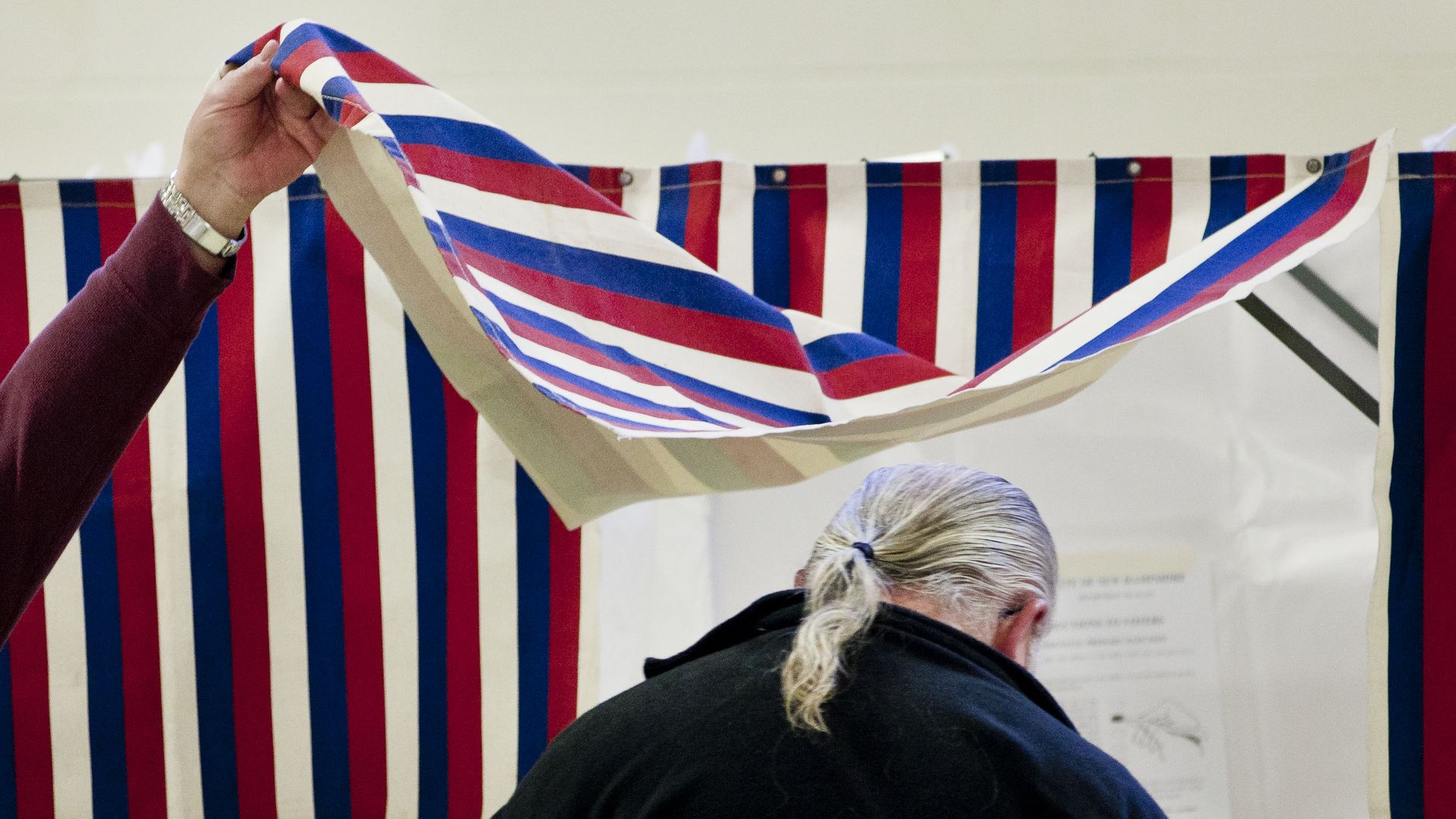
36 states now have election hacking sensors deployed to detect intrusions in state computer systems managing voter data or voting devices, Reuters’ Chris Bing reports.
Why it matters: Only 14 sensors like these were installed before the 2016 presidential elections, when Illinois and Arizona had Russian hackers break into voter registration databases and targeted 21 states’ voter registration databases overall. Now the federal government has more visibility into when attacks are happening and can share that information with states, peg down trends, and can try to mitigate any associated damage.
President Xi Jinping is ramping up China's efforts to control speech on the internet at home and export that more restrictive model abroad, Adam Segal details in Foreign Affairs.
Why it matters: "Given China’s size and technological sophistication, Beijing has a good chance of succeeding — thereby remaking cyberspace in its own image," Segal warns. "If this happens, the internet will be less global and less open."
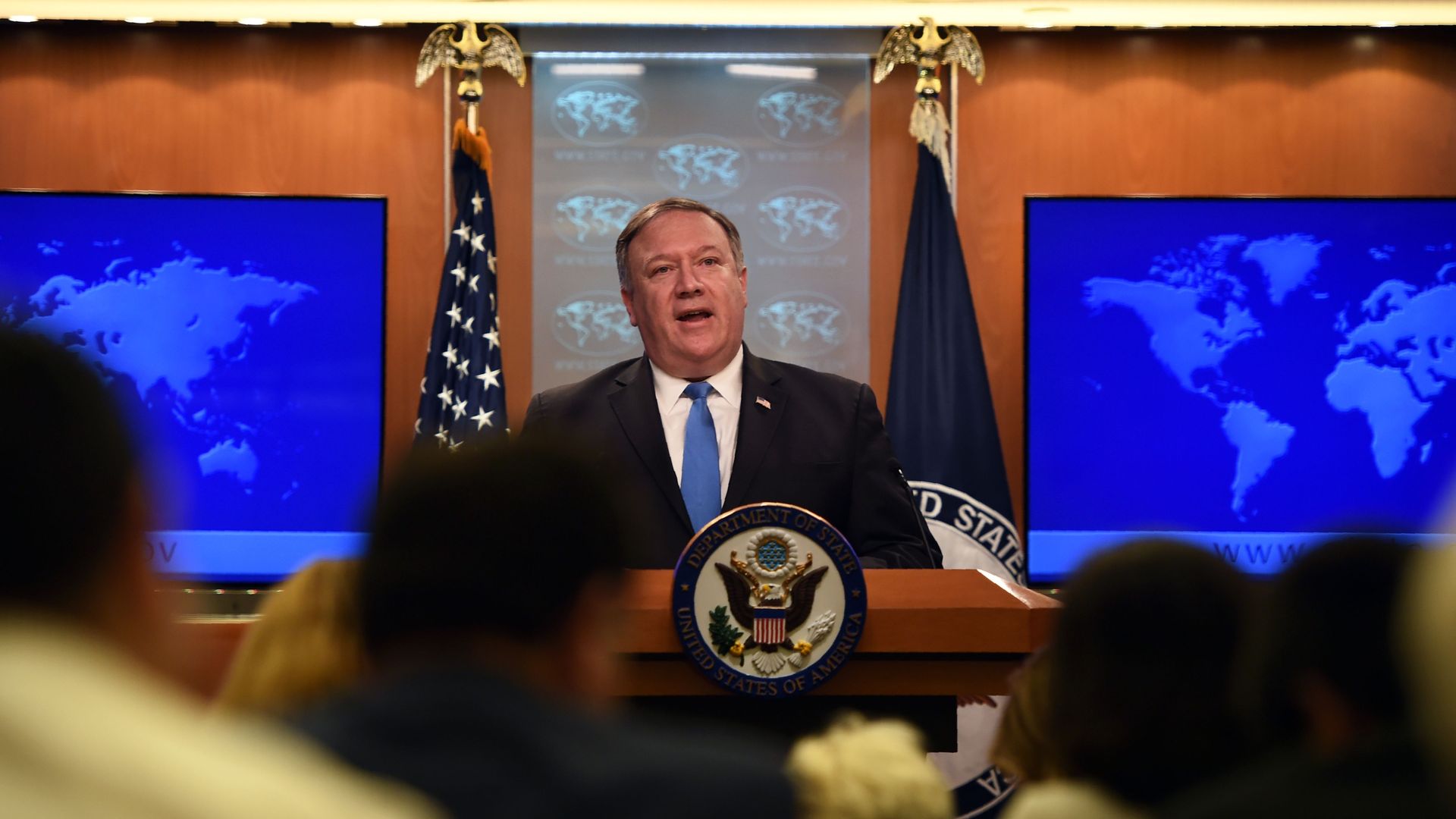
Secretary of State Mike Pompeo on Thursday announced the establishment of an Iran Action Group, which he said would focus on working with other agencies and U.S. allies to force the Iranian regime to change its behavior.
The backdrop: Since the U.S. withdrawal from the Iran Nuclear Deal in May, the focus of the administration has been on piling economic and political pressure on the regime. A new nuclear deal on President Trump's terms is unlikely, particularly as the Iranians have rejected Trump's offer to meet and other key international players strongly disagree with Trump's approach. That leaves threats and sanctions as the primary tools at Pompeo's disposal.
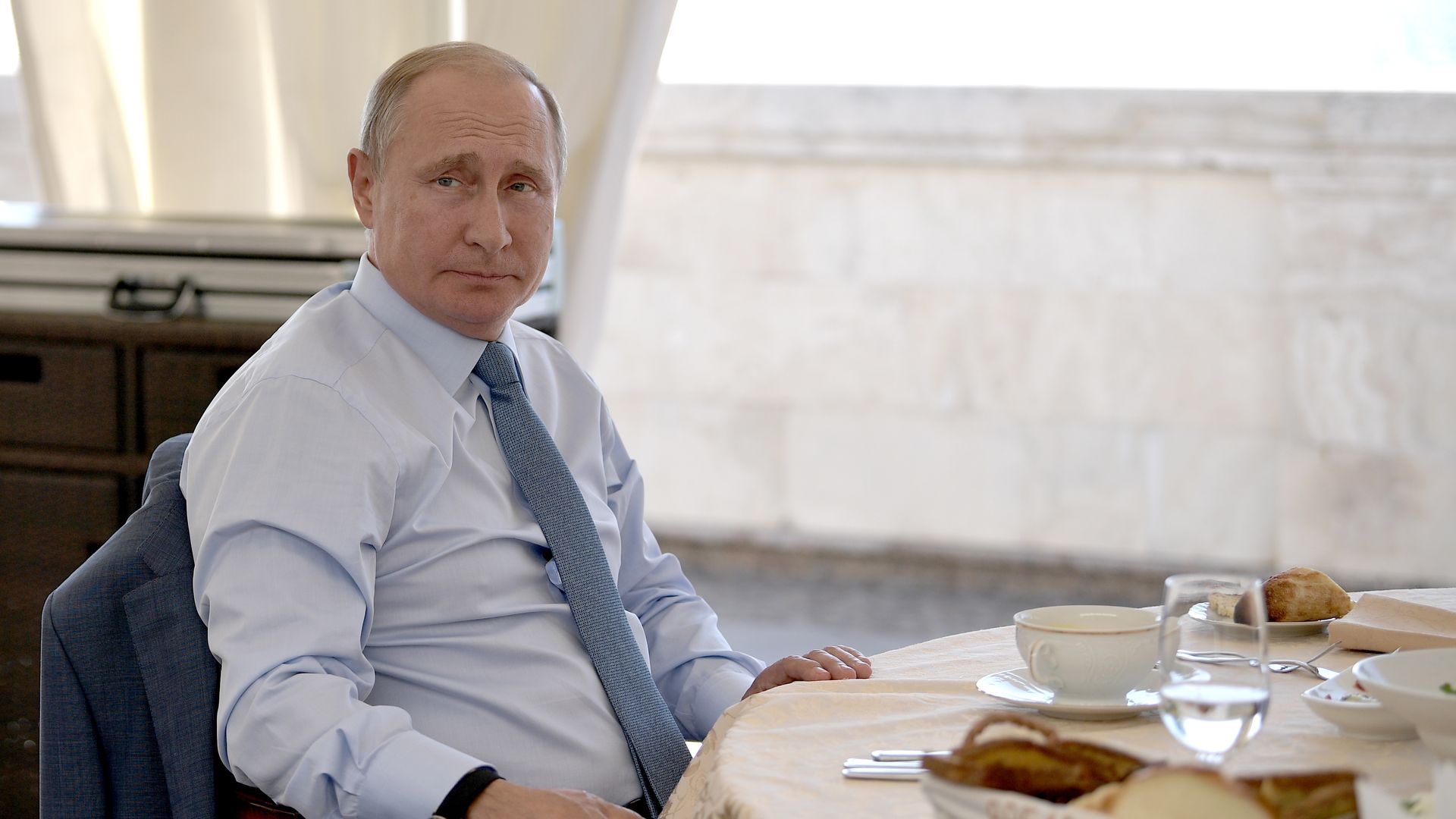
Russia's annexation of Crimea propelled President Vladimir Putin's popularity to stratospheric highs — up to 80% — where it hovered for years. Now, economic stagnation and unpopular policies such as a value-added tax hike and, critically, pension reform have dragged his ratings back down. Recent polling shows his approval down to the neighborhood of 60%.
Why it matters: Putin is still a popular leader by international standards, though his approval has dropped back to pre-Crimea levels — a time when he faced serious political protest. Unlike in 2012, however, Putin will find it difficult to pin the economic sources of the decline on a foreign plot, and, absent the right opportunity abroad, will struggle to divert the Russian populace's increasing dissatisfaction with its stagnant fortunes.
Aaron Schwartzbaum founded and writes a column for BMB Russia, a daily news brief from the Foreign Policy Research Institute.
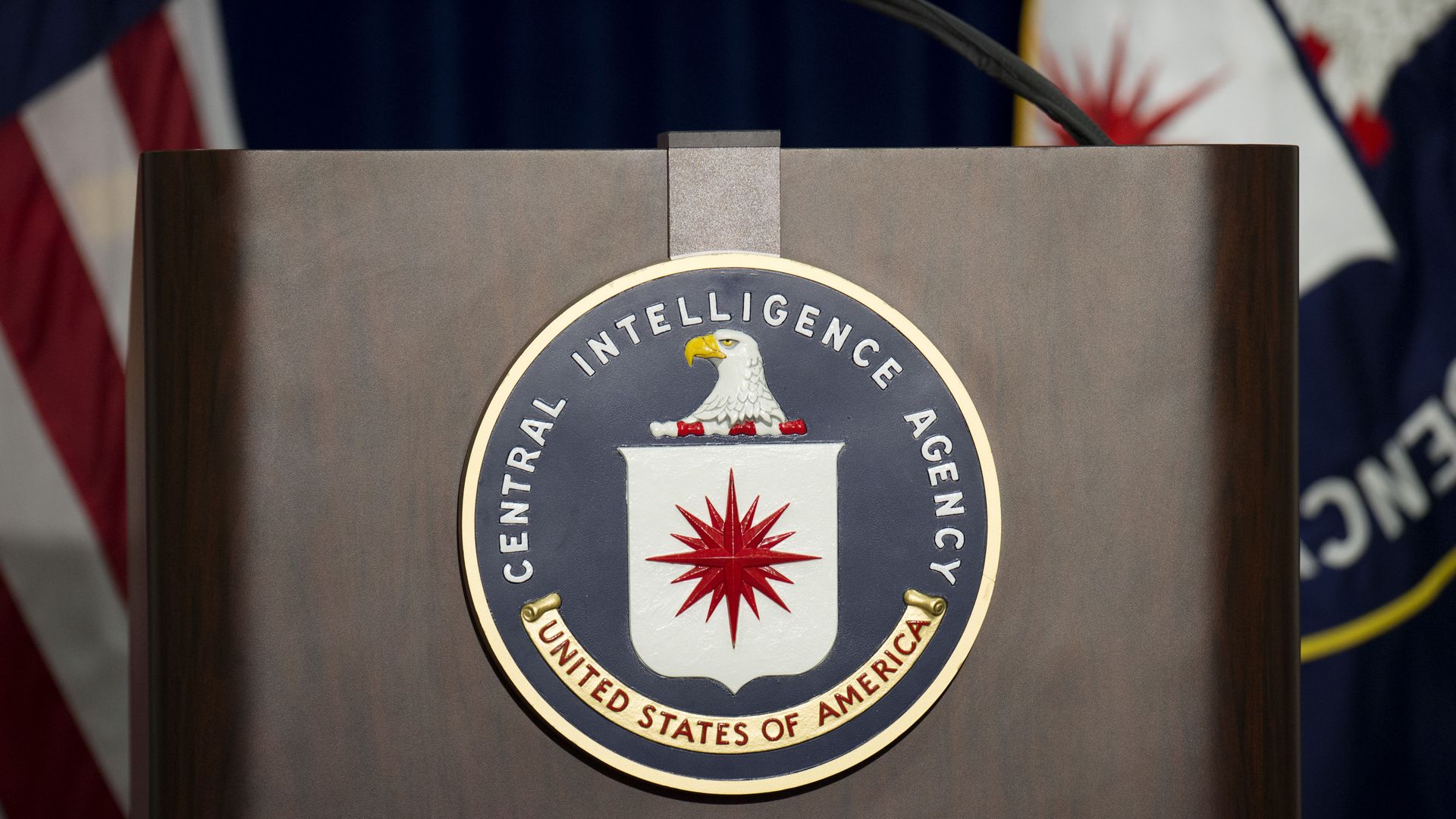
A mistake in the way the CIA handled secure communications may have allowed China to identify and kill many of the agency's operatives in 2010, Foreign Policy's Zach Dorfman reports.
What happened: The CIA used a two-tier system to talk to its operatives that was supposed to be segmented so that someone who found access to one network couldn't access the other. But, in the colorful language of one FP intelligence source, the CIA "f---ed up the firewall."
The latest round of Brexit negotiations kicked off today in Brussels, with just two months to go before October's EU Summit — widely seen as one of the last feasible dates to secure a withdrawal treaty.
Why it matters: Consensus has been reached on about 85% of the deal, per the NYTimes' Steven Erlanger, but several of the most contentious issues, including the Irish border dilemma and the U.K.'s customs and trade relationship with the EU, have yet to be resolved.
Jurors in the financial fraud trial of former Trump campaign chairman Paul Manafort are set to begin deliberations Thursday morning, after federal prosecutors made their closing arguments into how Manafort orchestrated a scheme to obtain millions of dollars and avoid paying taxes, according to multiple reports.
The big picture: This is the first case that special counsel Robert Mueller has brought to court as a result of his ongoing probe into potential meddling by Russians during the 2016 elections. However, the federal tax and financial fraud charges in dispute are separate from Manafort's work with the Trump campaign.