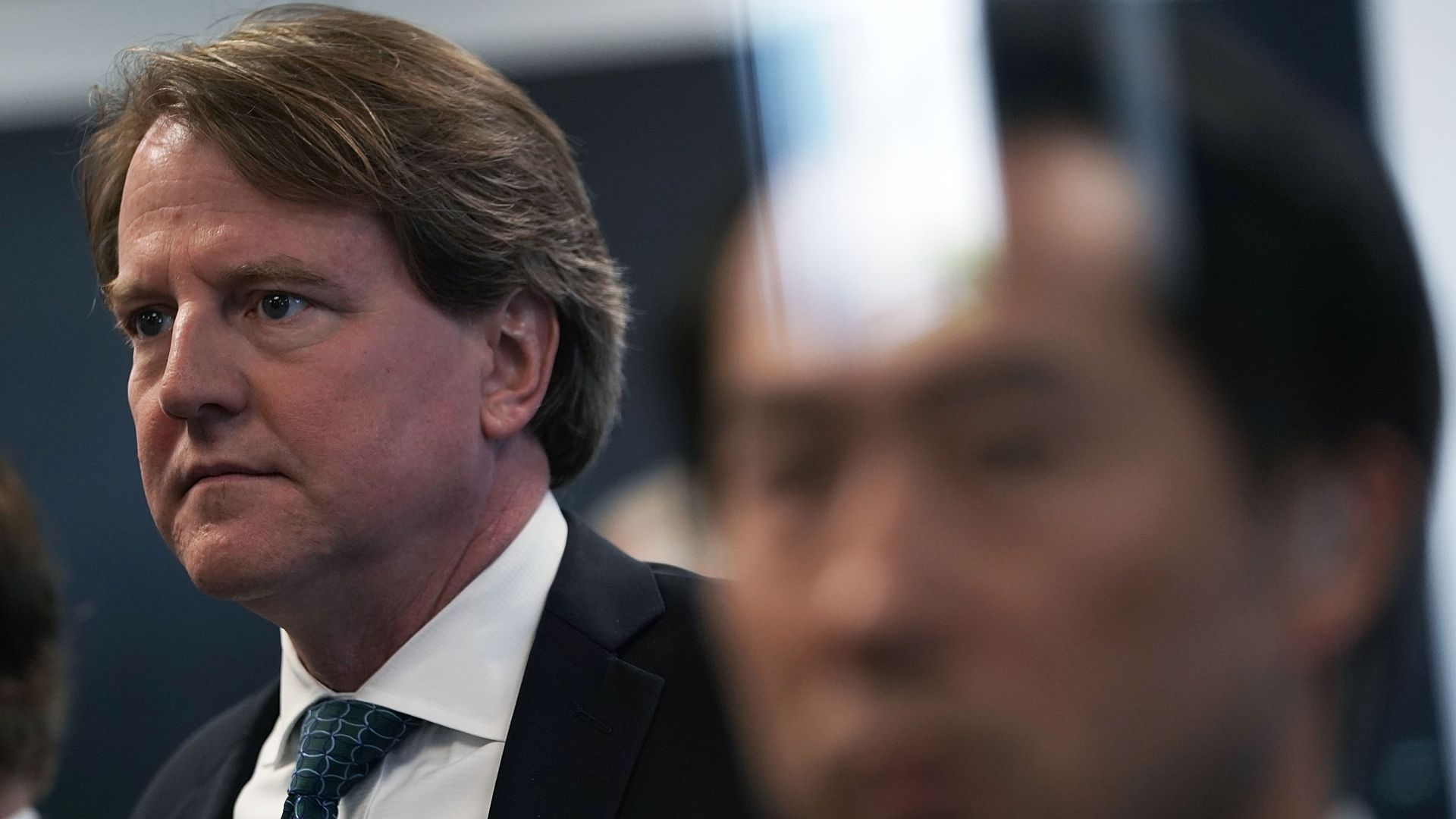
Robert Mueller's team has been working "extensively" with White House counsel Don McGahn, the New York Times reports as he shares "detailed accounts about the episodes at the heart" of the special counsel's investigation.
Why it matters: It's unusual for a lawyer to be so open with investigators probing matters regarding his client, the Times' Maggie Haberman and Michael Schmidt point out. Trump's legal team has "explained that they believe their client had nothing to hide and that they could bring the investigation to an end quickly." McGahn has met with Mueller's team for at least three voluntary interviews totaling 30 hours over nine months, the NYT reports.
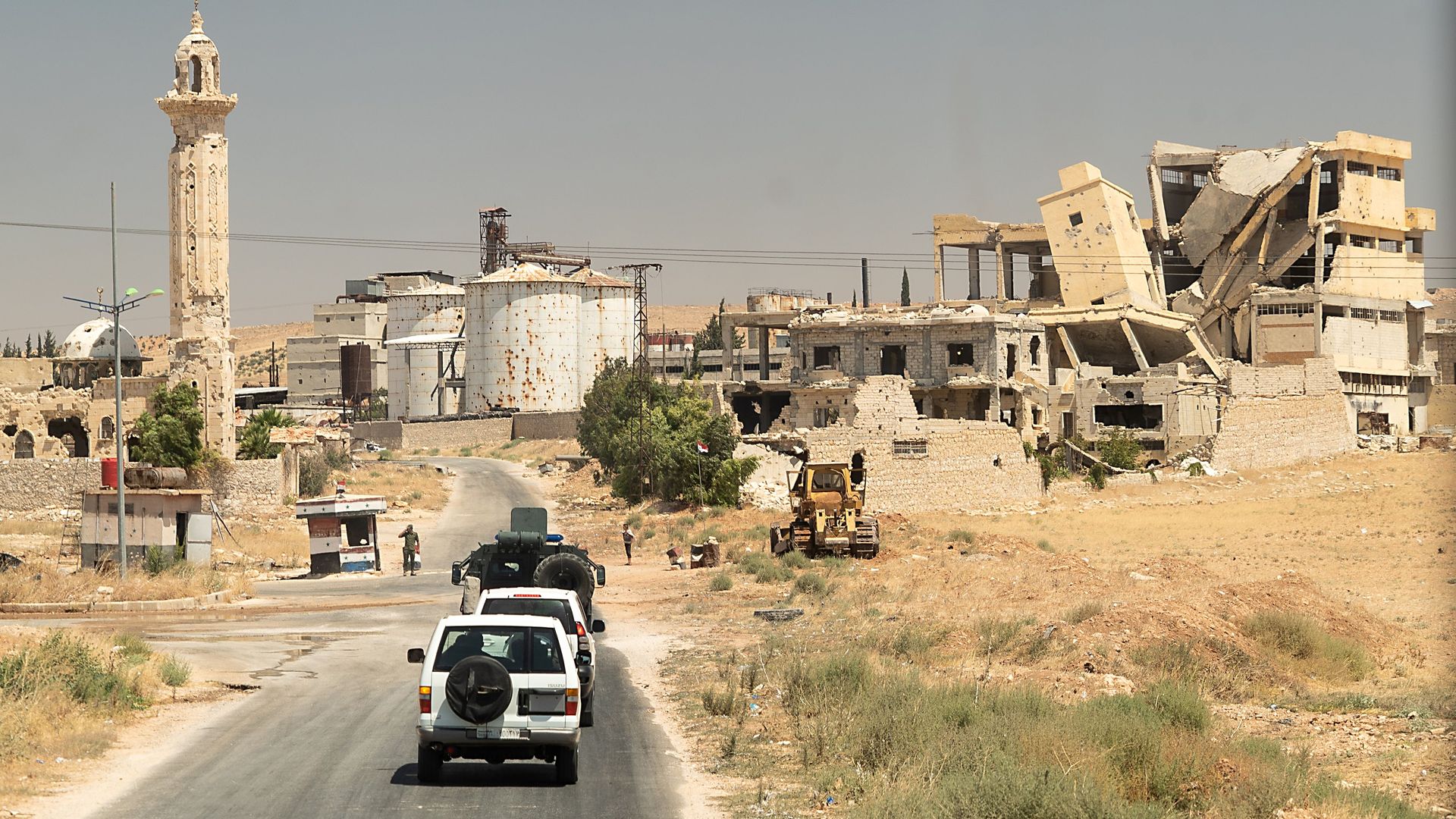
The Trump administration announced Friday that it will not spend some $230 million in stabilization assistance that had been slated for U.S. civilian programs in Syria. The State Department said the cut would be more than offset by other contributions from international partners.
The big picture: A U.S. military partnership with the Syrian Democratic Forces has liberated most of northeast Syria from the so-called Islamic State. Following clearance operations, stabilization programs provide de-mining, electricity, health, water and critical service delivery essential to relieve the devastation left in ISIS's wake. Even with foreign contributions, the U.S. spending cut presents real risks.
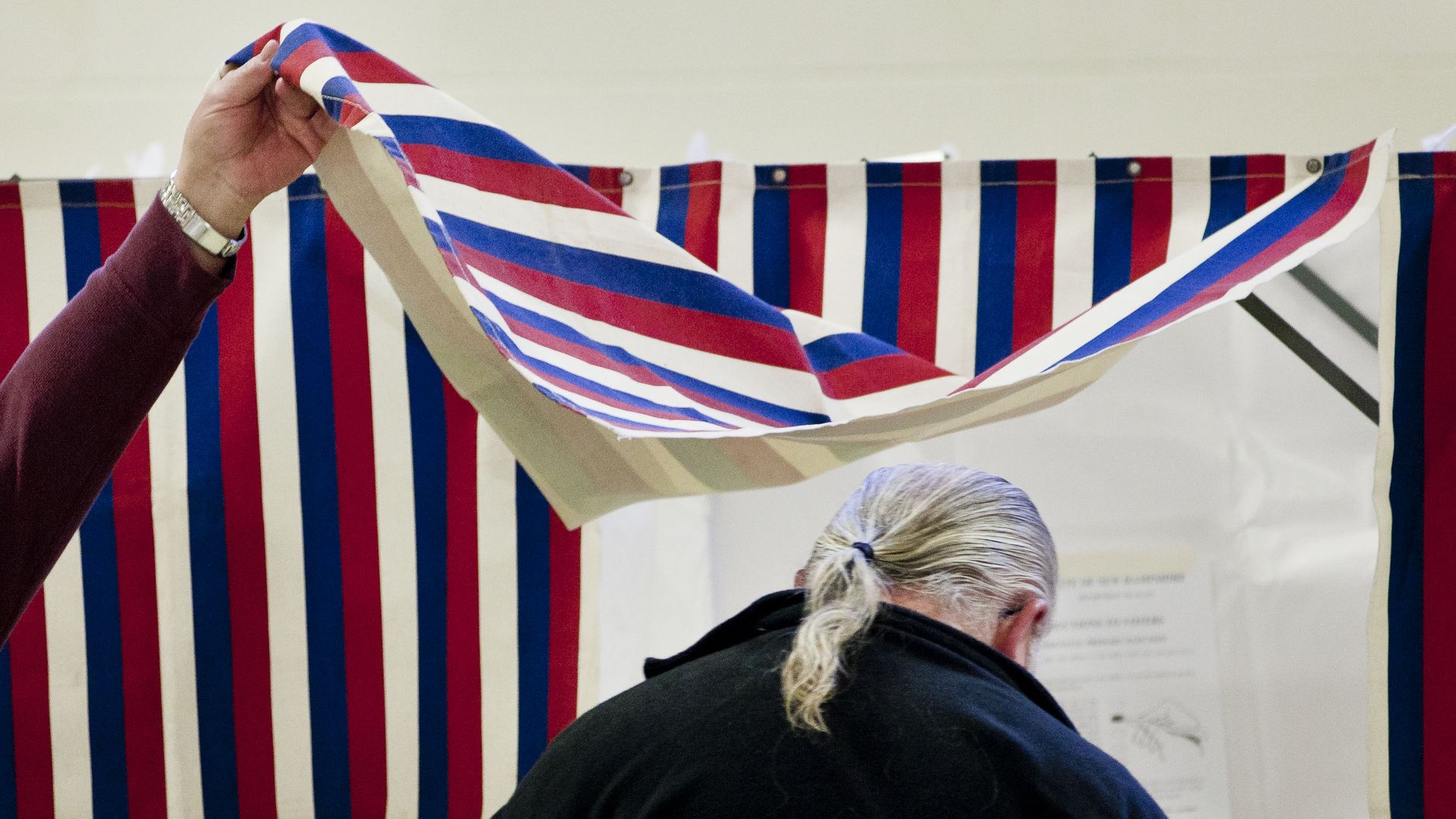
36 states now have election hacking sensors deployed to detect intrusions in state computer systems managing voter data or voting devices, Reuters’ Chris Bing reports.
Why it matters: Only 14 sensors like these were installed before the 2016 presidential elections, when Illinois and Arizona had Russian hackers break into voter registration databases and targeted 21 states’ voter registration databases overall. Now the federal government has more visibility into when attacks are happening and can share that information with states, peg down trends, and can try to mitigate any associated damage.