Thursday's world stories

Ex-CIA officer charged with selling top secrets to China
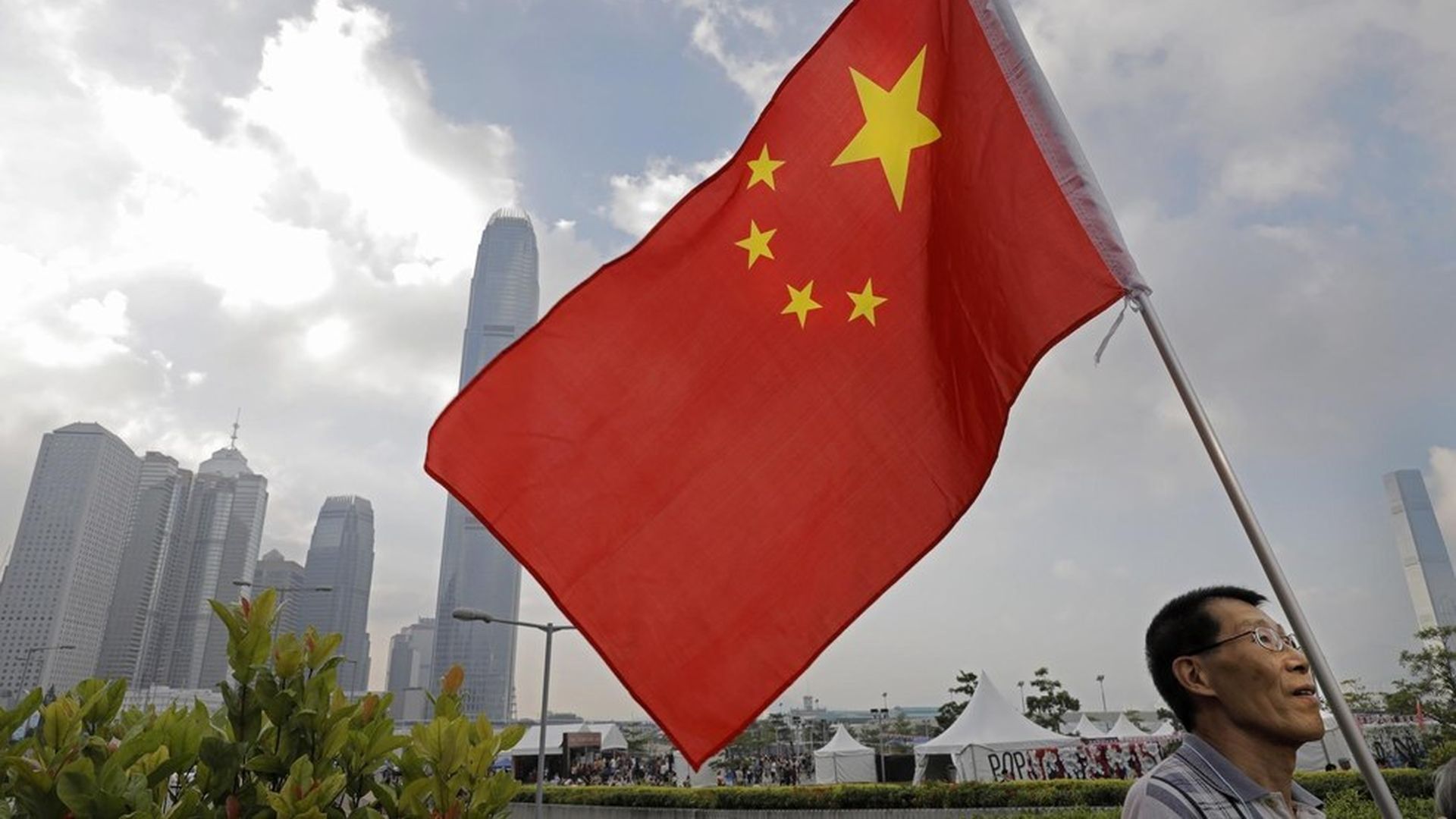
Thomas Mallory, a former CIA officer, has been arrested and charged in federal court with selling top secret documents to Chinese intelligence officials, per The Washington Post.
What allegedly went down: Originally contacted by a supposed recruiter for a Chinese think tank, Mallory realized he was in contact with Chinese intelligence officials before traveling to Shanghai in March and April. He then provided a Chinese intelligence operative with three documents — one labeled top secret — in May. Around the same time, he wrote his Chinese contact: "Your object is to gain information, and my object is to be paid for it."
The potential consequences: Mallory will have a preliminary hearing this week, but he faces up to life in prison.

Some of Germany's 1.3m migrants may still be jobless in a decade
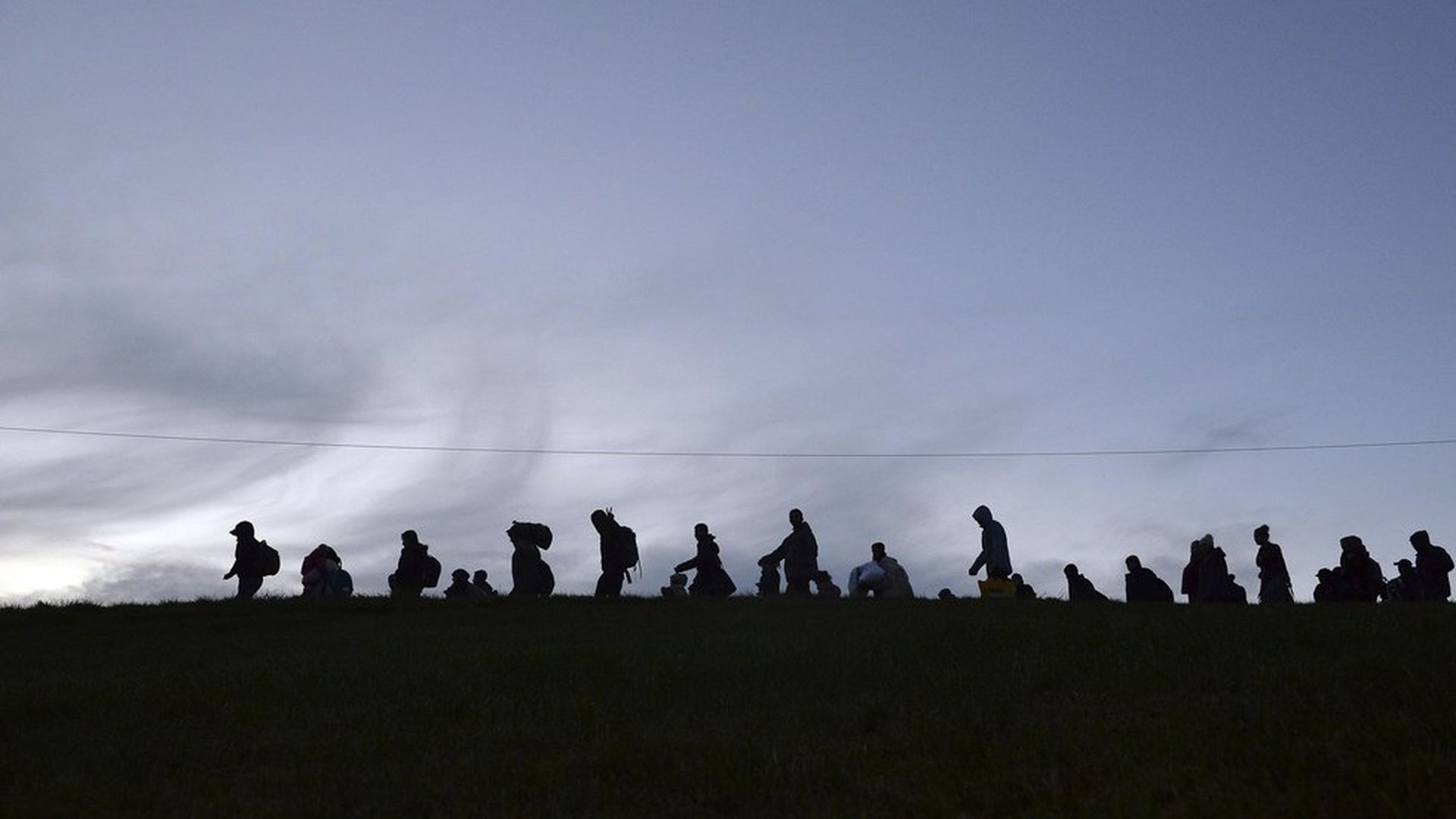
A senior Germany official says that a significant number of the migrants who have crossed into the country over the last couple of years will fail to obtain employment over the next five and even ten years, per the Financial Times.
Aydan Özoğuz, commissioner for immigration, refugees and integration, told the newspaper that as many as 75% of the 1.3 million refugees who have entered the country from the Middle East and northern Africa will still be out of work in five years, and many of them up to a decade.
Why it's important: The flood of migrants, along with unemployment and stagnant wages, have been a primary factor in the shakeup of politics across Europe, including Brexit and high vote totals for anti-establishment politicians in the Netherlands, Austria, France and elsewhere. If what Özoğuz says comes to pass, Germany's leaders could be in for a greater challenge from political opponents.

Kremlin cancels meeting in sign of deteriorating U.S.-Russia ties

Russia's deputy foreign minister has canceled a planned meeting this Friday with the U.S. undersecretary of state, saying "the situation is not conducive to holding a round of this dialogue." This comes a day after the U.S. Treasury levied sanctions against 38 individuals involved in Russian incursions in Ukraine, including two Russian officials, and Trump welcomed the Ukrainian president to the White House.
- U.S. State Department on the cancelation: "Let's remember…these sanctions didn't just come out of nowhere… We remain open to future discussions."
- Why it matters: Trump's plan to develop "a better relationship" with Russia seems to be collapsing. Earlier this week Russia announced it would start targeting U.S. aircraft west of the Euphrates after the U.S. shot down a Syrian aircraft, and buzzed by a U.S. spy plane.
- Read more: Tillerson's plan to deal with the Kremlin.
Ohio Senator met with N. Korea to ask for Warmbier release

Sen. Rob Portman revealed that he met with North Korean officials last year in an attempt to free his imprisoned constituent, Ohioan Otto Warmbier, per The Columbus Dispatch. But, over coffee with his constituents today, Sen. Portman said, "I feel like I did not succeed in getting him home."
Portman told constituents at an event today that — with the approval of the State Department — he met with North Korea's delegation to the United Nations in New York late last year. He urged for Warmbier's release or the approval of a visit from the Swedish ambassador to North Korea, who acts as the United States' diplomatic liaison to the reclusive regime. His efforts, as well as subsequent attempts to reach out to the regime this year, proved unsuccessful.

Russia's test lab for cyberwar
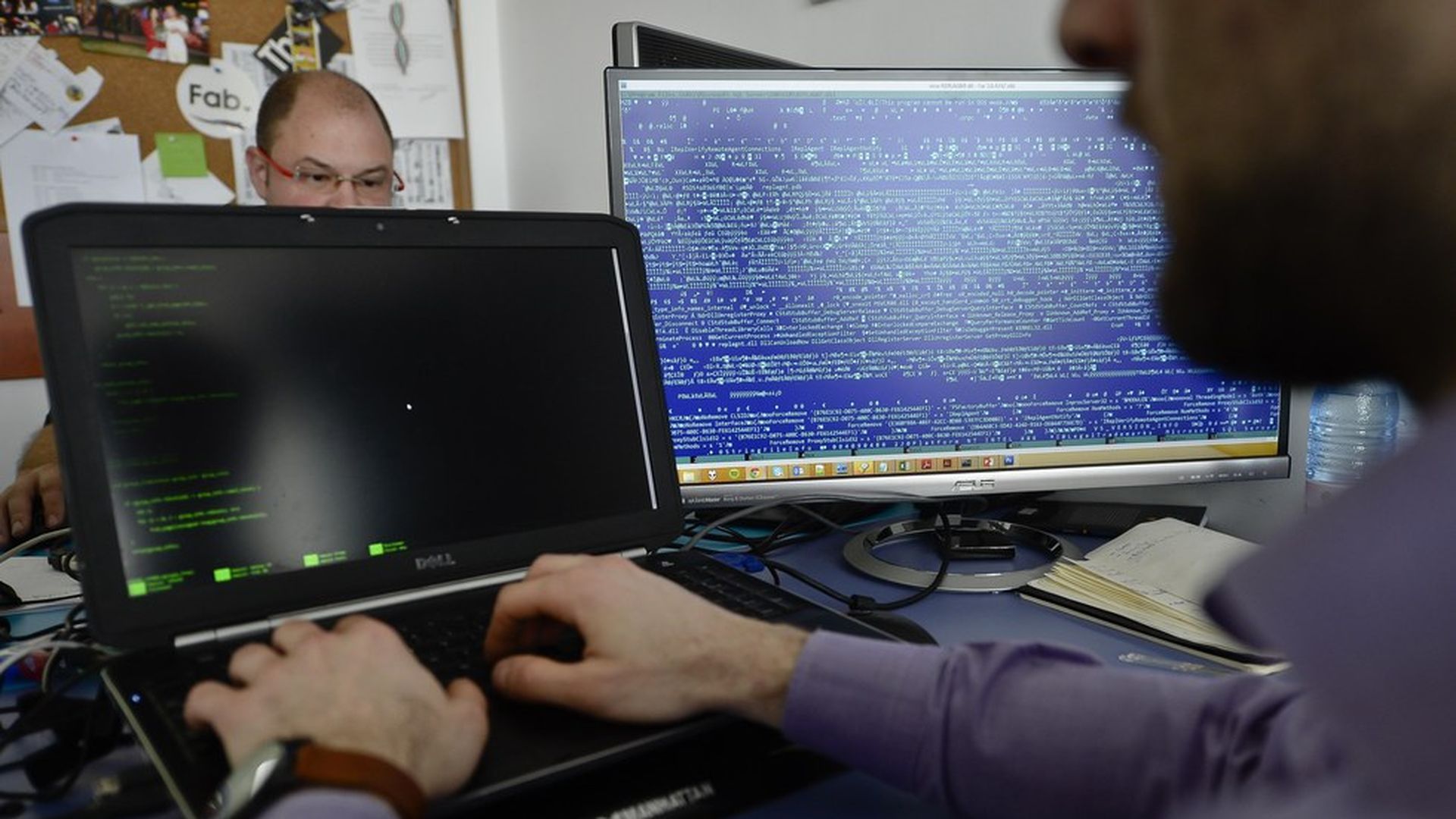
Wired's July cover story reveals Russia has been cyber attacking Ukraine for years, based on six months of reporting by senior writer Andy Greenberg:
- "[H]ackers are now able to halt the gears of modern society. But, these blackouts weren't just isolated attacks. They were part of a digital blitzkrieg that has pummeled Ukraine over the past three years — a sustained cyber assault that has systematically undermined every sector of the economy: media, finance, transportation, military, politics and, energy.
- "Global cybersecurity analysts have a theory about the endgame of Ukraine's hacking epidemic: They believe Russia is using the country as a cyberwar testing ground — a laboratory for perfecting new forms of global online combat."
- "[T]he digital explosives that Russia has repeatedly set off in Ukraine are ones it has planted at least once before in the civil infrastructure of the United States."