Friday's world stories

Issa on Trump witch hunt: "I don't believe in witches"
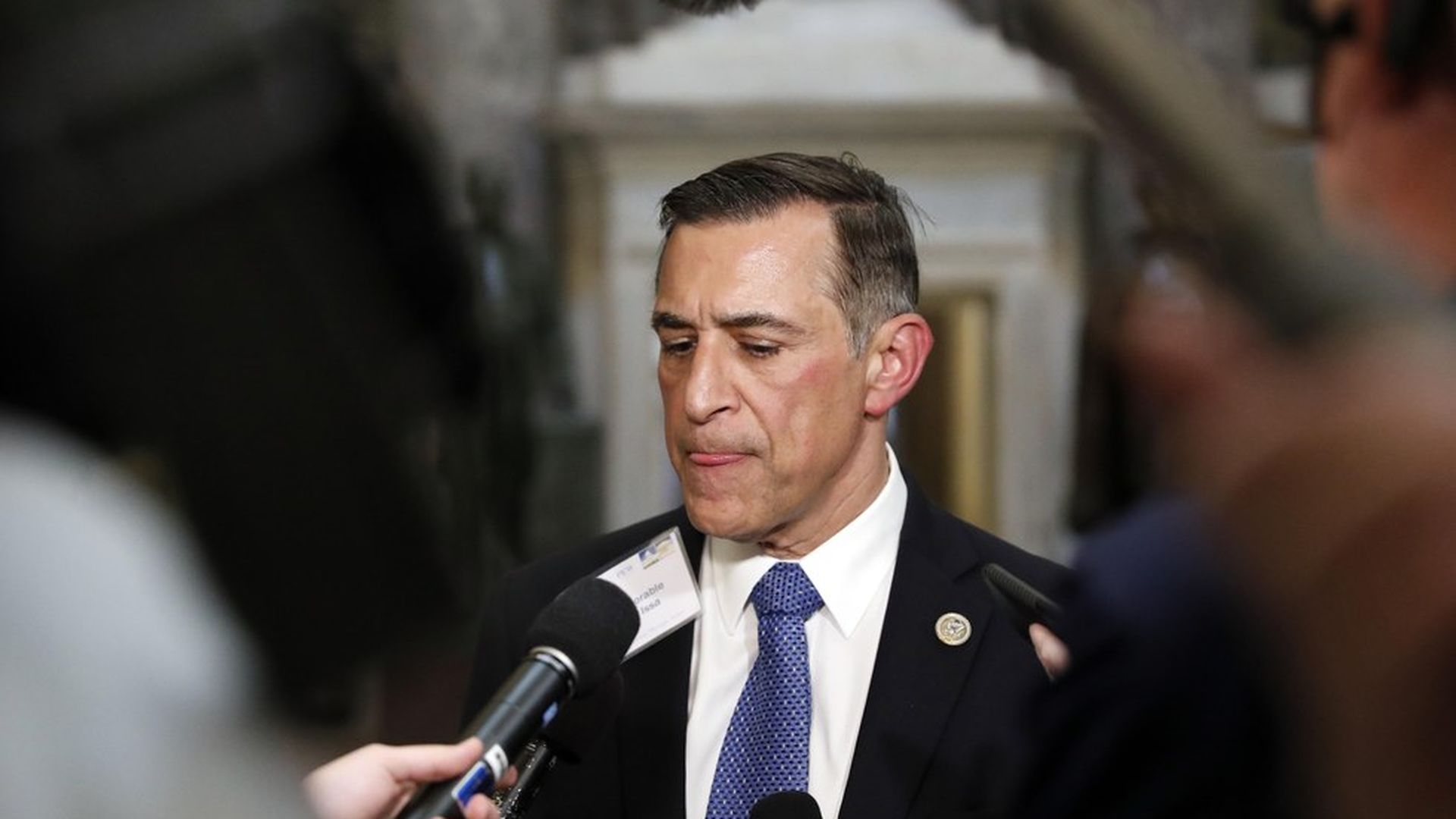
When asked whether he believes the appointment of a special prosecutor was part of a witch hunt targeting President Trump, Rep. Darrell Issa (R-CA) told reporters, "I don't believe in witches," adding that he wasn't surprised Trump was angry. "It's going to turn over a lot more rocks than the executive branch wants," said Issa.
- Comey memos: "I don't believe in any way that anyone directed him [to write them]... it's suspicious when lawyer's don't write memos."
- Comey firing timeline "will be reviewable," said Issa, who said Comey "ill-served the American people" and "loved the camera."
- On Joe Lieberman: "As everyone here knows, he's solid, he's probably a little bored in private life... his experience and his independence is pretty legendary, so I'm a Lieberman fan and wouldn't look at a second candidate."

James Comey and Bob Mueller's long history
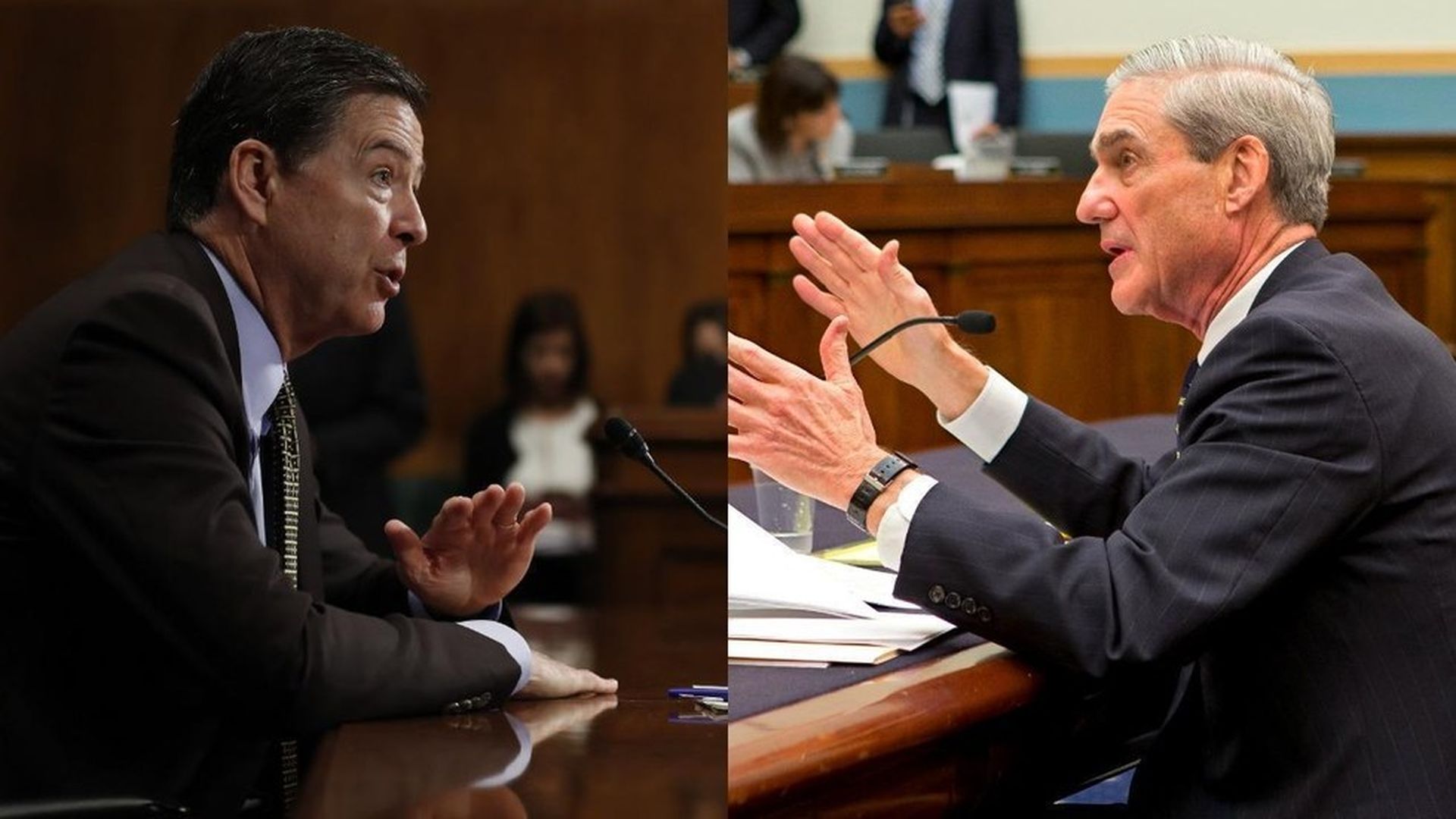
Politico Magazine looked at the long history between James Comey and Bob Mueller, the "straight arrow" who will now serve as the government's special counsel for the Russia investigation. The two have held the same jobs — FBI director and deputy attorney general — and Comey regards Mueller as something of a mentor.
The money quote:
"It is as if, after having an unrelated disagreement over movie trivia in a bar, Trump has challenged Usain Bolt to a 100-yard dash or John Cena to a cage match to the death," writes Politico's Garrett Graff.

McCaskill: Rosenstein knew Comey was out before memo
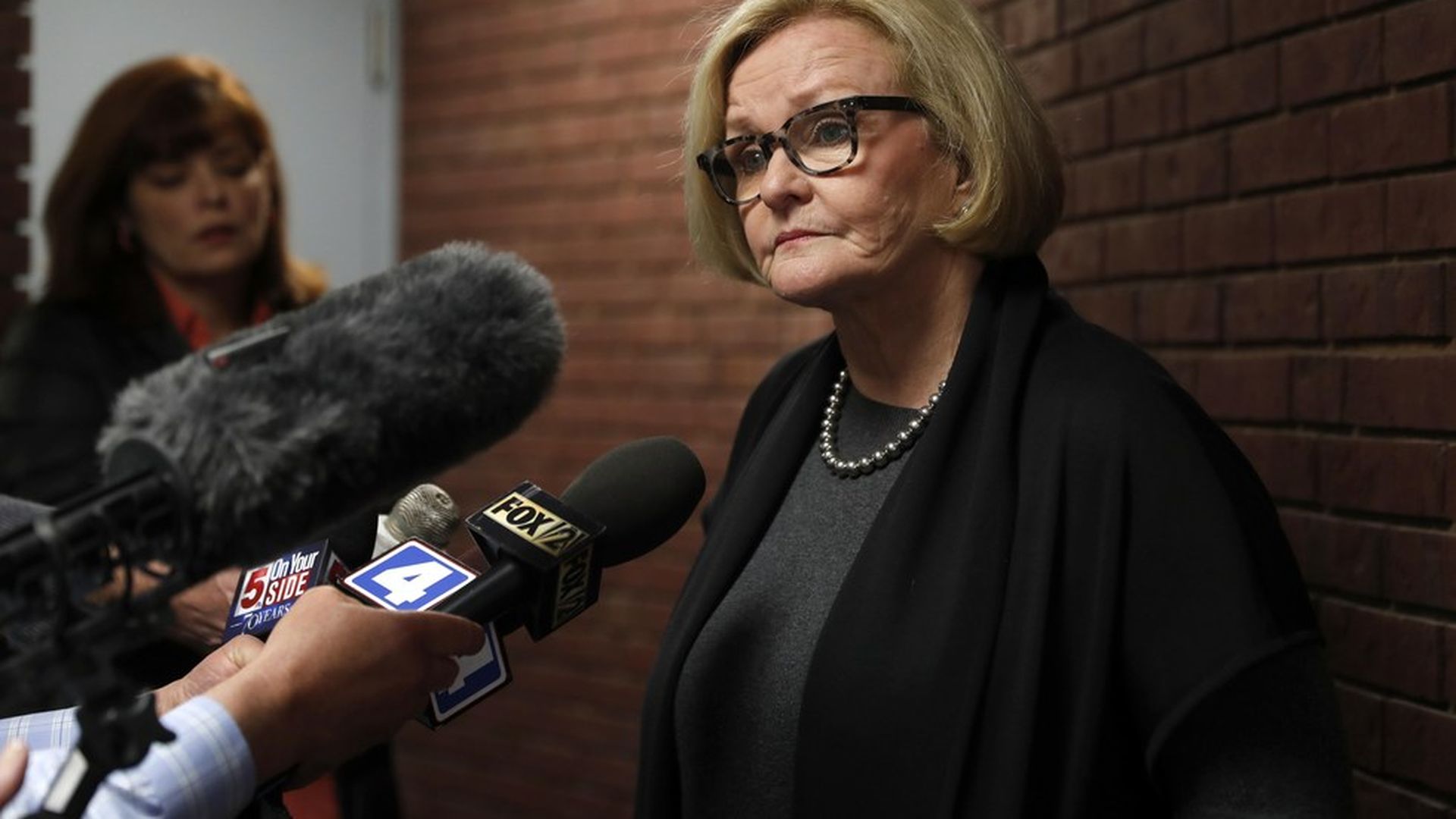
After emerging from an all-Senate briefing from Deputy Attorney General Rod Rosenstein, Senator Claire McCaskill told reporters Rosenstein "knew Comey was going to be removed prior to writing the memo."
Why it matters: The White House originally said Rosenstein's memo recommending Comey be fired was what convinced Trump to make the move. Trump has since said the decision was his alone, but this indicates that everyone from Sean Spicer to Mike Pence was either misinformed, or intentionally misleading.
Nature of investigation: Senator Lindsey Graham: "It was a counter intel investigation before, now it seems to me now to be a criminal investigation."
- Richard Blumenthal confirmed, "Mueller is doing a criminal investigation...an investigation of criminal allegations...including possible obstruction of justice," and when asked if Trump himself was under criminal investigation said "no."
Flynn not currently cooperating with Senate Intel over subpoena
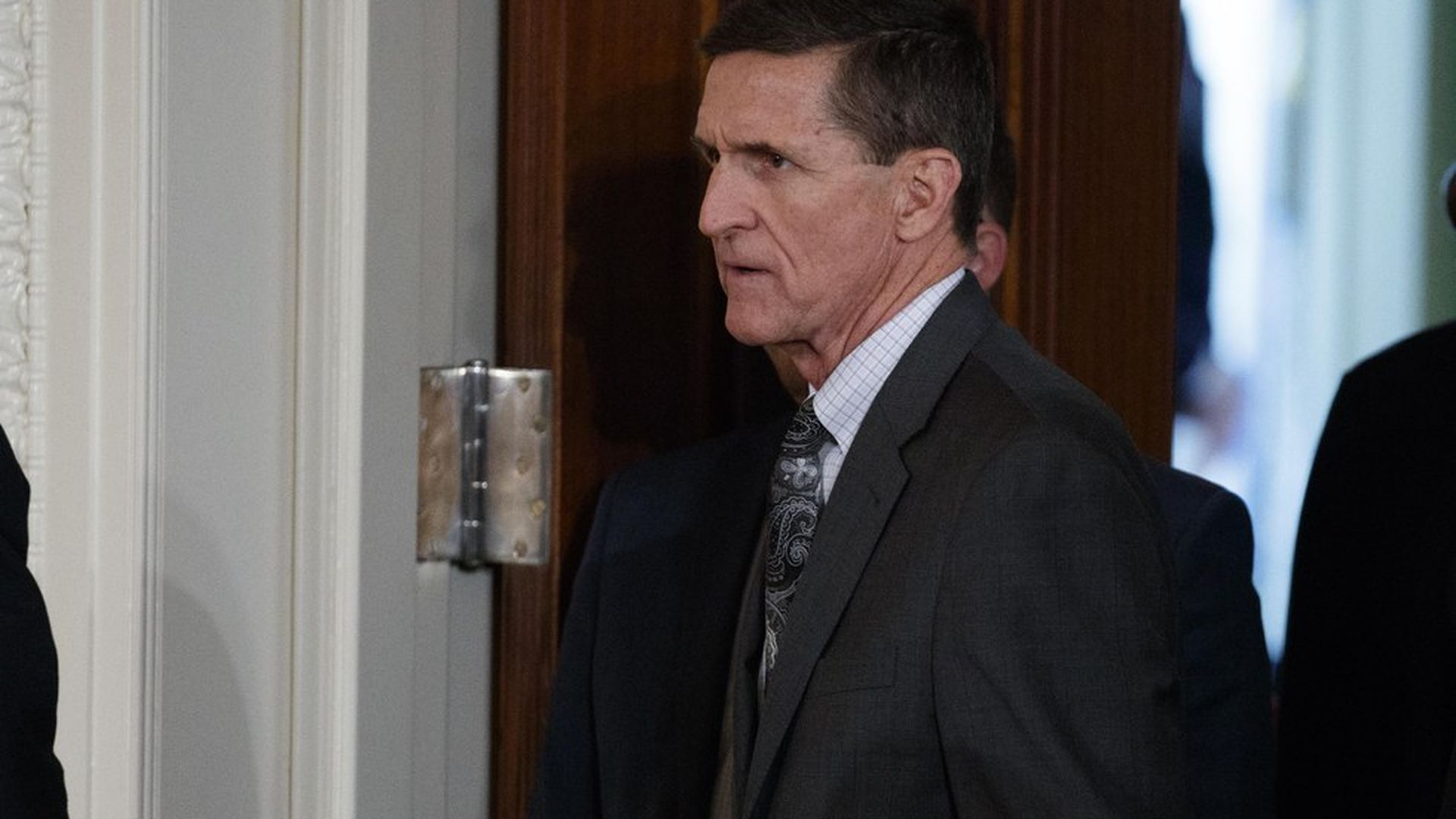
Trump's ousted National Security Advisor Michael Flynn, who resigned over his contacts with Russian Ambassador Sergei Kislyak, has yet to honor the Senate Intel Committee's subpoena, per the AP.
Quote from Sen. Richard Burr, the top Republican on the committee: "We'll figure out on Gen. Flynn what the next step, if any, is."
Context: This comes after reports that Trump asked Comey to drop the Flynn probe, and the news Wednesday evening that Trump's team knew Flynn was under investigation before he came to the White House. There is also currently a grand jury investigation into Flynn's foreign lobbying.
Update: Burr has walked back his statement that Flynn refuses to cooperate: "General Flynn's attorneys have not yet indicated their intentions regarding...the subpoena."
Pelosi: The world should be nervous to share intel with Trump
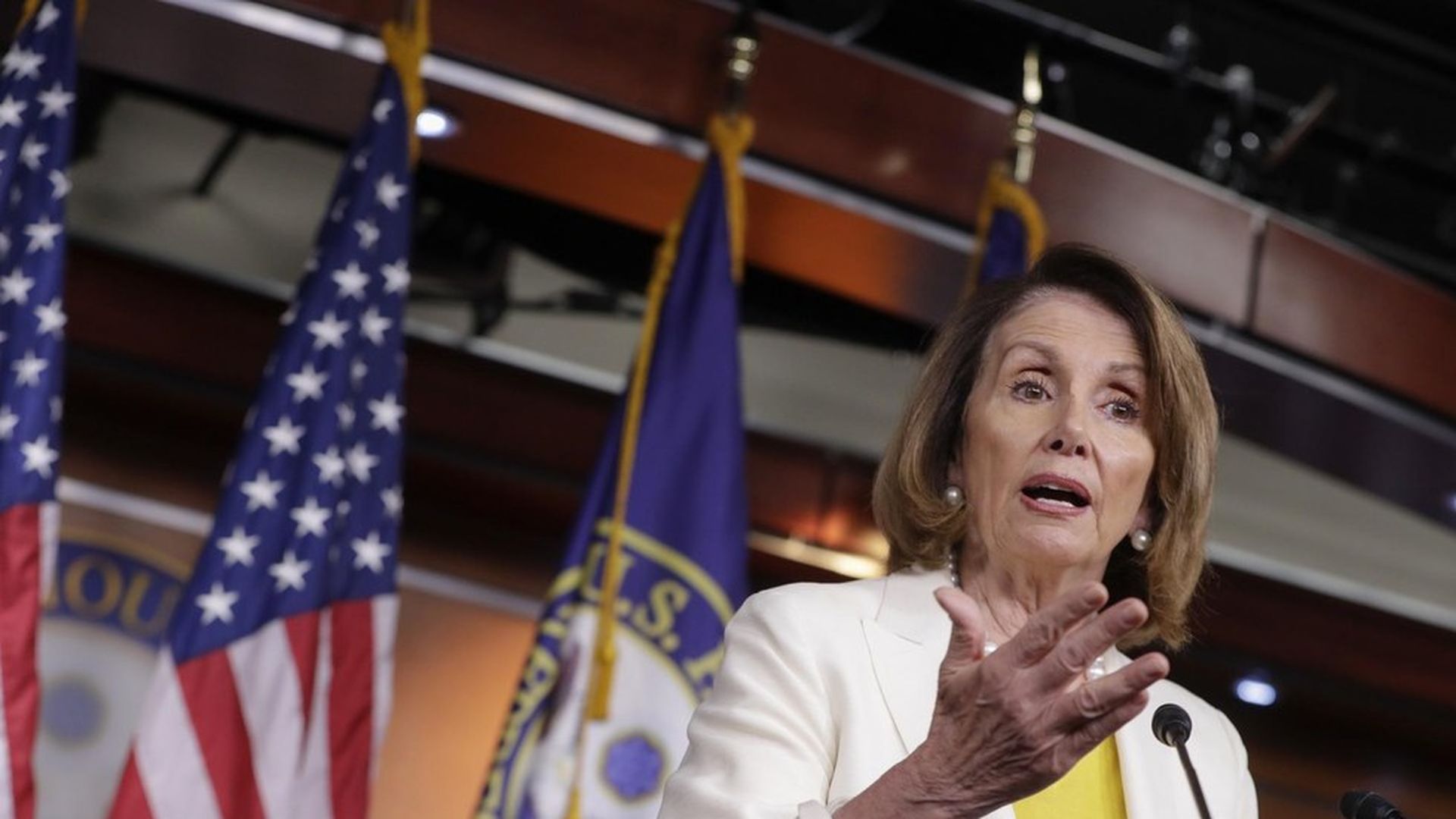
At her weekly press briefing, House Democratic Leader Nancy Pelosi called the appointment of former FBI Director Robert Mueller as special counsel for the federal government's Russia investigation a "good first step," but said an independent special commission is needed to "address the broader vulnerability of our elections."
- Should foreign nations be nervous to share intel with the U.S.? "Wouldn't you? Wouldn't you be nervous?"
- On talk of impeachment: Pelosi noted the "enthusiasm" of some members of the Democratic caucus, but brushed aside concerns that Dems might be overplaying their hand politically.
- Trump's tweets: "Honestly, how did he spell 'witch hunt?'"

Reuters: 18 undisclosed Trump campaign, Russia contacts
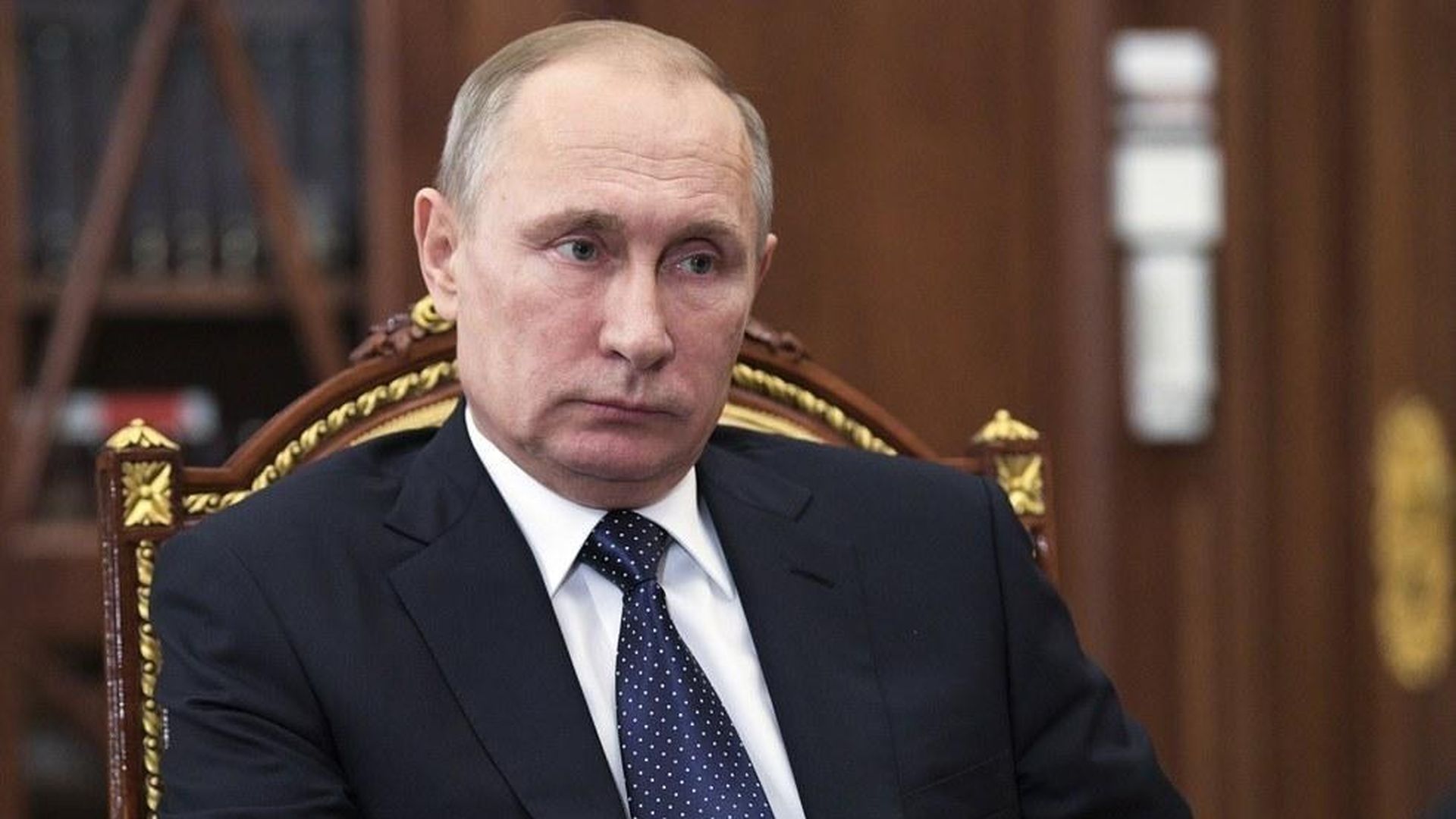
Trump campaign officials engaged in more contacts with Russians and Kremlin-affiliated individuals than have previously been disclosed, according to a new Reuters report that cites "current and former U.S. officials familiar with the exchanges."
- The timing: "The 18 calls and electronic messages took place between April and November 2016..."
- Main focus: "Six of the previously undisclosed contacts described to Reuters were phone calls between Kislyak and Trump advisers, including [Michael] Flynn..."
- Caveat: "The people who described the contacts to Reuters said they had seen no evidence of wrongdoing or collusion between the campaign and Russia in the communications reviewed so far..."
Why it matters: "The previously undisclosed interactions form part of the record now being reviewed by FBI and congressional investigators..."

Pro-Israel leader scolds Trump over embassy delay
The influential conservative pro-Israel leader, Morton Klein, says President Trump is making a terrible mistake by shelving his conspicuous campaign promise to move the U.S. embassy in Israel from Tel Aviv to Jerusalem. Klein, who I caught up with Wednesday at the SALT conference in Las Vegas, was responding to a Bloomberg report today that Trump had decided to delay moving the embassy because doing so now would "raise tensions" and be unhelpful to his efforts to strike a peace deal between Israel and the Palestinians.
This sends a message — and this is really dangerous — that terrorist threats can succeed ... you cannot allow terrorist threats to determine policy. — Morton Klein, president of the Zionist Organization of America

Russia probe special counsel led FBI under Bush, Obama
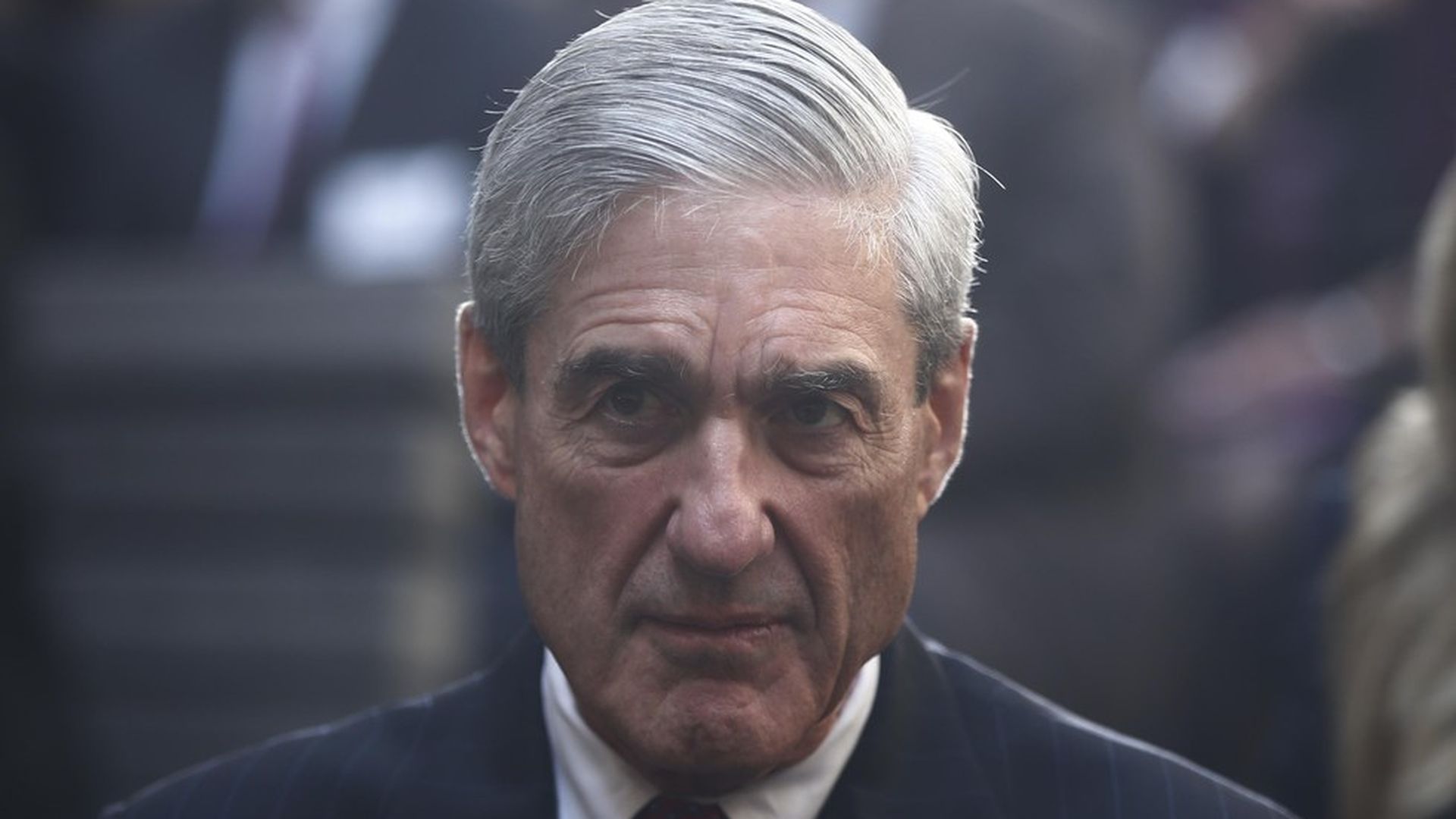
Former FBI director Robert Mueller will serve as special counsel in the federal investigation into Russian interference in the 2016 election. Mueller, who led the FBI from 2001-2013 under presidents from both parties, is one of the most highly respected figures in U.S. law enforcement and is considered an ally of James Comey's.
He was selected by Rod Rosenstein, the deputy attorney general. Rosenstein had authority in the matter because Jeff Sessions recused himself from the Russia probe, and this move may not go over well in the White House.