Five more thoughts about the Anthropic S-1, after a day of digging in:
1. Cash crunch fallacy? Conventional wisdom has been that Anthropic is going public, in part, because it needs the money. Kind of like why OpenAI is seeking around $30 billion after pushing its own IPO into 2027.
Disruptive, a Dallas-based growth equity firm, has raised $10 billion for its first flagship fund.
Why it matters: This reflects startup ecosystem pushback against special purpose vehicles (SPVs), which is how Disruptive had invested since being founded in 2012.
U.S. businesses kept investing heavily in equipment in September, extending a stretch of strong demand for manufactured goods largely fueled by the AI infrastructure boom.
Zoom in: Demand for equipment associated with the AI boom has surged at a pace not seen in recent decades.
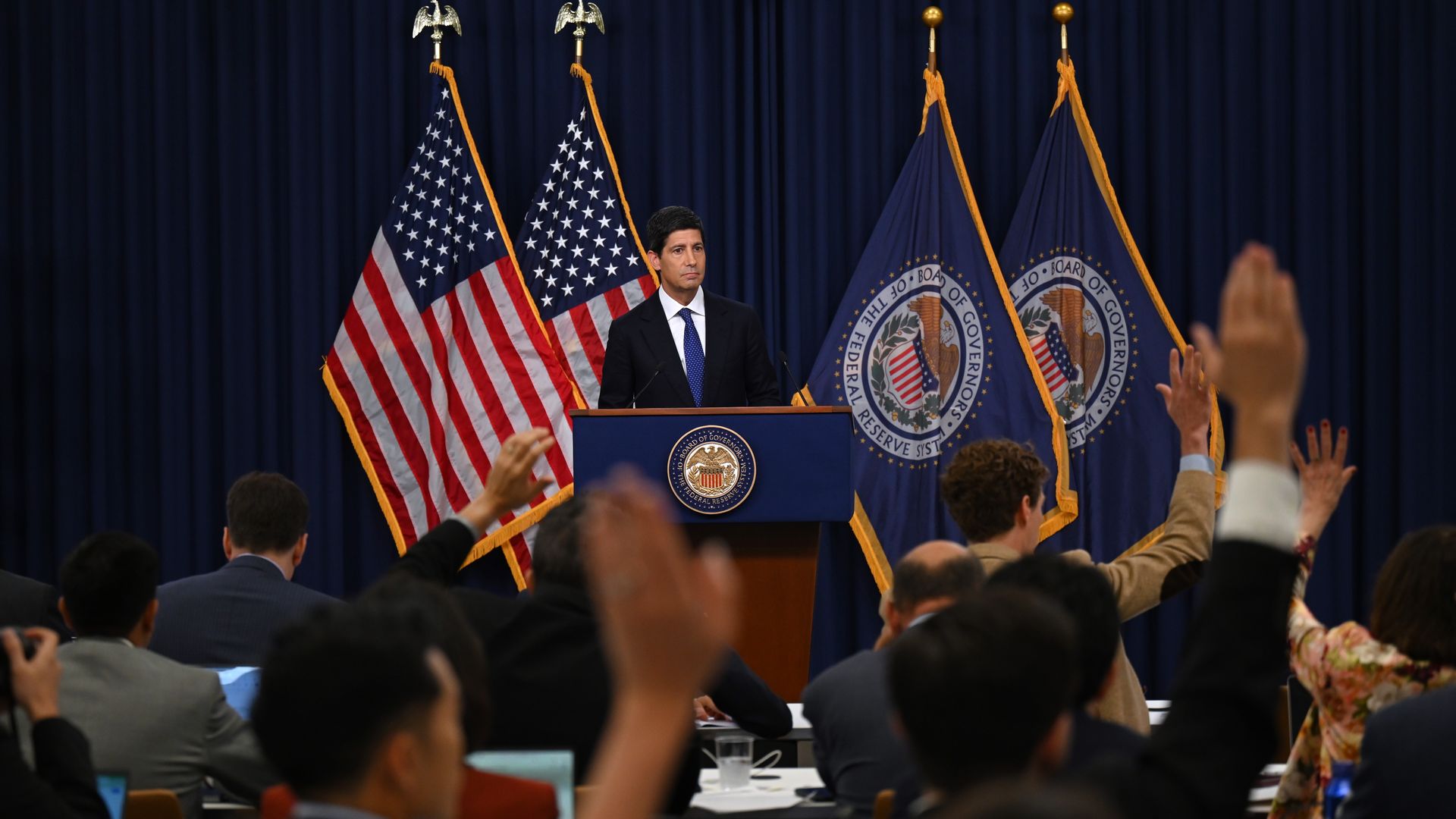
Federal Reserve chairman Kevin Warshpresents himself as a rock-ribbed central banker prepared to do what it takes to wrestle inflation to the ground.
If the Fed delivers on expectations Wednesday, at the conclusion of 2026's penultimate policy meeting, Warsh will face a tricky task in reconciling that with non-action in the face of broad price pressures.
The big picture: Since the Fed raised interest rates six weeks ago, incoming inflation data has been hot and energy price pressures have risen. Yet communication from the central bank's leadership has pointed to leaving rates unchanged at this meeting while penciling in another rate hike in December.
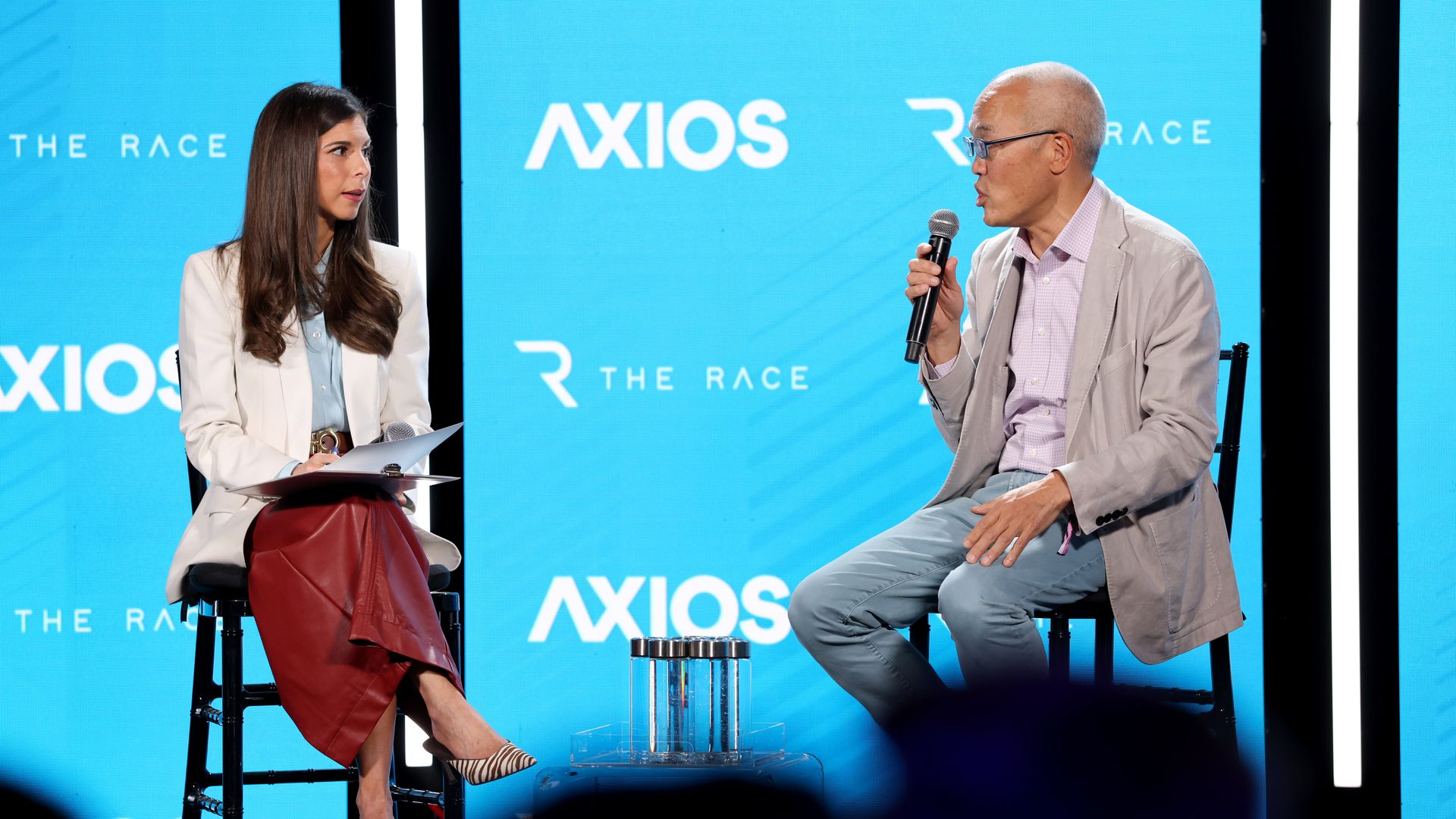
Formula 1 intends to see its Apple distribution deal through its 2030 expiration date and "hopefully beyond," Derek Chang, president and CEO of F1 owner Liberty Media, told Axios x The Race at an event in Austin last week.
Why it matters: The deal is a major test for sports franchises looking to understand the value in potentially trading broader reach on traditional broadcast for a more strategic distribution opportunity on streaming.
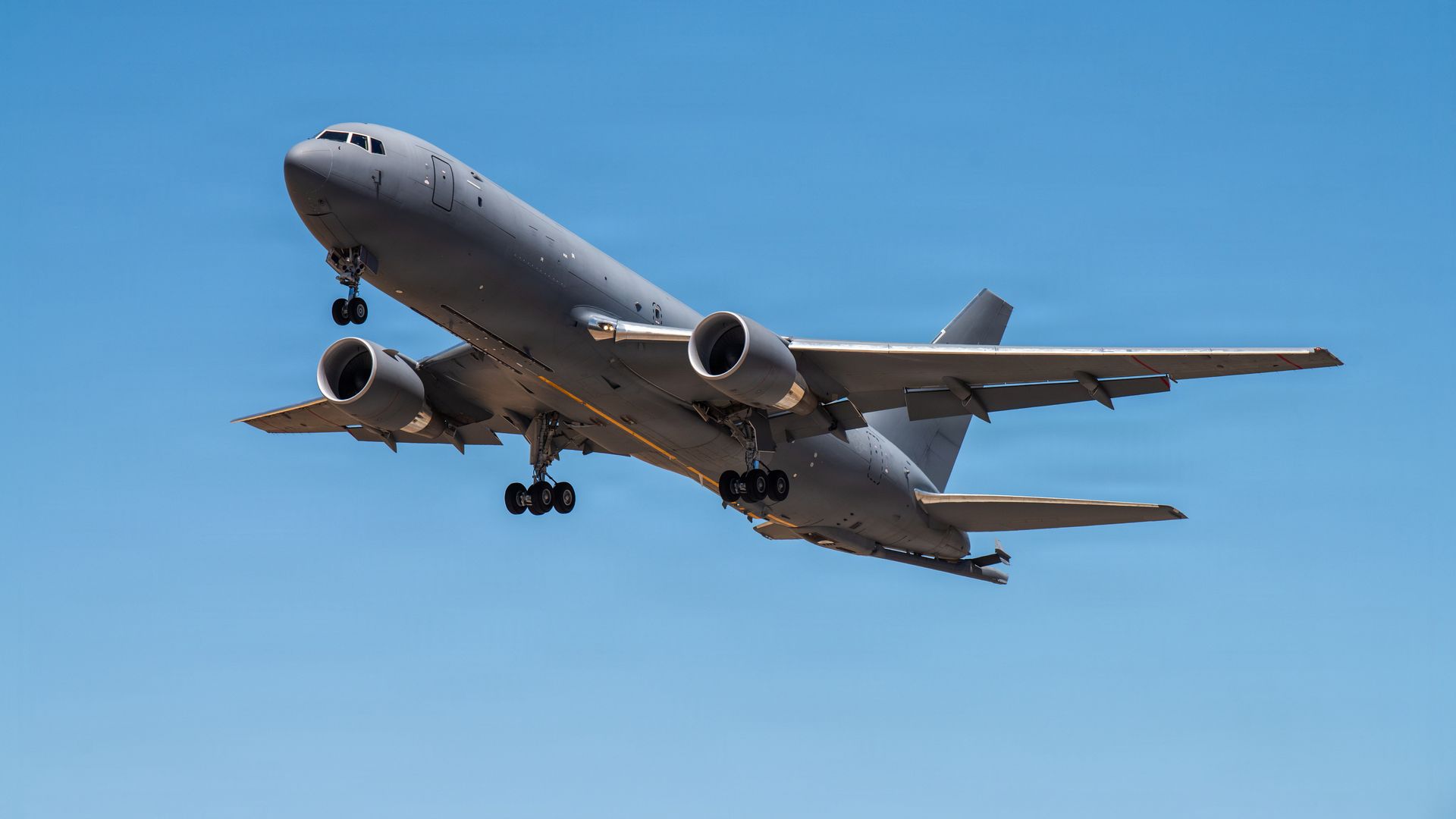
Murdock, a portable pilot assistantmade by Beacon AI, has flown on three U.S. Air Force refueler-and-transporter aircraft — advising flight crews and racking up hours and hours of real-world experience.
Why it matters: The California startup is building "R2-D2 for pilots," according to co-founder Matt Cox, a former Navy fighter pilot, and this is a significant step in that direction.
"These planes are very instrumented. There are thousands and thousands of parameters. We consume it," he told Axios.
Nvidia will invest $3 billion in Meta as part of an expanded partnership that includes closer collaboration on the Muse agent platform, the companies said Tuesday.
Why it matters: A multibillion-dollar Nvidia investment is becoming all but table stakes for serious AI players — a ready source of capital for their breakneck expansion and a guarantee for Nvidia of future revenue streams.
Anthropic filed yesterday for what could be the biggest IPO ever, capping a massive day of AI dealmaking that nearly equals 1% of U.S. GDP.
Why it matters: Few industries have ever become so central to the American economy so quickly — and we're watching Wall Street finance the buildout in real time.
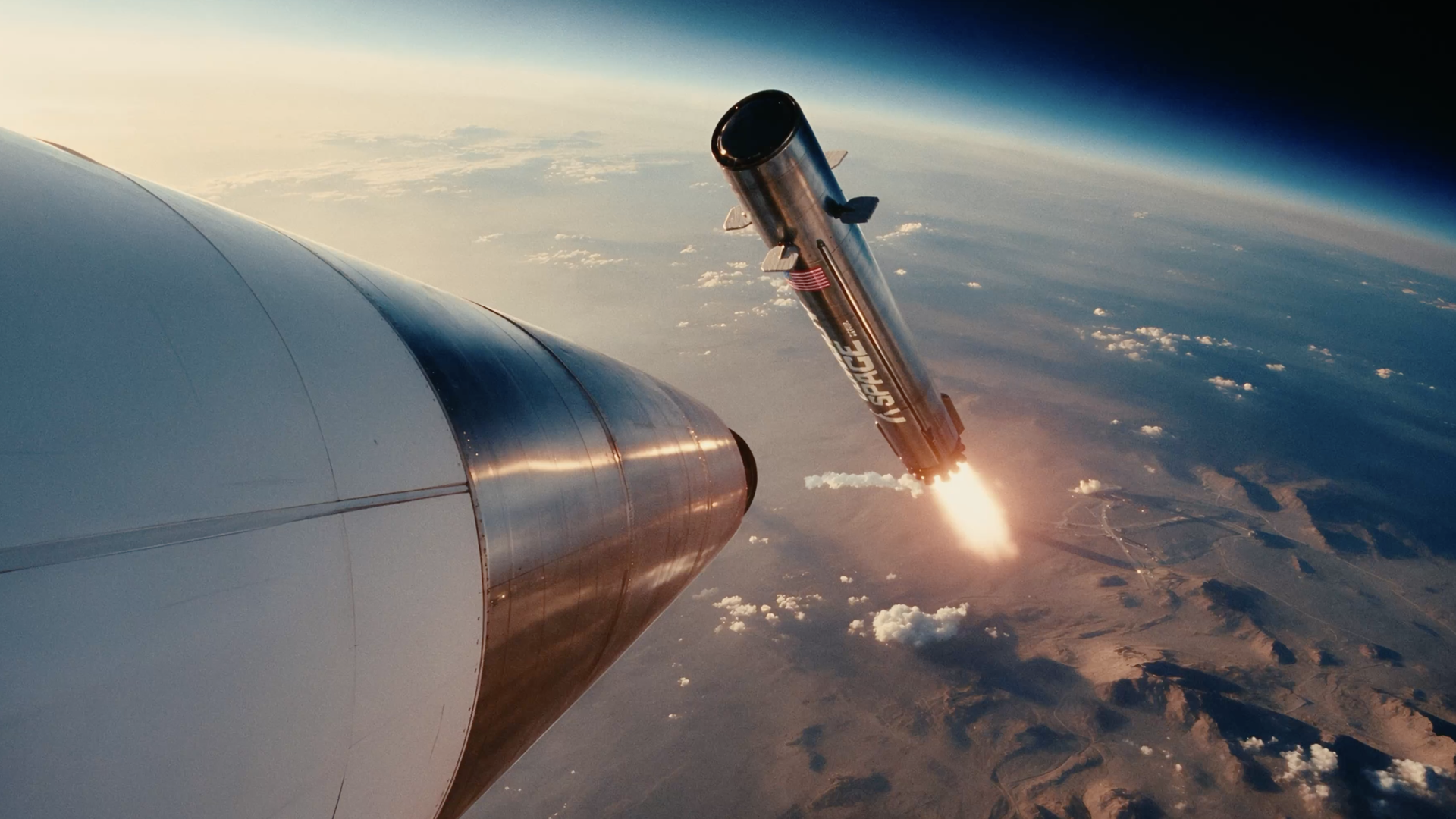
Cowboy Space Corporation has unveiled the design for its new medium-lift "Big Iron" rocket that will double as its orbital data center satellite.
Why it matters: U.S. demand for rockets is sky high.
The private firm's C-Suite bets that building their own launch vehicle and reusing its components will lower costs.
The offering also expands much-needed access for possible military and commercial payloads.
Joseph Yaffe, Cowboy Space's chief operating officer, told Axios on Monday that the company aims to build the first rocket by the end of 2027.
"Big Iron" — a reference to the famous country western tune by Marty Robbins — is targeting its first flight in 2028.
The rocket will bolster the company's ambitions for its 20,000-satellite "Stampede" constellation.
What they're saying: "We set out to build data centers in space and found there weren't enough rockets to get them there, so we're building our own," Baiju Bhatt, Cowboy Space's CEO and founder, said in a press release.
"Opening it to the rest of the industry makes every flight safer and more efficient, and gives the country another path to orbit," he said.
Zoom in: "Big Iron's" upper stage has deployable radiators and is designed to remain in orbit as a "megawatt-class data center" instead of a separate satellite, the company said.
The rocket's reusable booster will be powered by nine liquid oxygen and methane "Clydesdale" engines capable of 30,000 pounds of thrust, the company said, and the data center aims to carry five compute racks of NVIDIA Vera Rubin GPUs.
The rocket will be around 282 feet high, standing slightly taller than SpaceX's Falcon 9 workhorse and United Launch Alliance's Atlas V.
The upper stage data center payload can be switched out for one that can provide customers with a megawatt of power and another that can dispense satellites, Yaffe said.
Big picture: SpaceX reportedly plans to retire its Falcon 9 rocket, leaving a gap in the market for medium-lift launch vehicles and causing headaches for national security missions.
Yaffe said that the company wants to pursue the military's National Security Space Launch business, too.
"We've commenced discussions with the right folks to walk down that path," Yaffe told Axios. "That need is very clear, very obvious."