Meet "Big Iron": Cowboy Space's new rocket

Add Axios as your preferred source to
see more of our stories on Google.
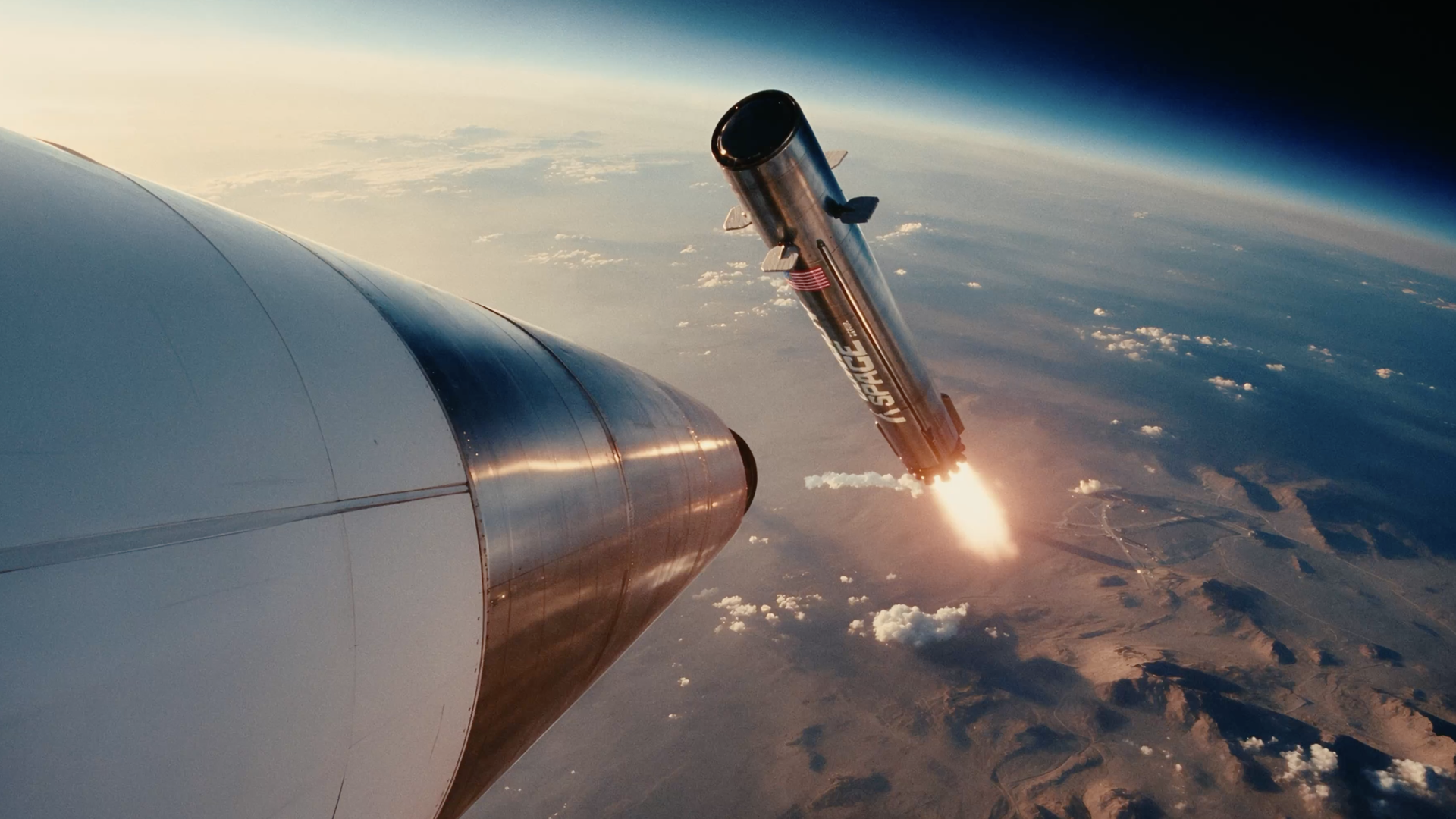
Cowboy Space Corporation debuted its new "Big Iron" rocket design on Oct. 26. Photo: Courtesy of Cowboy Space
Cowboy Space Corporation has unveiled the design for its new medium-lift "Big Iron" rocket that will double as its orbital data center satellite.
Why it matters: U.S. demand for rockets is sky high.
- The private firm's C-Suite bets that building their own launch vehicle and reusing its components will lower costs.
- The offering also expands much-needed access for possible military and commercial payloads.
Joseph Yaffe, Cowboy Space's chief operating officer, told Axios on Monday that the company aims to build the first rocket by the end of 2027.
- "Big Iron" — a reference to the famous country western tune by Marty Robbins — is targeting its first flight in 2028.
- The rocket will bolster the company's ambitions for its 20,000-satellite "Stampede" constellation.
What they're saying: "We set out to build data centers in space and found there weren't enough rockets to get them there, so we're building our own," Baiju Bhatt, Cowboy Space's CEO and founder, said in a press release.
- "Opening it to the rest of the industry makes every flight safer and more efficient, and gives the country another path to orbit," he said.
Zoom in: "Big Iron's" upper stage has deployable radiators and is designed to remain in orbit as a "megawatt-class data center" instead of a separate satellite, the company said.
- The rocket's reusable booster will be powered by nine liquid oxygen and methane "Clydesdale" engines capable of 30,000 pounds of thrust, the company said, and the data center aims to carry five compute racks of NVIDIA Vera Rubin GPUs.
- The rocket will be around 282 feet high, standing slightly taller than SpaceX's Falcon 9 workhorse and United Launch Alliance's Atlas V.
- The upper stage data center payload can be switched out for one that can provide customers with a megawatt of power and another that can dispense satellites, Yaffe said.
Big picture: SpaceX reportedly plans to retire its Falcon 9 rocket, leaving a gap in the market for medium-lift launch vehicles and causing headaches for national security missions.
- Yaffe said that the company wants to pursue the military's National Security Space Launch business, too.
- "We've commenced discussions with the right folks to walk down that path," Yaffe told Axios. "That need is very clear, very obvious."
Go deeper: New satellites test orbital data centers and "energy beaming"
