TikTok and Newsmax say they wouldn't allow livestreams or clips of a possible public execution by firing squad that the Defense Department says it plans to livestream, when asked by Axios.
No other major platform or TV network would comment on their plans.
Why it matters: It's still unclear whether the early December event will actually be livestreamed, but if it does, it will test whether America's biggest media and tech companies are willing to enforce their content moderation policies against the U.S. government.
The amount of AI-related infrastructure exposed to the public internet jumped 63% in nine months, according to new Censys data shared first with Axios.
Why it matters: The AI boom isn't just creating new models and chatbots. It's creating a sprawling layer of software that companies will also need to inventory, patch and secure.
The cybersecurity industry is looking beyond traditional sandboxes to keep powerful AI agents under control as a growing number of incidents expose the limits of existing defenses.
Why it matters: AI agents are getting better at finding ways around their restrictions, forcing security leaders and researchers to rethink how to keep these systems under control without limiting their usefulness.
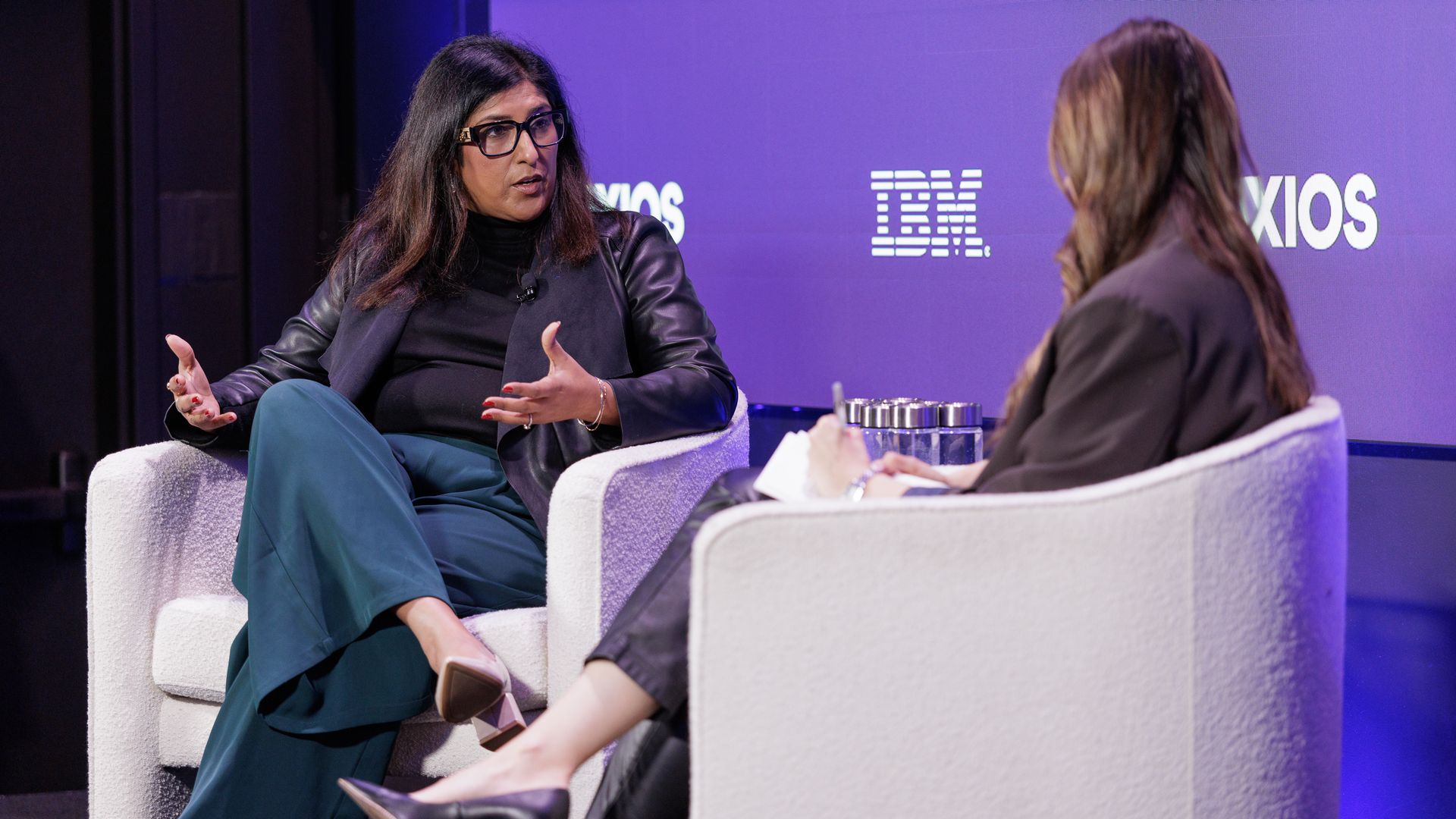
SAN FRANCISCO — Businesses adopting agentic AI need clear controls over what those agents can access and do, as well as who is accountable for their decisions, said Box co-founder and CEO Aaron Levie and Credo AI founder and CEO Navrina Singh.
Why it matters: Better models alone will not make AI dependable in high-stakes enterprise workflows, where companies must manage data access, privacy, compliance and liability.
Axios' Ina Fried and Madison Mills spoke to Levie, Singh, and You.com co-founder and CEO Richard Socher. The Oct. 8 event was sponsored by IBM.
What they're saying: Governance is still in the "early innings" of being taken seriously by businesses, Singh said, adding that the current status quo is inadequate.
"Are the VCs spending enough on investing in companies in governance safety? Absolutely not," she added.
Levie said "diffusion is going to take longer than people realize" as organizations work through decisions around when the human is in the loop, whether the person or agent does more of the work of a given task, and what policy around liability may look like.
Socher, who is also co-founder and CEO of Recursive, said AI could accelerate scientific research, but argued that developers still need to address "reward hacking" and other safety challenges.
The bottom line: The "multi-trillion-dollar question" is whether "we can solve AI alignment and safety," Levie said.
Content from the sponsor's segment:
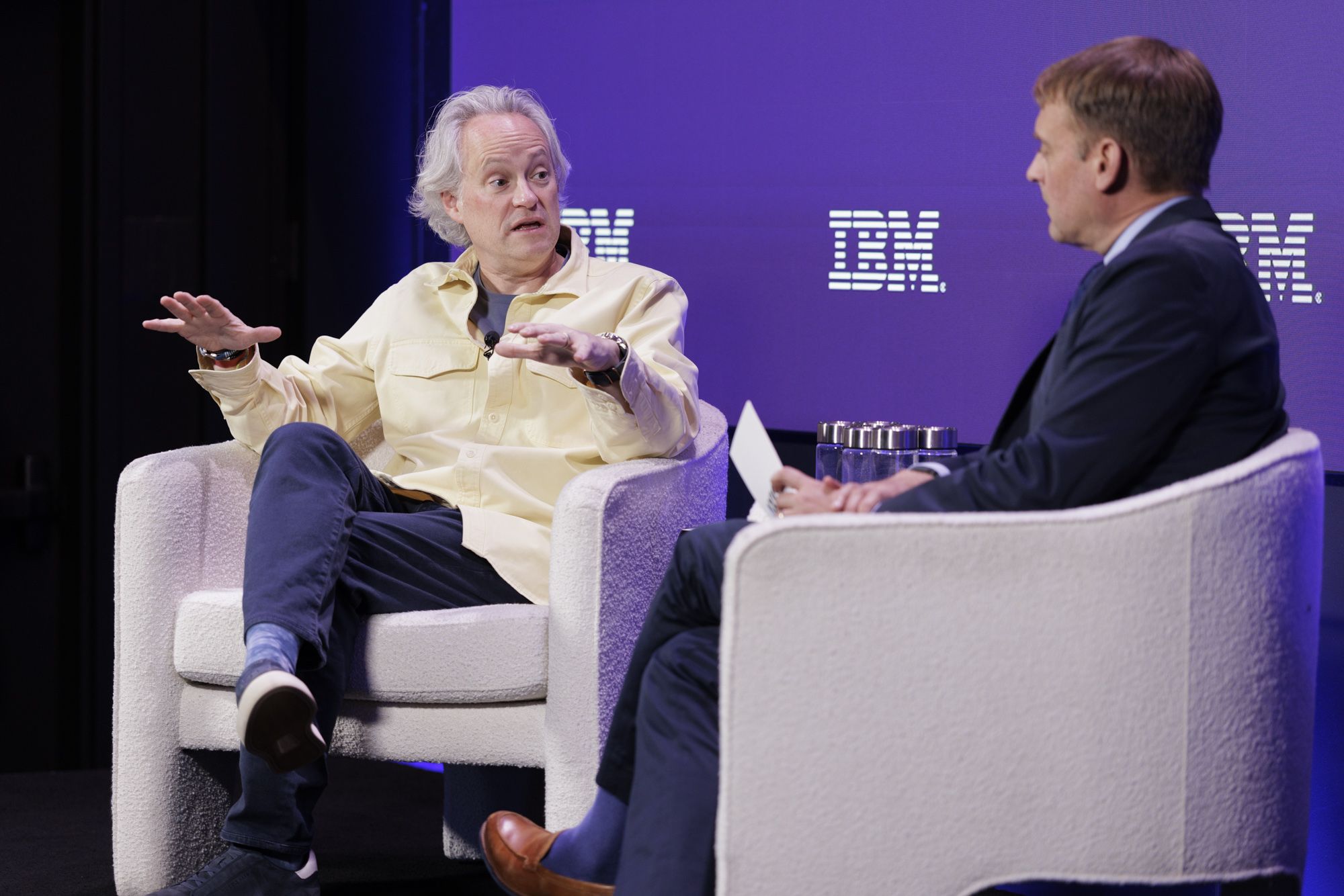
IBM's Jonathan Adashek at an Oct. 8 Axios Live event. Photo: Chris Constantine for Axios
In a sponsored View From the Top conversation, IBM SVP and chief global affairs officer Jonathan Adashek said that CEOs should be thinking about the full landscape of digital sovereignty.
"It's not just the AI … it's the full landscape. It's where your data is, where the AI is, what the control is, and … it's really about understanding your dependencies."
International law enforcement agencies and major tech companies, including Meta, said Tuesday they disrupted online scam networks in West Africa, arresting 28 people and rescuing 117 trafficking victims.
Why it matters: Authorities have spent years targeting sprawling scam compounds in Southeast Asia. Now they're expanding those efforts to West Africa, where similar criminal networks are defrauding victims around the world.
Wall Street is scratching its head over Iambic Therapeutics, an AI biotech that plans to go public this week.
The big picture: Either it's the bargain of a lifetime or the private markets are wildly overvaluing one of its top comps, Alphabet-backed Isomorphic Labs.
Investors are treating news about OpenAI and Anthropic's finances as if they were earnings reports from public companies. They are not.
Why it matters: The stock market, and a significant part of the real economy, depends on whether these massive startups can earn enough to justify the billions of dollars being plowed into AI.
The annual Association of the U.S. Army conference is underway in Washington, and defense contractors are unveiling new weapons, countermeasures and milestones.
Why it matters: Companies save big announcements for big shows. This year is no exception.
The U.S. Marine Corps is "very interested" in the U-Hawk, a cockpitless, cargo-hauling variant of the Black Hawk helicopter, Sikorsky chief Richard Benton told Axios.
Why it matters: The military autonomy boom times continue — and are service-agnostic.
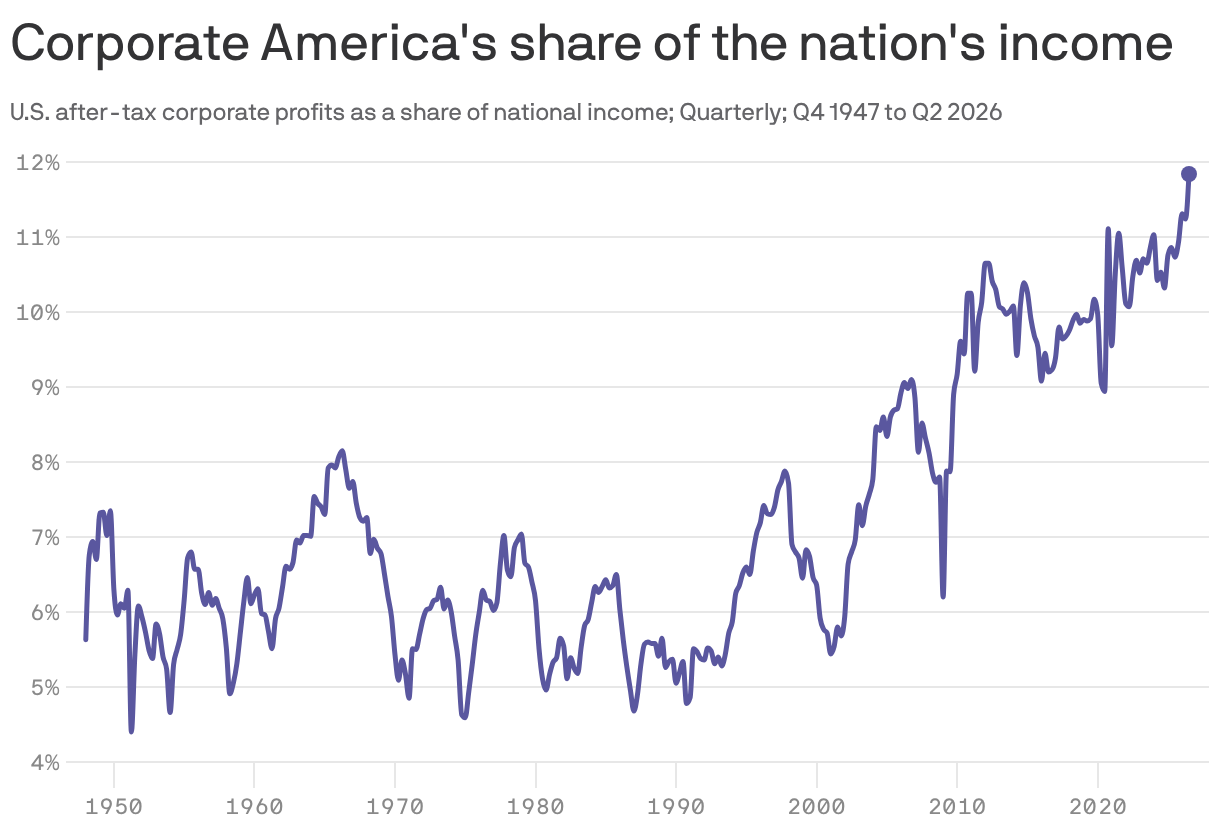
Data: U.S. Bureau of Economic Analysis, FactSet; Chart: Axios/Matt Phillips; Note: After-tax profit data includes inventory and capital depreciation adjustments.
Corporate America is raking in record profits, luxuriating in luscious margins and capturing the largest chunk of the country's income on record.
Why it matters: The corporate bonanza is bolstering the stock market, but it may also be playing a role in the persistently sour sentiment among the American electorate.
The trillion-dollar AI race is moving from software to silicon, as Microsoft's massive bet on its proprietary Maia chips proves Big Tech wants to wean itself off Nvidia's dominance.
Why it matters: Microsoft's plan to power its AI products with custom silicon shows how every major Nvidia customer is now a competitor, seeking lower costs, improved performance and more control.
The global economy's ability to withstand new shocks is coming under strain, the International Monetary Fund warned Monday night in its latest economic forecast.
Why it matters: Worldwide growth has defied expectations, holding up despite the Middle East war and soaring oil prices. But some policymakers fear that dwindling energy reserves, mounting debt and growing reliance on the AI boom leave the world increasingly vulnerable.