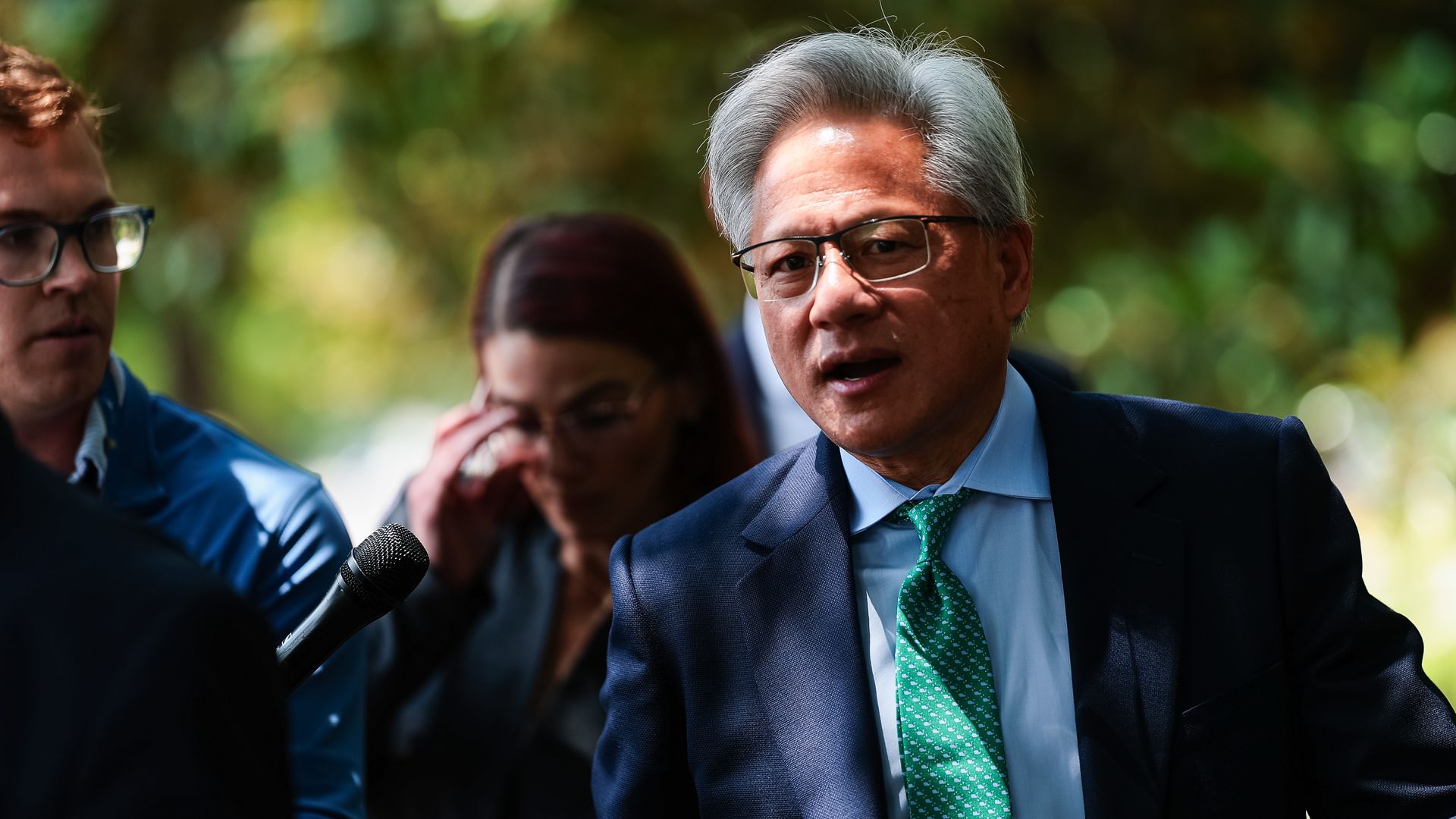
Nvidia and a group of blue-chip Wall Street firms are collaborating to provide a half-trillion-dollar bankroll to the AI chipmaker's customers.
Why it matters: The gargantuan financing package illustrates the mushrooming scope and costs of the infrastructure needed to keep the AI economy humming.
A U.S. Appeals Court said Monday that thousands of lawsuits targeting Meta Platforms, ByteDance's TikTok and other social media outlets over claims that social media is harmful and addictive can proceed.
The big picture: Tech companies have thus far skirted major regulatory scrutiny at the federal level, but the lawsuits suggest it isn't immune to heavy court penalties, which can be just as, if not more, punitive in the long term.
The new "Madden NFL 27" video game has refreshed its entire franchise mode to focus on breaking news, headlines and media narratives to help players make decisions.
Why it matters: Madden's refresh reflects sports media's reality: despite heavy layoffs and reorganizations, news remains a vital driver of entertainment and information for fans, teams and athletes alike.
Archer Aviation is buying Boeing subsidiaries Wisk Aero, Insitu and SkyGrid in an all-stock deal that transforms the startup from a largely pre-revenue air taxi developer into a broader aerospace and defense company.
Why it matters: The deal gives Archer something investors have been demanding: revenue today, while reducing its reliance on the still-unproven electric air taxi market.
OpenAI is introducing a more cyber-permissive version of GPT-5.6 Sol to vetted defenders as it prepares companies for autonomous cyberattacks.
Why it matters: The move comes just days after OpenAI said it was delaying the release of its forthcoming model, Astra, after it reached critical hacking abilities during safety testing.
If at first you don't succeed, someone may force you to try again.
That's the situation for Verisk, which on Friday was told by Delaware Chancery Court that it must proceed with a $2.35 billion merger that it had tried to terminate.
Cambridge Aerospace, a British air defense tech startup, raised $300 million in Series C funding at a $3.4 billion post-money valuation led by DFJ Growth.
Why it matters: Cheap drones have redefined war, as evidenced in both Ukraine and Iran, but legacy interceptor technology remains very expensive.
A flurry of federal investments in mining and mineral supply chains could help the electric vehicle industry that famously isn't President Trump's jam.
Why it matters: The White House emphasized the support as a way to diversify supply chains critical to defense, aerospace and other sectors.
America is less than three months away from ... say it with me ... the most important election of our lifetimes.
Yet the Democratic Party hasn't yet articulated its vision for artificial intelligence, a technology that promises to fundamentally transform our economy and society.
It's a failure of leadership, and also exacerbates investor uncertainty.
Retail investors took advantage of the volatility in the market last month to again be net buyers of stocks, new data from Charles Schwab shared exclusively with Axios shows.
Why it matters: The trade in AI stocks shows staying power, as retail investors repeatedly step in to buy following retreats.
Nearly four years into the AI boom, we still know little about what returns the tech giants could be making on their enormous bets on AI infrastructure.
Why it matters: The data center buildout — the engine driving markets and economic growth — hinges on the expectation that it will eventually enable the tech giants to generate big profits.
But earnings reports have yet to provide any confirmation.
When Mike Allen and I are curious about the "real economy," we talk to sources at big-box stores for a read on real-time sales trends, or friends at super-regional banks to gauge the mood and money movement.
To us, that's the real world and real data, imperfect but less imperfect than dated Bureau of Labor Statistics surveys built for a different time and economy.
Why it matters: Fed Chair Kevin Warsh will get scrutinized like hell for rate changes, his communication style, his vow of a "new chapter" at the Fed, and his relationship with President Trump.
We think the most interesting thing to watch long-term is the seemingly boring data task force he appointed last month to improve the "quality and timeliness of real economic signals that inform the Federal Reserve's policy judgments."
Meta CEO Mark Zuckerberg released a full-throated defense of AI on Monday morning: a 6,500-word manifesto arguing that the most common concerns are overblown and fail to account for all the positives it can achieve.
In his vision of AI, the biggest risk instead is that one government or entity has too much power over the technology.
Why it matters: Zuckerberg's flag in the ground, with a utopian vision of a highly personal AI that fuels individual achievement, comes as policymakers debate how much control they should have over increasingly powerful models.
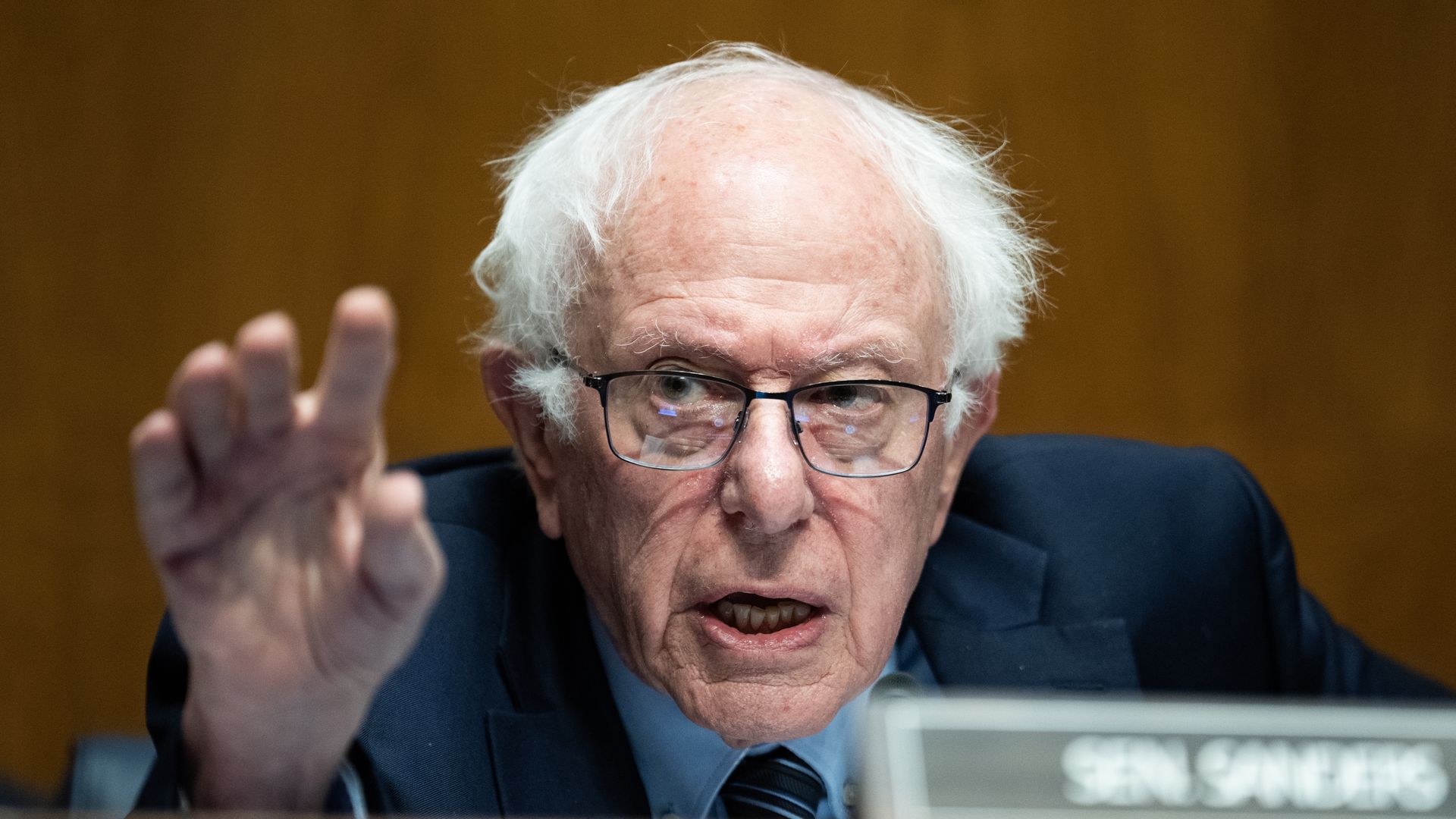
Sen. Bernie Sanders (I-Vt.) is urging leading AI CEOs to pause AI development, warning that lawmakers will step in if no action is taken.
Why it matters: Sanders is upping the ante on the AI industry ahead of the elections, building on his progressive playbook that is shaping how some candidates message around the issue.
The reality of building your own video game is here, and just like so many other AI-driven changes, it threatens to permanently disrupt a $300 billion industry.
Why it matters: While there are limitations to what AI can build today, that's changing by the week, and gamers are optimistic this is only the beginning.