Netflix on Tuesday said it now has over 325 million paid members as it reported fourth-quarter earnings slightly above analyst expectations.
Why it matters: The results come as headlines about the bidding war for Warner Bros. Discovery loom over the stock and the same day as Netflix revised its offer.
The Federal Trade Commission is appealing the loss in its case against Meta challenging the acquisitions of WhatsApp and Instagram as an illegal monopoly, the agency announced on Tuesday.
Why it matters: Meta won in court last November, but the FTC's appeal shows their battles with the government over acquisitions they made more than a decade ago are not yet over.
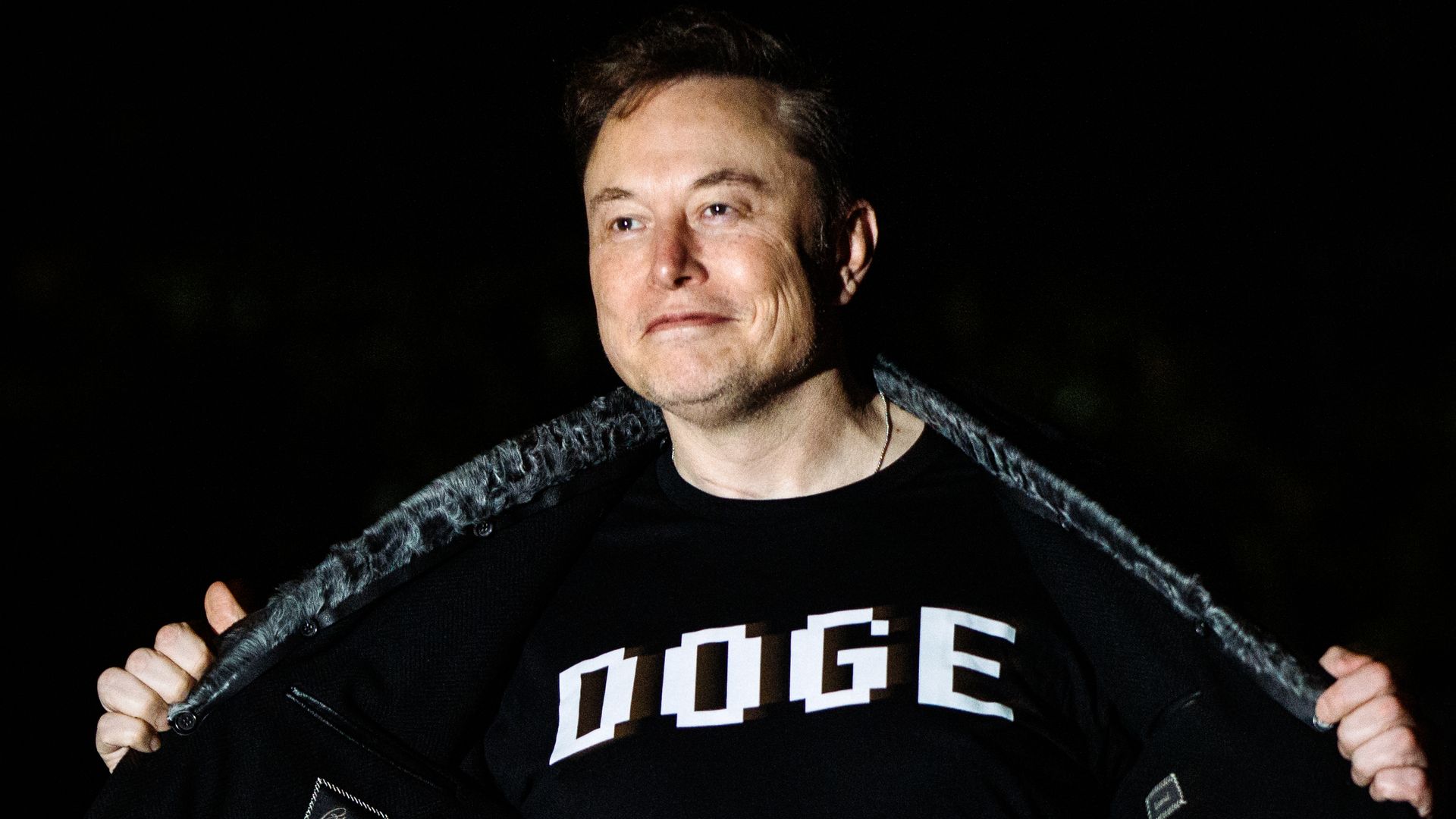
Members of Elon Musk's DOGE team may have accessed Social Security information that was off-limits under a court ruling and shared agency data on third-party servers, the Department of Justice said in a court filing last week.
Why it matters: It's a stunning admission from the Trump administration, after it battled in court over DOGE's rights to access and use Social Security data as part of its effort to uncover fraud and waste.
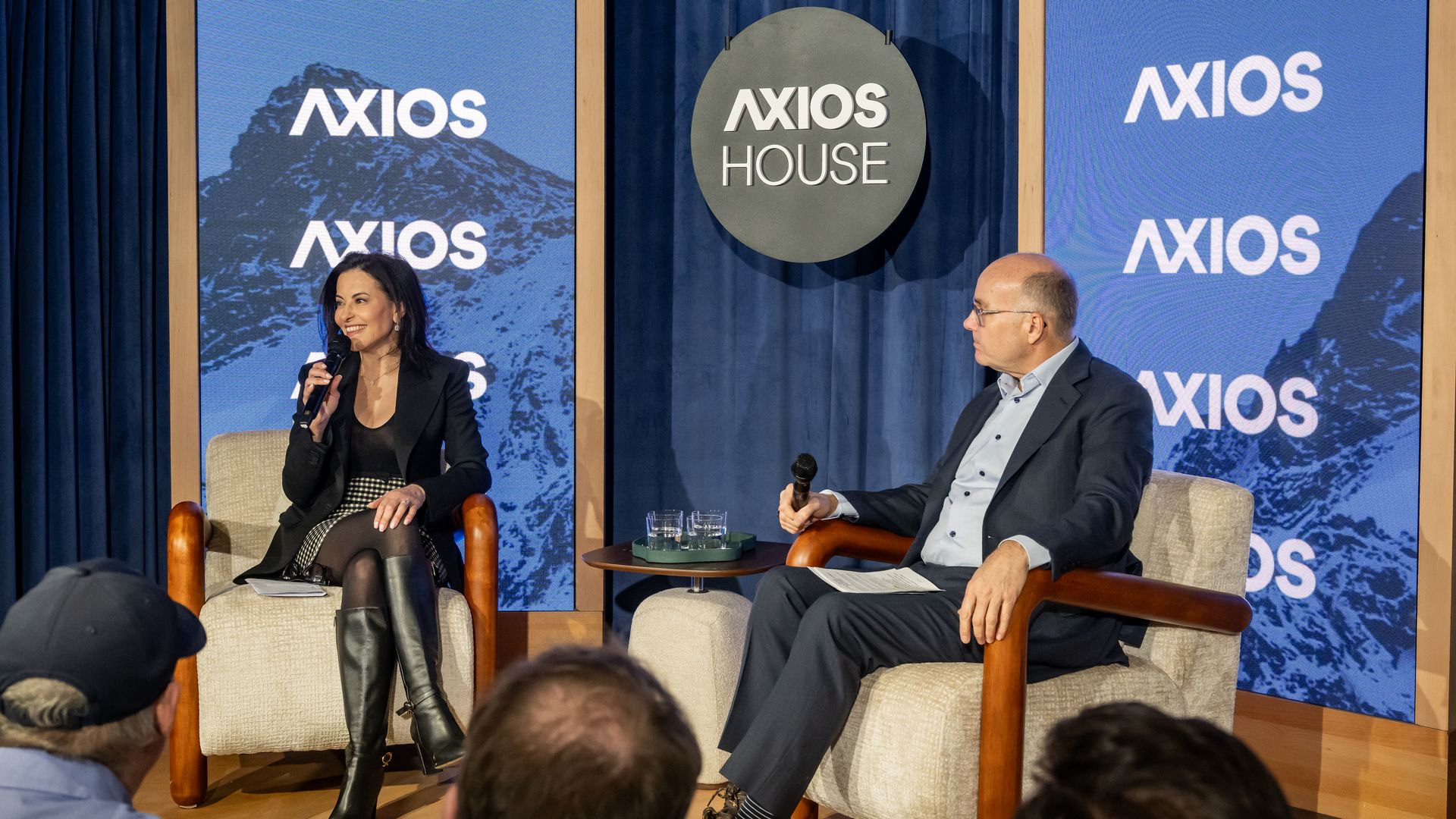
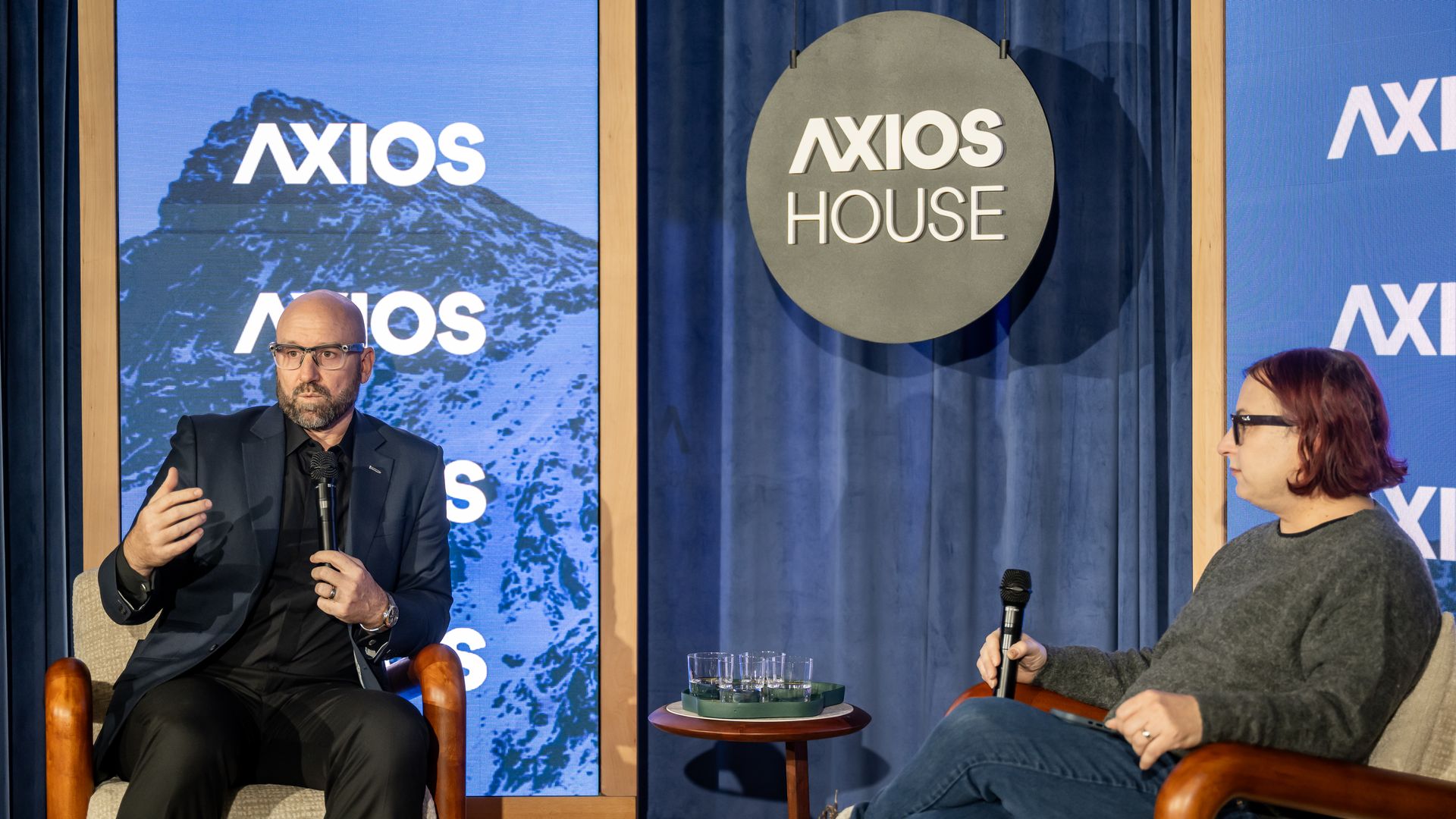
DAVOS, Switzerland — Artificial intelligence is moving to physical devices, transforming how the technology is built and used, according to three executives who spoke at Axios House in Davos.
Why it matters: This shift is likely to unlock economic opportunities globally.
Axios' Mike Allen, Ina Fried and Dave Lawler moderated conversations with Qualcomm Incorporated president and CEO Cristiano Amon, Gecko Robotics co-founder and CEO Jake Loosararian, and Meta president and vice chair Dina Powell McCormick. The Jan. 19 conversations were sponsored by Qualcomm.
What they're saying: "Where AI is going is in the physical realm," Loosararian told Lawler. "It's very important to understand this."
"The countries and the companies that get this quickest and fastest are going to be the ones at an advantage in terms of the margin — the amount — of product, and how safely they're able to do it. Environmentally so as well."
"If you're able to refine petroleum or refine hydrocarbons cheaper with less labor, and we find more of it at less cost, this is a huge advantage as it relates to your country's GDP and its growth and long-term potential."
By the numbers: Physical AI devices like glasses already exceed 10 million units, Amon said.
"I think you're going to very quickly see, when you add all of those devices, they can get to about 100 million devices," he added.
"About 1.2 billion phones get sold every year. If all of us want to have the wearable with access to an agent, that's kind of the order of magnitude [we're looking at], and that's just in [the] consumer" market.
Yes, but: All this power is going to require massive compute, and that means new data centers.
"I also do think [about] these investments — massive investments — across communities, and being very careful to not upend those communities but to respect and listen to local residents," Powell McCormick said to Allen.
"My dream will be to maybe be able to say one day that small businesses are the builders of data centers across the country."
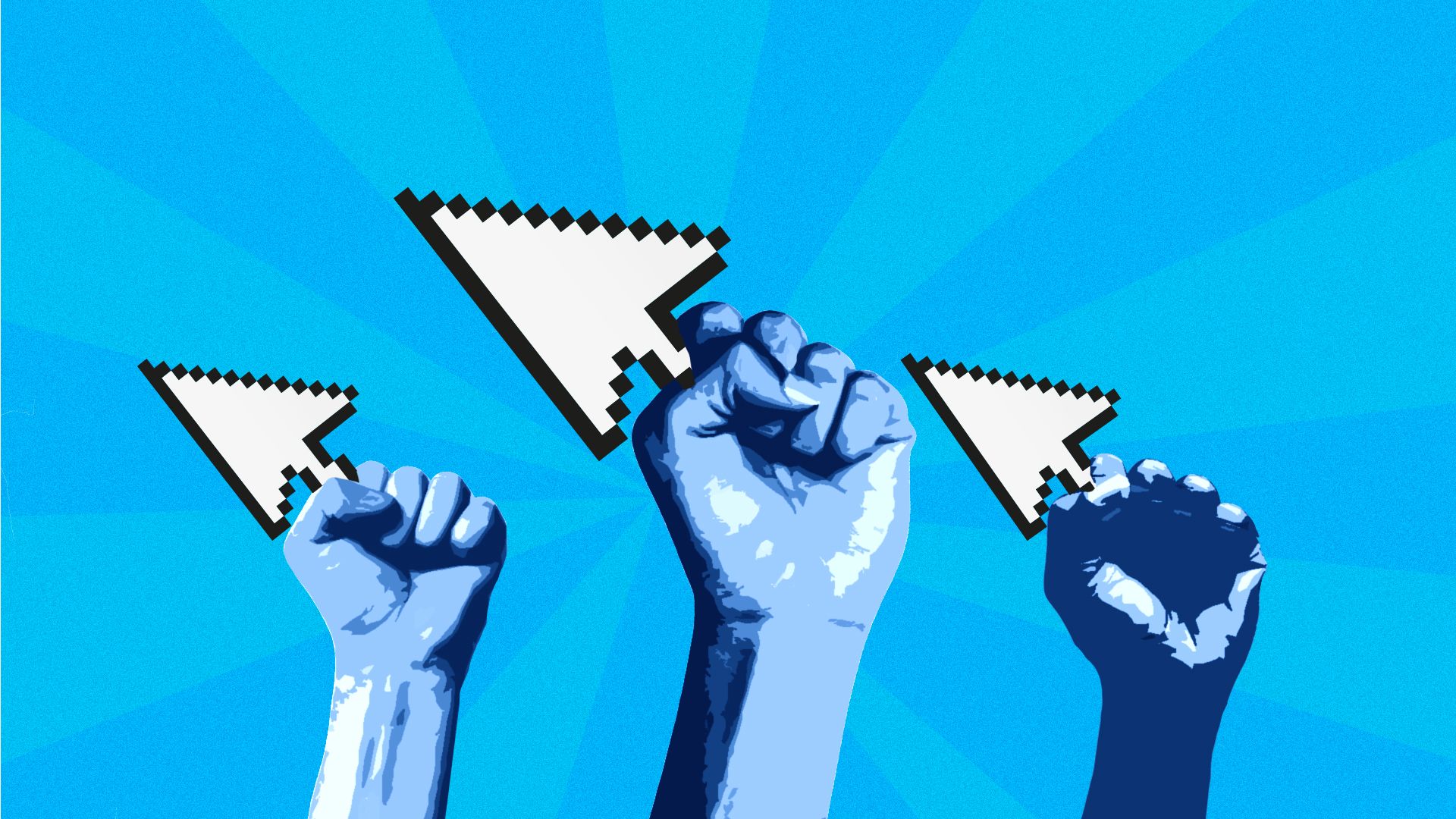
Protesters opposing ICE's mass deportation operations are increasingly turning to data leaks and homegrown surveillance tools.
Why it matters: The latest wave of U.S.-based hacktivism — where hackers launch attacks to make a political statement, rather than to make money or steal state secrets — reflects a more strategic, cohesive embrace of digital tools.
DAVOS, Switzerland — Artificial intelligence is in dire need of diversification when it comes to where the technology is located and who's designing it, industry leaders say.
Why it matters: A robust ecosystem of governments, organizations, stakeholders, and models can alleviate the risks of concentrated power.
Axios' Ina Fried spoke to Cohere co-founder and CEO Aidan Gomez and Stanford Institute for Human-Centered Artificial Intelligence (HAI) senior fellow Yejin Choi. The Jan. 19 conversations were sponsored by Turing.
What they're saying: "The past year has sort of woken everyone up to the reality that we're [all] going to have to carry our weight," Gomez told Fried.
AI shows up across sectors — communications, finance, energy, and beyond. Gomez, whose organization has offices in Seoul, Paris, Toronto, San Francisco, and other major cities around the world, describes the diversification of where the technology lives as a matter of national security.
"Each country cannot depend on a single other country. They need to spread their bets and make sure that they're resilient in the event that one of those gets switched off."
Choi, a professor and computer scientist, said she is worried about the concentration of power by certain corporations.
"The tricky thing about the current way we all rely on LLM APIs is that it's, by and large, created by a few very rich tech companies," Choi said.
Those who currently stand to gain the most when it comes to AI are "well-intended people, at least at the beginning," Choi added, but "AI should benefit all of humanity, not just the few who are in power."
The bottom line: "AI should be: of human, for human, by human," Choi said.
Content from the sponsored segment:
In a View from the Top sponsored segment, Turing founder and CEO Jonathan Siddharth said that, in order for AI models to do their best work and deliver the best value, they have to "touch reality" and learn from real people.
"It's only by deploying it incrementally, slowly, iteratively that we can make these systems safe and useful."
Anthropic CEO Dario Amodei on Tuesday said President Trump's decision to allow the sale of AI chips to China is like "selling nuclear weapons to North Korea."
Why it matters: Amodei hammered on national security concerns as the Trump administration inches closer to finalizing chip sales and Republican infighting over the issue ramps up.
Why it matters: The comments break from Amazon's earlier insistence that tariffs weren't materially affecting prices — and could add fuel to political scrutiny over rising consumer costs.
Wall Street strategists busted into 2026 overwhelmingly bullish, with one big caveat: AI had to deliver measurable returns this year.
Why it matters: Two weeks in, investors are getting their wish, as Alphabet is lending its AI horsepower to several companies, while much of its risk is in the rearview.
Pinterest has hired Lee Brown, formerly of DoorDash and Spotify, for the newly formed role of chief business officer, overseeing all customer-facing operations, sales, advertising and content, CEO Bill Ready told Axios.
The company has also hired longtime Amazon marketing executive Claudine Cheever as its new chief marketing officer.
Why it matters: The C-suite shakeup comes as Pinterest repositions itself as a global AI-driven shopping destination, primarily for Gen-Z users.
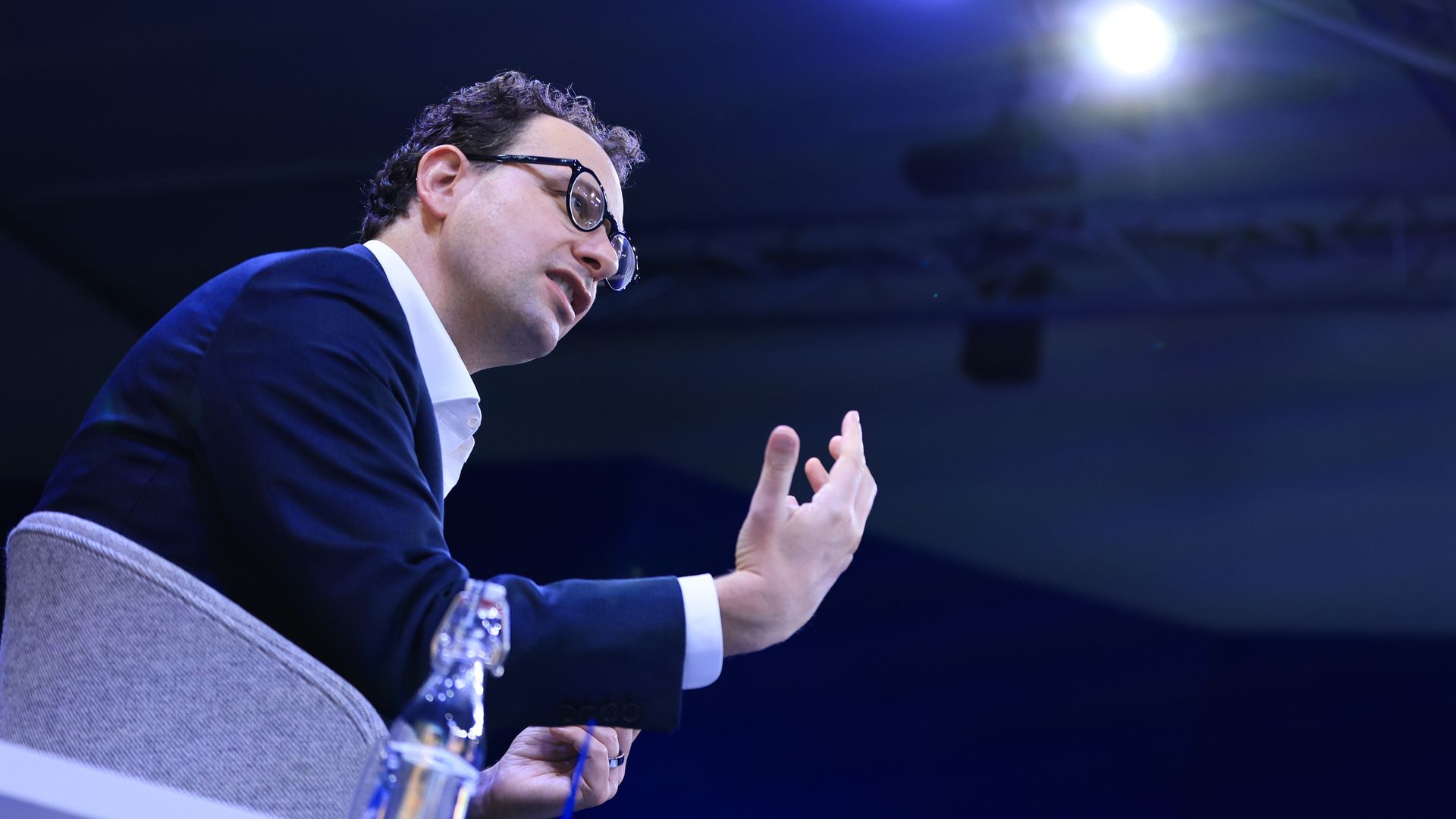
Meta CTO Andrew Bosworth compared the massive investments into AI to the railroad boom in the 19th century: some companies will go bust, but consumers will benefit.
Why it matters: "You're getting a ton of private capital building out a bunch of investment that will be useful to us," Bosworth said Tuesday at Axios House Davos. But among the companies racing to develop AI — a race Meta itself is very much involved in — "there will be winners and losers."
Why it matters: As AI agents start shopping and paying on consumers' behalf, the power shift isn't about smarter models — it's about who controls trust, identity and payments when machines spend people's money.
To mark the one-year anniversary of President Trump taking office, we asked Axios subject matter experts a simple question: What's the biggest disruption or change you've seen on your beat over the past year?
1. White House, Marc Caputo:A year in the planning, Trump's ouster of Venezuelan dictator Nicolás Maduro was a defining moment that crystallized the administration's "Trump Corollary" to the Monroe Doctrine.